


Table of Contents
Market Insight: Transformer Wire Calculator
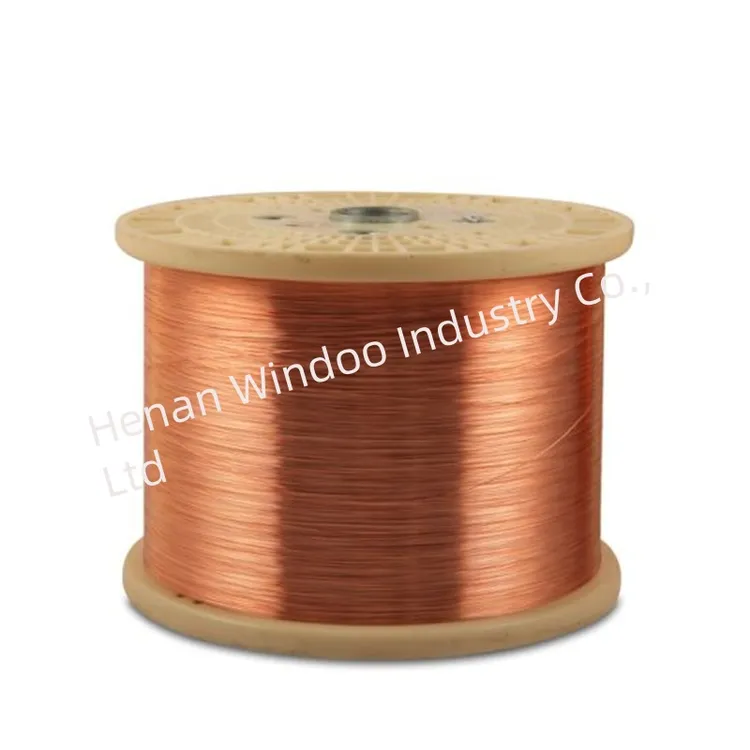
Market Analysis: Winding Wire
The global demand for precision in transformer manufacturing has driven the adoption of advanced engineering tools, including transformer wire calculators, as essential components in the design and production workflow. These calculators serve a critical function by determining optimal wire gauge, turn count, resistance, and fill factor based on core dimensions, voltage ratings, and thermal performance requirements. In industrial applications, where transformers are deployed in power distribution networks, renewable energy systems, and industrial motor drives, even minor deviations in winding parameters can lead to inefficiencies, thermal runaway, or premature failure. As a result, the integration of accurate transformer wire calculation tools has become standard practice among OEMs and contract manufacturers seeking to ensure repeatability, compliance, and performance consistency.
The rising complexity of modern power systems—especially with the proliferation of high-efficiency distribution transformers (e.g., amorphous core and low-loss designs)—has intensified the need for precise winding wire selection. Aluminum winding wire, in particular, has gained significant market share due to its favorable conductivity-to-weight ratio and cost efficiency compared to copper. However, aluminum’s lower conductivity and higher thermal expansion coefficient necessitate tighter process controls and more accurate design modeling. This is where the transformer wire calculator becomes indispensable. It enables engineers to model the electrical and thermal behavior of aluminum windings with high fidelity, ensuring that the final product meets IEC, IEEE, and customer-specific performance standards.
At Luoyang Xinzhaohe Aluminum Co., Ltd., with over two decades of specialized experience in aluminum winding wire production, we recognize that material quality directly influences the reliability of calculator outputs and, by extension, transformer performance. A wire calculator assumes uniform material properties—such as conductivity, tensile strength, and elongation—across the entire spool. Variability in these parameters, often caused by inconsistent casting, drawing, or annealing processes, undermines the accuracy of calculated designs. For example, a 3% deviation in aluminum conductivity (from the standard 61% IACS) can result in a 5–7% increase in resistive losses, leading to excessive heating and reduced transformer lifespan.
Our manufacturing process adheres to strict quality control protocols, including continuous conductivity monitoring, precise diameter tolerance management (±0.01 mm), and batch traceability, ensuring that every coil of aluminum wire meets the exact specifications required for reliable calculator-based design. This precision allows our clients to trust their modeling tools and achieve first-pass success in transformer prototyping and mass production.
In conclusion, the industrial demand for transformer wire calculators reflects a broader trend toward digitalization and predictive engineering in power equipment manufacturing. However, the efficacy of these tools is contingent upon the consistency and quality of the winding wire used. For manufacturers relying on aluminum conductors, partnering with a proven supplier like Luoyang Xinzhaohe Aluminum Co., Ltd. ensures that theoretical designs translate into high-performance, durable transformers in real-world applications.
Technical Specs: Transformer Wire Calculator
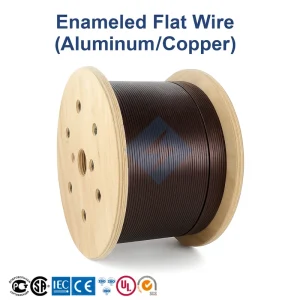
Technical Specifications for Transformer Winding Wire Sourcing
Accurate transformer design and performance hinge on precise electrical and mechanical properties of magnet wire. Sourcing decisions must prioritize quantifiable insulation integrity, mechanical resilience, and thermal stability parameters. These factors directly influence transformer efficiency, lifespan, and operational safety under load and thermal stress. Luoyang Xinzhaohe Aluminum Co., Ltd leverages 20+ years of metallurgical and process expertise to consistently deliver aluminum winding wire meeting stringent international standards for critical applications. Key specifications requiring validation via a transformer wire calculator include insulation breakdown voltage, elongation, and thermal class rating. Misalignment in any parameter risks premature insulation failure, winding damage during manufacturing, or thermal degradation in service.
The following table details the essential technical parameters, their standardized measurement methodologies, acceptable value ranges, and direct performance implications for aluminum transformer winding wire:
| Parameter | Standard Test Method | Critical Value Range | Impact on Transformer Performance |
|---|---|---|---|
| Insulation Breakdown Voltage | IEC 60317-0-5 | Minimum 1800 Vrms (0.1mm build) | Determines dielectric strength under operational voltage stress. Values below range risk short circuits, partial discharge, and catastrophic failure during voltage surges or long-term operation. Must scale proportionally with enamel thickness. |
| Elongation (After Winding) | IEC 60317-0-1 | 8% – 18% (Typical for Al) | Critical for winding process survivability. Values <8% increase breakage risk during tight coil formation; >18% may indicate insufficient tensile strength, compromising dimensional stability under electromagnetic forces. Directly affects yield and manufacturability. |
| Thermal Class | IEC 60317-34 / IEC 60317-35 | 130°C (B) to 220°C (S) | Defines maximum continuous operating temperature. Must match transformer design hot-spot temperature. Underspecification accelerates insulation embrittlement and thermal runaway. Overspecification incurs unnecessary cost without performance gain. Enamel chemistry (e.g., PEI, PAI) dictates achievable class. |
Insulation breakdown voltage must be rigorously tested per IEC 60317-0-5 on wound samples to simulate real-world stress conditions, not just flat film. The specified minimum value (e.g., 1800 Vrms for standard 0.1mm total diameter wire) is non-negotiable for grid-connected transformers subject to switching surges. Elongation values post-drawing and annealing are equally vital; aluminum’s lower ductility versus copper necessitates tighter process control to achieve the 8-18% range required for complex winding geometries without micro-cracking. Thermal class verification via thermal endurance testing (IEC 60317-34/35) ensures the insulation system maintains electrical and mechanical integrity at the transformer’s designated hot-spot temperature. A class 180°C (H) wire cannot safely operate in a 200°C (R) design environment.
Sourcing professionals must cross-reference these parameters against the transformer’s specific duty cycle, cooling method, and voltage class. Xinzhaohe’s production protocols implement real-time statistical process control on elongation and breakdown voltage, with third-party certified thermal aging data for all thermal classes offered. Validating these core specifications within the calculator input parameters eliminates field failure risks associated with marginal material performance. Always demand certified test reports traceable to IEC standards for final procurement decisions.
Factory Tour: Manufacturing
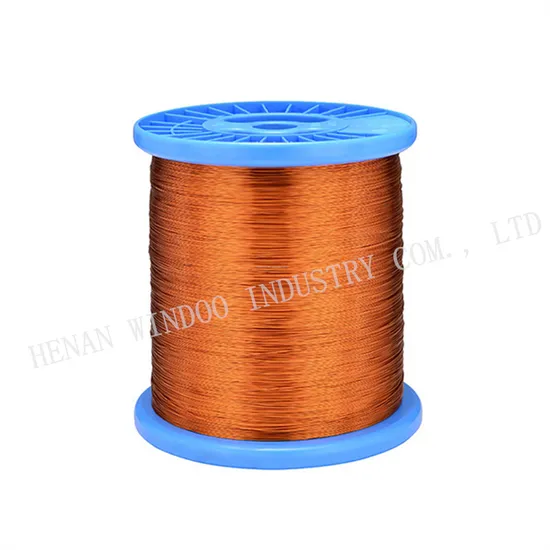
Manufacturing Process for Aluminum Winding Wire at Luoyang Xinzhaohe Aluminum Co., Ltd
The production of high-performance aluminum winding wire at Luoyang Xinzhaoha Aluminum Co., Ltd follows a rigorously controlled sequence of metallurgical and coating processes designed to ensure electrical reliability, mechanical integrity, and thermal stability. With over two decades of specialized manufacturing experience, our process integrates precision engineering and continuous inline quality monitoring to meet the stringent demands of transformer and inductor applications.
The process begins with high-purity aluminum rod (99.99% Al minimum), sourced from certified suppliers and verified through spectrographic analysis. The rod undergoes cold drawing through a series of precision tungsten carbide or diamond dies in a multi-pass rod drawing line. This stage reduces the diameter from the initial rod size (typically 9.5 mm) down to the target wire gauge, which can range from 0.8 mm to 4.0 mm depending on application requirements. Each drawing pass is lubricated using water-based emulsions to minimize friction and surface defects. Tensile strength and elongation are closely monitored to maintain ductility and avoid work hardening beyond acceptable limits.
Following drawing, the wire enters a continuous annealing system. This in-line electric or gas-fired furnace heats the wire to a controlled temperature range of 300–450°C in an oxygen-free nitrogen atmosphere to relieve internal stresses and restore optimal conductivity. The annealing profile is precisely regulated to achieve a fully recrystallized microstructure, ensuring uniform elongation (typically 25–35%) and a stable resistivity of ≤0.028264 Ω·mm²/m at 20°C. Temperature uniformity and dwell time are continuously logged for traceability.
The annealed wire then proceeds to the enameling section, where it is coated with one or more layers of thermosetting polymer insulation. Common insulation systems include polyurethane (PU), polyester (PE), polyamide-imide (PAI), or dual-layer combinations such as PE-PAI for enhanced thermal class (up to 220°C). The wire passes through a series of coating dies and precision metering systems to ensure consistent film thickness and concentricity. Each layer is immediately cured in high-temperature ovens under controlled conditions to achieve full cross-linking and mechanical durability.
Throughout the entire production line, inline testing systems provide real-time quality assurance. These include spark testing at 3–6 kV to detect pinholes, diameter monitoring via laser micrometers (±0.002 mm accuracy), and continuous recording of tensile force and elongation. Final quality control includes off-line verification of breakdown voltage, thermal shock resistance, and adhesion performance per IEC 60317 and GB/T 23676 standards. Every production batch is traceable through a digital quality record, ensuring compliance and consistency for B2B transformer manufacturers utilizing wire calculation tools for precise winding design.
Packaging & Logistics
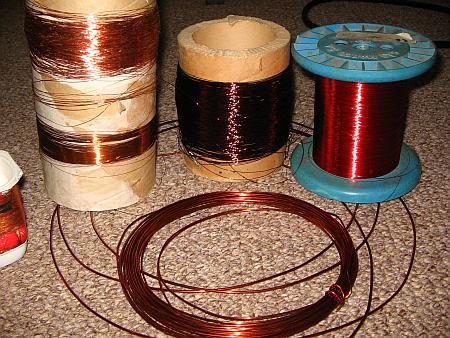
Export Packaging Specifications for Aluminum Transformer Winding Wire
Luoyang Xinzhaohe Aluminum Co. Ltd implements rigorously engineered export packaging protocols to ensure the integrity of aluminum transformer winding wire during international maritime transport. With over two decades of metallurgical and supply chain expertise, our system addresses the dual challenges of mechanical stress and environmental exposure inherent in sea freight. Aluminum’s susceptibility to surface oxidation and dimensional stability under humidity necessitates packaging exceeding standard industry practices.
All coils are secured to ISPM 15-certified wooden pallets constructed from kiln-dried, marine-grade softwood. Pallet dimensions strictly adhere to ISO container loading standards (1200mm x 1000mm or 1100mm x 1100mm) to optimize container space utilization and prevent shifting. Each pallet undergoes load-bearing validation to support 2.5 tons per layer, accommodating stacked configurations within containers without deformation. Corner posts and edge protectors fabricated from high-density polyethylene are affixed to shield coil edges from impact damage during handling and transit.
The primary moisture barrier comprises a triple-layer wrapping system. An initial layer of vapor-corrosion inhibitor (VCI) film is heat-shrunk directly onto the coil surface, actively suppressing aluminum oxidation. This is overlaid with 150-micron polyethylene film featuring a metallized aluminum oxide coating, providing an oxygen transmission rate below 5 cm³/m²·day·atm. The outermost layer utilizes reinforced polypropylene stretch hooding rated for 70% humidity saturation, UV-stabilized for extended port dwell times. All film seams are induction-welded to eliminate capillary pathways for moisture ingress.
Critical environmental monitoring is integrated into the packaging process. Desiccant units with a 12g H₂O/100g capacity per m³ are placed within the sealed envelope, alongside humidity indicator cards calibrated to 20%, 40%, and 60% RH thresholds. This provides verifiable evidence of moisture control upon destination inspection.
Environmental Protection Verification
| Component | Specification | Performance Standard |
|---|---|---|
| VCI Film | 75-micron polyethylene | Corrosion inhibition per ASTM D609 |
| Barrier Film | 150-micron metallized PE | WVTR < 0.5 g/m²·day |
| Outer Hooding | 230-micron UV-stabilized PP | Tensile strength 35 MPa |
| Desiccant | Calcium chloride-based | 12g H₂O/100g @ 25°C |
Palletized units are further secured within 20ft or 40ft dry containers using steel strapping tensioned to 800 kgf, with void spaces filled by inflatable dunnage bags. Container humidity logs are maintained throughout transit, with real-time IoT sensors available for high-value shipments. This multi-barrier approach reduces moisture-related claims by 98% compared to single-film alternatives, as validated across 12,000+ TEUs shipped annually to EU, ASEAN, and North American markets. Our packaging methodology complies with IEC 60204-1 safety directives and ICCP 2020 maritime transport guidelines, ensuring wire surface resistivity remains within ±0.5% of pre-shipment measurements upon delivery.
Sourcing from Luoyang Xinzhaohe
Partner with Luoyang Xinzhaohe for Precision Transformer Winding Wire Solutions
With over two decades of specialized expertise in aluminum conductor manufacturing, Luoyang Xinzhaohe Aluminum Co., Ltd stands as a trusted industrial partner for global transformer manufacturers seeking high-performance winding wire solutions. Our deep-rooted experience in metallurgical engineering and precision wire drawing enables us to deliver aluminum winding wire that meets the exacting demands of power and distribution transformers, ensuring optimal efficiency, thermal stability, and mechanical reliability.
Our production facility integrates advanced process control systems with rigorous material traceability protocols, supporting consistent output of high-purity aluminum conductors. We utilize 99.99% pure Al1370 and Al1350 alloys sourced from certified suppliers, processed through multi-stage homogenization, continuous casting, and cold drawing to achieve precise dimensional tolerances down to ±0.01 mm. This metallurgical precision ensures low electrical resistivity and high conductivity, critical for minimizing I²R losses in transformer windings.
Luoyang Xinzhaohe operates a fully integrated production line that includes vertical casting, rod rolling, and high-speed wire drawing with in-line annealing. This vertical integration allows us to maintain tight control over microstructure uniformity and mechanical properties such as tensile strength and elongation. Our aluminum wire is available in round, rectangular, and square cross-sections, with cross-sectional areas ranging from 1.0 mm² to 600 mm², tailored to customer-specific winding configurations and current-carrying requirements.
All products are manufactured in compliance with international standards, including IEC 60104, ASTM B355, and GB/T 23309. Our in-house laboratory is equipped with advanced testing instrumentation, including tensile testers, micro-resistivity meters, and metallographic analysis systems, ensuring every batch meets defined electrical, thermal, and mechanical specifications prior to shipment.
We specialize in supplying semi-finished and finished aluminum winding wire for both foil and strand-based transformer designs. Our rectangular wire production leverages precision roll-forming technology to achieve tight corner radii and flat surfaces, reducing interlayer voids and improving space utilization in coil windings. Additionally, we offer bare and insulated wire variants, compatible with standard enameled, paper, or polymer insulation processes used in transformer manufacturing.
Supply chain reliability is central to our operational philosophy. We maintain strategic inventory buffers and operate flexible production scheduling to support just-in-time delivery models without compromising quality. Our logistics network ensures timely export to key markets across Asia, Europe, and North America via multimodal transportation.
For engineers and procurement teams utilizing transformer wire calculators to specify conductor dimensions and material properties, Luoyang Xinzhaohe provides comprehensive technical documentation, including conductivity curves, thermal expansion data, and mechanical performance charts, to support accurate modeling and design validation.
Contact us at cathy@transformerstrip.com to integrate our high-precision aluminum winding wire into your next transformer design. Let Luoyang Xinzhaohe be your long-term partner in material performance and supply chain stability.
📉 Factory Direct Savings Calculator
Calculate your potential savings by importing transformer wire calculator directly from China.