


Table of Contents
Market Insight: Transformer Strip
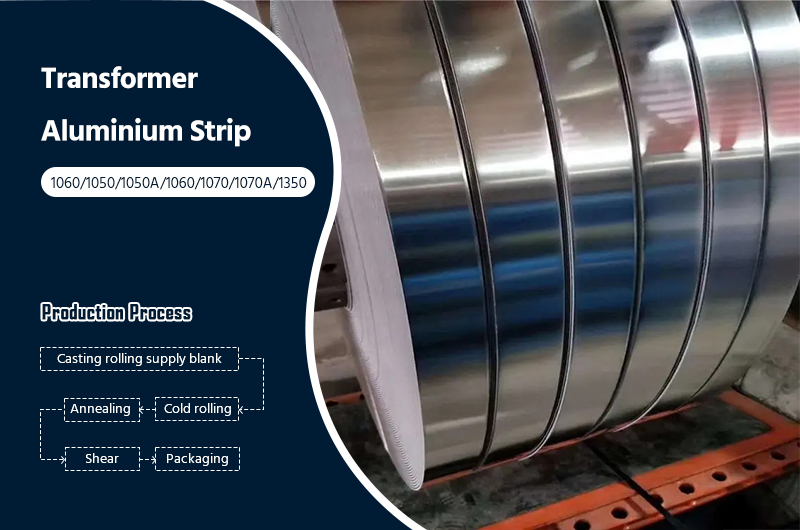
Market Analysis: Transformer Strip/Foil (Aluminum/Copper)
Transformer strip and foil represent critical functional materials within power and distribution transformers, directly influencing core efficiency, thermal management, and long-term operational reliability. Global demand is intrinsically linked to electrical infrastructure expansion, grid modernization, renewable energy integration, and stringent energy efficiency regulations. The shift toward higher-efficiency transformer standards globally, such as the DOE 2016 rule in the United States and the EU Ecodesign Directive, has significantly amplified demand for premium-grade strip. These regulations mandate reduced no-load and load losses, placing unprecedented emphasis on the electromagnetic properties and dimensional precision of the core material. Aluminum strip dominates the distribution transformer market due to its favorable conductivity-to-weight ratio, cost-effectiveness, and corrosion resistance, while copper foil remains essential for specific high-current or space-constrained applications despite higher material costs.
Quality parameters of transformer strip are non-negotiable for performance and longevity. Minor deviations in chemical composition, particularly iron and silicon content in aluminum alloys, drastically alter electrical resistivity and magnetic permeability. Excessive iron accelerates intermetallic formation during annealing, degrading conductivity. Surface finish imperfections act as nucleation sites for localized eddy currents, increasing core losses and generating hotspots. Dimensional tolerances, especially thickness uniformity and edge straightness, are critical for achieving optimal core stacking factor; variations exceeding ±0.02mm can reduce effective cross-sectional area by over 1.5%, directly elevating no-load losses. Residual stresses from improper cold rolling or annealing induce magnetic anisotropy, further degrading core performance under alternating magnetic fields. Substandard material manifests as premature aging, audible noise, excessive temperature rise, and ultimately, catastrophic failure under load. The total cost of ownership is dominated by operational energy losses over a transformer’s 30+ year lifespan; a 0.5% increase in core loss due to inferior strip translates to thousands of dollars in wasted energy per unit annually.
The following table outlines key material considerations driving industrial demand:
| Parameter | Aluminum Strip Requirement | Copper Foil Requirement | Performance Impact of Deviation |
|---|---|---|---|
| Resistivity | ≤ 0.02826 µΩ·m (20°C) | ≤ 0.01724 µΩ·m (20°C) | Increased load losses, reduced efficiency |
| Thickness Tolerance | ±0.015 mm (typical) | ±0.005 mm (typical) | Reduced stacking factor, elevated no-load losses |
| Surface Roughness | Ra ≤ 0.4 µm | Ra ≤ 0.2 µm | Higher eddy current losses, localized heating |
| Iron Content | 0.15-0.35% (controlled) | N/A | Intermetallic formation, conductivity degradation |
| Edge Quality | Burr-free, straight cut | Burr-free, precise etching | Poor core stacking, vibration, noise generation |
Industrial buyers increasingly prioritize suppliers with rigorous in-process metallurgical controls and traceability. Luoyang Xinzhaohe Aluminum leverages two decades of specialized production to deliver strip meeting IEC 60404-1 and ASTM B209 standards, ensuring consistent electromagnetic properties and dimensional accuracy. The market trajectory confirms that quality is not a cost premium but a fundamental requirement for regulatory compliance, grid stability, and minimizing lifetime energy expenditures. Substandard strip procurement inevitably incurs disproportionate operational and replacement costs, underscoring why precision metallurgy is central to transformer core performance.
Technical Specs: Transformer Strip
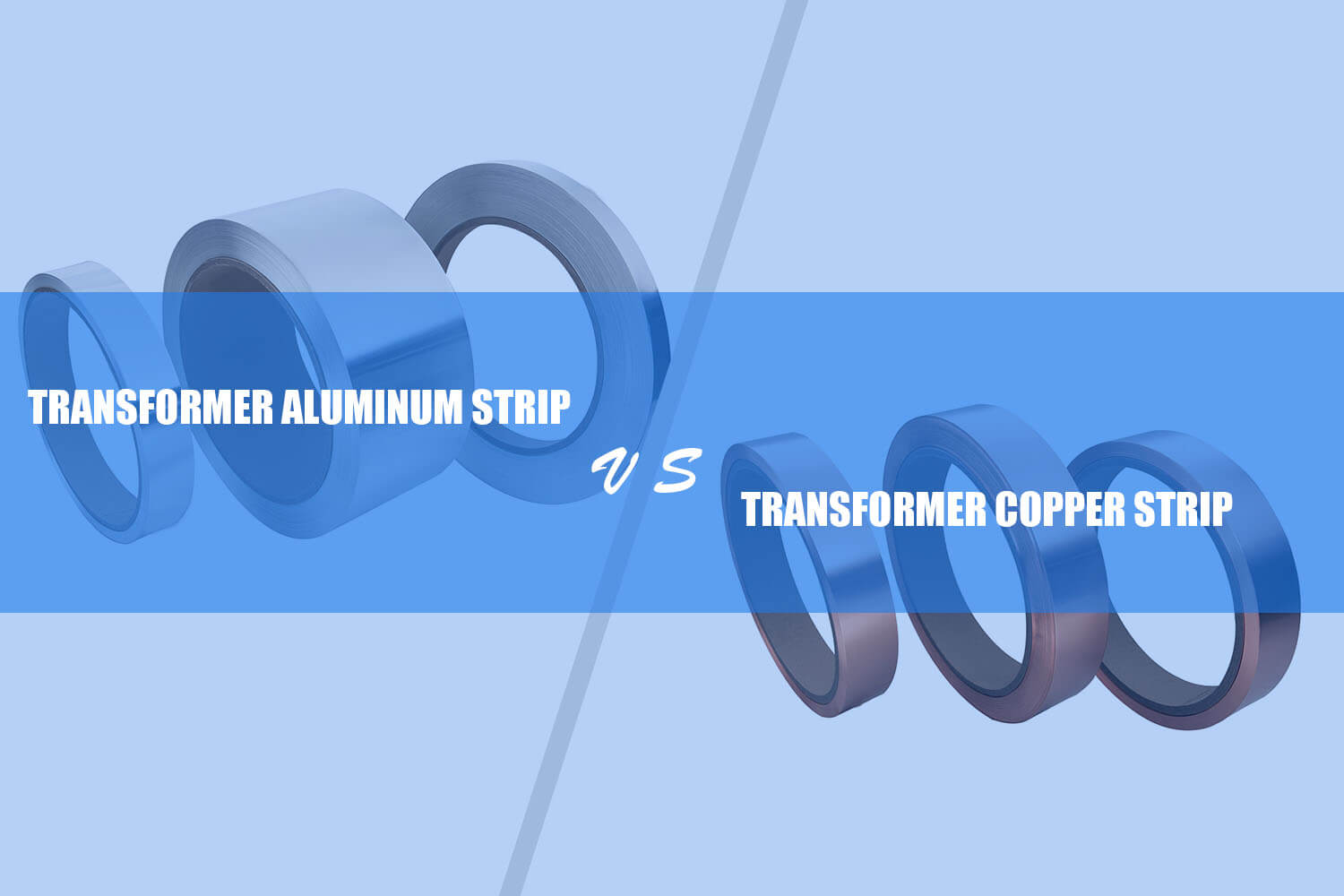
Transformer strip is a critical component in the construction of dry-type and oil-immersed transformers, serving as the primary conductor material in low-voltage windings. At Luoyang Xinzhaohe Aluminum Co., Ltd, with over two decades of metallurgical and rolling expertise, we manufacture high-precision aluminum and copper transformer strips engineered to meet stringent electrical and mechanical performance standards. Our production process integrates advanced cold rolling, precision slitting, and edge conditioning technologies to ensure dimensional accuracy, surface integrity, and optimal conductivity.
Dimensional precision is paramount in transformer strip applications to ensure uniform winding tension, minimize interlayer stresses, and prevent dielectric breakdown. Our slitting lines are calibrated to achieve a width tolerance of ±0.002 mm, ensuring consistent coil build and reducing the risk of edge misalignment during winding operations. This level of accuracy is maintained across all thickness ranges, from 0.10 mm to 3.00 mm, with specialized tooling and real-time laser monitoring systems to detect deviations in real time.
Edge quality directly influences winding integrity and electrical safety. All transformer strips produced at our facility are processed through deburring and edge rounding systems to eliminate micro-burrs and sharp protrusions. Burr height is consistently controlled below 2% of material thickness, ensuring smooth handling and preventing insulation layer damage during coil formation. Surface roughness is maintained within Ra ≤ 0.4 µm to support uniform varnish impregnation and thermal dissipation.
Electrical conductivity is a core performance metric, particularly in energy-efficient transformer designs. Aluminum strips are supplied in O-temper (fully annealed) condition with a minimum conductivity of 61.0% IACS, meeting or exceeding GB/T 3880 and ASTM B209 standards. Copper strips, fabricated from high-purity electrolytic tough pitch (ETP) copper, achieve conductivity levels of 98.0% IACS minimum, conforming to GB/T 14597 and IEC 60183 specifications. All batches undergo routine four-point probe resistivity testing to verify homogeneity and batch-to-batch consistency.
Mechanical properties are tailored to balance formability and structural stability. Aluminum strips exhibit tensile strength in the range of 60–85 MPa with elongation ≥ 35%, enabling tight-radius winding without cracking. Copper variants are delivered with tensile strength of 200–240 MPa and elongation ≥ 40%, providing superior durability under high-stress winding conditions.
The following table summarizes key technical parameters for our transformer strip products:
| Parameter | Aluminum Strip | Copper Strip | Test Standard |
|---|---|---|---|
| Thickness Range | 0.10 – 3.00 mm | 0.10 – 3.00 mm | GB/T 3880 / ASTM B209 |
| Width Tolerance | ±0.002 mm | ±0.002 mm | Internal QC Protocol |
| Edge Burr Height | ≤ 2% of thickness | ≤ 2% of thickness | ISO 8501-1 / Visual Profilometry |
| Surface Roughness (Ra) | ≤ 0.4 µm | ≤ 0.4 µm | ISO 4287 |
| Electrical Conductivity | ≥ 61.0% IACS | ≥ 98.0% IACS | IEC 60468 |
| Tensile Strength | 60 – 85 MPa | 200 – 240 MPa | GB/T 228.1 |
| Elongation (min) | ≥ 35% | ≥ 40% | GB/T 228.1 |
| Temper | O (Annealed) | O (Annealed) | ASTM B601 |
All products are supplied in vacuum-sealed, anti-corrosion packaging with traceable batch documentation, including mechanical test reports, conductivity certificates, and dimensional inspection records. Luoyang Xinzhaohe Aluminum Co., Ltd adheres to ISO 9001:2015 quality management protocols to ensure reliability and compliance in every shipment.
Factory Tour: Manufacturing
Transformer Strip Manufacturing Process at Luoyang Xinzhaohe Aluminum
Transformer strip production demands rigorous metallurgical control and dimensional precision to ensure optimal electromagnetic performance and core efficiency in final assemblies. At Luoyang Xinzhaohe Aluminum, our 20+ years of specialized expertise govern a tightly integrated sequence: Cold Rolling, Precision Slitting, and Edge Conditioning, each phase incorporating stringent quality checkpoints.
The Cold Rolling process forms the foundational metallurgical structure. High-purity aluminum or copper ingots undergo homogenization and hot rolling to produce intermediate gauge stock. This material then enters our multi-stand cold rolling mills under precisely controlled interstand tension and roll gap settings. Critical parameters including reduction ratio per pass, rolling speed, and coolant lubrication are meticulously managed to achieve the target final thickness typically ranging from 0.10 mm to 0.50 mm while controlling grain size and texture. Skin-pass rolling may be applied to eliminate yield point elongation and ensure flatness. Real-time laser micrometer systems continuously monitor thickness profile across the strip width, with deviations triggering immediate mill parameter adjustments. Thickness tolerance is maintained within ±0.005 mm, and surface roughness (Ra) is controlled to 0.3 – 0.8 μm to optimize core loss characteristics.
Precision Slitting transforms the master coil into the exact strip widths required by transformer manufacturers. Utilizing high-precision slitting lines equipped with hardened, ground rotary knives, the coil is longitudinally cut under controlled tension. Knife geometry, alignment, and concentricity are paramount to minimize burr formation and edge waviness. Our process achieves slit width tolerances of ±0.10 mm and ensures edge straightness deviation below 0.5 mm per meter. Continuous optical edge inspection systems monitor for micro-burrs, nicks, or irregularities immediately post-slitting, rejecting any section failing the defined criteria. The slit strip is then rewound onto precision arbors under consistent tension to prevent telescoping and maintain coil integrity for downstream processing.
Edge Conditioning is a critical step specific to transformer applications, addressing microscopic imperfections generated during slitting. The strip edges undergo controlled mechanical brushing or precision trimming. This process removes residual burrs, work-hardened layers, and surface contaminants, achieving a smooth, defect-free edge profile essential for minimizing localized eddy current losses in the transformer core. Surface finish at the edge is verified to meet Ra < 0.8 μm specifications. This step directly contributes to reducing no-load losses in the finished transformer.
Quality control is embedded throughout the entire production flow, not merely as a final check. Key verification points include:
| Process Stage | Critical QC Parameter | Measurement Method | Target Specification |
|---|---|---|---|
| Cold Rolling | Thickness Profile | Laser Micrometer Array | ±0.005 mm across width |
| Cold Rolling | Surface Roughness (Ra) | Contact Profilometer | 0.3 – 0.8 μm |
| Precision Slitting | Slit Width Tolerance | Precision Calipers / Optical Sensor | ±0.10 mm |
| Precision Slitting | Edge Straightness | Optical Edge Inspection System | < 0.5 mm/m deviation |
| Edge Conditioning | Edge Surface Finish (Ra) | Portable Profilometer | < 0.8 μm |
| Final Coil | Electrical Resistivity | Eddy Current Tester / 4-Point Probe | Meets ASTM B230 / B355 |
This integrated, QC-driven manufacturing approach ensures Luoyang Xinzhaohe Aluminum consistently delivers transformer strip meeting the most demanding global standards for dimensional accuracy, surface integrity, and electromagnetic performance.
Packaging & Logistics
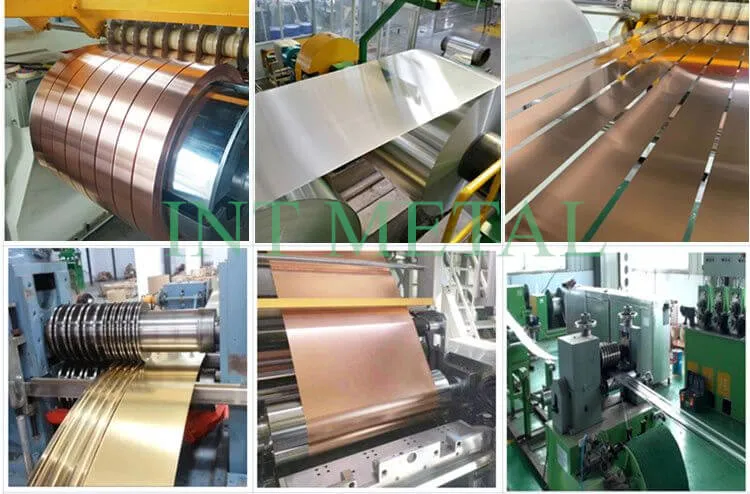
Export Packaging for Transformer Strip: Ensuring Integrity During Sea Freight
At Luoyang Xinzhaohe Aluminum Co., Ltd., with over two decades of experience in the production and global supply of transformer strip—both aluminum and copper—we maintain rigorous standards in export packaging to ensure product integrity throughout international logistics, particularly during sea freight. The inherent risks associated with maritime transport, including prolonged exposure to humidity, temperature fluctuations, mechanical shock, and salt-laden atmospheres, necessitate a robust, multi-layered packaging strategy designed specifically for sensitive flat-rolled electrical materials.
All transformer strip shipments are secured on high-strength wooden pallets constructed from kiln-dried, ISPM-15 compliant hardwood. These pallets are engineered to support the full weight of tightly wound coils or stacked foil sheets while maintaining dimensional stability under dynamic loading conditions. Each pallet is treated to resist mold, insect infestation, and structural degradation, meeting international phytosanitary requirements for cross-border shipment. The use of wooden pallets provides superior load distribution and compatibility with standard container handling equipment, minimizing the risk of deformation during loading, transit, and unloading.
The core protective layer consists of moisture-proof composite film, applied in multiple wraps around the coil or stack. This film is a multi-laminated polymer barrier incorporating aluminum foil interlayers, offering exceptional resistance to water vapor transmission. A typical configuration includes an outer polyethylene layer for abrasion resistance, a central aluminum layer for vapor barrier performance, and an inner heat-sealable polymer to ensure a hermetic seal. This system maintains internal relative humidity below critical thresholds, preventing surface oxidation and interlayer corrosion—particularly critical for high-purity aluminum strips used in precision transformer windings.
Prior to sealing, desiccants are strategically placed within the packaging envelope to absorb any residual moisture. The entire wrapped load is then over-banded with steel or PET straps anchored firmly to the pallet, preventing coil movement or edge damage during vessel motion. For added protection, edge protectors made from corrugated fiberboard or plastic are applied to the leading edges of stacks or coil rims to resist impact and crushing forces.
All packaging procedures are conducted in climate-controlled environments to minimize moisture uptake prior to sealing. Final inspection includes visual verification of film continuity, strap tension, and pallet stability. Documentation includes packaging certification and material handling instructions, ensuring compliance with carrier requirements and facilitating smooth customs clearance.
This engineered packaging system has been validated through accelerated salt spray testing, vibration simulation, and real-world shipment tracking across major trade routes, including trans-Pacific and Europe-Asia corridors. By integrating structural resilience with advanced moisture control, Luoyang Xinzhaohe ensures that transformer strip arrives at its destination in as-processed condition, ready for immediate use in downstream manufacturing operations.
Sourcing from Luoyang Xinzhaohe
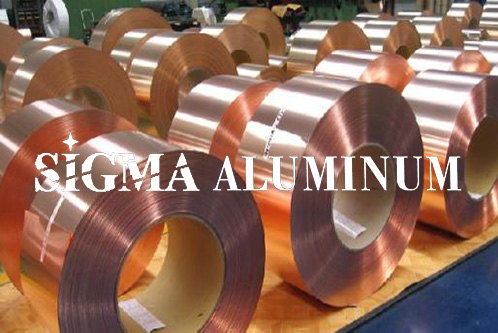
Partner with Luoyang Xinzhaohe for Precision Transformer Strip Solutions
Luoyang Xinzhaohe Aluminum CO., Ltd leverages over two decades of specialized metallurgical expertise to deliver transformer strip and foil solutions meeting the most stringent global electrical industry demands. Our vertically integrated manufacturing ecosystem ensures uncompromising control over material properties from raw material sourcing through final product certification. This deep process mastery is critical for transformer applications where electrical conductivity, mechanical stability, and thermal performance directly impact end-product efficiency and lifespan.
Our core strength lies in advanced metallurgical engineering capabilities for both aluminum and copper alloys. We operate state-of-the-art cold rolling mills, including a 2200mm precision line capable of producing strip down to 0.15mm thickness with exceptional dimensional stability. Critical tolerances are maintained through real-time monitoring systems:
| Parameter | Aluminum Alloy Tolerance | Copper Alloy Tolerance |
|---|---|---|
| Thickness | ±0.002mm | ±0.003mm |
| Width | ±0.1mm | ±0.15mm |
| Edge Camber | ≤0.3mm/m | ≤0.4mm/m |
| Surface Roughness | Ra ≤ 0.25μm | Ra ≤ 0.30μm |
Material homogeneity is achieved through proprietary homogenization and annealing protocols, ensuring uniform grain structure and consistent electrical resistivity. Our in-house R&D laboratory conducts rigorous testing per IEC 60137, ASTM B209, and EN 485 standards, including conductivity verification (IACS), tensile strength profiling, and intergranular corrosion resistance assessments. This data-driven approach guarantees strip performance aligns precisely with transformer core lamination requirements, minimizing eddy current losses and thermal degradation.
Supply chain resilience is engineered into our operational model. We maintain strategic partnerships with primary metal suppliers to secure high-purity aluminum ingots (99.85% min) and oxygen-free copper cathodes, enabling consistent feedstock quality. Our 45,000-ton annual production capacity is supported by JIT logistics coordination, reducing lead times while accommodating customized coil weights (200-5000kg) and packaging specifications for international shipment. All facilities operate under ISO 9001 and IATF 16949 certified quality management systems, with full traceability from melt batch to finished coil via integrated ERP tracking.
Partnering with Luoyang Xinzhaohe eliminates supply chain fragmentation through single-source accountability for both aluminum and copper transformer strip. Our technical team collaborates directly with OEM engineers during material qualification phases, providing metallurgical data packages and processing recommendations to optimize your lamination production. This proactive engagement reduces time-to-market while ensuring compliance with regional regulatory frameworks including RoHS and REACH.
Initiate a technical consultation to discuss your specific transformer strip requirements. Contact Cathy Zhang, International Business Manager, at cathy@transformerstrip.com to receive certified material test reports, production capacity schedules, and tailored cost analysis. Luoyang Xinzhaohe is prepared to become your strategic metallurgical partner for reliable, high-performance strip supply.
📉 Factory Direct Savings Calculator
Calculate your potential savings by importing transformer strip directly from China.