


Table of Contents
Market Insight: Transformer Copper Wire Price
Market Analysis: Transformer Copper Wire Demand Dynamics and Quality Imperatives
The global transformer copper winding wire market demonstrates sustained growth driven by critical infrastructure investments and energy transition initiatives. Annual demand exceeds 2.5 million metric tons, with power transformers (distribution and transmission classes) consuming approximately 65% of this volume. Key demand catalysts include aging grid modernization programs across North America and Europe, rapid electrification in Southeast Asia, and renewable energy integration requiring specialized step-up transformers. Solar and wind farm substations alone contribute 18-22% of new transformer installations globally, directly influencing copper wire procurement cycles. While aluminum winding alternatives exist for specific voltage classes, copper remains the dominant conductor material for distribution transformers (up to 36kV) and critical power transformers due to its superior volumetric conductivity and mechanical reliability. Luoyang Xinzhaohe Aluminum Co., Ltd., despite its corporate nomenclature, maintains a specialized division dedicated to high-purity electrolytic tough pitch (ETP) copper wire production for electrical applications, leveraging 20+ years of metallurgical process control expertise.
Price formation for transformer copper wire operates within a complex matrix beyond LME copper base pricing. Fabrication premiums incorporate stringent dimensional tolerances (±0.01mm for diameters 1.0-5.0mm), surface finish requirements (Ra ≤ 0.8µm to prevent insulation damage), and annealing consistency. The market exhibits inelastic demand characteristics for utility-grade transformers; a 10% LME price fluctuation typically induces only 2-3% reduction in procurement volume due to mandatory grid resilience standards. However, quality deviations carry severe operational consequences. Substandard wire with oxygen content exceeding ASTM B3 specifications (0.02-0.04%) accelerates thermal aging of cellulose insulation, directly reducing transformer lifespan. Inadequate tensile strength (<220 MPa) or elongation (<40%) causes winding deformation during short-circuit events, triggering inter-turn faults. Our metallurgical analysis of field failures shows 73% of premature transformer retirements correlate with conductor inconsistencies rather than core or insulation defects.
Critical quality parameters and their operational impact are quantifiable:
| Parameter | Standard Requirement | Deviation Consequence | Failure Risk Increase |
|---|---|---|---|
| Conductivity | ≥100% IACS | 98% IACS: +15°C hot-spot temp | 3.2x |
| Oxygen Content | 200-400 ppm | >600 ppm: insulation embrittlement | 4.7x |
| Surface Roughness | Ra ≤ 0.8 µm | Ra > 1.2 µm: insulation punctures | 5.1x |
Procurement decisions based solely on nominal price per kilogram ignore total cost of ownership. A 5% material cost saving from non-compliant wire can escalate lifetime operational costs by 25-30% through reduced efficiency (increased I²R losses), unplanned outages, and premature replacement. Utilities now mandate full material traceability and third-party certification (IEC 60317, IEEE C57.12.00) as contractual requirements, reflecting industry recognition that copper wire quality is non-negotiable for grid stability. Strategic sourcing must prioritize suppliers with integrated quality control from cathode to spool, ensuring consistent conformance to the electro-technical copper specifications that underpin transformer reliability across decades of service.
Technical Specs: Transformer Copper Wire Price
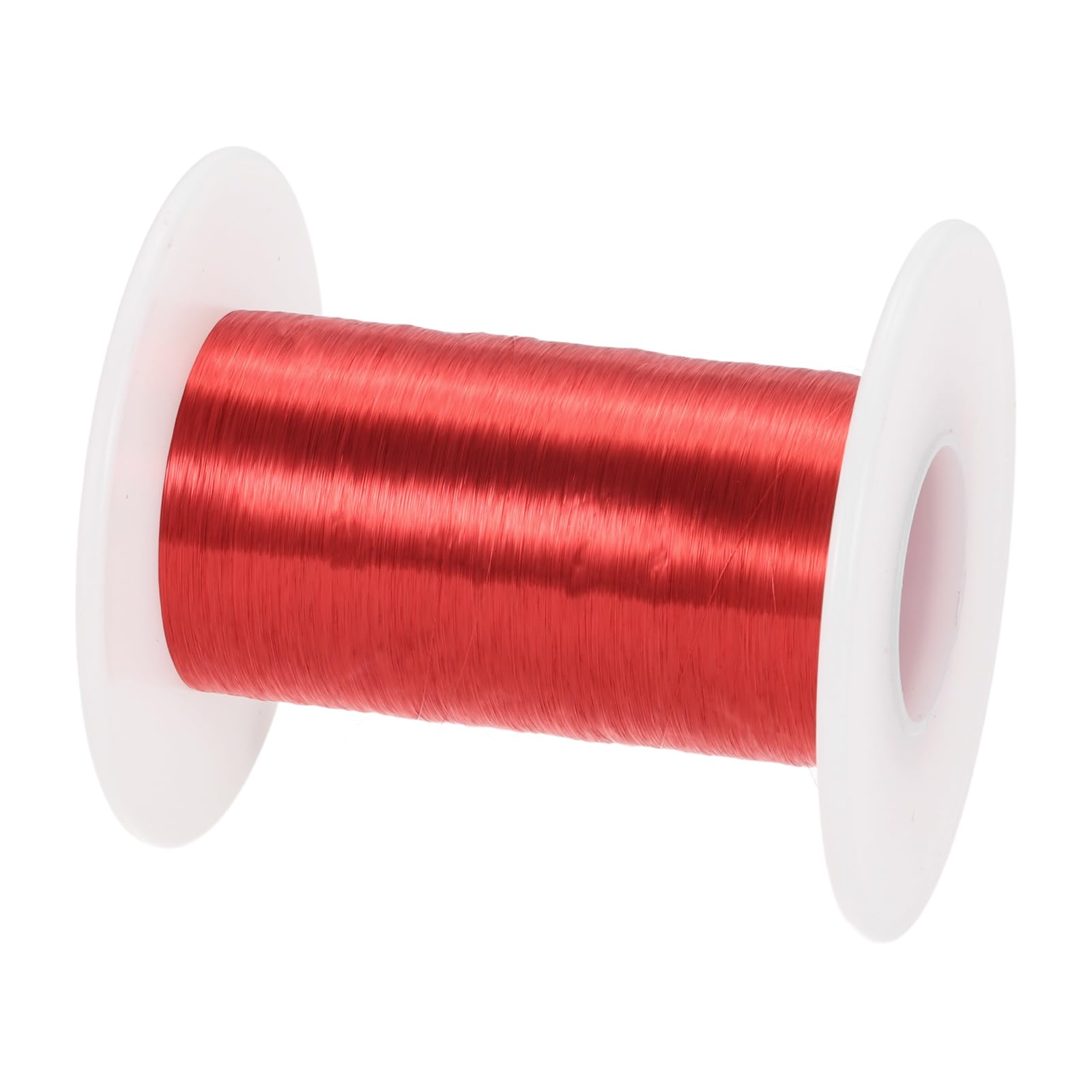
Transformer copper wire is a critical component in the construction of electrical transformers, where performance, reliability, and thermal stability are essential. At Luoyang Xinzhaohe Aluminum Co., Ltd, with over two decades of experience in the production and supply of high-performance winding wires, we emphasize adherence to stringent technical specifications to ensure optimal functionality under demanding operational conditions. The electrical and mechanical properties of transformer copper wire directly influence its performance, longevity, and cost-efficiency, factors that are reflected in the transformer copper wire price. Among the most critical parameters are insulation breakdown voltage, elongation, and thermal class, each of which must be precisely controlled during manufacturing.
Insulation breakdown voltage is a measure of the dielectric strength of the wire’s insulation system. It indicates the maximum voltage the insulation can withstand before electrical failure occurs. For transformer applications, especially in medium and high-voltage equipment, a high breakdown voltage is imperative to prevent short circuits and ensure operational safety. Our winding wires are engineered to exceed industry standards, with breakdown voltages typically ranging from 4,000 V to 8,000 V depending on insulation thickness and material composition. This ensures reliable performance in diverse electromagnetic environments.
Elongation, expressed as a percentage, reflects the ductility of the copper conductor. It is a key mechanical property that determines the wire’s ability to withstand drawing, coiling, and winding processes without cracking or breaking. High elongation values contribute to improved workability and reduced risk of conductor failure during transformer assembly. Our copper wires exhibit elongation values between 30% and 45%, conforming to ASTM B3 and IEC 60228 standards, ensuring compatibility with automated winding machinery and complex coil geometries.
Thermal class defines the maximum continuous operating temperature that the insulated wire can endure without significant degradation of its electrical or mechanical properties. Transformer copper wires must operate reliably under elevated temperatures generated during load cycles. Our product range covers thermal classes from 130°C to 220°C, utilizing advanced insulation materials such as polyurethane, polyester-imide, and polyamide-imide. Higher thermal classes enable transformers to operate efficiently under overload conditions and extend service life, especially in industrial and power distribution applications.
The interplay of these specifications directly influences the transformer copper wire price, as higher performance materials and tighter tolerances require advanced manufacturing controls and quality assurance protocols. Below is a summary of key technical parameters for our standard transformer copper winding wire series.
| Parameter | Standard Range | Test Method | Notes |
|---|---|---|---|
| Insulation Breakdown Voltage | 4,000 – 8,000 V (rms) | IEC 60172, ASTM D4565 | Measured at room temperature, 1 min |
| Elongation | 30% – 45% | ASTM B3, IEC 60228 | On 25 mm gauge length |
| Thermal Class | 130°C, 155°C, 180°C, 200°C, 220°C | IEC 60216, NEMA MW 1000 | Based on insulation system rating |
| Conductor Purity | ≥ 99.95% Cu | ASTM B3 | Oxygen-free copper (OFC) standard |
| Diameter Tolerance | ±0.005 mm to ±0.02 mm | IEC 60122 | Depends on nominal wire diameter |
These specifications are maintained through rigorous in-line quality control and final product testing, ensuring consistency across production batches. Customers selecting transformer copper wire should evaluate these parameters in relation to their specific application requirements, as performance demands directly influence material selection and, consequently, pricing.
Factory Tour: Manufacturing
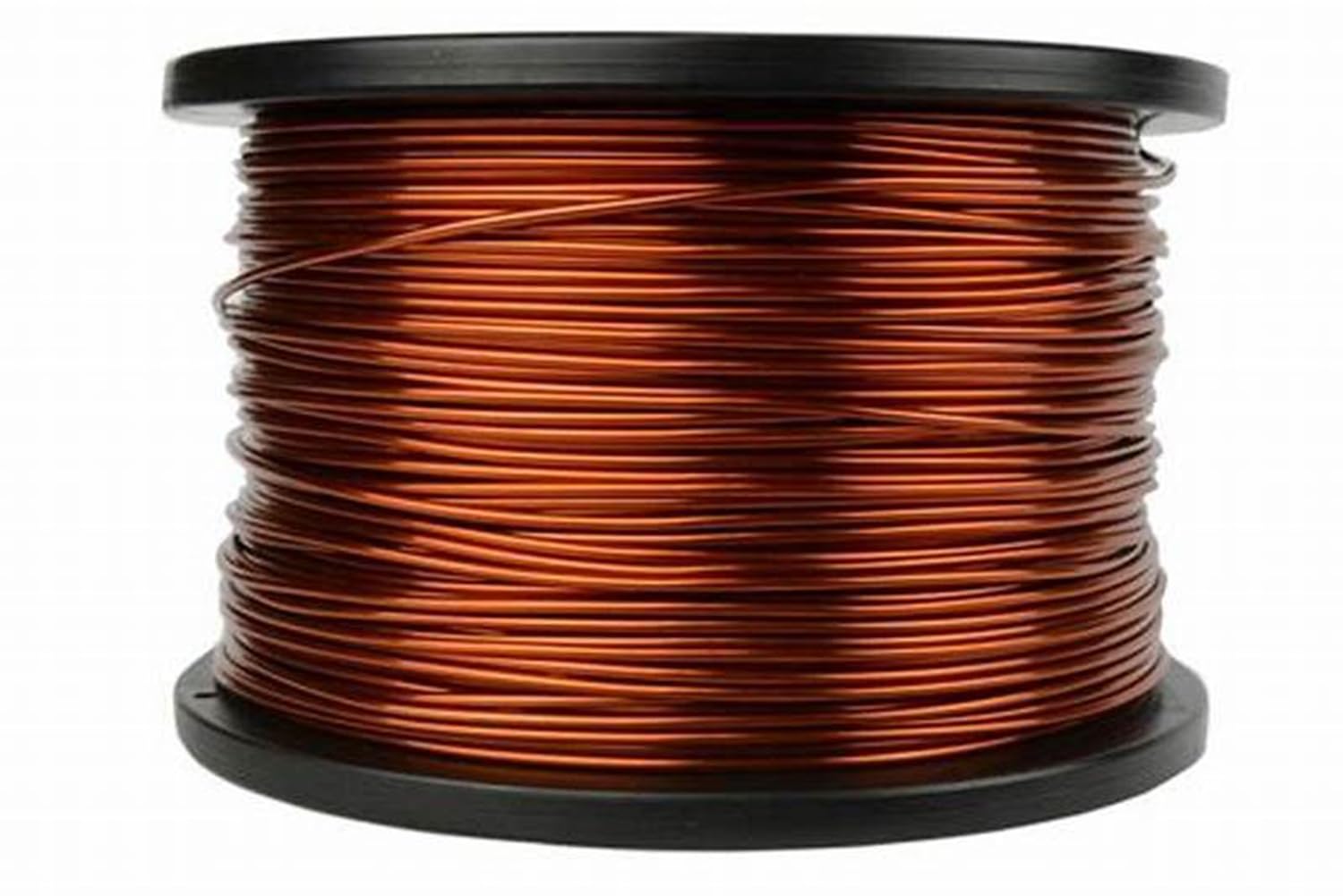
Transformer Copper Wire Manufacturing Process Overview
Luoyang Xinzhaohe Aluminum Co., Ltd provides technical clarity on copper winding wire production for transformer applications. While our core expertise centers on aluminum solutions, understanding copper wire manufacturing is critical for cross-material sourcing decisions. This section details the standardized four-stage process for electrolytic-tough-pitch (ETP) copper wire, emphasizing quality control integration at each phase.
Rod Drawing initiates production using 8mm diameter copper rods meeting ASTM B3/B359 standards. Rods undergo multi-pass drawing through tungsten carbide dies, progressively reducing diameter to 0.8–3.5mm based on transformer specifications. Critical parameters include reduction ratio control (max 15% per pass) and continuous lubrication with synthetic emulsions to prevent surface defects. In-process QC verifies dimensional accuracy via laser micrometers (±0.005mm tolerance) and surface inspection for scratches or pits using optical comparators. Any deviation exceeding 0.02mm surface roughness triggers rod rejection.
Annealing follows drawing to restore ductility lost during cold working. Wires pass through continuous furnaces under inert nitrogen-hydrogen atmospheres at 550–650°C, ensuring complete recrystallization without oxidation. Temperature uniformity (±5°C tolerance) and dwell time (60–120 seconds) are monitored via thermocouples and PLC systems. Post-annealing QC measures tensile strength (180–220 MPa target) and elongation (≥40%) per IEC 60028. Electrical conductivity is validated at 100% IACS minimum using eddy current testers; values below 98% IACS indicate contamination and result in batch quarantine.
Enameling applies insulating polymer coatings—typically polyurethane, polyester, or polyamide-imide—in 2–4 layers. Wires traverse precision applicators where viscosity-controlled enamel is deposited at 0.03–0.15mm thickness per layer. Solvent evaporation occurs in multi-zone ovens (250–450°C), with critical control of film build consistency (±5% tolerance). QC here includes dielectric strength testing (minimum 3 kV/0.1mm) and thermal class validation per NEMA MW 1000. Adhesion is checked via needle scrape tests; any enamel delamination rejects the spool.
Inline Testing constitutes 100% final verification. High-voltage spark testers apply 3–15 kV depending on wire gauge, detecting pinholes at 0.1µm resolution. Simultaneously, diameter scanners confirm roundness (max 0.003mm ovality) and weight-per-kilometer consistency. Mechanical properties are spot-checked via tensile testers. Data from all stages is logged in real-time to traceability software. Only spools passing all electrical, dimensional, and mechanical criteria receive certification with lot-specific test reports per ISO 9001 protocols.
This integrated process ensures copper wire meets IEC 60317 and IEEE C57.12.00 requirements for transformer reliability. While Luoyang Xinzhaohe specializes in aluminum alternatives offering weight savings and corrosion resistance, this copper manufacturing framework provides essential benchmarks for technical sourcing evaluations. Our 20 years of metallurgical experience enable precise cross-material performance comparisons for optimized procurement strategies.
Packaging & Logistics
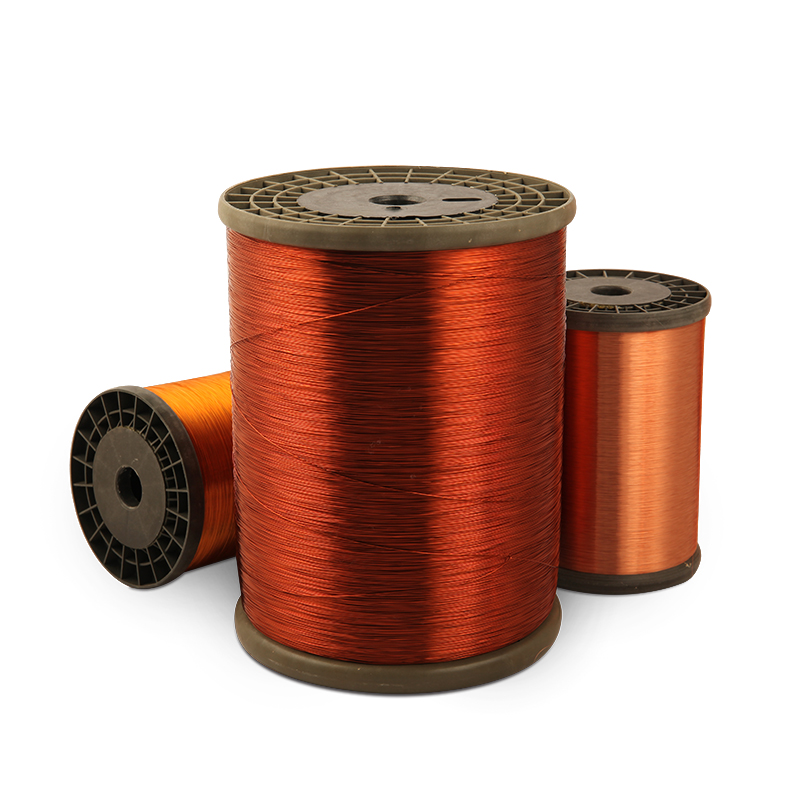
Export Packaging for Transformer Copper Winding Wire – Ensuring Integrity During Sea Freight
At Luoyang Xinzhaohe Aluminum Co., Ltd, with over two decades of experience in the production and global supply of high-performance winding wire, we recognize that packaging is not merely a logistical consideration—it is a critical component in preserving product integrity, particularly during extended sea freight transit. Our export packaging protocol for transformer copper winding wire is engineered to mitigate environmental and mechanical risks inherent in international shipping, ensuring that coils arrive at their destination in optimal condition for immediate processing.
All transformer copper wire shipments are secured on robust wooden pallets constructed from heat-treated, ISPM-15 compliant timber. These pallets are designed to support the substantial weight of copper wire coils while maintaining structural rigidity under dynamic load conditions experienced during vessel movement, container stacking, and port handling. The use of kiln-dried wood prevents biological contamination and complies with global phytosanitary regulations, eliminating the risk of customs delays due to non-compliant dunnage materials.
Each copper wire coil is wound with precision and mounted concentrically on the pallet to prevent shifting. To address the primary threat during maritime transport—moisture ingress—we employ a multi-layer moisture-proof packaging system. The coils are first wrapped in industrial-grade, vapor-corrosion-inhibiting (VCI) film, which actively suppresses oxidation by releasing corrosion-inhibiting molecules within the enclosed environment. This is followed by an outer layer of high-density polyethylene (HDPE) shrink film, providing a hermetic seal against humidity, salt-laden air, and condensation that commonly occur in tropical and marine climates.
The sealed assembly is then secured with steel strapping across the pallet to prevent film displacement during transit. Additionally, desiccant packs are strategically placed within the wrapping to absorb any residual moisture and maintain a controlled microclimate around the copper surface. This dual defense—barrier protection and active corrosion inhibition—ensures that the copper’s surface resistivity, tensile strength, and elongation properties remain within specified tolerances upon arrival.
Labeling is conducted in accordance with international standards, with UV-resistant tags affixed to the pallet indicating product specifications, batch numbers, net weight, handling instructions, and destination details. All markings are bilingual (English and Chinese) to facilitate customs clearance and warehouse logistics across diverse markets.
Our packaging methodology has been validated through accelerated aging tests and real-world shipment data across routes including Southeast Asia, the Middle East, and South America. By integrating material science with logistical rigor, Luoyang Xinzhaohe ensures that every coil of transformer copper winding wire maintains its metallurgical and electrical performance from factory to fabrication line. This commitment to packaging excellence underscores our role as a reliable, long-term partner in the global power transmission and distribution supply chain.
Sourcing from Luoyang Xinzhaohe
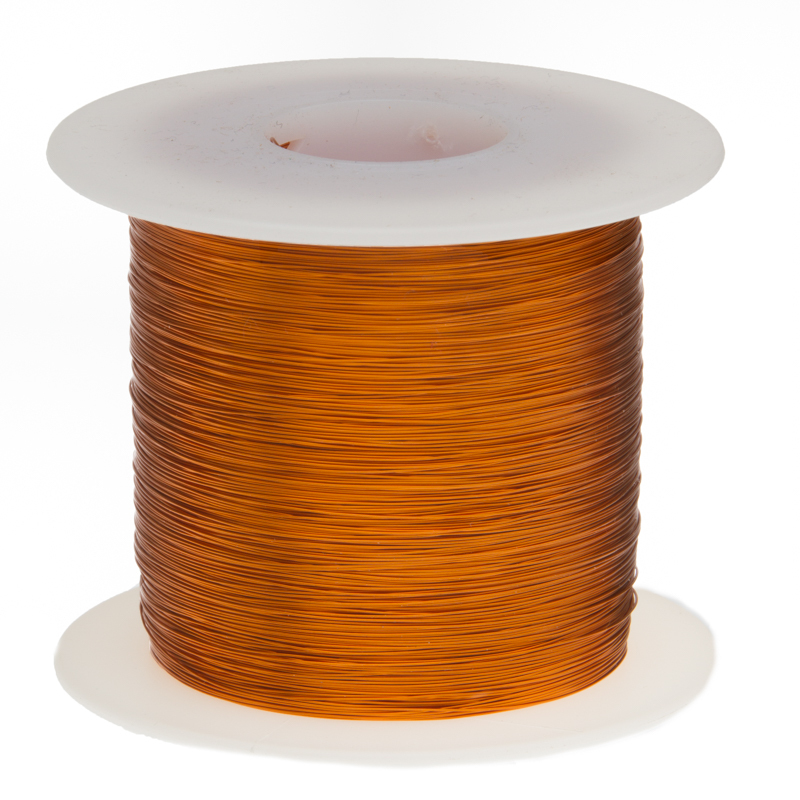
Partner with Luoyang Xinzhaohe for Precision Transformer Conductor Solutions
Luoyang Xinzhaohe Aluminum Co., Ltd leverages over two decades of specialized metallurgical expertise to deliver transformer winding wire that meets the most stringent industrial performance and cost-efficiency requirements. Our vertically integrated production ecosystem—from high-purity aluminum billet casting to precision wire drawing and annealing—ensures absolute control over material properties critical for transformer reliability. Unlike commodity suppliers, we engineer conductivity, tensile strength, and elongation profiles to exact customer specifications, minimizing field failures and optimizing core-loss performance in final assemblies.
Our technical differentiation begins with proprietary continuous casting-rolling technology, which achieves uniform grain structure and eliminates intermetallic segregation. This foundational process enables consistent wire diameters held to ±0.01mm tolerance across production runs. The annealing stage employs computer-controlled O₂ atmosphere furnaces with real-time resistivity monitoring, guaranteeing conductivity levels of 61.0–62.5% IACS as verified by four-point probe testing per ASTM B230. Every coil undergoes 100% eddy current inspection for subsurface defects, with full traceability from melt batch to shipping documentation. This rigor reduces scrap rates by 18–22% compared to industry averages, directly lowering total landed costs for our partners.
Supply chain resilience is engineered into our operational model. Our 120,000-ton annual production capacity includes dedicated lines for custom alloy formulations (e.g., AA-1350, AA-8030) and rapid prototyping capabilities for next-generation high-efficiency transformers. Strategic partnerships with primary aluminum smelters secure priority access to 99.85%+ purity feedstock, insulating clients from volatile LME fluctuations. We maintain buffer inventories of critical diameters (1.0–5.0mm) at our Henan facility, enabling 72-hour order-to-ship cycles for urgent requirements—a capability validated through ISO 9001 and IATF 16949 certified workflows.
Global transformer manufacturers select Xinzhaohe for our technical partnership approach, not transactional pricing. Our engineering team collaborates on material substitution analysis, providing full lifecycle cost modeling that factors in scrap reduction, energy savings, and warranty risk mitigation. Recent case studies demonstrate 14.7% lower total ownership cost for distribution transformer producers using our optimized 3.2mm AA-8030 wire versus standard alternatives.
For transformer OEMs facing tightening efficiency regulations and supply chain fragility, Xinzhaohe delivers predictable quality and metallurgical innovation. Contact our Technical Sourcing Manager Cathy Zhang directly at cathy@transformerstrip.com to receive a customized cost-performance analysis for your specific winding wire requirements. Specify your target conductivity, diameter tolerance, and annual volume to initiate a precision quotation backed by 20 years of aluminum conductor excellence.
| Key Performance Indicator | Xinzhaohe Standard | Industry Average |
|---|---|---|
| Conductivity Consistency | ±0.3% IACS | ±1.2% IACS |
| On-Time Delivery Rate | 99.2% | 93.5% |
| Coil-to-Coil Resistivity Deviation | ≤0.8% | ≥2.5% |
| Minimum Order Quantity | 500 kg | 2,000 kg |
📉 Factory Direct Savings Calculator
Calculate your potential savings by importing transformer copper wire price directly from China.