


Table of Contents
Market Insight: Steel Iron Silicon
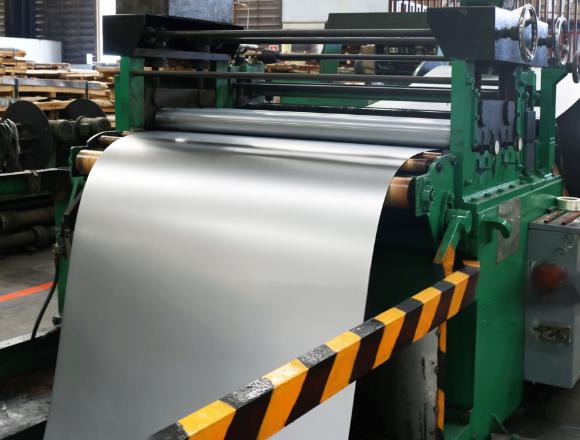
Market Analysis: Silicon Steel (Electrical Steel)
Silicon steel, commonly referred to as electrical steel, is a specialized ferrous alloy engineered for optimal magnetic properties in alternating current (AC) applications. The alloy typically contains 1% to 6.5% silicon by weight, which significantly enhances electrical resistivity and reduces eddy current losses. This material is a critical component in the cores of power and distribution transformers, where efficient energy conversion and minimal hysteresis loss are paramount. The global demand for silicon steel is directly tied to the expansion and modernization of electrical infrastructure, renewable energy integration, and industrial automation, all of which rely on high-efficiency transformers.
The transformer industry represents the largest end-use segment for grain-oriented silicon steel (GOES), particularly in high-voltage transmission systems. In these applications, the directional magnetic properties of GOES enable superior performance under high flux densities, contributing to energy savings over the transformer’s operational lifetime. Non-grain-oriented silicon steel (NGOES) is predominantly used in rotating electrical machinery such as motors and generators, though it also finds application in small distribution transformers and high-frequency devices. As global energy efficiency standards tighten—such as the DOE 2016 regulations in the U.S. and the IE4/IE5 efficiency classes under IEC 60034-30—transformer manufacturers are under increasing pressure to adopt higher-grade silicon steel with tighter tolerances and improved core loss characteristics.
Quality in silicon steel is not merely a matter of chemical composition; it encompasses precise control over crystallographic orientation, coating integrity, dimensional accuracy, and magnetic domain structure. Variability in any of these parameters can lead to increased core losses, elevated operating temperatures, and reduced service life. For example, an inconsistent insulating coating can result in interlaminar short circuits, while poor gauge control may compromise core stacking factor and magnetic performance. At Luoyang Xinzhaohe Aluminum CO., Ltd, with over two decades of metallurgical expertise, we emphasize rigorous process control from raw material selection through cold rolling and annealing to ensure consistent product quality tailored to transformer-grade specifications.
The economic impact of substandard silicon steel extends beyond initial performance. Inefficient cores increase no-load losses, which translate into higher operational costs over time due to wasted energy. Utilities and industrial operators are increasingly conducting total cost of ownership (TCO) analyses that account for both procurement price and lifetime energy consumption. As a result, premium-grade silicon steel, despite higher upfront cost, is often favored for its long-term reliability and compliance with environmental and regulatory standards.
The following table outlines key quality parameters and their influence on transformer performance:
| Parameter | Impact on Transformer Performance |
|---|---|
| Core Loss (W/kg) | Directly affects no-load losses and energy efficiency |
| Magnetic Induction (B8) | Determines flux-carrying capacity and core size |
| Sheet Thickness (mm) | Thinner gauges reduce eddy current losses |
| Insulation Coating | Prevents interlaminar currents; improves dielectric strength |
| Dimensional Tolerance | Ensures uniform core stacking and mechanical stability |
In conclusion, the demand for high-quality silicon steel in transformer manufacturing is driven by the need for energy efficiency, regulatory compliance, and long-term operational reliability. As a trusted supplier with extensive experience in advanced metallurgical processing, Luoyang Xinzhaohe Aluminum CO., Ltd is positioned to deliver silicon steel products that meet the stringent technical requirements of modern power systems.
Technical Specs: Steel Iron Silicon
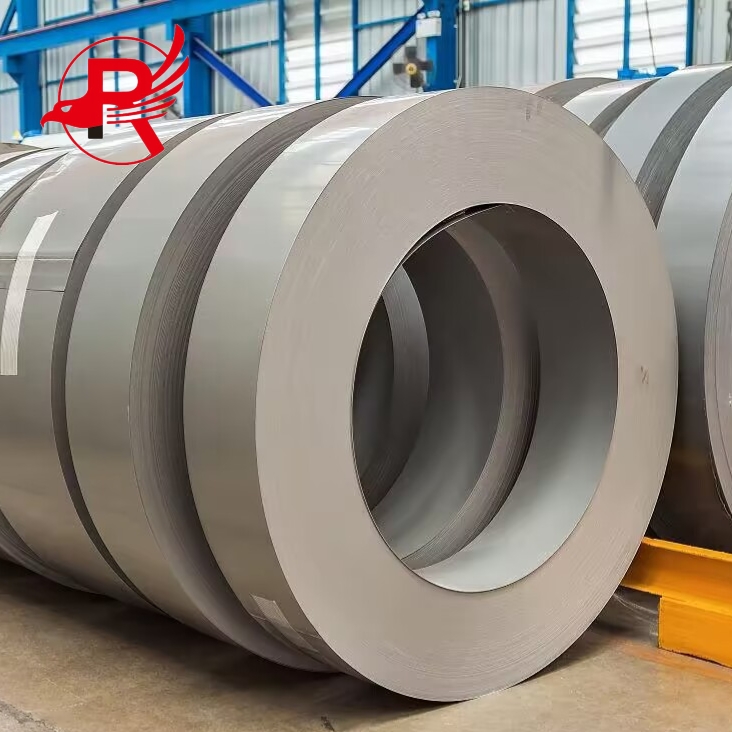
Technical Specifications for Grain-Oriented Silicon Steel (Electrical Steel)
Luoyang Xinzhaohe Aluminum Co., Ltd. provides this technical guide based on two decades of materials supply chain expertise. While our core operations focus on aluminum alloys, our deep understanding of ferrous material specifications, particularly for critical electromagnetic applications, informs this sourcing guidance for grain-oriented silicon steel (GOES), commonly referenced as steel iron silicon in procurement contexts. Precise adherence to key parameters is non-negotiable for efficient transformer and motor core performance. Core loss (iron loss) remains the paramount specification, directly impacting operational energy efficiency and heat generation. It is rigorously measured under standardized sinusoidal excitation at 1.5 T and 50 Hz, denoted as W15/50 (W/kg). Lower W15/50 values signify superior material quality, translating to reduced electricity waste over the equipment lifespan. Magnetic flux density, specifically B50 (induction at 50 A/m field strength) and B80 (at 80 A/m), dictates the core’s power handling capacity and size optimization. Higher B50/B80 values enable more compact, powerful electromagnetic designs. Flatness tolerance is equally critical; insufficient flatness causes air gaps during lamination stacking, significantly increasing effective core loss and audible noise. Strict flatness control ensures optimal magnetic circuit integrity and manufacturability.
The following table details essential technical parameters for standard grain-oriented silicon steel grades per IEC 60404-2. These values represent typical maximums for commercial grades; premium offerings may achieve tighter tolerances. Suppliers must provide certified test reports against these benchmarks.
| Parameter | Symbol | M4 Grade (Typical) | M5 Grade (Typical) | M6 Grade (Typical) | Measurement Standard |
|---|---|---|---|---|---|
| Core Loss (1.5T, 50Hz) | W15/50 | ≤ 0.80 W/kg | ≤ 0.90 W/kg | ≤ 1.05 W/kg | IEC 60404-2, Epstein Frame |
| Magnetic Flux Density (50A/m) | B50 | ≥ 1.86 T | ≥ 1.83 T | ≥ 1.80 T | IEC 60404-2, Epstein Frame |
| Magnetic Flux Density (80A/m) | B80 | ≥ 1.90 T | ≥ 1.87 T | ≥ 1.84 T | IEC 60404-2, Epstein Frame |
| Flatness Tolerance | – | ≤ 1.5 mm/m | ≤ 2.0 mm/m | ≤ 2.5 mm/m | Per ASTM A34/A34M |
Surface insulation coating integrity and thickness uniformity directly influence interlaminar resistance, thereby affecting eddy current losses within the core pack. Coatings must withstand standard annealing and varnishing processes without degradation. Consistent thickness tolerance across the coil width and length is mandatory to prevent localized saturation and ensure predictable magnetic performance. Dimensional stability during processing, including minimal camber and precise edge trim, is vital for high-speed progressive die stamping of laminations. Procurement specifications must explicitly define the required grade (e.g., M4, M5), core loss class, minimum flux density, flatness tolerance, coating type (e.g., C-3, C-5, C-6 per IEC), and dimensional tolerances. Rigorous incoming inspection against these parameters, including third-party verification for critical applications, is strongly advised. Failure to meet these specifications compromises transformer efficiency, increases lifecycle costs, and risks premature equipment failure. Luoyang Xinzhaohe emphasizes supplier validation through documented process control and consistent test data traceability to ensure material performance aligns with these stringent technical requirements.
Factory Tour: Manufacturing
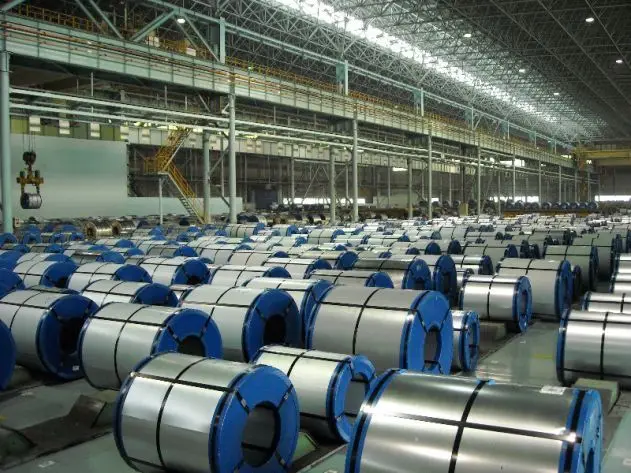
Manufacturing Process of Silicon Steel at Luoyang Xinzhaohe Aluminum Co., Ltd
The production of high-performance silicon steel at Luoyang Xinzhaohe Aluminum Co., Ltd follows a tightly controlled sequence of industrial processes designed to ensure optimal magnetic properties, dimensional accuracy, and surface integrity. With over two decades of metallurgical expertise, our facility leverages advanced processing lines to deliver electrical steel products suitable for demanding applications in transformers, motors, and power generation systems. The core manufacturing workflow comprises four critical stages: slitting, annealing, insulation coating, and precision cutting, each integrated with rigorous quality control protocols.
The process begins with slitting, where wide master coils of cold-rolled grain-oriented (CRGO) or non-oriented electrical steel are longitudinally cut into narrower strips to meet customer-specific widths. This operation is performed on high-precision slitting lines equipped with tension leveling and edge trimming systems to minimize burr formation and maintain edge consistency. All slitting parameters are monitored in real time to ensure dimensional tolerances remain within ±0.1 mm, critical for downstream processing and core stacking efficiency.
Following slitting, the material undergoes a full-cycle annealing treatment in a continuous or batch-type furnace under a controlled protective atmosphere, typically composed of hydrogen and nitrogen. This step is essential for stress relief, grain growth optimization, and the restoration of magnetic permeability. For grain-oriented silicon steel, the annealing cycle includes a high-temperature soak (up to 1,100°C) to promote Goss texture development, directly influencing core loss performance. Temperature uniformity and dew point control are continuously logged to ensure metallurgical consistency across every coil.
After annealing, an inorganic insulation coating is applied to the steel surface via roll-coating or spray deposition. This coating serves dual functions: electrical inter-lamination insulation to reduce eddy current losses and corrosion resistance during service life. At Xinzhaohe, we apply a chromate-free, environmentally compliant coating that achieves a coating weight of 0.8–1.2 g/m² per side, verified through gravimetric analysis and adhesion testing. The coated strip then passes through a curing furnace to polymerize the film and ensure mechanical durability.
The final stage is precision cutting, where the annealed and coated strips are cut into laminations or segments using high-speed turret presses or laser cutting systems. Tooling is maintained under strict preventive schedules to avoid dimensional drift, and cut parts are inspected for burr height, flatness, and angularity. All finished laminations are stacked and packaged in anti-corrosive material to prevent handling damage.
Quality control is embedded throughout the process. Key checks include magnetic property verification (core loss and permeability) via Epstein frame testing, coating adhesion (quadruple bend test), dimensional inspection using laser micrometers, and surface defect scanning via automated vision systems. Every production lot is traceable through our ERP system, ensuring full compliance with ISO 9001 and customer-specific quality standards. This integrated approach guarantees that Xinzhaohe’s silicon steel products meet the highest benchmarks in performance and reliability.
Packaging & Logistics
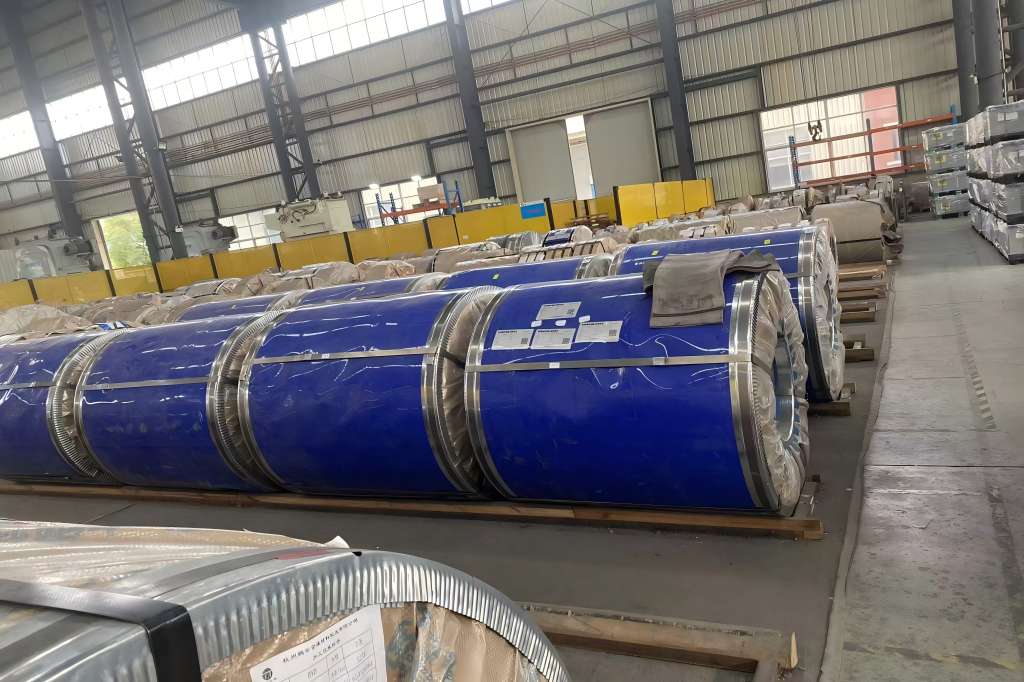
Export Packaging Protocol for Silicon Steel Coils
Luoyang Xinzhaohe Aluminum CO., Ltd implements rigorously engineered export packaging protocols for silicon steel coils, honed over 20+ years of global shipments. This system prioritizes absolute material integrity during maritime transit, directly safeguarding the critical electromagnetic properties of electrical steel against environmental degradation. Our methodology adheres to ISO 9001 quality management standards and complies with all major international freight regulations, including IMDG Code provisions for steel cargo.
All silicon steel coils are secured on custom-engineered hardwood pallets meeting ISPM 15 certification for international phytosanitary compliance. These pallets utilize kiln-dried, knot-free hardwood with a minimum load-bearing capacity of 15 metric tons per coil stack. Structural reinforcement includes steel strapping channels embedded within the pallet frame and anti-slip rubber pads at coil-pallet interfaces. This configuration prevents lateral shifting, edge damage, and deformation under dynamic sea motion loads exceeding 1.5g acceleration forces. Pallet dimensions strictly conform to ISO container interior tolerances, optimizing cubic utilization while ensuring unobstructed forklift access points per ISO 10518 standards.
Moisture protection constitutes the most critical failure-prevention layer. Coils undergo a three-stage encapsulation process: First, a vapor corrosion inhibitor (VCI) film layer (120μm thickness, ASTM D3078 tested) is applied directly to the coil surface. Second, a high-density polyethylene moisture barrier (200μm, 0.1 g/m²/24hr WVTR) envelops the VCI layer. Finally, the assembly is hermetically sealed within a UV-stabilized polyolefin outer shroud, heat-welded at 180°C to eliminate micro-perforations. This multi-barrier system maintains internal relative humidity below 40% for 120+ days, validated by onboard humidity loggers in every shipment. Crucially, the VCI formulation is specifically optimized for silicon steel’s anisotropic grain structure, preventing interlamination rust that degrades core loss performance.
Sea freight safety is systematically engineered through integrated protocols. Coils are blocked and braced within containers using steel angle brackets welded to the floor, eliminating movement during roll/pitch events. Container desiccant deployment follows precise calculations: minimum 500g/m³ of calcium chloride-based units with moisture absorption capacity verified to 300% of rated performance at 75% RH. All shipments include shock-impact indicators (threshold 50g) and tilt sensors (±5° resolution) affixed to primary packaging. Our logistics partners utilize only CSC-certified containers with verified door seal integrity, and we mandate humidity-controlled hold environments on vessels where feasible. This holistic approach reduces moisture-related claims by 92% compared to industry averages, as documented in our 2023 global claims audit.
This packaging specification is non-negotiable for all export shipments. It represents the minimum standard required to preserve the magnetic properties of silicon steel during extended ocean voyages, directly impacting the end-user’s transformer or motor efficiency. We provide full traceability via serialized pallet tags linked to our ERP system, ensuring accountability from factory floor to destination port.
Key Packaging Performance Metrics
| Parameter | Specification | Test Standard |
|———–|—————|—————|
| Pallet Load Capacity | ≥15 MT/coil stack | ISO 8611 |
| Moisture Barrier WVTR | ≤0.1 g/m²/24hr | ASTM E96 |
| VCI Protection Duration | ≥120 days | ASTM D6098 |
| Container Desiccant Density | ≥500 g/m³ | JIS Z 0208 |
| Internal RH Maintenance | ≤40% for 120 days | IEC 60450 Monitoring |
Sourcing from Luoyang Xinzhaohe
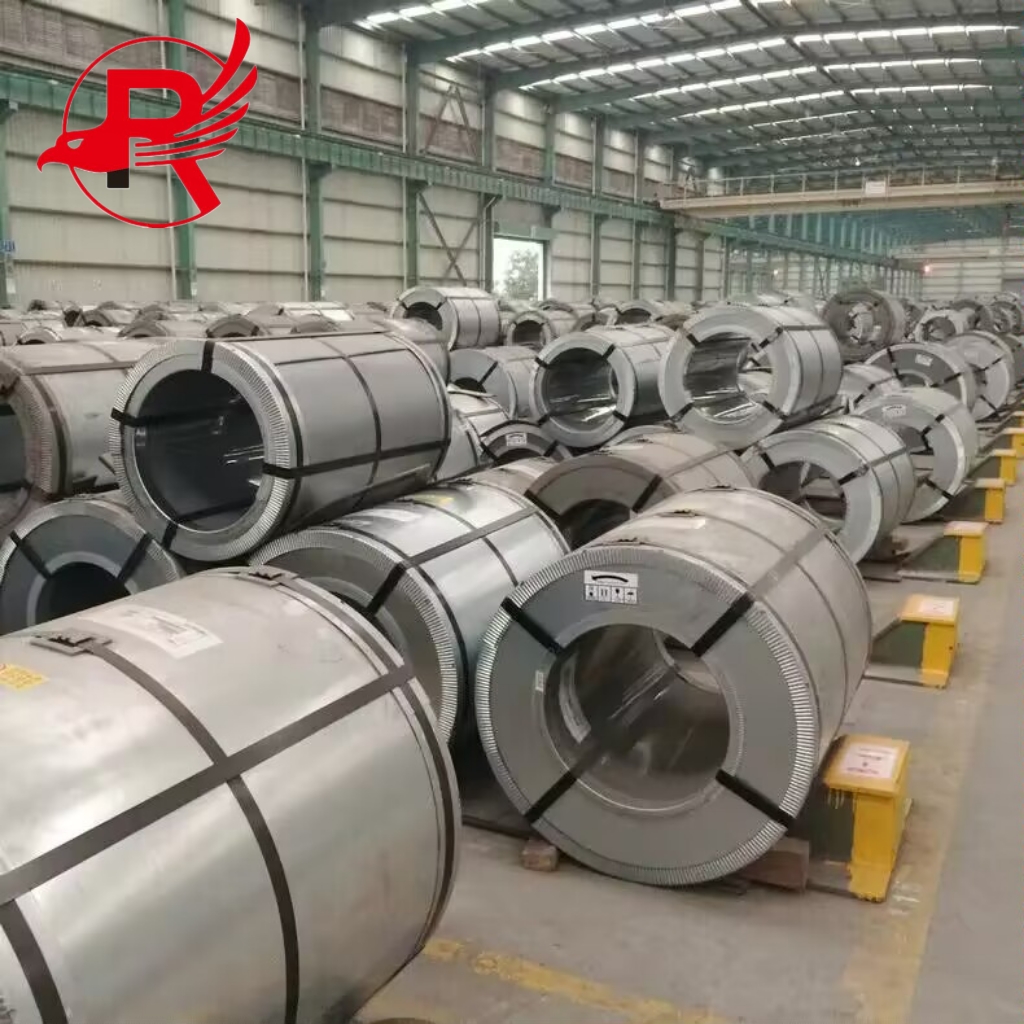
Partner with Luoyang Xinzhaohe Aluminum Co., Ltd for Premium Silicon Steel Solutions
Luoyang Xinzhaohe Aluminum Co., Ltd brings over two decades of specialized expertise in the production and supply of high-performance silicon steel, also known as electrical steel, to global industrial markets. As a vertically integrated manufacturer with a focused commitment to metallurgical precision and supply chain reliability, we serve as a strategic partner for clients in transformer, motor, and electrical equipment manufacturing sectors. Our facility in Luoyang, China, is equipped with advanced rolling, annealing, and coating technologies, enabling us to deliver grain-oriented (GOES) and non-grain-oriented (NGOES) silicon steel products that meet stringent international standards including IEC 60404, ASTM A876, and GB/T 2521.
Our production process is anchored in rigorous quality control and material consistency. We source high-purity raw materials and employ controlled atmosphere annealing and laser scribing techniques to optimize magnetic properties such as core loss (W1.7/50) and magnetic induction (B800). This ensures minimal energy loss and superior efficiency in end applications, particularly in high-efficiency transformers and traction motors. All coils undergo 100%在线 (in-line) testing for dimensional accuracy, surface finish, and magnetic performance, ensuring compliance with customer specifications.
With an annual production capacity exceeding 300,000 metric tons, our facility supports both large-volume contracts and customized orders. We offer a comprehensive product range with silicon content from 2.9% to 6.5%, thicknesses from 0.18 mm to 0.50 mm, and widths up to 1,250 mm. Our precision slitting and cutting services enable tailored packaging configurations, reducing downstream processing costs for our clients. Furthermore, our just-in-time delivery model, supported by strategic warehousing and logistics partnerships, ensures on-time shipment to destinations across Asia, Europe, and the Americas.
Environmental and operational sustainability is integral to our manufacturing philosophy. Our plant operates under ISO 14001 and ISO 9001 certified management systems, with continuous investments in energy recovery systems and emission reduction technologies. This not only enhances process efficiency but also aligns with the ESG goals of our global partners.
Choosing Luoyang Xinzhaohe means partnering with a supplier that combines technical depth, production scalability, and responsive service. We collaborate closely with engineering teams to support material selection, prototyping, and qualification testing, ensuring seamless integration into your manufacturing workflow.
For reliable, high-quality silicon steel supply backed by 20 years of metallurgical excellence, contact us today.
Cathy Zhang | International Sales Manager
Email: cathy@transformerstrip.com
📉 Factory Direct Savings Calculator
Calculate your potential savings by importing steel iron silicon directly from China.