


Table of Contents
Market Insight: Steel Core Transformer
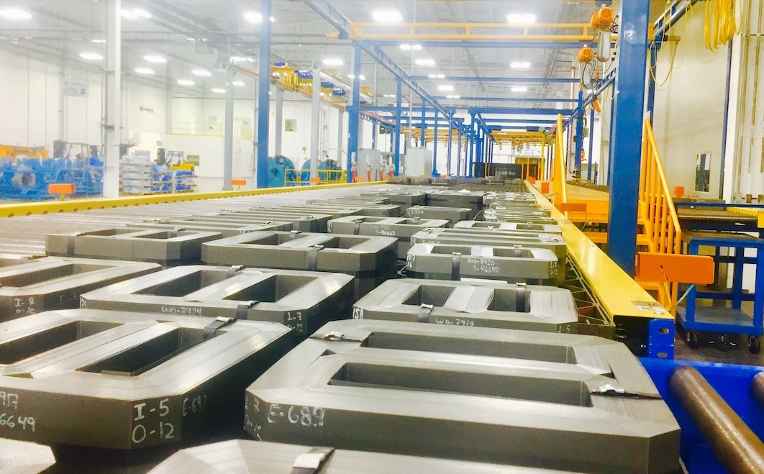
Market Analysis: Silicon Steel (Electrical Steel) for Steel Core Transformers
The global demand for steel core transformers remains a critical driver in the electrical steel market, particularly for grain-oriented silicon steel (GOES), which serves as the foundational material for transformer cores. As power infrastructure expands and energy efficiency standards tighten worldwide, the performance of electrical steel directly influences transformer efficiency, operational cost, and environmental impact. Luoyang Xinzhaohe Aluminum CO., Ltd, with over two decades of metallurgical and supply chain expertise, recognizes the pivotal role of high-quality silicon steel in meeting the evolving demands of the power transmission and distribution sector.
Steel core transformers rely on the magnetic properties of silicon steel to minimize energy losses during operation. The core, typically constructed from stacked laminations of grain-oriented electrical steel, must exhibit high magnetic permeability and low core loss under alternating magnetic fields. These characteristics are essential for reducing hysteresis and eddy current losses, which collectively determine the no-load losses of a transformer. In industrial and utility-scale applications, even marginal improvements in core efficiency translate into significant energy savings over the transformer’s operational lifetime, often exceeding 25 years.
The industrial demand for high-performance silicon steel is further amplified by regulatory frameworks such as the IE (International Efficiency) standards and DOE (U.S. Department of Energy) mandates, which enforce stricter efficiency requirements for distribution and power transformers. Manufacturers are compelled to source electrical steel with tighter tolerances, superior surface insulation, and consistent grain orientation to comply with these standards. As a result, the market increasingly favors premium-grade GOES with core loss values below 1.00 W/kg at 1.7 Tesla and 50 Hz.
Quality in silicon steel is not merely a function of chemical composition but also of precise manufacturing control. Factors such as silicon content (typically 2.9% to 3.3%), grain alignment, coating integrity, and lamination thickness uniformity directly impact magnetic performance. Inferior materials may exhibit localized magnetic saturation, increased vibration, and higher noise levels—issues that compromise both reliability and efficiency. Moreover, poor-quality steel can lead to thermal instability, accelerating insulation degradation and reducing transformer lifespan.
Luoyang Xinzhaohe Aluminum CO., Ltd emphasizes the importance of traceable, high-purity silicon steel sourced from integrated steel mills with advanced processing capabilities. Our supply chain protocols ensure material consistency, batch traceability, and compliance with IEC 60404-8-4 and ASTM A876 standards. By partnering with certified producers and leveraging our technical oversight, we deliver electrical steel that meets the rigorous demands of modern transformer design.
In summary, the industrial demand for steel core transformers continues to prioritize efficiency, reliability, and regulatory compliance—factors intrinsically linked to the quality of silicon steel used in core fabrication. As energy systems evolve toward greater sustainability, the role of high-grade electrical steel becomes increasingly strategic.
Technical Specs: Steel Core Transformer
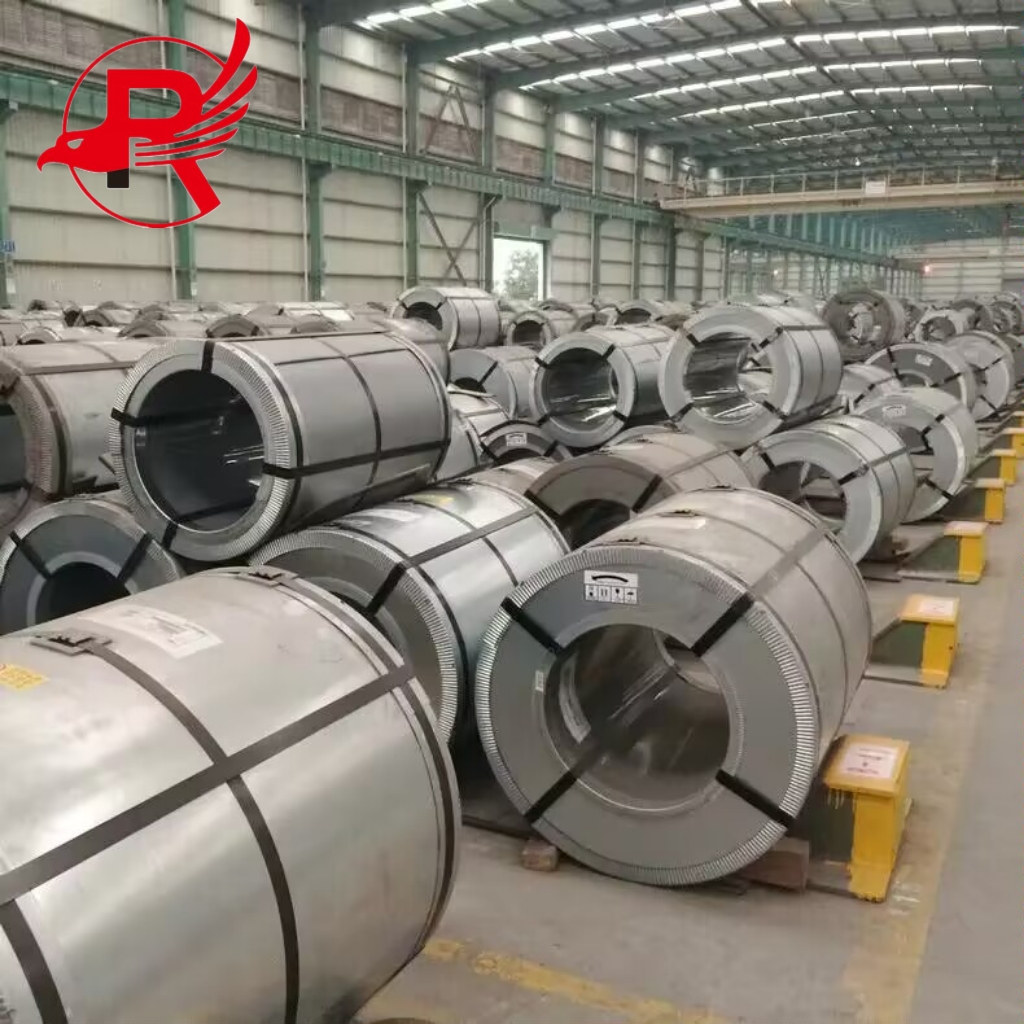
Technical Specifications for Silicon Steel in Transformer Core Applications
Luoyang Xinzhaohe Aluminum CO., Ltd leverages two decades of metallurgical expertise to define critical parameters for grain-oriented silicon steel (GOES) used in high-efficiency transformer cores. Precision in material specifications directly governs core loss, thermal performance, and lifecycle reliability. The following technical criteria are non-negotiable for optimal electromagnetic conversion.
Core loss (iron loss), measured in watts per kilogram (W/kg), is the paramount efficiency indicator. It comprises hysteresis and eddy current losses under alternating magnetic fields. For 50/60 Hz power transformers, GOES must achieve core loss values strictly compliant with IEC 60404-2 standards at 1.7 Tesla (T) induction. Lower-grade materials (e.g., M6) exhibit losses ≥2.40 W/kg, while premium grades (M0H, M1H) achieve ≤0.85 W/kg. Exceeding specified loss thresholds increases operational temperature by 5–8°C per 0.1 W/kg deviation, accelerating insulation degradation and reducing transformer lifespan by up to 25%. Testing must occur under sinusoidal excitation at 1.5 T and 50 Hz per Epstein frame methodology (IEC 60404-2) to ensure data validity.
Magnetic flux density, specifically the induction level at 800 A/m field strength (B₈₀₀), determines core saturation limits and physical footprint. Standard GOES achieves 1.88–1.92 T; high-permeability variants (e.g., Hi-B) reach 1.93–2.03 T. A 0.05 T increase in B₈₀₀ permits a 12–15% reduction in core cross-section for equivalent power handling, directly lowering material costs and weight. However, flux density must be balanced against core loss—excessive B₈₀₀ often correlates with elevated hysteresis losses. Material certification must include B₅₀ (induction at 50 A/m), which should exceed 1.70 T for standard grades.
Flatness tolerance is critical for minimizing interlaminar air gaps during core stacking. Deviations >0.8 mm/m create localized flux crowding, increasing localized losses by 15–20% and inducing hot spots. Premium transformer cores require flatness ≤0.5 mm/m across the full coil width (per ASTM A677). This is achieved through precision temper rolling and stress-relief annealing. Flatness must be verified via laser profilometry on 10% of production coils, with non-conforming batches rejected outright.
The table below summarizes mandatory specifications for procurement:
| Parameter | Standard Range | Test Conditions | Technical Impact of Deviation |
|---|---|---|---|
| Core Loss (P₁.₇/₅₀) | ≤0.85–2.40 W/kg | 1.7 T, 50 Hz, Epstein frame | +0.1 W/kg → +5–8°C operating temp, -25% lifespan |
| B₈₀₀ Flux Density | 1.88–2.03 T | Field strength 800 A/m | -0.05 T → +12–15% core volume required |
| Flatness Tolerance | ≤0.5–0.8 mm/m | Measured over 1m length, coil width | >0.8 mm/m → +15–20% localized losses, hot spots |
| Thickness Tolerance | ±0.015 mm | Per ASTM A976 | >±0.02 mm → +5% eddy current losses |
| Insulation Resistivity | ≥100 Ω·cm² | Per IEC 60404-1 | <50 Ω·cm² → interlaminar shorting, vibration |
Procurement must mandate mill test reports validating all parameters against IEC 60404-2 or equivalent national standards. Material traceability to heat number and full statistical process control data for loss and flatness are essential. Luoyang Xinzhaohe Aluminum CO., Ltd enforces these specifications rigorously across our supply chain to eliminate field failures attributable to substandard core steel. Compromising on any parameter risks efficiency penalties exceeding 3% over the transformer’s operational life—a cost far exceeding initial material savings.
Factory Tour: Manufacturing
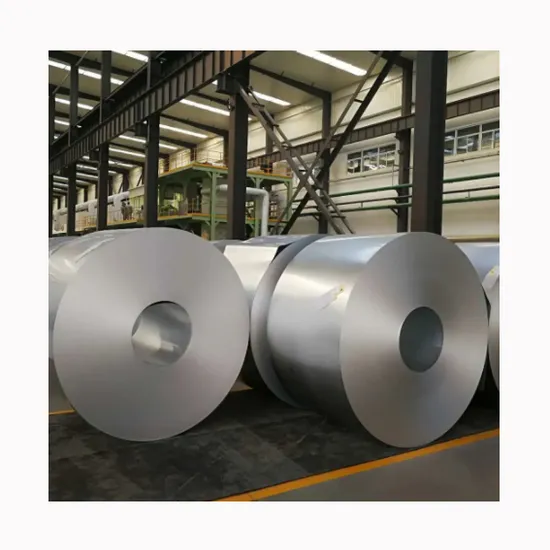
Manufacturing Process of Silicon Steel for Steel Core Transformers
The production of high-performance silicon steel for steel core transformers at Luoyang Xinzhaohe Aluminum Co., Ltd follows a tightly controlled, multi-stage manufacturing process designed to optimize magnetic properties, dimensional accuracy, and long-term reliability. With over two decades of metallurgical expertise, our process integrates advanced equipment and rigorous quality control to meet the stringent demands of transformer core applications.
The first stage, slitting, involves the longitudinal cutting of wide silicon steel coils into narrower strips of precise widths tailored to customer specifications. This operation is conducted using high-precision slitting lines equipped with servo-controlled tension management systems to prevent edge burring and maintain uniform strip geometry. Accurate slit width ensures optimal core stacking efficiency and minimizes air gaps in the final transformer assembly.
Following slitting, the material undergoes continuous annealing in a controlled atmosphere furnace. This step is critical for stress relief and grain structure refinement. The annealing process is carried out under a hydrogen-nitrogen atmosphere to prevent oxidation and promote the growth of favorable Goss texture (110)[001], which enhances magnetic permeability and reduces core loss. Temperature profiles are precisely regulated across multiple zones, with strict dwell times to ensure uniform recrystallization throughout the strip thickness.
After annealing, the silicon steel sheets are coated with a thin, semi-organic insulation layer. This coating serves dual purposes: it electrically insulates individual laminations to suppress eddy current losses and provides mechanical durability during core stamping and stacking. The coating composition is applied via roll-coating technology with micron-level thickness control, ensuring consistent dielectric strength and adhesion. Post-coating baking completes the cross-linking process, enhancing thermal stability up to 550°C.
The final stage is precision cutting, where the annealed and coated strips are transversely cut into laminations using high-speed turret presses or laser-cutting systems, depending on complexity and tolerance requirements. Tooling is maintained under strict calibration schedules to achieve dimensional tolerances within ±0.05 mm, critical for minimizing magnetic flux distortion in the assembled core.
Throughout the process, comprehensive quality control protocols are enforced. Incoming material is verified for chemical composition (typically 2.9–3.3% silicon) via optical emission spectroscopy. During production, core loss (W15/50) and magnetic induction (B50) are measured using Epstein frame or single-sheet testers. Surface inspection systems detect coating defects, while laser micrometers monitor thickness variation in real time. Final inspection includes lamination burr measurement and stacking factor verification.
| Process Stage | Key Parameter Controlled | Typical Tolerance/Specification |
|---|---|---|
| Slitting | Strip Width | ±0.1 mm |
| Annealing | Core Loss (W15/50) | ≤1.10 W/kg |
| Insulation Coating | Coating Weight | 0.8–1.2 g/m² (single side) |
| Precision Cutting | Dimensional Accuracy | ±0.05 mm |
This integrated approach ensures that each batch of silicon steel meets international standards such as IEC 60404-8-7 and delivers consistent performance in high-efficiency steel core transformers.
Packaging & Logistics
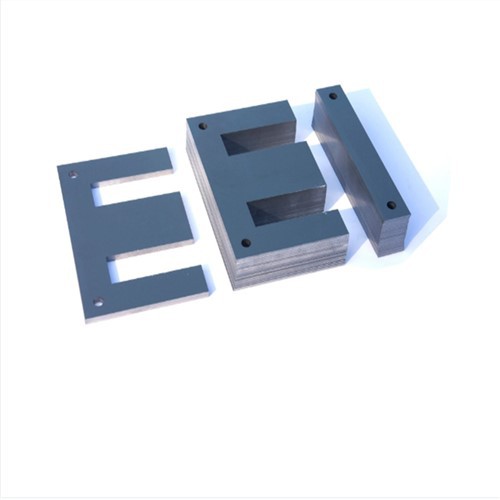
Export Packaging Standards for Silicon Steel Coils in Transformer Applications
Luoyang Xinzhaohe Aluminum Co., Ltd implements rigorously engineered export packaging protocols specifically designed to safeguard the critical quality attributes of grain-oriented and non-oriented silicon steel coils during international maritime transport. Our two-decade specialization in electrical steel supply for transformer core manufacturing necessitates packaging that directly addresses the hygroscopic nature of electrical steel and the severe environmental challenges inherent in sea freight. Compromised packaging integrity leads directly to surface oxidation, interlaminar corrosion, and subsequent degradation of core loss (W17/50) and magnetic induction (B800) properties – parameters non-negotiable for efficient transformer operation.
All silicon steel coils are secured exclusively on robust, ISPM 15 compliant wooden pallets constructed from kiln-dried, debarked coniferous timber. These pallets feature a minimum base thickness of 22mm and perimeter stringers of 100mm x 100mm cross-section, engineered to withstand dynamic stacking pressures exceeding 4,000 kg during multi-tier container stowage and port handling. Critical load-bearing surfaces incorporate anti-slip rubber mats to prevent coil displacement. Crucially, the timber moisture content is maintained below 18% pre-assembly to eliminate internal condensation sources within the sealed package.
The primary moisture barrier system employs a multi-layer, high-integrity wrapping sequence. Coils undergo immediate vacuum desiccation post-winding, followed by application of a vapor corrosion inhibitor (VCI) film layer directly onto the steel surface. This is encased within a triple-layer moisture-proof envelope comprising:
A 120μm high-density polyethylene (HDPE) base layer providing puncture resistance
A central 25μm aluminum foil layer acting as the absolute vapor barrier
An outer 80μm polypropylene (PP) woven scrim layer for UV and abrasion protection
This composite film structure achieves a water vapor transmission rate (WVTR) of <0.1 g/m²/day at 38°C and 90% RH, maintaining internal relative humidity below 40% throughout voyages exceeding 60 days. Seams are thermally welded with 40mm overlap and sealed using pressure-sensitive butyl tape, creating a hermetic enclosure validated through helium leak testing at 5×10⁻³ mbar·L/s sensitivity.
Sea freight safety is further ensured through integrated monitoring and handling protocols. Each pallet is fitted with 3-axis tilt indicators and humidity dataloggers recording internal conditions at 2-hour intervals. External labeling features ISO-standard maritime hazard symbols, center-of-gravity markings, and RFID tags linked to our SCM system for real-time condition tracking. Coils are always shipped vertically in containers with mandatory dunnage underhang clearance of 150mm to prevent wave-slap damage during heavy seas.
The following table details our standard packaging configuration:
| Component | Specification | Critical Function |
|---|---|---|
| Pallet Base | ISPM 15 Kiln-dried Spruce/Pine, 22mm | Structural stability, moisture control |
| Stringers | 100x100mm Solid Timber | Load distribution, impact resistance |
| Primary Wrap | VCI Film (15μm) | Molecular corrosion inhibition |
| Barrier Film | Triple-layer (HDPE/Al/PP), 225μm total | WVTR <0.1 g/m²/day, hermetic seal |
| Seam Seal | Thermal weld + Butyl tape (40mm) | Leak-proof integrity verification |
| Monitoring | 3-Axis Tilt Indicator + Humidity Logger | Real-time transit condition assurance |
This packaging methodology, refined through 20+ years of global transformer industry supply, ensures silicon steel arrives at destination facilities meeting IEC 60404-8-4 specifications with zero moisture-related defects. It represents a non-optional engineering requirement, not merely a shipping convenience, for preserving the metallurgical integrity essential to high-efficiency transformer core performance.
Sourcing from Luoyang Xinzhaohe
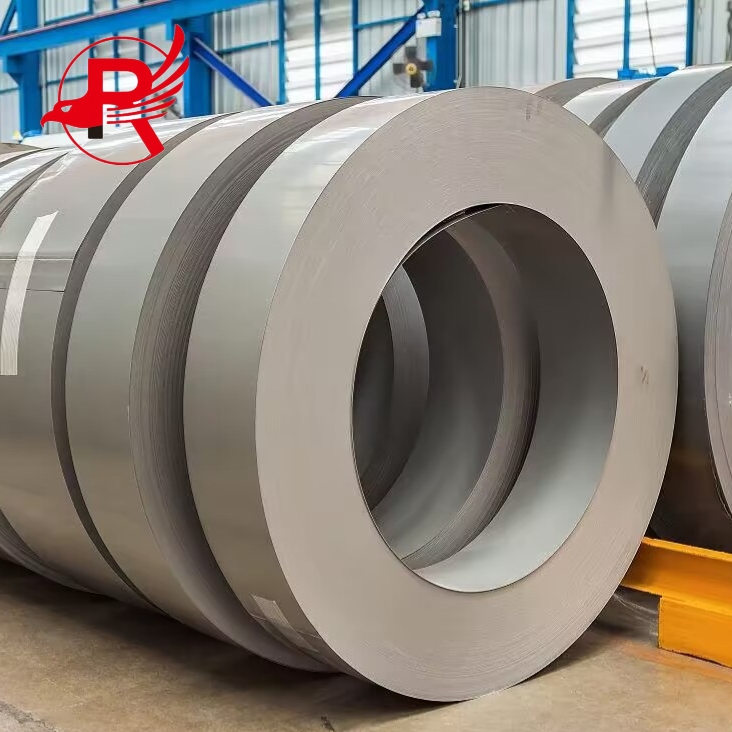
Partner with Luoyang Xinzhaohe Aluminum Co., Ltd for High-Performance Silicon Steel Solutions
With over two decades of specialized experience in the production and supply of electrical steel products, Luoyang Xinzhaohe Aluminum Co., Ltd stands as a trusted industrial partner for manufacturers of steel core transformers. Our core competency lies in the precision manufacturing of high-quality silicon steel, specifically engineered to meet the rigorous demands of modern transformer design. As a vertically integrated producer, we maintain full control over material sourcing, processing, and quality assurance, ensuring consistent product performance and traceability across every production batch.
Our manufacturing facility is equipped with advanced cold rolling and annealing lines, enabling us to produce non-grain-oriented (NGO) and grain-oriented (GO) silicon steel with tight dimensional tolerances and optimized magnetic properties. We adhere to international standards including IEC 60404, ASTM A664, and GB/T 2521, with magnetic induction levels reaching up to 1.95 T and core loss values as low as 0.90 W/kg (at 1.7 T, 50 Hz). This level of performance directly contributes to enhanced transformer efficiency, reduced eddy current losses, and improved thermal stability under continuous load conditions.
Material consistency is ensured through in-house metallurgical analysis and real-time process monitoring. Our production line integrates continuous annealing and tension leveling systems, which minimize internal stress and ensure uniform grain orientation—critical factors in achieving low hysteresis loss and high permeability. We also offer customized slitting services, providing transformer strip widths from 10 mm to 1,050 mm with edge precision within ±0.1 mm, tailored to client-specific core stacking and winding requirements.
Quality assurance is central to our operational philosophy. Every coil undergoes rigorous testing for magnetic properties, surface finish, lamination insulation integrity, and mechanical flatness. Our laboratory is certified to ISO/IEC 17025 standards, and we maintain full compliance with ISO 9001:2015 quality management systems. This commitment ensures that our silicon steel delivers reliable performance in demanding applications such as distribution transformers, power transformers, and high-efficiency amorphous metal core assemblies.
As a strategic supplier in the electrical steel value chain, Luoyang Xinzhaohe Aluminum Co., Ltd combines technical depth with scalable production capacity. We serve clients across Asia, Europe, and North America, supporting both high-volume OEMs and specialized transformer manufacturers with just-in-time delivery and technical collaboration throughout the product lifecycle.
For engineering teams seeking a dependable partner in silicon steel supply, we invite direct engagement to discuss material specifications, performance targets, and supply chain integration. Contact us today to optimize your transformer core performance with precision-engineered electrical steel.
Contact us: cathy@transformerstrip.com
📉 Factory Direct Savings Calculator
Calculate your potential savings by importing steel core transformer directly from China.