

Table of Contents
Market Insight: Soft Copper Wire
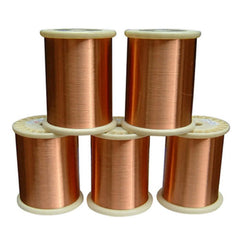
Market Analysis: Winding Wire – Soft Copper Wire Demand in Transformer Applications
The global demand for soft copper winding wire remains a cornerstone of the electrical and power transmission infrastructure, driven primarily by its extensive use in transformers across utility, industrial, and renewable energy sectors. As a critical component in both distribution and power transformers, soft copper wire serves as the conductive medium for electromagnetic induction, directly influencing the efficiency, thermal performance, and service life of the equipment. Luoyang Xinzhaohe Aluminum Co., Ltd, with over two decades of specialized experience in non-ferrous metal processing and winding wire production, observes a sustained upward trajectory in demand, particularly in emerging markets undergoing grid modernization and in regions expanding renewable integration.
Transformers require winding materials that exhibit high electrical conductivity, consistent mechanical properties, and superior thermal stability. Soft copper wire, typically produced to international standards such as IEC 60317 and ASTM B3, meets these requirements due to its low resistivity (approximately 1.724 µΩ·cm at 20°C) and excellent ductility. The “soft” temper designation indicates full annealing, resulting in a material that can be wound tightly around transformer cores without cracking or work hardening, ensuring dimensional stability during coil formation. This is particularly critical in high-voltage and large power transformers, where precision in winding geometry directly impacts magnetic flux distribution and eddy current losses.
Industrial demand is further amplified by regulatory trends promoting energy-efficient transformers. Standards such as DOE 2016 in the U.S. and EU Ecodesign Directive 2014/51/EU mandate reduced no-load and load losses, pushing manufacturers to adopt higher-purity copper with tighter tolerances. Impurities such as oxygen, sulfur, or metallic residuals can create localized hotspots and accelerate insulation degradation, compromising transformer reliability. Therefore, soft copper wire from refined cathode-grade copper (minimum 99.99% Cu) with controlled grain structure is essential to meet performance benchmarks.
Quality assurance in soft copper wire extends beyond chemical composition. Surface finish, diameter consistency, and elongation properties are equally critical. A smooth, oxide-free surface ensures optimal adhesion with insulating varnishes, minimizing the risk of partial discharge. Diameter tolerances within ±0.01 mm ensure uniform winding density, reducing inter-turn stresses and improving thermal dissipation. At Luoyang Xinzhaohe Aluminum Co., Ltd, these parameters are monitored through in-line laser gauging, controlled atmosphere annealing, and rigorous mechanical testing protocols to ensure product conformity.
The transformer manufacturing sector increasingly prioritizes supply chain stability and material traceability. Producers require consistent batch-to-batch performance and documentation of metallurgical history. This shift elevates the importance of vertically integrated suppliers capable of controlling the entire production chain—from copper rod casting to final wire drawing and insulation coating.
| Parameter | Typical Requirement for Transformer Grade |
|---|---|
| Copper Purity | ≥ 99.99% (Cu + Ag) |
| Resistivity (20°C) | ≤ 0.017241 Ω·mm²/m |
| Tensile Strength | 180–250 MPa |
| Elongation | ≥ 40% |
| Diameter Tolerance | ±0.01 mm (for diameters < 3.0 mm) |
In conclusion, the industrial demand for soft copper wire in transformers is both volume-driven and quality-sensitive. As power systems evolve toward higher efficiency and reliability, the performance of core components like winding wire becomes increasingly decisive. High-quality soft copper wire is not merely a material input—it is a strategic enabler of transformer longevity and grid resilience.
Technical Specs: Soft Copper Wire
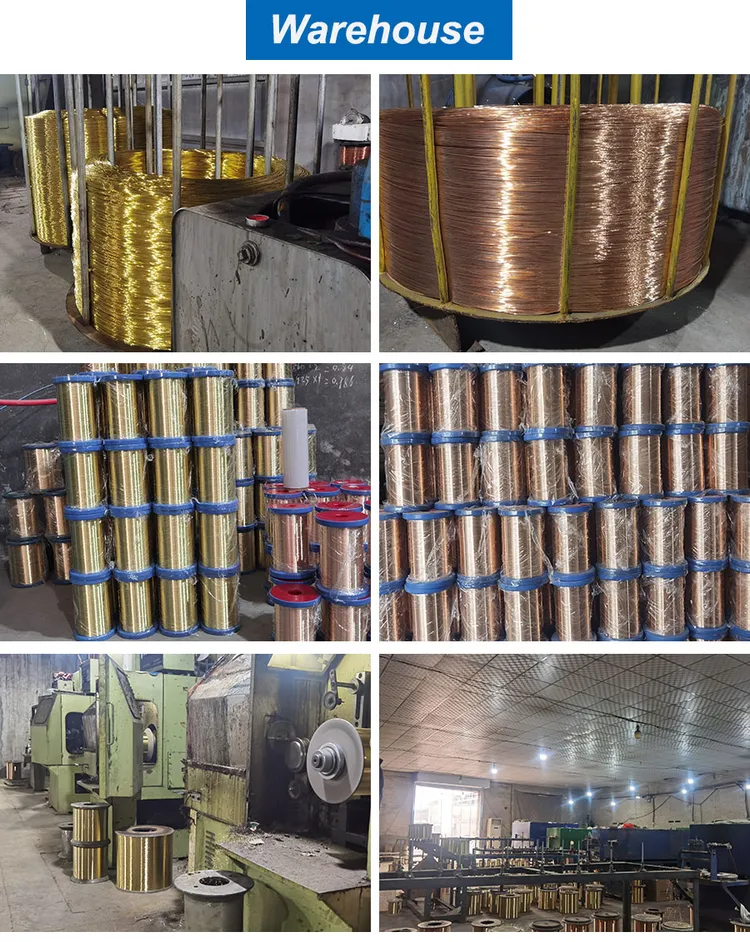
Technical Specifications for Soft Copper Winding Wire
Luoyang Xinzhaohe Aluminum Co., Ltd. leverages 20+ years of metallurgical and supply chain expertise to deliver soft copper winding wire meeting stringent international standards. Our production adheres to IEC 60317, ASTM B3, and GB/T 7673, ensuring optimal electrical performance, mechanical reliability, and thermal stability for demanding industrial applications. Key technical parameters are rigorously controlled through in-line monitoring and batch testing, with critical focus on insulation integrity, ductility, and thermal endurance.
Insulation breakdown voltage is a non-negotiable safety parameter, directly impacting equipment longevity and operational safety. Our soft copper wire achieves a minimum AC breakdown voltage of 2.0 kV rms at 50 Hz for standard grades, with high-reliability variants exceeding 4.0 kV rms. This is validated per IEC 60851-5 using distilled water electrodes under controlled humidity (65±5% RH) and temperature (20±5°C). Insulation thickness tolerances are held to ±0.02 mm for diameters ≤1.0 mm, preventing weak spots that could initiate partial discharge in high-voltage windings.
Elongation, measured per ASTM E8, quantifies the wire’s ductility and resistance to fracture during winding processes. Our soft annealed copper conductors consistently achieve 35–40% minimum elongation, verified via 250 mm gauge length tensile testing. This exceeds the 30% minimum stipulated in ASTM B3, ensuring compatibility with high-speed automated winding machinery without breakage or micro-cracking. Conductor purity is maintained at 99.97% min Cu + Ag (residual elements controlled to <30 ppm oxygen), guaranteeing conductivity of 100% IACS ±1% at 20°C.
Thermal class defines the maximum continuous operating temperature of the insulation system, not the copper conductor. Our offerings span Class B (130°C) to Class H (180°C), with specialized grades reaching 220°C (Class C). Crucially, thermal class certification requires validation of the entire insulation system (e.g., polyurethane, polyesterimide, or silicone-based coatings) per IEC 60172 thermal endurance testing. Copper’s inherent melting point (1083°C) is irrelevant; degradation occurs via insulation oxidation or polymer chain scission. Ambient temperature, current density, and duty cycle must be factored into system design to avoid exceeding the insulation’s thermal index.
The following table details critical parameters for standard soft copper winding wire:
| Parameter | Standard Requirement | Test Method | Notes |
|---|---|---|---|
| Conductor Material | Oxygen-free copper ≥99.97% | ASTM B193 | Residual elements controlled per ISO 1338 |
| Diameter Tolerance | ±0.003 mm (≤0.5 mm) | IEC 60129 | Tighter tolerances available on request |
| ±0.005 mm (>0.5 mm) | |||
| Insulation Thickness | ±0.02 mm | IEC 60851-3 | Measured at 4 equidistant points |
| Breakdown Voltage (AC) | ≥2.0 kV rms | IEC 60851-5 | Distilled water electrode method |
| Elongation | ≥35% | ASTM E8 | Minimum for 0.2–2.0 mm diameter |
| Conductivity | 100% IACS ±1% | ASTM B193 | At 20°C |
| Thermal Class | 130°C (B) to 220°C (C) | IEC 60172 | Insulation system rating; custom grades available |
Selecting the appropriate thermal class requires alignment with end-use motor or transformer thermal profiles. Underestimating operational temperature accelerates insulation aging, while over-specifying increases material costs unnecessarily. Luoyang Xinzhaohe provides application-specific guidance to optimize performance-to-cost ratios, supported by full material traceability and batch-certified test reports. All wire undergoes 100% spark testing during production to eliminate insulation defects, ensuring zero in-field failures due to dielectric weakness. Partner with us for technically validated solutions that meet the exacting demands of modern electromechanical systems.
Factory Tour: Manufacturing
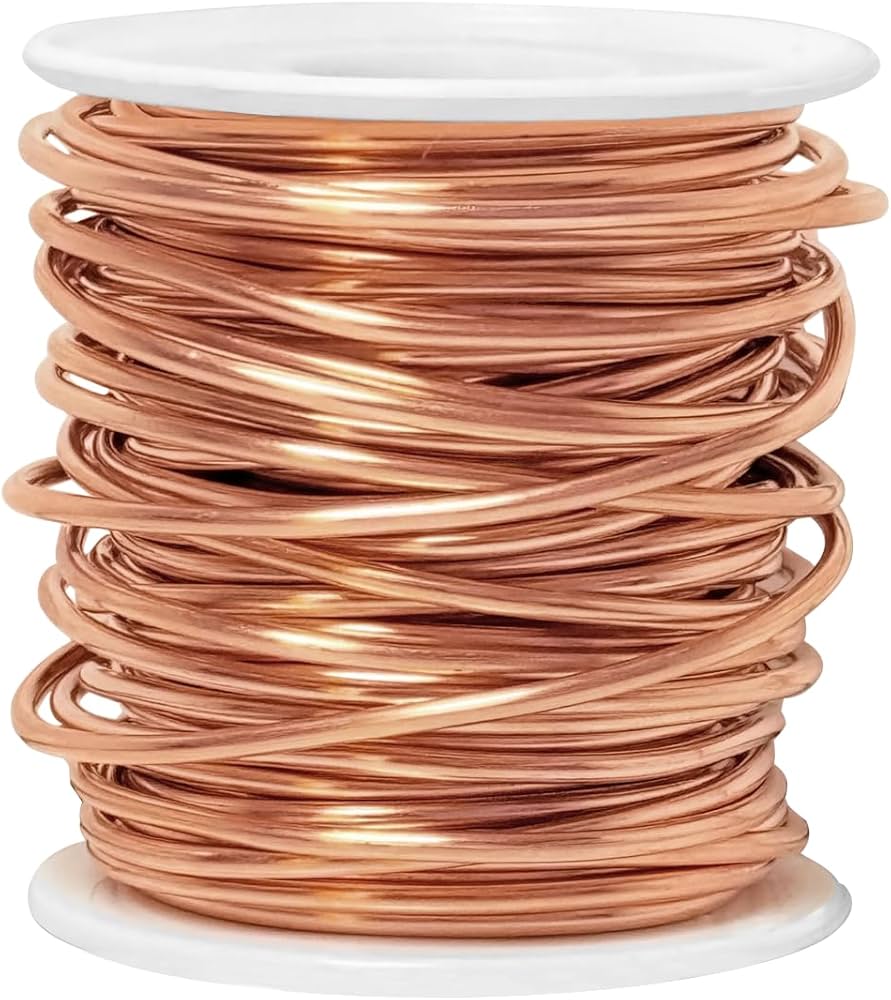
Manufacturing Process of Soft Copper Winding Wire at Luoyang Xinzhaohe Aluminum Co., Ltd
The production of soft copper winding wire at Luoyang Xinzhaohe Aluminum Co., Ltd follows a tightly controlled, multi-stage manufacturing sequence designed to ensure consistent electrical conductivity, mechanical flexibility, and insulation integrity. With over two decades of metallurgical and process engineering expertise, our facility integrates precision equipment with rigorous quality control protocols across four core stages: rod drawing, annealing, enameling, and inline testing.
The process begins with high-purity electrolytic copper rod (minimum 99.99% Cu), sourced from certified suppliers and verified through incoming material inspection via spark spectrometry. The rod drawing stage reduces the diameter of the copper rod to the specified wire gauge using a multi-die continuous drawing machine. This operation is performed under controlled tension and lubrication conditions to minimize work hardening and surface defects. Drawn wire is wound onto precision spools with constant tension control to prevent deformation or scratching.
Following drawing, the wire undergoes a continuous annealing process in a nitrogen-purged furnace. This softens the copper by relieving internal stresses induced during drawing, restoring optimal ductility and electrical conductivity. The annealing temperature is maintained between 450°C and 550°C, with precise residence time and atmosphere control to prevent oxidation. Oxygen content in the furnace is kept below 10 ppm to ensure a clean, oxide-free surface, critical for subsequent enamel adhesion.
The annealed wire then enters the enameling line, where a uniform layer of polymer insulation—typically polyurethane, polyester, or polyamide-imide—is applied via precision die coating. Multiple enamel passes may be used for thicker insulation classes, with intermediate curing stages at controlled temperatures to ensure complete polymerization. The final enamel layer provides dielectric strength, thermal stability (up to Class 200 or 220°C depending on formulation), and mechanical abrasion resistance.
Throughout the process, inline quality monitoring systems provide real-time feedback. Laser micrometers continuously measure wire diameter with ±0.002 mm accuracy. Spark testing is performed at 3 kV to detect pinholes or insulation weaknesses. Tensile strength and elongation are verified through periodic sampling on a universal testing machine, ensuring compliance with IEC 60317 and GB/T 23312 standards. Surface quality is inspected under high-intensity lighting and magnification.
Final quality control includes batch sampling for thermal shock, scrape resistance, and dielectric breakdown voltage. Each production lot is traceable through a documented QC report, including conductivity measurements (minimum 100% IACS) and dimensional certification. This systematic approach ensures that every meter of soft copper winding wire meets the stringent performance requirements of motors, transformers, and electromagnetic devices in industrial and automotive applications.
Packaging & Logistics
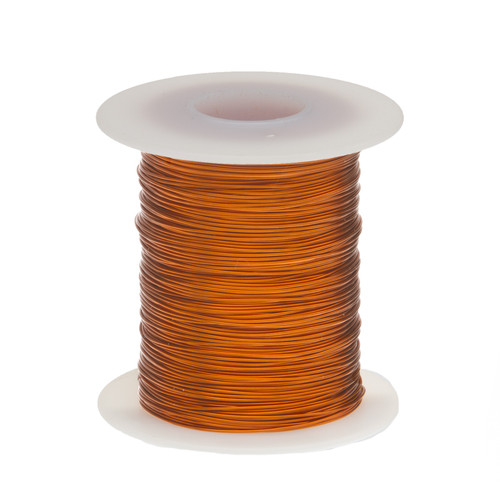
Export Packaging Specifications for Soft Copper Winding Wire
Luoyang Xinzhaohe Aluminum Co., Ltd implements rigorously engineered export packaging protocols for soft copper winding wire, specifically designed to mitigate maritime transit hazards. With over two decades of metallurgical and supply chain expertise, our system prioritizes copper’s susceptibility to oxidation, mechanical deformation, and moisture ingress during extended sea freight. All packaging adheres to ISO 11607 standards and ISPM 15 regulations for international wooden components, ensuring global customs compliance and cargo integrity.
Wooden pallets form the foundational structural layer, constructed from heat-treated, kiln-dried hardwood compliant with ISPM 15 phytosanitary standards. Each pallet undergoes dimensional stability testing to support loads up to 2,500 kg without deflection, preventing coil deformation under stack pressure. Pallet dimensions strictly follow ISO 13356 norms (1,200 mm × 1,000 mm), optimizing container space utilization while maintaining clearance for forklift handling. Critical to copper preservation, pallets are pre-conditioned to <12% moisture content to eliminate internal vapor sources.
Moisture protection employs a dual-barrier methodology. Primary wrapping utilizes 125-micron multilayer co-extruded polyethylene film with integrated vapor corrosion inhibitors (VCI). This film actively neutralizes chloride and sulfur compounds prevalent in marine atmospheres, suppressing electrochemical corrosion on copper surfaces. Secondary encapsulation incorporates desiccant silica gel pouches (minimum 30% RH capacity) placed interstitially between coils, monitored via humidity indicator cards. The entire assembly is hermetically sealed using impulse sealers, achieving <0.1 g/m²/day water vapor transmission rates per ASTM F1249.
Mechanical security against vibration and shock is achieved through steel strapping in a 4-way tensioned pattern (minimum 15 kN retention force), anchored to pallet stringers. Edge protectors distribute strap pressure to prevent coil edge damage, while void fillers eliminate intra-pallet movement. This configuration withstands simulated sea motion per ISTA 3A protocols, including 1.5G horizontal impacts and 0.5G vertical drops.
Packaging Component Specifications
| Component | Specification | Purpose |
|——————–|—————————————-|——————————————|
| Pallet Base | ISPM 15 hardwood, 1,200 × 1,000 × 150 mm | Structural stability, ISPM 15 compliance |
| Primary Film | 125-μm VCI polyethylene, 3-layer | Corrosion inhibition, moisture barrier |
| Desiccant | Silica gel, 1,000 g units, 30% RH cap. | Humidity absorption |
| Strapping | 16 mm steel, 15 kN tensile strength | Load immobilization |
| Edge Protection | Polypropylene, 50 mm width | Coil edge integrity maintenance |
Pre-shipment validation includes salt spray testing (ASTM B117) for 96 hours and vacuum decay leak detection to verify seal integrity. Documentation packages include moisture logs, desiccant saturation reports, and pallet certification stamps. This integrated approach ensures soft copper wire arrives with surface oxidation levels <0.5 mg/cm² (per ASTM D1748), critical for maintaining electrical conductivity and winding performance. For extended voyages exceeding 30 days, we recommend nitrogen purging within the sealed envelope—a service available upon request. Trust Luoyang Xinzhaohe’s packaging science to deliver copper wire with uncompromised metallurgical properties, regardless of destination port conditions.
Sourcing from Luoyang Xinzhaohe
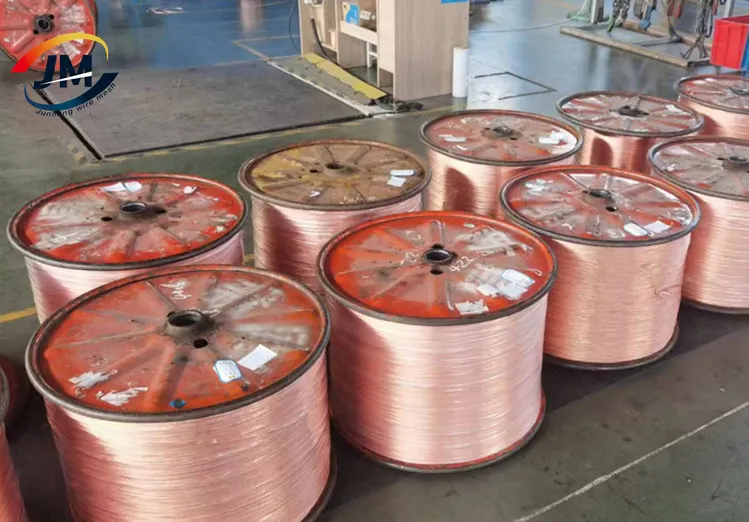
Partner with Luoyang Xinzhaohe Aluminum Co., Ltd for Premium Soft Copper Winding Wire
With over two decades of specialized manufacturing experience, Luoyang Xinzhaohe Aluminum Co., Ltd stands as a trusted leader in the production of high-performance soft copper winding wire. Our factory, located in the industrial heartland of Luoyang, Henan Province, integrates advanced metallurgical processes with rigorous quality assurance protocols to deliver products that meet the exacting demands of global electrical equipment manufacturers. As a vertically integrated producer, we maintain full control over raw material sourcing, drawing, annealing, and spooling operations, ensuring consistency, traceability, and performance across every batch.
Our soft copper wire is manufactured from high-purity (99.99% min) electrolytic tough pitch (ETP) copper, conforming to international standards including GB/T 3953, ASTM B3, and IEC 60228. Through precision cold-drawing and continuous annealing under controlled atmospheres, we achieve optimal ductility, tensile strength, and electrical conductivity—critical parameters for efficient winding in transformers, motors, generators, and reactors. The surface finish of our wire is exceptionally smooth, minimizing interlayer friction and insulation damage during high-speed winding operations. We offer diameters ranging from 0.08 mm to 5.0 mm, supplied on customized spools or reels tailored to customer equipment specifications.
The production facility is equipped with state-of-the-art wire drawing lines, oxygen-free annealing furnaces, and in-line diameter monitoring systems. These technologies ensure dimensional accuracy within ±0.005 mm and consistent mechanical properties across long lengths. All products undergo 100% electrical resistance testing and periodic mechanical and metallurgical verification in our on-site laboratory, which is accredited to ISO/IEC 17025 standards. Our quality management system is certified to ISO 9001:2015, underscoring our commitment to continuous improvement and defect prevention.
Environmental and operational sustainability is embedded in our manufacturing philosophy. We utilize energy-efficient annealing systems, recyclable packaging materials, and closed-loop water cooling circuits to minimize environmental impact. Our supply chain is optimized for reliability, with a monthly production capacity exceeding 1,500 metric tons, enabling us to support both steady-volume contracts and urgent project-based demands without compromise.
As a technical partner, Luoyang Xinzhaohe provides more than just materials—we offer engineering collaboration. Our metallurgical team works closely with clients to optimize wire specifications for specific applications, whether it involves custom temper adjustments, surface treatments, or spool geometry modifications. This application-driven approach has made us a preferred supplier to OEMs across Asia, Europe, and North America.
For sourcing managers and design engineers seeking a dependable, technically proficient supplier of soft copper winding wire, Luoyang Xinzhaohe delivers performance, precision, and partnership.
Contact us today to discuss your technical requirements and discover how our manufacturing expertise can support your production goals.
Email: cathy@transformerstrip.com
📉 Factory Direct Savings Calculator
Calculate your potential savings by importing soft copper wire directly from China.