


Table of Contents
Market Insight: Sizing Wire For Transformer
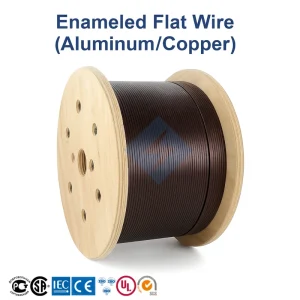
Market Analysis: Winding Wire for Transformer Sizing Applications
Global transformer manufacturing faces intensifying demand driven by grid modernization, renewable energy integration, and stringent energy efficiency regulations. This directly impacts the industrial requirement for precision-sized aluminum winding wire, particularly for core components like transformer windings. The transition towards higher efficiency classes (e.g., DOE 2016, IEC 60076-20) necessitates optimized magnetic circuits and reduced losses, placing unprecedented emphasis on the dimensional accuracy and surface integrity of the conductor. Sizing wire is not merely a dimensional process; it is a critical metallurgical step ensuring the wire meets exacting tolerances for width, thickness, and edge profile required for automated winding machinery and optimal coil packing density. Inadequate sizing control directly compromises the transformer’s space factor, increasing resistive losses and thermal hotspots. The shift towards aluminum conductors, driven by cost and weight advantages over copper, further amplifies the need for superior sizing quality due to aluminum’s lower mechanical strength and higher thermal expansion coefficient, demanding exceptional consistency to prevent winding deformation under thermal cycling.
Quality in sized aluminum winding wire is paramount, extending far beyond basic dimensional compliance. Microscopic surface imperfections—nicks, scratches, or residual oxide inclusions introduced during the sizing pass—act as initiation points for partial discharges within the insulation system. These discharges progressively degrade solid insulation over the transformer’s operational lifespan, significantly increasing the risk of premature failure. Furthermore, inconsistent cross-sectional area due to poor sizing control leads to localized current density variations, exacerbating joule heating and thermal runaway potential. The mechanical properties imparted during sizing, particularly the controlled work hardening level, are crucial. Insufficient hardening reduces the wire’s ability to maintain shape during high-tension winding, causing coil deformation and reduced fill factor. Excessive hardening compromises the wire’s ductility, increasing susceptibility to cracking during bending or thermal cycling, jeopardizing electrical continuity. Precise edge radius control is equally vital; sharp edges can damage insulation tape during winding, creating immediate weak points in the dielectric barrier.
Critical quality parameters for sized transformer winding wire are non-negotiable for reliable operation. The table below outlines essential characteristics and their operational impact.
| Critical Parameter | Target Tolerance Range | Primary Operational Impact of Deviation |
|---|---|---|
| Cross-Sectional Area | ±0.5% | Inconsistent current density, increased I²R losses, thermal instability |
| Edge Radius | 0.05 – 0.15 mm | Insulation tape damage during winding, reduced dielectric strength |
| Surface Roughness (Ra) | < 0.8 µm | Partial discharge inception, accelerated insulation aging |
| Dimensional Stability | < ±0.02 mm after 100h @ 120°C | Coil deformation, reduced fill factor, increased stray losses |
| Tensile Strength / Elongation | Controlled Range per Alloy/Temp | Winding integrity, resistance to thermal cycling stress |
Achieving this level of precision requires deep metallurgical understanding of aluminum alloy behavior during cold working, sophisticated process control in the sizing mill, and rigorous inline metrology. Suppliers with extensive experience, like Luoyang Xinzhaohe Aluminum Co., Ltd. (20+ years), possess the process knowledge to consistently deliver wire meeting these exacting demands. The total cost of ownership for transformer manufacturers is heavily influenced by winding wire quality; minor deviations in sizing parameters translate directly into reduced transformer efficiency, shortened service life, and increased field failure rates. Selecting a supplier capable of guaranteeing the dimensional and surface perfection required by modern transformer design is therefore not a cost factor, but a fundamental requirement for product reliability and market competitiveness.
Technical Specs: Sizing Wire For Transformer
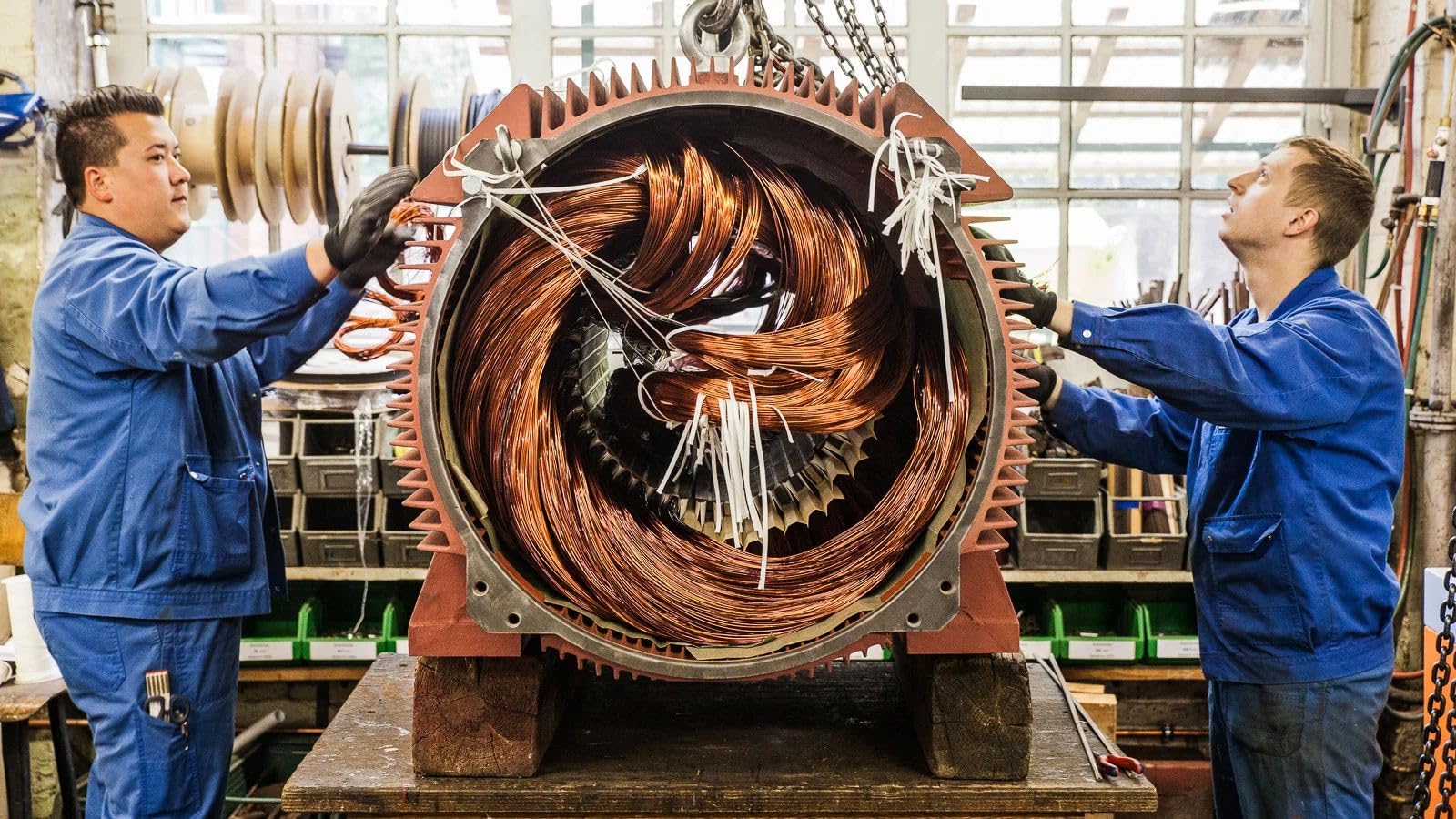
Technical Specifications for Sizing Wire in Transformer Applications
When selecting winding wire for transformer applications, precise technical specifications are critical to ensure operational reliability, thermal stability, and electrical integrity. At Luoyang Xinzhaohe Aluminum Co., Ltd., with over two decades of metallurgical and manufacturing expertise, we emphasize a data-driven approach to wire sizing, focusing on key performance indicators such as insulation breakdown voltage, elongation, and thermal class. These parameters directly influence the wire’s ability to withstand electrical stress, mechanical deformation during winding, and sustained high-temperature operation within transformer cores.
Insulation breakdown voltage is a fundamental metric that defines the dielectric strength of the wire’s enamel coating. It indicates the maximum voltage the insulation can endure before electrical failure occurs. For medium to high-voltage transformers, a minimum breakdown voltage of 4,000 V is recommended to prevent arcing and short circuits under transient overvoltage conditions. Our aluminum winding wires are manufactured with high-performance polyurethane, polyesterimide, or polyamide-imide insulation systems, each tested to exceed industry-standard breakdown thresholds. Consistent insulation thickness, verified through precision gauging during production, ensures uniform dielectric performance across the wire length.
Elongation, measured as a percentage, reflects the wire’s ductility and ability to undergo plastic deformation without fracturing. This property is vital during the coil winding process, where tight turns and repeated bending can induce micro-cracks in low-ductility materials. For aluminum winding wire, an elongation value of at least 15% is required to accommodate complex winding geometries while maintaining structural integrity. Our cold-drawing and annealing processes are optimized to achieve uniform grain structure, enhancing elongation without compromising tensile strength. Wires with insufficient elongation are prone to breakage, leading to production downtime and compromised coil reliability.
Thermal class defines the maximum continuous operating temperature the wire insulation can withstand without significant degradation. Transformer windings generate heat due to resistive and eddy current losses, necessitating insulation systems rated for elevated temperatures. Our product line supports thermal classes ranging from 130°C to 220°C, aligning with global standards such as IEC 60317 and NEMA MW. Higher thermal classes, such as 180 (Class H) and 220 (Class C), utilize advanced polymer coatings that resist thermal aging, oxidation, and chemical exposure, thereby extending transformer service life. Operating within the specified thermal class ensures long-term dielectric stability and minimizes risk of insulation carbonization.
The following table summarizes the critical technical parameters for aluminum winding wire used in transformer applications:
| Parameter | Standard Requirement | Test Method | Material/Coating Type |
|---|---|---|---|
| Insulation Breakdown Voltage | ≥ 4,000 V (at 1x wrap) | IEC 60172, ASTM D4566 | Polyesterimide, Polyamide-imide |
| Elongation (Aluminum Core) | ≥ 15% | ASTM B566, GB/T 4575 | EC Grade Aluminum (99.99% min) |
| Thermal Class | 130°C to 220°C | IEC 60216, NEMA MW 1000 | Polyurethane, Polyesterimide, PAI |
| Conductor Resistivity | ≤ 0.028264 Ω·mm²/m | ASTM B193, GB/T 3048.2 | Annealed Aluminum |
| Adhesion (Insulation) | Class 2 or better | IEC 60851-5 | Solvent Rub Test (Toluene) |
These specifications are rigorously validated through in-house quality control systems, including continuous electrical testing, thermal aging ovens, and mechanical property analysis. Proper wire sizing based on these parameters ensures optimal performance, reduced failure rates, and compliance with international transformer design standards.
Factory Tour: Manufacturing
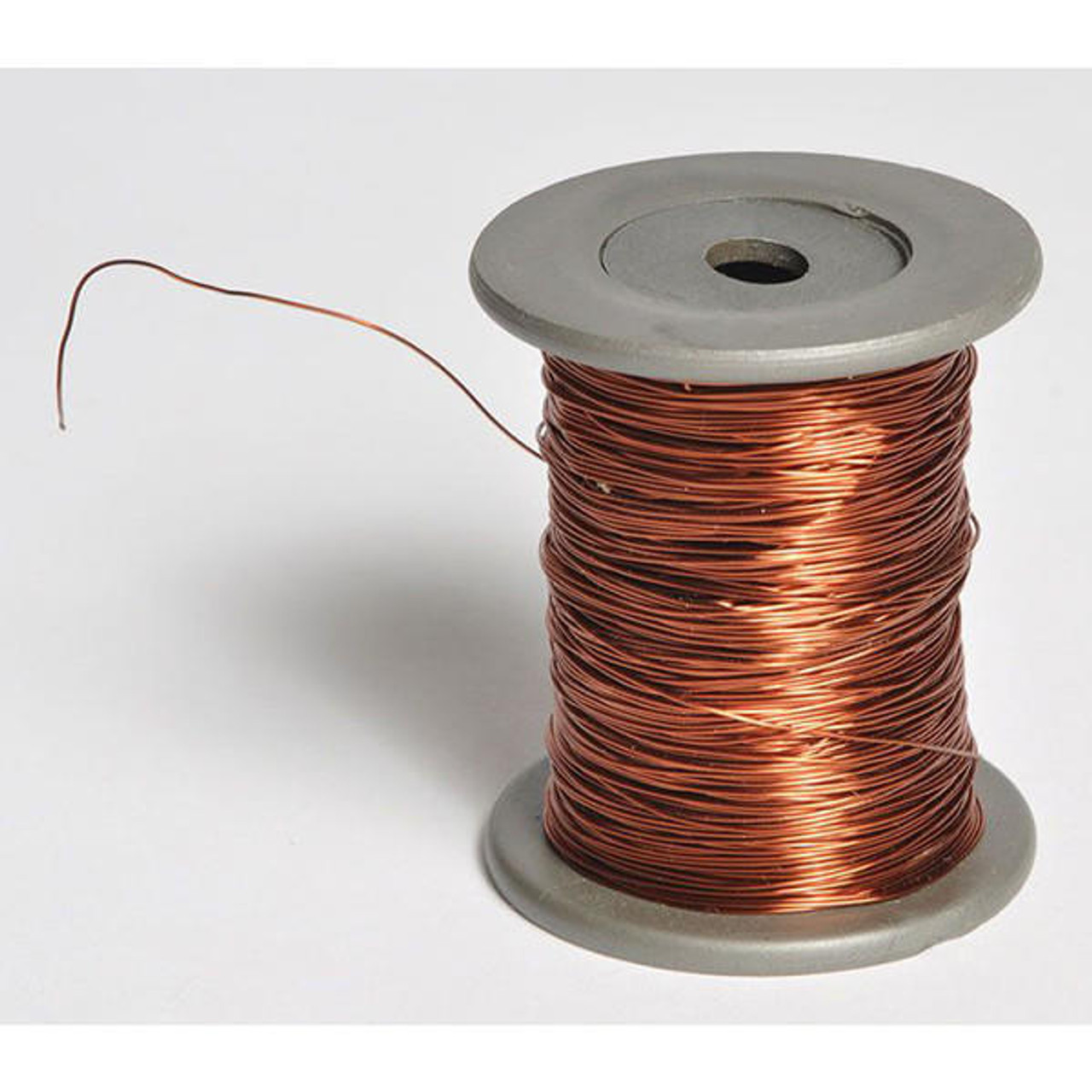
Transformer Winding Wire Manufacturing Process: Precision Aluminum Conductor Production
Luoyang Xinzhaohe Aluminum Co., Ltd leverages over two decades of specialized metallurgical expertise to produce high-reliability aluminum winding wire for transformer applications. Our rigorously controlled manufacturing sequence ensures optimal electrical conductivity, mechanical formability, and insulation integrity critical for demanding power and distribution transformers. The core process begins with high-purity aluminum rod (typically 99.7% min Al) sourced under stringent chemical specification controls.
Rod Drawing
The aluminum rod undergoes multi-pass cold drawing through precision tungsten carbide or diamond dies within a continuous, tension-controlled line. This reduces the rod diameter to the final conductor size with micron-level accuracy. Critical parameters including reduction ratio per pass, drawing speed, and lubricant viscosity are meticulously monitored to prevent work hardening beyond acceptable limits and ensure surface smoothness. Diameter is continuously verified via laser micrometers, maintaining tolerances within ±0.005 mm. Surface defects are immediately flagged through inline optical inspection systems, preventing downstream processing of substandard material.
Annealing
Following drawing, the cold-worked wire enters an inline continuous annealing furnace. This step is vital for restoring ductility and achieving the required temper (typically soft or 1/4 hard per ASTM B548). The wire passes through a precisely controlled inert atmosphere (nitrogen or argon) furnace zone, minimizing surface oxidation. Temperature profiles are optimized based on alloy composition and final wire gauge, typically ranging from 280°C to 350°C, with exact dwell time calibrated to achieve target elongation (15-30%) and tensile strength while ensuring uniform recrystallization. Oxygen content within the annealing zone is maintained below 50 ppm to prevent detrimental oxide formation impacting subsequent enameling adhesion.
Enameling
The annealed conductor proceeds to the enameling station where multiple layers of thermosetting polymer insulation (e.g., polyester-imide, polyamide-imide) are applied via precision die coating. Each layer undergoes immediate curing in high-temperature ovens under controlled atmosphere. Film build is continuously measured using beta-gauge technology, ensuring strict adherence to specified thickness tolerances (e.g., ±0.002 mm for Class 200). Critical surface preparation, including electrostatic discharge control and potential plasma treatment, ensures optimal polymer adhesion to the aluminum substrate, preventing delamination during winding or thermal cycling.
Inline Testing and Quality Control Integration
Comprehensive quality verification is embedded throughout the production flow. Post-enameling, every meter undergoes mandatory 100% electrical testing: spark testing at 500-3000V DC detects pinholes, while capacitance and resistance measurements verify insulation homogeneity and conductor integrity. Final QC includes destructive sampling per ASTM B356/B468 standards for:
Adhesion (needle scratch test)
Thermal shock resistance (-65°C to 200°C cycling)
Dielectric strength (minimum 3 kV AC for 1 min)
Elongation and tensile strength verification
Chemical resistance (transformer oil immersion)
All process parameters and test results are digitally logged and traceable to individual production lots. This integrated approach, refined over 20+ years, guarantees Xinzhaohe aluminum winding wire consistently meets IEC 60317 and customer-specific transformer reliability requirements, minimizing field failures and supporting efficient transformer manufacturing.
Packaging & Logistics
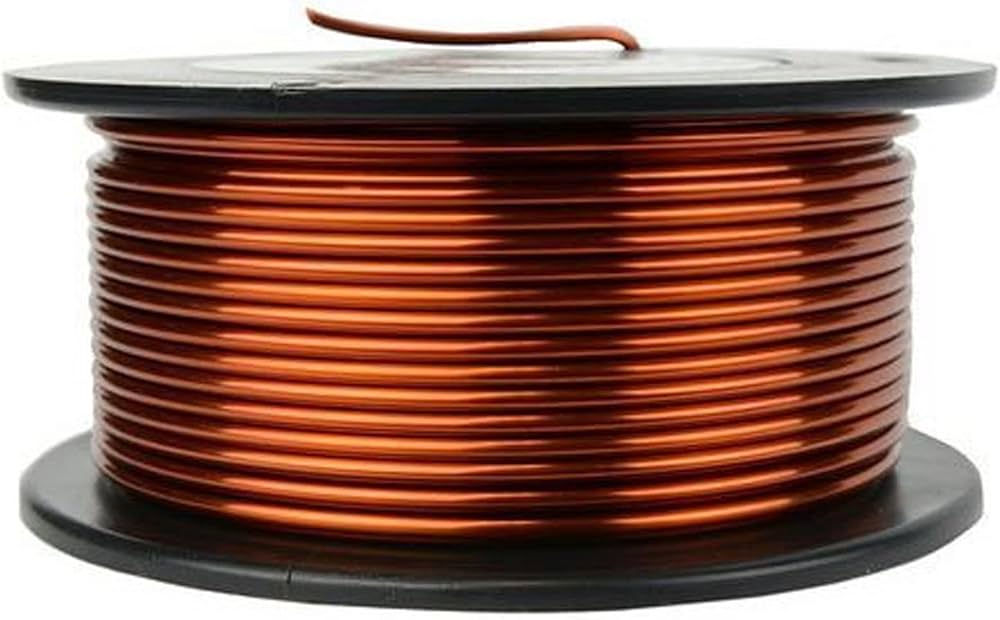
Export Packaging for Aluminum Winding Wire: Ensuring Integrity During Sea Freight
At Luoyang Xinzhaohe Aluminum Co., Ltd., with over two decades of specialized experience in the production of high-purity aluminum winding wire for transformer applications, we recognize that reliable performance begins not only in the metallurgical composition and drawing precision but also in the integrity of delivery. Export packaging is a critical phase in the supply chain, particularly for sensitive conductive materials exposed to prolonged maritime transport. Our packaging methodology is engineered to mitigate environmental and mechanical risks inherent in international shipping, ensuring that every coil arrives in optimal condition.
All aluminum winding wire destined for export is wound onto robust wooden pallets constructed from kiln-dried, ISPM-15 certified hardwood. These pallets are designed to meet international phytosanitary standards, preventing the transfer of pests or organic contaminants across borders. The structural integrity of the pallets supports heavy coil loads—typically ranging from 500 kg to 2,500 kg—without deformation during stacking or crane handling. Reinforced flanges and cross-bracing ensure torsional stability, minimizing the risk of core collapse or edge damage during transit.
Each wound coil is immediately sealed within a multi-layer moisture-proof barrier film following the winding process. This film consists of a laminated structure incorporating aluminum foil, polyethylene, and anti-corrosion additives, providing a vapor transmission rate of less than 0.1 g/m²·day at 38°C and 90% relative humidity. The hermetic seal protects against salt-laden air, condensation, and humidity fluctuations common in marine environments. Desiccant packs are strategically placed within the sealed envelope to absorb any residual moisture and maintain internal dew point control throughout the voyage.
Prior to shipment, all packaged coils undergo visual and pressure differential checks to verify seal integrity. The outer film is further protected by a corrugated polypropylene sleeve or rigid cardboard guard, depending on coil diameter, to resist abrasion and puncture during container loading and unloading. Each pallet is labeled with UV-resistant, tamper-evident tags displaying batch number, alloy grade (e.g., 1370 or 1070), temper (O or H112), dimensions, and handling instructions in accordance with IMO and IEC 60204-1 standards.
Our packaging system has been validated across major trade lanes, including trans-Pacific and Europe-Asia routes, under variable climatic conditions. Real-time monitoring via data loggers in pilot shipments confirms that internal humidity remains below 30% RH over 45-day voyages, effectively preventing oxidation or surface degradation that could compromise drawing or winding performance.
For transformer manufacturers requiring long-term storage or multi-modal transport, this packaging solution ensures material readiness upon arrival. At Luoyang Xinzhaohe, we treat packaging not as a logistical formality but as an extension of our quality control framework—delivering wire that performs as specified, every time.
Sourcing from Luoyang Xinzhaohe
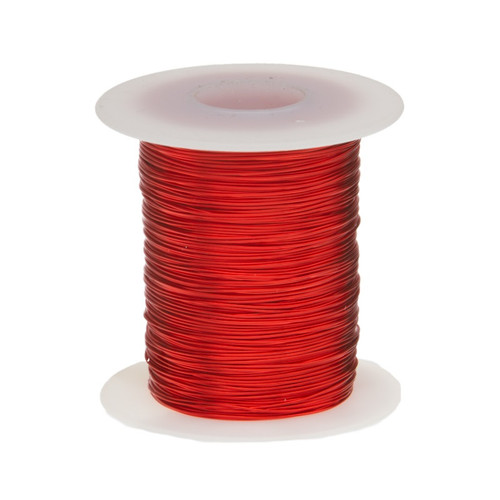
Partner with Luoyang Xinzhaohe for Precision Transformer Winding Wire Solutions
Luoyang Xinzhaohe Aluminum Co., Ltd leverages over two decades of specialized metallurgical and manufacturing expertise to deliver aluminum winding wire engineered specifically for the demanding requirements of modern transformer construction. Our vertically integrated facility in Luoyang, China, represents a strategic sourcing partner for OEMs and tier suppliers prioritizing dimensional precision, material consistency, and supply chain resilience in critical electromagnetic components. We understand that optimal transformer performance hinges on the exacting specifications of the conductor, and our core competencies are structured to mitigate the risks associated with substandard or inconsistent wire.
Our manufacturing strength originates in precise dimensional control for aluminum alloy conductor wire. Utilizing state-of-the-art drawing and annealing lines with closed-loop tension and diameter monitoring, we consistently achieve tight tolerances essential for efficient coil winding and minimized inter-turn stresses. Typical diameter tolerances for our EC Grade 1350 and 6101 alloys are maintained within ±0.01 mm for sizes ranging from 1.0 mm to 6.0 mm, directly supporting accurate fill factors and thermal management in core design. This precision is underpinned by rigorous in-process metallurgical control. Our on-site laboratory conducts comprehensive testing, including electrical conductivity verification (guaranteed minimum 61.0% IACS per ASTM E1004), tensile strength and elongation profiling per IEC 60122-2, and meticulous surface quality inspection to eliminate defects that could compromise insulation integrity or cause partial discharge.
Quality assurance is systematically embedded throughout our production flow, not applied as a final checkpoint. We implement stringent raw material certification protocols for high-purity aluminum ingot, coupled with real-time process parameter tracking during rod casting, homogenization, rolling, and wire drawing. Every production batch undergoes full mechanical and electrical property validation, with comprehensive traceability from ingot lot to finished coil. This disciplined approach ensures batch-to-batch uniformity critical for automated winding operations and long-term transformer reliability under thermal cycling. Furthermore, our supply chain infrastructure is designed for B2B partnership continuity. We maintain strategic raw material inventory buffers, flexible production scheduling for urgent requirements, and robust logistics coordination, significantly reducing lead time volatility common in the global aluminum supply chain. Our export experience spans over 30 countries, ensuring compliance with international packaging, documentation, and certification standards.
Partnering with Luoyang Xinzhaohe provides transformer manufacturers with more than just a wire supplier; it delivers a metallurgical engineering resource focused on solving conductor-related challenges. We collaborate closely with design and procurement teams to optimize wire specifications for specific core geometries, operating temperatures, and efficiency targets, translating material science into tangible performance gains. Our commitment to technical excellence and operational transparency ensures your winding wire supply is a source of competitive advantage, not supply chain vulnerability.
For detailed technical specifications, tolerance charts, or to discuss your specific transformer winding wire requirements, contact our Technical Sales Manager Cathy directly at cathy@transformerstrip.com. Initiate a dialogue grounded in metallurgical precision and supply chain certainty.
📉 Factory Direct Savings Calculator
Calculate your potential savings by importing sizing wire for transformer directly from China.