


Table of Contents
Market Insight: Silicon Steel Vs Carbon Steel
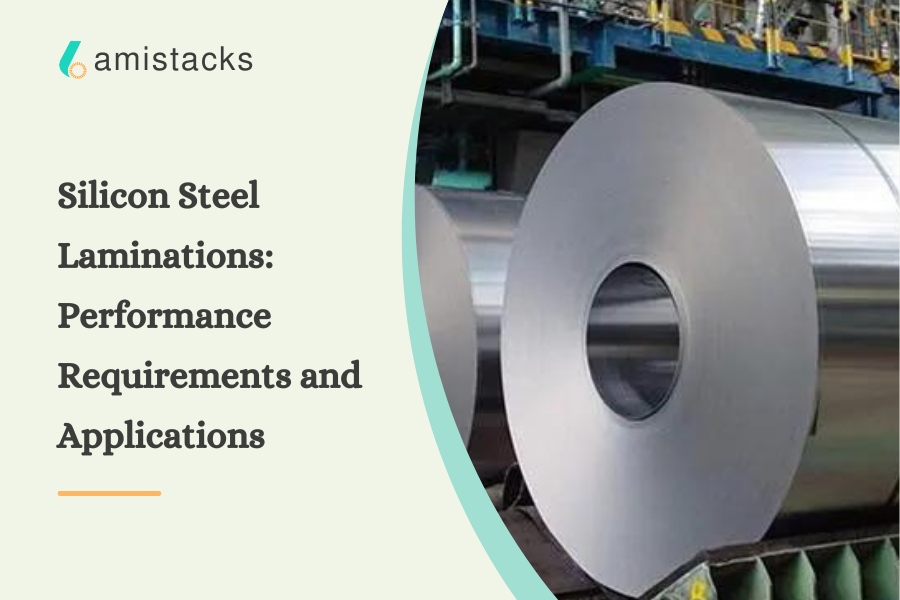
Market Analysis: Silicon Steel (Electrical Steel) for Transformer Cores
The global transformer industry exhibits a fundamental material dichotomy: silicon steel (electrical steel) is the exclusive core material for efficient electromagnetic energy conversion, while carbon steel serves structural or non-critical mechanical roles. Carbon steel, valued for its tensile strength and weldability, lacks the requisite magnetic properties for transformer laminations. Its high electrical conductivity and coercivity generate excessive eddy current and hysteresis losses under alternating magnetic fields, rendering it unsuitable for core applications. In contrast, silicon steel—specifically non-oriented grades with 1.5–3.5% silicon content—optimizes magnetic performance through reduced core loss and enhanced permeability. This distinction dictates industrial demand, with silicon steel commanding over 95% of the electrical steel market for power and distribution transformers. Regulatory pressures amplify this trend; stringent global efficiency standards (e.g., DOE 2016, EU Ecodesign Lot 20) mandate minimum performance levels that carbon steel cannot achieve, directly linking silicon steel quality to compliance and operational economics.
Key property differences underscore this material imperative:
| Property | Silicon Steel | Carbon Steel | Impact on Transformer Performance |
|---|---|---|---|
| Core Loss (W/kg) @ 1.5T/50Hz | 2.0–4.0 (M250-35A) | 15–25+ | Directly affects energy waste and operating temperature |
| Electrical Resistivity (μΩ·cm) | 45–65 | 10–20 | Higher resistivity reduces eddy current losses |
| Magnetostriction (%) | 0.0005–0.001 | 0.005–0.01 | Lower values minimize audible noise and vibration |
| Saturation Induction (T) | 1.9–2.0 | 2.0–2.1 | Slightly lower but offset by superior loss characteristics |
Quality in silicon steel is non-negotiable. Minor deviations in chemical composition—such as sulfur >0.003% or oxygen >0.005%—induce grain boundary segregation, increasing hysteresis loss by 10–15%. Inconsistent thickness tolerance (>±0.02mm) disrupts lamination stacking factors, elevating eddy current losses. Surface insulation coating defects (e.g., uneven phosphating) further degrade interlamination resistance. These factors collectively dictate transformer efficiency: a 0.5 W/kg increase in core loss translates to ~1.2% higher annual energy waste in a 1 MVA unit, equating to thousands in excess operational costs over its lifespan.
Luoyang Xinzhaohe Aluminum CO., Ltd leverages 20+ years of metallurgical expertise to supply rigorously controlled silicon steel meeting IEC 60404-1-1 and ASTM A664 standards. Our production process emphasizes ultra-low impurity control (<0.002% C), precision cold rolling, and proprietary insulation coatings to ensure consistent core loss performance. For B2B buyers, prioritizing certified silicon steel suppliers mitigates lifecycle cost risks and guarantees adherence to tightening global efficiency mandates, where carbon steel remains irrelevant for core functionality. The premium for high-grade silicon steel is invariably offset by energy savings and regulatory compliance within 2–3 years of operation.
Technical Specs: Silicon Steel Vs Carbon Steel
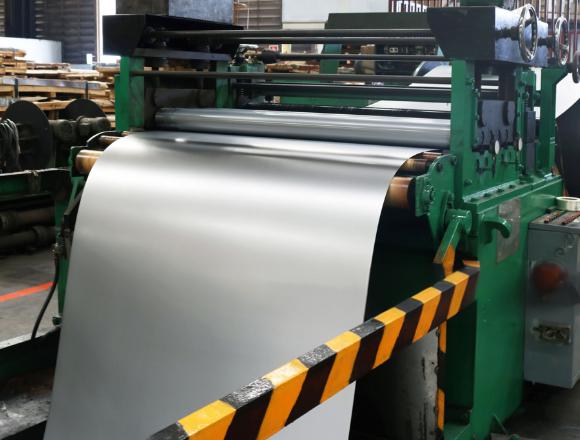
Technical Specifications: Silicon Steel vs Carbon Steel
When evaluating materials for electromagnetic applications, understanding the technical specifications of silicon steel (also known as electrical steel) versus carbon steel is critical for optimizing performance, efficiency, and longevity of electrical equipment. Luoyang Xinzhaohe Aluminum Co., Ltd, with over two decades of experience in advanced metal materials, provides this comparative analysis to support informed sourcing decisions in industrial applications.
The primary differentiator between silicon steel and carbon steel lies in their electromagnetic behavior. Silicon steel is specifically engineered to minimize core losses and maximize magnetic permeability, making it ideal for transformers, motors, and generators. In contrast, carbon steel, while mechanically robust, exhibits significantly higher hysteresis and eddy current losses, rendering it unsuitable for efficient electromagnetic energy conversion.
Core loss, or iron loss, is a key performance metric measured in watts per kilogram (W/kg) at a given frequency and magnetic flux density. Silicon steel demonstrates core losses typically ranging from 0.6 to 2.0 W/kg at 1.5 T and 50 Hz, depending on grade and lamination thickness. This low loss is achieved through silicon alloying (2–4 wt%), which increases electrical resistivity and reduces eddy currents. Carbon steel, lacking silicon content, exhibits core losses exceeding 10 W/kg under similar conditions, leading to excessive heat generation and energy inefficiency.
Magnetic flux density, expressed in Tesla (T), indicates the material’s capacity to support magnetic field formation. High-quality grain-oriented silicon steel can achieve flux densities up to 2.0 T, with typical operating ranges between 1.7 T and 1.9 T. Non-oriented silicon steel operates effectively between 1.5 T and 1.8 T. Carbon steel, by comparison, saturates at approximately 1.8–2.1 T but requires significantly higher magnetizing forces to reach these levels due to its lower permeability, reducing practical utility in AC applications.
Flatness is another critical specification, particularly in stacked laminations used in stators and rotors. Silicon steel is manufactured to stringent flatness tolerances—typically within 0.5 mm deviation over 1 meter—to ensure tight stacking, reduce air gaps, and maintain consistent magnetic performance. Advanced rolling and annealing processes ensure dimensional stability. Carbon steel, while available in flat forms, is not produced to the same electromagnetic-grade flatness standards, leading to increased reluctance and localized hot spots in magnetic circuits.
The following table summarizes key technical parameters:
| Parameter | Silicon Steel (Non-Oriented) | Silicon Steel (Grain-Oriented) | Carbon Steel (Low Alloy) |
|---|---|---|---|
| Core Loss (W/kg @1.5T/50Hz) | 1.0 – 2.0 | 0.6 – 1.0 | >10.0 |
| Magnetic Flux Density (T) | 1.5 – 1.8 | 1.7 – 2.0 | 1.8 – 2.1 (high coercivity) |
| Silicon Content (wt%) | 2.0 – 3.5 | 3.0 – 4.0 | <0.5 |
| Electrical Resistivity (μΩ·cm) | 45 – 60 | 50 – 70 | 10 – 15 |
| Typical Thickness (mm) | 0.30 – 0.65 | 0.23 – 0.30 | 0.50 – 2.0 |
| Flatness Tolerance (mm/m) | ≤0.5 | ≤0.4 | ≤2.0 |
In industrial sourcing, selecting silicon steel over carbon steel for electromagnetic components directly impacts energy efficiency, thermal management, and compliance with global efficiency standards such as IE3 and IE4. Luoyang Xinzhaohe Aluminum Co., Ltd supplies premium-grade silicon steel products meeting IEC 60404 and ASTM A664 standards, ensuring reliability and performance in mission-critical applications.
Factory Tour: Manufacturing
Silicon Steel Manufacturing Process: Precision Engineering for Electromagnetic Performance
Luoyang Xinzhaohe Aluminum CO., Ltd leverages over two decades of specialized expertise in silicon steel (electrical steel) production to deliver materials meeting stringent global efficiency standards. Unlike carbon steel, where mechanical properties dominate, silicon steel manufacturing prioritizes precise control of magnetic characteristics through a defined sequence of critical processing stages. This sequence ensures minimal core loss and optimal permeability for electric motors, transformers, and other electromagnetic applications.
The process initiates with precision slitting of master coils. High-tolerance slitting lines operate under controlled tension to achieve exact strip widths while preserving edge integrity. Microscopic edge defects from improper slitting induce localized magnetic hysteresis, increasing core loss. Our systems utilize laser-guided tracking and servo-driven knives to maintain width tolerances within ±0.1 mm, critical for subsequent lamination stacking. Rigorous in-line optical inspection immediately verifies edge quality and surface cleanliness, rejecting any material exhibiting burrs or dimensional deviation before progression.
Material then undergoes continuous annealing in a protective hydrogen-nitrogen atmosphere furnace. This step is non-negotiable for achieving the required grain structure and magnetic properties. Annealing temperatures typically range from 750°C to 850°C, facilitating stress relief, recrystallization, and controlled decarburization. Precise atmosphere composition control prevents surface oxidation and ensures uniform grain growth. Decarburization is vital; residual carbon content above 30 ppm significantly degrades magnetic performance by pinning domain walls. Post-annealing, material undergoes rapid cooling under strict thermal profiles to lock in the optimized microstructure.
Following annealing, a thin, uniform insulation coating is applied. This coating serves dual critical functions: electrical isolation between laminations to suppress eddy currents and corrosion protection. We apply either inorganic (e.g., magnesium oxide-based) or hybrid organic-inorganic coatings via roll coating or electrolytic processes. Coating weight is meticulously controlled between 0.5 g/m² and 4.0 g/m² per side, directly impacting interlaminar resistance. Target resistivity exceeds 70 Ω·cm for high-frequency applications. Infrared curing ensures complete polymerization without degrading the steel substrate.
The final stage is precision blanking or stacking cutting. Advanced servo-driven presses or laser cutting systems produce laminations with minimal burr formation (<0.03 mm) and tight dimensional tolerances (±0.05 mm). Burr height and dimensional accuracy are paramount; excessive burrs create magnetic short circuits between laminations, increasing eddy current losses. All cut parts undergo 100% dimensional verification using automated optical comparators.
Quality control is embedded throughout each stage. Key verification points include:
| Process Stage | Critical QC Parameter | Measurement Standard | Target Specification |
|—————|————————|———————-|———————-|
| Slitting | Edge Burr Height | ISO 6930-2 | < 0.02 mm |
| Annealing | Core Loss (P1.5/50) | IEC 60404-2 | ≤ 3.20 W/kg |
| Coating | Interlaminar Resistance | ASTM A976 | > 70 Ω·cm |
| Precision Cutting | Lamination Dimensional Tolerance | Customer Drawing | ±0.05 mm |
This integrated manufacturing and QC framework ensures the silicon steel consistently achieves the low core loss, high permeability, and thermal stability demanded by modern energy-efficient electromagnetic devices, distinguishing it fundamentally from carbon steel production focused solely on mechanical attributes.
Packaging & Logistics
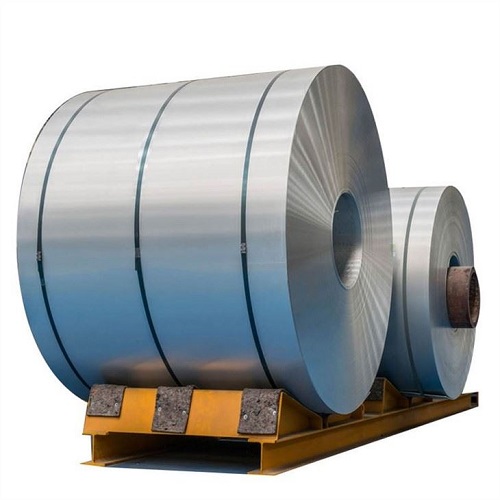
Export Packaging for Silicon Steel: Ensuring Integrity During International Transit
At Luoyang Xinzhaohe Aluminum Co., Ltd, with over two decades of specialization in high-performance silicon steel (also known as electrical steel), we recognize that export packaging is not merely a logistical necessity but a critical component in preserving material integrity. Silicon steel, due to its precise magnetic properties and surface sensitivity, demands a packaging solution engineered to withstand the rigors of international sea freight while mitigating environmental exposure.
Our standard export packaging system is built around robust wooden pallets compliant with ISPM 15 (International Standards for Phytosanitary Measures No. 15). These pallets are constructed from kiln-dried, heat-treated hardwood or engineered plywood, ensuring structural stability under heavy loads and resistance to pest infestation. Each coil or sheet bundle of silicon steel is securely fastened to the pallet using high-tensile steel strapping, evenly distributed to prevent shifting during vessel movement, crane handling, or multi-modal transfers. The base structure is designed to interface seamlessly with standard container forklifts and shipping container floor rails, minimizing handling risks.
To address the primary threat during maritime transport—moisture—we apply a multi-layer moisture-proof wrapping protocol. Each packaged unit is first wrapped in industrial-grade, vapor-corrosion inhibiting (VCI) plastic film. This film actively releases corrosion-inhibiting molecules that form a protective molecular layer on the steel surface, guarding against salt-laden air and condensation. Over this, a secondary layer of high-density polyethylene (HDPE) moisture barrier film is applied, heat-sealed to eliminate gaps. This dual-film system ensures that relative humidity within the package remains below 60%, well under the threshold for oxidation initiation in silicon steel laminations.
All packaged units are further protected by corner boards made from reinforced cardboard or plastic, which absorb impact and prevent edge deformation during stacking. For containerized shipments, we optimize load distribution to avoid overhang or compression damage, and desiccant packs are placed within the container environment as an additional safeguard against ambient moisture ingress.
This packaging methodology has been validated across thousands of export shipments to markets in Southeast Asia, Europe, and South America, consistently delivering silicon steel with zero moisture-related claims. Our adherence to ISO 9001 quality management protocols ensures traceability, consistency, and compliance with international freight regulations.
For our global partners, this packaging system represents more than protection—it reflects our commitment to material performance. Silicon steel is engineered for precision applications in transformers, motors, and generators, where even microscopic surface degradation can compromise electromagnetic efficiency. By integrating structural resilience with advanced moisture control, Luoyang Xinzhaohe ensures that every shipment arrives in the same condition as it left our facility: ready for immediate processing and assured performance.
Sourcing from Luoyang Xinzhaohe
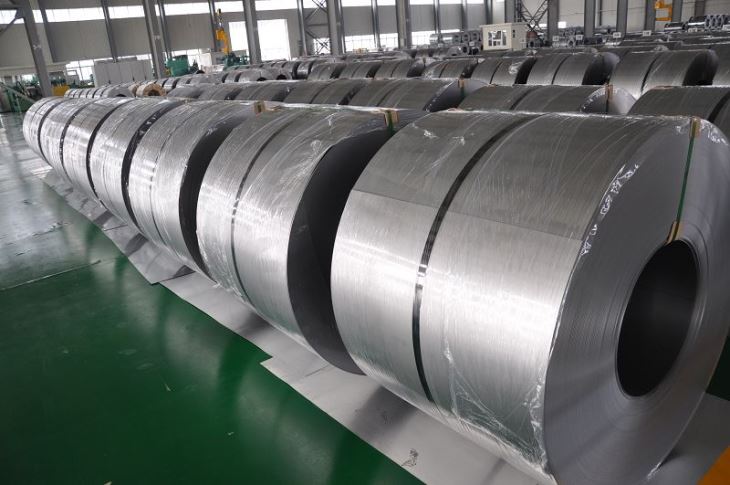
Partner with Luoyang Xinzhaohe for Precision Silicon Steel Solutions
Luoyang Xinzhaohe Aluminum Co., Ltd leverages over two decades of specialized metallurgical expertise exclusively in silicon steel production, despite our corporate name. We are a dedicated manufacturer focused solely on electrical steel, serving as a critical partner for transformer, motor, and generator manufacturers demanding uncompromising material performance. Our deep process knowledge, refined through 20+ years of continuous operation, ensures we deliver silicon steel meeting the most stringent global efficiency and reliability standards, directly impacting your core product quality and energy efficiency targets.
Our integrated production facility features advanced continuous annealing lines and precision slitting capabilities, enabling an annual output exceeding 200,000 metric tons of both grain-oriented (GOES) and non-oriented (NOES) electrical steel. We maintain rigorous control over critical parameters including magnetic induction (B800), core loss (W15/50, W10/400), lamination factor, and surface insulation coating properties. Our technical team possesses extensive experience in optimizing steel chemistry and processing for specific applications, whether targeting ultra-low core loss in high-voltage transformers requiring precise Goss texture development or high-frequency performance in EV traction motors demanding superior NOES characteristics. This deep metallurgical understanding translates into consistent material that minimizes your manufacturing waste and maximizes end-product efficiency.
Quality assurance is embedded within our operational DNA. We operate under ISO 9001 and IATF 16949 certified management systems, implementing multi-stage in-process and final product testing. Our on-site metallurgical laboratory utilizes state-of-the-art equipment for precise measurement of magnetic properties, chemical composition (via OES), mechanical properties, coating weight, and surface defect analysis. Every coil undergoes comprehensive validation against agreed specifications before shipment, ensuring traceability from melt to finished strip. This systematic approach guarantees the dimensional accuracy, flatness, and magnetic performance consistency essential for high-speed automated core stacking processes in your facility.
Our supply chain infrastructure is engineered for B2B reliability. We maintain strategic raw material partnerships and flexible production scheduling to support just-in-time delivery requirements without compromising quality. Dedicated logistics coordination ensures secure, on-time shipments globally, minimizing your inventory holding costs and production line disruptions. Partnering with Xinzhaohe means gaining access to not just material, but collaborative engineering support for material selection, troubleshooting, and continuous improvement initiatives aimed at enhancing your core product performance.
| Key Product Capability | GOES Specification Range | NOES Specification Range |
|---|---|---|
| Core Loss (W15/50) | ≤ 0.70 W/kg | ≤ 3.00 W/kg |
| Magnetic Induction (B800) | ≥ 1.90 T | ≥ 1.65 T |
| Thickness Tolerance | ±0.003 mm | ±0.005 mm |
| Standard Width Range | 80 – 1220 mm | 80 – 1220 mm |
Optimize your electrical steel sourcing strategy with a partner possessing proven technical mastery and supply chain resilience. Contact our Technical Sales Team today to discuss your specific silicon steel requirements and receive a detailed capability statement. Reach Cathy Zhang directly at cathy@transformerstrip.com to initiate a collaborative engineering review and secure a reliable, high-performance material supply for your critical electromagnetic applications. Let Xinzhaohe’s precision steel power your efficiency goals.
📉 Factory Direct Savings Calculator
Calculate your potential savings by importing silicon steel vs carbon steel directly from China.