


Table of Contents
Market Insight: Silicon Steel Uses
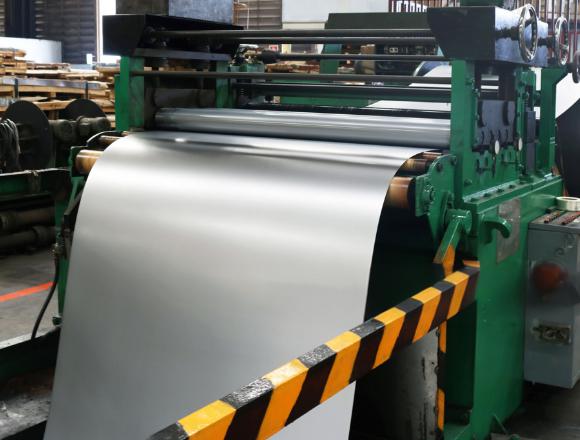
Market Analysis: Silicon Steel (Electrical Steel) for Transformer Applications
Global demand for high-quality electrical steel, specifically non-oriented and grain-oriented silicon steel, remains robust and is fundamentally driven by the critical role these materials play in power transformers. Transformers constitute the backbone of electrical transmission and distribution infrastructure, requiring materials that minimize energy loss during operation. The relentless global push for energy efficiency, mandated by stringent regulations such as the U.S. Department of Energy (DOE) 2016 standards and the European Ecodesign Directive, directly intensifies demand for premium electrical steel grades. Simultaneously, accelerating investments in grid modernization, renewable energy integration (solar/wind farms require step-up transformers), and electrification initiatives across emerging economies sustain long-term market growth. This environment places immense pressure on transformer manufacturers to source silicon steel meeting exacting performance criteria, making material selection a strategic procurement decision rather than a simple cost exercise.
The core function of silicon steel in transformer cores is to provide a low-reluctance path for magnetic flux while minimizing two primary energy loss mechanisms: hysteresis loss and eddy current loss. The silicon content (typically 2-3.5% for grain-oriented grades) increases electrical resistivity, directly reducing eddy currents. Grain orientation, achieved through specialized processing, optimizes the magnetic properties along the rolling direction, significantly lowering hysteresis loss. Consequently, the magnetic properties of the steel – specifically core loss (W/kg) and magnetic induction (Tesla) at defined flux densities and frequencies – are paramount. Inferior material exhibits higher core loss, translating directly to wasted energy dissipated as heat during transformer operation. Over a transformer’s 25-40 year lifespan, even a marginal increase in core loss per kilogram of steel results in substantial cumulative energy waste and higher operational costs, often dwarfing the initial material cost.
Quality consistency and precision in silicon steel are non-negotiable for reliable, efficient transformer performance. Critical quality parameters include:
Magnetic Property Uniformity: Variations in core loss or induction across a coil or between coils cause localized hot spots, reducing transformer efficiency and lifespan. Consistent properties ensure predictable performance and thermal management.
Dimensional Accuracy and Flatness: Precise gauge tolerance (e.g., 0.23mm, 0.27mm, 0.30mm) and exceptional flatness are essential for tight stacking of laminations. Poor flatness increases air gaps in the core, raising reluctance and magnetostriction (audible noise/vibration), while gauge variations disrupt flux paths and increase losses.
Surface Insulation Integrity: A uniform, adherent insulating coating is vital to electrically isolate individual laminations, preventing interlaminar short circuits that drastically increase eddy current losses. Coating defects or inconsistency compromise this isolation.
The table below illustrates the performance impact of grade selection:
| Electrical Steel Grade | Typical Thickness (mm) | Core Loss @ 1.7T, 60Hz (W/kg) | Primary Transformer Application |
|---|---|---|---|
| High-Permeability GOES | 0.23 | 0.65 – 0.75 | Ultra-high efficiency distribution/power |
| Standard GOES | 0.27 | 0.85 – 0.95 | Standard power transformers |
| Non-Oriented (Medium Si) | 0.35 | 3.0 – 3.8 | Rotors/stators, small distribution |
Procurement decisions must prioritize total cost of ownership (TCO). While lower-cost, substandard silicon steel may offer initial savings, it inevitably leads to higher energy consumption, reduced transformer capacity, potential reliability issues, and failure to meet regulatory efficiency targets. Luoyang Xinzhaohe Aluminum, with two decades of deep supply chain engagement in the electrical materials sector, emphasizes that partnering with suppliers possessing rigorous metallurgical process control, advanced testing capabilities (e.g., Epstein frame, SST), and unwavering commitment to specification adherence is essential for securing the high-performance silicon steel required to build transformers meeting today’s demanding efficiency and reliability standards. Quality is the cornerstone of grid sustainability.
Technical Specs: Silicon Steel Uses
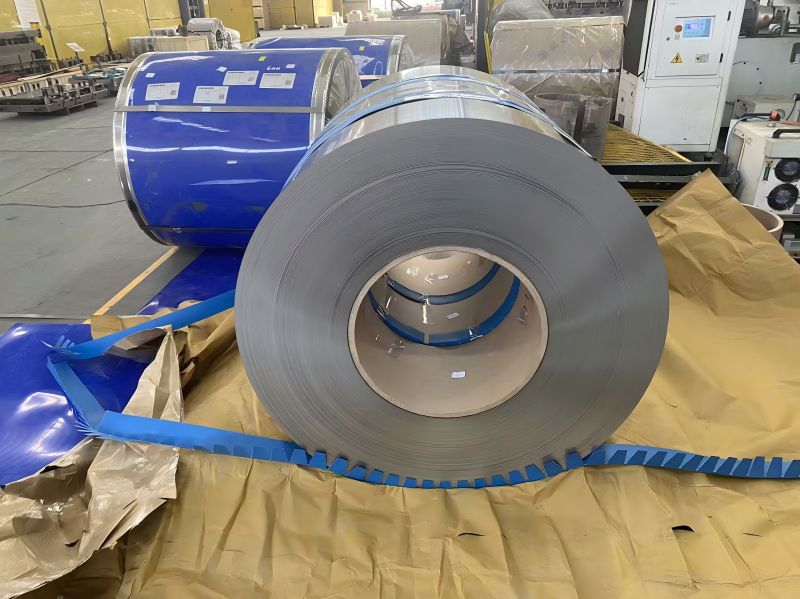
Technical Specifications for Silicon Steel in Industrial Applications
Silicon steel, also known as electrical steel, is a critical ferromagnetic material engineered for optimal performance in electromagnetic applications. Its primary use lies in the cores of transformers, electric motors, generators, and inductors, where energy efficiency and magnetic performance are paramount. At Luoyang Xinzhaohe Aluminum Co., Ltd, with over two decades of metallurgical and supply chain expertise, we emphasize adherence to stringent technical specifications to ensure material reliability and system efficiency in industrial deployments.
Core loss, commonly referred to as iron loss, is a fundamental parameter in evaluating silicon steel performance. It represents the energy dissipated as heat during magnetic cycling and is typically measured in watts per kilogram (W/kg) under standardized test conditions (e.g., 1.5 T at 50 Hz or 60 Hz). Lower core loss directly correlates with higher energy efficiency, especially in distribution and power transformers where continuous operation magnifies energy savings. Grain-oriented silicon steel (GOES) exhibits significantly lower core loss in the rolling direction due to its controlled crystallographic texture, making it ideal for transformer laminations.
Magnetic flux density, expressed in Tesla (T), defines the material’s capacity to carry magnetic flux. High magnetic flux density allows for smaller core sizes and reduced material usage without sacrificing performance. Grain-oriented grades typically achieve peak flux densities of 1.9 to 2.03 T, while non-grain-oriented (NGO) variants range between 1.6 and 1.8 T. This property is critical in high-power-density applications such as traction motors and high-efficiency industrial motors.
Flatness is another essential mechanical specification, particularly during the stamping and stacking of laminations. Poor flatness leads to air gaps between layers, increasing reluctance and localized eddy currents, which degrade magnetic performance and elevate operating temperatures. High flatness ensures uniform lamination packing and consistent magnetic path integrity. Flatness is quantitatively assessed as deviation per unit length (e.g., mm/m) and is controlled through precision rolling and stress-relief annealing processes.
Surface insulation and interlaminar resistance are also vital to minimize eddy current losses between stacked sheets. Modern silicon steel grades are often coated with insulating layers such as C3 (fororganic) or C5 (laser-scribed) coatings to enhance electrical resistivity and mechanical durability.
The following table summarizes key technical parameters for common silicon steel grades used in industrial applications:
| Parameter | Grain-Oriented (GOES) | Non-Grain-Oriented (NGO) | Test Standard |
|---|---|---|---|
| Core Loss (P1.7/50) | 0.80 – 1.05 W/kg | 3.00 – 4.00 W/kg | IEC 60404-2 / GB/T 13789 |
| Magnetic Flux Density (B8) | 1.90 – 2.03 T | 1.60 – 1.80 T | IEC 60404-3 / GB/T 3655 |
| Thickness Tolerance | ±0.025 mm (0.23–0.30 mm) | ±0.05 mm (0.35–0.65 mm) | IEC 60404-1 |
| Flatness Deviation | ≤ 3 mm/m | ≤ 5 mm/m | Internal QC Specification |
| Coating Type | C3, C4, C5 | C2, C3 | IEC 60404-10 |
Consistent control over these parameters ensures compliance with international standards and customer-specific engineering requirements. Luoyang Xinzhaohe Aluminum Co., Ltd maintains rigorous quality assurance protocols, including spectral analysis, magnetic property testing, and geometric inspection, to deliver silicon steel products that meet the highest industrial benchmarks.
Factory Tour: Manufacturing
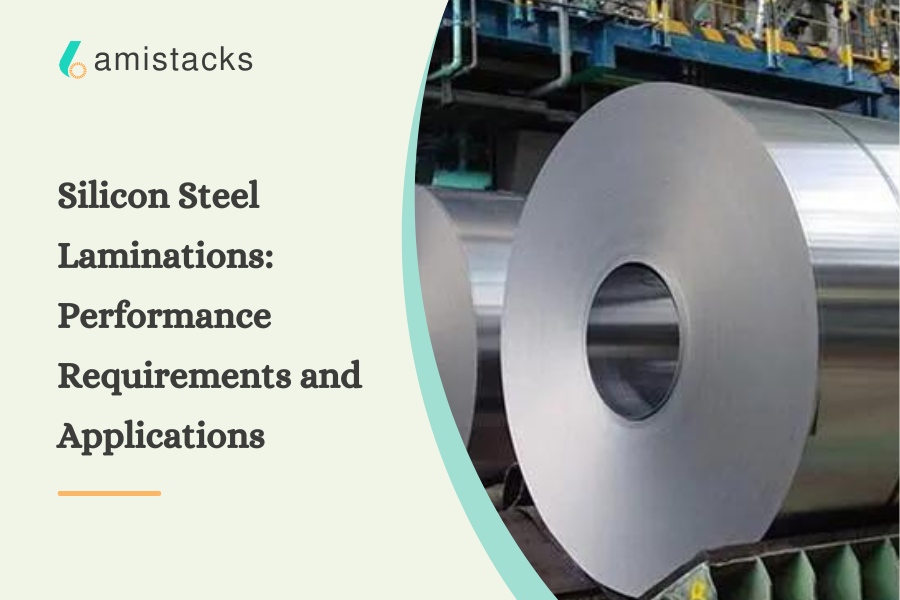
Silicon Steel Manufacturing Process: Precision Engineering for Electromagnetic Performance
Luoyang Xinzhaohe Aluminum Co., Ltd leverages over two decades of metallurgical expertise to deliver high-performance silicon steel (electrical steel) critical for efficient electromagnetic devices. While specializing in aluminum, our deep understanding of adjacent critical materials ensures rigorous process control for silicon steel production, where minor deviations significantly impact core loss and permeability. The manufacturing sequence from coil to finished lamination demands exacting execution across four integrated stages, each incorporating stringent quality control protocols.
Slitting initiates the process, converting master coils into narrower strips matching the final lamination width requirements. Precise tension control and high-precision rotary shear knives are essential to achieve dimensional accuracy within ±0.1 mm and maintain critical edge quality. Burr formation or edge deformation at this stage directly induces localized eddy currents in the core, increasing energy losses. Our inline laser micrometers and automated edge defect detection systems continuously monitor strip width and edge condition, rejecting material outside tolerance before subsequent processing.
The annealed stage is fundamental for optimizing magnetic properties. Strips undergo continuous annealing in controlled atmosphere furnaces, typically involving decarburization (reducing carbon content below 30 ppm) followed by high-temperature purification and grain growth. Temperature profiles, atmosphere composition (dew point control), and cooling rates are meticulously calibrated per the specific grade (e.g., non-oriented M19-M43, grain-oriented 23QG085). This relieves mechanical stresses from slitting and establishes the desired grain structure. Rigorous statistical process control (SPC) tracks furnace parameters, while offline Epstein frame testing on sample strips verifies core loss (W/kg) and magnetic induction (Tesla) against IEC 60404-2 standards before coating.
Insulation coating application follows annealing, applying a thin, uniform layer to electrically isolate individual laminations and suppress interlaminar eddy currents. We employ either inorganic phosphate coatings for high-temperature stability or advanced organic-polymer based coatings offering superior adhesion and lower coating loss. Coating weight is precisely controlled (typically 0.5-4.0 g/m² per side) using electrostatic or roll-coating methods. Online spectroscopic monitoring ensures coating uniformity and weight consistency across the strip width. Adhesion testing (cross-hatch) and surface resistivity measurements are mandatory QC checkpoints.
Precision cutting transforms coated strips into final laminations using progressive dies or laser cutting systems. Tight geometric tolerances (±0.05 mm on critical dimensions) and minimal burr height (<0.03 mm) are non-negotiable to ensure core stack integrity and minimize air gaps. Automated vision systems inspect every lamination for dimensional accuracy, burr presence, and coating integrity immediately post-cutting. Final QC involves 100% lamination sorting based on dimensional conformance and sampling for core loss re-verification in stacked condition.
Integrated Quality Control Verification Parameters
| Process Stage | Key Parameter | Measurement Method | Target Tolerance |
|---|---|---|---|
| Slitting | Strip Width | Laser Micrometer | ±0.1 mm |
| Slitting | Edge Burr Height | Optical Profilometry | < 0.02 mm |
| Annealing | Core Loss (P1.5/50) | Epstein Frame (IEC 60404-2) | Per Grade Specification (e.g., ≤ 1.20 W/kg for M22) |
| Coating | Coating Weight | XRF / Gravimetric Analysis | ±0.2 g/m² |
| Coating | Surface Resistivity | 4-Point Probe | > 50 Ω·cm² (typical) |
| Precision Cut | Critical Dimension | Vision System | ±0.05 mm |
| Precision Cut | Burr Height | Optical Microscopy | < 0.03 mm |
This integrated, QC-driven manufacturing sequence ensures the silicon steel delivered by Luoyang Xinzhaohe meets the exacting electromagnetic and mechanical demands of modern transformers, motors, and generators, directly contributing to end-product efficiency and reliability.
Packaging & Logistics
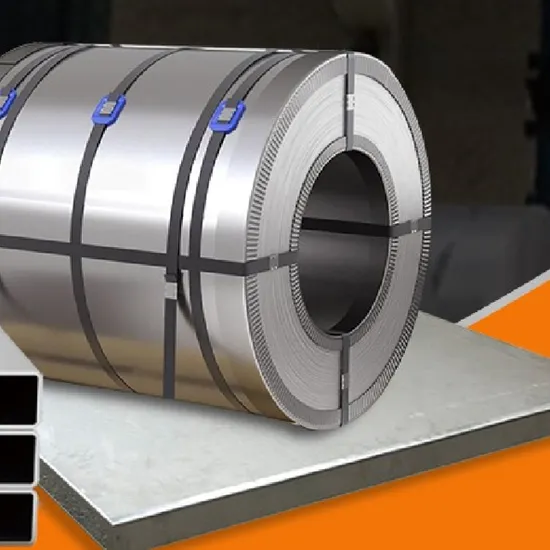
Export Packaging for Silicon Steel: Ensuring Integrity During International Transit
At Luoyang Xinzhaohao Aluminum Co., Ltd, with over two decades of experience in the production and global distribution of high-performance metallic materials, we recognize that proper packaging is as critical as material quality in the successful delivery of silicon steel products. Silicon steel, also known as electrical steel, is highly susceptible to mechanical damage and environmental degradation, particularly during extended sea freight operations. Our export packaging protocols are engineered to mitigate these risks, ensuring that the material arrives at its destination with maintained dimensional accuracy, surface integrity, and magnetic performance.
All silicon steel coils and sheets are secured on custom-fabricated wooden pallets constructed from kiln-dried, ISPM-15 compliant hardwood. These pallets are designed to support the weight and geometry of the steel loads while providing structural stability during containerized transport. The use of treated timber prevents pest infestation and complies with international phytosanitary regulations, eliminating customs delays at destination ports. Each load is firmly anchored to the pallet using high-tensile steel strapping, applied in a cross-laced configuration to prevent lateral movement or coil collapse during vessel motion.
A critical component of our packaging system is the multi-layer moisture-proof wrapping. Silicon steel is prone to surface oxidation and rust formation when exposed to humidity, a common condition in maritime environments. To counteract this, every packaged unit is hermetically sealed with industrial-grade moisture-proof film, consisting of an aluminum-polyethylene laminate with a vapor transmission rate below 0.5 g/m²·24h. This barrier is applied under controlled humidity conditions and heat-sealed at all seams to form a continuous protective envelope. Additionally, desiccant packs are strategically placed within the wrap to absorb any residual moisture and maintain a dry microclimate throughout transit.
The entire packaged unit is further protected by an outer layer of durable polyethylene shrink film, which provides resistance against condensation, salt spray, and mechanical abrasion during handling. This outer film also serves as a visual indicator; any punctures or breaches are immediately apparent upon inspection, enabling rapid assessment of potential exposure risks.
Our packaging design adheres to ISO 9001 quality management standards and has been validated through accelerated climatic testing and real-world shipping trials across major trade routes, including trans-Pacific and trans-Atlantic voyages. This ensures compatibility with standard 20-foot and 40-foot dry containers and facilitates safe stacking up to six layers within container bays.
For clients in industries such as transformer manufacturing, electric motor production, and power distribution, receiving silicon steel in optimal condition is non-negotiable. Our export packaging methodology reflects Luoyang Xinzhaohe’s commitment to technical excellence and supply chain reliability, ensuring that material properties are preserved from factory to fabrication line.
Sourcing from Luoyang Xinzhaohe
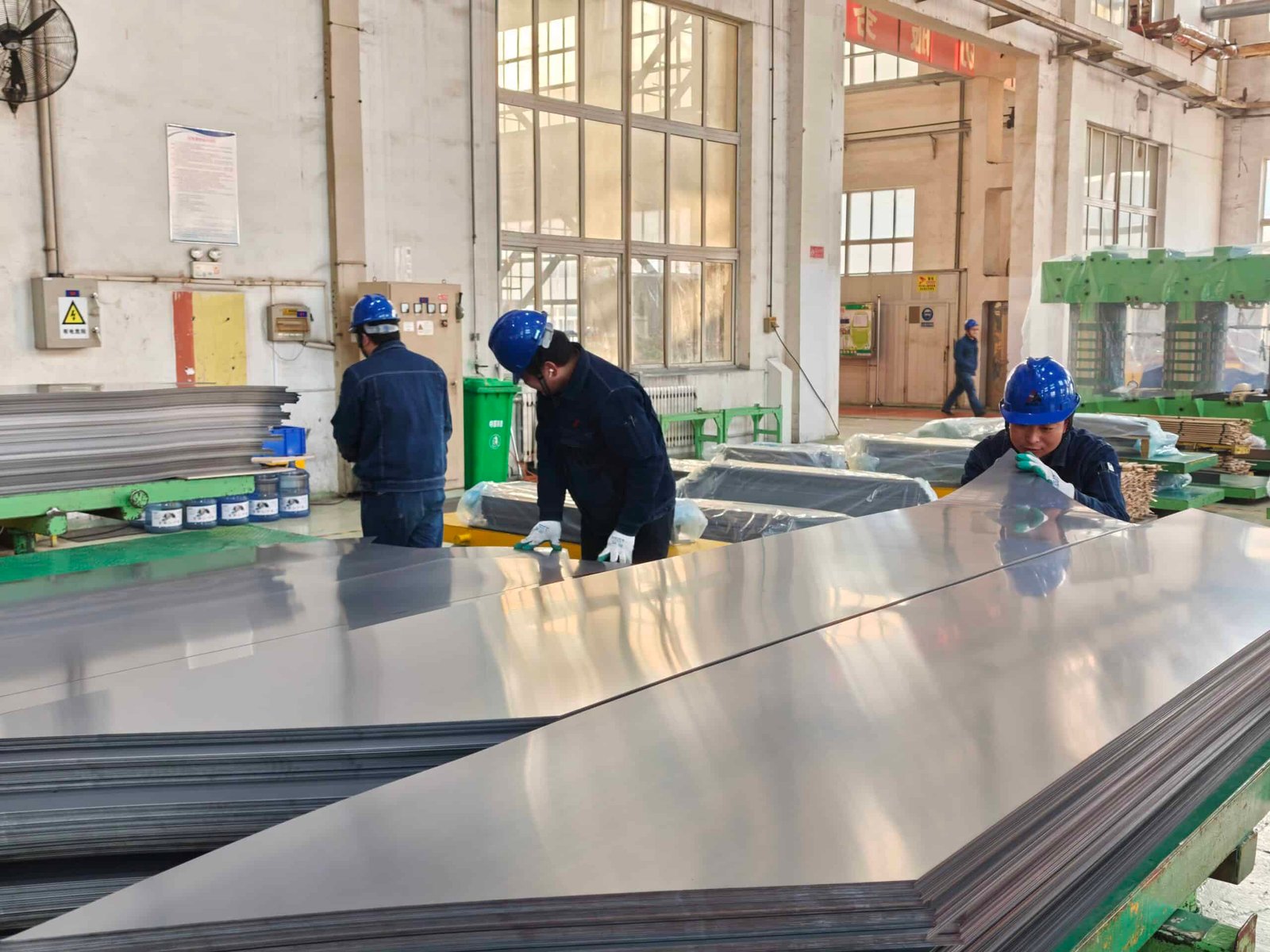
Partner with Luoyang Xinzhaohe for Precision Silicon Steel Solutions
Despite our corporate nomenclature including aluminum, Luoyang Xinzhaohe Aluminum Co., Ltd. has dedicated over two decades to mastering the production and supply of high-performance non-oriented and grain-oriented silicon steel (electrical steel). Our specialization lies exclusively in electrical steel for critical energy infrastructure, including transformers, motors, and generators. We address the industry’s demand for materials that minimize core loss, maximize magnetic induction, and ensure operational efficiency under rigorous electromagnetic conditions.
Technical Production Capabilities
Our integrated manufacturing facility operates state-of-the-art continuous annealing and insulating coating lines, engineered to stringent IEC 60404-2 and ASTM A664 standards. We produce silicon steel in thicknesses ranging from 0.23 mm to 0.65 mm, with guaranteed core loss (W15/50) as low as 0.85 W/kg for non-oriented grades and 0.65 W/kg for grain-oriented variants. Magnetic induction (B50) consistently exceeds 1.78 T, while tight thickness tolerances of ±0.005 mm ensure compatibility with high-speed stamping and lamination processes. Our mills utilize vacuum-degassed, low-sulfur steelmaking practices to achieve precise silicon content control (2.5–3.5%), optimizing domain refinement and reducing hysteresis losses.
Quality Assurance and Traceability
Every coil undergoes rigorous in-line and offline testing via Epstein frame systems, B-H loop analyzers, and X-ray fluorescence spectrometry. We maintain full material traceability from melt batch to finished product, with certifications including IATF 16949 and ISO 9001. Our quality control protocols validate critical parameters:
| Parameter | Test Standard | Typical Performance |
|——————–|——————|———————|
| Core Loss (W15/50) | IEC 60404-2 | ≤0.90 W/kg |
| Magnetic Induction | IEC 60404-3 | ≥1.80 T |
| Surface Insulation | ASTM A976 | 80–120 Ω·cm² |
This data-driven approach guarantees compliance with global transformer efficiency standards (e.g., DOE 2016, EU CE 548/2014), reducing end-user lifecycle costs.
Supply Chain Resilience
With 20+ years in the electrical steel market, we have optimized logistics for just-in-time delivery without compromising quality. Our strategic location in Henan Province provides direct access to China’s rail and port infrastructure, enabling reliable shipments to Asia, Europe, and the Americas. We maintain buffer stocks of common grades (M0H230, M1H270, M2H350) and offer custom slit widths (80–1250 mm) to minimize client inventory burdens. Our ERP system integrates real-time production tracking, ensuring transparency from order placement to shipment.
Partnering with Luoyang Xinzhaohe means securing a supplier with deep metallurgical expertise, unwavering quality discipline, and responsive technical support. We collaborate with engineering teams to tailor steel specifications for efficiency-critical applications, from distribution transformers to high-frequency industrial motors. For documentation, material samples, or to discuss volume procurement terms, contact Cathy Zhang, Sales Director, at cathy@transformerstrip.com. Let us provide the silicon steel foundation for your next-generation energy systems.
📉 Factory Direct Savings Calculator
Calculate your potential savings by importing silicon steel uses directly from China.