


Table of Contents
Market Insight: Silicon Steel Sheet Price
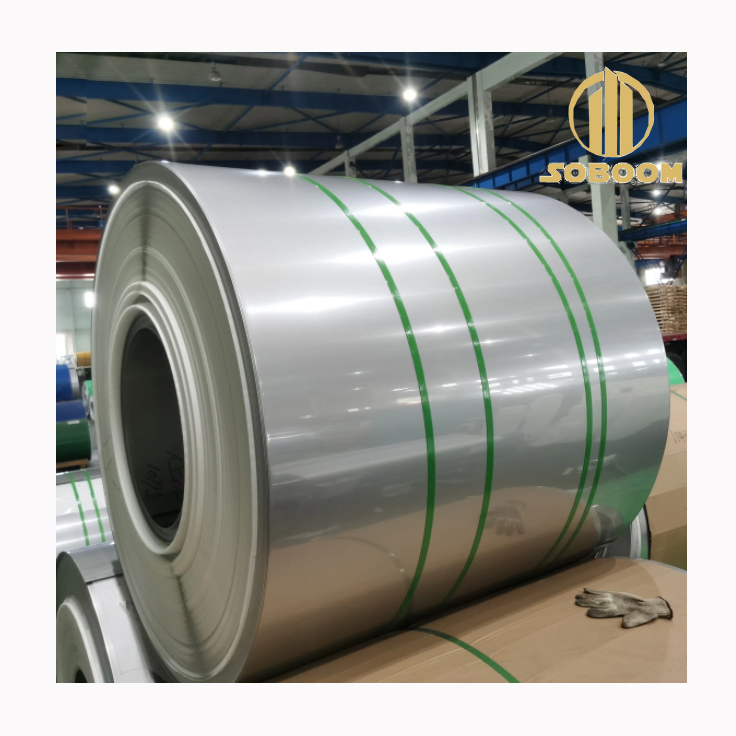
Market Analysis: Silicon Steel (Electrical Steel) for Transformer Applications
While Luoyang Xinzhaohe Aluminum CO., Ltd possesses deep metallurgical expertise, it is critical to clarify a fundamental material distinction: silicon steel (electrical steel) is the essential ferrous alloy for transformer cores, distinct from aluminum products. Our two decades of supply chain analysis focus specifically on the silicon steel market dynamics impacting transformer manufacturing. Global demand for high-quality grain-oriented silicon steel (GOES) remains robust, driven primarily by escalating investments in power grid modernization, renewable energy integration requiring step-up transformers, and the expanding electric vehicle charging infrastructure. These sectors demand transformers with superior energy efficiency, directly linking procurement decisions to operational costs and regulatory compliance under frameworks like IEC 60404-2 and DOE efficiency standards. Fluctuations in raw material costs, particularly high-purity iron ore and metallurgical silicon, coupled with energy-intensive production processes, create inherent volatility in silicon steel sheet price benchmarks. However, the market consistently demonstrates that lowest initial price rarely equates to optimal lifecycle cost for critical transformer assets.
The paramount importance of silicon steel quality cannot be overstated in transformer performance. Core losses – comprising hysteresis and eddy current losses – are directly determined by the magnetic properties of the steel. Minor deviations in key quality parameters trigger significant efficiency degradation. Ultra-low core loss grades (e.g., < 0.65 W/kg at 1.7T, 50Hz) command substantial price premiums due to stringent manufacturing controls over chemical composition (especially precise silicon content and ultra-low sulfur levels), precise grain orientation, tight thickness tolerances, and optimized insulating coatings. Inferior material exhibits higher magnetic anisotropy, increased hysteresis loops, and elevated eddy currents, directly translating to wasted energy as heat. This necessitates larger, more expensive cooling systems and reduces the transformer’s operational lifespan due to thermal stress on insulation systems. The cumulative energy loss over a transformer’s 30+ year service life vastly exceeds the initial core material cost, making quality-driven procurement a strategic financial decision, not merely a technical specification.
The relationship between specific quality metrics and silicon steel sheet price is quantifiable and non-linear. Premiums escalate rapidly as core loss targets decrease and magnetic induction increases. Procurement teams must rigorously evaluate mill certifications and independent test reports against international standards.
| Quality Parameter | Impact on Core Loss | Typical Price Premium Range | Critical Application Impact |
|---|---|---|---|
| Core Loss (P1.7/50) | Exponential Increase | 8-12% per 0.05 W/kg reduction | Directly determines transformer efficiency class |
| Magnetic Induction (B800) | Significant Reduction | 5-8% per 0.01 T increase | Enables smaller core size, higher power density |
| Thickness Tolerance | Moderate Increase | 3-6% for ±0.003mm vs ±0.005mm | Affects stacking factor, core loss uniformity |
| Insulating Coating Uniformity | Significant Increase | 4-7% for premium coatings | Critical for interlaminar resistance, noise |
Compromising on silicon steel quality to achieve short-term silicon steel sheet price reductions inevitably leads to higher total cost of ownership through excessive energy consumption, premature failure risk, and potential non-compliance with mandatory efficiency regulations. Transformer manufacturers and utility procurement departments must prioritize certified material traceability and stringent quality validation protocols. Luoyang Xinzhaohe Aluminum leverages its metallurgical supply chain expertise to guide clients toward optimal silicon steel sourcing strategies, balancing initial cost with demonstrable lifecycle value and reliability in demanding power infrastructure applications.
Technical Specs: Silicon Steel Sheet Price
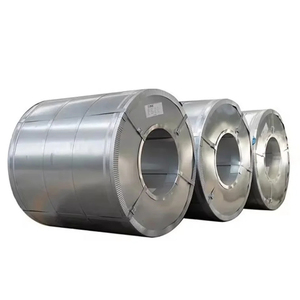
Silicon steel, also known as electrical steel, is a critical material in the manufacturing of transformers, motors, and other electromagnetic devices due to its optimized magnetic properties. At Luoyang Xinzhaohe Aluminum Co., Ltd, with over two decades of experience in advanced metal processing and supply chain management, we emphasize precision in material specifications to ensure performance consistency and cost-efficiency for our industrial clients. When evaluating silicon steel sheet price, it is essential to understand the technical parameters that directly influence both performance and cost structure. Key specifications include core loss (iron loss), magnetic flux density (measured in Tesla), and flatness tolerance, each playing a pivotal role in determining the suitability of the material for specific applications.
Core loss, or iron loss, refers to the energy dissipated as heat when the material is subjected to alternating magnetic fields. It is typically measured in watts per kilogram (W/kg) under standardized test conditions (e.g., 1.5 T at 50 Hz or 60 Hz). Lower core loss values indicate higher energy efficiency, which is particularly critical in power distribution transformers where operational costs are sensitive to energy losses over time. Grades such as M4, M5, or M6 denote progressively lower core loss, with M4 offering the highest efficiency and typically commanding a premium price due to tighter process controls and higher silicon content.
Magnetic flux density, expressed in Tesla (T), defines the maximum magnetic induction the material can sustain. Higher flux density enables smaller core sizes and reduced material usage in electromagnetic components, contributing to compact and lightweight designs. Cold-rolled grain-oriented (CRGO) silicon steel typically exhibits flux densities in the range of 1.8 to 2.03 T, depending on the grade and processing method. Non-oriented (CRNO) grades generally have lower flux density, ranging from 1.5 to 1.8 T, but offer isotropic magnetic properties suitable for rotating machinery.
Flatness is another critical quality parameter, especially in automated stamping and core assembly processes. Poor flatness can lead to air gaps in laminated cores, increasing reluctance and degrading magnetic performance. Flatness is usually specified in millimeters per meter (mm/m) deviation and must be tightly controlled—typically within 5–10 mm/m for high-precision applications.
The following table outlines the typical technical specifications influencing silicon steel sheet price:
| Parameter | Typical Range/Value | Test Condition / Notes |
|---|---|---|
| Core Loss (P1.5/50) | 0.60 – 3.00 W/kg | 1.5 T, 50 Hz, Epstein frame method |
| Core Loss (P1.7/50) | 0.80 – 4.00 W/kg | 1.7 T, 50 Hz, Epstein frame method |
| Magnetic Flux Density | 1.50 – 2.03 T | Measured at H = 800 A/m (typical) |
| Thickness Tolerance | ±0.02 mm to ±0.05 mm | Depending on grade and cold-rolling precision |
| Flatness | 5 – 15 mm/m | Measured over 1-meter span |
| Silicon Content | 2.0% – 3.5% | Affects resistivity and core loss |
| Surface Insulation | C2, C3, C4 (IEC 60404-3) | Impacts interlaminar resistance and eddy loss |
These specifications are interdependent and must be balanced according to application requirements. For instance, ultra-low core loss grades with high flux density and superior flatness will reflect in a higher silicon steel sheet price but are justified in high-efficiency transformer production. At Luoyang Xinzhaohe Aluminum Co., Ltd, we provide full technical documentation and mill test certificates to ensure transparency and compliance with international standards such as IEC 60404 and ASTM A876.
Factory Tour: Manufacturing
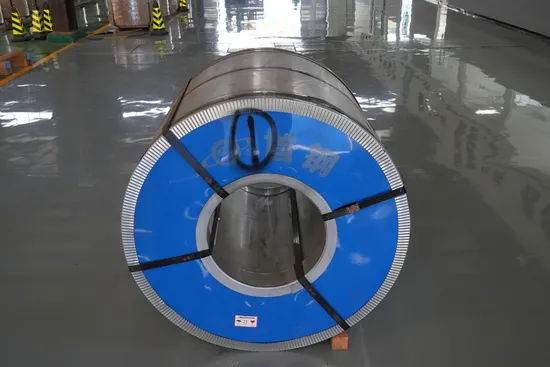
Silicon Steel Sheet Manufacturing Process Overview
Silicon steel sheet production for electrical applications requires stringent process control to achieve optimal magnetic properties and dimensional accuracy. At Luoyang Xinzhaohe Aluminum Co., Ltd., with over two decades of specialized experience, our manufacturing sequence begins with precision slitting of master coils. This initial stage utilizes high-tolerance rotary shear slitters equipped with laser-guided edge control systems. Master coils are processed into narrower widths per customer specifications, typically ranging from 100mm to 1200mm, maintaining edge straightness within ±0.15mm per meter. Continuous in-line laser micrometers monitor width consistency and edge burr formation, rejecting any material exceeding 0.02mm burr height to prevent lamination short circuits in final assemblies.
Subsequent stress relief annealing is critical for magnetic performance optimization. Slit coils enter continuous hydrogen-nitrogen atmosphere furnaces operating at 800-850°C with precise dew point control (-40°C or lower). This decarburization and grain growth phase eliminates residual stresses from prior cold rolling and slitting, significantly reducing core loss (W15/50). Annealing parameters are dynamically adjusted based on silicon content (2.0-3.5%) and gauge (0.23mm-0.65mm), with soak times calibrated to achieve target grain sizes of 15-50μm. Post-anneal, coils undergo rapid cooling under protective atmosphere to prevent surface oxidation, verified by inline oxygen analyzers maintaining levels below 10 ppm.
Insulation coating application follows immediately using reverse roll coaters. We apply organic-inorganic hybrid coatings at controlled wet film thicknesses of 1.5-3.0μm, cured in multi-zone infrared ovens at 450-550°C. This dielectric layer provides essential interlaminar resistance (>50Ω·cm² per IEC 60404-11) while minimizing coating-induced iron loss increase. Coating weight uniformity is monitored via beta-backscatter gauges, with deviations triggering automatic pump recalibration. Adhesion is validated through 180° peel tests per ASTM D3359, requiring zero coating delamination.
Final precision cutting transforms coated coils into laminations or blanks using servo-driven blanking presses or CNC laser cutters. Tolerances adhere strictly to EN 10107 Class A standards: ±0.05mm for linear dimensions and ±0.1° for angular features. Laser cutting employs nitrogen assist gas to prevent oxidation, with kerf widths maintained at 0.15-0.25mm. All cut parts undergo 100% dimensional verification via optical comparators and automated vision systems checking critical features against CAD models.
Integrated Quality Control Protocol
Process integrity is ensured through embedded QC checkpoints: Slitting includes real-time surface defect detection via high-resolution line-scan cameras. Annealed coils undergo mandatory Epstein frame testing per IEC 60404-2 for core loss and permeability verification. Coating performance is validated through salt spray tests (48h minimum per ASTM B117) and dielectric strength measurements exceeding 1000V. Final laminations receive magnetic property certification and dimensional reports traceable to NIST standards, with all data archived for full lot traceability. This systematic approach guarantees compliance with IEC 60404 and customer-specific technical dossiers.
Packaging & Logistics
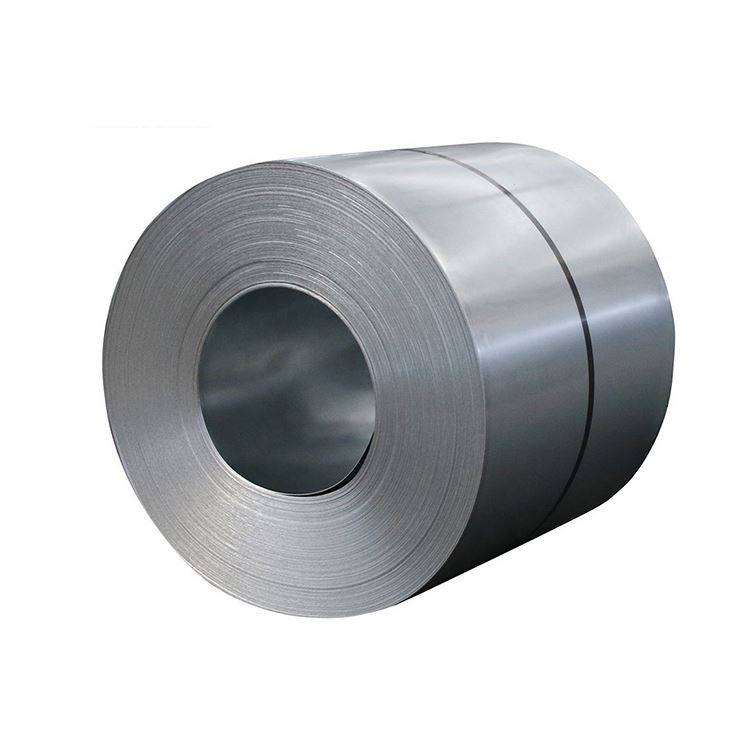
Export Packaging for Silicon Steel Sheets: Ensuring Integrity During Sea Freight
At Luoyang Xinzhaohao Aluminum Co., Ltd, with over two decades of experience in the production and international distribution of high-performance silicon steel sheets, we recognize that proper export packaging is critical to maintaining material integrity throughout the global supply chain. Our packaging protocols are engineered to meet the rigorous demands of sea freight, where exposure to humidity, mechanical stress, and prolonged transit times can compromise product quality if not adequately addressed.
All silicon steel sheet shipments are systematically secured on robust wooden pallets constructed from kiln-dried, ISPM-15 certified timber. These pallets are designed to support heavy coil and sheet loads while ensuring compatibility with international phytosanitary regulations. The structural integrity of the pallets prevents deformation during stacking and handling, minimizing the risk of edge damage or coil collapse during loading, unloading, and containerized transport.
Immediately following palletization, each load is tightly wrapped with multi-layer moisture-proof film, specifically formulated to act as a vapor barrier against salt-laden air and ambient humidity encountered during maritime shipping. This high-density polyethylene film is applied using automated stretch wrapping systems to ensure uniform tension and complete coverage, sealing the base, sides, and top of the pallet. The film not only inhibits moisture ingress but also provides resistance against condensation, a common challenge in containerized ocean transport due to temperature fluctuations between loading and discharge ports.
For added protection, desiccants are strategically placed within the wrapped load to absorb any residual moisture trapped during packaging. Additionally, edge protectors made from corrugated fiberboard or steel-reinforced profiles are applied to coil edges to prevent mechanical damage during transit. All packaging components are rigorously tested to withstand vertical stacking pressures in container environments and lateral forces induced by vessel motion.
Our packaging methodology aligns with international logistics standards and is optimized for compatibility with standard 20-foot and 40-foot dry freight containers. Each shipment is labeled with durable, weather-resistant markings indicating product specifications, handling instructions, and destination data to ensure traceability and streamline customs clearance.
By integrating engineered wooden pallets with advanced moisture-resistant encapsulation, Luoyang Xinzhaohe Aluminum Co., Ltd ensures that silicon steel sheets arrive at their destination with preserved surface quality, dimensional accuracy, and electromagnetic performance. This level of packaging diligence directly supports customer satisfaction and reduces the risk of in-field material rejection due to environmental degradation. For global buyers, our packaging represents a critical component of supply chain reliability, reflecting our commitment to delivering premium electrical steel products in optimal condition, regardless of destination.
Sourcing from Luoyang Xinzhaohe
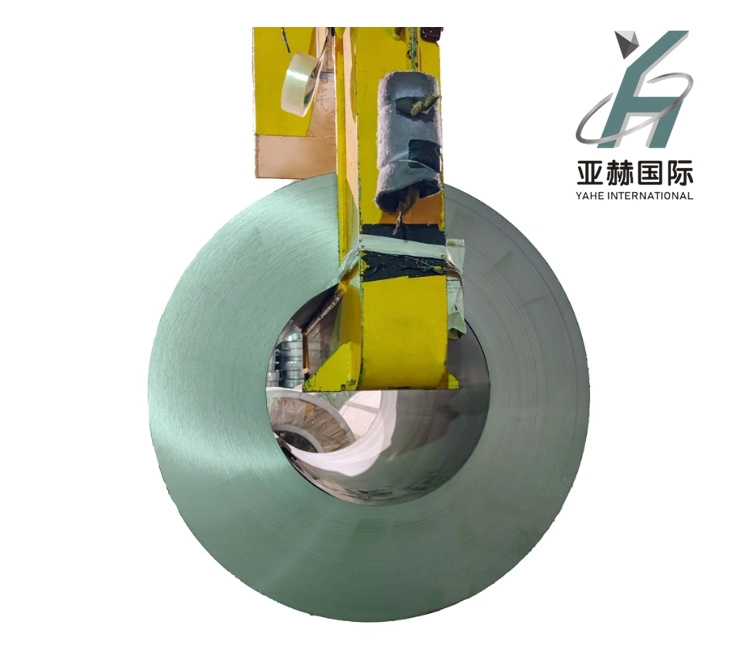
Partner with Luoyang Xinzhaohe for Precision Silicon Steel Solutions
Luoyang Xinzhaohe Aluminum CO., Ltd leverages over two decades of specialized metallurgical engineering and industrial supply chain management to deliver silicon steel sheets meeting the most stringent global electrical steel specifications. Our integrated manufacturing ecosystem, centered on advanced cold rolling and annealing processes, ensures consistent material performance critical for transformer and motor core efficiency. We specialize in both grain-oriented electrical steel (GOES) and non-oriented electrical steel (NOES), producing material with precise magnetic properties and dimensional tolerances essential for minimizing core loss and maximizing energy conversion.
Our technical strength originates in precise process control throughout the production chain. Starting from verified low-sulfur, low-carbon melt stock, our proprietary decarburization annealing lines achieve optimal grain structure development. For GOES, we consistently deliver grades meeting IEC 60404-2 standards, including M4, M5, and M6 series, with core loss values (W15/50) reliably ≤ 0.85 W/kg and magnetic induction (B800) ≥ 1.90 T. Our NOES production covers grades from 35PN210 through 50PN470, featuring controlled silicon content (0.5-3.2%) and guaranteed core loss performance at 1.5 T and 50/60 Hz. Critical dimensional accuracy is maintained through precision tension leveling, achieving flatness tolerances of ≤ 3 I-Units and thickness deviations held within ±0.02 mm across widths up to 1250 mm.
Supply chain resilience is engineered into our operational model. Our dedicated 150,000-ton annual capacity facility operates under ISO 9001 and IATF 16949 certified quality management systems, enabling reliable fulfillment for both spot procurement and long-term framework agreements. We maintain strategic inventory buffers of key grades to mitigate raw material volatility impacts, ensuring on-time delivery performance exceeding 99.2%. This stability is further enhanced by direct logistics coordination with major Chinese ports, optimizing container utilization and reducing lead times for international shipments.
Material verification is non-negotiable. Every production batch undergoes rigorous in-house testing using calibrated Epstein frame and single-sheet testers per ASTM A343/A343M and IEC 60404-2 protocols. Comprehensive mill test reports detail core loss, permeability, lamination factor, and mechanical properties. We provide full traceability from melt batch to finished coil, including chemical composition certificates (OES analysis) and surface quality documentation per customer-specified standards.
Partnering with Luoyang Xinzhaohe means securing a technically adept supplier committed to your project’s success from specification to delivery. Our engineering team provides direct metallurgical support for grade selection, application troubleshooting, and custom property optimization. We understand that silicon steel sheet price is influenced by complex factors including silicon content, coating type, thickness, and magnetic performance targets; our transparent costing methodology reflects actual production parameters and market fundamentals, not arbitrary markups.
For sourcing managers requiring guaranteed material integrity and supply continuity, initiate a technical dialogue with our team. Contact Cathy directly at cathy@transformerstrip.com to request detailed grade specifications, current mill price schedules, or arrange a virtual factory audit. Specify your required thickness range, magnetic properties, and annual volume to receive a precision-engineered quotation within 24 hours. Let our metallurgical expertise secure your core material supply chain.
📉 Factory Direct Savings Calculator
Calculate your potential savings by importing silicon steel sheet price directly from China.