


Table of Contents
Market Insight: Silicon Steel Sheet
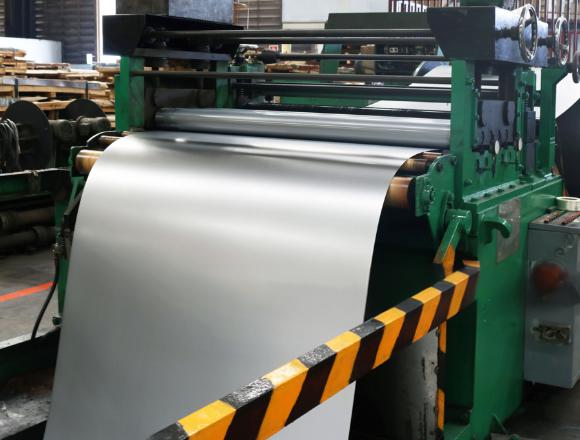
Market Analysis: Silicon Steel (Electrical Steel)
Silicon steel, commonly referred to as electrical steel, is a critical ferromagnetic material engineered for efficient performance in alternating current (AC) electromagnetic applications. Its primary industrial use lies in the cores of power and distribution transformers, where it enables the reliable conversion and transmission of electrical energy. With global electricity demand rising steadily and grid modernization initiatives accelerating across Asia, Europe, and North America, the demand for high-quality silicon steel sheet continues to grow. The transformer manufacturing sector accounts for over 70% of total silicon steel consumption, underscoring its indispensable role in energy infrastructure.
The performance of a transformer is directly influenced by the magnetic properties of the core material. Silicon steel is alloyed with 1% to 6.5% silicon to increase electrical resistivity and reduce eddy current losses, while also enhancing permeability and lowering core loss. Grain-oriented silicon steel (GOES) is particularly vital in power transformers due to its superior magnetic directional properties, which are optimized along the rolling direction. This anisotropy allows for minimal hysteresis and eddy current losses, contributing to transformer efficiencies exceeding 99% under optimal conditions. Non-oriented silicon steel (NOES) is predominantly used in distribution transformers, motors, and generators, where magnetic flux operates in multiple directions.
Quality in silicon steel sheet is not a marginal differentiator—it is a determinant of system efficiency, lifecycle cost, and regulatory compliance. Poor-quality material with inconsistent thickness, non-uniform grain structure, or elevated core loss values leads to increased no-load losses, higher operating temperatures, and reduced service life. In large-scale power systems, even a 0.1 W/kg increase in core loss across thousands of transformers results in significant energy waste and carbon emissions over time. International standards such as IEC 60404-8 and ASTM A876 define strict tolerances for magnetic properties, dimensional accuracy, and surface quality, which reputable manufacturers must meet.
At Luoyang Xinzhaohe Aluminum CO., Ltd, while our expertise in aluminum alloys is well established, we maintain strategic partnerships with certified silicon steel producers to support clients in the transformer supply chain. Our technical team evaluates material sourcing based on measurable performance parameters, including specific total loss (P1.7/50), magnetic polarization (J50), and lamination factor. We emphasize traceability, batch consistency, and compliance with environmental regulations such as RoHS and REACH.
As energy efficiency becomes a global priority, the demand for high-permeability, low-loss silicon steel will continue to rise. Investments in smart grids, renewable integration, and high-efficiency distribution networks further amplify the need for premium-grade electrical steel. For manufacturers and procurement specialists, selecting silicon steel based on verified performance data—not just cost—ensures long-term reliability and alignment with sustainability objectives.
Technical Specs: Silicon Steel Sheet
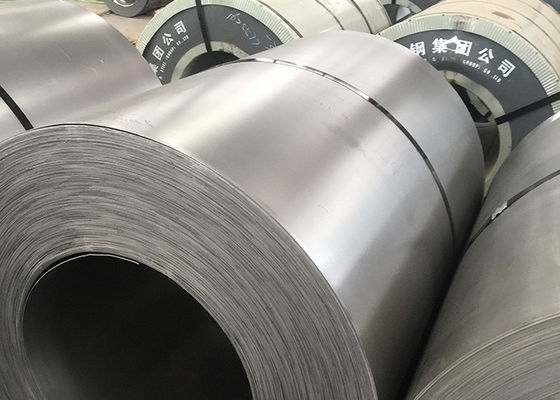
Technical Specifications for Silicon Steel Sheet Sourcing
Silicon steel sheet, also known as electrical steel, is a critical material for electromagnetic applications requiring precise magnetic properties and structural integrity. As a metallurgical specialist with Luoyang Xinzhaohe Aluminum CO., Ltd., we emphasize three non-negotiable parameters for industrial sourcing: Core Loss (Iron Loss), Magnetic Flux Density, and Flatness. These metrics directly impact motor, transformer, and generator efficiency, power density, and manufacturability.
Core Loss, measured in watts per kilogram (W/kg), quantifies energy dissipated as heat during magnetic cycling. It comprises hysteresis and eddy current losses, heavily influenced by silicon content, grain orientation, and lamination thickness. For 50 Hz applications (e.g., power transformers), losses are evaluated at 1.5 Tesla (T). High-frequency applications (e.g., EV traction motors at 400 Hz) require testing at 1.0 T. Lower Core Loss values correlate with higher system efficiency and reduced thermal management costs. Specifications must reference standardized test conditions per IEC 60404-2 or JIS C 2550.
Magnetic Flux Density (B), expressed in Tesla, defines the material’s saturation capability and operational efficiency. Key benchmarks include B50 (flux density at 5,000 A/m field strength) and B800 (at 8,000 A/m). Higher B50/B800 values enable compact, high-power-density designs but must balance against Core Loss trade-offs. Non-oriented grades typically achieve B50 ≥ 1.65 T, while grain-oriented variants exceed 1.85 T. Consistent flux density across the sheet width ensures uniform magnetic performance in stacked cores.
Flatness tolerance, measured in millimeters per meter (mm/m), dictates lamination stack integrity and air gap control. Poor flatness causes vibration, noise, and localized flux crowding, increasing effective Core Loss. Industrial standards demand flatness ≤ 3.0 mm/m for standard grades, with premium applications (e.g., aerospace, high-efficiency motors) requiring ≤ 1.5 mm/m. This is verified via straightedge or optical profilometry across the sheet’s longitudinal and transverse axes.
The following table summarizes critical technical parameters for common non-oriented silicon steel grades. All values assume 0.35–0.65 mm thickness unless specified:
| Grade Designation | Core Loss (W/kg) at 1.5 T / 50 Hz | Core Loss (W/kg) at 1.0 T / 400 Hz | B50 (T) | B800 (T) | Max Flatness (mm/m) |
|---|---|---|---|---|---|
| M4 | ≤ 4.00 | ≤ 25.0 | ≥ 1.65 | ≥ 1.72 | 2.5 |
| M5 | ≤ 5.00 | ≤ 30.0 | ≥ 1.62 | ≥ 1.69 | 3.0 |
| M6 | ≤ 6.00 | ≤ 35.0 | ≥ 1.60 | ≥ 1.67 | 3.0 |
| High-Frequency HF | ≤ 7.50 | ≤ 20.0 | ≥ 1.58 | ≥ 1.65 | 2.0 |
Sourcing decisions must align grade selection with application frequency, efficiency targets, and dimensional constraints. At Luoyang Xinzhaohe Aluminum CO., Ltd., our 20-year metallurgical expertise ensures rigorous process control from slab casting to annealing, guaranteeing batch-to-batch consistency in these parameters. We prioritize material traceability via mill test reports (MTRs) that validate all critical specs against purchase orders. For high-reliability sectors like renewable energy infrastructure or electric vehicles, we recommend M4 or HF grades with certified flatness ≤ 2.0 mm/m to minimize system-level losses. Partnering with a supplier possessing integrated quality assurance protocols—from spectral analysis to Epstein frame testing—is essential to mitigate performance variance in end-use products.
Factory Tour: Manufacturing
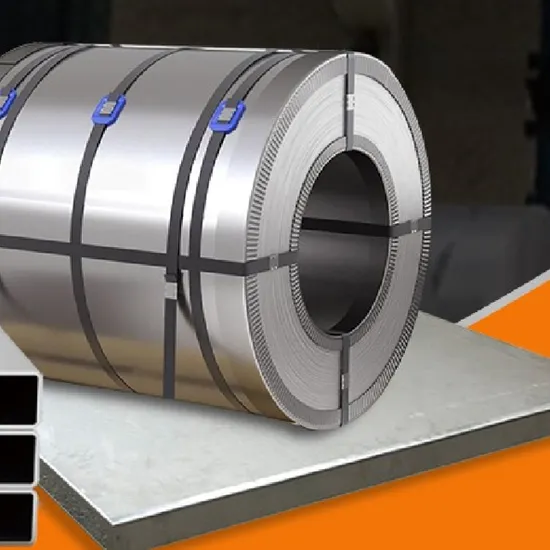
Manufacturing Process of Silicon Steel Sheet at Luoyang Xinzhaohe Aluminum Co., Ltd
The production of high-performance silicon steel sheet, also known as electrical steel, at Luoyang Xinzhaohao Aluminum Co., Ltd follows a rigorously controlled sequence designed to optimize magnetic properties, dimensional accuracy, and surface integrity. With over two decades of metallurgical expertise, our process integrates advanced equipment and stringent quality control to meet the demanding requirements of transformer, motor, and generator manufacturers.
The process begins with slitting, where master coils of cold-rolled non-oriented or grain-oriented silicon steel are unwound and longitudinally cut into narrower strips to meet customer-specified widths. This operation is performed on precision slitting lines equipped with rotary shear blades and tension control systems to ensure edge quality and dimensional consistency. Edge burr formation is minimized through blade alignment monitoring and periodic maintenance, ensuring the slit edges meet IEC 60404-9 standards for edge condition.
Following slitting, the coils undergo annealing in a continuous or batch-type furnace under a controlled atmosphere of nitrogen-hydrogen mix to prevent oxidation and decarburization. For non-oriented grades, annealing relieves residual stresses induced during rolling and slitting, enhancing magnetic permeability and reducing core loss. In the case of grain-oriented silicon steel, high-temperature annealing promotes the development of the Goss texture (110)[001], critical for directional magnetic performance. Temperature profiles are precisely regulated, with soak times and cooling rates tailored to the alloy composition and final application requirements.
After annealing, the sheets are subjected to insulation coating, a critical step that electrically isolates individual laminations in stacked cores, minimizing eddy current losses. At Xinzhaohe, we apply a thin, uniform layer of inorganic or semi-organic insulation coating via roll-coating or spray methods. The coating material—typically based on phosphate-oxide or colloidal silica systems—provides excellent adhesion, dielectric strength (>500 V), and weldability. Coating weight is maintained within 0.5–1.5 g/m² per side, verified through gravimetric analysis at multiple points across each coil.
The final stage is precision cutting, where annealed and coated strips are cut into laminations or custom blanks using high-speed turret presses or laser-cutting systems. Tooling is maintained to micron-level tolerances, ensuring dimensional accuracy within ±0.05 mm. Blanks are stacked and packaged in anti-corrosive wrapping to prevent handling damage.
Throughout the process, quality control is integrated at every stage. Incoming material is verified for chemical composition (via OES) and thickness (laser micrometry). During slitting, edge profile and coil set are monitored. Annealing effectiveness is confirmed through core loss (W10/400) and magnetic induction (B800) testing per IEC 60404-2. Coating integrity is assessed via insulation resistance and adhesion tests. Final dimensional checks and visual inspection ensure compliance with customer drawings and international standards.
Packaging & Logistics
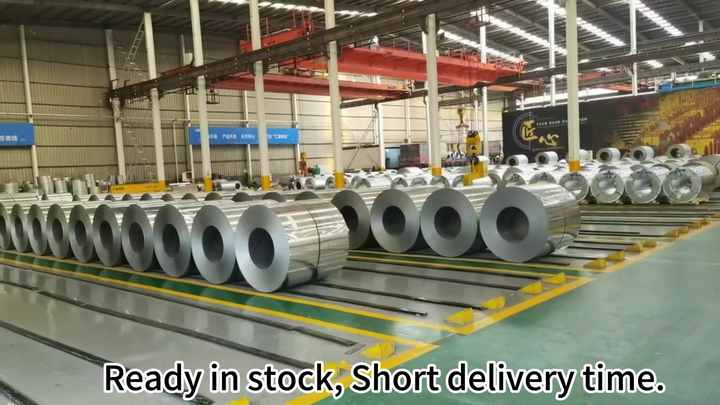
Export Packaging Specifications for Silicon Steel Sheet Shipments
Luoyang Xinzhaohe Aluminum Co., Ltd implements rigorously engineered export packaging protocols for silicon steel sheet (electrical steel) shipments, developed over 20+ years of metallurgical and supply chain expertise. This system prioritizes the preservation of critical surface quality and magnetic properties during extended sea freight transit, where exposure to salt-laden atmospheres and significant humidity fluctuations presents inherent corrosion risks. Our methodology addresses the material’s susceptibility to hydroscopic corrosion and surface degradation, which directly impacts core loss performance in end-use applications.
All silicon steel coils and cut-to-length sheets are secured on custom-engineered wooden pallets compliant with ISPM 15 international phytosanitary standards. Pallets utilize kiln-dried, debarked hardwood components with minimum load-bearing capacities exceeding 2,500 kg per pallet. Structural integrity is achieved through triple-tier blocking and high-tensile steel strapping, preventing coil deformation or sheet shifting during vessel motion. Critical contact points between metal and wood incorporate non-reactive, moisture-resistant polymer barriers to eliminate galvanic corrosion pathways and physical surface marking.
The primary moisture barrier consists of a multi-layer polyethylene film system incorporating Volatile Corrosion Inhibitor (VCI) technology. A base layer of 125μm thick, metallized moisture-proof film provides immediate vapor resistance, followed by a VCI-impregnated layer releasing controlled corrosion-inhibiting molecules throughout the enclosed environment. This is sealed within an outer layer of UV-stabilized, puncture-resistant polyethylene (150μm thickness). All film seams undergo high-frequency welding to achieve hermetic seals, verified through vacuum decay testing at 5 mbar differential pressure. This integrated system maintains internal relative humidity below 40% for durations exceeding 120 days, neutralizing chlorides and sulfates prevalent in marine atmospheres.
Sea freight safety mandates specific container management practices. Shipments utilize only cargo-worthy, dry-van containers with verified floor integrity and door seal functionality. Relative humidity sensors are placed within representative packages to monitor conditions during transit. Critical protocols include loading only when ambient dock humidity is below 60% RH and ensuring coils are at or above dew point temperature prior to enclosure. Container stowage positions avoid deck exposure to direct spray, and lashing conforms to CTU Code standards with dynamic load calculations specific to vessel routes. This mitigates the risk of container rain – condensation formed during temperature cycles – which is the primary cause of electrical steel corrosion in transit.
Final verification includes third-party inspection of packaged units per ASTM D3078 for seal integrity and ISO 9227 salt spray testing on witness samples. Documentation provides certified proof of compliance with IEC 60404-9 surface quality requirements upon arrival. Our packaging system ensures dimensional stability and surface cleanliness, directly safeguarding the magnetic characteristics essential for transformer and motor core efficiency. Partnering with Xinzhaohe guarantees silicon steel arrives in optimal condition, eliminating costly rework or rejection at destination. This operational precision underpins our 20-year export reliability record across global markets.
Sourcing from Luoyang Xinzhaohe
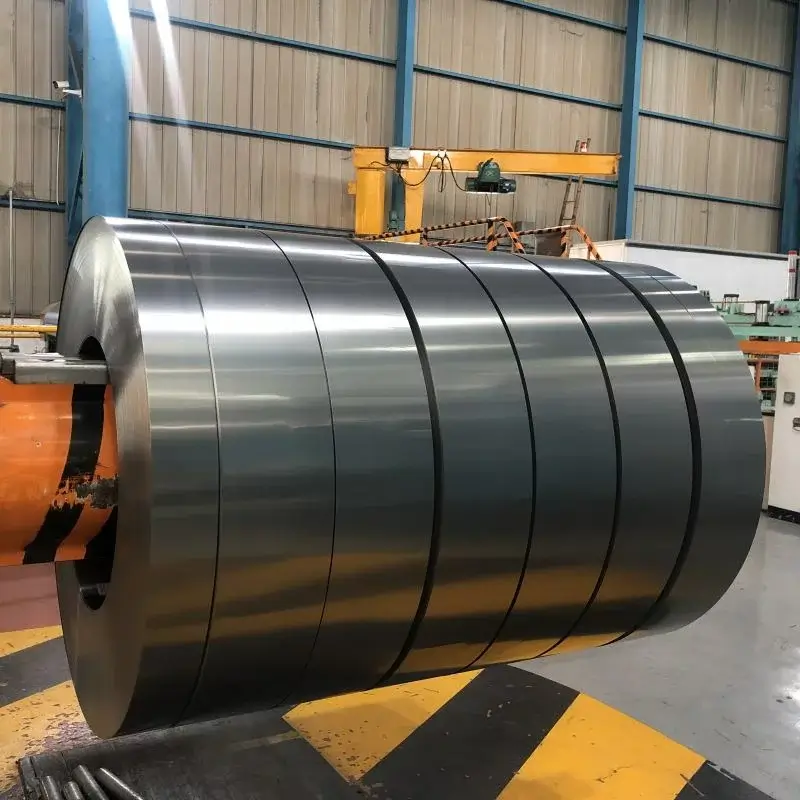
Partner with Luoyang Xinzhaohe Aluminum Co., Ltd for High-Performance Silicon Steel Sheets
With over two decades of specialized manufacturing and supply chain expertise, Luoyang Xinzhaohe Aluminum Co., Ltd stands as a trusted industrial partner in the production and distribution of high-quality silicon steel sheets, also known as electrical steel. Our deep-rooted experience in metallurgical engineering and precision processing enables us to deliver materials that meet the stringent performance demands of transformers, motors, generators, and other core electromagnetic applications.
Our production facility integrates advanced cold-rolling technology, controlled atmosphere annealing, and precision slitting systems to ensure consistent magnetic properties, low core loss, and high permeability across all product grades. We produce both grain-oriented (GOES) and non-grain-oriented (NGOES) silicon steel, tailored to international standards including IEC 60404, ASTM A664, and JIS C 2550. Each batch undergoes rigorous quality control, including lamination factor, interlaminar resistance, and magnetic property testing, to guarantee reliability under high-flux operating conditions.
Luoyang Xinzhaohe operates a vertically integrated supply chain, enabling tight control over raw material sourcing, alloy composition, and final product tolerances. Our in-house metallurgical laboratory supports continuous process optimization, ensuring minimal variation in silicon content (typically 2.5% to 3.5%) and precise control of grain structure development during final annealing. This technical discipline results in materials that contribute directly to energy efficiency and thermal stability in end-use equipment.
We specialize in narrow strip processing for wound core transformers and high-speed motor laminations, offering widths from 5 mm to 1,250 mm and thicknesses ranging from 0.18 mm to 0.65 mm. Our precision slitting lines maintain edge quality and dimensional accuracy to within ±0.05 mm, critical for minimizing air gaps and magnetic losses in stacked or wound cores. All products are supplied with full material test reports and traceability documentation, supporting compliance with ISO 9001 and customer-specific quality management systems.
Strategically located in Henan Province, China, our manufacturing base provides efficient access to domestic raw materials and global logistics networks, ensuring reliable lead times and cost-effective delivery to international markets. We serve OEMs, transformer manufacturers, and electrical equipment integrators across Asia, Europe, and North America, supporting both high-volume production runs and customized specifications.
Partnering with Luoyang Xinzhaohe means access to engineering-driven solutions, consistent product performance, and responsive technical support throughout the sourcing lifecycle. As the global demand for energy-efficient electrical systems continues to rise, our commitment to material excellence positions us as a strategic supplier in the silicon steel value chain.
For technical inquiries or to request product specifications and pricing, contact us at cathy@transformerstrip.com.
📉 Factory Direct Savings Calculator
Calculate your potential savings by importing silicon steel sheet directly from China.