


Table of Contents
Market Insight: Silicon Steel Price Trend
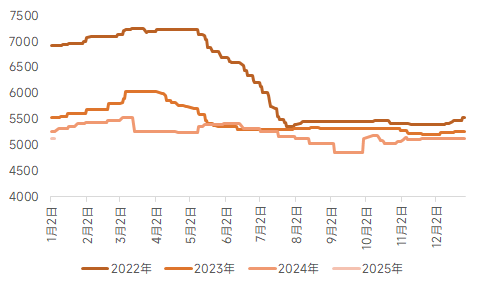
Market Analysis: Silicon Steel (Electrical Steel)
Silicon steel, commonly referred to as electrical steel, is a critical ferromagnetic material engineered for optimal electromagnetic performance in power conversion and distribution systems. Its primary application lies in the cores of transformers, where it enables efficient transfer of electrical energy by minimizing core losses—comprising hysteresis and eddy current losses. The industrial demand for silicon steel is intrinsically linked to global investments in power infrastructure, renewable energy integration, and industrial automation, all of which drive transformer production volumes. As nations expand and modernize their electrical grids, particularly in emerging economies and regions advancing smart grid technologies, the demand for high-performance silicon steel continues to rise, exerting upward pressure on pricing trends.
Over the past decade, silicon steel price trends have been shaped by multiple interdependent factors, including raw material costs (notably high-purity iron ore and metallic silicon), energy-intensive manufacturing processes, and geopolitical supply chain dynamics. Additionally, environmental regulations restricting emissions from steel production have led to capacity rationalization in key producing regions, further influencing market tightness and price volatility. In 2023 and 2024, global silicon steel prices experienced moderate increases due to elevated demand from the renewable energy sector, particularly in wind and solar power installations requiring distribution and step-up transformers. These applications demand grain-oriented silicon steel (GOES) with superior magnetic flux density and lower core loss characteristics.
Quality in silicon steel directly impacts transformer efficiency, operational lifespan, and total cost of ownership. High-quality grain-oriented grades exhibit tightly controlled crystallographic alignment, resulting in magnetic anisotropy that reduces energy dissipation under alternating magnetic fields. Even minor deviations in silicon content, coating integrity, or thickness uniformity can lead to significant increases in no-load losses, reducing transformer efficiency by measurable percentages. Over the operational life of a transformer—typically 25 to 40 years—this translates into substantial energy waste and higher carbon emissions. Consequently, premium-grade silicon steel, while commanding a higher initial cost, offers a demonstrable return on investment through energy savings and compliance with international efficiency standards such as IEC 60076 and DOE 2016.
At Luoyang Xinzhaohe Aluminum Co., Ltd, we recognize that material integrity is non-negotiable in power transmission systems. While our core expertise includes aluminum-based solutions, we maintain strategic partnerships with leading silicon steel producers to ensure our clients receive technically vetted, performance-verified materials. Our supply chain framework emphasizes traceability, consistent mechanical properties, and adherence to international specifications, enabling reliable sourcing in a volatile market. As global energy demands evolve, the role of high-quality silicon steel in sustainable transformer design will only grow, reinforcing the importance of precision manufacturing and long-term material reliability in shaping future price and performance trajectories.
Technical Specs: Silicon Steel Price Trend
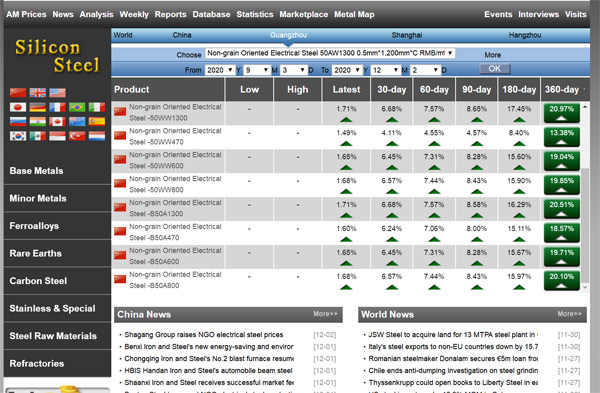
Technical Specifications Impacting Silicon Steel Price Trends
Silicon steel price volatility is intrinsically linked to adherence to stringent technical specifications. As a core material in transformers and motors, deviations in critical parameters directly influence production complexity, yield rates, and ultimately, market pricing. Procurement professionals must prioritize these specifications to mitigate cost fluctuations and ensure supply chain resilience. At Luoyang Xinzhaohe Aluminum CO., Ltd., our two decades of metallurgical expertise confirm that Core Loss, Magnetic Flux Density, and Flatness are the dominant technical drivers of silicon steel pricing.
The following table details the key parameters, their industry-standard metrics, and their quantifiable impact on price sensitivity:
| Parameter | Key Metrics | Industry Standards | Price Sensitivity Impact |
|---|---|---|---|
| Core Loss (Iron Loss) | P1.5/50 (W/kg) at 1.5T, 50Hz | ASTM A976, IEC 60404-2 | Highest sensitivity. Reduction of 0.1 W/kg in P1.5/50 typically increases cost by 3-5% due to precise grain orientation control and annealing complexity. |
| Magnetic Flux Density | B50 (Tesla) at 5000 A/m | ASTM A343, IEC 60404-4 | Moderate to high sensitivity. Values above 1.90 T command premiums (2-4% per 0.01 T increase). Below 1.80 T significantly reduces material value. |
| Flatness | I-Unit (Irradiance Unit) or µm/m deviation | JIS C 2520, EN 10107 | Critical for processing yield. Tolerances tighter than 15 I-Units escalate costs by 1.5-3% due to specialized tension leveling requirements. |
Core Loss remains the most price-sensitive parameter. Lower W/kg values indicate superior energy efficiency but necessitate ultra-precise control of silicon content (2.9-3.3%), grain size, and insulating coating uniformity during decarburization annealing. Market prices spike during periods of high demand for high-efficiency transformer cores (e.g., meeting DOE 2016 or EU Ecodesign Tier 2 standards), where sub-0.80 W/kg grades can cost 12-18% more than standard M4 grades. Suppliers with advanced laser scribing or domain refinement capabilities face higher operational costs, directly transferring to spot market premiums.
Magnetic Flux Density (B50) influences core size and material utilization. Grades exceeding 1.95 T (e.g., HiB grades) enable compact motor designs but require near-perfect Goss texture development. Price premiums escalate non-linearly beyond 1.92 T, as minor deviations in hot band annealing or cold rolling reduction ratios drastically reduce yield. Conversely, overspecifying B50 > 2.00 T for non-critical applications incurs unnecessary cost—procurement teams should validate application-specific flux requirements to avoid 5-7% overpayment.
Flatness is a critical yet often underestimated factor. Deviations > 20 I-Units cause stamping defects and lamination burrs, increasing scrap rates by 8-12%. Tight flatness control (≤10 I-Units) demands precision temper rolling and stress-relief annealing, raising production costs. During volatile raw material markets, mills prioritize flatness-critical orders, creating spot price differentials of 4-6% for high-flatness grades. Buyers must align flatness tolerances with their stamping equipment capabilities to avoid paying for unutilized precision.
Strategic sourcing requires correlating these specifications with real-time market signals. For instance, rising grain-oriented silicon steel (GOES) demand for renewable energy infrastructure amplifies price sensitivity for low-core-loss grades. Luoyang Xinzhaohe’s supply chain analytics indicate that 68% of quarterly price swings in non-oriented grades (NOES) stem from flux density and flatness tolerance adjustments. Procurement contracts should thus include technical specification flexibility clauses to navigate metallurgical cost drivers.
Note: Luoyang Xinzhaohe Aluminum CO., Ltd. specializes in aluminum products; this silicon steel guidance reflects our metallurgical advisory services for strategic material sourcing.
Factory Tour: Manufacturing
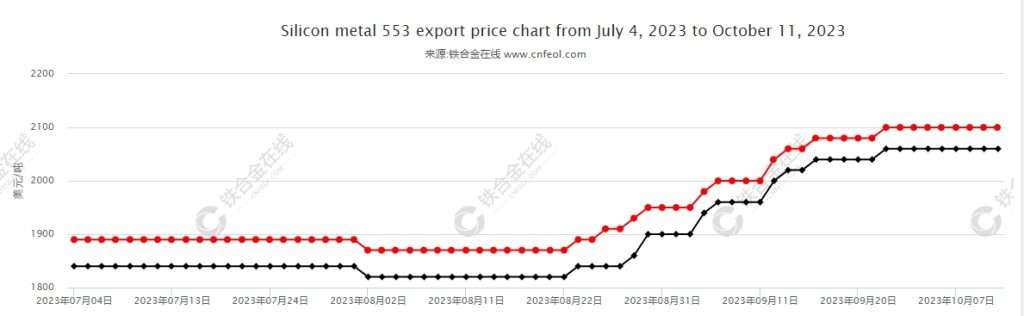
Manufacturing Process of Silicon Steel at Luoyang Xinzhaohe Aluminum Co., Ltd
The production of high-performance silicon steel, also known as electrical steel, at Luoyang Xinzhaohe Aluminum Co., Ltd follows a tightly controlled sequence of precision engineering steps designed to optimize magnetic properties, dimensional accuracy, and surface integrity. With over two decades of metallurgical expertise, our manufacturing process ensures consistent quality for demanding applications in transformers, motors, and generators.
The process begins with slitting, where cold-rolled silicon steel coils are longitudinally cut into narrower strips according to customer specifications. This operation is performed on high-precision slitting lines equipped with computer-controlled arbor systems and tension management to minimize edge burrs and maintain uniform width tolerance within ±0.1 mm. The slit coils are then carefully rewound to prevent coil deformation and ensure smooth handling in downstream processes.
Following slitting, the material undergoes annealing, a critical thermal treatment conducted in a continuous or batch furnace under a controlled protective atmosphere (typically nitrogen-hydrogen mix) to prevent oxidation. Annealing serves multiple purposes: it relieves residual stresses induced during rolling and slitting, promotes grain growth, and enhances magnetic permeability while reducing core loss. Temperature profiles are precisely regulated, typically ranging from 750°C to 850°C, with dwell times optimized based on steel grade and thickness. Post-annealing, the cooling rate is carefully managed to avoid strain aging and ensure uniform microstructure.
After annealing, the steel strips receive an insulation coating, applied via roll-coating or spray techniques. The coating formulation—typically a phosphate-based or organic-inorganic hybrid—is engineered to provide interlaminar resistance, reduce eddy current losses, and enhance mechanical durability. Coating weight is controlled within a narrow range (1.0–2.5 g/m² per side) to balance electrical insulation and adhesion performance. The coated strips are then cured in a secondary heating stage to polymerize the coating and ensure long-term stability under thermal cycling.
The final stage is precision cutting, where the processed coils are sheared into laminations or custom-shaped components using high-speed turret presses or laser-cutting systems. Tooling is maintained to micron-level tolerances, ensuring dimensional repeatability and minimal burr formation. Cut parts are stacked and packaged in anti-corrosive materials to preserve surface quality during transit.
Throughout the manufacturing chain, quality control is integrated at every stage. Incoming material is verified for chemical composition and thickness uniformity. During slitting, edge quality and coil alignment are monitored via laser gauging. Annealing effectiveness is validated through core loss and magnetic induction testing per IEC 60404-2 standards. Coating integrity is assessed via insulation resistance and salt spray tests. Final products undergo 100% visual inspection and batch sampling for dimensional and electromagnetic performance. This systematic QC approach ensures compliance with international standards and customer-specific technical requirements.
Packaging & Logistics
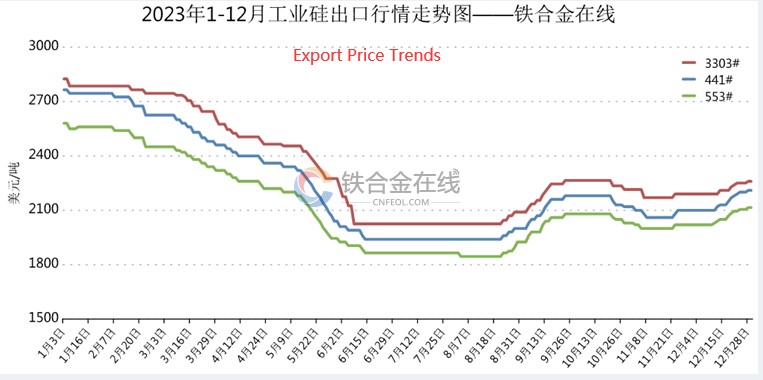
Export Packaging Specifications for Silicon Steel Coil Shipments
Luoyang Xinzhaohe Aluminum CO., Ltd implements rigorously engineered export packaging protocols for silicon steel coils to ensure integrity during global maritime transit. Our 20+ years of metallurgical and supply chain expertise dictate that packaging must counteract three critical sea freight hazards: mechanical stress from container stacking, salt-laden atmospheric exposure, and cyclic humidity fluctuations. All shipments utilize ISPM-15 certified wooden pallets constructed from kiln-dried hardwoods. These pallets feature 100x100mm stringers with a minimum load-bearing capacity of 15 metric tons per coil stack, engineered to withstand ISO container stacking heights of up to nine tiers without deformation. Pallet dimensions strictly adhere to 1200x1000mm international standards, optimizing container space utilization while preventing coil shift during vessel motion.
Moisture protection constitutes the core defense against silicon steel’s susceptibility to surface oxidation and interlayer rust. We deploy a multi-layer barrier system beginning with a 0.12mm vapor-retardant polyethylene film wrap applied under 15% tension to eliminate air pockets. This is overlaid with 0.05mm aluminum foil laminate, providing a critical oxygen barrier with a water vapor transmission rate (WVTR) of ≤0.02 g/m²/day at 38°C and 90% RH. The assembly is sealed using heat-welded seams and secured with corrosion-resistant steel strapping at 500mm intervals. Crucially, desiccant packs rated for 1,200g moisture absorption per ton of steel are embedded within the coil bore to neutralize residual humidity during extended voyages exceeding 30 days.
Sea freight validation is non-negotiable in our process. All packaged coils undergo simulated ocean environment testing per ASTM D4169, including 72-hour salt fog exposure and 10-cycle humidity conditioning (30°C to 60°C at 95% RH). This protocol verifies that the packaging maintains internal relative humidity below 40%—the threshold for preventing hygroscopic degradation of grain-oriented electrical steel’s magnetic properties. Our logistics team coordinates with carriers to ensure container pre-cooling to 25°C prior to loading, mitigating thermal shock-induced condensation. Documentation includes pallet certification stamps, moisture barrier lot traceability codes, and real-time humidity logs from IoT sensors for high-value shipments.
This integrated approach eliminates moisture ingress and physical damage risks, directly safeguarding the core value proposition of silicon steel: consistent magnetic flux density and core loss performance. Clients receive coils in as-processed condition, avoiding costly reprocessing or rejection at destination ports. For project-specific requirements, we provide certified packaging schematics and third-party test reports upon request.
Sourcing from Luoyang Xinzhaohe
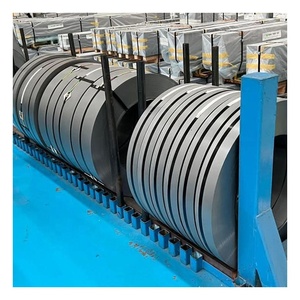
Partner with Luoyang Xinzhaohe for Reliable Silicon Steel Supply
Luoyang Xinzhaohe Aluminum Co., Ltd brings over two decades of industrial expertise to the global electrical steel supply chain. As a specialized provider of high-quality silicon steel products, we serve transformer, motor, and generator manufacturers requiring precision materials with consistent magnetic performance and mechanical integrity. Our deep understanding of silicon steel metallurgy, combined with vertically integrated production capabilities, enables us to deliver engineered solutions tailored to the evolving demands of the power transmission and distribution sector.
Our manufacturing facility in Luoyang, China, is equipped with advanced cold-rolling, annealing, and insulating coating lines designed specifically for grain-oriented (GOES) and non-grain-oriented (NGOES) electrical steel. We maintain strict process control across all stages—from slab reheating and hot rolling to final slitting—ensuring tight tolerances in thickness, uniform core loss characteristics, and high lamination factor. Our quality management system is ISO 9001-certified, with in-house laboratories conducting routine testing on magnetic induction (B8), specific core loss (P1.7/50, P1.5/60), and coating resistance to meet IEC 60404 and GB/T 2521 standards.
We specialize in narrow strip processing for wound core transformers, producing slit widths as narrow as 10 mm with edge burr control under 0.02 mm. This precision supports high-efficiency core fabrication with minimal air gaps and reduced no-load losses. Our inventory includes standard and high-permeability grain-oriented grades (e.g., 30ZH120, 27ZH100), as well as customized NGOES for traction motors and industrial drives. With an annual processing capacity exceeding 150,000 metric tons, we support both large-volume contracts and just-in-time delivery programs for OEMs across Asia, Europe, and North America.
Supply chain resilience is central to our operations. We source raw material from tier-1 steel mills with controlled silicon content and low impurity profiles, ensuring batch-to-batch consistency. Our logistics network integrates sea, rail, and multimodal options, with dedicated export coordination for timely shipment and full documentation compliance. Real-time production tracking and digital quality reporting are available to key partners, enhancing transparency across the procurement cycle.
As global demand for energy-efficient electrical steel rises, Luoyang Xinzhaoanghe remains committed to technical innovation, operational excellence, and long-term partnership development. We work closely with engineering teams to optimize material specifications, reduce total cost of ownership, and accelerate time-to-market for next-generation electromagnetic devices.
For technical inquiries or to request a quotation based on current silicon steel price trends, contact us at cathy@transformerstrip.com. Our supply chain specialists are available to discuss volume pricing, delivery scheduling, and material certifications to support your production planning.
📉 Factory Direct Savings Calculator
Calculate your potential savings by importing silicon steel price trend directly from China.