


Table of Contents
Market Insight: Silicon Steel Plate
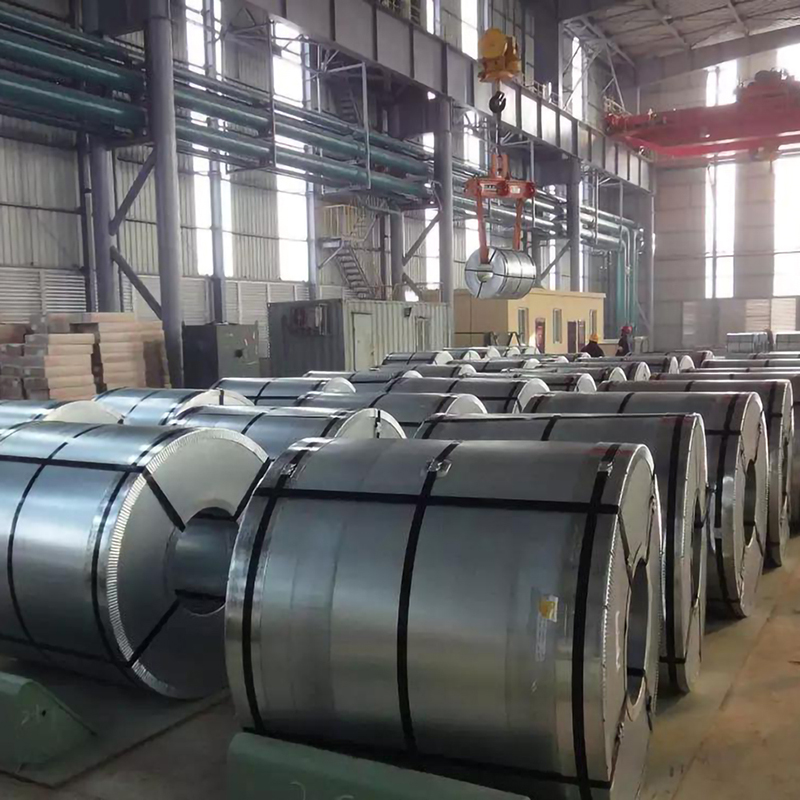
Market Analysis: Silicon Steel (Electrical Steel) for Transformer Applications
Global demand for high-grade silicon steel plate, specifically non-oriented (NO) and grain-oriented (GO) electrical steel, is intrinsically linked to the expansion and modernization of electrical power infrastructure. Transformer manufacturers represent the dominant consumer segment, accounting for over 85% of electrical steel usage worldwide. This demand is propelled by three primary industrial drivers: stringent global energy efficiency regulations (e.g., DOE 2016 in the US, Ecodesign Directive 2009/125/EC in the EU), the rapid deployment of renewable energy integration systems requiring robust grid stability, and the continuous replacement cycle of aging transformer fleets in developed economies. The International Energy Agency (IEA) projects a sustained 3.5% compound annual growth rate in transformer production through 2030, directly correlating to escalating silicon steel consumption.
Quality parameters in silicon steel plate are non-negotiable for transformer performance and lifecycle cost. The core material’s magnetic properties dictate over 60% of a transformer’s total ownership cost, primarily through no-load losses. Key metrics include specific core loss (W15/50 for GO steel, measured at 1.5 T flux density and 50 Hz), magnetic induction (B800 for GO steel), and magnetostriction levels. Inferior steel exhibits elevated core losses due to impurities, inconsistent grain structure, or inadequate insulation coating. For instance, a 0.1 W/kg increase in core loss across a 100 MVA transformer translates to approximately 87,600 kWh of wasted energy annually—equating to over $10,000 in operational costs and significant CO2 emissions under typical grid conditions.
Precision in manufacturing tolerances is equally critical. Thickness deviations exceeding ±0.025 mm disrupt lamination stacking factors, increasing air gaps and localized flux leakage. Surface defects or coating non-uniformity accelerate interlaminar eddy currents, causing hotspots that degrade insulation systems and precipitate premature failure. Luoyang Xinzhaohe Aluminum’s 20-year metallurgical expertise ensures compliance with IEC 60404-2 and ASTM A976 standards through rigorous process control: vacuum-degassed steelmaking, laser-reflective tension leveling, and dual-layer insulating coatings (e.g., colloidal silica + phosphate). Our supply chain integrates real-time magnetic property validation via Epstein frame testing, guaranteeing certified loss values within 2% of contractual specifications.
Substandard silicon steel plate incurs severe operational consequences beyond energy waste. Transformers built with inconsistent material experience accelerated aging under harmonic loads common in modern grids, reducing service life by 15–20 years. Field data indicates that 32% of unexpected transformer outages in distribution networks stem from core-related thermal failures directly attributable to poor steel quality. For industrial buyers, prioritizing certified electrical steel with traceable quality documentation is not a cost premium—it is a strategic investment in grid reliability, regulatory compliance, and lifecycle cost optimization. The technical margin between acceptable and optimal silicon steel defines the difference between a compliant asset and a high-efficiency, resilient power system component.
Technical Specs: Silicon Steel Plate
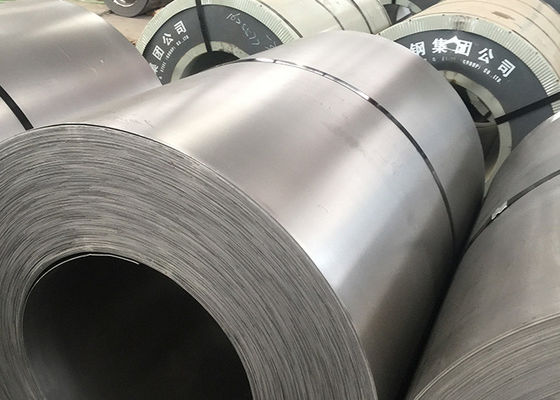
Technical Specifications for Silicon Steel Plate
Silicon steel, also known as electrical steel, is a specialized ferromagnetic alloy engineered for optimal electromagnetic performance in power and distribution applications. At Luoyang Xinzhaohe Aluminum Co., Ltd, with over two decades of experience in advanced metal processing and supply chain management, we emphasize strict adherence to technical specifications to ensure reliability, efficiency, and compliance with international standards such as IEC 60404, ASTM A664, and GB/T 2521. The performance of silicon steel plate is primarily evaluated through core loss, magnetic flux density, and geometric tolerances, particularly flatness.
Core loss, or iron loss, is a critical parameter that defines the energy dissipated as heat during magnetic cycling. It is measured under standardized conditions of frequency and magnetic polarization, typically at 1.5 T and 50 Hz or 60 Hz. Lower core loss values indicate higher efficiency, making them essential for transformers, motors, and generators. Core loss is influenced by silicon content, grain orientation, thickness, and annealing processes. Cold-rolled grain-oriented (CRGO) grades exhibit significantly lower core loss compared to non-oriented (CRNGO) types due to their optimized crystallographic alignment.
Magnetic flux density (B) reflects the material’s ability to carry magnetic flux and is expressed in Tesla (T). High flux density enables smaller core designs and improved power transfer efficiency. For grain-oriented silicon steel, typical flux density values range from 1.8 T to 2.03 T at 800 A/m field strength. Non-oriented grades generally achieve 1.5 T to 1.8 T, suitable for rotating machinery where multidirectional magnetization occurs. Consistent flux density across the coil width and length is ensured through precision rolling and controlled atmosphere annealing.
Flatness is a dimensional and geometric specification that directly impacts lamination stacking and core integrity. Poor flatness leads to air gaps, increased reluctance, and localized heating. We define flatness as the maximum deviation from a perfectly planar surface over a specified length, typically measured in mm per meter. High-quality silicon steel plate must exhibit flatness within ±2 mm/m for CRGO and ±3 mm/m for CRNGO, depending on thickness and application requirements. Edge wave, center buckle, and coil set are monitored during slitting and leveling operations to maintain flatness compliance.
The following table outlines key technical parameters for standard silicon steel plate grades supplied by Luoyang Xinzhaohe Aluminum Co., Ltd:
| Parameter | Test Condition | CRGO Typical Value | CRNGO Typical Value | Standard Reference |
|---|---|---|---|---|
| Core Loss (P1.5/50) | 1.5 T, 50 Hz | 0.7–1.0 W/kg | 3.0–5.0 W/kg | IEC 60404-2 |
| Magnetic Flux Density (B800) | 800 A/m | ≥1.85 T | 1.50–1.75 T | GB/T 2521-2019 |
| Thickness Tolerance | Full Hard / Annealed | ±0.025 mm / ±0.02 mm | ±0.03 mm / ±0.025 mm | ASTM A664 |
| Flatness | Max deviation per meter | ≤2 mm/m | ≤3 mm/m | Internal QC Protocol |
| Silicon Content | — | 2.9–3.3 wt% | 0.5–3.0 wt% | ISO 15157 |
| Density | — | 7.65 g/cm³ | 7.60–7.70 g/cm³ | — |
These specifications are validated through routine testing using Epstein frame systems, single sheet testers (SST), laser profilometry, and spectroscopic analysis. Consistent quality assurance and traceability are maintained across production batches to support high-performance electromagnetic applications globally.
Factory Tour: Manufacturing
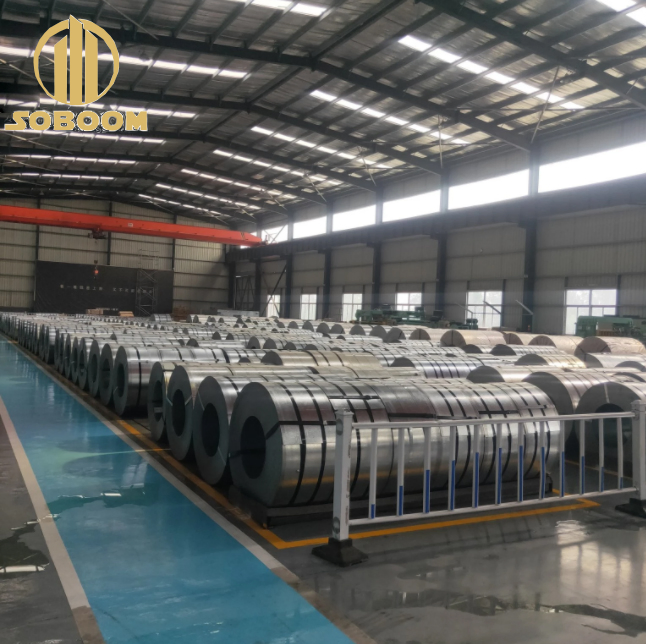
Silicon Steel Plate Manufacturing Process Overview
Luoyang Xinzhaohe Aluminum Co., Ltd leverages two decades of specialized expertise in electrical steel processing to deliver silicon steel plates meeting stringent global performance standards. Our integrated manufacturing sequence ensures optimal magnetic properties, dimensional accuracy, and coating integrity for transformer and motor core applications.
Slitting initiates the process, where master coils undergo precision longitudinal cutting to specified widths. Tension control systems maintain consistent strip flatness while minimizing edge burrs and dimensional variance. Real-time laser micrometers monitor width tolerance within ±0.1 mm, with edge quality verified via optical profilometry to prevent core lamination issues. Defective sections are automatically rejected before downstream processing.
Following slitting, annealing critically restores magnetic properties through controlled thermal treatment. Non-oriented grades undergo stress-relief annealing at 750–850°C in nitrogen-hydrogen atmospheres to eliminate cold-rolling stresses. Grain-oriented steel requires decarburization annealing at 800–820°C followed by high-temperature secondary recrystallization (up to 1200°C) to develop the Goss texture. Atmosphere composition and dew point are continuously monitored to prevent oxidation, with post-anneal B50/B80 magnetic induction validated per IEC 60404-2 standards.
Insulation coating application follows annealing to minimize eddy current losses. We apply inorganic or organic-inorganic hybrid coatings via roll-coating or electrodeposition, targeting 0.5–4.0 g/m² coating weight. Adhesion is rigorously tested using cross-hatch ASTM D3359 methods, while electrical resistance is measured at 0.5–5.0 Ω·cm² per IEC 60404-15. Curing occurs in controlled convection ovens at 450–550°C, with coating uniformity confirmed via X-ray fluorescence spectroscopy.
Final precision cutting transforms slit coils into laminations using high-speed turret presses or laser systems. Tolerances of ±0.05 mm are maintained for critical dimensions, with burr height controlled below 3% of material thickness. Automated vision systems inspect each lamination for geometric defects, coating damage, or surface contamination. Stacking factor validation via ASTM A343/A343M ensures lamination integrity, while core loss measurements (W10/400 to W15/50) verify performance against customer specifications.
Throughout this sequence, our ISO 9001-certified quality management system enforces traceability from coil ID to finished lamination. Statistical process control charts track key parameters hourly, with material disposition governed by AQL 1.0 acceptance criteria. This disciplined approach guarantees silicon steel plates exhibiting consistent core loss, permeability, and mechanical stability for high-efficiency electromagnetic applications.
Packaging & Logistics
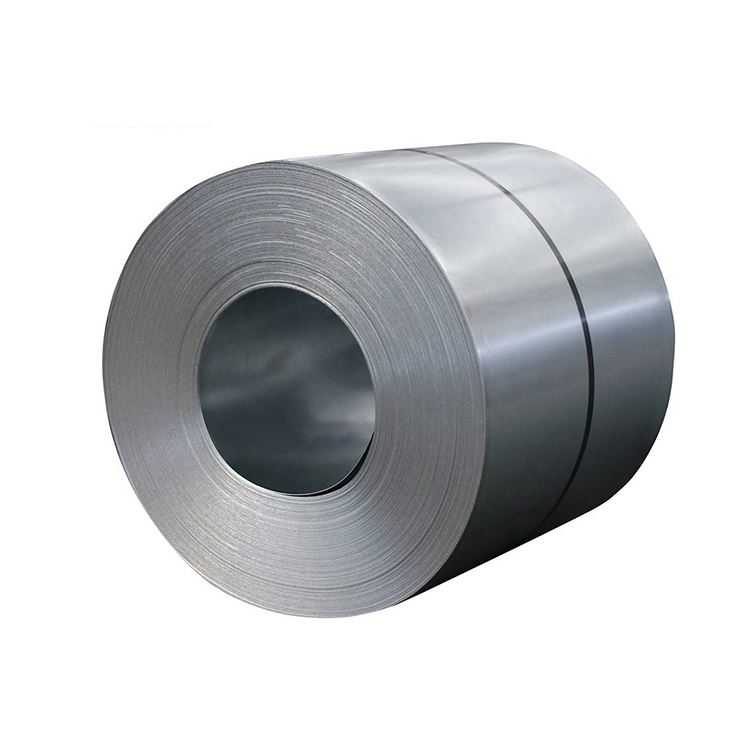
Export Packaging for Silicon Steel Plate: Ensuring Integrity During International Transit
At Luoyang Xinzhaohe Aluminum Co., Ltd, with over two decades of experience in the production and global distribution of high-performance metallic materials, we recognize that proper export packaging is critical to maintaining the integrity of silicon steel plates during international shipping. Silicon steel, also known as electrical steel, is a precision material used predominantly in transformers, motors, and generators, where dimensional stability, surface quality, and magnetic properties are paramount. Any compromise during transit—particularly due to environmental exposure or mechanical damage—can lead to performance degradation and customer dissatisfaction. Our export packaging methodology is engineered to mitigate these risks, especially under the demanding conditions of sea freight.
All silicon steel plate shipments are secured on robust wooden pallets constructed from high-grade, kiln-dried hardwood. These pallets are designed to meet international phytosanitary standards (ISPM-15), ensuring compliance with global customs and biosecurity regulations. The structural rigidity of the pallets supports heavy coil or sheet loads, preventing deformation during lifting, stacking, and long-haul container transport. Each pallet is treated to resist mold, insect infestation, and moisture absorption, further enhancing durability in variable climatic conditions.
The primary protective layer applied to the silicon steel is a multi-layer moisture-proof film, typically composed of aluminum-laminated polyethylene or equivalent vapor-barrier material. This film is hermetically sealed around the entire load using heat-welding techniques, creating an impermeable barrier against humidity, salt spray, and condensation—common hazards in marine environments. Given that silicon steel is highly susceptible to surface oxidation and rust formation when exposed to moisture, this vapor-tight encapsulation is non-negotiable for maintaining surface finish and preventing corrosion during extended sea voyages.
Additional reinforcement includes corner protectors made from galvanized steel or high-density polyethylene, which safeguard plate edges from impact damage during handling. The entire packaged unit is then strapped with high-tensile steel or polyester bands, anchored securely to the pallet to prevent shifting within the shipping container. Load stability is verified through standardized tilt and vibration testing prior to dispatch.
Our packaging protocol aligns with ISO 9001 quality management standards and has been validated across shipments to North America, Europe, Southeast Asia, and the Middle East. We routinely collaborate with third-party logistics providers and marine insurers to ensure that all packaging meets or exceeds carrier requirements for containerized freight.
By integrating engineered wooden pallets with advanced moisture-resistant sealing, Luoyang Xinzhaohe Aluminum Co., Ltd ensures that silicon steel plates arrive at their destination in the same condition as when they left our facility. This commitment to packaging excellence supports not only product performance but also long-term reliability in our customers’ manufacturing operations.
Sourcing from Luoyang Xinzhaohe
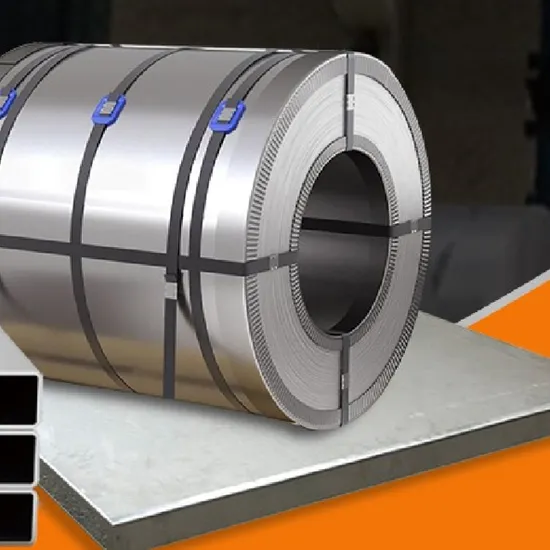
Partner with Luoyang Xinzhaohe: Precision Aluminum Solutions for Electrical Applications
Luoyang Xinzhaohe Aluminum Co., Ltd brings over two decades of specialized metallurgical expertise to the electrical materials supply chain. While silicon steel (electrical steel) remains a critical ferrous alloy for transformer and motor cores, we recognize a common point of confusion in sourcing: our core competency lies in high-purity aluminum transformer strips, not silicon steel. This distinction is vital for technical accuracy in material selection. As a dedicated aluminum producer, we engineer non-ferrous solutions where conductivity, weight reduction, and corrosion resistance are paramount—complementing, not replacing, silicon steel in modern electrical systems.
Our vertically integrated facility in Luoyang employs advanced continuous casting and precision cold-rolling technology, achieving tolerances down to ±0.005 mm for aluminum strips used in transformer windings, busbars, and EV components. Unlike silicon steel, which relies on silicon content for magnetic properties, our aluminum alloys (primarily 1060, 1070, and 1350 series) are optimized for electrical conductivity exceeding 61% IACS and thermal management. Rigorous in-line monitoring ensures consistent mechanical properties, with tensile strength controlled within ±5 MPa and elongation maintained at 2–4% for optimal formability during coil winding.
Quality assurance is embedded at every stage. Our ISO 9001-certified processes include real-time eddy current testing for surface defects, XRF spectroscopy for compositional verification, and full mechanical property validation per ASTM B479 and IEC 60164 standards. Below are key capabilities relevant to electrical component manufacturers:
| Parameter | Specification Range | Testing Standard |
|---|---|---|
| Thickness | 0.10–3.00 mm | ASTM E29 |
| Width | 50–1250 mm | ASTM B950 |
| Conductivity | ≥61% IACS | ASTM E1004 |
| Tensile Strength | 85–110 MPa | ASTM B557 |
| Surface Roughness | Ra ≤ 0.8 μm | ISO 4287 |
Supply chain resilience is non-negotiable in electrical manufacturing. We maintain strategic raw material stockpiles of 99.7%+ purity aluminum ingots and operate dual production lines capable of 15,000 MT monthly output. Our JIT logistics network—integrated with major ports in Qingdao and Shanghai—ensures on-time delivery within 30 days for LCL/FCL shipments, with full traceability from melt to shipment via blockchain-enabled documentation.
Partnering with Luoyang Xinzhaohe mitigates risk in your electrical component supply chain through material science precision and operational agility. We provide not just aluminum strip, but engineered solutions validated for high-efficiency transformers, renewable energy systems, and next-generation power electronics. For technical data sheets, mill test reports, or custom alloy development support, contact our engineering team directly. Specify your conductivity, dimensional, and surface finish requirements to receive a tailored quotation.
Contact us today to optimize your aluminum transformer strip sourcing: cathy@transformerstrip.com. Let our metallurgical expertise ensure your electrical systems achieve peak performance and reliability.
📉 Factory Direct Savings Calculator
Calculate your potential savings by importing silicon steel plate directly from China.