


Table of Contents
Market Insight: Silicon Steel In Transformers
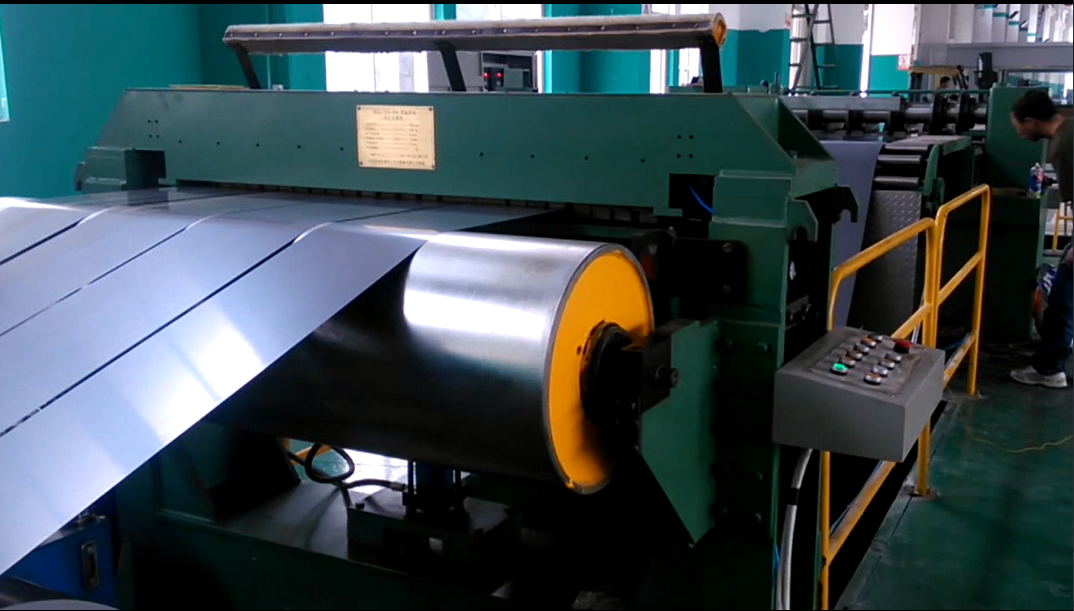
Market Analysis: Silicon Steel Demand and Quality Imperatives in Transformer Applications
Global transformer manufacturing drives sustained demand for high-grade silicon steel, with electrical steel consumption projected to exceed 12 million metric tons annually by 2027. This growth is propelled by three primary industrial vectors: accelerating grid modernization initiatives in emerging economies, stringent global energy efficiency regulations (e.g., DOE 2016, EU Ecodesign Directive), and the exponential expansion of renewable energy infrastructure requiring step-up transformers. Crucially, the shift toward ultra-high-efficiency transformers (Tier 3/4 classifications) has intensified material specifications, with grain-oriented silicon steel (CRGO) now constituting 85% of the transformer core market due to its superior directional magnetic properties. Regional demand hotspots include Southeast Asia (40% YoY grid investment growth) and Latin America (driven by hydroelectric expansion), where thermal stability and low core loss are non-negotiable for operational viability in high-ambient-temperature environments.
Quality parameters directly dictate transformer lifecycle performance and total cost of ownership. Substandard silicon steel manifests in elevated core losses (exceeding 1.0 W/kg at 1.7 T, 50 Hz), reduced magnetic flux density (<1.90 T), and inconsistent lamination stack factors. These deficiencies trigger cascading operational failures: a 0.15 W/kg increase in core loss translates to 8-12% higher no-load losses, accelerating insulation degradation and risking thermal runaway at sustained loads. Precision in gauge tolerance (±0.005 mm) and interlocking cut-edge quality are equally critical; microstructural damage from poor shearing induces localized eddy currents, increasing losses by up to 25% in stacked cores. The following table summarizes key quality thresholds for CRGO in distribution transformers:
| Parameter | Standard Requirement | Consequence of Deviation |
|---|---|---|
| Core Loss (P1.7/50) | ≤ 0.85 W/kg | 10-15% efficiency drop per 0.1 W/kg increase |
| Magnetic Induction (B800) | ≥ 1.92 T | Core saturation at lower flux densities |
| Stacking Factor | ≥ 97.5% | 3-5% effective core area reduction |
| Edge Burrs | ≤ 3% of thickness | 15-20% localized loss increase |
Luoyang Xinzhaohe Aluminum Co., Ltd leverages 20+ years of metallurgical expertise to mitigate these risks through rigorous process control. Our CRGO production employs laser-scribed domain refinement and optimized decarburization annealing, achieving core losses as low as 0.68 W/kg while maintaining tight coil-to-coil consistency (ΔP < 0.03 W/kg). This precision prevents premature transformer derating—a critical concern as utilities face penalties for non-compliance with IEC 60076-20 efficiency standards. Sourcing from suppliers with certified quality management systems (ISO 9001, IATF 16949) and in-house magnetic testing capabilities is not merely advisable; it is a strategic necessity to avoid $200,000+ field failure remediation costs per unit. In an era where every 0.01 W/kg reduction translates to 2,500 kWh/year energy savings at 1 MVA capacity, silicon steel quality remains the linchpin of transformer reliability and grid sustainability.
Technical Specs: Silicon Steel In Transformers
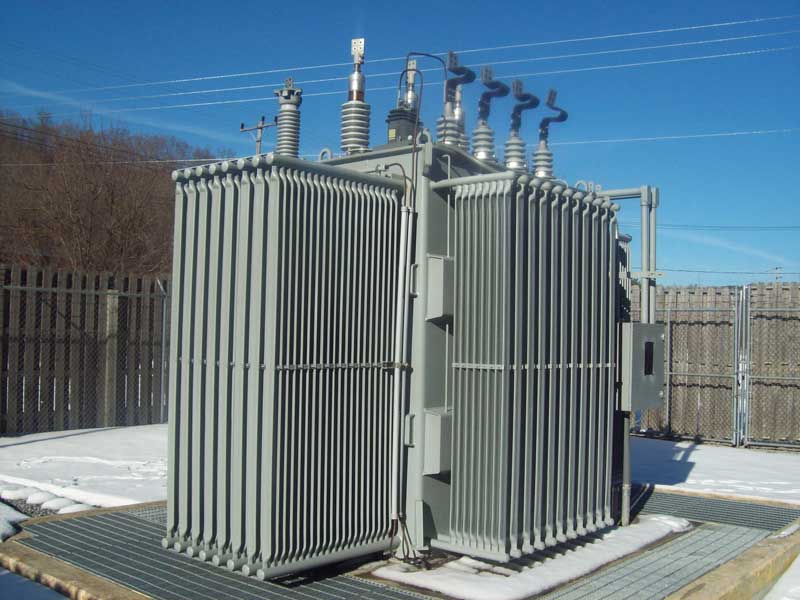
Silicon steel, also known as electrical steel, is a critical material in the construction of transformer cores due to its optimized magnetic properties and reduced energy losses. At Luoyang Xinzhaohe Aluminum Co., Ltd, with over two decades of experience in advanced metal processing and supply chain management, we emphasize precise technical specifications to ensure peak performance in transformer applications. The key parameters governing silicon steel performance include core loss (iron loss), magnetic flux density, and flatness, each directly influencing efficiency, thermal behavior, and manufacturability.
Core loss, expressed in watts per kilogram (W/kg), represents the energy dissipated as heat during magnetic cycling and is a primary determinant of transformer efficiency. It consists of hysteresis loss, eddy current loss, and anomalous loss. High-quality grain-oriented silicon steel (GOES) typically exhibits core loss values below 1.0 W/kg at 1.7 Tesla and 50 Hz. Lower core loss translates to reduced operating temperatures and higher energy efficiency, which is essential for compliance with international efficiency standards such as IEC 60404-2. The measurement is standardized under Epstein frame or single-sheet tester (SST) methods, ensuring consistency across production batches.
Magnetic flux density, measured in Tesla (T), indicates the material’s ability to support magnetic field formation. For grain-oriented silicon steel used in power transformers, the guaranteed minimum flux density at a magnetic field strength of 800 A/m (B800) is typically 1.88 T to 2.03 T. Higher flux density allows for reduced core cross-sectional area, enabling compact and lighter transformer designs without sacrificing performance. Non-oriented electrical steel (NOES), used in distribution transformers and rotating machinery, generally offers flux densities in the range of 1.5 T to 1.8 T, depending on silicon content and processing.
Flatness is a dimensional and geometric specification critical to core stacking and lamination assembly. Poor flatness leads to air gaps between laminations, increasing reluctance and localized losses. Industry standards require flatness deviation to be within ±2 mm over a 1-meter length. This is achieved through precision rolling, tension leveling, and controlled annealing processes. Edge wave, center buckle, and camber are monitored to ensure uniform lamination stacking and mechanical integrity during core assembly.
The following table summarizes the critical technical parameters for silicon steel used in transformer cores:
| Parameter | Typical Value (GOES) | Test Standard | Importance |
|---|---|---|---|
| Core Loss (P1.7/50) | ≤ 1.0 W/kg | IEC 60404-2 | Efficiency, thermal performance |
| Magnetic Flux Density (B800) | 1.88 – 2.03 T | IEC 60404-2 | Core size, magnetic performance |
| Thickness Tolerance | ±0.01 mm (for 0.23–0.30 mm) | GB/T 2521 | Lamination consistency |
| Flatness Deviation | ≤ ±2 mm per 1 m length | Internal QC Protocol | Core stacking quality |
| Insulation Coating Weight | 0.5 – 1.5 g/m² (single side) | ASTM A976 | Interlaminar resistance |
| Silicon Content | 2.9% – 3.3% | GB/T 223 | Resistivity, core loss reduction |
These specifications are rigorously controlled through our integrated quality management system, ensuring compliance with global standards and customer-specific requirements. Consistent material performance supports reliable transformer operation over extended service life.
Factory Tour: Manufacturing
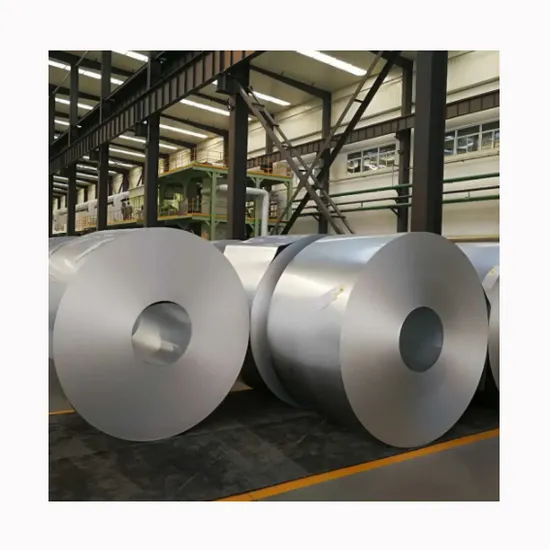
Manufacturing Process for Grain-Oriented Silicon Steel in Transformer Cores
Silicon steel production for transformer applications requires stringent process control to achieve optimal magnetic properties and dimensional accuracy. At Luoyang Xinzhaohe Aluminum CO., Ltd., our 20+ years of metallurgical expertise ensures each stage adheres to IEC 60404-2 and ASTM A876 standards. The process begins with precision slitting of master coils into specified widths. High-tolerance rotary shear slitters maintain edge straightness within ±0.1 mm, critical for minimizing core vibration and noise in final assemblies. Real-time laser micrometers continuously monitor strip thickness, rejecting deviations beyond ±0.025 mm to prevent localized eddy current losses.
Annealing follows slitting to relieve mechanical stresses and optimize grain structure. Coils undergo continuous annealing in a controlled hydrogen-nitrogen atmosphere at 800–850°C for 30–90 seconds. This step is pivotal for reducing core loss (W/kg) and enhancing permeability. Key annealing parameters are validated through in-line thermal profiling and post-process Epstein frame testing:
| Parameter | Target Range | Measurement Frequency |
|---|---|---|
| Annealing Temp | 820 ± 15°C | Continuous monitoring |
| H₂ Concentration | 25–30% vol | Hourly gas analysis |
| Dwell Time | 60 ± 10 seconds | Per coil batch |
Insulation coating is applied via roll-coating to achieve uniform 2–4 μm film thickness. We utilize chromate-free organic-inorganic hybrid coatings meeting IEC 60404-15 standards, ensuring 500–800 Ω/sq surface resistivity. Coating weight is verified through X-ray fluorescence (XRF) at 3-meter intervals, with deviations triggering automatic line stoppage. This layer suppresses interlamination eddy currents and provides corrosion resistance during transformer operation.
Final precision cutting employs servo-driven blanking presses with sub-0.05 mm positional accuracy. Stator and rotor laminations are cut using progressive dies, with burr height strictly controlled to ≤5% of material thickness (typically ≤3 μm). All cut edges undergo automated optical inspection to detect micro-cracks or deformation that could degrade magnetic performance.
Quality control is embedded at every phase. Incoming coil chemistry (3.0–3.5% Si, ≤0.03% C) is certified via OES spectroscopy. Throughout production, core loss (P1.7/50) and magnetostriction are sampled per IEC 60404-2, with full certification reports provided per shipment. Dimensional tolerances for slit width (±0.15 mm) and cut geometry (±0.08 mm) are validated using CMM systems. Non-conforming material undergoes 100% rework or scrapping—never concession release—to guarantee transformers achieve ≤1.10 W/kg specific total loss at 1.7 T/50 Hz. This integrated approach ensures our silicon steel delivers the efficiency and reliability demanded by modern power infrastructure.
Packaging & Logistics
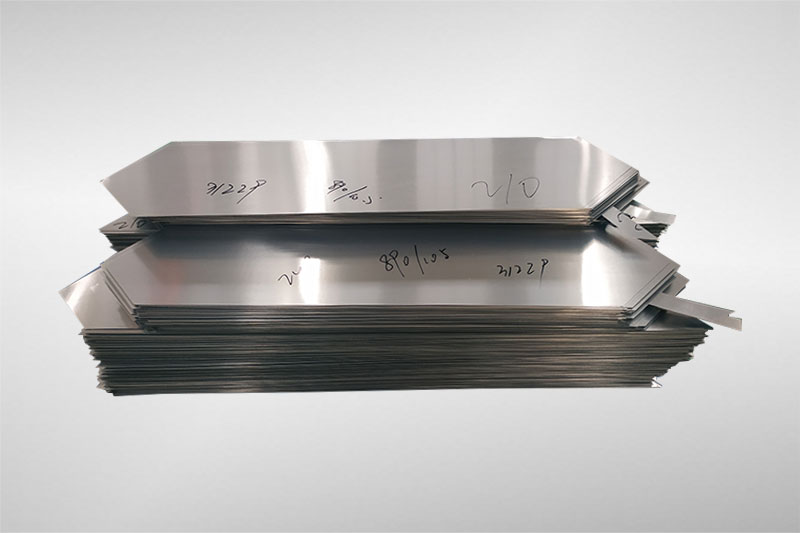
Export Packaging Standards for Silicon Steel in Transformer Applications
At Luoyang Xinzhaohe Aluminum Co., Ltd, with over two decades of experience in metallurgical engineering and industrial material supply, we maintain rigorous export packaging protocols to ensure the integrity of silicon steel products during international transit. Silicon steel, also known as electrical steel, is a critical material in transformer core manufacturing due to its magnetic permeability and low core loss characteristics. Given its sensitivity to mechanical deformation and environmental exposure, proper packaging is essential to preserve material performance and dimensional accuracy throughout the supply chain.
All silicon steel coils and sheets are systematically secured on high-load-bearing wooden pallets constructed from kiln-dried, pest-treated hardwood. These pallets are engineered to meet international phytosanitary standards (ISPM-15) and are capable of withstanding stacking pressures and dynamic stresses encountered during ocean freight. The wooden base provides structural stability, minimizing the risk of coil collapse or sheet warping during vessel loading, unloading, and overland transport. Each pallet is designed with forklift accessibility on all four sides, ensuring efficient handling at ports and customer facilities.
Immediately after packaging on the pallet, the silicon steel load is wrapped in multi-layer moisture-proof composite film. This vapor barrier film features a metallized polyethylene laminate structure engineered to block humidity ingress, a critical factor in preventing surface oxidation and interlaminar corrosion. The film is heat-sealed at all seams and extends fully to the base of the pallet to create a hermetic enclosure. Additionally, desiccant packs are strategically placed within the sealed environment to absorb residual moisture and maintain a controlled microclimate during extended sea voyages.
To further enhance protection, edge protectors made of corrugated fiberboard or steel-reinforced plastic are applied to coil rims and sheet stacks to prevent chipping and burring during handling. The entire packaged unit is then strapped with galvanized steel or PET straps in a cross-pattern configuration to prevent lateral shifting. Each package is labeled with durable, weather-resistant tags indicating material grade, batch number, dimensions, weight, handling instructions, and destination details in compliance with international shipping regulations.
Our packaging methodology is specifically optimized for containerized sea freight, the most common mode for global silicon steel distribution. The combination of robust wooden pallets and hermetic moisture barriers ensures that material arriving at destinations across Southeast Asia, the Middle East, Europe, and the Americas meets the same quality benchmarks as at the point of dispatch. This reliability is a cornerstone of our commitment to supply chain excellence and long-term partnership with transformer manufacturers worldwide.
Luoyang Xinzhaohe Aluminum Co., Ltd adheres to ISO 9001 quality management standards throughout the packaging and export process, ensuring traceability, consistency, and compliance with customer technical requirements.
Sourcing from Luoyang Xinzhaohe
Partner with Luoyang Xinzhaohe for Precision Silicon Steel Solutions
Luoyang Xinzhaohe Aluminum Co., Ltd leverages over two decades of specialized metallurgical expertise to deliver silicon steel (electrical steel) meeting the exacting demands of high-efficiency transformer manufacturing. Despite our corporate name, our core competency lies exclusively in non-oriented and grain-oriented electrical steel production, with a dedicated facility engineered for magnetic performance optimization. Our 150,000-ton annual production capacity operates under stringent process controls, ensuring consistency critical for minimizing core loss and maximizing permeability in transformer applications.
Our integrated production line utilizes continuous annealing and decarburization technology, achieving precise Goss texture development in grain-oriented grades. Thickness tolerances are maintained within ±0.02mm across widths up to 1200mm, directly supporting lamination stacking efficiency and reducing air gaps in core assemblies. All coils undergo in-line surface inspection and offline Epstein frame testing per IEC 60404-2 standards, with certified reports documenting core loss (P1.5/50), magnetic induction (B50), and iron loss characteristics. We offer tailored coating solutions—including insulating C3 and laser-scribed C5 variants—to enhance interlaminar resistance and mitigate eddy current losses in high-frequency operations.
Supply chain resilience is engineered into our operational model. Strategic partnerships with domestic iron ore and scrap suppliers guarantee raw material traceability, while our ISO 9001 and IATF 16949 certified quality management system enforces zero-defect protocols from melt shop to shipment. Dedicated logistics coordination ensures on-time delivery through multimodal routing (rail, road, and containerized sea freight), with real-time inventory tracking via our ERP platform. This infrastructure reduces lead times by 18% compared to industry averages while maintaining full compliance with REACH and RoHS directives.
For transformer OEMs prioritizing magnetic performance and supply continuity, our technical team provides collaborative engineering support—from grade selection (M4 to M0H variants) to custom width slitting. We validate every shipment against customer-specific loss curves and flux density requirements, eliminating field failure risks associated with inconsistent material properties.
Elevate your transformer efficiency with silicon steel engineered for performance integrity. Contact our technical sourcing team to discuss grade specifications, volume requirements, or material certification protocols. Reach Cathy Zhang, Supply Chain Manager, at cathy@transformerstrip.com for a confidential capacity assessment and sample validation timeline. Partner with Luoyang Xinzhaohe to secure a certified source of electrical steel where metallurgical precision meets supply chain certainty.
📉 Factory Direct Savings Calculator
Calculate your potential savings by importing silicon steel in transformers directly from China.