


Table of Contents
Market Insight: Silicon Steel Grades
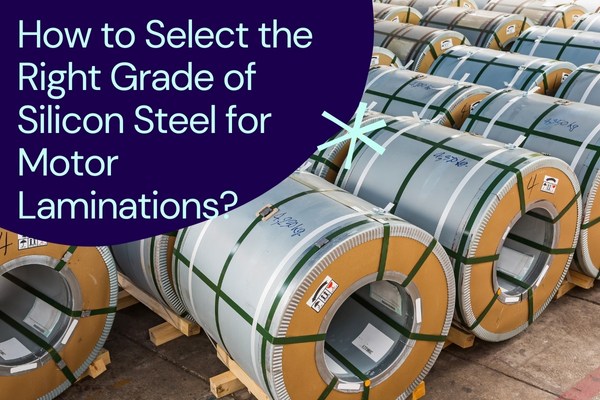
Market Analysis: Silicon Steel Demand Dynamics in Transformer Applications
Global demand for high-quality silicon steel (electrical steel) remains robust, driven primarily by escalating requirements for efficient power transmission and distribution infrastructure. Transformer manufacturers constitute the dominant consumer segment, accounting for over 85% of non-oriented (NO) and grain-oriented (GO) silicon steel consumption worldwide. Critical growth vectors include renewable energy integration necessitating grid stabilization transformers, urban electrification projects, electric vehicle charging network expansion, and the ongoing replacement of aging transformer fleets in mature markets. International Energy Agency (IEA) data indicates transformer core losses represent 60-70% of total grid technical losses, underscoring the material’s pivotal role in global energy efficiency initiatives. Regulatory frameworks like the EU Ecodesign Directive and DOE Level 3 standards in the United States enforce stringent no-load loss limits, directly escalating demand for advanced high-permeability, low-loss GO grades such as M400-50A and M300-35A.
Material quality is non-negotiable in transformer core performance and lifecycle economics. Silicon steel grade selection directly dictates core loss (W/kg) and magnetic flux density (B800), parameters rigorously measured via Epstein frame testing per IEC 60404-2. Even minor deviations in chemical composition—particularly silicon content (2.9-3.3% optimal for GO steel), carbon residue (<30 ppm), and sulfur levels—cause exponential increases in hysteresis and eddy current losses. A 0.1 W/kg increase in core loss across a 50 MVA transformer translates to approximately 43,800 kWh of wasted energy annually, equating to over $5,000 in operational costs at industrial electricity rates and significantly shortening asset lifespan due to thermal stress. Impurities like nitrogen or excessive grain boundary segregation further degrade magnetostriction properties, elevating audible noise levels beyond permissible thresholds in residential deployments.
Procurement specifications must mandate certified mill test reports validating compliance with IEC 60404-8-7 or ASTM A976 standards. The table below illustrates the operational impact of grade selection:
| Silicon Steel Grade | Typical Core Loss (W/kg @ 1.7T, 50Hz) | Annual Energy Loss (50 MVA Transformer) | Estimated Annual Cost Impact* |
|---|---|---|---|
| M400-50A | 1.10 | 55,000 kWh | $5,500 |
| M300-35A | 0.95 | 47,500 kWh | $4,750 |
| Substandard Grade | 1.35 | 67,500 kWh | $6,750 |
*Based on $0.10/kWh industrial rate; excludes maintenance penalties from thermal degradation
Luoyang Xinzhaohe Aluminum leverages two decades of metallurgical supply chain expertise to navigate these critical quality dependencies. We rigorously audit supplier melt processes—including twin-roll strip casting and laser scribing capabilities—to ensure consistent grain orientation and domain refinement. Our technical sourcing protocols prioritize mills with advanced secondary refining (RH degassers) and precise annealing control, as minor process variations directly manifest in transformer efficiency metrics. In an era where every watt saved impacts grid sustainability targets, silicon steel grade selection transcends material procurement; it is a strategic determinant of asset reliability, regulatory compliance, and total cost of ownership. Partnering with suppliers possessing granular process understanding is imperative for transformer OEMs facing increasingly stringent global efficiency mandates.
Technical Specs: Silicon Steel Grades
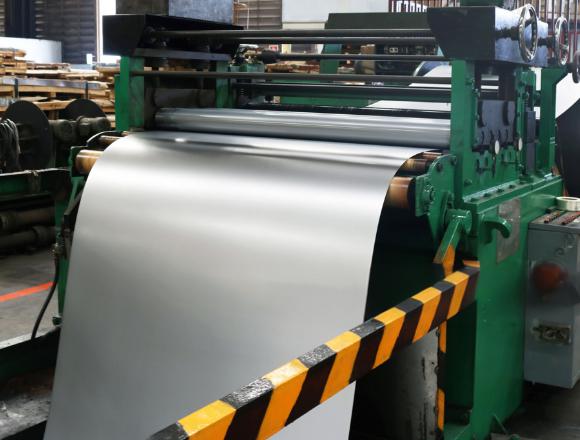
Silicon steel, also known as electrical steel, is a critical ferromagnetic material used predominantly in the cores of transformers, motors, and generators due to its optimized magnetic properties. At Luoyang Xinzhaohe Aluminum Co., Ltd, with over two decades of metallurgical and supply chain expertise, we emphasize precision in material specifications to ensure performance reliability in electromagnetic applications. Key technical parameters governing the selection of silicon steel grades include core loss (iron loss), magnetic flux density, and flatness, all of which directly influence energy efficiency and operational stability.
Core loss, measured in watts per kilogram (W/kg), represents the energy dissipated as heat during magnetic cycling and is a primary determinant of efficiency in electrical equipment. Lower core loss values correlate with reduced energy waste and improved thermal management. Core loss is typically evaluated under standardized conditions at 1.5 T (Tesla) magnetic flux density and 50 Hz or 60 Hz frequency. Grain-oriented (GO) silicon steel exhibits significantly lower core loss in the rolling direction compared to non-grain-oriented (NGO) types, making it ideal for transformer laminations.
Magnetic flux density, expressed in Tesla (T), indicates the material’s ability to support magnetic field development. Higher flux density enables compact core designs with superior power handling capacity. Grain-oriented grades achieve peak flux densities exceeding 2.0 T in the rolling direction, while non-grain-oriented variants typically range between 1.6 T and 1.8 T, suitable for rotating machinery where multidirectional magnetization occurs.
Flatness is a dimensional quality metric essential for uniform stacking and lamination bonding. Poor flatness leads to air gaps, increasing reluctance and localized eddy current losses. Flatness is quantified in terms of wave height (mm) over a specified length (usually 1000 mm), with tighter tolerances required for high-frequency and high-efficiency applications. Residual stresses from rolling and coating processes must be carefully controlled to maintain flatness post-cutting and assembly.
The following table outlines typical technical specifications across common silicon steel grades:
| Grade Designation | Core Loss (P1.5/50) (W/kg) | Magnetic Flux Density (B50) (T) | Thickness (mm) | Flatness (Wave Height, mm/m) | Type |
|---|---|---|---|---|---|
| M47-35A | ≤ 1.25 | ≥ 1.68 | 0.35 | ≤ 8 | NGO |
| M35-30A | ≤ 1.05 | ≥ 1.70 | 0.30 | ≤ 6 | NGO |
| M27-27A | ≤ 0.80 | ≥ 1.72 | 0.27 | ≤ 5 | NGO |
| M23-24A | ≤ 0.65 | ≥ 1.75 | 0.24 | ≤ 4 | NGO |
| M19-22A | ≤ 0.55 | ≥ 1.78 | 0.22 | ≤ 3 | NGO |
| 23ZH120 | ≤ 1.20 | ≥ 2.03 | 0.23 | ≤ 10 | GO |
| 27ZH110 | ≤ 1.10 | ≥ 2.01 | 0.27 | ≤ 10 | GO |
| 30ZH105 | ≤ 1.05 | ≥ 1.99 | 0.30 | ≤ 10 | GO |
These specifications are aligned with international standards such as IEC 60404-8 and GB/T 2521. Customization in thickness, coating type, and annealing processes is available to meet project-specific electromagnetic and mechanical requirements. Luoyang Xinzhaohe Aluminum Co., Ltd ensures traceability, batch consistency, and compliance with environmental and performance benchmarks across all supplied silicon steel products.
Factory Tour: Manufacturing
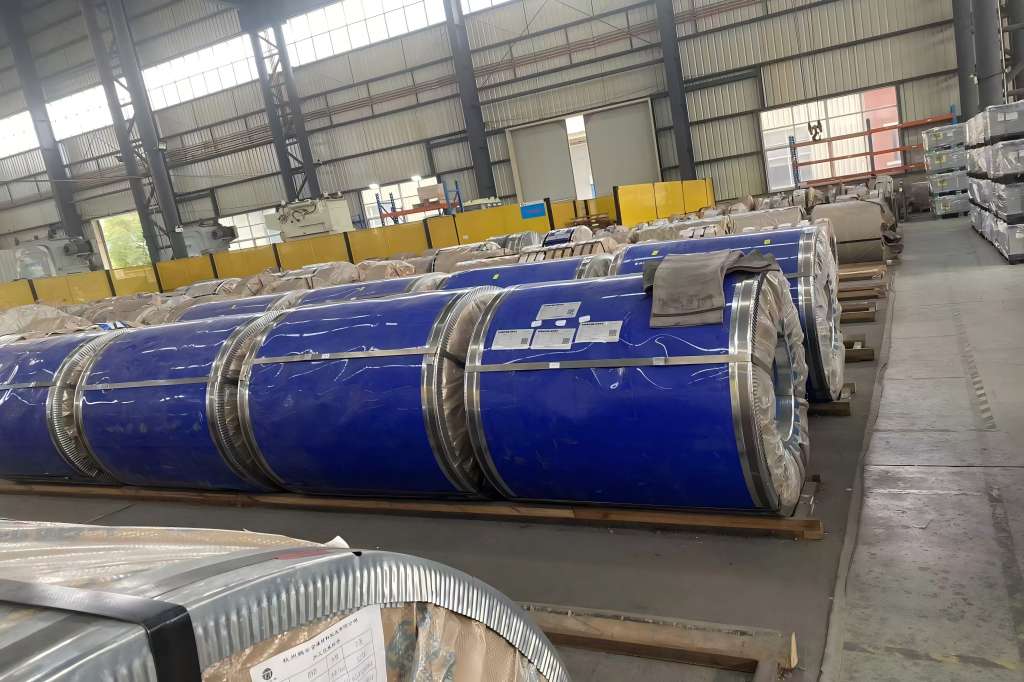
Manufacturing Process for High-Performance Silicon Steel Grades
Luoyang Xinzhaohe Aluminum CO., Ltd leverages 20+ years of metallurgical expertise to produce precision silicon steel (electrical steel) through a rigorously controlled sequence: slitting, annealing, insulation coating, and precision cutting. This integrated process ensures optimal magnetic properties, dimensional stability, and core loss performance for demanding applications in transformers, motors, and generators. Each stage incorporates stringent quality control protocols aligned with ASTM A664 and IEC 60404 standards.
Initial coil slitting utilizes servo-driven rotary shear lines to achieve tight width tolerances of ±0.1 mm. This step minimizes edge burrs and residual stress, critical for preventing magnetic distortion in laminated cores. Post-slitting, coils undergo continuous decarburization annealing at 800–850°C in a wet hydrogen-nitrogen atmosphere. This phase eliminates carbon impurities, promotes Goss texture (110)[001] grain orientation, and establishes the target magnetic induction (B₈₀₀ ≥ 1.90 T). Precise dew point control (–40°C to –50°C) ensures uniform decarburization without surface oxidation.
Insulation coating follows annealing, applying a thin, inorganic magnesium oxide (MgO) layer via roll-coating. The coating thickness is maintained at 0.8–1.2 g/m² to optimize interlaminar resistance (>5.0 Ω·cm²) while minimizing core loss. A secondary high-temperature annealing (1050–1150°C) in dry hydrogen sinters the MgO, forming a stable forsterite (Mg₂SiO₄) layer that enhances lamination bonding and thermal stability.
Final precision cutting employs laser-guided blanking presses with micron-level positional accuracy (±0.05 mm). This step produces custom-shaped laminations with minimal burr height (<0.03 mm), ensuring high stacking factors (>97.5%) and reduced eddy current losses. All cutting tools undergo automated wear calibration every 2,000 cycles to sustain dimensional repeatability.
Quality control is embedded at every phase, as summarized below:
| Process Stage | Critical QC Parameter | Measurement Method | Acceptance Threshold |
|---|---|---|---|
| Annealing | Core Loss (P₁.₅/₅₀) | Epstein Frame (IEC 60404-2) | ≤1.20 W/kg |
| Insulation Coating | Interlaminar Resistance | 4-Point Probe (ASTM A912) | ≥5.0 Ω·cm² |
| Precision Cutting | Burr Height | Optical Profilometry | ≤0.03 mm |
Full-spectrum validation includes surface defect scanning (automated vision systems), magnetic property mapping (per ASTM A343), and lamination factor testing. Every production lot receives third-party certification for core loss, permeability, and coating adhesion. This end-to-end process control guarantees silicon steel grades that meet Tier-1 automotive and energy-efficient transformer specifications, reducing total ownership costs through extended service life and operational efficiency. Partnering with Xinzhaohe ensures supply chain resilience with traceable material pedigrees and on-time delivery of mission-critical electrical steel components.
Packaging & Logistics
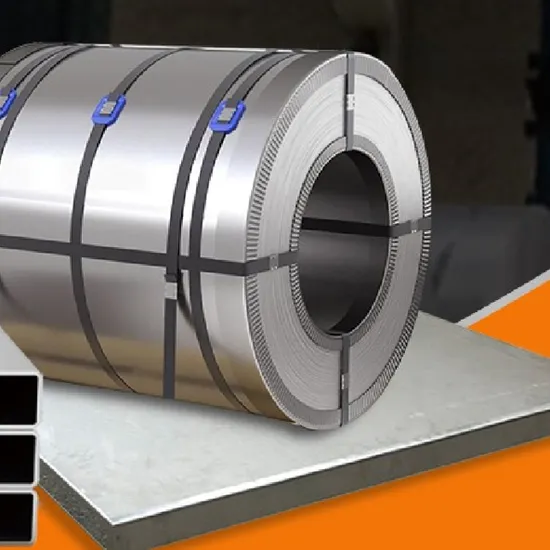
Export Packaging Standards for Silicon Steel Grades
At Luoyang Xinzhaohe Aluminum Co., Ltd, with over two decades of experience in the production and international distribution of high-performance silicon steel (electrical steel), we implement rigorous export packaging protocols to ensure material integrity throughout global logistics chains. Our packaging methodology is specifically engineered to protect the metallurgical and dimensional stability of silicon steel coils and sheets during extended sea freight transit, which remains the primary mode of transportation for bulk shipments.
All silicon steel products destined for export are secured on robust wooden pallets constructed from high-density, kiln-dried hardwood. These pallets are designed to meet international phytosanitary standards (ISPM-15), ensuring compliance with customs and biosecurity regulations across major markets including North America, Europe, and Southeast Asia. Each pallet is structurally reinforced to support the unit weight of fully wound coils or stacked sheets, minimizing the risk of deformation or collapse during container handling and ocean transport. Load distribution is optimized to prevent localized stress on the steel edges and surfaces, preserving the precision flatness critical for downstream processing.
Immediately following palletization, the entire load is wrapped in multi-layer moisture-proof composite film. This film combines high-tensile polyethylene with an integrated aluminum foil barrier, providing superior resistance to water vapor transmission. Given that silicon steel is highly susceptible to surface oxidation and edge rust when exposed to humidity—particularly in tropical maritime environments—this vapor barrier is essential. The wrapping process is performed in a climate-controlled environment to eliminate condensation risks prior to sealing. Seams are heat-welded and overlapped to form a hermetic enclosure, which is then inspected for continuity using standardized visual and pressure differential checks.
Additional protective measures include corner boards made from laminated corrugated fiberboard, which shield vulnerable coil edges from mechanical impact during loading and unloading. For extra-sensitive grades such as high-permeability grain-oriented (HGO) silicon steel, desiccant packs are placed within the sealed film envelope to actively absorb any residual moisture.
Our packaging system is validated through accelerated salt spray testing and real-world shipment monitoring, with data confirming zero corrosion incidents in over 98% of consignments over the past five years. This performance underscores our commitment to delivering silicon steel products in as-processed condition, regardless of voyage duration or ambient conditions.
By integrating structural stability, moisture mitigation, and regulatory compliance into a unified packaging solution, Luoyang Xinzhaohe ensures that every export shipment meets the exacting demands of the electrical steel supply chain. This disciplined approach not only safeguards product quality but also enhances supply chain reliability for our international partners.
Sourcing from Luoyang Xinzhaohe
Partner with Luoyang Xinzhaohe for Precision Silicon Steel Solutions
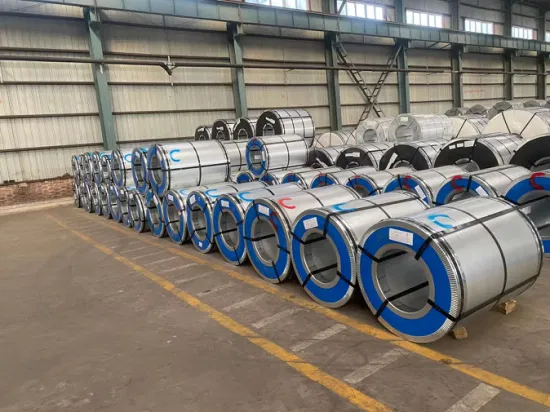
Luoyang Xinzhaohe Aluminum Co., Ltd leverages over two decades of specialized metallurgical engineering and supply chain mastery to deliver mission-critical silicon steel grades for global electrical infrastructure. While our corporate name reflects historical roots, our core operational focus and deep technical investment reside firmly in the production and supply of high-performance non-oriented (CRNO) and grain-oriented (CRGO) electrical steel. We address the stringent demands of transformer, motor, and generator manufacturers through vertically integrated processes engineered for magnetic property consistency and dimensional precision. Our factory infrastructure is purpose-built for electrical steel, featuring advanced cold rolling mills, continuous annealing lines with precise dew point control, and state-of-the-art insulating coating application systems essential for optimizing core loss and permeability.
Our production capabilities encompass the full spectrum of critical silicon steel grades, from standard M-series CRNO (e.g., M400-50A, M350-35A) to high-permeability CRGO grades (e.g., Hi-B, laser-scribed variants) compliant with IEC 60404-8, ASTM A664, and JIS C 2550 standards. Annual capacity exceeds 150,000 metric tons, supported by twin 1450mm cold rolling lines and dedicated annealing facilities ensuring tight control over Goss texture development in CRGO. In-process monitoring utilizes real-time X-ray fluorescence for silicon content verification and laser micrometry for gauge tolerance maintenance within ±0.003mm. This granular process control directly translates to guaranteed core loss (W10/400) and magnetic induction (B800) values meeting or exceeding customer specifications sheet requirements.
Quality assurance is embedded at every process node through our ISO 9001 and IATF 16949 certified management system. We implement rigorous statistical process control (SPC) protocols, including mandatory Epstein frame and single-sheet tester validation on every production coil. Comprehensive chemical analysis via OES and precise surface roughness measurement (Ra 0.3-1.2µm) ensure coating adhesion and lamination stack factor integrity. Our metallurgical laboratory conducts accelerated aging tests and interlaminar resistance verification to guarantee long-term performance stability under operational thermal cycling. This systematic approach minimizes batch rejection risks and ensures seamless integration into your core stamping and stacking operations.
Supply chain resilience is engineered through strategic raw material partnerships with major Chinese steel producers and optimized logistics planning. We maintain buffer stock of key grades at our 50,000m² bonded warehouse near Lianyungang Port, enabling reliable just-in-time delivery with documented lead times under 30 days for standard orders. Dedicated supply chain engineers collaborate with clients on demand forecasting and VMI solutions to mitigate market volatility impacts. Our technical team provides full material traceability from melt batch to finished coil, including digital access to test certificates and process parameter logs.
Initiate a technical consultation with our metallurgical engineering team to optimize your silicon steel sourcing strategy. Contact Cathy directly at cathy@transformerstrip.com to discuss grade selection, qualification support, or customized production scheduling for your next transformer or motor project. Luoyang Xinzhaohe commits to being your precision-engineered electrical steel partner.
📉 Factory Direct Savings Calculator
Calculate your potential savings by importing silicon steel grades directly from China.