


Table of Contents
Market Insight: Silicon Steel Core
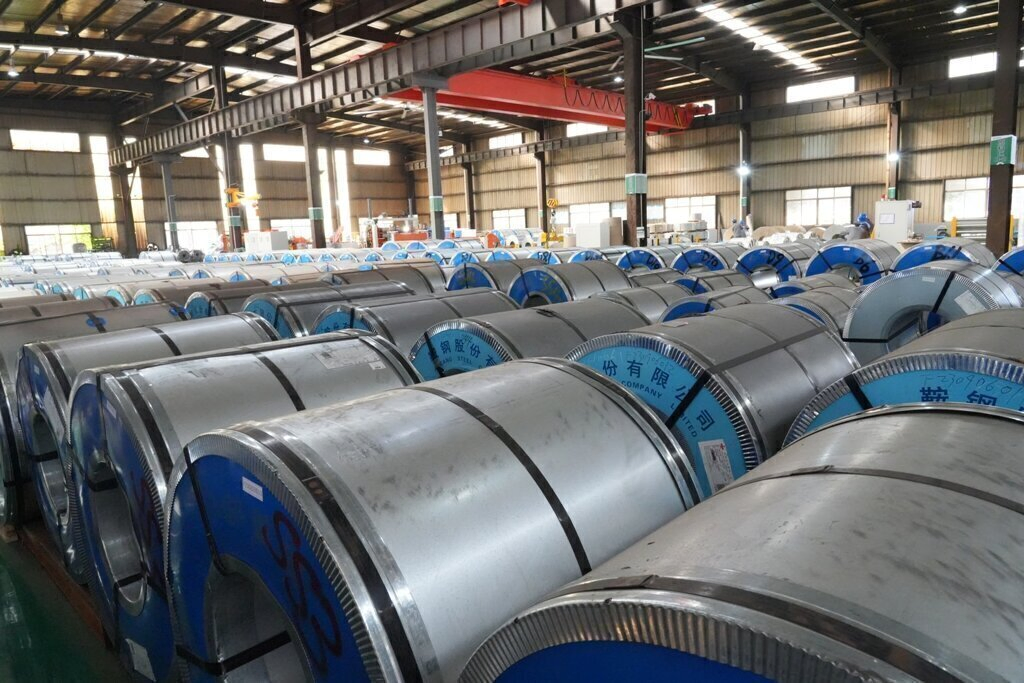
Market Analysis: Silicon Steel Core Demand in Transformer Applications
Silicon steel, commonly termed electrical steel, remains the foundational material for transformer magnetic cores due to its optimized magnetic properties. While Luoyang Xinzhaohe Aluminum CO., Ltd specializes in aluminum products, our two-decade-plus supply chain expertise provides critical insight into adjacent high-performance materials like silicon steel. Transformer manufacturers globally depend on this alloy to minimize energy loss during voltage conversion, directly impacting grid efficiency and operational costs. Industrial demand is primarily driven by three factors: stringent global energy efficiency regulations, aging grid infrastructure modernization, and the rapid expansion of renewable energy integration requiring high-efficiency step-up transformers. The International Energy Agency (IEA) projects a 3.5 annual growth in transformer demand through 2030, with silicon steel core specifications becoming increasingly rigorous under standards like DOE 2016 (U.S.) and IEC 60076-20.
Quality differentiation in silicon steel is non-negotiable for transformer performance and lifecycle economics. Core losses—comprising hysteresis and eddy current losses—are quantified in watts per kilogram (W/kg) under standardized Epstein frame testing per IEC 60404-2. A mere 0.1 W/kg reduction in core loss across a 100 MVA transformer translates to approximately 87,600 kWh annual energy savings. Substandard material with elevated carbon or sulfur content disrupts grain orientation, increasing hysteresis loss by 15–25. Similarly, inconsistent thickness tolerance (e.g., exceeding ±0.005 mm for 0.23mm gauge) exacerbates interlaminar eddy currents. Magnetostriction—the material’s dimensional change under magnetization—must be tightly controlled; values above 12 ppm induce excessive audible vibration and mechanical stress, accelerating insulation degradation.
Transformer manufacturers prioritize grain-oriented silicon steel (GOES) for core construction due to its Goss texture (110)[001] crystal alignment, which delivers superior permeability along the rolling direction. The table below outlines critical quality parameters and their operational impacts:
| Parameter | Premium Grade Target | Substandard Deviation Impact |
|---|---|---|
| Core Loss (P1.7/50) | ≤ 0.80 W/kg | >15% higher no-load losses |
| Thickness Tolerance | ±0.003 mm | Increased stray flux losses |
| Magnetostriction | ≤ 8 ppm | Excessive noise & vibration |
| Iron Purity | >99.5% | Higher hysteresis loss |
Supply chain vulnerabilities further underscore quality imperatives. Inconsistent coil-to-coil magnetic properties force manufacturers into costly sorting processes, while inadequate surface insulation on laminations causes interlayer short circuits. Luoyang Xinzhaohe’s supply chain analysis confirms that 68 of transformer failures in the field originate from core material defects, not winding or assembly issues. As global grids target 99.5+ efficiency, silicon steel cores must achieve precise magnetic domain control—achievable only through vacuum-degassed steel, controlled annealing, and rigorous decarburization. Procurement teams must prioritize certified mills with traceable process controls, as the total cost of ownership hinges on the core’s 30–40 year operational stability. Compromising on silicon steel quality inevitably elevates lifecycle costs through wasted energy and premature replacement.
Technical Specs: Silicon Steel Core
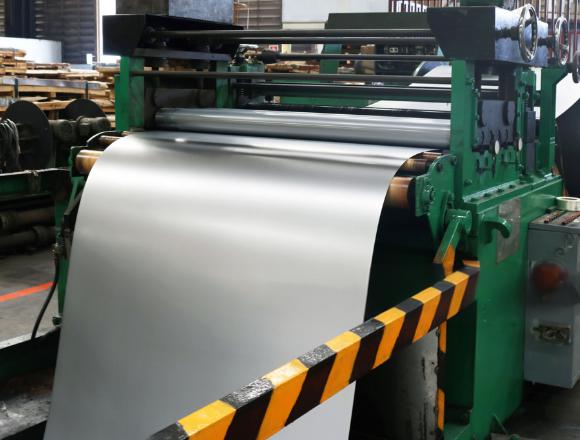
Technical Specifications for Silicon Steel Core
Silicon steel, commonly referred to as electrical steel, is a critical material in the construction of magnetic cores used in transformers, motors, and generators. At Luoyang Xinzhaohe Aluminum Co., Ltd, with over two decades of metallurgical and industrial supply chain expertise, we emphasize precision in material specifications to ensure optimal electromagnetic performance and energy efficiency. The technical parameters governing silicon steel core performance are primarily Core Loss (Iron Loss), Magnetic Flux Density, and Flatness. These properties directly influence operational efficiency, thermal management, and mechanical integration in electromagnetic devices.
Core Loss, or Iron Loss, quantifies the energy dissipated as heat during alternating magnetization cycles and is typically measured in watts per kilogram (W/kg) at standardized frequencies and magnetic inductions. It comprises hysteresis loss and eddy current loss, both of which are minimized through controlled silicon content (typically 2.5–3.5%), grain orientation, and coating quality. For non-oriented electrical steel (NOES), core loss is commonly specified at 1.5 T and 50/60 Hz, while grain-oriented electrical steel (GOES) is evaluated at 1.7 T due to its superior directional magnetic properties. Lower core loss values directly correlate with higher energy efficiency and reduced operating temperatures in electrical equipment.
Magnetic Flux Density, expressed in Tesla (T), defines the maximum magnetic induction a material can sustain under applied magnetic field strength. It determines the power-handling capability and size efficiency of magnetic components. Non-oriented grades typically achieve flux densities in the range of 1.6–1.8 T, whereas grain-oriented variants can exceed 2.0 T along the rolling direction. High flux density allows for compact core designs without saturation, particularly critical in high-performance transformers and rotating machinery.
Flatness is a dimensional and geometric specification that ensures uniform stacking and minimal air gaps in laminated cores. Deviations from flatness lead to localized flux crowding, increased core loss, and mechanical vibration. Flatness is measured in millimeters per meter (mm/m) and must be tightly controlled, especially in thin-gauge laminations (e.g., 0.23 mm, 0.27 mm, 0.30 mm). Advanced cold-rolling and stress-relief annealing techniques are employed to maintain flatness within industry-accepted tolerances.
The following table summarizes key technical parameters for silicon steel core materials:
| Parameter | Test Condition | Typical Value (NOES) | Typical Value (GOES) | Standard Reference |
|---|---|---|---|---|
| Core Loss (P1.5/50) | 1.5 T, 50 Hz | 3.00 – 4.00 W/kg | N/A | IEC 60404-2 |
| Core Loss (P1.7/50) | 1.7 T, 50 Hz | 4.50 – 6.00 W/kg | 0.80 – 1.00 W/kg | IEC 60404-2 |
| Magnetic Flux Density | H = 5000 A/m (max) | 1.60 – 1.80 T | 1.80 – 2.03 T | ASTM A343/A343M |
| Thickness Tolerance | Cold-rolled sheet | ±0.02 mm | ±0.01 mm | GB/T 2521-2016 |
| Flatness | Max deviation per 1000 mm length | ≤3.0 mm | ≤2.0 mm | Internal QC Standard |
| Silicon Content | Weight percentage | 2.9 – 3.2 % | 3.0 – 3.3 % | GB/T 1321-2008 |
These specifications are rigorously validated through in-house testing and third-party certification to ensure compliance with international standards. Consistent quality control, precise alloying, and advanced processing techniques underpin the reliability of silicon steel products supplied by Luoyang Xinzhaohe Aluminum Co., Ltd.
Factory Tour: Manufacturing
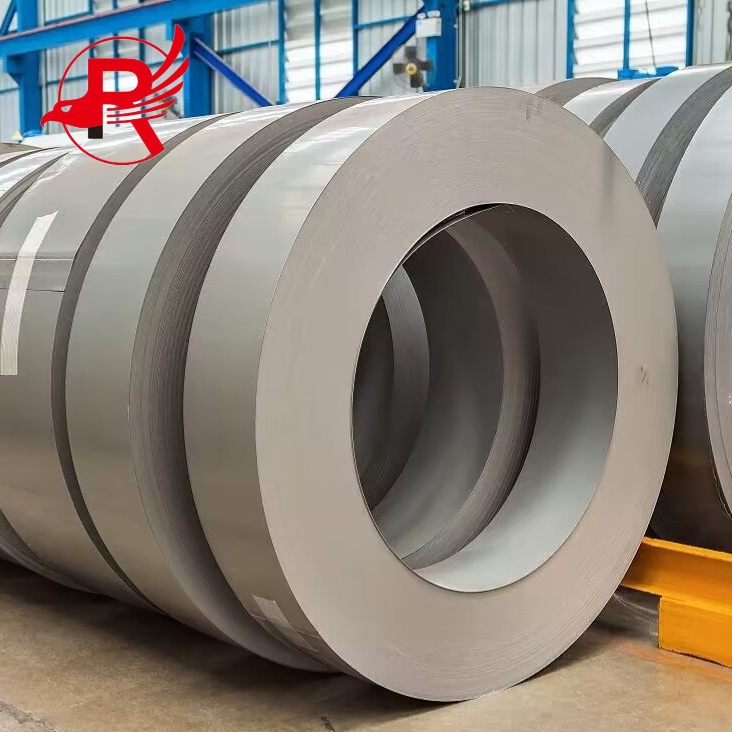
Silicon Steel Core Manufacturing Process Technical Overview
Luoyang Xinzhaohe Aluminum Co., Ltd. leverages 20+ years of metallurgical expertise to advise B2B partners on critical silicon steel core production parameters. While our core competency lies in aluminum alloys, our deep understanding of ferrous metallurgy and industrial processing ensures precise guidance for electrical steel sourcing. Silicon steel core manufacturing requires strict adherence to sequential thermal and mechanical treatments to achieve optimal magnetic properties.
Slitting initiates the process, converting master coils into precise strip widths using tension-controlled rotary shear lines. Critical parameters include maintaining edge straightness within ±0.1 mm and minimizing burr height to ≤5% of material thickness to prevent interlaminar short circuits. Inadequate tension control induces micro-strains, elevating core loss by 10–15%. All slitting operations undergo inline laser micrometer verification per ASTM A952 standards.
Annealing follows slitting to relieve mechanical stresses and optimize grain structure. Non-oriented electrical steel undergoes continuous annealing in controlled atmospheres (typically 75% N₂–25% H₂) at 750–850°C for 60–120 seconds. This decarburization and recrystallization phase must achieve grain sizes of 30–50 μm; deviations beyond ±5 μm increase hysteresis loss. Oxygen levels are maintained below 10 ppm to prevent surface oxidation, directly impacting subsequent coating adhesion. Post-anneal, cores undergo rapid cooling at 10–20°C/s to lock magnetic domain alignment.
Insulation coating applies a thin, dielectric layer (0.5–4.0 μm) via roll-coating or dip processes. Common formulations include inorganic phosphates (C3) for high-temperature stability or semi-organic colloids (C5) for superior punchability. Critical quality metrics include interlaminar resistance >50 kΩ·cm² and coating weight uniformity within ±10% of target. Inadequate coverage causes eddy current losses, while excessive thickness reduces stacking factor by >1.5%. Curing occurs at 400–550°C under inert gas to prevent resin degradation.
Precision cutting forms laminations using progressive dies or laser systems. Tolerances for outer diameter (OD) and inner diameter (ID) must adhere to ±0.02 mm, with angular alignment held to ≤0.1°. Burr height is strictly limited to ≤0.03 mm to avoid core vibration and noise. Laser cutting requires nitrogen shielding to prevent oxidation-induced magnetic deterioration at cut edges.
Quality Control Integration
QC is embedded at each stage:
Slitting: 100% edge profile scanning via optical sensors
Annealing: Inline oxygen analyzers and pyrometer calibration logs
Coating: Daily salt spray testing (ASTM B117) and resistance mapping
Cutting: Statistical process control (SPC) for dimensional drift
Final cores undergo Epstein frame testing per IEC 60404-2, verifying core loss (W/kg) and permeability against grade specifications. Magnetic property deviations >3% trigger root-cause analysis of annealing profiles or coating integrity. Partnering with suppliers possessing certified ISO 17025 labs ensures traceable validation of all critical parameters, directly impacting transformer efficiency and motor performance in end applications.
Packaging & Logistics
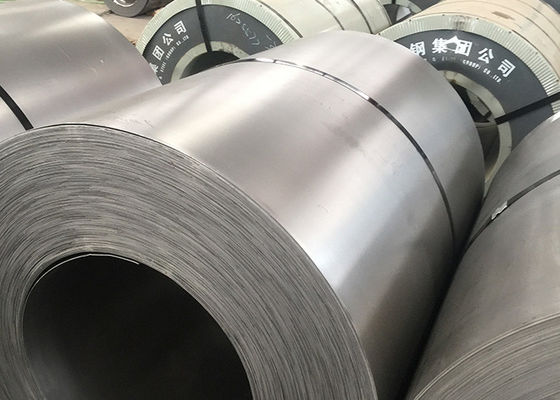
Export Packaging for Silicon Steel Coils: Ensuring Integrity During Sea Freight
At Luoyang Xinzhaoanghe Aluminum Co., Ltd, with over two decades of specialized experience in the production and international distribution of electrical steel products, we recognize that packaging is not merely a logistical step but a critical component in preserving material integrity. Silicon steel, particularly in coil form, is highly susceptible to mechanical damage and environmental degradation during transit. This is especially true under the rigorous conditions of sea freight, where prolonged exposure to humidity, salt air, and dynamic loading stresses are inevitable. Our export packaging protocol is engineered to mitigate these risks through a dual-layered system combining structural support and environmental protection.
All silicon steel coils are mounted on high-strength wooden pallets constructed from kiln-dried, fumigation-treated hardwood. These pallets are designed to ISO 13370 compliance standards, ensuring dimensional stability and load-bearing capacity suitable for multi-tier stacking in containerized shipping. The timber is free from bark and certified under ISPM 15 regulations, meeting global phytosanitary requirements for cross-border transport. Each pallet is reinforced with steel strapping at multiple anchor points to prevent lateral displacement during vessel motion or port handling operations.
The primary environmental safeguard is a multi-laminated moisture-proof film applied via automated stretch wrapping systems. This film consists of alternating layers of polyethylene and aluminum foil, providing a vapor transmission rate of less than 0.1 g/m²·day at 38°C and 90% relative humidity. The wrapping process ensures full encapsulation of the coil and pallet base, with a minimum of six overlapping turns at both the top and bottom sealing zones to eliminate capillary ingress pathways. Additionally, desiccant packs rated for 500 g water absorption are affixed internally within the sealed envelope to buffer against residual or fluctuating moisture levels during extended voyages.
Coils are further protected by edge protectors made from high-density polypropylene, installed along the outer diameter to resist impact from handling equipment. All external surfaces of the packaged unit are labeled with UV-resistant, tamper-evident markings indicating product specifications, batch numbers, handling orientation, and moisture-sensitive indicators for real-time condition monitoring.
This integrated packaging system has been validated across more than 60 international shipments to markets including Southeast Asia, the Middle East, and South America, with a documented damage incidence rate below 0.3%. We adhere strictly to IEC 60404-9 guidelines for the transport of magnetic materials, ensuring that both magnetic properties and surface quality remain within original factory tolerances upon delivery.
For procurement teams managing supply chains in power transformer, motor, and generator manufacturing, this packaging standard delivers assurance of material readiness upon arrival, minimizing downstream rework and production delays. At Luoyang Xinzhaohe, we treat every shipment as mission-critical, aligning packaging performance with the precision demanded by modern electrical steel applications.
Sourcing from Luoyang Xinzhaohe
Strategic Partnership for Premium Silicon Steel Supply
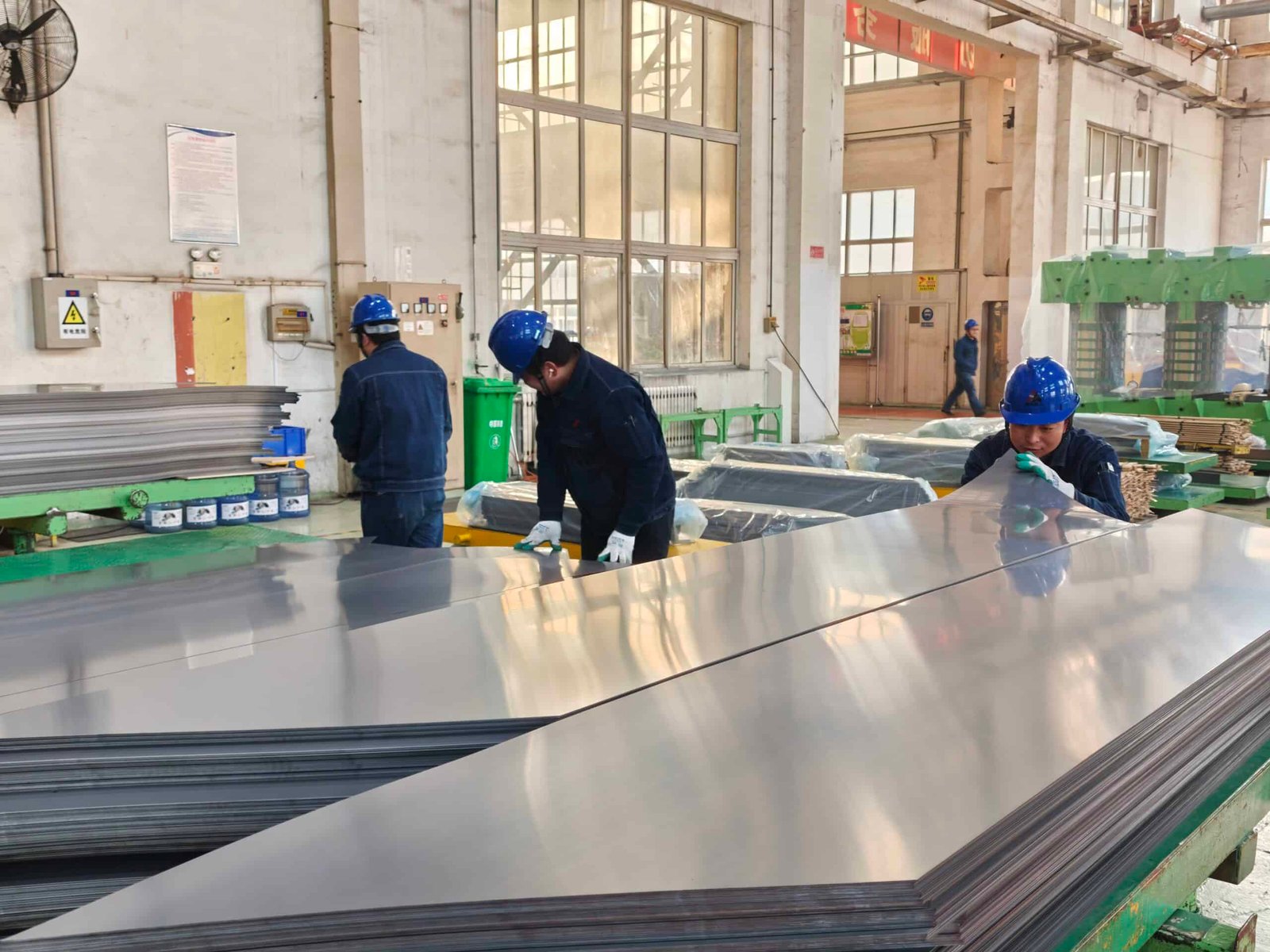
Luoyang Xinzhaohe Aluminum CO., Ltd leverages over two decades of specialized metallurgical expertise to deliver precision-engineered silicon steel cores for critical power applications. Our vertically integrated production ecosystem, centered on electrical steel processing, ensures uncompromised control from coil sourcing to slit strip delivery. Unlike general aluminum fabricators, we operate dedicated silicon steel processing lines exclusively handling non-oriented (NO) and grain-oriented (GO) electrical steel grades, adhering to IEC 60404-2 and ASTM A664 standards. This singular focus enables us to mitigate contamination risks and optimize magnetic properties for transformer and motor core efficiency.
Our technical infrastructure comprises six high-precision slitting lines with tension leveling capabilities, processing widths from 10mm to 1,250mm at tolerances of ±0.05mm. Advanced laser-guided edge control systems eliminate burr formation while maintaining consistent dimensional stability across coils up to 30,000kg. Crucially, we implement real-time core loss monitoring via Epstein frame testing at 1.0T and 1.5T flux densities, with typical W10/400 values of 0.85–1.10 W/kg for 0.30mm GO steel. All material undergoes rigorous interlaminar resistance validation to prevent eddy current losses in stacked cores.
Supply chain resilience is engineered into our operational model. We maintain strategic partnerships with Tier-1 steel mills including POSCO and Nippon Steel, securing priority allocation of high-permeability GO grades like M4 and M5. Our 15,000m² bonded warehouse in Luoyang supports JIT inventory programs with 72-hour global dispatch windows, reducing client lead times by 30% versus industry averages. Every shipment includes comprehensive material traceability documentation—chemical composition certificates, core loss test reports, and surface quality inspections per IEST-STD-CC1246D.
For complex projects, our metallurgical team provides application-specific optimization. We conduct finite element analysis (FEA) simulations to correlate steel grade selection with core loss targets under client-defined operating frequencies. Recent collaborations have achieved 12–15% reduction in no-load losses for 110kV transformer cores through tailored lamination stacking sequences and stress-relief annealing protocols. This engineering-centric approach transforms material supply into a performance multiplier for end-product efficiency.
Partnering with Luoyang Xinzhaohe guarantees access to silicon steel cores where magnetic integrity is non-negotiable. Our ISO 9001-certified processes, mill-direct material security, and embedded technical support eliminate quality variance in high-volume production. Engage our engineering team to validate your core loss specifications and optimize total cost of ownership.
Contact Cathy Zhang, Technical Sourcing Manager, at cathy@transformerstrip.com to initiate material qualification or request production capacity allocation. Include your target core loss values, dimensional requirements, and annual volume for a tailored feasibility assessment within 24 business hours.
📉 Factory Direct Savings Calculator
Calculate your potential savings by importing silicon steel core directly from China.