


Table of Contents
Market Insight: Silicon Manganese Uses
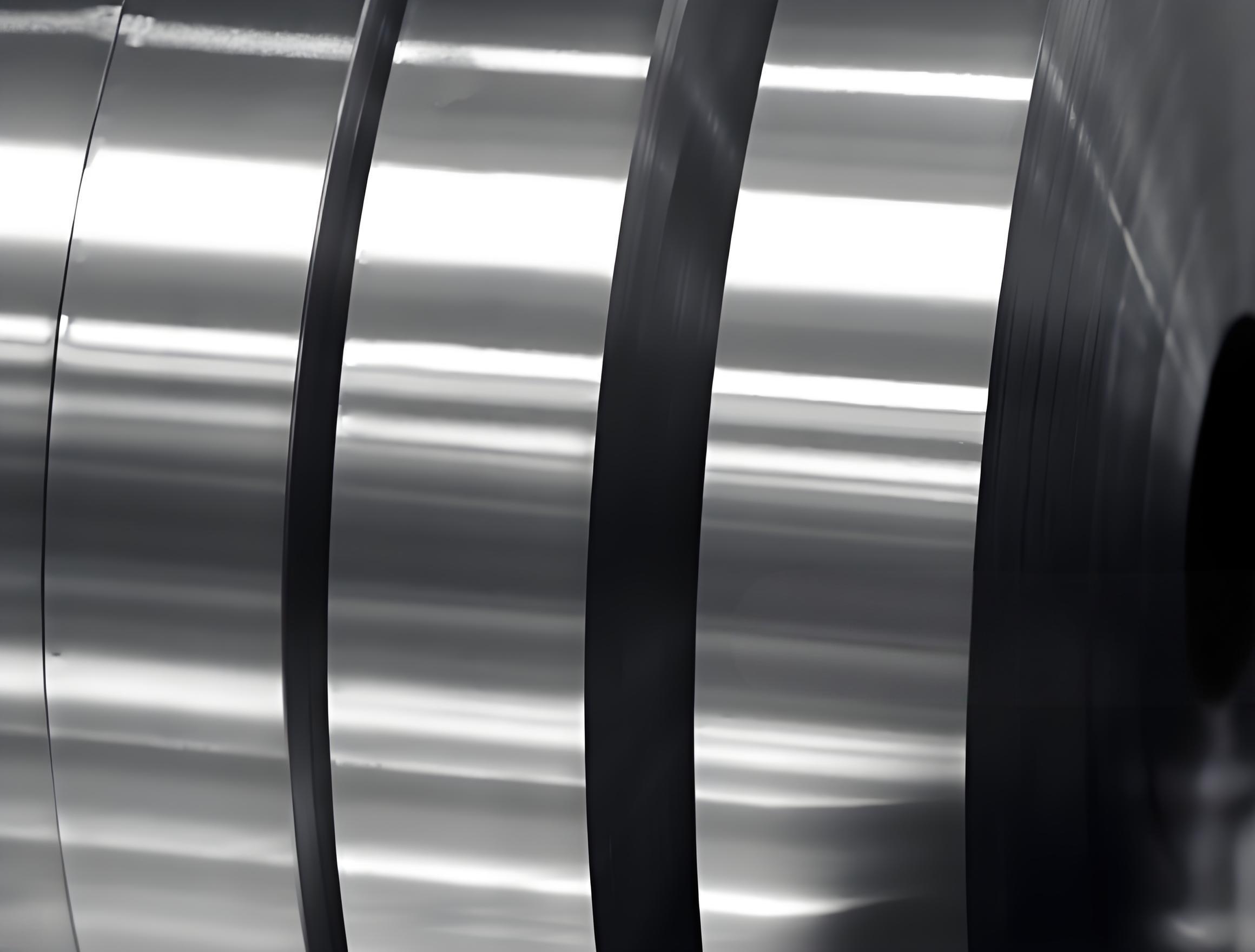
Market Analysis: Silicon Steel Demand Drivers and Silicon Manganese Criticality
Silicon steel, particularly grain-oriented electrical steel (GOES), forms the magnetic core of power and distribution transformers globally. Its performance directly dictates transformer efficiency, energy losses, and operational lifespan. Within the complex production metallurgy of high-grade GOES, silicon manganese plays a non-negotiable, dual-functional role, making its consistent quality paramount for end-product reliability. The primary industrial demand driver for silicon manganese in this sector stems from its critical function during the slab reheating stage preceding hot rolling. Manganese, introduced via ferromanganese or silicomanganese additions, combines with sulfur to form manganese sulfide (MnS) particles. These particles are fundamental inhibitors, essential for developing the highly desired Goss texture ({110}<001> orientation) during secondary recrystallization. Precise control over MnS particle size, distribution, and stability is non-negotiable; deviations directly impair magnetic domain alignment, increasing core loss (W17/50) and reducing permeability.
The technical imperative for high-purity silicon manganese is underscored by its direct impact on key transformer performance metrics. Impurities within the manganese source, particularly phosphorus, carbon, and residual elements like titanium or zirconium, disrupt the delicate inhibitor formation mechanism. Excessive phosphorus segregates to grain boundaries, hindering normal grain growth and promoting abnormal growth that degrades magnetic properties. Carbon can form iron carbides, acting as unwanted pinning sites that impede Goss grain development. Titanium or zirconium may form overly stable nitrides or carbides, consuming nitrogen or carbon needed for optimal MnS/NbS inhibitor systems. Consequently, inconsistent or impure silicon manganese feedstock introduces variability in core loss and magnetic induction (B800), forcing transformer manufacturers to derate designs or accept higher no-load losses, directly impacting energy efficiency compliance and lifecycle operating costs.
Quality consistency in silicon manganese supply is therefore a strategic necessity, not merely a procurement detail. The table below summarizes the critical quality parameters and their transformer impact:
| Parameter | Target Range (Typical GOES) | Impact of Deviation |
|---|---|---|
| Manganese (Mn) | 78-82% | Inconsistent inhibitor formation, texture loss |
| Silicon (Si) | 16-20% | Affects deoxidation, slag chemistry |
| Phosphorus (P) | < 0.03% | Grain boundary segregation, impaired growth |
| Carbon (C) | < 0.05% | Carbide formation, pinning sites |
| Sulfur (S) | Controlled Addition | Must match Mn for stoichiometric MnS |
| Residual Elements | Minimal (Ti, Zr, etc. < ppm) | Compete for N/C, form stable unwanted phases |
Luoyang Xinzhaohe Aluminum leverages over two decades of specialized production experience to deliver silicon manganese meeting the stringent compositional tolerances required by premium GOES producers. Our integrated quality control, from raw material selection through submerged arc furnace processing and precision crushing/sizing, ensures batch-to-batch homogeneity. This consistency enables steel mills to maintain tight process control during slab reheating and hot rolling, directly translating to lower and more predictable core losses in the final transformer core. In an era of escalating global energy efficiency standards (e.g., DOE 2016, EU Ecodesign), the metallurgical precision enabled by high-fidelity silicon manganese is fundamental to achieving Tier 1 efficiency levels and minimizing the total cost of ownership for power infrastructure. Compromising on this critical alloy’s quality inevitably manifests as reduced transformer efficiency and reliability in the field.
Technical Specs: Silicon Manganese Uses
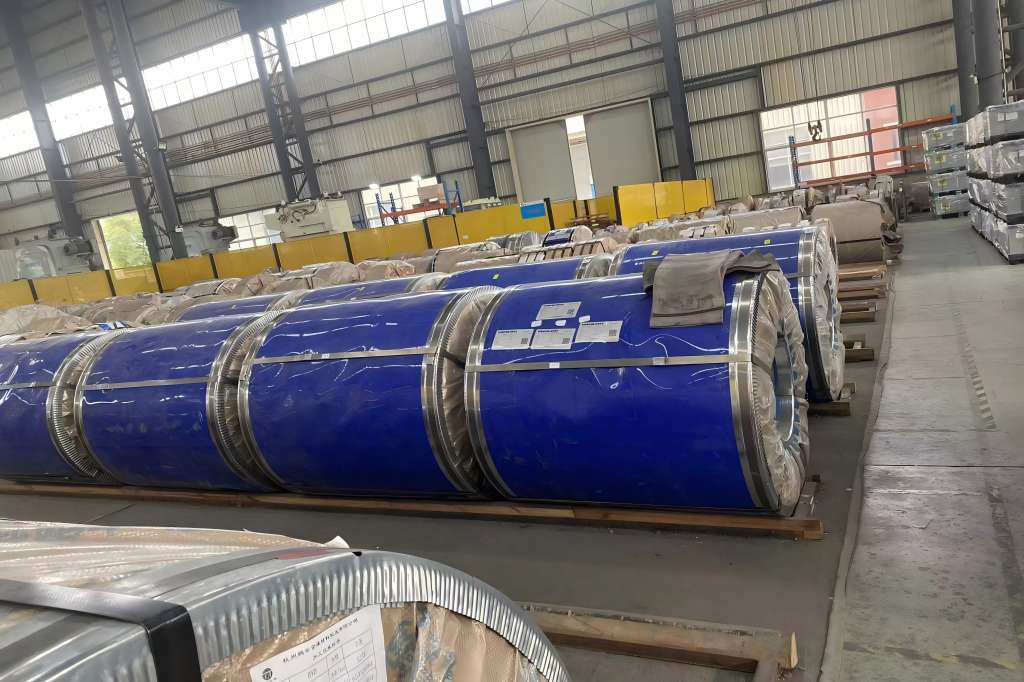
Silicon manganese plays a critical role in the production of high-performance silicon steel, particularly within the domain of grain-oriented electrical steel used in transformers and high-efficiency motors. At Luoyang Xinzhaohe Aluminum CO., Ltd, with over two decades of metallurgical and supply chain expertise, we emphasize the integration of optimized silicon manganese compositions to enhance key electromagnetic and mechanical properties. The addition of manganese, in conjunction with silicon, contributes to grain growth control, resistivity enhancement, and reduction of core loss by suppressing undesirable crystallographic orientations during secondary recrystallization. Furthermore, manganese improves the steel’s resistance to scaling during high-temperature annealing and facilitates the formation of a stable, insulating oxide layer.
Core loss, or iron loss, is one of the most critical performance indicators in silicon steel applications. It comprises hysteresis loss and eddy current loss, both of which are directly influenced by the presence of silicon and manganese. Elevated manganese content (typically in the range of 0.05–0.30 wt%) refines the grain structure and increases electrical resistivity, thereby reducing eddy current losses under alternating magnetic fields. For high-grade grain-oriented silicon steel, core loss (measured at 1.7 T and 50 Hz) should not exceed 0.85 W/kg, with premium grades achieving values as low as 0.65 W/kg. The synergistic effect of silicon (2.8–3.3 wt%) and controlled manganese ensures minimal domain wall pinning and reduced hysteresis loss.
Magnetic flux density, particularly at field strengths of 800 A/m (B800), is another fundamental parameter dictating the efficiency of magnetic circuits. High magnetic flux density enables smaller core sizes and improved energy transfer. In grain-oriented materials, B800 values typically exceed 1.90 T, with top-tier products reaching up to 1.95 T. The presence of manganese supports the development of a sharp Goss texture (110)[001], which is essential for achieving high permeability and flux density. Deviations in manganese content can disrupt texture evolution, leading to degraded magnetic performance.
Flatness is a crucial mechanical specification that affects stackability, core vibration, and noise levels in operational equipment. Poor flatness results in air gaps between laminations, increasing reluctance and localized eddy currents. Our manufacturing process ensures flatness deviation remains within ±2 mm over a 1000 mm length, meeting IEC 60404-11 standards. This is achieved through precise rolling tension control and stress-relief annealing, both of which are influenced by the steel’s manganese-mediated work hardening behavior.
The following table summarizes the key technical parameters influenced by silicon manganese content in high-performance silicon steel:
| Parameter | Standard Requirement | Test Condition | Influence of Silicon Manganese |
|---|---|---|---|
| Core Loss (P1.7/50) | ≤ 0.85 W/kg (typical) | 1.7 T, 50 Hz | Reduces eddy current and hysteresis loss via increased resistivity and grain refinement |
| Magnetic Flux Density (B800) | ≥ 1.90 T | 800 A/m | Promotes Goss texture development and domain alignment |
| Manganese Content | 0.05–0.30 wt% | Chemical analysis | Optimizes grain growth and oxidation behavior |
| Silicon Content | 2.8–3.3 wt% | Chemical analysis | Enhances resistivity, reduces magnetostriction |
| Flatness Deviation | ≤ ±2 mm / 1000 mm | Per IEC 60404-11 | Improves lamination stacking and reduces core losses |
| Thickness Tolerance | ±0.025 mm (for 0.27–0.30 mm) | Micrometer measurement | Ensures uniform magnetic performance across sheets |
These specifications reflect the stringent quality control protocols implemented at Luoyang Xinzhaohe Aluminum CO., Ltd, ensuring consistent product performance for demanding electrical applications.
Factory Tour: Manufacturing
Silicon Steel Manufacturing Process: Critical Stages and Quality Control
While silicon manganese serves as a deoxidizer and alloying agent in primary steelmaking, the core material for electrical steel production is high-purity low-carbon steel strip alloyed with 1.0% to 6.5% silicon. Luoyang Xinzhaohe Aluminum leverages two decades of metallurgical expertise to detail the precision finishing sequence essential for high-performance silicon steel, distinct from primary alloy production. This sequence transforms cold-rolled coil into the final core laminations used in transformers and motors, demanding rigorous process control at each stage.
The process initiates with precision slitting. Master coils are unwound and transversely cut into narrower strips matching the required lamination width, typically ranging from 50mm to 1000mm. Critical dimensional tolerances are enforced; width deviation must remain within ±0.1mm, and edge burr height is strictly controlled below 5µm to prevent interlaminar short circuits. Online laser micrometers continuously monitor width and edge quality, with automatic rejection systems isolating non-conforming sections before downstream processing.
Subsequent decarburization and primary recrystallization annealing occur in continuous or batch furnaces under precisely controlled protective atmospheres (e.g., dissociated ammonia or high-purity nitrogen-hydrogen mixtures). This critical thermal treatment, typically between 750°C and 850°C, achieves two objectives: removal of residual carbon to levels below 30 ppm to minimize aging and hysteresis losses, and development of the desired Goss texture (110)[001] grain orientation in grain-oriented electrical steel (GOES). Temperature uniformity across the strip width must be maintained within ±5°C, and dew point is monitored continuously to prevent surface oxidation. Magnetic property validation via Epstein frame testing per IEC 60404-2 standards is mandatory post-annealing, verifying core loss (W/kg) and magnetic induction (T) against grade specifications.
Insulation coating application follows annealing. A thin, uniform inorganic or semi-organic coating (5-20µm dry film thickness) is applied via roll coating or spraying. This coating electrically insulates individual laminations, reducing eddy current losses, and provides tension resistance to minimize magnetostriction noise. Coating weight is meticulously measured using beta-backscatter gauges, with deviations exceeding ±10% triggering process adjustment. Adhesion is verified through cross-hatch testing per ISO 2409, and electrical resistance is measured to ensure values exceed 5 Ω·cm² per lamination pair.
The final stage is precision blanking or stamping. Laminations are cut to exact core geometries using high-speed progressive dies or laser cutting systems. Dimensional accuracy is paramount; critical features such as tooth widths and yoke dimensions must adhere to tolerances of ±0.05mm. Burr formation on cut edges is minimized through optimized die clearance and sharpness, with maximum allowable burr height strictly capped at 8µm. 100% automated optical inspection systems verify geometry, burr levels, and coating integrity on every lamination. Final QC includes stacking factor measurement (typically 96-98%) and confirmation of core loss within specification limits using representative stacks.
Throughout this sequence, Luoyang Xinzhaohe Aluminum implements integrated Statistical Process Control (SPC) protocols. Real-time data from inline sensors for thickness, width, coating weight, and temperature are trended against control limits. Material traceability from coil ID through all process steps ensures rapid root-cause analysis for any deviations. This systematic approach to process control and multi-stage QC guarantees the magnetic performance, dimensional stability, and long-term reliability demanded by the electrical equipment industry.
Packaging & Logistics
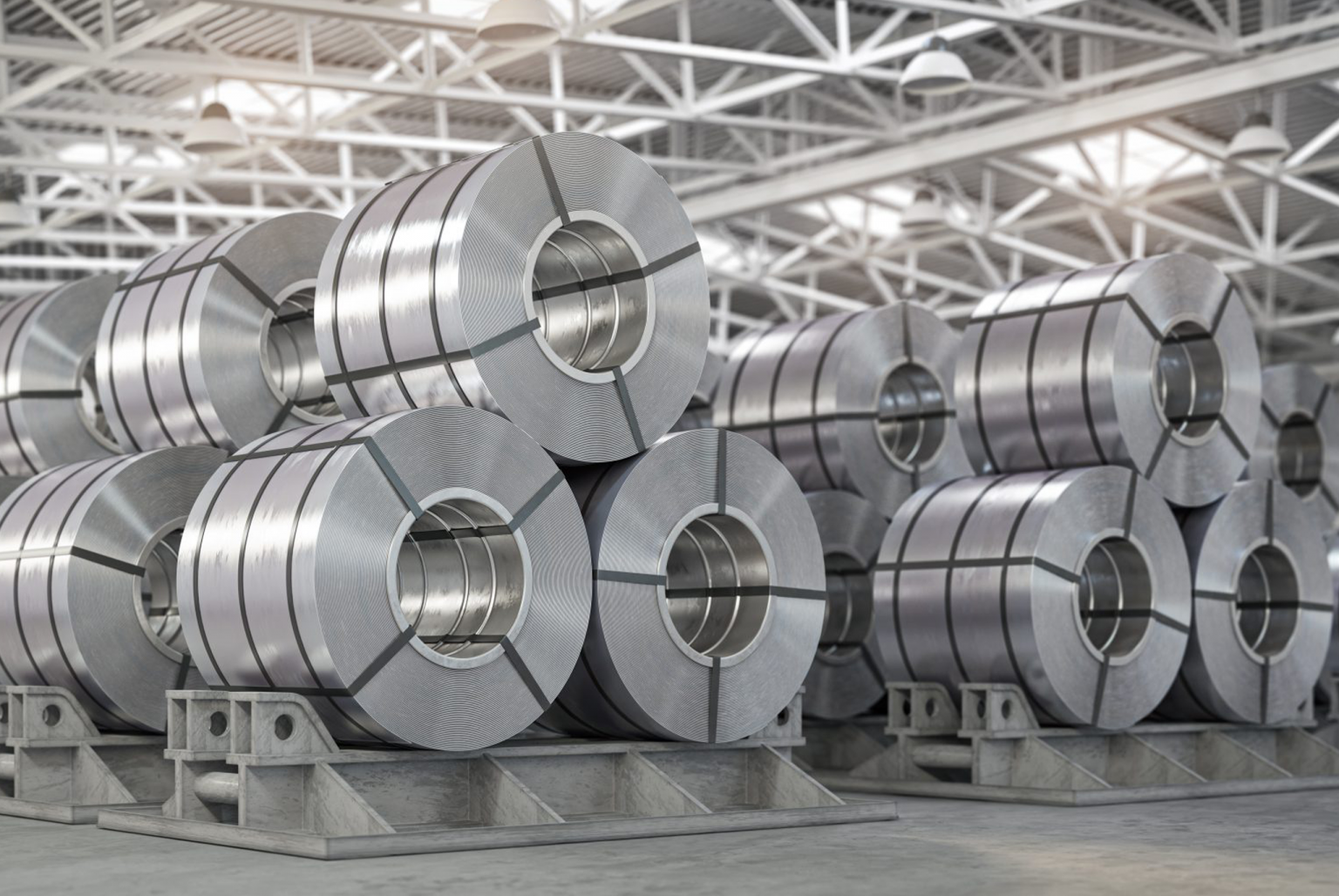
Export Packaging for Silicon Manganese in Electrical Steel Applications
At Luoyang Xinzhaohe Aluminum CO., Ltd, with over two decades of experience in supplying high-performance materials for the silicon steel (electrical steel) industry, we recognize that proper export packaging is critical to maintaining material integrity during international transit. Silicon manganese, a key alloying element in grain-oriented and non-oriented electrical steels, must be delivered in optimal condition to ensure consistent metallurgical performance in downstream processing. Our export packaging protocols are engineered specifically to safeguard material quality during long-haul sea freight, the most common mode of global shipment for bulk industrial commodities.
All silicon manganese shipments are secured on robust wooden pallets constructed from kiln-dried, ISPM-15 certified hardwood. These pallets are designed to meet international phytosanitary standards and provide structural stability under dynamic loading conditions encountered during containerized ocean transport. The use of high-tensile wooden bases ensures compatibility with mechanical handling equipment at ports and customer facilities, minimizing the risk of physical damage during loading, unloading, and storage.
Each palletized load is wrapped in multi-layer moisture-proof composite film, featuring aluminum foil lamination to provide an effective barrier against humidity, salt spray, and condensation—common challenges in maritime environments. The film is heat-sealed at all seams to form a hermetic enclosure, significantly reducing the potential for oxidation and moisture absorption, which could compromise the alloy’s chemical consistency. This protective wrapping is particularly crucial for silicon manganese, as moisture exposure can lead to surface oxidation and the formation of undesirable silicates, affecting its performance during steelmaking operations such as ladle metallurgy and deoxidation.
Our packaging design also incorporates corner protectors and edge reinforcements to prevent film rupture during stacking and transit. Loads are unitized to ensure they remain intact throughout multi-modal journeys, including transshipment via intermediate hubs. Each package is clearly labeled with batch identifiers, alloy specifications, handling instructions, and hazard communication in compliance with IMDG Code and international freight regulations.
We conduct routine internal audits of our packaging line to verify film integrity, seal strength, and pallet stability. This quality control process is integrated into our ISO 9001-certified management system, ensuring consistency across all export consignments. Additionally, we collaborate with certified logistics partners experienced in handling sensitive ferroalloys, further ensuring that environmental controls are maintained from warehouse to destination port.
For global customers in the electrical steel manufacturing sector, the reliability of raw material inputs directly influences production efficiency and product quality. Our rigorous export packaging standards reflect our commitment to delivering silicon manganese that meets exacting technical specifications, regardless of geographic distance or logistical complexity. By combining structural durability with advanced moisture protection, Luoyang Xinzhaohe Aluminum ensures that every shipment arrives in the same condition it left our facility.
Sourcing from Luoyang Xinzhaohe
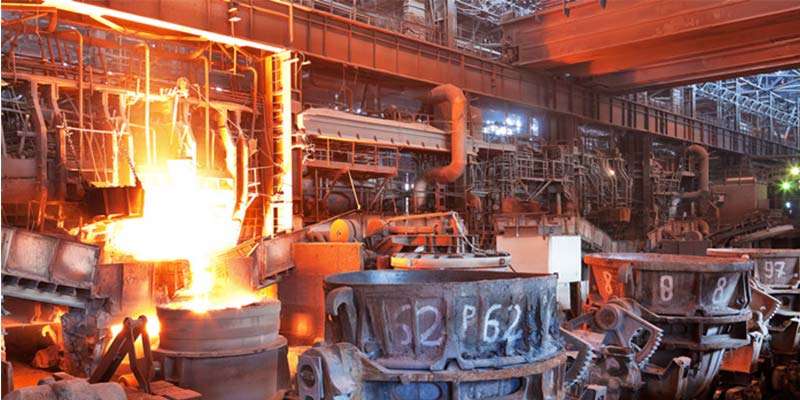
Partner with Luoyang Xinzhaohe: Precision Silicon Steel Manufacturing Expertise
Luoyang Xinzhaohe Aluminum Co., Ltd. clarifies a critical technical distinction upfront: silicon manganese (SiMn) is not a standard alloying constituent in electrical steel (silicon steel) production. SiMn primarily serves as a deoxidizer and manganese source in carbon and low-alloy steelmaking, whereas electrical steel relies on precisely controlled silicon content (typically 1.5–6.5%) to optimize magnetic properties. Our two decades of specialization focus exclusively on high-purity silicon steel for transformer and motor cores, where silicon content—not manganese—dictates core loss reduction and permeability. Partnering with us ensures access to metallurgical rigor aligned with IEC 60404 and ASTM A976 standards, eliminating material misapplication risks in your critical applications.
Our integrated manufacturing ecosystem delivers uncompromising quality and supply chain resilience. We operate advanced 20-roll cold rolling mills and continuous annealing lines capable of producing grain-oriented electrical steel (GOES) with magnetic induction (B₈₀₀) ≥1.90 T and core loss (P₁.₇/₅₀) ≤0.85 W/kg, alongside non-oriented grades (NOES) meeting stringent Epstein frame test requirements. In-house strip processing includes laser scribing for domain refinement and insulating coating application, ensuring minimal interlaminar eddy currents. Every coil undergoes rigorous offline testing via permeameters and Epstein frames, with full traceability from molten steel to final shipment. Our facility maintains ISO 9001 and IATF 16949 certification, with statistical process control (SPC) monitoring critical parameters like thickness tolerance (±0.003 mm) and surface roughness (Ra 0.3–0.8 μm).
Supply chain efficiency is engineered into our operational DNA. With 50,000+ metric tons annual capacity and strategic partnerships with primary aluminum and silicon suppliers, we guarantee consistent raw material purity (Si ≥99.5%, Al ≤0.01%). Our logistics hub in Luoyang enables rail-sea multimodal shipping to global ports, reducing lead times by 15–20% versus industry averages. Dedicated lot-tracking software provides real-time shipment visibility, while our technical service team collaborates on custom width slitting (400–1250 mm) and tension-leveling to meet your lamination stack specifications. For high-volume transformer core orders, we implement vendor-managed inventory (VMI) programs to mitigate supply volatility.
Leverage our metallurgical precision to enhance your product efficiency and reliability. Contact Cathy Zhang, Technical Sourcing Manager, to discuss silicon steel grade selection, prototyping support, or supply chain integration. Provide your target core loss and magnetic induction requirements for a tailored material solution proposal.
cathy@transformerstrip.com
Luoyang Xinzhaohe Aluminum Co., Ltd. | ISO 9001:2015 Certified | 20+ Years in Electrical Steel Production
📉 Factory Direct Savings Calculator
Calculate your potential savings by importing silicon manganese uses directly from China.