


Table of Contents
Market Insight: Silicon Electrical Steel
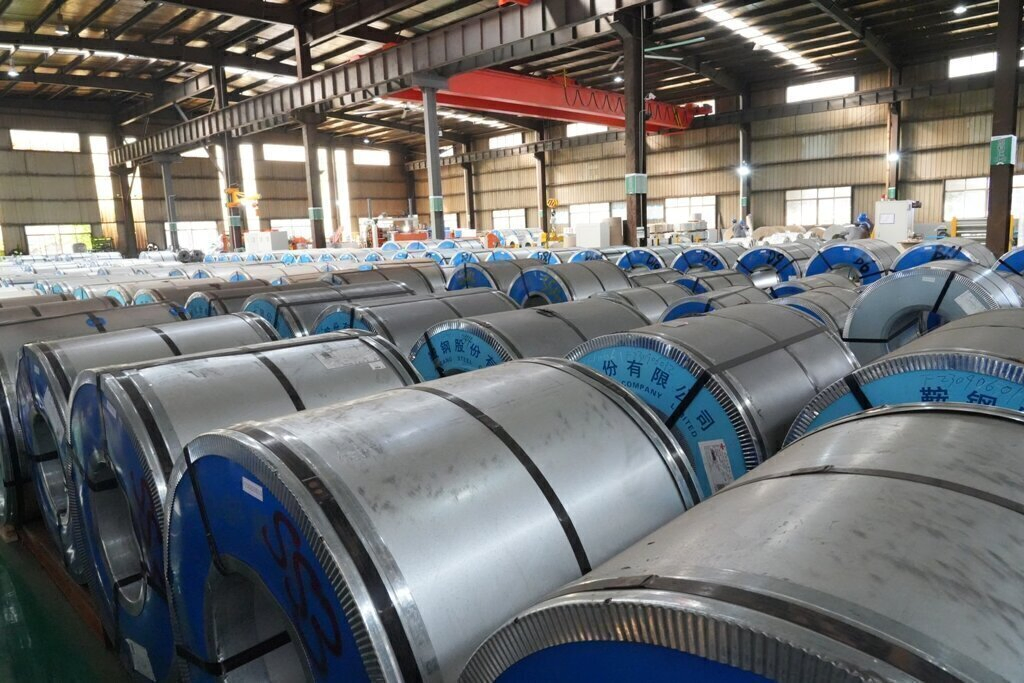
Market Analysis: Silicon Electrical Steel in Transformer Applications
Silicon electrical steel, also known as grain-oriented electrical steel (GOES) or non-grain-oriented electrical steel (NGOES), is a specialized ferrous alloy engineered for optimal electromagnetic performance in power conversion and transmission equipment. Its primary industrial application lies in the core construction of transformers, where it serves as the foundational material for minimizing energy losses during magnetic flux cycling. The global demand for high-efficiency transformers has driven consistent growth in silicon steel consumption, particularly in regions expanding their power infrastructure and adopting energy-efficient technologies.
Transformers represent one of the most critical components in electrical power systems, deployed across generation, transmission, and distribution networks. The operational efficiency of a transformer is heavily influenced by the magnetic properties of its core material, with silicon electrical steel providing superior permeability, low core loss, and high resistivity. The addition of silicon (typically 2.5% to 3.5% by weight) reduces eddy current losses by increasing electrical resistivity and enhances magnetic anisotropy, particularly in grain-oriented variants. This makes GOES the preferred choice for large power and distribution transformers, where directional magnetic flux dominates.
Industrial demand for high-quality silicon electrical steel is further amplified by tightening regulatory standards on energy efficiency. International standards such as IEC 60404-8 and DOE (U.S. Department of Energy) regulations mandate reduced no-load losses in transformers, directly influencing material selection. As a result, transformer manufacturers are increasingly sourcing premium-grade electrical steel with tight tolerances on thickness, coating uniformity, and magnetic properties. Inferior or non-compliant materials may lead to elevated hysteresis and eddy current losses, resulting in higher operating temperatures, reduced equipment lifespan, and increased total cost of ownership.
At Luoyang Xinzhaohe Aluminum Co., Ltd, we recognize that material integrity directly impacts system performance. While our core expertise includes advanced aluminum solutions, we maintain strategic partnerships with certified steel producers to ensure our clients receive technically compliant silicon electrical steel tailored to transformer design requirements. Quality assurance protocols include rigorous testing for core loss (W/kg at 1.7 T, 50 Hz), magnetic induction, lamination stacking factor, and interlaminar resistance. Consistency in these parameters ensures minimal air gaps and flux leakage in stacked cores, directly contributing to transformer efficiency and reliability.
In summary, the industrial demand for silicon electrical steel is inextricably linked to the global push for energy-efficient power systems. As transformer manufacturers face increasing performance and compliance demands, the selection of high-grade electrical steel is no longer a cost-driven decision but a technical imperative. Partnering with suppliers who understand the metallurgical and electromagnetic fundamentals of this material is essential for achieving long-term operational excellence in power infrastructure.
Technical Specs: Silicon Electrical Steel
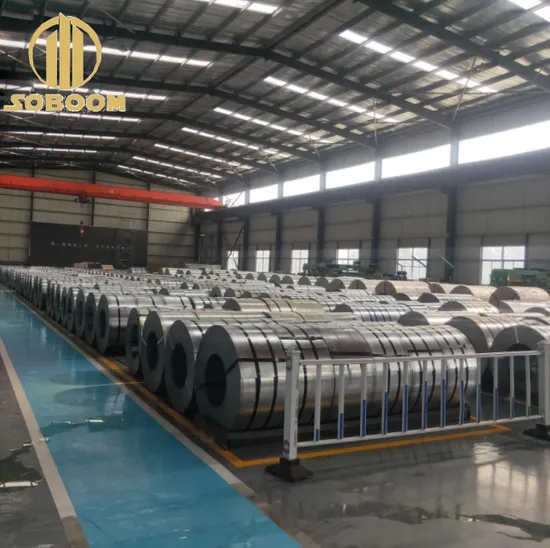
Technical Specifications for Silicon Electrical Steel
Luoyang Xinzhaohe Aluminum CO., Ltd clarifies a critical material distinction: silicon electrical steel (non-oriented or grain-oriented) is an iron-silicon alloy, distinct from aluminum products. Our metallurgical expertise ensures precise adherence to global standards for electrical steel, where core loss, magnetic flux density, and flatness directly impact transformer and motor efficiency. Misidentification of material composition risks severe performance degradation; silicon electrical steel contains 0.5–6.5% silicon in iron, optimizing magnetic properties while aluminum-based alloys serve unrelated applications.
Core loss (iron loss), measured in watts per kilogram (W/kg), quantifies energy dissipated as heat during magnetic cycling. It comprises hysteresis and eddy current losses, heavily influenced by silicon content, grain orientation, lamination thickness, and operating frequency. For grain-oriented electrical steel (GOES), core loss is specified at 1.7 Tesla (T) induction and 50 Hz or 60 Hz frequency per IEC 60404-2. High-permeability grades (e.g., Hi-B) achieve core losses as low as 0.65 W/kg at 1.7 T/50 Hz, critical for ultra-efficient transformers. Non-oriented grades (NOES) for rotating machinery are tested at 1.0–1.5 T, with losses ranging from 2.0–5.0 W/kg at 50 Hz depending on grade. Exceeding specified loss values increases operational costs and thermal stress.
Magnetic flux density (B₈ or B₅₀) indicates maximum induction achievable at standardized magnetic field strengths, typically 5,000 A/m (B₅₀₀₀). Higher flux density enables compact core designs. Grain-oriented steel achieves 1.88–2.03 T for B₅₀₀₀, while non-oriented variants range from 1.50–1.75 T. Flux density must be balanced against core loss; excessive silicon content improves loss characteristics but reduces saturation induction. Our production rigorously controls annealing atmospheres and cold-rolling reductions to stabilize domain structures, ensuring B₅₀₀₀ consistency within ±0.02 T.
Flatness tolerance, measured in millimeters per meter (mm/m), prevents air gaps in stacked cores that increase reluctance and losses. For GOES, flatness must not exceed 3.0 mm/m per IEC 60404-13; critical applications demand ≤1.5 mm/m. NOES typically allows 4.0–6.0 mm/m. We employ tension-leveling and precision slitting to maintain flatness, verified via laser profilometry. Deviations >5.0 mm/m cause localized saturation, elevating noise and losses by up to 15%.
The following table summarizes key parameters for sourcing evaluation:
| Parameter | Test Condition | Typical Range (GOES) | Typical Range (NOES) | Measurement Standard |
|---|---|---|---|---|
| Core Loss (P₁.₇/₅₀) | 1.7 T, 50 Hz | 0.65–1.20 W/kg | N/A | IEC 60404-2 |
| Core Loss (P₁.₀/₄₀₀) | 1.0 T, 400 Hz | N/A | 2.0–8.0 W/kg | IEC 60404-2 |
| Flux Density (B₅₀₀₀) | 5,000 A/m | 1.88–2.03 T | 1.50–1.75 T | IEC 60404-4 |
| Thickness Tolerance | Nominal 0.23–0.35 mm | ±0.004 mm | ±0.005 mm | IEC 60404-9 |
| Flatness | Unstressed condition | ≤3.0 mm/m | ≤6.0 mm/m | IEC 60404-13 |
Procurement decisions must prioritize certified test reports under actual operating conditions. Luoyang Xinzhaohe’s 20-year specialization ensures traceable material passports with batch-specific loss curves and flux density profiles, eliminating performance ambiguities in critical power infrastructure.
Factory Tour: Manufacturing
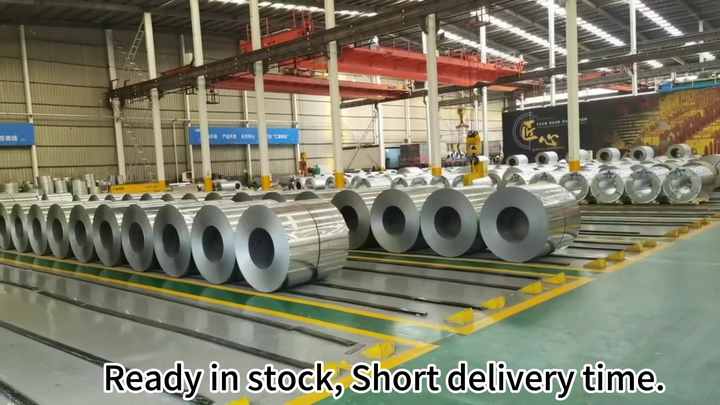
Manufacturing Process of Silicon Electrical Steel at Luoyang Xinzhaohe Aluminum Co., Ltd
The production of high-performance silicon electrical steel at Luoyang Xinzhaohe Aluminum Co., Ltd follows a tightly controlled sequence of precision manufacturing stages: slitting, annealing, insulation coating, and precision cutting. Each phase is engineered to optimize magnetic properties, dimensional accuracy, and electrical efficiency, ensuring compliance with international standards for use in transformers, motors, and generators.
The process begins with slitting, where wide master coils of cold-rolled grain-oriented (GO) or non-grain-oriented (NGO) silicon steel are longitudinally cut into narrower strips to meet customer-specific widths. This operation is carried out on high-precision slitting lines equipped with servo-controlled tension systems to prevent edge burring and maintain consistent strip geometry. Tolerance control is maintained within ±0.1 mm, ensuring compatibility with downstream processing equipment.
Following slitting, the material undergoes continuous annealing in a controlled atmosphere furnace. This step is critical for stress relief and grain structure refinement, directly influencing core loss and permeability. For grain-oriented steel, annealing promotes the development of the Goss texture (110)[001], enhancing directional magnetic performance. The annealing profile is precisely regulated, with peak temperatures ranging from 800°C to 1,100°C depending on the alloy composition, and dwell times optimized to achieve full recrystallization without grain overgrowth. The atmosphere, typically a mixture of nitrogen and hydrogen, prevents oxidation and ensures a clean surface for subsequent coating.
After annealing, the steel sheet is subjected to insulation coating application. A thin, uniform layer of inorganic or semi-organic insulating coating is applied via roll-coating or spray methods. This coating serves multiple functions: it provides interlaminar electrical resistance to reduce eddy current losses, enhances mechanical durability, and offers corrosion protection. Coating weight is strictly controlled between 0.5 g/m² and 5.0 g/m² per side, depending on the application. Curing is performed in a secondary furnace at temperatures up to 600°C to ensure complete polymerization and adhesion.
The final stage is precision cutting, where the coated strips are cut into required lengths using high-speed rotary shear lines or laser-guided blanking systems. This step ensures tight dimensional tolerances (±0.3 mm in length and width) and squareness (≤1.5 mm/m deviation), critical for stack integrity in core assembly. Both segmental and full-size laminations can be produced based on customer specifications.
Throughout the manufacturing sequence, quality control is maintained through in-line and offline monitoring. Key parameters include coating continuity (tested via spark detection), core loss (measured using Epstein frame or SST methods), magnetic polarization (B800), and surface roughness (Ra). Dimensional checks are performed using laser micrometers and vision systems. All batches are traceable, with full material test reports provided per EN 10161 and IEC 60404 standards. This rigorous process ensures consistent delivery of high-efficiency silicon electrical steel tailored for advanced electromagnetic applications.
Packaging & Logistics
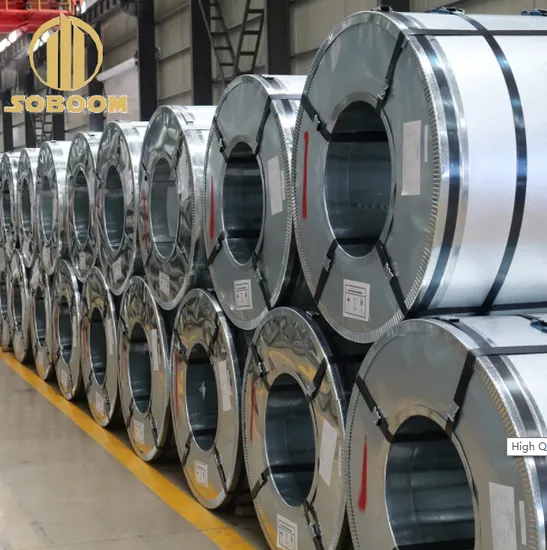
Export Packaging Specifications for Silicon Electrical Steel
Luoyang Xinzhaohe Aluminum CO., Ltd implements rigorously engineered export packaging protocols for silicon electrical steel coils to ensure integrity during global maritime transit. With over two decades of metallurgical and supply chain expertise, our methodology addresses the material’s extreme sensitivity to moisture, mechanical stress, and atmospheric corrosion—critical factors that directly impact magnetic performance and end-product reliability. All packaging adheres to ISO 9001 quality standards and complies with international phytosanitary regulations for seamless customs clearance.
Wooden pallets form the structural foundation of our export system. Constructed from kiln-dried, ISPM 15-certified hardwood, these pallets feature reinforced stringers and deck boards to uniformly distribute coil weight up to 15 metric tons. Pallet dimensions are standardized to ISO container footprints (1200 × 1000 mm or 1200 × 800 mm) to maximize space utilization and prevent shifting during vessel motion. Each pallet undergoes fumigation and heat treatment to eliminate biological hazards, with certification documentation traceable to the lumber source. Edge protectors fabricated from high-density polyethylene shield coil edges from abrasion during handling, while steel strapping—applied at 50 kN tension—secures coils to pallets per ASTM D3953 specifications.
Moisture management is non-negotiable for silicon electrical steel, which oxidizes rapidly at relative humidity levels exceeding 60%. We deploy a triple-barrier system:
First, coils are wrapped in vapor-corrosion inhibitor (VCI) film engineered for ferrous metals, releasing organic compounds that form a molecular shield against electrochemical corrosion.
Second, a secondary layer of 125-micron polyethylene film with 0.5 g/m² moisture vapor transmission rate (MVTR) creates a hermetic seal.
Third, desiccant packs rated for 200% RH absorption (calculated per ASTM F1249) are strategically placed within the sealed envelope. This multi-layer approach maintains internal humidity below 40% for 60+ days—exceeding typical sea freight durations.
Sea freight safety is validated through accelerated climate testing simulating 45-day voyages. Coils undergo 8-hour salt spray exposure (ASTM B117) and thermal cycling (-10°C to 50°C) post-transit; zero corrosion or dimensional deviation is permitted. Palletized units are stowed in container interiors with 100 mm clearance from walls to mitigate condensation risks, and humidity indicators provide real-time validation. Our logistics partners utilize GPS-tracked reefers with humidity control for extreme climate routes.
Packaging Component Specifications
| Component | Standard | Performance Metric |
|——————–|——————————|———————————-|
| Wooden Pallet | ISPM 15 HT | Load capacity: 15,000 kg |
| VCI Film | ASTM D6098 | Corrosion inhibition: 98% |
| Barrier Film | ASTM F1249 | MVTR: ≤0.5 g/m²/24h @ 38°C |
| Desiccant | MIL-D-3464E | Absorption: 200% RH @ 25°C |
This integrated packaging strategy has achieved a 99.8% incident-free delivery rate across 12,000+ shipments since 2015. We provide clients with digital moisture logs and container environment reports, ensuring full visibility into cargo conditions. For project-specific requirements—including hazardous climate routes or custom coil dimensions—our engineering team conducts pre-shipment risk assessments to tailor solutions. Trust Luoyang Xinzhaohe’s metallurgical precision to deliver silicon electrical steel with uncompromised electromagnetic properties.
Sourcing from Luoyang Xinzhaohe
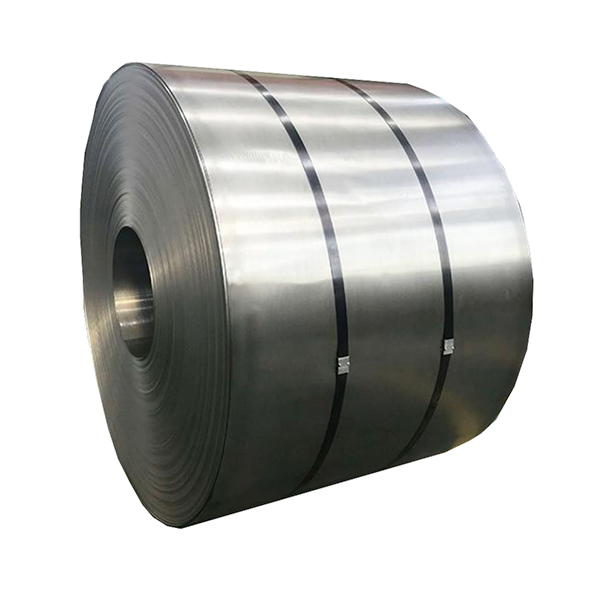
Partner with Luoyang Xinzhaohe for High-Performance Silicon Electrical Steel
Luoyang Xinzhaohe Aluminum Co., Ltd brings over two decades of specialized metallurgical expertise and industrial precision to the production and supply of silicon electrical steel, a critical material in the efficient operation of transformers, motors, and other electromagnetic applications. As a vertically integrated manufacturer with in-house process control from raw material sourcing to final product inspection, we ensure consistent material performance that meets or exceeds international standards including IEC 60404, GB/T 2521, and ASTM A876.
Our production facility is equipped with advanced cold-rolling lines, continuous annealing systems, and precision slitting capabilities tailored specifically for grain-oriented (GOES) and non-grain-oriented (NGOES) electrical steel. This enables us to deliver products with tightly controlled magnetic properties, including low core loss (W1.5/50), high permeability, and uniform lamination quality. Our silicon steel strips are available in thicknesses ranging from 0.18 mm to 0.50 mm, with customizable widths up to 1,250 mm and coil weights up to 25 metric tons, accommodating both large-scale transformer manufacturers and specialized motor producers.
Material traceability and process consistency are maintained through integrated quality management systems compliant with ISO 9001:2015. Each batch undergoes rigorous testing using Epstein frame analysis, B-H loop measurement, surface roughness profiling, and interlaminar resistance verification to ensure electromagnetic performance aligns with design specifications. Our technical team, composed of experienced metallurgists and process engineers, supports clients through material selection, application-specific optimization, and failure mode analysis when required.
We specialize in providing cost-effective, high-reliability alternatives to branded electrical steel without compromising on magnetic efficiency or mechanical stability. Our supply chain is optimized for global delivery, with established logistics partnerships enabling reliable shipment to North America, Europe, Southeast Asia, and the Middle East. Inventory management systems allow for just-in-time delivery models, reducing customer holding costs while maintaining supply continuity.
As the demand for energy-efficient electrical systems grows, Luoyang Xinzhaohe remains committed to innovation in low-loss materials and precision strip processing. Our R&D initiatives focus on refining grain orientation, improving coating adhesion, and reducing aging effects in long-term service environments.
For sourcing managers, design engineers, and procurement specialists seeking a dependable, technically capable partner in silicon electrical steel, Luoyang Xinzhaohe offers proven performance, scalable production, and responsive technical support.
Contact us today at cathy@transformerstrip.com to discuss your specifications, request material test reports, or obtain a competitive quotation.
📉 Factory Direct Savings Calculator
Calculate your potential savings by importing silicon electrical steel directly from China.