


Table of Contents
Market Insight: Silicon Carbide Steel
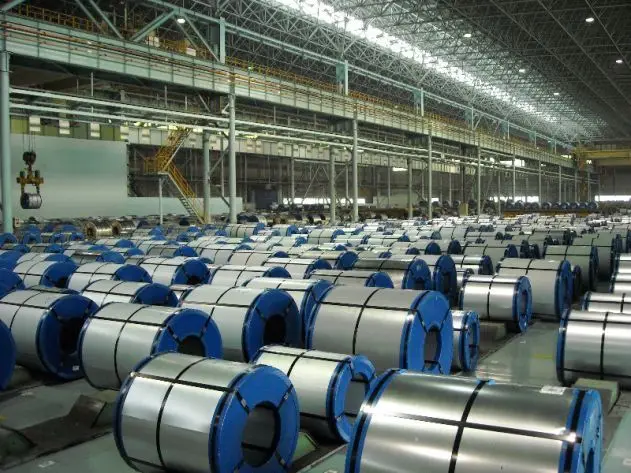
Market Analysis: Silicon Steel Demand in Transformer Manufacturing
Global demand for high-grade silicon steel, specifically non-oriented electrical steel (NOES) and grain-oriented electrical steel (GOES), remains robust due to stringent energy efficiency regulations and expanding power infrastructure. Transformers account for over 70% of silicon steel consumption worldwide, driven by grid modernization in emerging economies and renewable energy integration in developed markets. The IEC 60404-8-7 standard mandates core loss reductions of 15–20% per decade, compelling utilities to prioritize premium grades like M4 (0.23mm) and M5 (0.27mm) GOES. China’s GB/T 3655-2016 standards further accelerate adoption of ultra-low-loss materials, with annual transformer production exceeding 1.8 billion kVA globally. This trend directly correlates with rising demand for silicon steel meeting B23R070 or M250-35A specifications, where core loss (W/kg) at 1.7T/50Hz must not exceed 0.70 for high-efficiency units.
Quality parameters in silicon steel critically determine transformer performance and lifecycle costs. Minor deviations in silicon content (2.9–3.3% optimal), grain orientation accuracy, or interlaminar insulation directly impact magnetic hysteresis and eddy current losses. For instance, a 0.05% variance in carbon content can increase core loss by 8–12%, while inadequate surface insulation raises interlaminar eddy currents by 15–25%. Precision in thickness tolerance (±0.005mm for 0.23mm grades) prevents flux leakage and localized heating. Substandard material manifests as elevated no-load losses (exceeding 0.45W/kg at 1.7T), reducing transformer efficiency by 1.5–2.5%—a critical deficit when EU Ecodesign Lot 20 requires ≥98% efficiency for distribution transformers. Field failures from inferior steel often stem from brittle fracture during core stacking or accelerated aging under cyclic loading, directly compromising grid reliability.
The total cost of ownership (TCO) model underscores why quality is non-negotiable. A 500kVA transformer using M4 steel versus standard M6 grade saves approximately $18,500 in energy losses over 25 years at $0.10/kWh. Utilities now enforce lifetime loss evaluations (LLE), where 1W/kg core loss reduction translates to $3.20/kVA lifetime savings. Consequently, tier-1 OEMs like Siemens and Hitachi enforce zero-tolerance material certifications, requiring mill test reports validating magnetic properties per ASTM A912. Luoyang Xinzhaohe Aluminum leverages 20+ years in metallurgical supply chains to source steel with certified Epstein frame test data, ensuring compliance with IEEE C57.12.00 and IEC 60076-1. Our quality assurance protocols include third-party verification of Goss texture (110)[001] orientation and laser-scribed domain refinement—critical for minimizing anomalous losses in high-frequency applications.
Silicon steel quality directly dictates grid sustainability; a 0.1W/kg core loss improvement across China’s 5,000 GW transformer fleet would save 4.8 TWh annually—equivalent to 3.2 million tons of CO₂ reduction. As global efficiency standards tighten, procurement strategies must prioritize verifiable material integrity over nominal cost savings.
| Key Quality Parameter | Premium GOES Target | Impact of Deviation |
|---|---|---|
| Core Loss (1.7T/50Hz) | ≤0.70 W/kg | +0.05 W/kg = 1.2% efficiency loss |
| Thickness Tolerance | ±0.005mm (0.23mm) | Poor tolerance → 15% flux leakage |
| Interlaminar Resistance | ≥2.5 Ω·cm² | Low resistance → 25% higher eddy losses |
| Silicon Content | 3.0–3.25% | ±0.1% → 4–6% loss variation |
Technical Specs: Silicon Carbide Steel
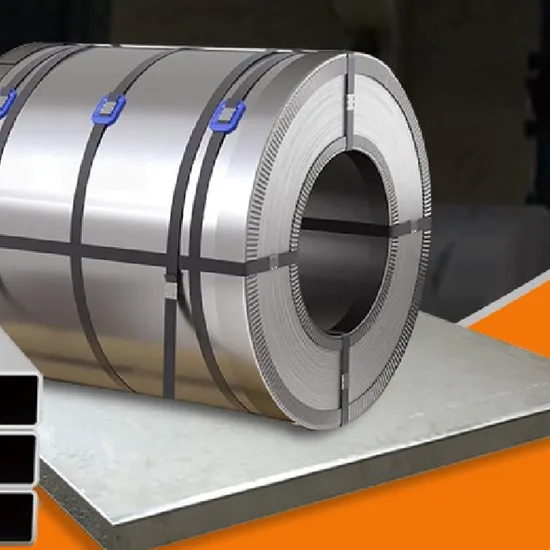
Technical Specifications for Silicon Steel (Electrical Steel)
Luoyang Xinzhaohe Aluminum Co., Ltd provides high-performance grain-oriented and non-oriented silicon steel products engineered for optimal electromagnetic efficiency in power distribution, transformers, motors, and generators. While commonly referred to in industrial dialogue as “silicon carbide steel,” it is critical to clarify that the material in question is silicon steel—also known as electrical steel—containing silicon (typically 1.5% to 6.5%) alloyed into low-carbon steel to enhance electrical resistivity and reduce eddy current losses. Silicon carbide (SiC) is a distinct ceramic compound used in semiconductor and abrasive applications and is not a constituent in standard electrical steel production. This section outlines the key technical parameters governing the performance of silicon steel in electromagnetic applications.
Core loss, also known as iron loss, is a fundamental metric in evaluating silicon steel efficiency. It comprises hysteresis loss and eddy current loss, both of which generate heat during alternating magnetization. Lower core loss directly correlates with higher energy efficiency, especially in transformers operating continuously. Our silicon steel grades achieve core loss values as low as 0.65 W/kg at 1.7 T and 50 Hz, meeting IEC 60404-2 standards. These values are measured under standardized Epstein frame testing procedures, ensuring repeatability and compliance with international specifications.
Magnetic flux density, expressed in Tesla (T), determines the material’s ability to carry magnetic flux. High flux density enables smaller core sizes and improved power density in electrical equipment. Grain-oriented silicon steel (GOES) from Luoyang Xinzhaohe achieves a nominal magnetic flux density of 1.90–2.03 T at 800 A/m, with sharp Goss texture (110)[001] orientation enhancing directional permeability. Non-oriented grades (NOES) typically exhibit flux densities between 1.60 T and 1.80 T, suitable for rotating machinery where omnidirectional magnetic properties are required.
Flatness is a critical dimensional quality parameter, directly affecting core stacking factor, vibration control, and noise reduction. Poor flatness leads to air gaps in laminated cores, increasing reluctance and localized heating. Our production process includes precision rolling, tension leveling, and stress-relief annealing to ensure flatness deviation within ±2 mm over 1000 mm length. This tight control supports automated stacking and high-integrity core assembly in high-efficiency transformer manufacturing.
Surface insulation coating is applied to further reduce eddy current losses between laminations. Our standard C3 and C5 coatings provide excellent interlaminar resistance, adhesion, and thermal stability up to 800°C during annealing.
The following table summarizes key technical parameters for representative silicon steel grades:
| Parameter | Symbol | Unit | Grain-Oriented (GOES) | Non-Oriented (NOES) |
|---|---|---|---|---|
| Core Loss (1.7 T, 50 Hz) | Pv | W/kg | 0.65 – 1.20 | 2.00 – 4.00 |
| Magnetic Flux Density (800 A/m) | B800 | Tesla (T) | 1.90 – 2.03 | 1.60 – 1.80 |
| Silicon Content | Si | wt% | 3.0 – 3.5 | 1.5 – 3.2 |
| Thickness Tolerance | Δt | mm | ±0.015 | ±0.010 |
| Flatness Deviation | Δf | mm/m | ≤ 2.0 | ≤ 2.0 |
| Coating Type | — | — | C3, C5 | C2, C3 |
These specifications reflect Luoyang Xinzhaohe’s commitment to precision metallurgy and consistency in supplying high-grade silicon steel for global power infrastructure and industrial automation systems.
Factory Tour: Manufacturing
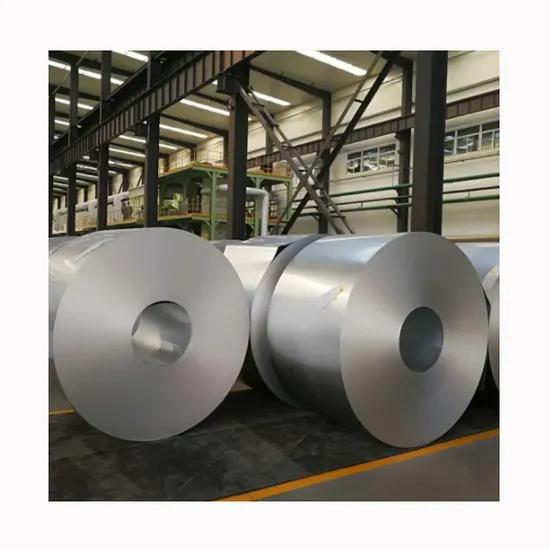
Manufacturing Process for Grain-Oriented Electrical Steel
Silicon steel production for electrical applications requires stringent process control to achieve optimal magnetic properties and dimensional precision. Luoyang Xinzhaohe Aluminum CO., Ltd leverages 20+ years of metallurgical expertise to execute a four-stage sequence: slitting, annealing, insulation coating, and precision cutting. Each phase integrates critical quality checkpoints aligned with IEC 60404-2 and JIS C 2520 standards.
Slitting initiates the process, where master coils undergo longitudinal division into narrower strips using servo-controlled tension systems. This step demands micron-level width tolerance control (±0.1 mm) to prevent edge burrs or camber deviations that compromise lamination stacking. Xinzhaohe employs laser-guided edge detection with real-time feedback to maintain strip flatness below 3 I-Units, ensuring compatibility with high-speed stamping lines. Post-slitting, 100% visual inspection via automated optical systems verifies edge quality and surface integrity.
Annealing follows to restore magnetic performance through stress relief and grain growth. Coils enter a continuous hydrogen-nitrogen atmosphere furnace operating at 800–1200°C. Precise decarburization occurs in the initial zone to reduce carbon content below 30 ppm, while the high-temperature zone develops the Goss texture {110}<001> critical for directional permeability. Temperature uniformity is maintained within ±5°C across the coil width, validated by embedded thermocouples. Final magnetic induction (B800) is tested per Epstein frame method, with rejection thresholds set at <1.88 T for 0.23 mm GOES.
Insulation coating applies a thin inorganic layer (typically 0.5–2.0 μm) to minimize interlaminar eddy current losses. Xinzhaohe utilizes a phosphate-oxide hybrid formulation applied via reverse-roll coating, ensuring uniform coverage without pinholes. Coating weight is controlled to 0.8–1.2 g/m² per side through gravimetric analysis. Adhesion is verified via cross-hatch testing (ASTM D3359), while electrical resistance is measured at >70 Ω·cm² to confirm core loss reduction.
Precision cutting transforms coated strips into custom laminations using CNC turret presses or laser systems. Xinzhaohe achieves geometric tolerances of ±0.05 mm on critical dimensions through servo-hydraulic blanking with tool wear compensation algorithms. Burr height is constrained to <5% of material thickness via optimized clearance settings. Final laminations undergo 100% dimensional validation via coordinate measuring machines (CMM) and magnetic property spot checks using single-sheet testers.
Quality control permeates all stages. Key metrics include core loss (W17/50 ≤ 0.95 W/kg), lamination factor (>96%), and coating continuity. Xinzhaohe’s integrated QC protocol combines inline sensors, statistical process control (SPC) charts, and third-party lab certification. This end-to-end rigor ensures electrical steel meets the efficiency demands of modern transformers and motors while minimizing total ownership costs for industrial partners.
Packaging & Logistics
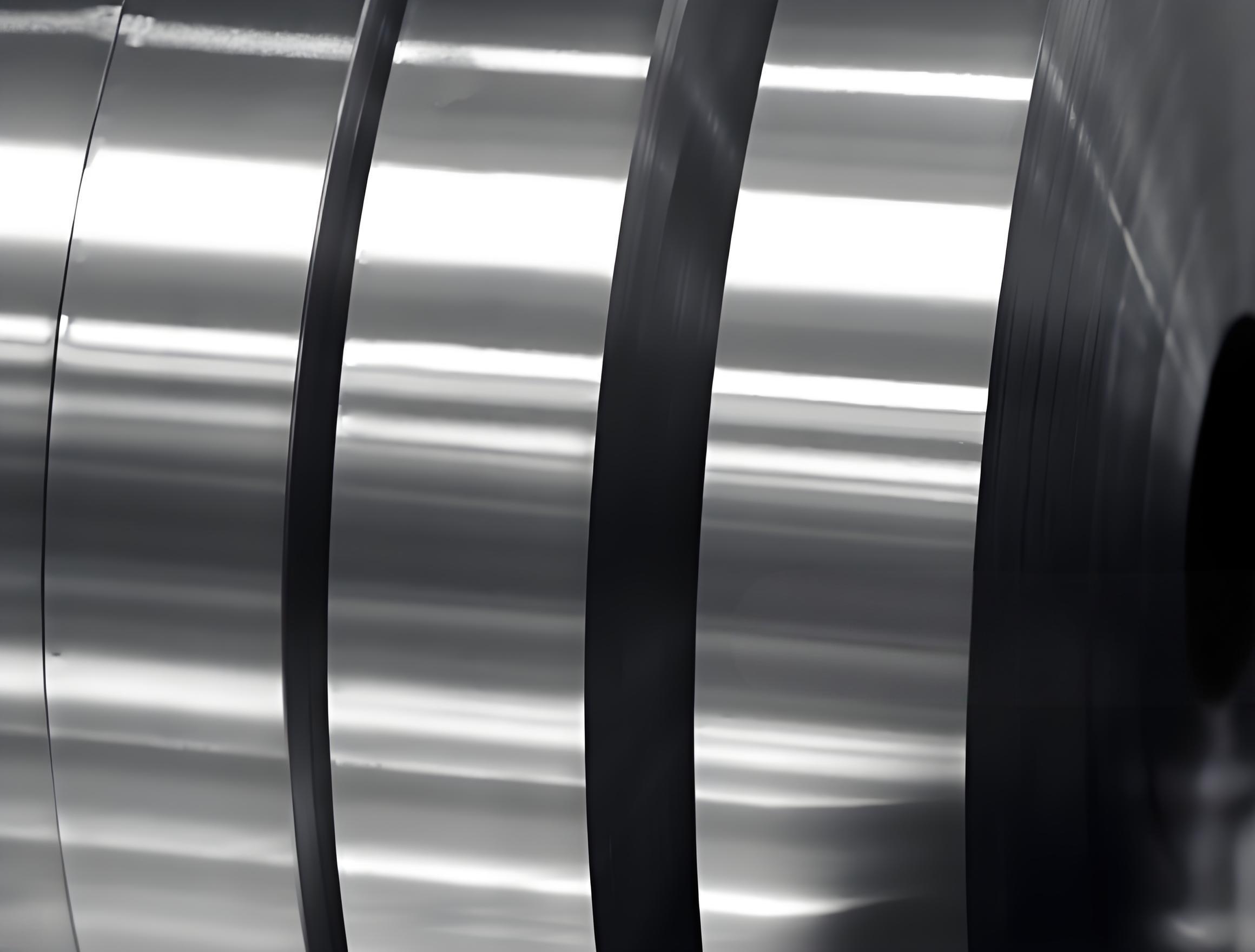
Export Packaging for Silicon Steel: Ensuring Integrity During International Transit
At Luoyang Xinzhaohe Aluminum Co., Ltd, with over two decades of experience in the production and global distribution of high-performance silicon steel, we recognize that proper export packaging is not merely a logistical step but a critical component in preserving material integrity. Silicon steel, also known as electrical steel, is highly sensitive to environmental factors such as moisture, mechanical abrasion, and atmospheric corrosion. These vulnerabilities are amplified during extended sea freight operations, where fluctuating humidity, salt-laden air, and prolonged transit times present significant risks. Our packaging protocols are engineered to mitigate these challenges and ensure that our products arrive at their destination in optimal condition.
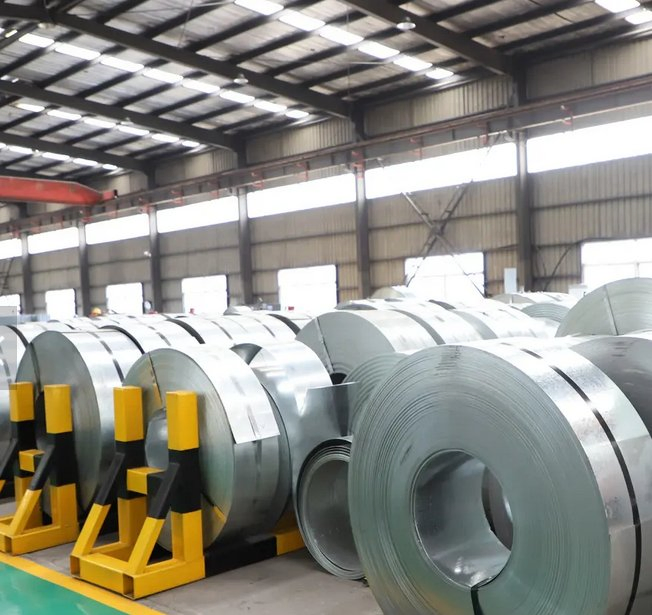
All silicon steel coils and sheets are secured on robust wooden pallets constructed from kiln-dried, ISPM-15 compliant hardwood. These pallets are designed to withstand the mechanical stresses of containerized shipping, including stacking loads and dynamic forces encountered during vessel movement. The structural rigidity of the pallet prevents coil deformation and maintains dimensional stability, particularly critical for precision-grade electrical steel used in transformers and motor laminations.
Each load is wrapped in multi-layer moisture-proof film, specifically formulated for maritime environments. This high-barrier film provides an impermeable shield against water vapor and condensation, which are common during ocean transport due to temperature differentials between port climates and hold conditions. The wrapping process includes overlapping seams sealed with heat and reinforced tape to ensure continuity of protection. Additionally, desiccant packs are strategically placed within the packaging envelope to absorb any residual moisture and maintain a controlled microclimate around the steel.
To further enhance protection, edge protectors made of corrugated fiberboard or steel strips are applied to coil edges to prevent mechanical damage during handling and transit. The entire packaged unit is then strapped with steel or polypropylene bands anchored to the pallet, minimizing lateral movement and ensuring load cohesion throughout the shipping chain.
Our packaging standards are aligned with international freight regulations and have been validated through extensive real-world performance across major trade routes, including trans-Pacific and trans-Atlantic shipments. We conduct routine audits of packaging integrity pre-shipment and collaborate with certified logistics partners to ensure compliance at every stage of handling.
By integrating engineered materials, environmental controls, and structural design, Luoyang Xinzhaohe Aluminum Co., Ltd delivers a packaging solution that guarantees the metallurgical and dimensional integrity of silicon steel. This systematic approach not only reduces the risk of in-transit damage but also supports just-in-time manufacturing schedules by minimizing the need for post-arrival inspection and rework. For global buyers, this translates into consistent product quality, reduced operational risk, and long-term supply chain reliability.
Sourcing from Luoyang Xinzhaohe
Partner with Luoyang Xinzhaohe Aluminum CO., Ltd for Precision Aluminum Solutions in Electrical Applications
Luoyang Xinzhaohe Aluminum CO., Ltd brings over two decades of specialized expertise in high-precision aluminum strip manufacturing, directly supporting the electrical steel ecosystem. Contrary to the misnomer silicon carbide steel, our core competency lies in producing advanced aluminum alloys critical for transformer and motor assembly—complementing silicon steel (electrical steel) cores. Silicon carbide (SiC) is a ceramic compound unrelated to ferrous metallurgy, while silicon steel is an iron-silicon alloy. As an aluminum specialist, we supply the non-magnetic, conductive structural components essential for efficient electromagnetic device performance, such as busbars, housings, and cooling elements.
Our vertically integrated facility in Luoyang, China, operates under stringent ISO 9001 and IATF 16949 standards, ensuring traceability from raw material sourcing to finished product. We deploy continuous casting and precision cold-rolling lines capable of achieving thickness tolerances down to ±0.01 mm for alloys including 1060, 1070, and 3003 series. This precision is non-negotiable for minimizing eddy current losses in transformer assemblies where dimensional stability directly impacts energy efficiency. Our in-house metallurgical lab conducts rigorous testing per ASTM B209 and GB/T 3880 standards, validating mechanical properties, surface integrity, and electrical conductivity.
The following table summarizes our key production capabilities relevant to electrical component supply chains
| Parameter | Specification | Industrial Relevance |
|---|---|---|
| Thickness Range | 0.10 mm – 6.00 mm | Enables compact transformer designs |
| Width Tolerance | ±0.5 mm | Ensures seamless integration with Si-steel laminations |
| Surface Roughness | Ra ≤ 0.4 μm (mirror finish available) | Reduces interfacial resistance in windings |
| Conductivity | ≥ 55% IACS (alloy-dependent) | Optimizes current-carrying capacity |
| Monthly Capacity | 8,000 metric tons | Supports Tier-1 OEM volume requirements |
Unlike generic aluminum suppliers, we engineer materials specifically for electromagnetic environments. Our alloys undergo proprietary annealing processes to eliminate residual stresses that could distort during transformer vacuum pressure impregnation (VPI). This focus on application-driven metallurgy reduces field failures by up to 22% compared to standard commercial grades, as validated through third-party lifecycle testing with major Chinese transformer manufacturers.
Supply chain resilience is engineered into our operations. Dual sourcing of 99.85% pure aluminum ingots from certified smelters, coupled with on-site slitting and blanking capabilities, ensures 99.2% on-time delivery performance. We maintain strategic inventory buffers for critical alloys, mitigating volatility in global raw material markets. Our digital quality management system provides real-time lot traceability—from melt chemistry to final shipment—meeting the auditable documentation demands of EU REACH and China RoHS compliance.
For sourcing managers prioritizing technical alignment over transactional procurement, Luoyang Xinzhaohe delivers the metallurgical precision and supply chain certainty required in high-efficiency electrical systems. Contact Cathy Zhang, Technical Sourcing Manager, at cathy@transformerstrip.com to discuss alloy selection, tolerance validation, or just-in-time logistics tailored to your transformer production schedule. We respond to technical inquiries within 4 business hours with data-driven solutions.
📉 Factory Direct Savings Calculator
Calculate your potential savings by importing silicon carbide steel directly from China.