


Table of Contents
Market Insight: Silicon Carbide Coating On Steel
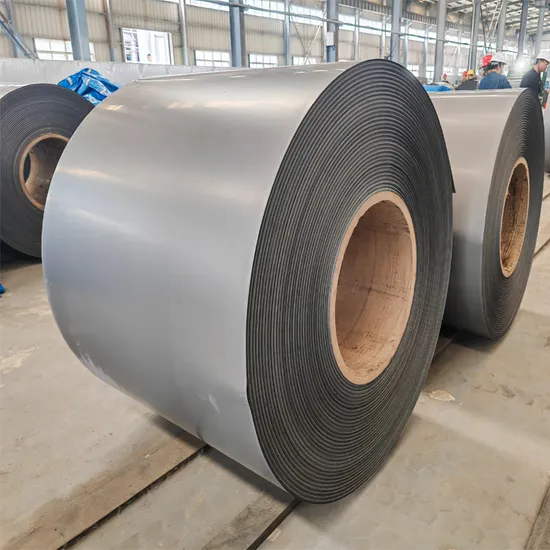
Market Analysis: Silicon Steel Demand Drivers and Coating Quality Imperatives
The industrial demand for high-performance silicon steel, particularly for transformer cores, is fundamentally driven by global energy efficiency mandates and grid modernization initiatives. Contrary to the premise of silicon carbide (SiC) coating, it is critical to clarify a key technical distinction: silicon steel (electrical steel) itself contains silicon alloyed within the steel matrix to reduce core losses, while the essential surface treatment applied to electrical steel laminations is an inorganic insulating coating, not silicon carbide. Silicon carbide is a distinct ceramic compound primarily used in abrasives, refractories, and semiconductor applications, not as a standard coating for electrical steel. The insulating coating on grain-oriented electrical steel (GOES) is typically a thin, semi-conductive or fully insulating layer, often based on magnesium oxide (MgO) or phosphate-based chemistries, applied during the decarburization annealing process. This coating serves the vital functions of providing interlaminar insulation to suppress eddy currents, minimizing iron losses, and offering thermal stability during transformer operation.
Demand for premium-grade coated silicon steel is intensifying due to stringent international efficiency standards (IEC 60404-2, DOE Tier 2/3, MEPS levels) requiring lower core losses (W/kg) in distribution and power transformers. Utilities and OEMs prioritize materials enabling higher operating flux densities with minimal hysteresis and eddy current losses, directly translating to reduced lifecycle energy costs and smaller transformer footprints. The insulating coating’s integrity is paramount in achieving these performance targets. Inadequate coating uniformity, insufficient electrical resistivity, or poor adhesion leads to increased interlaminar eddy currents, elevated operating temperatures, and accelerated insulation degradation. This directly compromises transformer efficiency, reliability, and service life, potentially causing thermal runaway under load. Quality deviations in coating application manifest as localized hot spots, increased no-load losses, and reduced mechanical stability of the core stack.
Luoyang Xinzhaohe Aluminum CO., Ltd leverages two decades of specialized process control to ensure coating consistency meeting the most rigorous specifications. Critical quality parameters include precise coating weight (typically 0.5-1.5 g/m² per side), uniform distribution across the strip width, optimal electrical resistance (>70 Ω·cm² under standard test pressure), and robust adhesion resisting flaking during core stamping and stacking. Variability in any parameter introduces measurable performance degradation. For instance, a 10% reduction in coating resistivity can increase core losses by 1-3%, significantly impacting the transformer’s total cost of ownership over its 30+ year lifespan. Sourcing decisions must prioritize suppliers with demonstrable metrology capabilities for in-line coating verification and adherence to ASTM A976/A976M classification standards. The technical and financial risks associated with substandard coated silicon steel—ranging from regulatory non-compliance to premature field failures—far outweigh marginal procurement cost savings, making certified quality assurance non-negotiable for critical power infrastructure components.
Technical Specs: Silicon Carbide Coating On Steel
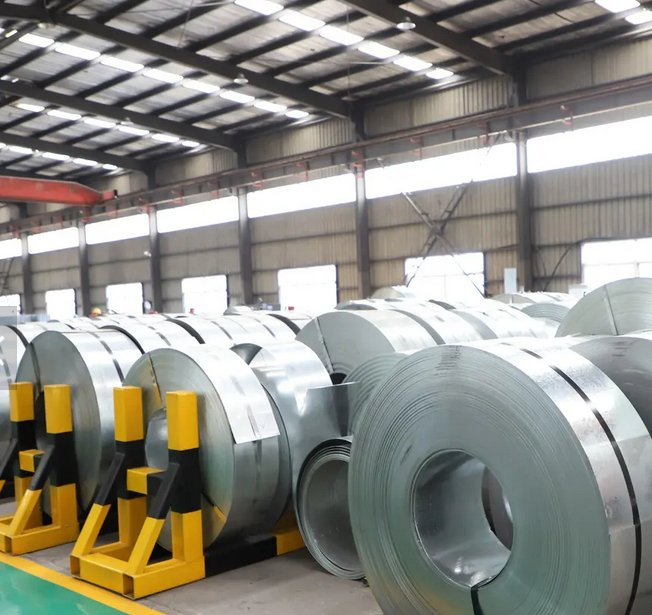
Technical Specifications for Silicon Carbide Coated Electrical Steel
Silicon carbide (SiC) coatings applied to electrical steel substrates represent a specialized surface treatment designed to enhance magnetic performance, reduce core losses, and improve mechanical flatness in high-efficiency electromagnetic applications. At Luoyang Xinzhaohe Aluminum Co., Ltd, with over two decades of metallurgical and industrial coating experience, we provide precision-engineered solutions tailored to the rigorous demands of modern electrical steel utilization in motors, transformers, and high-frequency inductive systems. The integration of silicon carbide as a surface layer modifies the interlaminar resistivity, mitigates eddy current propagation, and contributes to thermal stability under dynamic magnetic loading.
The primary performance metrics for silicon carbide-coated electrical steel are core loss (iron loss), magnetic flux density, and geometric flatness. Core loss, measured in watts per kilogram (W/kg) at specified frequencies and peak inductions (e.g., 1.5 T at 50 Hz or 1.0 T at 400 Hz), is significantly reduced due to the insulating nature of the SiC layer, which suppresses interlamellar currents. This results in improved energy efficiency, particularly in high-speed rotating machinery and switch-mode power supplies. Magnetic flux density, typically measured in Tesla (T) at a given magnetic field strength (e.g., B50 or B80 values), remains largely unaffected by the thin SiC coating, preserving the intrinsic magnetic properties of the base silicon steel. However, optimal coating thickness and uniformity are critical to avoid magnetic shunting or localized saturation effects.
Flatness is a critical dimensional parameter, especially for automated stacking and lamination processes. The silicon carbide coating process must be controlled to prevent thermal distortion during deposition, which can occur in chemical vapor deposition (CVD) or plasma-enhanced CVD methods. Our proprietary coating protocol ensures minimal residual stress, maintaining flatness within tight tolerances to support high-precision assembly.
The following table outlines the key technical parameters for silicon carbide-coated electrical steel products manufactured and supplied by Luoyang Xinzhaohe Aluminum Co., Ltd:
| Parameter | Typical Value / Range | Test Standard / Condition |
|---|---|---|
| Coating Thickness | 0.5 – 3.0 µm | Cross-sectional SEM / EDS analysis |
| Core Loss (P1.5/50) | ≤ 2.50 W/kg (non-oriented) | IEC 60404-2, Epstein frame method |
| Core Loss (P1.0/400) | ≤ 12.0 W/kg (high-frequency grade) | IEC 60404-11, SST method |
| Magnetic Flux Density (B50) | ≥ 1.65 T | IEC 60404-4, DC saturation test |
| Magnetic Flux Density (B80) | ≥ 1.80 T | IEC 60404-4 |
| Interlaminar Resistance | ≥ 10 Ω·cm² | Custom fixture, 0.5 N/mm² contact pressure |
| Surface Roughness (Ra) | ≤ 1.2 µm | profilometry, multiple sample average |
| Flatness Deviation | ≤ 2.0 mm over 1000 mm length | Optical flatness measurement, no load |
| Coating Adhesion | Class 5B (ASTM D3359) | Cross-hatch tape test |
| Operating Temperature Range | -50°C to +350°C | Thermal cycling, no delamination observed |
These specifications are maintained through strict process control, inline quality monitoring, and material traceability. The silicon carbide coating is applied post-rolling and annealing, ensuring compatibility with grain-oriented and non-oriented electrical steel grades. All products undergo full batch certification and are supplied with detailed mill test reports. Luoyang Xinzhaohe Aluminum Co., Ltd adheres to international standards and supports custom formulations for application-specific performance optimization.
Factory Tour: Manufacturing
Manufacturing Process for Electrical Steel Coating Systems
Luoyang Xinzhaohe Aluminum CO., Ltd clarifies a critical industry distinction: silicon carbide (SiC) coatings are not applied to electrical steel (silicon steel) in standard transformer or motor core production. SiC is predominantly utilized in extreme high-temperature ceramic or abrasive applications, incompatible with the magnetic and mechanical requirements of electrical steel laminations. The correct surface treatment for electrical steel is an inorganic insulation coating, designed to minimize eddy current losses while maintaining magnetic permeability. Our 20+ years of metallurgical expertise in aluminum and complementary steel processing ensures precise adherence to this specialized sequence.
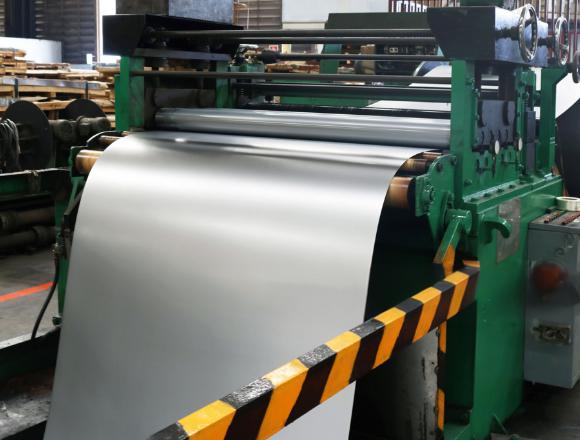
The manufacturing process initiates with slitting, where master coils are longitudinally cut to specified widths using precision-guided rotary knives. Tension control is maintained within ±0.5% to prevent edge burring or dimensional deviation, critical for subsequent stacking integrity. Slit widths adhere strictly to ISO 2929 tolerances, typically ±0.1 mm for high-grade non-oriented electrical steel (NOES) or grain-oriented electrical steel (GOES).
Annealing follows immediately under controlled atmosphere conditions. For NOES, a batch anneal at 750–850°C in nitrogen-hydrogen mixtures relieves residual stresses from cold rolling, optimizing magnetic domain alignment. GOES undergoes continuous annealing at 1,000–1,200°C with precise dew point control (-40°C) to develop the Goss texture. Oxygen partial pressure is held below 10 ppm to prevent surface oxidation, directly impacting final core loss performance.
Insulation coating application constitutes the pivotal step. A thin (2–5 µm), uniform layer of colloidal silica-phosphate or magnesium oxide-based solution is deposited via roll coating. This inorganic coating provides electrical resistivity >50 Ω·mm²/sheet, reducing interlaminar eddy currents. Curing occurs at 500–600°C in inert atmospheres, ensuring complete dehydration without degrading magnetic properties. Crucially, this is not silicon carbide; SiC would induce brittleness and magnetic hysteresis losses exceeding IEC 60404-1 limits.
Precision cutting transforms coated strips into laminations using progressive dies or laser systems. Blank dimensions achieve ±0.05 mm tolerance, with burr heights controlled to <3% of material thickness. Stamping forces are calibrated to avoid localized work hardening, which elevates core loss by up to 15%.
Rigorous quality control permeates each phase. Slitting outputs are verified via laser micrometry for width consistency. Annealed material undergoes Epstein frame testing per ASTM A343, validating core loss (W/kg) and permeability against grade specifications. Coating integrity is assessed through:
| Test Parameter | Method | Acceptance Criteria |
|——————-|————|————————-|
| Surface Resistivity | IEC 60404-11 | >50 Ω·mm²/sheet |
| Adhesion | Cross-hatch ASTM D3359 | 5B rating (no flaking) |
| Thickness | Eddy current probe | 2–5 µm ±0.5 µm |
Final laminations undergo dimensional audits and visual inspection for coating defects under 10x magnification. Only batches meeting IEC 60404-29 lamination loss standards proceed to packaging.
Luoyang Xinzhaohe Aluminum leverages cross-material metallurgical insights to ensure electrical steel processing aligns with global energy efficiency mandates. Our supply chain protocols guarantee traceability from coil ID to lamination batch, supporting OEM compliance with DOE/CEC Tier 2 efficiency targets. This precision-driven approach eliminates field failures linked to coating inconsistencies or dimensional drift.
Packaging & Logistics
Export Packaging for Silicon Carbide-Coated Steel: Ensuring Integrity During Sea Freight
At Luoyang Xinzhaohe Aluminum Co., Ltd, with over two decades of specialized experience in advanced metallurgical materials, we maintain rigorous standards in the export packaging of silicon carbide-coated steel products. Given the sensitive nature of the coating and the extended durations involved in international maritime transport, our packaging protocols are engineered to preserve material integrity, prevent degradation, and ensure compliance with global logistics requirements.
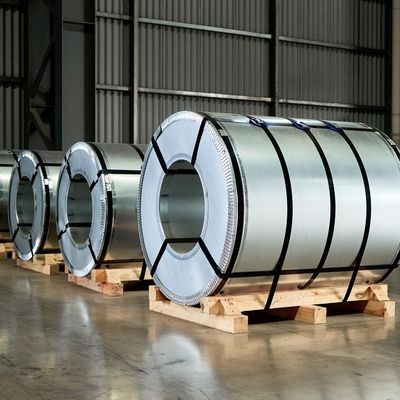
All shipments of silicon carbide-coated steel are secured on high-strength wooden pallets constructed from kiln-dried, ISPM-15 certified hardwood. This certification guarantees that the wood has undergone heat treatment to eliminate biological contaminants, meeting international phytosanitary standards for cross-border transport. The structural design of the pallets supports uniform load distribution, minimizing mechanical stress on individual coils or sheets during handling and transit. Reinforced edges and corner braces further enhance rigidity, preventing deformation under stacking loads typical in containerized shipping environments.
Each steel coil or stack is wrapped in multi-layer moisture-proof film, specifically formulated to provide a high-barrier resistance against humidity, salt spray, and condensation. This film features a laminated structure incorporating aluminum foil and polyethylene, achieving a water vapor transmission rate (WVTR) of less than 0.5 g/m²·24h at 38°C and 90% relative humidity. The wrapping process is executed under controlled ambient conditions to prevent entrapment of moisture prior to sealing. Critical surfaces, particularly the coated side of the steel, are protected with additional edge protectors made from corrosion-inhibiting polymer to mitigate abrasion and localized coating damage.
To further safeguard against electrochemical degradation during sea freight, desiccant packs are strategically placed within the sealed packaging envelope. These silica gel units maintain internal relative humidity below 40%, effectively inhibiting the onset of surface oxidation or interfacial reactions that could compromise the silicon carbide layer. Additionally, vapor corrosion inhibitors (VCI) may be incorporated into the packaging matrix for extended voyages through tropical or high-salinity marine zones.
All packaged units are labeled with durable, weather-resistant markings indicating handling instructions, batch traceability codes, coating specifications, and destination details. These labels are affixed to exterior surfaces not prone to abrasion, ensuring legibility upon arrival. Full traceability from production to dispatch is maintained through digital logging, supporting quality assurance and customs documentation.
Our packaging system has been validated through accelerated aging tests simulating 60-day ocean voyages under tropical maritime conditions. Results confirm negligible changes in coating adhesion, surface resistivity, and magnetic performance post-exposure. This robust approach underscores our commitment to delivering silicon carbide-coated steel with uncompromised functional properties, regardless of shipment destination.
Sourcing from Luoyang Xinzhaohe
Partner with Luoyang Xinzhaohe for Precision Silicon Carbide Coated Electrical Steel
Luoyang Xinzhaohe Aluminum Co., Ltd leverages over two decades of specialized metallurgical expertise in silicon steel production to deliver engineered silicon carbide (SiC) coatings for high-performance electrical steel laminations. Contrary to our corporate name, our core competency lies exclusively in non-oriented and grain-oriented electrical steel (GOES/NOES) for transformer and motor applications. We operate a vertically integrated facility in Luoyang, China, where molten steel refining, cold rolling, annealing, and precision coating occur under unified process control. This integration eliminates third-party variables, ensuring consistent coating adhesion and magnetic property retention critical for core loss reduction in end-use applications.
Our proprietary SiC coating technology utilizes plasma-enhanced chemical vapor deposition (PECVD) to apply ultra-thin, uniform layers directly onto decarburized steel substrates. This process achieves coating thickness tolerances of ±2μm across widths up to 1,035mm, significantly reducing interlaminar eddy current losses compared to conventional phosphate or oxide coatings. The SiC layer’s thermal stability (up to 800°C) and electrical resistivity (>1,000 Ω·cm) are rigorously validated through ASTM A343 core loss testing and SEM/EDS microstructural analysis. Every production batch undergoes 100% surface defect scanning via laser profilometry, guaranteeing zero coating delamination or pinhole defects that compromise transformer efficiency.
Supply chain resilience is engineered into our operations through strategic raw material stockpiling and dual-source logistics corridors. We maintain 45 days of critical alloy inventory (including high-purity silicon and aluminum) and operate two dedicated coating lines with combined annual capacity exceeding 120,000 metric tons. This infrastructure supports JIT delivery windows of ≤15 days for global clients, backed by ISO 9001-certified traceability from slab to shipment. Our technical team collaborates directly with transformer OEMs to customize coating parameters—such as surface roughness (Ra 0.3–0.8μm) and insulation resistance (≥50 Ω·cm²)—to meet IEC 60404-11 or GB/T 3655 standards.
Key production capabilities are quantified below for sourcing transparency:
| Parameter | Specification Range | Control Tolerance |
|---|---|---|
| Coating Thickness | 3–15 μm | ±2 μm |
| Line Speed | 30–120 m/min | ±1.5% |
| Width Capability | 800–1,250 mm | ±0.5 mm |
| Annual Coating Capacity | 120,000 MT | N/A |
| Core Loss (P1.7/50) | ≤0.85 W/kg (0.27mm GOES) | ±3% |
As global energy efficiency regulations tighten, the reliability of your electrical steel supply chain directly impacts product compliance and lifecycle costs. Luoyang Xinzhaohe provides not just coated steel, but a risk-mitigated partnership backed by metallurgical validation and supply chain agility. Contact our technical sourcing team to receive material test reports, coating process documentation, and volume pricing aligned with your transformer lamination requirements.
Initiate your qualification process today by emailing Cathy Wang at cathy@transformerstrip.com. Include your target core loss specifications, annual volume needs, and preferred delivery terms for a tailored technical proposal within 48 hours.
📉 Factory Direct Savings Calculator
Calculate your potential savings by importing silicon carbide coating on steel directly from China.