


Table of Contents
Market Insight: Silicon Alloy Steel
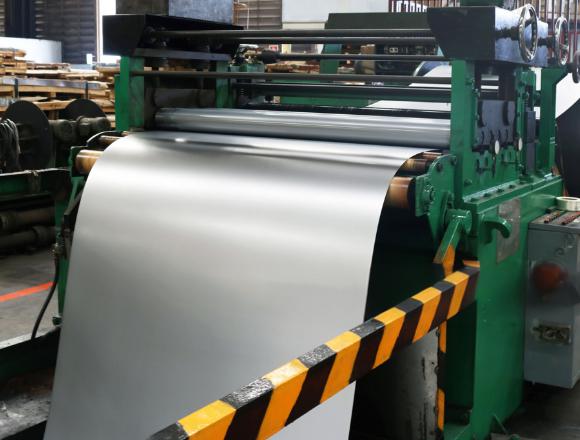
Market Analysis: Silicon Steel (Electrical Steel)
Silicon alloy steel, commonly referred to as electrical steel or silicon steel, is a critical ferromagnetic material engineered for optimized performance in alternating current (AC) electromagnetic applications. Its primary industrial demand stems from the power transmission and distribution sector, where it serves as the core material in transformers, both distribution and power-grade. The addition of silicon (typically 1.5% to 6.5% by weight) to low-carbon steel significantly enhances electrical resistivity, reduces eddy current losses, and improves magnetic permeability—key factors in achieving high energy efficiency in transformer operation.
Global demand for silicon steel continues to grow, driven by increasing electricity consumption, grid modernization initiatives, and regulatory mandates for energy-efficient equipment. Countries investing in smart grids, renewable energy integration, and high-voltage transmission infrastructure are major consumers of grain-oriented electrical steel (GOES), which is specifically processed to exhibit superior magnetic properties along the rolling direction. This directional optimization makes GOES the material of choice for transformer cores, where magnetic flux follows a predictable path.
The performance of a transformer is directly influenced by the quality of the silicon steel used in its core. High-quality electrical steel minimizes core losses—comprising hysteresis and eddy current losses—which directly impact the operational efficiency and thermal behavior of the transformer. Inferior materials or inconsistent manufacturing processes can lead to elevated no-load losses, increased heat generation, and reduced service life. In utility-scale applications, even a marginal reduction in core loss translates into substantial energy savings over the transformer’s operational lifetime, often exceeding 25 years.
At Luoyang Xinzhaohe Aluminum Co., Ltd, with over two decades of metallurgical and supply chain expertise, we recognize that material consistency, coating integrity, and precise gauge control are non-negotiable in silicon steel production. Our technical partnerships with certified steel mills and rigorous quality assurance protocols ensure that the silicon steel we supply meets international standards such as IEC 60404 and ASTM A876. This includes tight control over grain orientation, silicon content uniformity, and surface insulation coatings that mitigate interlamination currents.
Moreover, the shift toward ultra-low-loss and high-permeability grades—such as Hi-B and laser-scribed electrical steel—underscores the industry’s push for higher efficiency classes (e.g., IE3, IE4). These advanced grades require precise processing and handling, reinforcing the need for reliable, technically proficient suppliers who understand both material science and application engineering.
In summary, the industrial demand for silicon alloy steel in transformers is not merely volumetric but highly quality-sensitive. As global energy systems prioritize efficiency and sustainability, the role of premium-grade electrical steel becomes increasingly strategic. Sourcing from experienced, technically grounded suppliers ensures that transformer manufacturers can meet performance benchmarks, regulatory requirements, and long-term reliability expectations in a competitive market landscape.
Technical Specs: Silicon Alloy Steel
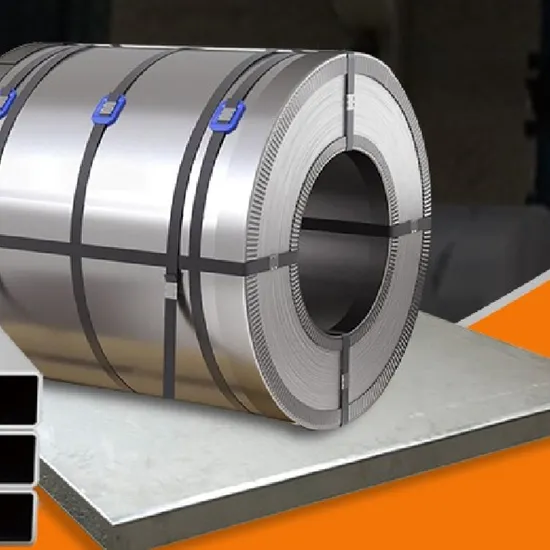
Technical Specifications for Silicon Alloy Steel (Electrical Steel)
Luoyang Xinzhaohe Aluminum Co., Ltd provides this technical sourcing guidance based on two decades of metallurgical and supply chain expertise in advanced ferrous materials. It is critical to clarify that silicon alloy steel, universally termed electrical steel or lamination steel in industry, is an iron-silicon alloy distinct from aluminum products. This material forms the magnetic core in transformers, motors, and generators, where precise electromagnetic properties directly dictate end-product efficiency and performance. Core loss (iron loss) represents the primary energy dissipation mechanism under alternating magnetic fields, comprising hysteresis and eddy current losses. It is measured in watts per kilogram (W/kg) at specified peak inductions and frequencies, per IEC 60404-2 or JIS C 2550 standards. Lower core loss values correlate directly with higher energy efficiency in electromagnetic devices, making this parameter the most critical performance determinant for premium grades. Magnetic flux density, expressed in Tesla (T), indicates the maximum magnetic induction achievable in the material. Higher flux density enables more compact core designs but must be balanced against core loss characteristics. The standard metric is B₈₀₀ – the induction level at 800 A/m magnetic field strength – which provides a reliable benchmark for comparative material assessment under typical operating conditions. Flatness tolerance is equally vital for automated stacking processes in core manufacturing. Excessive camber or edge wave causes air gaps between laminations, increasing effective core loss and reducing magnetic performance. Flatness is quantified as maximum deviation per unit length (mm/m) over a defined measurement span, typically 1000 mm. Consistent flatness ensures dimensional stability during high-speed stamping and stacking, minimizing production waste and maintaining core integrity.
The following table summarizes essential technical parameters for common non-oriented electrical steel grades. Values represent typical industry benchmarks; exact specifications must be confirmed with mill test certificates for each production lot. Tolerances and test methodologies strictly adhere to IEC 60404-3 for non-oriented grades.
| Parameter | Symbol | Test Condition | Typical Value Range (Non-Oriented) | Measurement Standard |
|---|---|---|---|---|
| Core Loss (Total) | P₁₅/₆₀ | 1.5 T, 60 Hz | 3.0 – 6.5 W/kg | IEC 60404-2 |
| Core Loss (Total) | P₁₀/₄₀₀ | 1.0 T, 400 Hz | 35 – 80 W/kg | IEC 60404-2 |
| Magnetic Flux Density | B₈₀₀ | 800 A/m | 1.50 – 1.65 T | IEC 60404-2 |
| Thickness Tolerance | – | Nominal 0.35mm – 0.65mm | ±0.02mm – ±0.04mm | IEC 60404-9 |
| Flatness Deviation | – | Max deviation / 1000mm length | ≤ 1.5 mm/m | Mill-specific |
| Silicon Content | Si | – | 1.0% – 3.5% | Chemical Analysis |
Suppliers must provide certified test data for core loss at multiple inductions and frequencies relevant to the application. Flux density measurements require verification under controlled DC or low-frequency AC conditions to avoid induction errors. Flatness must be measured on tension-levelled coils using calibrated optical or mechanical gauges; laser profiling is recommended for critical applications. Consistent adherence to these specifications ensures optimal magnetic circuit performance, minimizes lifecycle energy costs, and guarantees compatibility with high-precision lamination stacking processes. Luoyang Xinzhaohe Aluminum Co., Ltd rigorously validates all supplied material against these technical benchmarks through independent third-party laboratory testing.
Factory Tour: Manufacturing
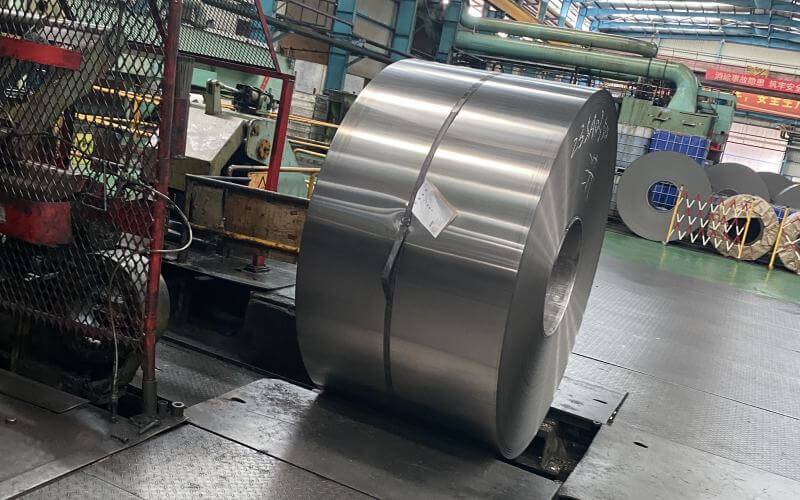
Manufacturing Process of Silicon Steel at Luoyang Xinzhaohe Aluminum Co., Ltd
The production of high-performance silicon steel, also known as electrical steel, at Luoyang Xinzhaohao Aluminum Co., Ltd follows a tightly controlled sequence of industrial processes designed to ensure optimal magnetic properties, dimensional accuracy, and surface integrity. With over two decades of metallurgical expertise, our manufacturing workflow integrates precision engineering with rigorous quality assurance to meet the demanding requirements of transformers, motors, and other electromagnetic applications.
The process begins with slitting, where wide master coils of cold-rolled non-oriented or grain-oriented silicon steel are longitudinally cut into narrower strips according to customer specifications. This operation is performed using high-precision slitting lines equipped with rotary shear blades and tension control systems to minimize edge burr formation and maintain consistent strip width tolerance within ±0.1 mm. Slitting ensures compatibility with downstream processing equipment and end-use core stacking configurations.
Following slitting, the material undergoes annealing, a critical thermal treatment conducted in a controlled atmosphere furnace. Annealing serves multiple metallurgical functions: it relieves residual stresses induced during rolling and slitting, promotes grain growth, and enhances magnetic permeability while reducing core loss. For grain-oriented silicon steel, the annealing cycle includes a high-temperature stage (up to 1,100°C) under a hydrogen-nitrogen atmosphere to facilitate secondary recrystallization, aligning the Goss texture (110)[001] for superior directional magnetic performance. Temperature uniformity, dew point control, and dwell time are continuously monitored to ensure batch-to-batch consistency.
After annealing, an insulation coating is applied to the steel surface. This inorganic or semi-organic coating serves as an interlaminar insulation layer, minimizing eddy current losses when the steel is used in stacked cores. Our proprietary coating formulation provides excellent dielectric strength (>800 V), adhesion, and resistance to alkaline environments encountered during transformer oil processing. The coating is applied via roll-coating or spray methods, followed by curing in a convection oven. Coating weight is precisely controlled between 0.8–1.2 g/m² per side using in-line gravimetric measurement systems.
The final stage is precision cutting, where annealed and coated strips are sheared into laminations or segments using high-speed turret presses or laser cutting systems. Tooling is maintained to micron-level tolerances to ensure geometric accuracy, with punch clearances optimized for minimal burr height (<8% of material thickness). Parts are stacked automatically with orientation control to maintain magnetic axis alignment.
Throughout the production chain, quality control is enforced at multiple checkpoints. Incoming coil inspection verifies chemical composition (via OES) and thickness (laser micrometer). During slitting, edge quality is assessed under stereo microscopy. Annealing efficacy is validated through core loss (W10/400, W15/50) and magnetic induction (B800) testing per IEC 60404-2. Coating integrity is confirmed via insulation resistance and salt spray testing. Final dimensions are verified using coordinate measuring machines (CMM). All data are logged for full traceability.
Packaging & Logistics
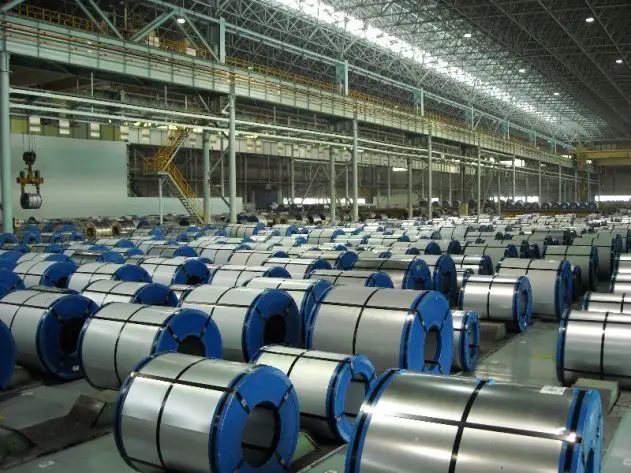
Export Packaging Standards for Silicon Steel Coils and Sheets
Luoyang Xinzhaohe Aluminum Co., Ltd implements rigorously engineered export packaging protocols for silicon alloy steel (electrical steel) to ensure product integrity during global maritime transit. With over two decades of metallurgical and supply chain expertise, our methodology addresses the unique vulnerabilities of thin-gauge electrical steel to moisture, mechanical stress, and salt-induced corrosion in marine environments. All packaging adheres to ISO 9001 quality management systems and complies with international phytosanitary regulations for seamless customs clearance.
Wooden pallets form the foundational structural element for coil and sheet shipments. We utilize ISPM 15-certified hardwood pallets constructed from kiln-dried timber with moisture content ≤22%. Each pallet undergoes mandatory fumigation and bears the official HT stamp for global acceptance. Pallet dimensions are engineered to match coil outer diameters or sheet bundle sizes, providing full base support without overhang. Load-bearing capacity exceeds 2,500 kg per pallet, incorporating cross-beam reinforcement to prevent deformation under dynamic cargo movement. Corner posts and edge protectors fabricated from impact-resistant composite materials secure coil edges against lateral displacement, eliminating edge damage during vessel roll or container stacking.
Critical to silicon steel preservation is our multi-layer moisture barrier system. Primary wrapping employs 100μm-thick metallized polyethylene film with a water vapor transmission rate (WVTR) of ≤0.5 g/m²/day at 38°C and 90% RH. This film is hermetically sealed using industrial-grade impulse sealers, creating a continuous barrier against salt-laden air ingress. Secondary protection includes desiccant packs rated for 150g moisture absorption per m³ of enclosed volume, strategically positioned within the coil bore and sheet stacks. For ultra-high permeability grades (e.g., 3% Si non-oriented steel), we deploy triple-layer film wrapping with intermediate vapor-phase corrosion inhibitors (VpCI) to suppress interstitial condensation during tropical-humid transit routes.
Maritime freight risks are systematically mitigated through climate-controlled packaging validation. All sealed units undergo simulated voyage testing per ASTM D4169, replicating 45-day ocean voyages with 85% RH cycles and 40°C temperature fluctuations. This ensures no internal condensation occurs at dew points as low as 5°C. Salt spray resistance is verified via ISO 9227 neutral salt fog testing, confirming ≤0.1% surface corrosion after 96 hours exposure—critical for maintaining magnetic properties in final annealed products. Container loading protocols mandate 50mm ventilation gaps between packages and container walls to equalize pressure without compromising moisture barriers.
Our packaging specifications directly address the electrochemical corrosion mechanisms inherent in sea transport. By maintaining internal relative humidity below 40% throughout transit, we prevent hygroscopic corrosion of silicon steel’s iron-silicon matrix—a failure mode that degrades core loss performance by up to 15% in compromised shipments. This precision-engineered approach has sustained a 99.8% damage-free delivery record across 120+ container shipments annually to EU, ASEAN, and North American markets. Partnering with Xinzhaohe guarantees silicon steel arrives with dimensional stability, surface cleanliness, and electromagnetic properties fully preserved for immediate processing.
Luoyang Xinzhaohe Aluminum Co., Ltd
Metallurgical Engineering & Global Logistics Division
Est. 2003 | ISO 9001:2015 Certified Manufacturer
Sourcing from Luoyang Xinzhaohe

Partner with Luoyang Xinzhaohe Aluminum Co., Ltd for High-Performance Silicon Steel Solutions
With over two decades of specialized manufacturing experience, Luoyang Xinzhaohe Aluminum Co., Ltd stands as a trusted leader in the production of high-quality silicon steel, also known as electrical steel, serving global markets across power transmission, distribution, and industrial automation sectors. Our facility in Luoyang, China, integrates advanced metallurgical processes with rigorous quality assurance protocols to deliver silicon alloy steel products that meet international standards including IEC 60404, ASTM A664, and GB/T 2521.
Our production infrastructure is engineered for precision and consistency. We operate state-of-the-art cold-rolling lines, continuous annealing systems, and precision slitting equipment capable of processing non-oriented and grain-oriented silicon steel in thicknesses ranging from 0.18 mm to 0.50 mm, with silicon content optimized between 2.0% and 6.5%. This enables tailored magnetic performance, minimizing core loss (W15/50) and maximizing permeability for high-efficiency transformer, motor, and generator applications.
All raw materials are sourced under strict supply chain controls, ensuring consistent chemical composition and low impurity levels. Our in-house metallurgical laboratory conducts spectrographic analysis, tensile testing, and Epstein frame magnetic property evaluation on every production batch, guaranteeing compliance with customer specifications. This data is documented and available with material certifications, supporting traceability and regulatory compliance in critical energy infrastructure projects.
We specialize in value-added processing services, including longitudinal slitting to tight width tolerances (±0.1 mm), edge conditioning, and custom coil winding for direct integration into automated core stacking lines. Our logistics network supports containerized export shipments with moisture-resistant packaging and ISO-certified handling, ensuring product integrity from factory to fabrication site.
As a vertically integrated manufacturer, we maintain control over the entire production chain—from alloy design and rolling parameters to final inspection—enabling rapid response to technical inquiries, custom orders, and volume scaling. Our engineering team collaborates directly with clients to optimize material selection based on core loss targets, lamination geometry, and operating frequency, ensuring performance-aligned supply solutions.
Luoyang Xinzhaohe is committed to sustainable manufacturing practices, incorporating energy recovery systems and process automation to reduce environmental impact while enhancing product uniformity. Our quality management system is ISO 9001 certified, reflecting our dedication to continuous improvement and customer satisfaction.
For project engineers, procurement managers, and OEMs seeking reliable, high-performance silicon steel supply, partnering with Luoyang Xinzhaohe ensures technical excellence, on-time delivery, and long-term supply chain stability.
Contact us today to discuss your silicon alloy steel requirements.
Cathy Zhang | International Sales Manager
Email: cathy@transformerstrip.com
📉 Factory Direct Savings Calculator
Calculate your potential savings by importing silicon alloy steel directly from China.