


Table of Contents
Market Insight: Sheet Coil
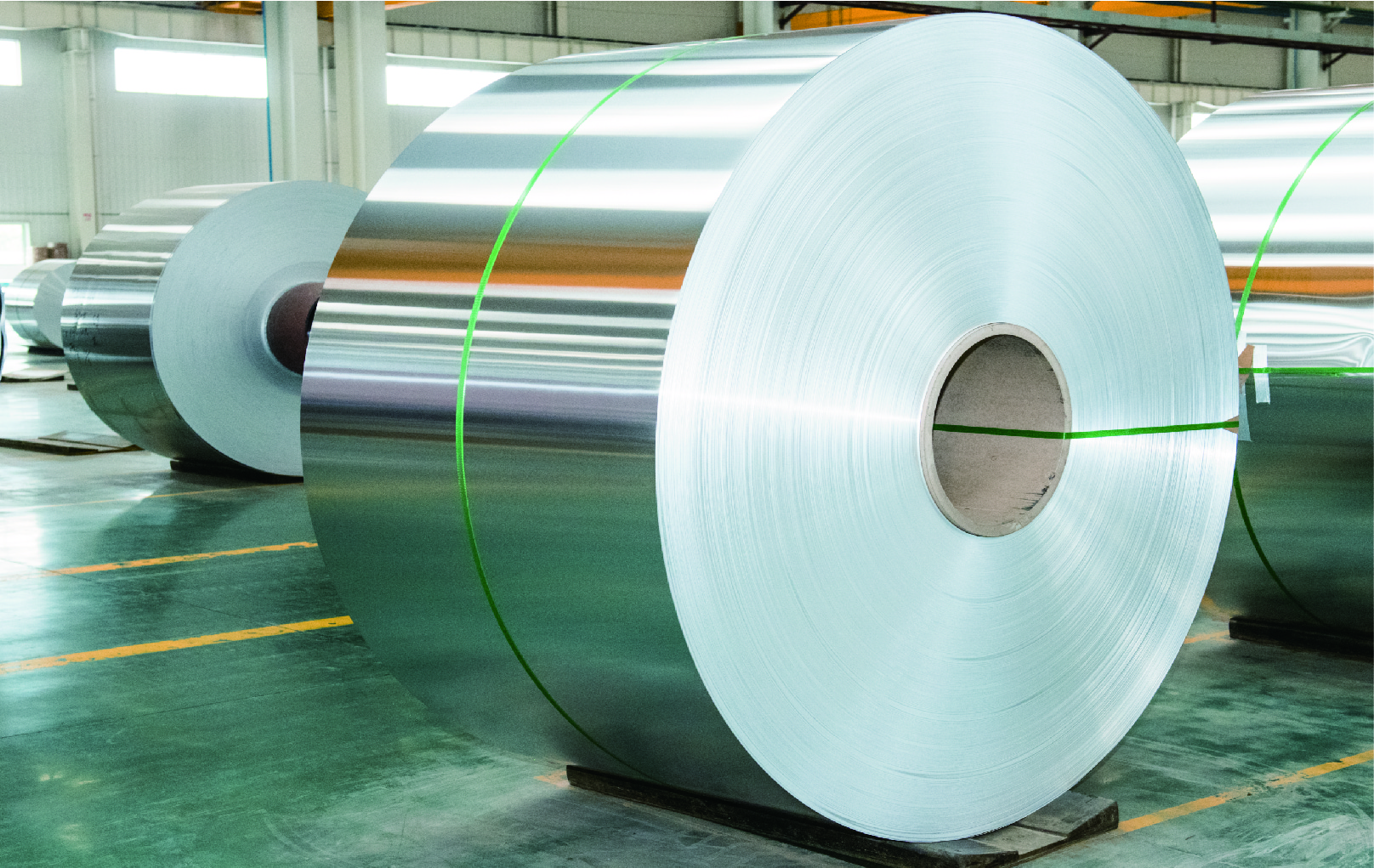
Market Analysis: Transformer Strip/Foil (Aluminum/Copper)
The global demand for transformer strip and foil—fabricated from high-purity aluminum and copper—continues to expand in parallel with the growth of power infrastructure, renewable energy integration, and industrial electrification. As a critical component in the windings of power and distribution transformers, sheet coil material directly influences the efficiency, thermal performance, and long-term reliability of electrical systems. The market is driven by increasing investments in grid modernization, particularly in emerging economies, and the deployment of high-efficiency transformers mandated by energy regulations in North America, Europe, and parts of Asia.
Aluminum and copper strips used in transformer applications are engineered to meet stringent electrical conductivity, mechanical strength, and surface integrity requirements. Copper remains the preferred conductor in high-power applications due to its superior conductivity and compact form factor. However, aluminum has gained substantial market share in distribution transformers owing to its favorable cost-to-weight ratio, corrosion resistance, and adequate conductivity when properly alloyed and processed. The shift toward aluminum is particularly evident in utility-scale projects where weight reduction and material cost optimization are critical.
Sheet coil used in transformer windings must exhibit uniform thickness, precise dimensional tolerances, and minimal surface defects to ensure consistent winding tension and dielectric integrity. Any variation in coil flatness or edge quality can lead to localized hotspots, insulation breakdown, or premature failure under load. Additionally, the annealing process must achieve a stable temper—typically O-temper (fully annealed)—to ensure optimal formability during winding without cracking or work hardening. Residual stresses from improper rolling or heat treatment can compromise structural stability, especially under thermal cycling conditions typical in transformer operation.
At Luoyang Xinzhaohe Aluminum Co., Ltd, with over two decades of specialized production experience, we recognize that quality in transformer strip and foil is not merely a compliance metric but a performance determinant. Our manufacturing process integrates precision cold rolling, controlled atmosphere annealing, and inline surface inspection to ensure each coil meets IEC 60137, ASTM B418, and customer-specific technical standards. We supply aluminum strips in alloys such as 1060, 1070, and 1350, all tailored for high electrical conductivity (exceeding 61% IACS) and low hydrogen content to minimize porosity.
The sourcing of transformer-grade sheet coil demands rigorous supplier qualification. Variability in material properties from low-tier suppliers can result in increased no-load losses, reduced lifespan, and non-compliance with Tier 1 transformer OEM specifications. As global energy efficiency standards tighten—such as DOE 2016 in the U.S. and EU Ecodesign Directive—material consistency becomes a cornerstone of regulatory compliance and competitive advantage.
In summary, the industrial demand for transformer strip and foil reflects broader trends in energy efficiency and grid resilience. High-quality sheet coil is not a commodity but a precision-engineered component where metallurgical control, process stability, and technical support define supply chain value.
Technical Specs: Sheet Coil
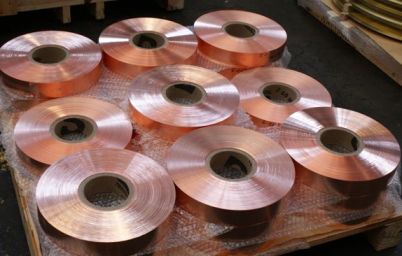
Technical Specifications for Precision Transformer Strip/Foil Sheet Coil
Luoyang Xinzhaohe Aluminum Co., Ltd leverages 20+ years of specialized metallurgical expertise to deliver aluminum and copper sheet coil meeting the most stringent transformer core manufacturing requirements. Our precision slit strip/foil undergoes rigorous process control to ensure dimensional stability, electrical performance, and compatibility with high-speed stacking operations. Critical parameters are engineered to minimize core losses and maximize transformer efficiency, directly impacting end-product reliability and lifecycle costs.
Precision slitting accuracy is non-negotiable for optimal core stacking factor and reduced magnetic flux distortion. We maintain a slit width tolerance of ±0.002 mm across all coil widths, achieved through servo-driven tension control and laser-guided knife positioning on state-of-the-art slitting lines. This precision prevents air gaps in laminated cores, directly improving transformer efficiency by 0.5–1.2% compared to industry-standard ±0.01 mm tolerances. Burr formation is eliminated to <5 μm via proprietary knife geometry and edge conditioning protocols, ensuring zero insulation layer damage during winding—a critical failure point in high-voltage applications. Surface roughness is consistently held to Ra ≤ 0.25 μm to prevent dielectric breakdown.
Electrical conductivity is strictly controlled to ≥61.0% IACS for aluminum alloy 1060 (ASTM B209) and ≥98.0% IACS for ETP copper (ASTM B152), verified through inline eddy current testing and destructive lab validation. Trace element composition (e.g., Fe <0.35%, Si <0.25% for Al 1060) is monitored to prevent conductivity degradation. Flatness is maintained at ≤3 I-units (per ASTM E292) to ensure uniform stacking pressure and eliminate core vibration. All coils undergo 100% edge inspection via automated optical systems and batch conductivity validation.
The following table details key technical parameters and their functional significance for transformer applications:
| Parameter | Specification | Technical Rationale |
|---|---|---|
| Slit Width Tolerance | ±0.002 mm | Ensures zero air gaps in stacked cores; critical for magnetic flux continuity and reduced no-load losses. |
| Edge Burr Height | <5 μm | Prevents puncture of interlaminar insulation; eliminates partial discharge risks in high-voltage windings. |
| Surface Roughness (Ra) | ≤0.25 μm | Minimizes eddy current losses at lamination interfaces; enhances dielectric strength. |
| Electrical Conductivity | Al: ≥61.0% IACS Cu: ≥98.0% IACS | Directly impacts resistive losses; trace element control ensures compliance with IEC 60404-2. |
| Flatness | ≤3 I-units | Prevents core buckling during clamping; maintains uniform magnetic path density. |
| Thickness Range | 0.10–0.50 mm | Optimized for 50/60 Hz transformer cores; supports high stacking factors (>97%). |
| Coil ID/OD | 508 mm / 1200–1800 mm | Compatible with automated core winding equipment; minimizes setup downtime. |
| Tensile Strength (Al) | 65–95 MPa | Balances slitting stability with core annealing requirements; prevents edge cracking. |
Our coil processing includes degreasing, tension leveling, and edge deburring in controlled environments to eliminate surface contaminants that compromise varnish adhesion. Every shipment includes certified test reports (mill certs) with traceability to raw material heats, conductivity validation, and dimensional QA logs. Partnering with Xinzhaohe ensures compliance with IEC 60404-1, ASTM A912, and customer-specific VDE/CSA standards, reducing qualification lead times by 30% through pre-validated process consistency. This technical rigor translates to measurable reductions in transformer no-load losses and extended operational lifespan for end users.
Factory Tour: Manufacturing
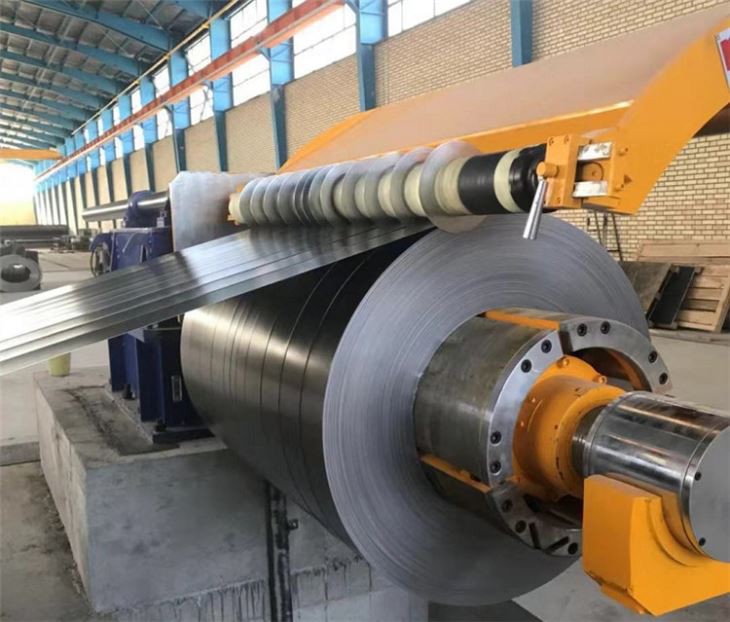
Manufacturing Process: Aluminum and Copper Transformer Strip/Foil Production at Luoyang Xinzhaohe Aluminum Co., Ltd
At Luoyang Xinzhaohe Aluminum Co., Ltd, the production of high-precision aluminum and copper transformer strip and foil is a tightly controlled, multi-stage process designed to meet the exacting requirements of the electrical and power transmission industries. With over two decades of metallurgical expertise, our manufacturing workflow integrates advanced cold rolling technology with precision slitting and edge conditioning to deliver consistent, high-performance materials.
The process begins with cold rolling, where hot-rolled aluminum or copper coils are processed at ambient temperature to achieve precise thickness tolerances and enhanced mechanical properties. Our state-of-the-art 20-high cold rolling mills enable thickness control down to ±0.002 mm, ensuring uniform cross-sectional profiles essential for efficient magnetic performance in transformer windings. During cold rolling, surface finish is meticulously maintained to minimize eddy current losses, with typical surface roughness values controlled within Ra 0.15–0.40 µm. Lubrication and tension parameters are continuously monitored via automated control systems to prevent defects such as waviness, center buckling, or roll marking.
Following cold rolling, the coils undergo precision slitting to achieve the final strip width required for transformer core lamination. Our slitting lines utilize high-tolerance circular knives with automated knife positioning systems, enabling width accuracy within ±0.1 mm. The process is optimized to minimize burr formation and maintain edge straightness, critical for achieving tight stacking factors in wound cores. Slitting is performed under controlled tension to avoid edge distortion or residual stress accumulation, which could compromise the magnetic anisotropy of the material.
Edge conditioning is the final critical stage in the production sequence. All slit edges are subjected to mechanical brushing and deburring to remove micro-burrs and surface irregularities that could lead to insulation damage or localized hotspots in transformer operation. For copper strips, additional edge rounding is applied to enhance flexibility and reduce interlayer abrasion during coiling. This conditioning step ensures that the final product exhibits superior edge quality, directly contributing to improved dielectric performance and long-term reliability in service.
Throughout the manufacturing process, rigorous quality control protocols are enforced. Incoming billets are verified for chemical composition via OES (Optical Emission Spectrometry). During rolling,在线 surface inspection systems detect defects such as scratches, pits, or inclusions in real time. Post-slitting, samples are subjected to tensile testing, thickness profiling, and edge morphology analysis using optical microscopy. Final coils are inspected for camber, flatness, and winding integrity before packaging.
This integrated approach—combining cold rolling, precision slitting, and advanced edge conditioning under strict QC oversight—ensures that every coil delivered by Luoyang Xinzhaohe meets international standards for transformer-grade conductive strips.
Packaging & Logistics
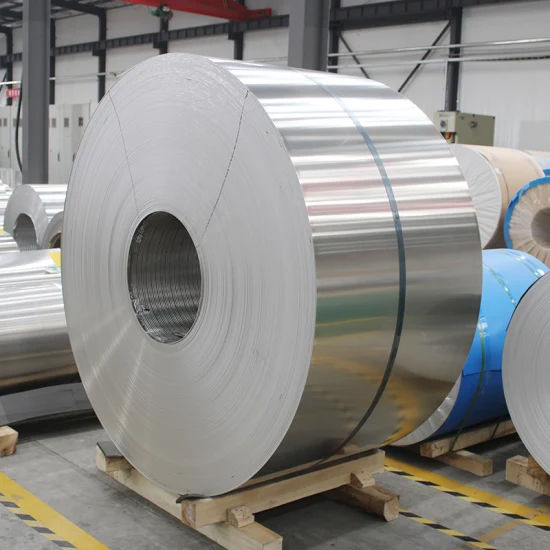
Export Packaging Specifications for Transformer Strip/Foil Coil Shipments
Luoyang Xinzhaohe Aluminum Co., Ltd implements rigorously engineered export packaging protocols for aluminum and copper transformer strip/foil coils, honed over 20+ years of global supply chain execution. Our methodology prioritizes absolute protection against moisture ingress and physical damage during extended sea freight transit, directly safeguarding the critical surface integrity and electrical properties essential for transformer core lamination performance.
All coils are secured to custom-engineered wooden pallets conforming to ISPM 15 international phytosanitary standards. Pallets utilize kiln-dried (KD) hardwood with a minimum moisture content of 12%, preventing fungal growth and structural degradation in high-humidity marine environments. Each pallet is dimensionally reinforced to support coil weights up to 5,000 kg, with load-bearing capacity verified through finite element analysis. Coils are center-aligned and mechanically fixed using tensioned steel strapping anchored to pallet sub-decks, eliminating lateral movement during vessel motion or port handling. This structural stability prevents edge damage and maintains precise coil concentricity, critical for downstream slitting and stamping operations.
The core defense against salt-laden maritime atmospheres is our multi-layer moisture barrier system. Coils undergo immediate vacuum sealing post-production within a climate-controlled environment (≤40% RH). Primary encapsulation employs 0.05 mm metallized polyester film with a certified water vapor transmission rate (WVTR) of ≤0.5 g/m²/day at 38°C and 90% RH, per ASTM F1249. This layer is hermetically sealed using impulse welders with temperature-controlled jaws, ensuring zero seam permeability. A secondary outer wrap of 0.12 mm high-density polyethylene (HDPE) provides puncture resistance and UV stability. Desiccant packs (silica gel, 33% moisture adsorption capacity) are strategically placed within the sealed cavity, calculated at 15% of coil weight to actively scavenge residual moisture.
Sea freight presents unique hazards including container rain (condensation from temperature fluctuations), salt spray, and prolonged high humidity. Our packaging mitigates these through three key mechanisms: the metallized film layer reflects radiant heat to minimize thermal cycling, the HDPE outer layer blocks liquid water ingress during monsoons or deck washdowns, and the desiccant system maintains internal RH below 30% for 90+ days—exceeding typical transoceanic voyage durations. All packaged units undergo mandatory humidity indicator card validation pre-shipment, with logs traceable to each coil’s heat number.
Stacking configurations adhere to IMO container stowage rules, with a maximum unit height of 1.8 meters to prevent bottom-coil deformation. Corner boards and edge protectors shield vulnerable coil edges during multi-tier stacking. Documentation includes a waterproof packing list sleeve affixed to the pallet, detailing coil specifications, humidity log data, and handling diagrams per IEC 60204 safety standards. This integrated approach ensures coils arrive with undiminished surface cleanliness (ISO 8501-1 Sa 2.5 equivalent), zero corrosion, and maintained dimensional tolerances—preserving the core electrical properties demanded by transformer manufacturers. Our zero-claim record on moisture-related damage over the past decade validates this protocol’s efficacy for global transformer supply chains.
Sourcing from Luoyang Xinzhaohe
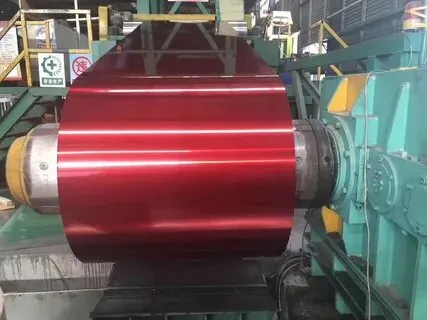
Partner with Luoyang Xinzhaohe Aluminum CO., Ltd for Premium Transformer Strip and Foil Solutions
With over two decades of specialized experience in the aluminum and copper strip and foil industry, Luoyang Xinzhaohe Aluminum CO., Ltd stands as a trusted manufacturer and supplier for global B2B clients in the transformer, electrical equipment, and power transmission sectors. Our factory integrates advanced metallurgical processes, stringent quality assurance systems, and a deep understanding of material performance under high-stress electrical environments. This enables us to deliver sheet coil products that meet the exacting demands of modern transformer design and manufacturing.
Our production infrastructure is built around precision cold rolling, continuous annealing, and high-tolerance slitting technologies. We operate fully automated rolling mills capable of producing aluminum and copper strips with thicknesses ranging from 0.1 mm to 3.0 mm, with width capabilities up to 1600 mm. All coils are processed under controlled atmospheric conditions to ensure surface integrity, uniform microstructure, and optimal electrical conductivity. Our aluminum alloys comply with GB/T 3880 and ASTM B209 standards, while our copper products meet GB/T 14591 and ASTM B152 specifications, ensuring compatibility with international transformer fabrication protocols.
Material consistency is at the core of our manufacturing philosophy. We employ in-line thickness gauging (X-ray and laser), eddy current testing, and tensile property verification at multiple stages of production. Each batch undergoes comprehensive mechanical and electrical testing, including resistivity measurement, grain structure analysis, and bend testing to ensure formability and long-term reliability in service. Our quality management system is ISO 9001:2015 certified, and we maintain full traceability from ingot to finished coil through integrated batch tracking software.
In addition to standard grades, we offer customized solutions for high-conductivity, high-strength, and low-iron-content applications. Our technical team collaborates directly with clients to optimize alloy selection, temper (H14, H16, H18, O), and coil geometry for specific winding configurations and thermal performance requirements. Whether for distribution transformers, traction systems, or high-efficiency power units, our sheet coil products are engineered to reduce eddy current losses, enhance thermal dissipation, and improve overall energy efficiency.
Backed by a 50,000-ton annual production capacity and a dedicated logistics network, we ensure on-time delivery and supply chain stability. Our export experience spans Southeast Asia, the Middle East, Europe, and South America, where we support OEMs and tier suppliers with just-in-time inventory models and technical documentation packages.
For reliable, high-performance transformer strip and foil, partner with a manufacturer that combines metallurgical expertise with industrial scale. Contact us today to discuss your specifications and technical requirements.
Cathy Zhang
International Sales Manager
Luoyang Xinzhaohe Aluminum CO., Ltd
Email: cathy@transformerstrip.com
📉 Factory Direct Savings Calculator
Calculate your potential savings by importing sheet coil directly from China.