


Table of Contents
Market Insight: Round Transformer Winding Wire
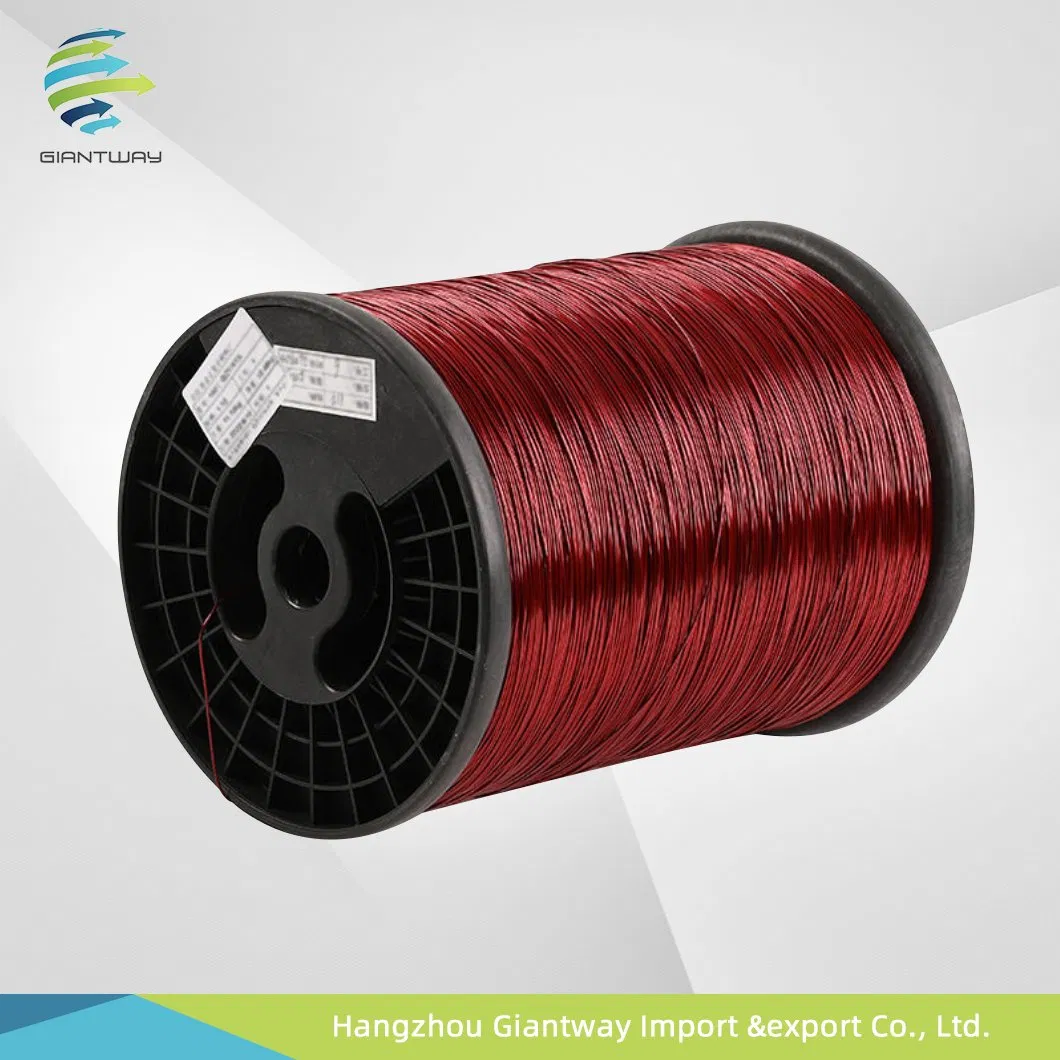
Market Analysis: Industrial Demand for Round Transformer Winding Wire
Global transformer manufacturing continues robust growth, driven by expanding electrical infrastructure, renewable energy integration, and industrial electrification. Round aluminum winding wire remains indispensable for power and distribution transformers, constituting the primary conductor material in windings where efficient electromagnetic energy transfer is critical. Industrial demand is increasingly shaped by stringent efficiency regulations (e.g., DOE 2016, EU EcoDesign), pushing manufacturers toward optimized conductor designs that minimize I²R losses. Aluminum’s favorable conductivity-to-weight ratio (approximately 61% IACS for EC-grade) and cost-effectiveness versus copper position it as the dominant material for medium- to high-voltage applications, particularly in distribution transformers where weight reduction and lifecycle cost are decisive factors. The shift toward aluminum is further accelerated by volatile copper pricing and supply chain constraints, with global aluminum winding wire consumption growing at a CAGR of 4.2% through 2027, per industry analyses.
Quality precision in round winding wire directly dictates transformer reliability, efficiency, and service life. Substandard wire introduces critical failure vectors: dimensional inconsistencies (e.g., diameter tolerance exceeding ±0.01mm) cause uneven current distribution, localized overheating, and accelerated insulation degradation. Impurities—particularly iron or silicon exceeding 0.04% in high-purity aluminum—severely degrade electrical conductivity and increase resistive losses. Poor surface finish promotes partial discharges under high voltage stress, compromising dielectric integrity. Crucially, inadequate mechanical properties (tensile strength <65 MPa or elongation >25%) lead to deformation during winding or thermal cycling, risking inter-turn shorts. Industry standards like IEC 60137 and ASTM B230 rigorously define these parameters; deviations exceeding permissible limits correlate directly with field failure rates, as evidenced by IEEE studies linking 32% of premature transformer failures to conductor defects.
Aluminum’s adoption necessitates uncompromising quality control due to its lower conductivity versus copper. Achieving equivalent performance demands exacting purity (99.7% min Al), precise annealing for optimal ductility, and flawless surface oxidation management. The table below outlines critical quality benchmarks:
| Parameter | Critical Threshold | Impact of Non-Compliance |
|---|---|---|
| Conductivity | ≥61.0% IACS | Increased load losses (>0.5% per 1% IACS drop) |
| Diameter Tolerance | ±0.01 mm | Hotspot formation, reduced kVA rating |
| Tensile Strength | 65–75 MPa | Winding deformation during processing |
| Elongation | 22–28% | Cracking under thermal stress |
| Surface Roughness | Ra ≤1.0 µm | Insulation damage, partial discharge |
Luoyang Xinzhaohe Aluminum leverages two decades of metallurgical expertise to engineer wire meeting these exacting demands. Our process integrates vacuum degassing, precision drawing dies, and inline laser micrometry to ensure batch-to-batch consistency. This technical rigor mitigates operational risks for transformer OEMs, directly supporting compliance with Tier 1 grid operator specifications and extending asset lifespans beyond 30 years. In an era where transformer efficiency losses account for 2–3% of global electricity generation, the quality of the conductor wire is not merely a component specification—it is the foundation of grid sustainability.
Technical Specs: Round Transformer Winding Wire
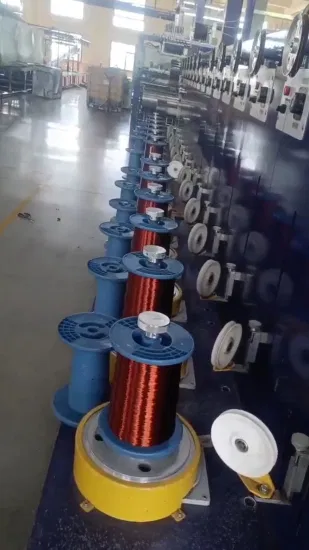
Technical Specifications for Round Transformer Winding Wire
Round transformer winding wire is a critical component in the construction of electromagnetic devices, particularly power and distribution transformers. At Luoyang Xinzhaohe Aluminum Co., Ltd., with over two decades of metallurgical and wire-drawing expertise, we manufacture high-purity aluminum round winding wire engineered to meet stringent international standards including IEC 60317, GB/T 3953, and ASTM B354. The performance of transformer windings is directly influenced by key electrical, mechanical, and thermal characteristics of the conductor and its insulation system. Among the most critical parameters are insulation breakdown voltage, elongation, and thermal class, each of which determines the reliability, durability, and operational safety of the final transformer assembly.
Insulation breakdown voltage is a measure of the dielectric strength of the enamel coating applied to the conductor. This parameter indicates the maximum electric field the insulation can withstand before electrical failure occurs. For aluminum winding wire used in medium and high-voltage transformers, a minimum breakdown voltage of 3,000 V is typically required, with high-performance grades achieving up to 6,000 V depending on insulation thickness and material composition. Our standard polyurethane, polyester, and polyamide-imide enamel systems are tested at multiple points along the wire length to ensure consistency and compliance.
Elongation, measured as a percentage during tensile testing, reflects the ductility of the aluminum conductor. A minimum elongation of 15% is essential to ensure the wire can endure coiling, bending, and winding stresses during transformer manufacturing without cracking or fracturing. Our aluminum alloy conductors are processed through controlled annealing and drawing sequences to achieve uniform grain structure and optimal elongation characteristics, typically ranging from 18% to 25% depending on temper and diameter.
Thermal class defines the maximum continuous operating temperature the insulation system can endure without significant degradation. Transformer winding wires are classified from 130°C up to 220°C, with higher classes enabling compact designs and improved overload capacity. Our product portfolio includes wires rated at 130°C (Class B), 155°C (Class F), 180°C (Class H), and up to 220°C (Class C), utilizing advanced enamel formulations to resist thermal aging, softening, and dielectric loss at elevated temperatures.
The following table summarizes typical technical parameters for our round aluminum transformer winding wire:
| Parameter | Test Method | Typical Value Range | Standard Compliance |
|---|---|---|---|
| Conductor Material | GB/T 3953, ASTM B354 | High-Purity Aluminum (Al ≥ 99.7%) | IEC 60317, GB/T 23309 |
| Wire Diameter | IEC 60317-00 | 0.80 mm – 6.00 mm | ±0.01 mm Tolerance |
| Insulation Breakdown Voltage | IEC 60317-01 | 3,000 V – 6,000 V (AC, 1 min) | Minimum 3 kV at 1x build |
| Elongation | GB/T 4909.3 | 18% – 25% | Annealed Temper |
| Thermal Class | IEC 60172, GB/T 23309 | 130°C, 155°C, 180°C, 220°C | Class B, F, H, C |
| Resistance at 20°C | GB/T 3048.4 | As per ASTM B354 Table 1 | Max ±2% Deviation |
| Adhesion (Pinhole Test) | IEC 60317-02 | No cracks or flaking after winding | Mandrel Bend Test |
These specifications are validated through in-line quality control and third-party certification to ensure performance under real-world operating conditions.
Factory Tour: Manufacturing

Manufacturing Process for Precision Round Transformer Winding Wire
Luoyang Xinzhaohe Aluminum Co., Ltd employs a rigorously controlled, integrated manufacturing sequence to produce high-performance round aluminum transformer winding wire meeting stringent international standards. This process ensures optimal electrical conductivity, mechanical formability, and enamel insulation integrity critical for transformer efficiency and longevity. The core production flow comprises four sequential, interdependent stages with embedded quality verification.
Rod drawing initiates the process, transforming high-purity aluminum rod (typically 9.5mm diameter) into precise wire gauges ranging from 0.08mm to 3.0mm. This cold working operation utilizes multi-die, multi-block continuous drawing machines under precisely regulated tension and lubrication. Critical parameters including reduction ratio per pass, drawing speed, and die geometry are meticulously controlled to achieve the target diameter within tight tolerances (±0.002mm for fine gauges) while minimizing residual stress and surface defects. Real-time laser micrometers provide continuous diameter feedback for immediate process correction. Surface quality is paramount at this stage, as imperfections can propagate through subsequent processes and compromise final insulation performance.
The drawn wire undergoes continuous annealing immediately following drawing to restore ductility and achieve the required electrical conductivity. Wires pass through controlled atmosphere furnaces operating within precisely defined temperature profiles (typically 300°C to 500°C) and residence times. This thermal treatment recrystallizes the aluminum microstructure, eliminating work hardening and ensuring conductivity consistently exceeds 61.0% IACS as measured per ASTM E1004. Oxygen levels within the annealing zone are strictly regulated to prevent surface oxidation, which would impair enamel adhesion. Conductivity verification via eddy current testing occurs inline post-annealing.
Enameling applies the critical insulating polymer layer using precision multiple-coat applicators. Common resin systems include polyurethane-imide for standard applications or modified polyesters/polyamides for enhanced thermal class (up to 220°C). The wire traverses applicator dies where enamel viscosity, solids content, and application pressure are dynamically controlled to achieve uniform film build. Subsequent solvent evaporation and enamel curing occur in multi-zone ovens with exacting temperature ramp profiles. Film thickness is maintained within ±2μm tolerance across the wire circumference, verified by continuous capacitance monitoring. Adhesion, flexibility, and thermal endurance properties are fundamentally determined during this stage.
Comprehensive inline testing occurs throughout the line, not merely as a final check. Key verifications include:
Continuous diameter monitoring via laser gauges
Real-time enamel thickness and concentricity measurement
Dielectric strength testing at 3kV AC minimum
Thermal shock resistance per IEC 60851-5
Abrasion resistance validation
Elongation and tensile strength checks
Final quality assurance involves rigorous batch sampling against IEC 60317 and customer specifications, including thermal aging, chemical resistance, and solderability tests. Full traceability from raw material lot to finished coil is maintained, supported by certified test reports. This integrated approach, honed over two decades, guarantees the dimensional precision, electrical properties, and insulation reliability demanded by modern transformer manufacturers for efficient, compact, and durable designs.
Packaging & Logistics
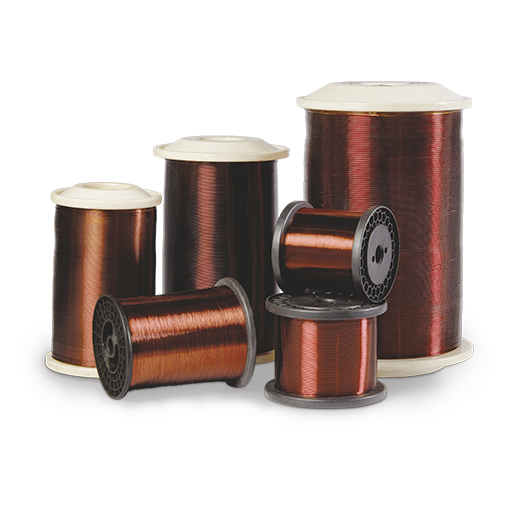
Export Packaging for Round Transformer Winding Wire
At Luoyang Xinzhaohe Aluminum Co., Ltd, with over two decades of specialized manufacturing experience in aluminum winding wire, we implement a rigorously engineered export packaging system designed to ensure product integrity during international maritime transport. Our packaging methodology is developed in alignment with global logistics standards, focusing on structural stability, moisture resistance, and long-term protection under variable climatic and handling conditions encountered in sea freight.
All round transformer winding wire coils are systematically mounted on high-load-capacity wooden pallets constructed from kiln-dried, ISPM 15-compliant hardwood. These pallets are engineered to support the full weight of densely wound aluminum coils, minimizing deformation risks during stacking and transit. The wooden base provides shock absorption and distributes mechanical stress evenly, critical when containers undergo vibration, sudden acceleration, or rough handling in port operations.
Each wound coil is secured to the pallet using industrial-grade steel strapping, tensioned to ISO 22762 specifications, ensuring zero lateral or axial displacement throughout the shipping cycle. This mechanical fixation prevents unwinding or edge damage, which could compromise wire surface quality and dimensional consistency upon arrival.
A multi-layer moisture barrier system is applied to safeguard against humidity-induced oxidation, a critical concern for aluminum conductors during extended sea voyages. The primary protective layer consists of high-density polyethylene (HDPE) film, heat-sealed around the coil and pallet assembly. This is followed by an outer wrapping of aluminum-laminated moisture-proof composite film, which provides a vapor transmission rate (VTR) of less than 0.5 g/m²·24h, effectively creating a near-hermetic seal. Desiccant packs are strategically placed within the sealed envelope to absorb residual moisture and buffer against internal condensation caused by temperature fluctuations.
All packaging materials are pre-conditioned to ambient humidity levels below 45% RH prior to assembly, further reducing the risk of trapped moisture. The final packaged unit is labeled with orientation arrows, moisture sensitivity indicators, and handling warnings compliant with IMDG and IATA maritime guidelines, ensuring proper handling throughout the logistics chain.
Our packaging design has been validated through accelerated salt spray testing (ASTM B117) and real-world shipping trials across major trade routes, including trans-Pacific and Europe-Asia corridors. This ensures consistent performance in high-humidity tropical zones and cold-chain intermodal transfers.
Luoyang Xinzhaohe Aluminum Co., Ltd adheres to a zero-compromise standard in export readiness. By integrating robust wooden palletization with advanced moisture-proof encapsulation, we guarantee that every shipment of round transformer winding wire arrives at its destination with preserved electrical conductivity, surface finish, and mechanical form—ready for immediate integration into high-performance transformer manufacturing processes.
Sourcing from Luoyang Xinzhaohe
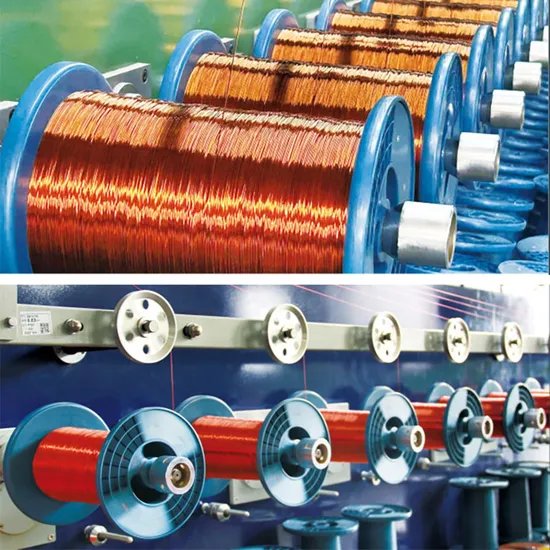
Partner with Luoyang Xinzhaohe: Your Precision Winding Wire Manufacturer
Luoyang Xinzhaohe Aluminum Co., Ltd leverages over two decades of specialized metallurgical and manufacturing expertise to deliver round transformer winding wire meeting the most stringent global electrical specifications. Our vertically integrated production ecosystem, spanning raw material sourcing through final testing, ensures uncompromising control over critical performance parameters essential for transformer efficiency and longevity. As a dedicated supplier to the power transmission sector, we prioritize dimensional accuracy, surface integrity, and consistent electrical properties in every coil produced.
Our core strength lies in advanced aluminum purification and wire drawing technology. Utilizing 99.99% pure primary aluminum ingots sourced from certified refineries, we achieve resistivity levels consistently below 0.028264 Ω·mm²/m at 20°C. Precision cold-drawing processes maintain tight tolerances of ±0.002 mm on diameters ranging from 0.30 mm to 5.00 mm, critical for minimizing inter-turn capacitance and optimizing winding density. Each production batch undergoes rigorous metallurgical analysis to verify grain structure uniformity and absence of inclusions, directly impacting the wire’s fatigue resistance during high-speed winding operations.
Thermal processing represents another key differentiator. Our proprietary continuous annealing furnaces operate under precisely controlled oxygen-free atmospheres, eliminating surface oxidation while achieving target temper (soft or semi-hard) with ±2 HV hardness consistency. This process guarantees optimal ductility for complex coil geometries without compromising tensile strength. Surface quality is validated through 100% inline optical inspection systems detecting defects as small as 5 µm, ensuring zero skips or nicks that could initiate partial discharges in service.
Supply chain resilience is engineered into our operational model. We maintain strategic buffer stocks of critical raw materials and finished gauges, enabling responsive fulfillment against volatile market conditions. Our ISO 9001 and IATF 16949 certified quality management system enforces 12-stage in-process checks, including:
| Parameter | Test Method | Acceptance Criteria |
|---|---|---|
| Diameter Tolerance | Laser micrometer | ±0.002 mm (per ASTM B354) |
| Elongation | Tensile testing | ≥25% (soft temper) |
| Resistivity | Four-point probe | ≤0.028264 Ω·mm²/m |
| Surface Roughness | Profilometry | Ra ≤0.4 µm |
This systematic approach minimizes supply disruption risks while guaranteeing batch-to-batch repeatability demanded by Tier-1 transformer OEMs. Our engineering team collaborates directly with clients during material qualification, providing full traceability from melt batch to finished coil via integrated ERP systems.
For transformer manufacturers seeking a technically aligned partner with demonstrable metallurgical mastery and supply chain agility, Luoyang Xinzhaohe delivers quantifiable performance advantages. Initiate a technical dialogue to discuss your specific winding wire requirements, tolerance envelopes, and volume commitments. Contact our Chief Technical Officer Cathy Zhang at cathy@transformerstrip.com to schedule a metallurgical review and receive sample reels for validation against IEC 60122 or equivalent standards. Let us secure your production continuity with precision-engineered aluminum solutions.
📉 Factory Direct Savings Calculator
Calculate your potential savings by importing round transformer winding wire directly from China.