


Table of Contents
Market Insight: Ring Wired Transformer
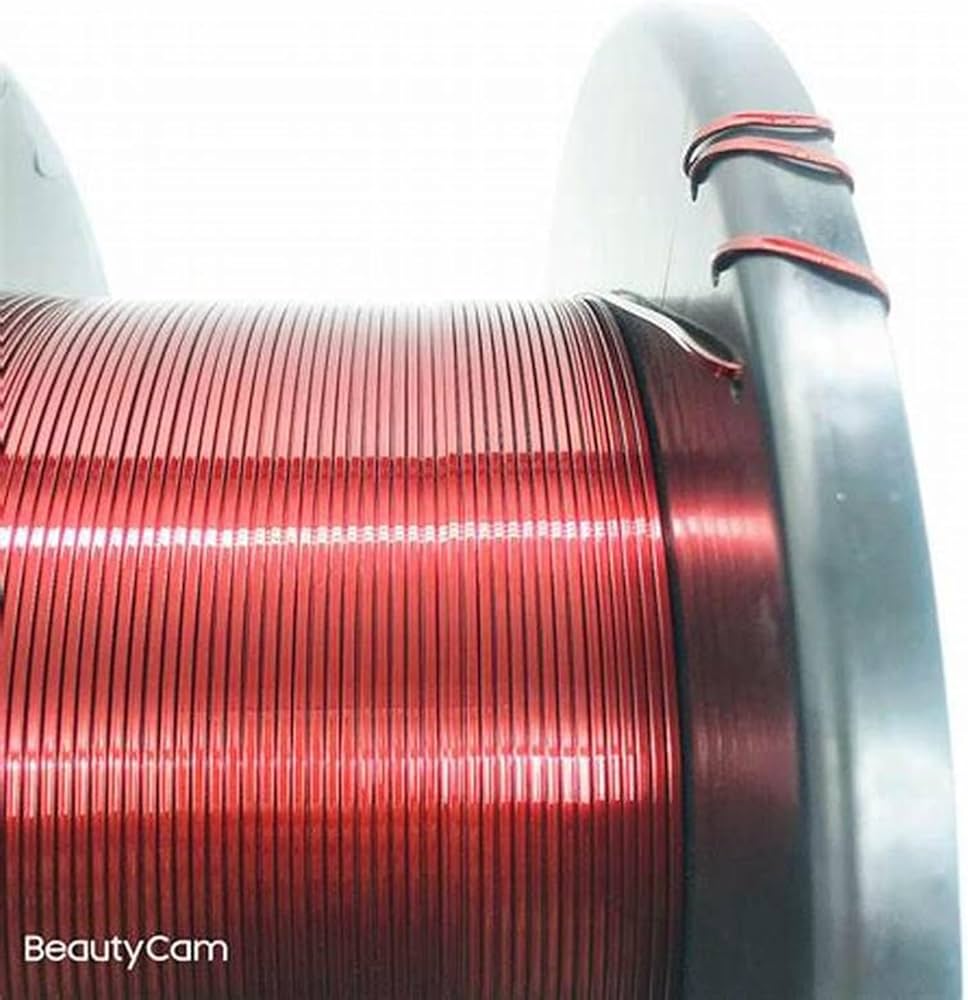
Market Analysis: Winding Wire for Ring Core Transformers
The industrial demand for ring core (toroidal) transformers continues robust growth, driven by stringent global energy efficiency regulations and the expansion of power-dense applications. These transformers, utilizing a continuous magnetic core wound with conductor wire into a closed ring configuration, offer significant advantages over traditional laminated E-I cores. Key sectors fueling demand include renewable energy integration (solar inverters, wind turbine converters), industrial automation (servo drives, PLCs), medical equipment requiring low electromagnetic interference, and high-efficiency power supplies for data centers. The inherent design minimizes magnetic flux leakage, reduces core losses (hysteresis and eddy currents), and provides superior electromagnetic compatibility. Consequently, market adoption is accelerating where operational efficiency, compact size, low audible hum, and precise voltage regulation are critical performance parameters. This trend directly increases the requirement for high-specification winding wire capable of meeting the demanding thermal and electrical stresses inherent in these optimized designs.
The quality of the winding wire is fundamentally non-negotiable in ring core transformer performance and longevity. Unlike stacked cores, the continuous toroidal core structure concentrates magnetic flux uniformly but also subjects the entire winding to consistent, high magnetic field intensity. Substandard wire introduces critical failure risks. Impurities or inconsistent metallurgical structure within the conductor increase electrical resistivity, directly elevating I²R losses and generating localized hotspots. Inadequate surface finish or residual lubricants compromise the integrity of the enamel insulation system during winding, creating potential dielectric weak points prone to breakdown under operational voltage stress or thermal cycling. Insufficient elongation or inconsistent annealing homogeneity leads to micro-cracking during the tight, continuous winding process around the toroid, further degrading insulation and accelerating failure. Precise dimensional control (diameter tolerance, ovality) is essential for achieving optimal fill factor within the confined toroidal window, maximizing power density while ensuring reliable thermal dissipation paths. Aluminum conductors, increasingly specified for cost and weight advantages, demand even tighter process controls on oxide layer management and joint integrity compared to copper.
Ultimately, the Total Cost of Ownership (TCO) for industrial ring core transformers is heavily influenced by winding wire quality. Inferior wire manifests as reduced efficiency (higher energy costs over the transformer’s lifespan), premature field failures requiring costly downtime and replacement, and potential safety hazards from insulation breakdown or thermal runaway. Luoyang Xinzhaohe Aluminum leverages two decades of specialized metallurgical expertise to produce aluminum winding wire meeting the most exacting industry standards (IEC 60317, ASTM B354). Our rigorous process control ensures consistent electrical conductivity (minimizing resistive losses), superior surface cleanliness (guaranteeing enamel adhesion and dielectric strength), precise dimensional tolerances, and optimal mechanical properties for reliable high-speed toroidal winding. Partnering with a supplier possessing deep technical understanding of the interplay between conductor material science, winding process dynamics, and transformer operational physics is paramount to securing reliable, efficient, and cost-effective power conversion solutions in demanding industrial environments. Quality wire is not a cost center; it is the foundational element enabling transformer performance and reliability.
Technical Specs: Ring Wired Transformer

Technical Specifications for Winding Wire in Ring Core Transformers
Ring core transformers, also known as toroidal transformers, require high-performance winding wire to ensure operational reliability, thermal stability, and electrical integrity under continuous load conditions. At Luoyang Xinzhaohe Aluminum Co., Ltd, with over two decades of specialization in aluminum conductor manufacturing, we emphasize stringent control over key material parameters to meet the demanding requirements of modern power electronics. The selection of winding wire must align with the transformer’s design objectives, particularly in insulation performance, mechanical ductility, and thermal endurance.
A critical parameter is Insulation Breakdown Voltage, which determines the wire’s ability to withstand high voltage stress without dielectric failure. For ring core transformers, where winding density is high and inter-turn voltage gradients can be significant, a minimum breakdown voltage of 4,000 V is recommended. This ensures robust performance in applications involving transient surges or elevated operating voltages. Our enamel-coated aluminum winding wires are engineered with multi-layer insulation systems, including polyurethane, polyester, or polyamide-imide topcoats, to achieve consistent dielectric strength across batch production.
Elongation is another essential mechanical property, directly influencing the wire’s formability during precision winding around the toroidal core. Insufficient elongation can lead to micro-cracking of the conductor or insulation during tight coiling, especially in small-diameter windings. We specify a minimum elongation of 18% for aluminum winding wire, measured over a 200 mm gauge length. This ensures the wire maintains structural integrity and electrical continuity even under high-tension winding processes. Our cold-drawing and annealing protocols are optimized to balance tensile strength with ductility, enabling smooth, wrinkle-free layering on the core.
Thermal Class defines the maximum continuous operating temperature the wire insulation can endure without significant degradation. For ring core transformers used in industrial and high-efficiency power supplies, thermal classes ranging from 130°C to 220°C are commonly required. Our product line supports thermal classes up to 220°C (Class H and above), utilizing advanced polymer coatings that resist thermal aging, oxidation, and chemical exposure. These high-temperature insulation systems maintain dielectric properties and mechanical adhesion even after prolonged thermal cycling, enhancing transformer lifespan and reliability.
Below is a summary of key technical specifications for aluminum winding wire used in ring core transformers:
| Parameter | Specification Requirement | Test Standard | Notes |
|---|---|---|---|
| Insulation Breakdown Voltage | ≥ 4,000 V (at 1x coating thickness) | IEC 60317-0-1 | Measured using step-voltage method |
| Elongation (min) | 18% | ASTM B557 | For aluminum conductor, 200 mm gauge |
| Thermal Class | 130°C to 220°C | IEC 60085 / NEMA MW 1000 | Classes B, F, H, and C supported |
| Conductor Material | Aluminum (EC Grade, 99.99% min) | GB/T 3954 | Low oxygen, high conductivity |
| Coating Adhesion | Passes needle abrasion test (Grade 1–2) | IEC 60851-5 | 5–8 needle passes at rated load |
These specifications reflect industry best practices and are aligned with global standards for electromagnetic winding materials. Luoyang Xinzhaohe Aluminum Co., Ltd ensures full traceability and batch consistency through in-line monitoring and third-party certification.
Factory Tour: Manufacturing
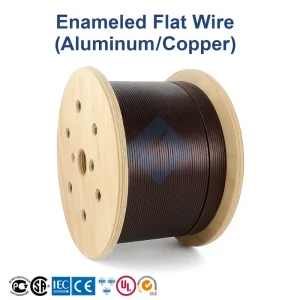
Manufacturing Process for Aluminum Winding Wire in Ring Core Transformers
Luoyang Xinzhaohe Aluminum CO., Ltd employs a rigorously controlled four-stage production sequence for aluminum winding wire, optimized for ring core transformer applications demanding high thermal stability and electrical integrity. The process begins with high-purity aluminum rod (99.99% min. Al) sourced from certified suppliers, verified via optical emission spectroscopy to ensure trace element compliance per IEC 60122-1. Rod drawing reduces diameter to precise specifications (0.10–2.50 mm) using multi-die continuous drawing blocks with diamond or tungsten carbide dies. Critical parameters include controlled reduction ratios (15–20% per pass) and emulsion coolant systems maintaining wire surface roughness below 0.8 μm Ra. In-process QC measures diameter tolerance (±0.002 mm via laser micrometers) and mechanical properties (tensile strength 80–110 MPa, elongation >25%) per ASTM B355.
Annealing follows drawing to restore ductility and eliminate work hardening. Wires undergo continuous in-line resistance annealing in oxygen-controlled nitrogen atmospheres (O₂ < 50 ppm), with precise thermal profiling to prevent oxidation or grain coarsening. Temperature uniformity (±5°C) across the wire cross-section is maintained through calibrated induction heating zones. Key annealing parameters are validated in real-time:
| Parameter | Target Range | Measurement Method |
|---|---|---|
| Peak Temperature | 380–420°C | Infrared pyrometry |
| Dwell Time | 1.5–3.0 seconds | Encoder-timed monitoring |
| Cooling Rate | >100°C/s | Thermocouple arrays |
Post-annealing verification includes microstructure analysis (grain size ASTM 6–8) and 180° bend testing per IEC 60228 to confirm absence of microcracks.
Enameling applies dual-layer insulation systems using thermosetting polyamide-imide (PAI) or polyester-imide (PEI) resins. The first layer (5–8 μm) provides dielectric strength; the second (8–12 μm) enhances thermal class (up to 220°C) and solderability. Application occurs via precision ceramic capillary dies with solvent content controlled to <0.5% to prevent pinholes. Curing uses multi-zone UV/thermal ovens with oxygen-free nitrogen sweep, ensuring complete polymerization without carbonization. Critical QC checkpoints include: insulation thickness uniformity (±1 μm via eddy current), dielectric breakdown voltage (>3.5 kV AC for 0.2 mm wire), and thermal shock resistance (200°C to 20°C cycling without cracking).
Final inline testing integrates 100% automated inspection: high-frequency eddy current scanning detects subsurface flaws, while spark testing at 5 kV identifies insulation defects at line speeds up to 1,200 m/min. Batch release requires conformance to IEC 60317 standards, with full traceability from rod melt batch to finished coil. All process deviations trigger automatic lot quarantine and root-cause analysis per our ISO 9001:2015-certified protocol, ensuring <50 ppm defect rates in shipped material. This end-to-end control delivers wire with consistent roundness (<0.003 mm ovality) and surface cleanliness critical for automated transformer winding efficiency.
Packaging & Logistics
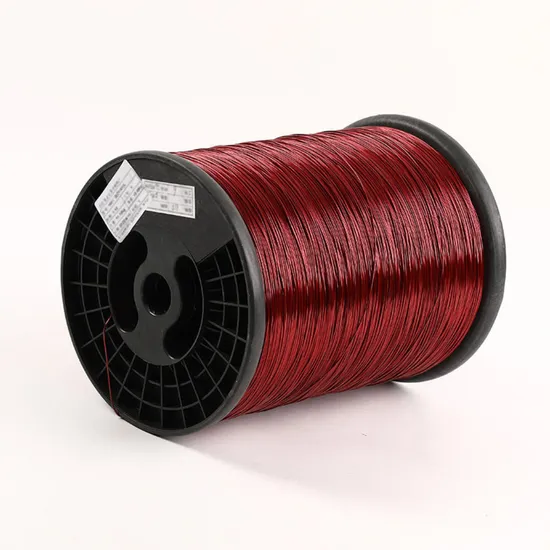
Export Packaging for Ring Wound Transformer Winding Wire – Technical Specification
At Luoyang Xinzhaohe Aluminum Co., Ltd., with over two decades of specialized manufacturing experience in high-purity aluminum winding wire for power and electronic transformers, we recognize that packaging is a critical component in preserving product integrity during international logistics. Our export packaging system is engineered specifically for the rigors of sea freight, ensuring that ring wound transformer coils arrive at their destination in optimal condition, free from mechanical damage, contamination, and environmental degradation.
All winding wire reels designated for export are mounted on robust, kiln-dried wooden pallets constructed from high-strength coniferous timber. These pallets are designed to meet international phytosanitary standards (ISPM-15), ensuring compliance with global customs and biosecurity regulations. The structural integrity of the pallets supports loads up to 2,500 kg, providing stable stacking capability in containerized shipping environments. Reels are securely fastened to the pallet base using corrosion-resistant steel strapping, minimizing the risk of lateral displacement or vibration-induced deformation during long-haul maritime transport.
Immediately following palletization, each wound reel undergoes full enclosure in a multi-layer moisture-proof barrier system. This consists of a primary wrapping of metallized polyester vapor barrier film, followed by a secondary layer of high-density polyethylene (HDPE) shrink film. The dual-layer system achieves a water vapor transmission rate (WVTR) of less than 0.5 g/m²·24hr at 38°C and 90% RH, effectively isolating the aluminum conductor from ambient humidity. This is particularly critical for aluminum-based winding materials, which, despite their inherent corrosion resistance, are susceptible to surface oxidation under prolonged exposure to saline marine atmospheres.
The sealed package is then over-wrapped with UV-stabilized polyolefin stretch hooding, providing additional mechanical protection against abrasion, dust ingress, and incidental impact during handling. All film seams are thermally sealed to ensure continuity of the moisture barrier. A desiccant pack rated for 3,000 g/m³ internal volume is placed within the sealed environment to actively absorb residual moisture and buffer against micro-climate fluctuations within the container.
Each packaged unit is labeled with durable, weather-resistant identification tags indicating product specification, batch number, net weight, and handling instructions in both Chinese and English. Critical orientation markers (e.g., “This Side Up”) are printed in high-contrast pigment to guide proper container stowage.
This comprehensive packaging protocol has been validated across 80+ international shipments to regions including Southeast Asia, the Middle East, and South America, with a documented 99.6% in-tact delivery rate over the past five years. By integrating structural stability, environmental isolation, and regulatory compliance, Luoyang Xinzhaohe ensures that our winding wire maintains its electrical and mechanical performance characteristics from factory to transformer winding floor.
Sourcing from Luoyang Xinzhaohe
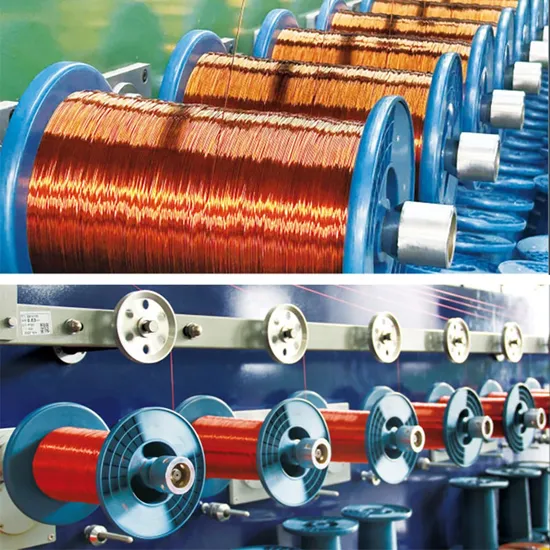
Partner with Luoyang Xinzhaohe Aluminum Co., Ltd for Ring Wound Transformer Winding Wire
Luoyang Xinzhaohe Aluminum Co., Ltd leverages over two decades of specialized metallurgical expertise to deliver precision aluminum winding wire engineered exclusively for high-performance ring wound transformers. Our vertically integrated manufacturing ecosystem, spanning raw material sourcing to finished coil production, ensures uncompromising control over critical parameters that define transformer efficiency and longevity. Unlike general-purpose wire suppliers, we operate dedicated production lines calibrated for the stringent demands of toroidal core applications, where dimensional stability, surface integrity, and electrical conductivity directly impact core loss and thermal management.
Metallurgical Precision and Process Control
Our core strength lies in proprietary alloy formulation and thermal processing. We utilize 99.99%+ purity aluminum ingots, refined through our in-house DC casting facility to eliminate intermetallic impurities that degrade conductivity. The wire drawing process employs computerized tension control systems maintaining tolerances of ±0.005mm across diameters ranging from 0.3mm to 5.0mm, critical for uniform magnetic flux distribution in ring cores. Annealing is executed in oxygen-controlled furnaces with real-time resistivity monitoring, achieving consistent temper (H18/H19) and elongation (3–5%) to prevent micro-cracking during tight-radius winding. Each batch undergoes rigorous spectrographic analysis to certify trace element levels below 10ppm for iron and silicon, minimizing hysteresis losses.
Quality Assurance and Traceability
Every coil is assigned a unique batch code linked to full material traceability from ingot to shipment. Our ISO 9001-certified laboratory conducts 100% inline testing for:
Electrical resistivity (≤0.028264 Ω·mm²/m at 20°C)
Tensile strength (140–160 MPa)
Surface roughness (Ra ≤0.4µm) via profilometry
Bend test compliance per IEC 60228
Statistical process control data is provided with shipments, enabling customers to correlate wire properties with transformer performance metrics. This granular quality documentation reduces qualification lead times and supports failure mode analysis in critical power applications.
Supply Chain Resilience for Critical Components
We mitigate supply volatility through strategic partnerships with primary aluminum smelters and dedicated inventory buffers of key alloy grades. Our 35,000m² facility operates three continuous annealing lines with a monthly capacity of 1,200 metric tons, ensuring on-time delivery for volume contracts without third-party dependencies. JIT logistics coordination via our ERP system guarantees shipment accuracy within 48 hours of order confirmation, with packaging engineered to prevent oxidation during global transit.
Partnering with Xinzhaohe eliminates the risk of substandard wire compromising your transformer’s efficiency class. Our engineering team collaborates directly with customers to optimize wire specifications for your core geometry and operating frequency, reducing scrap rates by up to 22% versus industry averages. Request technical datasheets and certification packages to validate our wire’s performance in your ring wound transformer design. Contact Cathy Wang, International Sales Manager, at cathy@transformerstrip.com to schedule a metallurgical review and secure production capacity for your next procurement cycle.
📉 Factory Direct Savings Calculator
Calculate your potential savings by importing ring wired transformer directly from China.