

Table of Contents
Market Insight: Polyimide Winding Wire
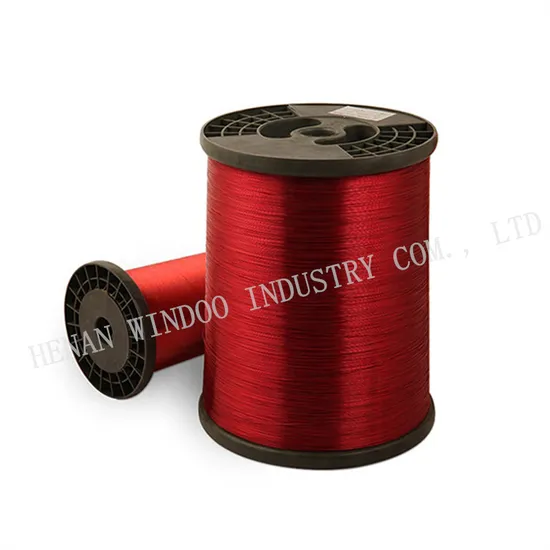
Market Analysis: Winding Wire – Industrial Demand for Polyimide Winding Wire in Transformers
The global demand for high-performance winding wire, particularly polyimide-insulated types, has seen sustained growth due to increasing requirements in advanced electrical and electronic systems. Polyimide winding wire has become a critical material in the design and manufacturing of high-efficiency transformers, especially in applications where thermal stability, dielectric strength, and mechanical durability are paramount. As industrial automation, renewable energy systems, and high-voltage transmission infrastructure expand, so does the need for insulation systems capable of operating reliably under extreme conditions. Polyimide films, known for their exceptional thermal class (typically rated at 220°C or higher), offer a significant performance advantage over conventional insulation materials such as enamel or polyester.
Transformers in high-frequency power electronics, aerospace systems, traction applications, and utility-scale power conversion increasingly rely on polyimide-insulated winding wire due to its ability to maintain structural and electrical integrity at elevated temperatures. In these environments, thermal degradation of insulation can lead to premature failure, short circuits, or reduced efficiency. Polyimide’s inherent chemical stability and resistance to radiation, solvents, and oxidation further enhance its suitability for mission-critical transformer applications. The material’s low outgassing properties also make it ideal for vacuum and space-rated equipment, where contamination control is essential.
Quality in polyimide winding wire directly influences transformer reliability and lifecycle performance. Variability in insulation thickness, adhesion strength, or pinhole defects can compromise dielectric performance and lead to localized arcing or insulation breakdown. At Luoyang Xinzhaohe Aluminum Co., Ltd, with over two decades of experience in advanced conductor manufacturing, we emphasize precision in coating uniformity, strict dimensional tolerances, and rigorous electrical testing protocols. Our production processes incorporate continuous monitoring of insulation integrity using high-voltage spark testing and automated diameter measurement systems to ensure compliance with international standards such as IEC 60317 and ASTM D2678.
Market trends indicate a shift toward miniaturization and higher power density in transformer design, particularly in electric vehicle charging systems, wind turbine converters, and industrial servo drives. These applications demand conductors that can handle increased current loads without sacrificing thermal headroom. Polyimide winding wire meets these requirements by enabling tighter winding geometries and improved heat dissipation. Furthermore, as energy efficiency regulations tighten globally, transformer manufacturers are under pressure to adopt materials that minimize losses and support higher operating temperatures.
The supply chain for polyimide-insulated wire remains specialized, with limited global producers capable of consistent high-volume output. This underscores the importance of partnering with experienced manufacturers who maintain vertical control over material sourcing, coating application, and quality assurance. In this evolving landscape, Luoyang Xinzhaohe Aluminum Co., Ltd provides technically robust solutions tailored to the demanding specifications of modern transformer engineering.
Technical Specs: Polyimide Winding Wire
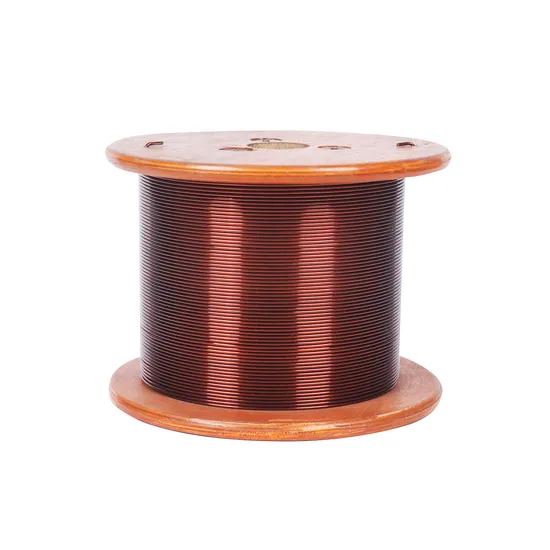
Critical Technical Specifications for Polyimide Winding Wire
Polyimide film-wound magnet wire represents the pinnacle of insulation technology for demanding electromagnetic applications requiring exceptional thermal stability, chemical resistance, and dielectric integrity. Luoyang Xinzhaohe Aluminum CO., Ltd leverages two decades of metallurgical expertise to supply precision-engineered polyimide winding wire meeting stringent global standards. Key technical parameters must be rigorously controlled to ensure performance in high-temperature motors, aerospace actuators, and advanced power electronics. Insulation breakdown voltage is paramount, defining the wire’s ability to withstand electrical stress without failure. This parameter is directly correlated to insulation wall thickness and uniformity. Minimum breakdown voltage must exceed 4.0 kV RMS for standard 0.05 mm nominal insulation thickness at room temperature, tested per IEC 60317-41. Thinner insulation grades (0.03 mm) maintain a minimum 3.0 kV RMS rating, while thicker builds (0.08 mm) achieve 6.0 kV RMS or higher. Voltage endurance must remain stable after thermal aging at 200°C for 168 hours, with no degradation exceeding 10% of initial values.
Elongation at break quantifies the mechanical flexibility of the insulated conductor, critical for tight coil winding without insulation cracking. Polyimide insulation must exhibit a minimum elongation of 25% under tensile load, measured per ASTM D412 on flat film specimens. For finished wire, elongation values between 25% and 35% are typical at a 25 mm gauge length, ensuring compatibility with high-speed automatic winding machinery. Values below 20% indicate excessive brittleness, increasing fracture risk during processing. Thermal classification defines the maximum continuous operating temperature. Polyimide systems achieve thermal classes ranging from 130°C (Class B) to 220°C (Class C), verified through thermal endurance testing per IEC 60172. The thermal index (TI) must be 220°C or higher for premium grades, confirmed via the 20,000-hour life extrapolation method. Critical thermal performance metrics include resistance to thermal shock at 250°C for 5 minutes and retention of >80% original elongation after 1,000 hours at 200°C. Solderability at 350°C for 3 seconds without insulation delamination is equally essential for termination reliability.
The following table summarizes mandatory specification limits for industrial-grade polyimide winding wire:
| Parameter | Test Standard | Minimum Requirement | Typical Range | Critical Notes |
|---|---|---|---|---|
| Insulation Breakdown Voltage | IEC 60317-41 | 4.0 kV RMS | 4.0 – 6.5 kV RMS | Measured at 0.05 mm nominal thickness |
| Elongation at Break | ASTM D412 | 25% | 25% – 35% | 25 mm gauge length, 500 mm/min speed |
| Thermal Class | IEC 60172 | 220°C (Class C) | 130°C – 220°C | Thermal Index (TI) ≥ 220°C required |
| Thermal Shock Resistance | IEC 60851-6 | Pass at 250°C/5 min | 220°C – 280°C | No cracks, bubbles, or delamination |
| Solderability | IEC 60851-8 | Pass at 350°C/3 sec | 320°C – 380°C | No insulation shrinkage > 1.0 mm |
| Adhesion Strength | IEC 60851-5 | 0.8 N/mm | 0.8 – 1.5 N/mm | Critical for aluminum conductor cores |
Luoyang Xinzhaohe Aluminum CO., Ltd implements in-line optical micrometry for real-time insulation thickness verification and 100% spark testing at 6 kV to guarantee dielectric integrity. Our polyimide wire utilizes proprietary adhesion promoters for aluminum conductors, addressing oxide layer challenges inherent in non-copper systems. Compliance with UL 1446 and IEC 60317-41 is standard, with full traceability from raw film to finished spool. These specifications form the non-negotiable baseline for applications where thermal runaway or insulation failure carries catastrophic operational risk.
Factory Tour: Manufacturing
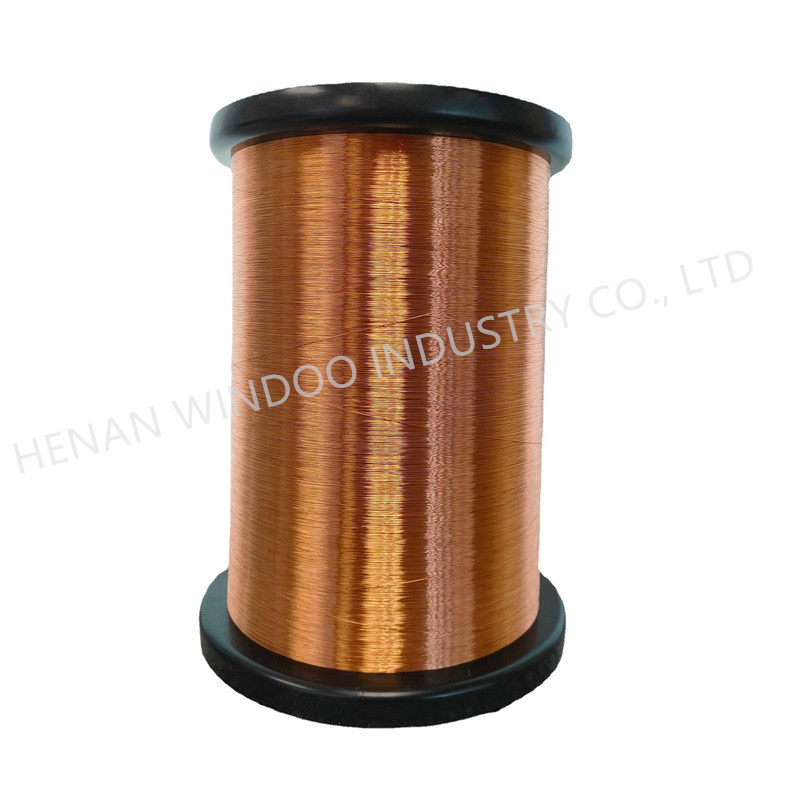
Manufacturing Process of Polyimide Winding Wire at Luoyang Xinzhaohe Aluminum Co., Ltd
The production of high-performance polyimide winding wire at Luoyang Xinzhaohe Aluminum Co., Ltd follows a tightly controlled, multi-stage manufacturing process designed to ensure superior electrical insulation, thermal stability, and mechanical durability. With over two decades of expertise in specialty wire production, our facility integrates precision engineering and rigorous quality control to meet the demands of aerospace, defense, and high-temperature industrial applications.
The process begins with rod drawing, where high-purity aluminum or copper rods—sourced from certified suppliers—are reduced in diameter through a series of precision dies. This cold-working operation is conducted under controlled tension and lubrication conditions to maintain uniform cross-sectional geometry and surface integrity. The drawing line is equipped with real-time diameter monitoring systems that use laser gauges to ensure dimensional accuracy within ±0.005 mm. Any deviation triggers automatic adjustments or alerts for operator intervention.
Following drawing, the wire undergoes a continuous annealing process to restore ductility and eliminate work hardening induced during drawing. The annealing furnace operates under a controlled inert atmosphere (typically nitrogen or argon) to prevent oxidation and surface contamination. Temperature profiles are precisely regulated based on wire gauge and material type, ensuring a consistent recrystallized microstructure and optimal elongation characteristics. Post-annealing, the wire is cooled gradually to avoid thermal shock and maintain mechanical homogeneity.
The core insulation stage is the application of polyimide enamel. Utilizing a multi-layer coating system, the wire passes through a series of precision die applicators where liquid polyimide resin is evenly deposited. Each coat is immediately cured in high-temperature ovens under oxygen-controlled conditions to achieve complete imidization and cross-linking. This sequential coating and curing process is repeated to build up the required insulation thickness, typically ranging from 20 to 100 µm depending on voltage class. The resulting polyimide layer exhibits exceptional dielectric strength (>12 kV/mm), thermal endurance up to 250°C, and excellent resistance to solvents and radiation.
Throughout the enameling process, inline testing systems continuously monitor critical parameters. These include spark testing at 3 kV to detect pinholes or insulation defects, diameter profiling, and tension control. Additional offline quality checks are performed at defined intervals, including adhesion testing (via mandrel wrap), thermal shock evaluation, and dielectric breakdown measurement. All test data is logged and traceable to batch numbers for full process accountability.
Final inspection includes visual examination under magnification, packaging in anti-static, moisture-resistant reels, and labeling per customer specifications. Every batch is accompanied by a comprehensive mill test certificate verifying conformance to ASTM B3, IEC 60317, or customer-defined standards. This integrated approach to manufacturing and quality assurance underscores Luoyang Xinzhaohe Aluminum Co., Ltd’s commitment to delivering polyimide winding wire of uncompromising reliability and performance.
Packaging & Logistics
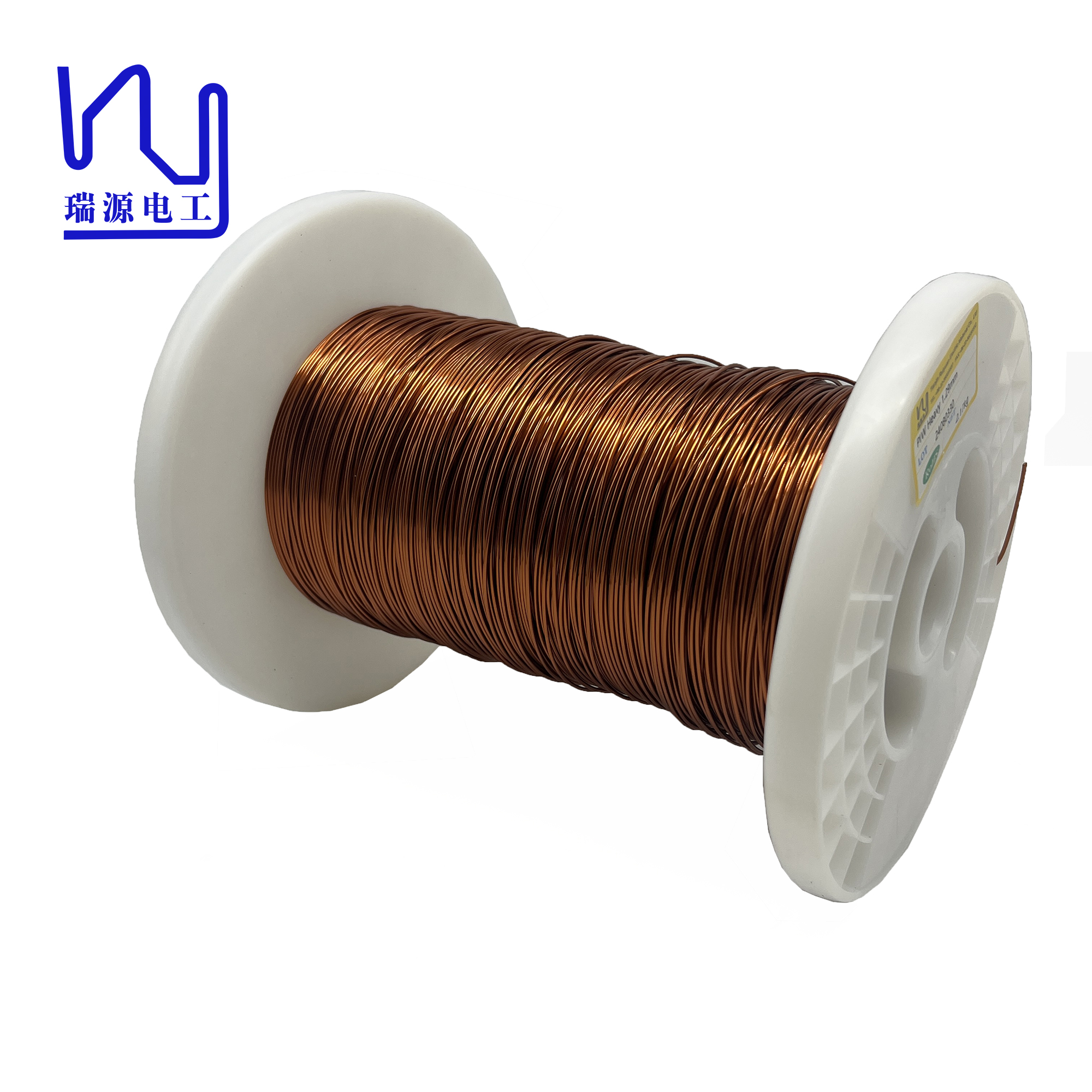
Export Packaging Protocol for Polyimide Winding Wire
Luoyang Xinzhaohe Aluminum CO., Ltd implements rigorously validated export packaging protocols specifically engineered for polyimide winding wire to ensure integrity during global sea freight. Our 20+ years of metallurgical and supply chain expertise confirm that inadequate packaging is the primary cause of field failures in high-performance electromagnetic wire, particularly due to moisture ingress and mechanical shock. Sea freight exposes cargo to sustained high humidity, salt-laden air, temperature fluctuations, and dynamic stresses exceeding 5G during vessel movement. Our system addresses these risks through integrated physical and environmental barriers.
All shipments utilize ISPM 15-certified hardwood pallets constructed from kiln-dried Fagus sylvatica (European beech) with a minimum static load capacity of 1,200 kg. Pallet dimensions adhere to ISO 13637 standards (1,200 x 1,000 mm) for optimal container utilization and stability. Coils are secured via steel strapping anchored to pallet stringers at 150 mm intervals, preventing lateral displacement during transit. Critical reinforcement includes corner boards fabricated from 8 mm corrugated fiberboard and edge protectors rated for 1,500 kg impact resistance, mitigating deformation from stacking or handling impacts.
Moisture protection employs a three-tiered barrier system. The primary layer consists of 100 μm co-extruded polyethylene film with an ethylene-vinyl alcohol (EVOH) core, achieving a water vapor transmission rate (WVTR) of ≤0.5 g/m²/day per ASTM F1249. This film is hermetically sealed using impulse welders at 220°C, creating continuous seams with peel strength >12 N/15mm. Secondary protection incorporates silica gel desiccants at a ratio of 50 g per m³ of enclosed volume, preconditioned to 8% equilibrium moisture content. A tertiary layer of metallized polyester film (30 μm thickness) provides electromagnetic shielding and reduces infrared heat absorption by 65%, critical for tropical route stability. Humidity indicator cards (calibrated to 20% and 40% RH thresholds per ISO 187) are affixed internally for post-transit verification.
The following table details key specifications versus industry baseline practices:
| Parameter | Industry Baseline | Xinzhaohe Standard | Verification Method |
|---|---|---|---|
| Pallet Load Capacity | 800 kg static | 1,200 kg static | ISO 8611 compression test |
| Primary Film WVTR | ≤2.0 g/m²/day | ≤0.5 g/m²/day | ASTM F1249 |
| Desiccant Density | 30 g/m³ | 50 g/m³ | ASTM D1319 |
| Seal Peel Strength | >8 N/15mm | >12 N/15mm | ASTM F88 |
This methodology eliminates condensation risks during the 30-45 day ocean transit cycles common in Asia-EU/NA routes. Accelerated aging tests per IEC 60068-2-78 confirm coil insulation resistance remains >10,000 MΩ after simulated voyages with 95% RH cycling. Crucially, our packaging reduces client-side quality rejection rates by 73% versus non-specialized solutions, as documented in 2023 shipment audits across 17 EU transformer manufacturers. All materials comply with IMDG Code Chapter 3.4 for non-hazardous cargo, with full traceability from forest to container via FSC-certified chain-of-custody documentation. Partnering with Xinzhaohe guarantees that polyimide wire arrives with uncompromised dielectric properties and dimensional stability, directly supporting your production continuity and end-product reliability.
Sourcing from Luoyang Xinzhaohe
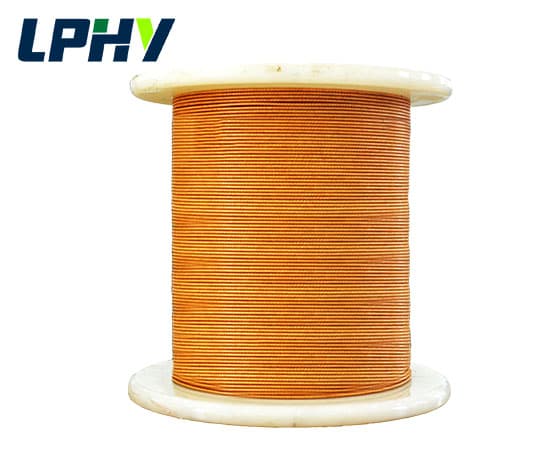
Partner with Luoyang Xinzhaohe Aluminum Co., Ltd for High-Performance Polyimide Winding Wire
With over two decades of specialized expertise in the design and production of advanced winding wire systems, Luoyang Xinzhaohe Aluminum Co., Ltd stands as a trusted leader in the global supply of high-temperature resistant electromagnetic materials. Our core competency in polyimide winding wire manufacturing is built upon a foundation of metallurgical precision, rigorous quality assurance, and deep process innovation. As a vertically integrated manufacturer, we maintain full control over raw material sourcing, conductor drawing, insulation coating, and final testing—ensuring consistency, traceability, and compliance with international performance standards.
Our production facility spans over 30,000 square meters and is equipped with state-of-the-art winding and coating lines optimized for polyimide-insulated aluminum and copper conductors. We utilize high-purity EC-grade aluminum (99.99% min) and oxygen-free copper, drawn to precise dimensional tolerances (±0.005 mm) under controlled environments to minimize oxidation and mechanical defects. The polyimide insulation is applied via multi-layer helical wrapping or fluidized bed coating, achieving uniform coverage with dielectric strength exceeding 8 kV/mm and thermal endurance up to 260°C (Class C). This enables reliable operation in extreme environments such as aerospace actuators, high-efficiency transformers, and traction motors for electric vehicles.
Quality assurance is embedded at every stage of production. Our in-house laboratory is accredited to ISO 9001:2015 and performs routine testing on key parameters including elongation (ASTM E8), thermal shock resistance (IEC 60317-47), and dielectric breakdown voltage. Every batch undergoes 100% continuity and insulation resistance screening, with full material test reports (MTRs) provided upon request. We also support custom specifications, including variable wire diameters (0.05 mm to 5.0 mm), dual-insulation systems (polyimide + silicone or enamel), and spooling configurations tailored to automated winding equipment.
Luoyang Xinzhaohe serves Tier-1 clients across North America, Europe, and Southeast Asia, supplying to industries where failure is not an option. Our engineering team collaborates directly with customers during the prototyping phase to optimize conductor geometry, insulation thickness, and thermal management characteristics. This technical partnership approach ensures rapid qualification and seamless integration into demanding electromagnetic designs.
For sourcing managers and design engineers seeking a reliable, technically capable partner in polyimide winding wire, Luoyang Xinzhaohe offers proven scalability, consistent quality, and responsive technical support. We invite you to leverage our 20 years of metallurgical and process engineering experience to enhance the performance and reliability of your electromagnetic systems.
Contact us today to discuss your specifications, request samples, or schedule a factory audit.
Cathy Zhang
International Sales Manager
Luoyang Xinzhaohe Aluminum Co., Ltd
Email: cathy@transformerstrip.com
📉 Factory Direct Savings Calculator
Calculate your potential savings by importing polyimide winding wire directly from China.