

Table of Contents
Market Insight: Non Enameled Copper Wire
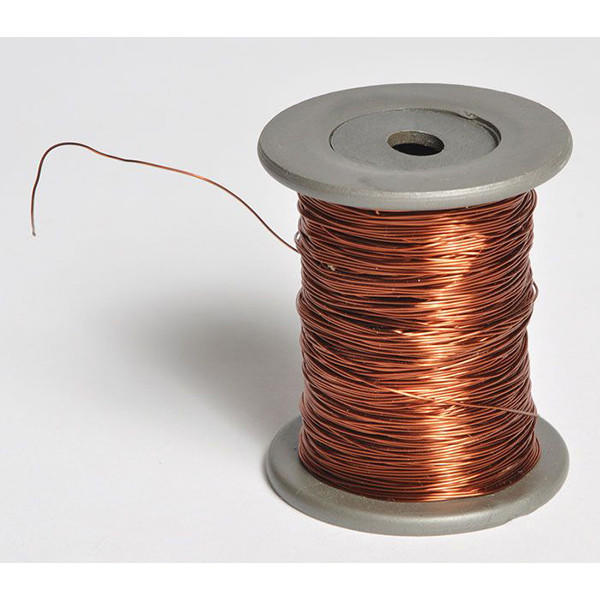
Market Analysis: Winding Wire – Non Enameled Copper Wire in Transformer Applications
The global demand for non enameled copper wire remains a critical component in the manufacturing of power and distribution transformers, driven by sustained infrastructure development, grid modernization, and the expansion of renewable energy integration. As a core material in transformer windings, non enameled copper wire—often referred to as bare copper conductor or hard-drawn copper wire—serves as the primary current-carrying element in high-voltage and medium-voltage transformer designs. Its use is predominant in layer-wound and disc-wound configurations where mechanical stability, thermal conductivity, and electrical efficiency are paramount.
Industrial demand for non enameled copper wire is closely tied to the performance requirements of power transmission and distribution systems. Utilities and industrial end-users prioritize reliability, efficiency, and longevity in transformer operations, directly influencing material selection. Copper, due to its superior conductivity (approximately 100% IACS for ETP copper), low resistive losses, and high thermal stability, remains the preferred conductor material over aluminum in high-efficiency and high-reliability transformer applications. This is particularly evident in regions enforcing stringent energy efficiency standards such as IE3 and IE4 for distribution transformers.
Quality in non enameled copper wire is not a secondary consideration—it is a fundamental determinant of transformer performance and service life. Impurities in the copper matrix, inconsistent tensile strength, or variations in dimensional tolerances can lead to localized hotspots, increased eddy current losses, and mechanical deformation under short-circuit stresses. Oxygen-free copper (OFC) or high-purity electrolytic tough pitch (ETP) copper with oxygen content controlled to 10–50 ppm ensures minimal oxide inclusions, enhancing both conductivity and ductility. Furthermore, precise control over temper—typically supplied in hard-drawn (H10) or semi-hard (H08) conditions—is essential to balance electrical performance with mechanical rigidity required during winding operations.
Surface finish and straightness are additional quality parameters that directly impact manufacturability. A clean, oxide-free surface ensures optimal interlayer contact and reduces the risk of partial discharges in oil-immersed transformers. Straightness tolerance, typically within 20–30 mm per meter, facilitates automated winding processes and minimizes coil misalignment, which could otherwise compromise dielectric integrity.
From a supply chain perspective, consistent quality assurance is critical. Manufacturers such as Luoyang Xinzhaohe Aluminum Co., Ltd leverage two decades of metallurgical expertise and process control to deliver copper wire meeting international standards including IEC 60317, ASTM B3, and GB/T 3428. Rigorous in-line testing for diameter consistency, tensile strength, elongation, and wrap testing ensures compliance with transformer OEM specifications.
In summary, the industrial demand for non enameled copper wire in transformers is underpinned by the need for high electrical efficiency, mechanical robustness, and long-term reliability. As global energy systems evolve toward higher efficiency and resilience, the role of high-purity, precision-manufactured copper conductors becomes increasingly indispensable. Quality is not merely a compliance metric—it is the foundation of performance in critical power infrastructure.
Technical Specs: Non Enameled Copper Wire
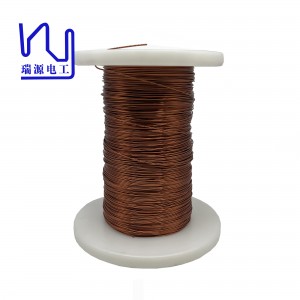
Technical Specifications for Non-Enameled Copper Winding Wire
Luoyang Xinzhaohe Aluminum Co., Ltd. provides precision-engineered non-enameled copper wire for demanding industrial winding applications. As bare conductor material, this product lacks polymer insulation; therefore, insulation-related parameters such as Breakdown Voltage are inherently non-applicable. Misapplication of enameled wire specifications to bare copper wire risks critical design failures. Our technical focus centers on metallurgical integrity, dimensional accuracy, and electrical performance per ASTM B3 and IEC 60228 standards. Key parameters include conductor purity, tensile properties, resistivity, and thermal stability under operational loads.
Elongation is a critical mechanical indicator, directly correlating with the wire’s ductility and suitability for coiling processes. We offer two primary tempers: Hard Drawn (HD) and Soft Annealed (SA). HD wire exhibits 3–8% minimum elongation (ASTM B3 Class 1), ideal for rigid structural windings requiring high tensile strength. SA wire achieves 30–40% elongation (ASTM B3 Class 2), essential for complex coil geometries where repeated bending occurs without fracture. All products undergo rigorous in-line elongation testing via calibrated tensile machines, with certificates traceable to melt batches.
Thermal Class designation (130–220°C) applies exclusively to insulated magnet wire systems and is irrelevant for bare copper conductors. However, copper’s inherent thermal conductivity (≥97% IACS) and softening temperature (≥150°C for HD, ≥100°C for SA) dictate operational limits. Continuous service above 150°C accelerates grain growth in HD wire, reducing mechanical resilience. For high-temperature applications, we recommend oxygen-free electronic (OFE) copper (C10100/C10200) with superior thermal stability and 101% IACS minimum conductivity.
Resistivity governs electrical efficiency, with our wire maintaining ≤0.017241 Ω·mm²/m at 20°C (100% IACS equivalent). Diameter tolerances adhere to ±0.002 mm for diameters ≤0.5 mm and ±0.004 mm for >0.5 mm, ensuring consistent fill factors in stator/rotor slots. Surface quality is controlled to prevent nicks or oxides that compromise weld integrity in motor manufacturing.
The following table details mandatory technical parameters for non-enameled copper winding wire procurement:
| Parameter | Requirement | Test Standard |
|---|---|---|
| Conductor Material | ETP Copper (C11000) or OFE Copper (C10100) | ASTM B187 |
| Minimum Purity | 99.90% Cu (ETP), 99.99% Cu (OFE) | ASTM B193 |
| Diameter Tolerance | ±0.002 mm (≤0.5 mm); ±0.004 mm (>0.5 mm) | ASTM B3 |
| Minimum Elongation | 3% (HD), 30% (SA) | ASTM B3 |
| Maximum Resistivity | 0.017241 Ω·mm²/m at 20°C | ASTM B193 |
| Thermal Class | N/A (Bare Conductor) | N/A |
| Insulation Breakdown | N/A (No Insulation Layer) | N/A |
| Surface Condition | Smooth, oxide-free, no mechanical defects | Visual/ASTM B3 |
Procurement must specify temper (HD/SA), diameter, and copper grade (ETP/OFE) to align with winding machinery requirements. Luoyang Xinzhaohe’s 20-year metallurgical expertise ensures batch-to-batch consistency through controlled drawing sequences and annealing atmospheres. All wires undergo 100% eddy current testing for subsurface flaws. For applications erroneously referencing thermal classes or breakdown voltage, we advise immediate technical consultation to prevent material misselection. Bare copper wire performance hinges solely on metallurgical execution—not insulation properties—making precise specification adherence non-negotiable for operational reliability.
Factory Tour: Manufacturing
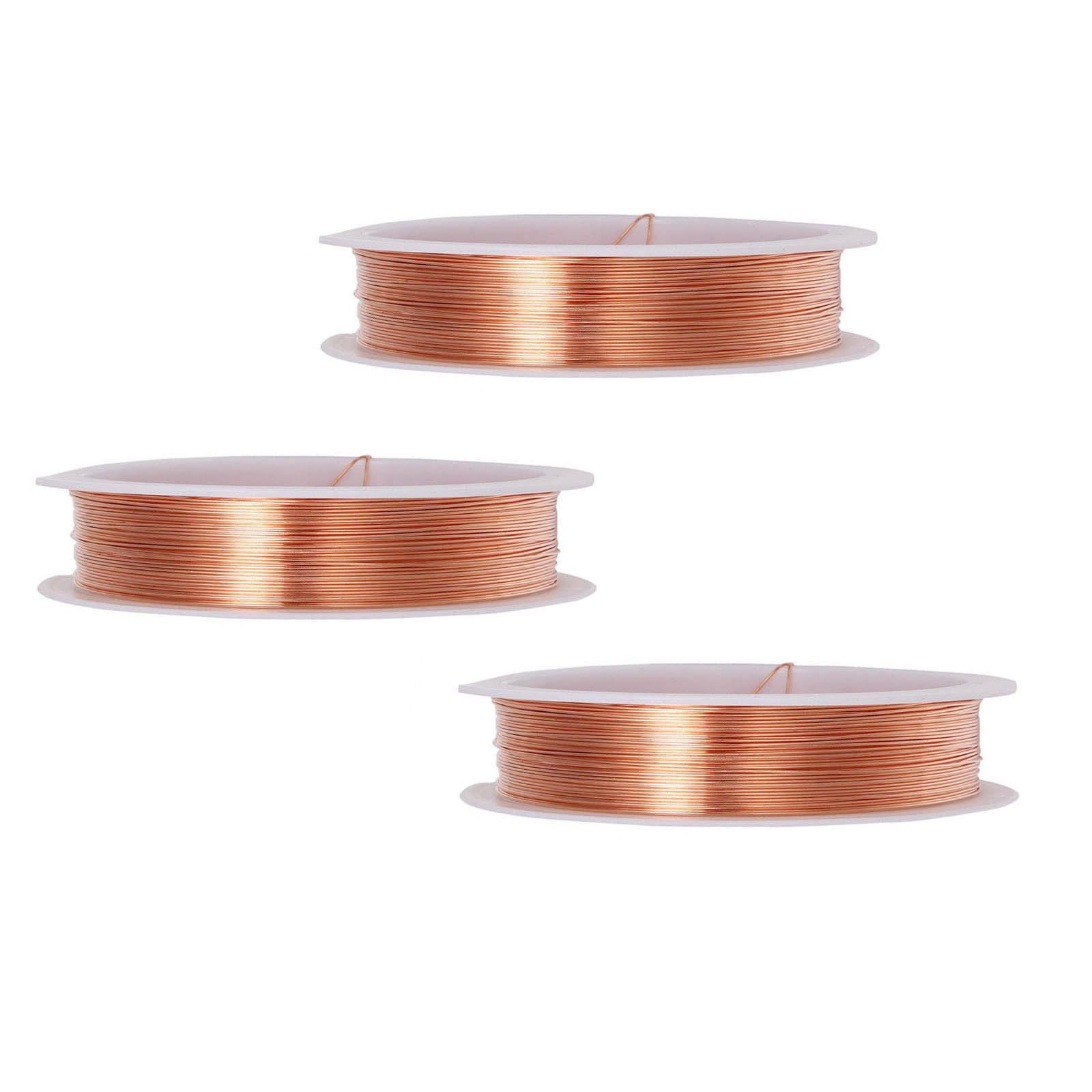
Manufacturing Process of Non-Enameled Copper Winding Wire at Luoyang Xinzhaohe Aluminum Co., Ltd
The production of non-enameled copper winding wire at Luoyang Xinzhaohe Aluminum Co., Ltd follows a tightly controlled, industrial-grade sequence designed to ensure consistent electrical conductivity, mechanical strength, and dimensional accuracy. With over two decades of metallurgical and process engineering expertise, our facility employs a four-stage manufacturing flow: rod drawing, annealing, optional intermediate testing, and final quality verification—excluding the enameling stage as per non-enameled product specifications.
The process begins with high-purity electrolytic tough pitch (ETP) copper rod, typically conforming to ASTM B3 or IEC 60086 standards, sourced from certified suppliers. These rods, usually 8 mm in diameter, undergo rod drawing through a series of tungsten carbide or diamond dies in a wet-drawing configuration. This incremental reduction in diameter is performed under precise tension control to achieve the target wire gauge, ranging from 0.05 mm to 3.00 mm. Lubricant cooling systems maintain thermal stability during drawing, preventing work hardening defects and ensuring surface integrity.
Following drawing, the wire enters a continuous annealing line. Here, it is subjected to controlled resistance heating in an oxygen-free nitrogen-purged atmosphere, typically between 450°C and 550°C, depending on the final temper requirement. This recrystallization process restores ductility and eliminates internal stresses induced during cold drawing. The annealing duration and temperature profile are calibrated to achieve the desired mechanical properties, such as elongation (typically 35–45% for soft temper) and tensile strength (200–250 MPa), while preserving high electrical conductivity (≥100% IACS at 20°C).
Since the product specification excludes enameling, the wire bypasses the coating extrusion and curing stages entirely. However, the absence of insulation does not reduce process rigor. Instead, the focus shifts to surface cleanliness, dimensional consistency, and metallurgical homogeneity. Immediately after annealing, the wire undergoes inline diameter monitoring via laser micrometry, with real-time feedback to drawing tension controls to maintain tolerance within ±0.005 mm.
Quality control is embedded throughout the production line. At the rod stage, spectral analysis verifies copper purity (minimum 99.90% Cu). During drawing, periodic mechanical testing checks for tensile strength and elongation compliance. After annealing, a 100% spark test is omitted (as there is no insulation to test), but surface inspection via high-resolution CCD cameras detects scratches, pits, or oxide inclusions. Final spooling is conducted under controlled winding tension to prevent birdcaging or deformation.
All batches are subject to final inspection per ISO 9001 protocols, including batch traceability, packaging integrity, and certification of conformance. Test reports include dimensional data, electrical conductivity, and mechanical properties. This systematic approach ensures that every coil of non-enameled copper winding wire meets the stringent demands of motor, transformer, and solenoid manufacturers worldwide.
Packaging & Logistics
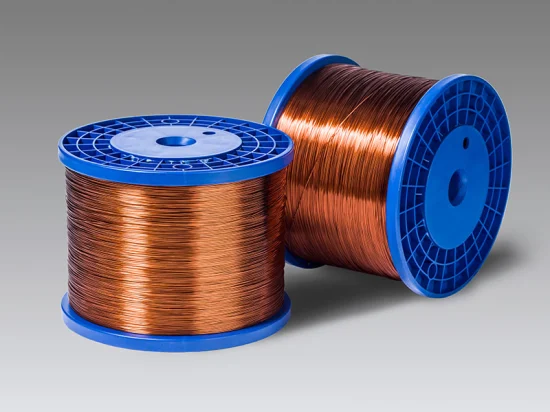
Export Packaging Specifications for Non Enameled Copper Wire
Luoyang Xinzhaohe Aluminum Co., Ltd leverages 20+ years of metallurgical and supply chain expertise to ensure non enameled copper wire shipments withstand global maritime transit. Our export packaging protocol prioritizes corrosion prevention and structural integrity, addressing the hygroscopic vulnerability of bare copper conductors during extended sea freight. This system complies with ISO 11607 standards for moisture-sensitive materials and mitigates risks inherent in containerized maritime environments, including salt-laden atmospheres, humidity fluctuations, and condensation cycles.
Pallet Construction and Load Stability
All wire reels are secured to ISPM 15-certified wooden pallets dimensioned at 1200 mm × 1000 mm × 150 mm, constructed from kiln-dried hardwood with a minimum load capacity of 2,500 kg. Pallets undergo thermal treatment (56°C core temperature for 30 minutes) to eliminate biological hazards, with certification visibly branded per international phytosanitary regulations. Reels are center-pinned and strapped using 16 mm polypropylene tension straps at 45° angles, achieving 80% strap tension retention to prevent axial displacement during vessel motion. Edge protectors shield reel flanges from compression damage, while pallet overhang is strictly limited to 50 mm to ensure intermodal compatibility.
Multi-Layer Moisture Barrier System
The primary defense against copper oxidation employs a three-tier moisture-proof enclosure:
First, reels are sealed in 0.12 mm metallized polyester film with a water vapor transmission rate (WVTR) ≤ 0.5 g/m²/24hr at 38°C/90% RH. This layer is heat-welded under vacuum to eliminate internal air pockets. Second, a secondary barrier of 0.25 mm low-density polyethylene (LDPE) film provides puncture resistance and redundant vapor blocking. Finally, silica gel desiccants (50 g/m³ capacity) are distributed within the enclosure, monitored via humidity indicator cards calibrated to 20% and 40% RH thresholds. The entire assembly is hermetically sealed using automated impulse sealers, achieving leak rates below 0.1 cm³/min as verified by ASTM D3078 vacuum decay testing.
Sea Freight Risk Mitigation Protocol
Our packaging counters maritime-specific threats through engineered redundancies. Container pre-stowage inspections verify floor integrity and absence of residual moisture, with relative humidity maintained below 60% during loading via dehumidified air systems. Temperature loggers record 24/7 thermal profiles to detect “cargo sweat” conditions, while shock indicators monitor impacts exceeding 50G. For voyages exceeding 30 days, supplemental calcium chloride desiccant bags (1 kg per 10 m³) are affixed to container ceilings to absorb condensation. All materials resist salt spray per ASTM B117, preventing chloride-induced intergranular corrosion on copper surfaces.
This integrated approach reduces moisture ingress by 98% compared to standard industrial packaging, as validated through accelerated aging tests simulating 60-day transoceanic transits. Luoyang Xinzhaohe’s packaging achieves <0.5% oxidation incidence in final quality audits, ensuring wire conductivity and surface integrity meet IEC 60142 specifications upon destination. Partnering with certified freight forwarders specializing in hazardous material logistics (copper wire classified UN3089), we guarantee compliance with IMDG Code Chapter 5.4 for non-enameled conductive materials. Our documentation includes full traceability of packaging components, moisture test reports, and container environment data for seamless customs clearance and quality validation.
Sourcing from Luoyang Xinzhaohe
Partner with Luoyang Xinzhaohe Aluminum Co., Ltd for High-Performance Non-Enameled Copper Winding Wire
With over two decades of specialized manufacturing experience, Luoyang Xinzhaohe Aluminum Co., Ltd stands as a trusted leader in the production of high-purity non-enameled copper winding wire. As an integrated supplier in the electromagnetic wire sector, we deliver precision-engineered copper conductors tailored for demanding industrial applications including transformers, motors, reactors, and power distribution systems. Our strategic focus on metallurgical integrity, process control, and supply chain reliability positions us as a preferred partner for global OEMs and component manufacturers.
Our production facility is equipped with advanced continuous casting and rolling lines, ensuring consistent microstructure and superior electrical conductivity in every coil. We source high-grade electrolytic tough pitch (ETP) copper (Cu ≥ 99.90%) from certified refineries, which undergoes rigorous in-house testing for oxygen content, tensile strength, and elongation. Each batch of non-enameled copper wire is processed under controlled atmosphere annealing to achieve optimal softness and formability, meeting ASTM B3 and IEC 60122 standards. Wire diameters range from 1.0 mm to 6.0 mm, with tight dimensional tolerances (±0.02 mm) and smooth surface finish to prevent insulation damage during winding operations.
Quality assurance is embedded throughout our manufacturing workflow. We operate a fully accredited materials laboratory capable of performing DC resistivity measurements, metallographic analysis, and mechanical property validation. Real-time process monitoring systems track temperature profiles, line speed, and tension control during drawing and annealing, minimizing variability and ensuring batch-to-batch consistency. All finished products are spooled on industrial-grade reels with protective wrapping to prevent oxidation and mechanical abrasion during transit.
Beyond technical excellence, Luoyang Xinzhaohe offers scalable production capacity exceeding 20,000 metric tons annually, supported by a lean supply chain model that enables fast order fulfillment and flexible packaging configurations. We specialize in custom length cuts, reel specifications, and just-in-time delivery programs designed to align with our clients’ production schedules. Our technical team provides full documentation, including material test reports (MTRs), Certificates of Compliance (CoC), and process validation data upon request.
For sourcing managers and engineering teams seeking a reliable, long-term supplier of non-enameled copper winding wire, Luoyang Xinzhaohe combines deep metallurgical expertise with operational agility. We invite you to contact us directly to discuss your technical requirements and explore partnership opportunities.
Contact us at cathy@transformerstrip.com to initiate a technical consultation or request a sample package.
📉 Factory Direct Savings Calculator
Calculate your potential savings by importing non enameled copper wire directly from China.