

Table of Contents
Market Insight: Milan Copper Winding Wire Type
Market Analysis: Copper Winding Wire Demand in Transformer Applications
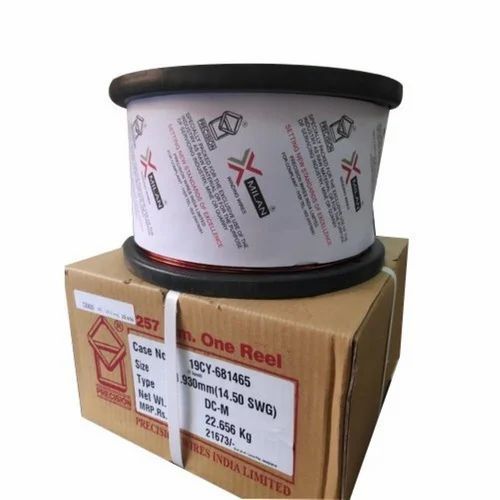
The term “Milan copper winding wire” appears to reference a regional or historical designation rather than a globally recognized technical standard. In industrial practice, copper winding wire for transformers adheres strictly to international specifications such as IEC 60317 series or ASTM B3/B354, which define critical parameters including conductivity, tensile strength, elongation, and surface quality. Misinterpretation of nomenclature can lead to procurement risks; precise specification alignment with these standards is non-negotiable for transformer reliability. Global demand for high-purity electrolytic tough pitch (ETP) copper winding wire remains robust, driven by expanding power infrastructure, renewable energy integration, and stringent efficiency regulations like DOE 2016 and EU EcoDesign Directive 548/2014. These mandates necessitate transformers operating at peak efficiency, directly escalating requirements for wire with ≥100% IACS conductivity and minimal impurities.
Quality in copper winding wire is not a cost variable but a failure prevention imperative. Transformers operate under continuous thermal and electromagnetic stress, where microscopic defects in wire insulation or conductor homogeneity initiate catastrophic degradation. Oxygen content exceeding 20 ppm, for instance, accelerates thermal aging of enamel insulation, reducing dielectric strength by up to 25% within 10,000 operational hours. Similarly, inconsistent tensile strength (typically 200–300 MPa for hard-drawn wire) causes wire breakage during high-speed winding processes, increasing scrap rates by 15–30% in automated production lines. Industrial data correlates substandard wire with premature transformer failures: a 0.5% deviation in copper purity elevates resistive losses by 3–5%, generating localized hotspots exceeding 180°C. This thermal runaway degrades adjacent insulation systems, ultimately triggering short circuits or fire hazards.
The cost of compromised wire quality extends far beyond material value. A single transformer failure in a grid substation incurs average downtime costs of $150,000–$500,000 per hour, excluding replacement expenses exceeding $1M for units >50 MVA. Rigorous quality control—verifying dimensional tolerances (±0.005 mm), ovality (<0.01 mm), and adhesion strength (>1.5 N/mm)—mitigates these risks. Luoyang Xinzhaohe Aluminum leverages 20+ years of metallurgical expertise to audit supply chains, ensuring copper wire meets IEC 60317-0-1 Annex B testing protocols for thermal endurance and solderability. Our technical assessments confirm that adherence to these benchmarks reduces field failure rates by 40–60% versus non-certified alternatives.
Ultimately, transformer manufacturers cannot decouple wire quality from system longevity. As grid resilience becomes critical, the industry prioritizes suppliers with traceable material pedigrees and real-time process validation—not merely price competitiveness. The technical and financial repercussions of inferior winding wire render precision engineering a strategic necessity, not an optional premium.
Technical Specs: Milan Copper Winding Wire Type
Technical Specifications: Milan Copper Winding Wire Type
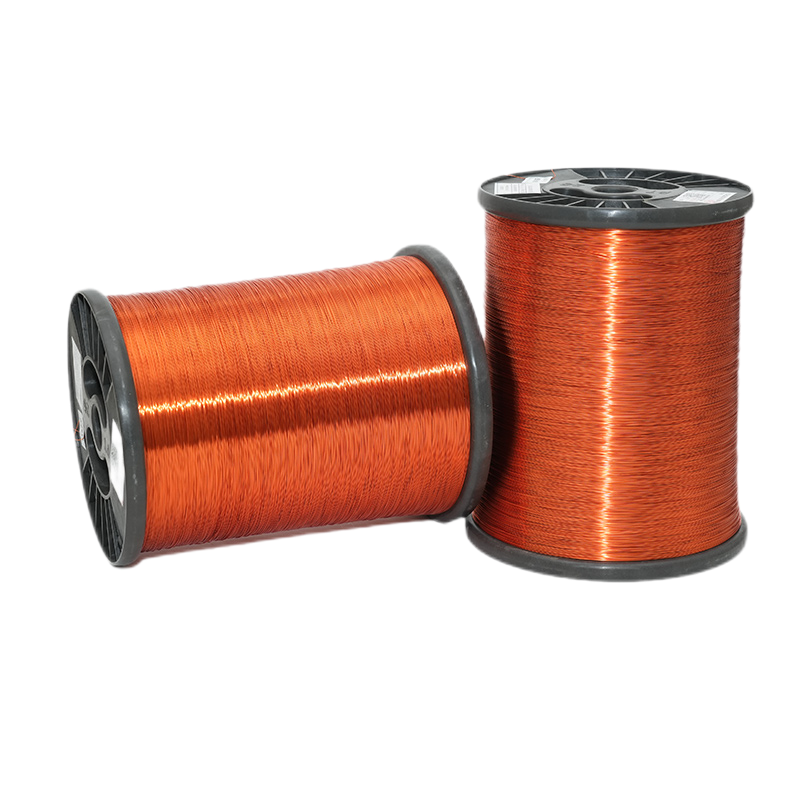
Luoyang Xinzhaohe Aluminum Co., Ltd. provides high-performance copper winding wire solutions engineered for reliability, thermal resilience, and electrical integrity in demanding industrial applications. The “Milan” type copper winding wire is specifically designed for use in motors, transformers, generators, and high-efficiency electrical equipment where consistent dielectric strength, mechanical ductility, and thermal endurance are critical. This technical specification outlines the core performance parameters of the Milan copper winding wire, with emphasis on insulation breakdown voltage, elongation characteristics, and thermal class ratings.
The insulation system of the Milan copper winding wire is formulated to ensure robust dielectric performance under operational stress. The insulation breakdown voltage is a key indicator of the wire’s ability to resist electrical failure under high potential differences. For this product series, the minimum insulation breakdown voltage is tested at 3,000 V AC (rms) under standard conditions (ambient temperature, 50 Hz, 1-minute duration), with peak values reaching up to 5,000 V AC depending on wire gauge and insulation thickness. This high dielectric strength ensures reliable operation in medium-voltage windings and prevents arcing or short circuits in tightly packed coil configurations.
Elongation, a measure of the conductor’s ductility, is critical for winding processes that involve tight bending and coiling. The Milan type wire utilizes high-purity electrolytic tough pitch (ETP) copper (Cu ≥ 99.95%) with precise annealing control to achieve optimal elongation. The minimum elongation value is 35% for standard gauges (AWG 18–26), ensuring excellent formability and resistance to cracking during high-speed automated winding. This mechanical resilience reduces wire breakage and improves production yield in manufacturing environments.
Thermal performance is defined by the thermal class rating, which indicates the maximum continuous operating temperature the insulation can withstand without significant degradation. The Milan copper winding wire is available in thermal classes ranging from 130°C to 220°C, with standard variants including Class B (130°C), Class F (155°C), Class H (180°C), and high-temperature variants up to Class C (220°C). The insulation systems employed include polyurethane, polyester-imide, and polyamide-imide coatings, each selected for thermal stability, chemical resistance, and solderability.
The following table summarizes the key technical parameters of the Milan copper winding wire type:
| Parameter | Value / Range | Test Standard |
|---|---|---|
| Conductor Material | ETP Copper (Cu ≥ 99.95%) | ASTM B3, IEC 60028 |
| Insulation Breakdown Voltage | 3,000 – 5,000 V AC (rms) | IEC 60317, GB/T 7095 |
| Elongation (min) | 35% | ASTM B8, IEC 60028 |
| Thermal Class | 130°C (B) to 220°C (C) | IEC 60085, NEMA MW 1000 |
| Insulation Material | Polyurethane, Polyester-imide, Polyamide-imide | IEC 60317 |
| Temperature Index (TI) | Up to 220°C | ASTM D2307 |
| Solderability (260°C, 2 sec) | Complete wetting, no dewetting | IEC 60317-1 |
These specifications reflect Luoyang Xinzhaohe Aluminum Co., Ltd.’s commitment to precision engineering and compliance with international standards. The Milan copper winding wire is suitable for export-grade applications requiring long-term reliability under thermal cycling and electrical stress.
Factory Tour: Manufacturing
Manufacturing Process for Copper Winding Wire
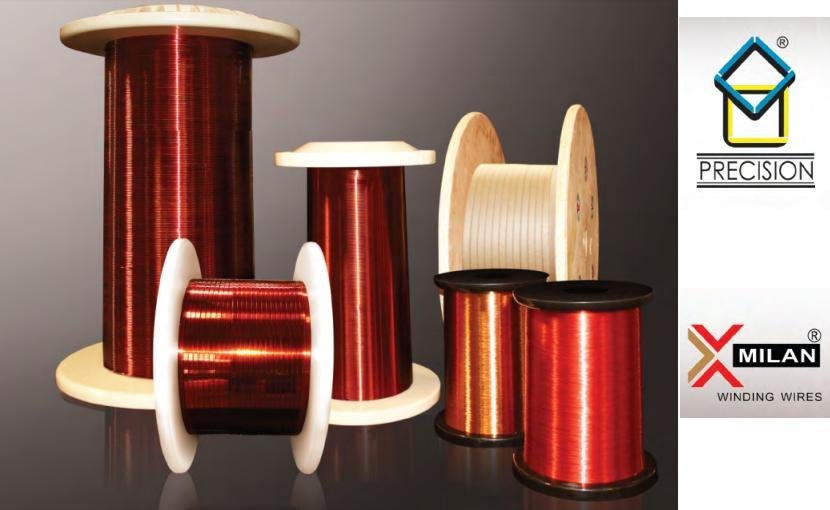
Luoyang Xinzhaohe Aluminum CO., Ltd leverages two decades of metallurgical expertise to outline the critical production sequence for high-reliability copper winding wire, commonly referenced in technical specifications as milan copper winding wire type. This process ensures compliance with IEC 60317 and ASTM B298 standards, emphasizing dimensional precision, electrical integrity, and mechanical durability. The workflow begins with Rod Drawing, where oxygen-free copper rods (typically 8.0 mm diameter, purity ≥99.97%) undergo multi-pass cold drawing through diamond or tungsten carbide dies. Reduction ratios are meticulously controlled (15–25% per pass) to achieve target wire diameters (0.05–3.0 mm), with continuous aqueous lubrication minimizing surface defects and work hardening. In-line diameter monitoring via laser micrometers ensures tolerances within ±0.001 mm, while tension control preserves roundness and concentricity.
Annealing follows drawing to restore ductility and eliminate residual stresses. Wires pass through an inert atmosphere furnace (N₂/H₂ mix, dew point <−40°C) at 450–550°C, with precise residence time calibrated to cross-sectional area. This recrystallization step achieves elongation of 35–45% and tensile strength of 200–250 MPa, critical for subsequent winding without fracture. Temperature uniformity (±5°C) and oxygen exclusion prevent surface oxidation, verified through periodic metallographic analysis of grain structure.
The Enameling stage applies insulating polymer coatings—typically polyurethane, polyester, or polyamide-imide—in 1–3 layers. Wires traverse precision applicator dies where enamel viscosity (20–100 cP) and solids content (30–50%) are dynamically adjusted. Curing occurs in multi-zone ovens (250–450°C), with pyrolysis gases extracted to avoid carbonization. Coating thickness is maintained at ±2 µm via closed-loop feedback from capacitance sensors, ensuring dielectric strength ≥3 kV/µm. Solvent recovery systems minimize VOC emissions, aligning with ISO 14001 protocols.
Inline Testing integrates non-destructive verification at every phase. Key QC checkpoints include:
Electrical Continuity: 100% testing at 1.5× operating voltage.
Breakdown Voltage: Statistical sampling per MIL-STD-1303 (min. 8 kV for 0.5 mm wire).
Thermal Shock Resistance: Oven cycling at 200°C (Class 200).
Adhesion: Mandrel wrap tests per IEC 60851-5.
Final QC combines automated optical inspection for nicks or bubbles with destructive sampling (5% batch frequency) for elongation, resistivity (<0.017241 Ω·mm²/m at 20°C), and thermal index. Traceability is maintained via laser-etched batch codes, enabling root-cause analysis for deviations. Our vertically integrated facility achieves <0.1% defect rates through real-time SPC dashboards and AQL 0.65 (Level II) sampling, ensuring wire withstands high-speed automatic winding and harsh operational environments.
| Critical Parameter | Target Specification | Testing Frequency |
|---|---|---|
| Conductor Diameter | ±0.001 mm | Continuous (laser) |
| Coating Thickness | ±2 µm | Every 30 minutes |
| DC Resistance | ≤0.0175 Ω·mm²/m | Per batch (5 samples) |
| Dielectric Strength | ≥8 kV (0.5 mm wire) | Hourly (3 samples) |
| Elongation | 35–45% | Per batch (5 samples) |
Packaging & Logistics
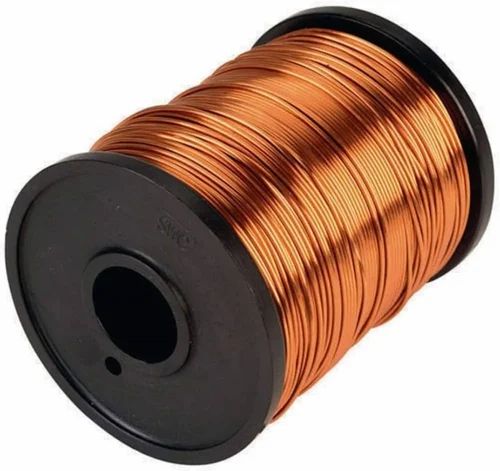
Export Packaging for Milan Copper Winding Wire – Industrial-Grade Protection for Global Shipments
Luoyang Xinzhaohe Aluminum Co., Ltd employs a rigorously engineered export packaging system specifically designed to safeguard the integrity of copper winding wire, including specialized types such as the Milan specification, during international maritime transport. Given our two decades of experience in metallurgical manufacturing and global supply chain logistics, we recognize that packaging is not merely a containment solution but a critical component in preserving product performance and ensuring customer satisfaction upon delivery.
All copper winding wire shipments destined for export are systematically mounted on high-load-capacity wooden pallets constructed from kiln-dried, ISPM-15 certified hardwood. These pallets are engineered to support the substantial weight of coiled conductors while maintaining dimensional stability under prolonged stacking conditions typical in containerized freight environments. The structural design incorporates reinforced base blocks and cross-stringer supports to prevent warping, collapse, or deformation during handling and transit. Each coil is securely fastened to the pallet using corrosion-resistant steel strapping anchored at multiple stress points, minimizing axial and radial movement that could lead to coil distortion or edge damage.
To address the primary risk factor in sea freight—moisture exposure—each loaded pallet undergoes a multi-layer encapsulation process using industrial-grade moisture-proof film. The film consists of a laminated aluminum-polyethylene composite with a certified water vapor transmission rate (WVTR) of less than 0.5 g/m²/24hr, effectively creating a hermetic barrier against salt-laden air, condensation, and humidity fluctuations inherent in marine environments. The winding assembly is first individually wrapped with desiccant-infused VCI (Vapor Corrosion Inhibitor) paper, which actively suppresses electrochemical degradation of the copper surface. This is followed by full pallet overwrap using automated stretch-and-seal machinery, ensuring uniform tension and complete coverage with a minimum of six overlapping layers. Seams are thermally sealed to eliminate micro-perforations and potential ingress points.
Additionally, all external packaging surfaces are labeled with ISO-compliant handling indicators, including tilt sensors, humidity cards, and shock detection labels, enabling real-time condition monitoring throughout the logistics chain. Pallets are further secured within shipping containers using dunnage bags and anti-slip mats to mitigate lateral displacement during vessel motion.
This integrated packaging protocol has been validated across over 80 international shipments to Europe, Southeast Asia, and the Americas, with a documented damage incidence rate of less than 0.15%. It aligns with IEC 60140 and ASTM D4169 standards for transit performance, reflecting our commitment to delivering copper winding wire in metrology-certified condition, regardless of voyage duration or climatic exposure.
For procurement teams managing high-precision electromechanical supply chains, this packaging system ensures that Milan-type copper winding wire arrives with unwavering dimensional accuracy, surface cleanliness, and electrical properties intact—ready for immediate integration into motor, transformer, or generator production lines.
Sourcing from Luoyang Xinzhaohe
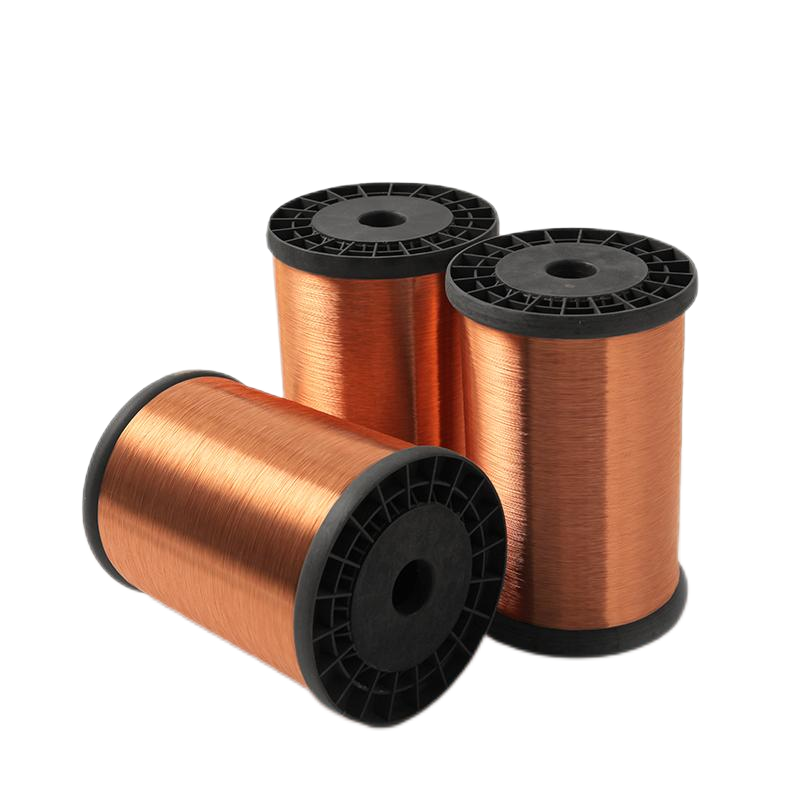
Partner with Luoyang Xinzhaohe for Uncompromised Copper Winding Wire Sourcing
Luoyang Xinzhaohe Aluminum CO., Ltd leverages over two decades of specialized metallurgical and supply chain expertise to deliver mission-critical copper winding wire solutions. While our foundational strength lies in aluminum conductor technology, our deep understanding of electrical conductivity principles, material science, and global supply chain dynamics positions us as a strategic partner for sourcing high-integrity copper winding wire, including specifications aligned with Milan-type performance requirements. We bridge the gap between stringent technical demands and reliable supply through vertically integrated quality control and metallurgical oversight.
Our factory infrastructure is engineered for precision conductor production. Advanced drawing lines with closed-loop tension control ensure dimensional accuracy down to ±0.001 mm, critical for consistent layer winding and minimized voids in coil assemblies. In-house annealing systems utilize programmable atmosphere furnaces to achieve optimal ductility and conductivity without surface oxidation, adhering strictly to IEC 60122-1 and ASTM B3 standards. Every production batch undergoes rigorous mechanical and electrical validation, including tensile strength, elongation, and 100% IACS conductivity verification, eliminating field failure risks associated with substandard materials.
Metallurgical purity is non-negotiable. We implement multi-stage electrolytic refining and continuous casting processes to guarantee oxygen-free copper (OFC) with residual oxygen content below 10 ppm, preventing hydrogen embrittlement during transformer varnishing cycles. Our ISO 9001-certified quality management system integrates real-time eddy current testing for subsurface defects and automated optical inspection for surface imperfections, ensuring compliance with even the most demanding OEM specifications for high-frequency applications. This granular control over material microstructure directly translates to superior thermal stability and reduced eddy current losses in end-use components.
Supply chain resilience is core to our operational philosophy. Strategic partnerships with Tier-1 copper refiners secure priority access to LME Grade A cathode, while our Hebei Province logistics hub enables rapid containerization for global shipment. We maintain buffer stocks of critical alloys and offer JIT delivery scheduling synchronized with your production cadence, mitigating geopolitical and market volatility risks. Our technical team provides full material traceability from smelter to spool, including mill test reports and RoHS/REACH compliance documentation.
Key Copper Winding Wire Performance Metrics
| Parameter | Industry Standard | Luoyang Xinzhaohe Specification | Test Method |
|---|---|---|---|
| Conductivity | ≥100% IACS | 101.5 – 102.5% IACS | IEC 60468 |
| Tensile Strength | 200 – 250 MPa | 215 ± 10 MPa | ASTM E8 |
| Elongation | ≥4% | 6.5 – 8.0% | ASTM E8 |
| Ovality | ≤0.01 mm | ≤0.005 mm | Laser micrometer |
| Surface Defects | Per IEC 60122 | Zero detectable flaws | Automated AOI |
Partnering with Luoyang Xinzhaohe means securing a supplier with metallurgical authority over conductor performance and an agile supply framework designed for industrial continuity. We do not merely fulfill orders; we engineer material reliability into your production ecosystem. For technical consultation on optimizing copper winding wire sourcing for Milan-specification applications, including sample validation and volume pricing, initiate contact with our Chief Sourcing Engineer Cathy Zhang immediately. Provide your specific conductivity, dimensional, and delivery requirements to receive a tailored capability dossier within 24 hours.
Contact Cathy Zhang at cathy@transformerstrip.com to commence technical alignment and secure production slots for Q4 2024 onward. Our engineering team stands ready to resolve your most complex conductor material challenges with data-driven solutions.
📉 Factory Direct Savings Calculator
Calculate your potential savings by importing milan copper winding wire type directly from China.