


Table of Contents
Market Insight: M19 Electrical Steel
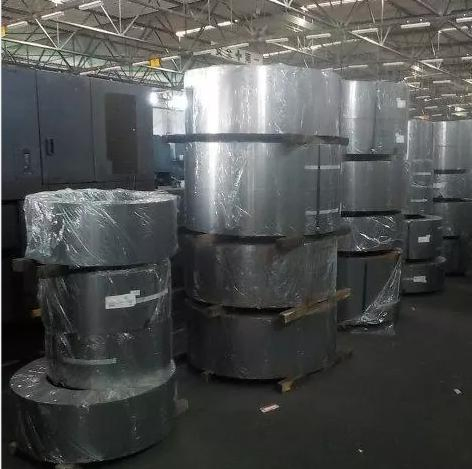
Market Analysis: Silicon Steel (Electrical Steel) – M19 Grade Demand and Quality Imperatives
The M19 electrical steel grade (IEC designation M190-35A, ASTM A664) remains a critical material within the global transformer manufacturing sector, particularly for distribution transformers ranging from 50 kVA to 2500 kVA. Its sustained demand stems from a precise balance of magnetic properties, manufacturability, and cost-effectiveness for this specific application segment. While higher grades (e.g., M15, M12) target ultra-high-efficiency premium transformers, M19 delivers optimal performance for utilities and industrial users prioritizing lifecycle cost reduction under standard efficiency regulations like DOE 2016 in the US or IE3/IE4 standards globally. Current market analysis indicates robust demand, driven by aging grid infrastructure replacement cycles in mature economies and significant grid expansion projects across Asia, Africa, and South America. The global push for energy efficiency, even at standard levels, ensures M19 remains a high-volume commodity steel grade, with annual consumption measured in millions of metric tons for transformer cores alone.
Quality consistency in M19 electrical steel is not merely a specification checkbox; it is fundamental to transformer performance, reliability, and total cost of ownership. The core function of electrical steel is to minimize energy loss during magnetic flux reversal (core loss) while maintaining sufficient magnetic induction (B800). For M19, the critical parameter is the specific total core loss (W1.5/60), typically specified between 1.60 – 1.80 W/kg at 1.5 Tesla and 60 Hz. Variations exceeding ±0.05 W/kg significantly impact transformer no-load losses. A seemingly minor 0.10 W/kg increase across a 1000 kVA transformer core translates to approximately 800 kWh of additional wasted energy annually – a substantial operational cost burden over a 25-30 year lifespan. Furthermore, inconsistent magnetic properties lead to higher magnetostriction, directly contributing to audible transformer noise levels, a critical factor in residential and urban deployments where noise regulations are stringent.
Manufacturing quality directly impacts production yield and final product integrity. Precise thickness tolerance (typically ±0.025 mm for 0.35mm gauge) is essential for achieving correct core stacking factors and preventing localized saturation. Variations cause uneven flux distribution, increasing localized losses and hotspot risks. The insulating coating (C5 or C6 class per IEC 60404-1) must exhibit uniform adhesion, dielectric strength (>300 V), and resistance to冲压 (stamping) damage. Poor coating integrity leads to interlaminar shorts, drastically increasing eddy current losses and potentially causing catastrophic core failure under load. Consistent lamination flatness and edge burr control are equally vital for automated core stacking lines; deviations cause misalignment, vibration, and increased acoustic noise. Luoyang Xinzhaohe Aluminum CO., Ltd leverages its 20+ years of specialized process control expertise to ensure M19 material meets these exacting parameters consistently, directly supporting transformer manufacturers in achieving target efficiency, reliability, and production yield.
Key M19 Electrical Steel Quality Parameters & Impact
| Parameter | Typical Specification | Critical Impact of Variation |
|---|---|---|
| Specific Core Loss (W1.5/60) | 1.60 – 1.80 W/kg | Increased no-load loss, higher operational cost |
| Magnetic Induction (B800) | ≥ 1.70 T | Reduced power handling, potential core saturation |
| Thickness Tolerance | ±0.025 mm (0.35mm) | Poor stacking factor, localized flux distortion |
| Coating Adhesion | Class C5/C6 | Interlaminar shorts, elevated eddy current loss |
| Coating Dielectric Strength | > 300 V | Risk of electrical breakdown within core stack |
Transformer manufacturers selecting M19 must prioritize suppliers with demonstrable, rigorous quality control systems spanning raw material sourcing, cold rolling, annealing, and coating application. The initial material cost differential is negligible compared to the lifecycle energy costs and potential warranty liabilities incurred from substandard steel. Consistent M19 quality is the bedrock of efficient, quiet, and reliable distribution transformers.
Technical Specs: M19 Electrical Steel
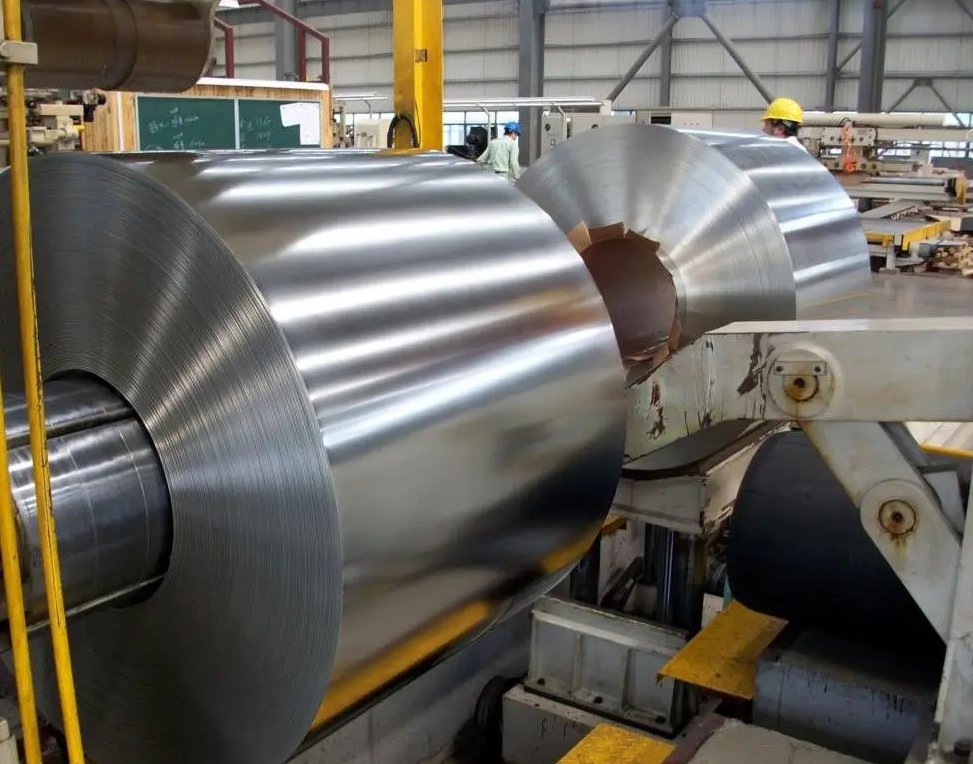
Technical Specifications for M19 Electrical Steel
M19 electrical steel, designated as ASTM A677 non-oriented silicon steel, is a high-performance lamination material engineered for efficient electromagnetic conversion in rotating machinery and power distribution systems. At Luoyang Xinzhaohe Aluminum Co., Ltd, with over two decades of metallurgical and supply chain expertise, we ensure strict adherence to international standards in the production and delivery of M19-grade electrical steel. This material is widely used in motors, generators, transformers, and other electromagnetic cores where balanced magnetic performance and low energy loss are critical.
The core loss, also known as iron loss or specific total loss (W/kg), is a fundamental performance metric for electrical steel and directly impacts the energy efficiency of electromagnetic devices. For M19 electrical steel, core loss is measured under sinusoidal flux conditions at 60 Hz and 1.5 T (Tesla), with a maximum allowable value of 1.90 W/kg. This value includes both hysteresis and eddy current losses, minimized through optimized silicon content (typically 2.9–3.2%) and precise grain-oriented processing. Lower core loss translates into reduced heat generation and higher operational efficiency, making M19 suitable for energy-efficient motor designs compliant with IE3 and IE4 efficiency standards.
Magnetic flux density (B) is another critical parameter, indicating the material’s ability to support magnetic field development. M19 electrical steel achieves a nominal magnetic flux density of 1.68 T at an applied magnetic field strength of 5,000 A/m (B₅₀₀₀). High flux density allows for compact core designs with reduced material usage while maintaining performance, an essential factor in downsizing motors and improving power-to-weight ratios. The material exhibits excellent permeability and saturation characteristics, ensuring stable performance under variable load conditions.
Flatness is a dimensional quality attribute that significantly influences lamination stacking and core integrity. Poor flatness can lead to air gaps, increased reluctance, and localized hot spots. M19 electrical steel is manufactured with tight flatness tolerances, typically within 5 mm deviation over a 1,000 mm length. This ensures uniform stacking pressure and consistent magnetic path continuity in assembled cores. Surface coating is applied to enhance interlaminar resistance, reduce eddy current losses, and provide corrosion resistance. The standard insulating coating (C-3 or C-4 type) offers a surface resistivity of ≥1,000 Ω·cm and withstands standard varnish-baking temperatures.
All M19 coils are subject to rigorous quality control, including continuous monitoring of thickness uniformity (nominal 0.35 mm ±0.02 mm), edge camber, and coil set, to ensure compatibility with high-speed progressive dies used in lamination stamping.
Key Technical Parameters of M19 Electrical Steel
| Parameter | Condition | Typical Value | Standard Reference |
|---|---|---|---|
| Core Loss (W/kg) | 60 Hz, 1.5 T | ≤1.90 | ASTM A677 |
| Magnetic Flux Density (T) | 5,000 A/m (B₅₀₀₀) | ≥1.68 | ASTM A677 |
| Thickness | — | 0.35 mm | ASTM A677 |
| Silicon Content | — | 2.9–3.2 wt% | GB/T 2521 |
| Density | — | 7.65 g/cm³ | — |
| Specific Electrical Resistivity | — | ~58 µΩ·cm | — |
| Flatness Tolerance | Over 1,000 mm length | ≤5 mm | Internal QC Protocol |
| Coating Type | — | C-3 or C-4 (insulating) | ASTM A976 |
| Surface Resistivity | Coated surface | ≥1,000 Ω·cm | ASTM A717 |
These specifications reflect the balanced performance profile of M19 electrical steel, making it a preferred choice for mid-to-high efficiency electromagnetic applications. Luoyang Xinzhaohe Aluminum Co., Ltd guarantees consistent material quality through advanced cold rolling, annealing, and coating technologies, backed by comprehensive mill test certifications.
Factory Tour: Manufacturing
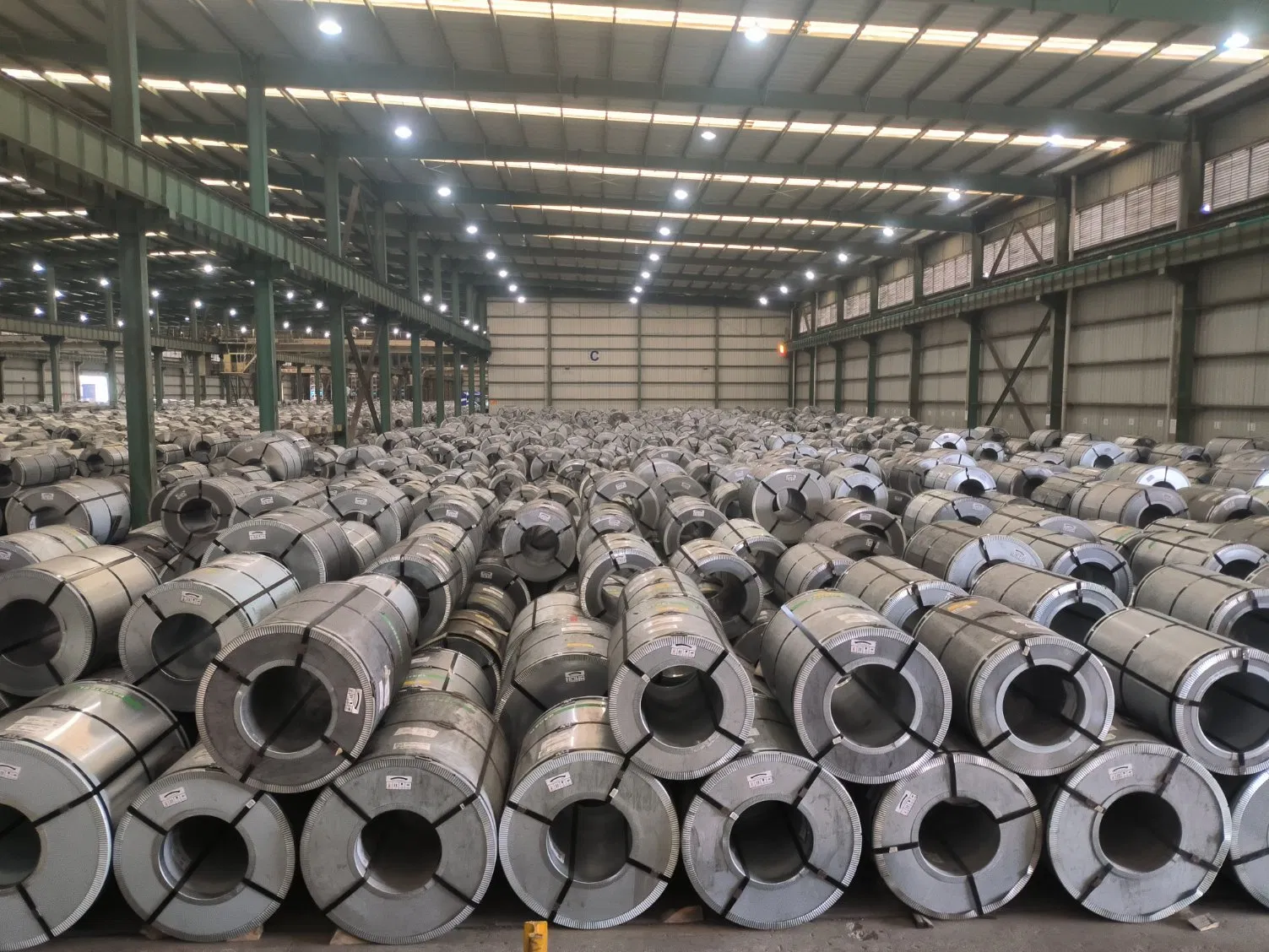
Manufacturing Process for M19 Electrical Steel
Luoyang Xinzhaohe Aluminum CO., Ltd leverages 20+ years of metallurgical expertise to produce M19 non-oriented electrical steel, a critical material for high-efficiency motors and transformers. Our production sequence begins with precision slitting of incoming master coils, followed by continuous annealing, insulation coating, and final lamination cutting. Each stage integrates stringent quality control to ensure compliance with IEC 60404-8-7 and ASTM A664 standards for magnetic properties and dimensional accuracy.
Slitting initiates the process, where cold-rolled coils are longitudinally cut into narrower strips matching customer width specifications. Tension control systems maintain strip flatness within 0.5mm/m, while edge quality is monitored via laser profiling to eliminate burrs exceeding 0.03mm. This stage ensures uniform feedstock for subsequent thermal treatment. Annealing follows in a continuous furnace under controlled hydrogen-nitrogen atmospheres at 850–900°C. The decarburization phase reduces carbon content below 30 ppm, critical for minimizing core losses, while grain growth optimization occurs during the 2–4 minute dwell time. In-process magnetic testing verifies specific total loss (W15/50) remains ≤3.20 W/kg and permeability meets minimum 1,500 A/m requirements.
Insulation coating applies a thin, uniform inorganic layer (typically MgO-based) via roll-coating at 0.8–1.2 g/m². This dielectric film suppresses interlaminar eddy currents, directly impacting core loss performance. Coating weight is validated through X-ray fluorescence (XRF) at 3-meter intervals, with adhesion tested per ASTM D3359 cross-hatch methods. Any deviation triggers immediate line-speed adjustment to maintain ±5% coating thickness tolerance. Final precision cutting employs servo-driven blanking presses or laser systems to produce laminations with geometric tolerances of ±0.05mm. Burr height is constrained to ≤0.02mm through optimized blade clearance (5–7% material thickness), validated via optical comparator inspection.
Quality control is embedded throughout the workflow. Final laminations undergo 100% dimensional verification and batch-level magnetic property retesting. Core loss and permeability data are certified using Epstein frame testers per IEC 60404-2, with results traceable to NIST standards. The table below summarizes critical acceptance criteria:
| Parameter | Test Method | Specification | Frequency |
|---|---|---|---|
| Specific Total Loss (W15/50) | IEC 60404-2 | ≤3.20 W/kg | Per batch |
| Coating Weight | ASTM A755 | 0.8–1.2 g/m² | Every 30 min |
| Dimensional Tolerance | ISO 2768-mK | ±0.05 mm | 100% inspection |
| Interlaminar Resistance | IEC 60404-9 | ≥3.0 Ω·mm² | Per shift |
This integrated process, refined over two decades, guarantees M19 steel delivers optimal magnetic performance and mechanical consistency for demanding electromagnetic applications. All production data is documented in our centralized quality management system, providing full traceability from coil ID to shipment certification.
Packaging & Logistics
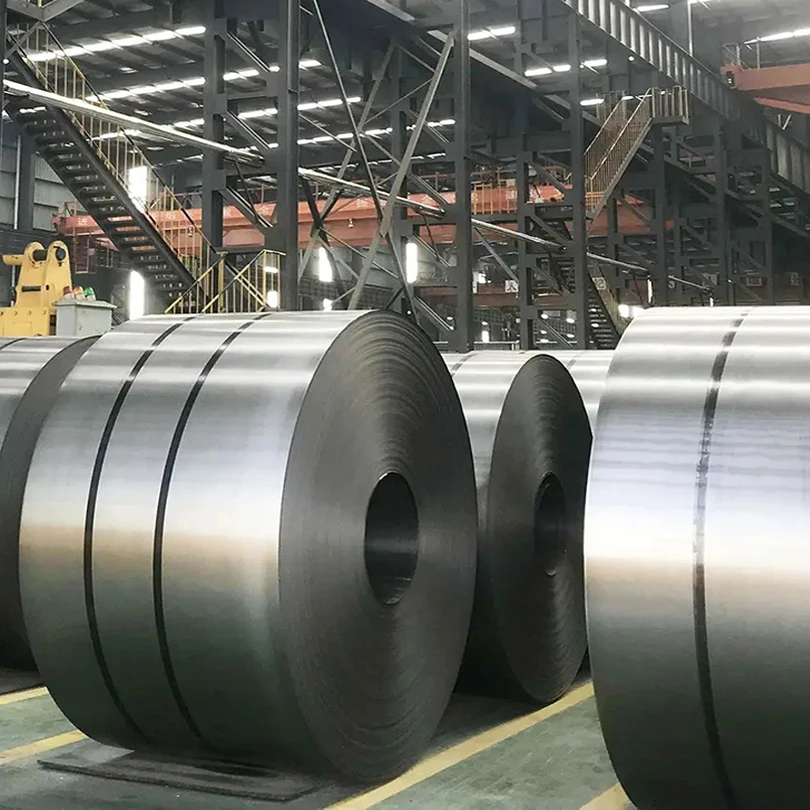
Export Packaging for M19 Electrical Steel: Ensuring Integrity During International Transit
At Luoyang Xinzhaohe Aluminum Co., Ltd, with over two decades of specialized experience in the production and global distribution of silicon steel, we maintain rigorous standards in export packaging to preserve the metallurgical and dimensional integrity of M19 electrical steel throughout international logistics chains. Given the material’s sensitivity to mechanical damage, corrosion, and environmental exposure, our packaging methodology is engineered to meet the demands of long-haul sea freight under variable climatic conditions.
M19 electrical steel coils are uniformly mounted on high-load-capacity wooden pallets constructed from kiln-dried, ISPM-15 compliant hardwood. These pallets are designed to support coil weights ranging from 5 to 12 metric tons, ensuring structural stability during containerized transport. The use of treated timber prevents pest infestation and complies with international phytosanitary regulations, eliminating customs delays at destination ports. Each pallet is reinforced with steel strapping embedded into load-bearing blocks, minimizing lateral displacement during vessel motion or crane handling.
Immediately after final quality inspection and dimensional verification, each coil is wrapped in multi-layer moisture-proof composite film, consisting of an aluminum-polyethylene laminate with a vapor transmission rate below 0.5 g/m²·day. This barrier effectively shields the steel surface from salt-laden air, condensation, and humidity fluctuations inherent in maritime environments. The film is heat-sealed at all seams and secured with anti-corrosion adhesive tapes to form a hermetic enclosure. Additionally, desiccant packs are strategically placed within the wrapping to absorb residual moisture and maintain a controlled microclimate around the coil.
To further enhance protection, edge protectors made of galvanized steel are affixed to the outer and inner diameters of the coil. These prevent deformation during strapping and resist abrasion from container walls or adjacent cargo. The entire packaged unit is then overwrapped with a UV-resistant outer polyethylene hood, providing supplementary defense against solar degradation during extended port layovers.
All packaged coils are labeled with durable, weather-resistant tags indicating product grade (M19), nominal thickness (0.65 mm), core loss values (W15/60 ≤ 4.0 W/kg), coil ID, weight, and handling instructions in both Chinese and English. This ensures traceability and compliance with ISO 9001 and IEC 60404-8-4 standards.
Our packaging protocol has been validated through accelerated aging tests and real-world shipping cycles across trans-Pacific and trans-Indian Ocean routes. It is specifically optimized for containerized 40-foot high-cube freight units, allowing secure stowage of 2 to 3 coils per container depending on coil outer diameter and weight distribution.
By integrating engineered materials with standardized industrial practices, Luoyang Xinzhaohe Aluminum Co., Ltd ensures that M19 electrical steel arrives at destination facilities in as-manufactured condition, ready for immediate processing in transformer and motor lamination lines. This reliability underscores our commitment to supply chain excellence in the global silicon steel market.
Sourcing from Luoyang Xinzhaohe
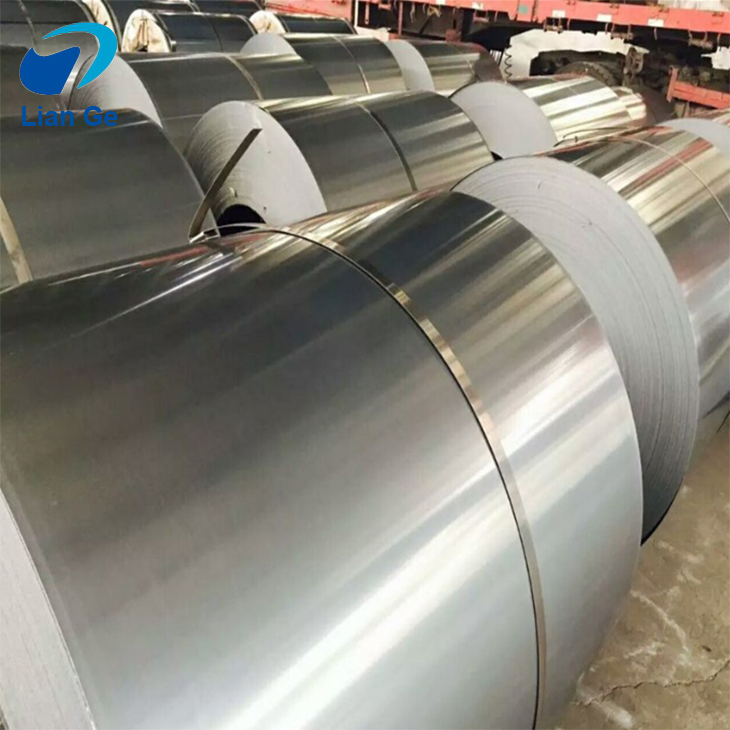
Partner with Luoyang Xinzhaohe Aluminum Co., Ltd for M19 Electrical Steel Excellence
Luoyang Xinzhaohe Aluminum Co., Ltd leverages over two decades of specialized metallurgical expertise to deliver M19 non-oriented electrical steel meeting stringent global transformer and motor manufacturing standards. Our dedicated silicon steel division operates independently from our core aluminum activities, focusing exclusively on the precise production and supply of high-performance electrical steel grades. This specialization ensures unwavering commitment to the unique material science demands of M19, characterized by its balanced magnetic properties, low core loss, and high permeability essential for efficient electromagnetic conversion in rotating machinery and distribution transformers.
Precision Manufacturing Infrastructure
Our vertically integrated production facility utilizes advanced 20-high cluster rolling mills and continuous annealing lines calibrated for M19 specifications. We maintain strict control over the silicon content (2.9–3.3%) and grain structure to achieve guaranteed core loss values of ≤ 1.20 W/kg at 1.5 T and 50 Hz, adhering to IEC 60404-8-7 and ASTM A664 standards. Production capabilities span thicknesses from 0.23 mm to 0.35 mm and widths up to 1,250 mm, with tight tolerances of ±0.005 mm on thickness and ±1.0 mm on width. All coils undergo stress-relief annealing to minimize magnetic aging, ensuring long-term performance stability in end applications.
Rigorous Quality Assurance Protocols
Every batch of M19 steel undergoes comprehensive in-house testing per ISO/IEC 17025-accredited methodologies. Critical parameters monitored include core loss (Epstein frame testing), magnetic flux density (B50/B80), lamination factor, and interlaminar resistance. Our proprietary oxide-based insulation coating (Type C2 per IEC 60404-9) delivers consistent 50–150 Ω/sq surface resistance, preventing eddy current losses in stacked cores. Full material traceability is maintained from melt shop to shipment via our integrated MES system, with certified test reports (including heat number linkage) provided with every consignment. Third-party certifications include ISO 9001:2015 and SGS validation for RoHS compliance.
Optimized Supply Chain Execution
As a direct manufacturer, we eliminate intermediary dependencies, enabling responsive lead times of 15–25 days for standard orders and JIT delivery coordination for high-volume contracts. Our 50,000 MT annual production capacity for non-oriented grades is supported by dedicated logistics partnerships ensuring FCL/LCL container handling with moisture-controlled packaging (VCI paper + steel strapping). We maintain strategic raw material inventory of high-purity electrolytic manganese and specialty alloys to mitigate supply volatility, while our ERP system provides real-time order tracking from production scheduling to customs clearance.
Partnering with Luoyang Xinzhaohe guarantees access to metallurgically optimized M19 electrical steel backed by process transparency and technical collaboration. Our engineering team provides application-specific guidance on lamination design, stacking factors, and core loss minimization to enhance your end-product efficiency. For certified material test reports, production capacity verification, or customized sourcing solutions, contact our Technical Sales Manager Cathy directly at cathy@transformerstrip.com to initiate a qualification review. We commit to delivering measurable performance improvements in your electromagnetic core manufacturing process.
📉 Factory Direct Savings Calculator
Calculate your potential savings by importing m19 electrical steel directly from China.