


Table of Contents
Market Insight: Insulated Copper Magnet Wire
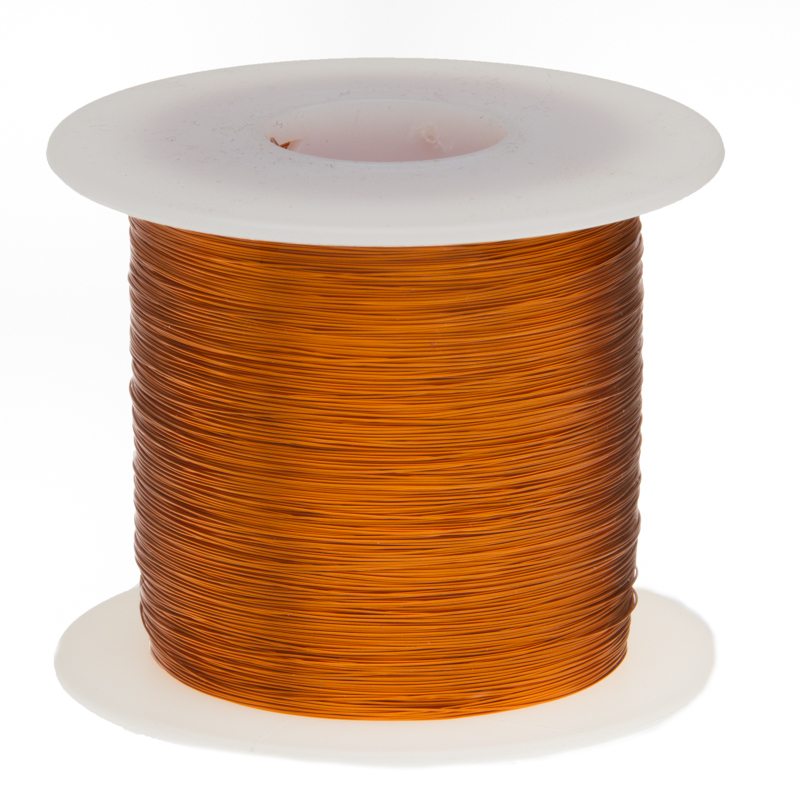
Market Analysis: Insulated Copper Magnet Wire Demand in Transformer Applications
Global transformer manufacturing drives sustained demand for high-purity insulated copper magnet wire, representing a critical material segment within the electrical winding wire market. Current annual consumption exceeds 1.8 million metric tons globally, with a compound annual growth rate (CAGR) of approximately 4.2% projected through 2030. This growth is primarily fueled by three industrial imperatives: the worldwide expansion of renewable energy infrastructure requiring step-up transformers, aging electrical grid modernization programs mandating higher-efficiency units, and the proliferation of electric vehicle charging networks demanding compact, high-performance distribution transformers. The transformer sector consumes over 65% of all magnet wire produced, with distribution and power transformers accounting for the largest volume share. Stringent global efficiency regulations, including IE4 and IE5 motor standards cascading into transformer design, necessitate conductors with minimal electrical resistance and superior thermal management properties, directly elevating specifications for base copper and insulation systems.
Quality consistency in insulated copper magnet wire is non-negotiable for transformer reliability and operational lifespan. Substandard wire introduces critical failure vectors. Inadequate copper purity (below 101% IACS conductivity) increases I²R losses, directly reducing transformer efficiency and generating excess heat. Imperfections in the enamel insulation layer—such as pinholes, thin spots, or inconsistent thickness—compromise dielectric strength, risking inter-turn short circuits under operational voltage stress or transient surges. Poor thermal class adherence leads to premature insulation degradation during thermal cycling, a common occurrence in load-varying grid applications. Dimensional inaccuracies in wire diameter or ovality disrupt precise winding density, causing mechanical stress points, localized hot spots, and reduced fill factor within the coil assembly. These defects collectively accelerate insulation breakdown, increase no-load losses, and significantly shorten transformer service life, potentially triggering catastrophic failures with high replacement costs and extended grid downtime.
The thermal classification of the insulation system is a paramount quality indicator, dictating the wire’s operational temperature ceiling and longevity. The following table outlines critical thermal classes relevant to modern transformer design:
| Thermal Class (IEC 60317) | Maximum Hot Spot Temperature (°C) | Typical Insulation System | Key Performance Attributes |
|---|---|---|---|
| 155 (Class F) | 155 | Polyesterimide overcoated | Standard for general-purpose distribution transformers; balanced cost/performance |
| 180 (Class H) | 180 | Polyamide-imide | Essential for high-temperature applications, compact designs, and renewable energy transformers; superior thermal aging resistance |
| 200+ (Class C) | 200-220 | Polyimide or ceramic-based | Used in extreme environments (e.g., aerospace, high-altitude substations); exceptional thermal stability |
Manufacturers must source wire meeting exacting specifications for elongation, springback, thermal shock resistance (per IEC 60851-6), and solderability. Consistent adherence to these parameters ensures manufacturability during high-speed winding operations and guarantees the transformer’s ability to withstand decades of thermal cycling and electrical stress. Luoyang Xinzhaohe Aluminum Co., Ltd leverages its 20+ years of metallurgical process control and supply chain expertise to understand the stringent quality cascades from raw material sourcing through final testing. Partnering with suppliers possessing rigorous quality management systems (ISO 9001, IATF 16949) and in-line statistical process control is essential for transformer producers to mitigate supply chain risk and ensure end-product reliability in critical power infrastructure. The cost of wire quality failure vastly exceeds material premiums, making certified performance the cornerstone of responsible sourcing.
Technical Specs: Insulated Copper Magnet Wire
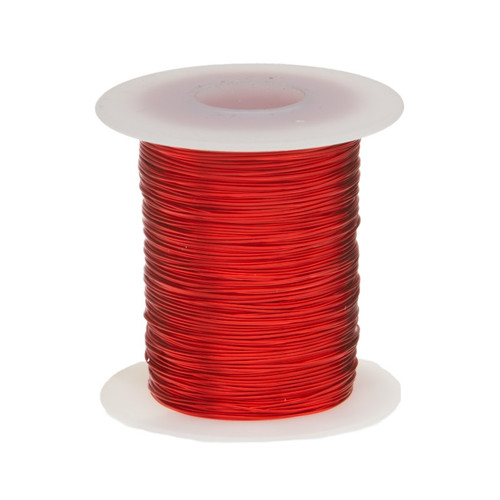
Technical Specifications for Insulated Copper Magnet Wire
Insulated copper magnet wire is a critical component in electromagnetic devices such as motors, transformers, and inductors, where electrical insulation integrity and thermal endurance directly influence performance and longevity. At Luoyang Xinzhaohe Aluminum Co., Ltd, with over two decades of experience in winding wire manufacturing and supply, we emphasize adherence to international standards — including IEC 60317, GB/T 23312, and NEMA MW — to ensure consistent quality and reliability in all magnet wire products. The following technical parameters are essential for evaluating and selecting insulated copper magnet wire for industrial applications.
One of the most critical electrical characteristics is the insulation breakdown voltage, which determines the maximum voltage the insulation layer can withstand before electrical failure occurs. This parameter is tested under standardized conditions using methods such as the needle penetration test or the step-voltage method. For heavy-formvar and polyurethane-insulated wires, breakdown voltage typically ranges from 3,000 V to over 8,000 V depending on wire gauge and insulation thickness. Thicker insulation systems, such as those used in high-voltage motor windings, are engineered to exceed 10 kV breakdown thresholds, ensuring operational safety in demanding electrical environments.
Mechanical performance is evaluated through elongation at break, a measure of ductility indicating how much the wire can stretch before fracturing. High elongation values are essential for winding processes, especially in automated coil winding where mechanical stress is significant. Copper magnet wire with fully annealed conductors typically exhibits elongation values between 15% and 40%, depending on wire diameter and temper. Consistent elongation ensures minimal breakage during high-speed winding and enhances the structural integrity of the finished coil.
Thermal class defines the maximum continuous operating temperature the insulation system can endure without significant degradation. Our product range covers thermal classes from 130°C to 220°C, utilizing advanced polymer coatings such as polyesterimide, polyamide-imide, and silicone-based formulations. Higher thermal classes offer improved resistance to thermal aging, enabling reliable operation in high-temperature environments such as electric vehicle motors and industrial generators. Thermal endurance is validated through thermal aging tests, where insulation life is projected based on resistance to embrittlement and dielectric failure at elevated temperatures.
The table below summarizes key technical parameters for standard insulated copper magnet wire products.
| Parameter | Test Method | Typical Values | Notes |
|---|---|---|---|
| Insulation Breakdown Voltage | IEC 60317 / GB/T 23312 | 3,000 V – 10,000 V (depending on AWG) | Measured at room temperature |
| Elongation at Break | GB/T 4909.3 | 15% – 40% | Depends on wire diameter and temper |
| Thermal Class | IEC 60172 / NEMA MW | 130°C, 155°C, 180°C, 200°C, 220°C | Based on insulation system chemistry |
| Conductor Resistivity | GB/T 3048.2 | ≤ 0.017241 Ω·mm²/m at 20°C | High-purity electrolytic tough pitch copper |
| Adhesion (Polyurethane) | Needle Scratch Test | Pass (no flaking) | Critical for overcoat compatibility |
These specifications are rigorously validated through in-house quality control systems, including 100% spark testing during production and batch sampling for thermal and mechanical verification. Consistency in these parameters ensures reliable performance across diverse industrial applications.
Factory Tour: Manufacturing
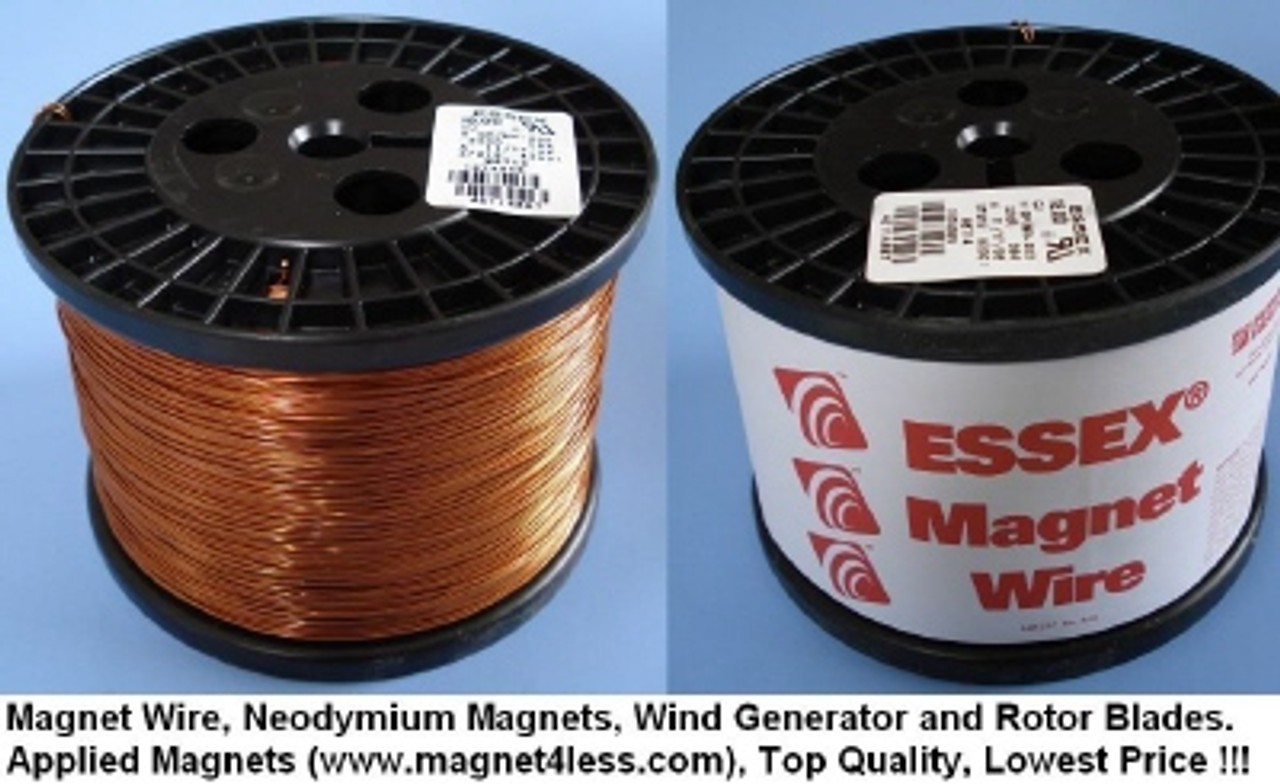
Manufacturing Process for Insulated Copper Magnet Wire
The production of high-performance insulated copper magnet wire at Luoyang Xinzhaohe Aluminum Co., Ltd. adheres to a rigorously controlled sequence refined over 20+ years of metallurgical and process engineering expertise. This sequence ensures optimal electrical conductivity, mechanical resilience, and insulation integrity for demanding winding applications.
Rod drawing initiates the process, where high-purity electrolytic tough pitch (ETP) copper rods (typically 8 mm diameter) undergo multi-pass reduction through precision tungsten carbide dies. This stage achieves the target wire gauge with strict tolerances (±0.001 mm for fine gauges) while maintaining uniform cross-section and surface smoothness. Critical surface integrity is verified via inline optical profilometry to eliminate micro-cracks or scratches that could compromise subsequent enamel adhesion. Tensile strength and elongation are continuously monitored to prevent work hardening beyond specification limits.
Annealing follows immediately after drawing, utilizing a continuous in-line resistance or induction heating system in an oxygen-free nitrogen-hydrogen atmosphere. This step restores ductility and achieves the required soft temper (typically 95–100% IACS conductivity) by relieving internal stresses induced during drawing. Temperature uniformity (±5°C) and residence time are precisely controlled to prevent grain coarsening or surface oxidation. Post-anneal cooling rates are calibrated to avoid residual stresses, with conductivity validated via eddy current testing before enameling.
The enameling process applies multiple polymer resin layers (typically polyester, polyamide-imide, or modified variants) through a series of precision die coating heads. Each layer undergoes instantaneous curing in high-temperature ovens (300–500°C) with strictly regulated dwell times and oxygen-depleted atmospheres to ensure complete polymerization without carbonization. Layer thickness is maintained within ±1–2 μm via real-time laser micrometry, while surface defects (pinholes, bubbles) are detected using automated vision systems. Solvent content and cure degree are verified through inline FTIR spectroscopy.
Inline testing constitutes the final critical phase, integrating non-destructive electrical and mechanical validation:
| Test Parameter | Method | Standard Tolerance |
|---|---|---|
| Breakdown Voltage | High-potential test | ≥ 2x rated voltage |
| Conductor Resistance | 4-wire Kelvin measurement | ±0.5% of nominal value |
| Elongation | Tensile testing | ≥ 10% (soft temper) |
| Adhesion | Mandrel wrap test | No flaking/cracking |
| Dimensional Consistency | Laser micrometer array | ±0.002 mm diameter |
All test data is logged in real time to our centralized quality management system, enabling traceability to batch-level metallurgical records. Any deviation triggers immediate process correction and material quarantine. This integrated approach—where QC is embedded at every stage rather than end-of-line—ensures Luoyang Xinzhaohe’s magnet wire consistently meets IEC 60317, NEMA MW, and custom OEM specifications for reliability in motors, transformers, and inductors. Decades of process refinement guarantee minimal scrap rates and unwavering performance under thermal cycling and high-voltage stress.
Packaging & Logistics
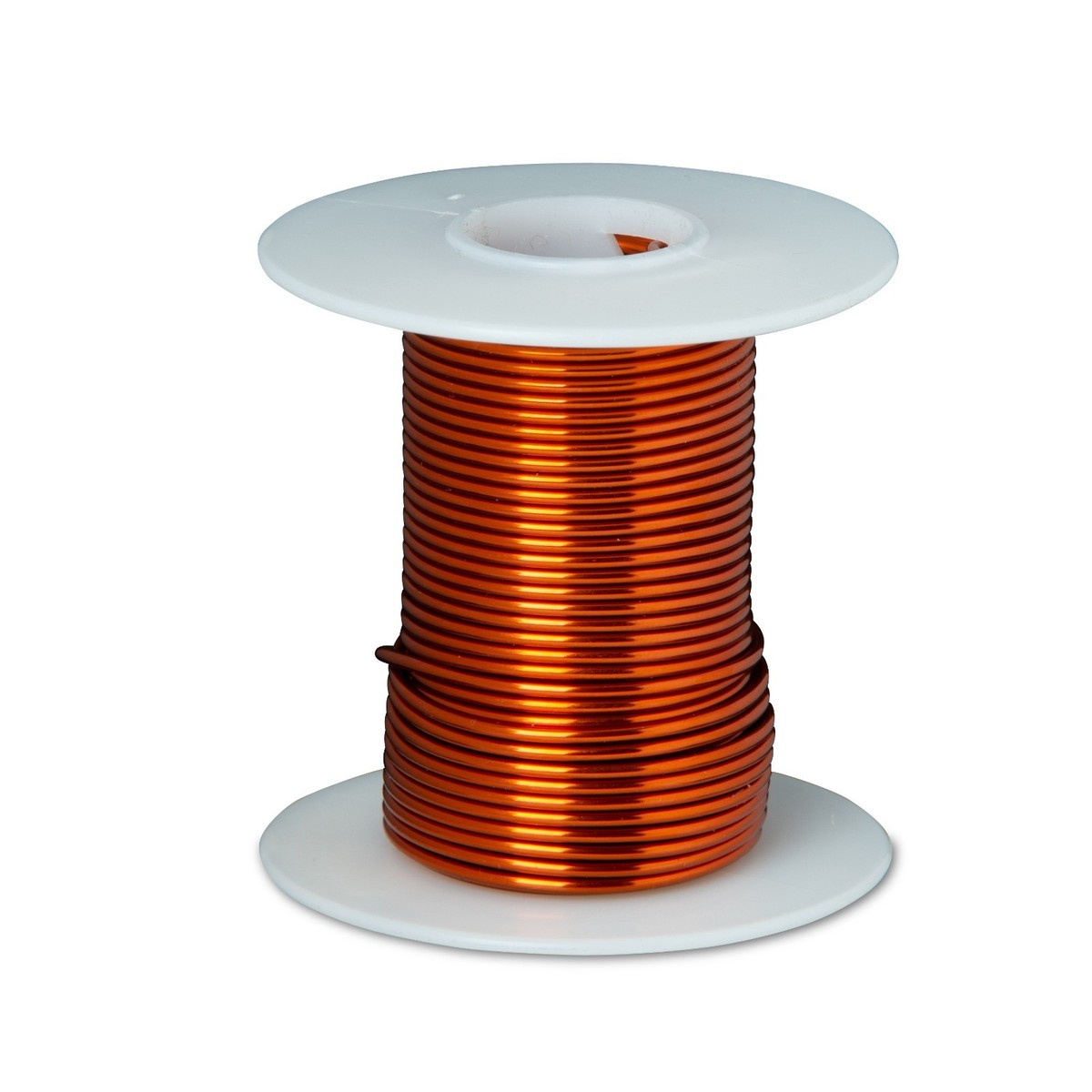
Export Packaging for Insulated Copper Magnet Wire – Technical Specification
At Luoyang Xinzhaohе Aluminum Co., Ltd, with over two decades of specialized manufacturing experience in winding wire products, we recognize that proper export packaging is integral to maintaining product integrity during international transit. For insulated copper magnet wire, which is sensitive to mechanical stress, moisture, and environmental contamination, our packaging system is engineered to meet the rigorous demands of global logistics, particularly long-haul sea freight.
All export shipments of insulated copper magnet wire are secured on high-strength wooden pallets constructed from kiln-dried, ISPM-15 certified hardwood. These pallets are designed to support the weight distribution of wound spools or reels, typically ranging from 100 kg to 1,500 kg per unit load, without structural deformation. The wooden base provides shock absorption during handling and resists compression under stacked container conditions, minimizing the risk of reel distortion or flange damage.
Each loaded pallet undergoes a multi-layer moisture protection process. The primary barrier consists of a sealed inner wrap of industrial-grade moisture-proof film (≥125 µm thickness), which fully encapsulates the wire reels to prevent exposure to humidity and salt-laden air common in maritime environments. This vapor barrier is heat-shrunk where applicable to ensure a taut, wrinkle-free enclosure that eliminates micro-condensation risks during temperature fluctuations across shipping zones.
Over this, a secondary layer of UV-resistant, puncture-proof polyethylene cover is applied and securely fastened to the pallet base. This outer sheath provides additional protection against water ingress during open-deck handling, accidental splashing, or condensation within shipping containers. All film seams are sealed with waterproof tape, and desiccant packs are strategically placed within the wrap for hygroscopic buffering in extended voyages.
To prevent axial or radial movement during transport, each reel is positively secured to the pallet using steel strapping or reinforced PET bands, tensioned to ISO 22928 standards. Edge protectors are fitted at critical stress points to avoid strap indentation on reel flanges. The entire unit is labeled with durable, weather-resistant tags indicating product code, batch number, net weight, handling instructions, and directional orientation for upright storage.
Our packaging protocol aligns with IEC 60173 and ISO 9001:2015 requirements for winding wire transport. It has been validated through accelerated climate chamber testing and real-world shipment monitoring across major trade lanes, including trans-Pacific and Europe-Asia routes.
This engineered packaging system ensures that insulated copper magnet wire arrives at destination ports in optimal condition, preserving electrical performance, surface finish, and winding characteristics. For procurement teams managing supply chain reliability, our sea freight-ready packaging reduces claims, rework, and downtime, supporting just-in-time manufacturing schedules with confidence.
Sourcing from Luoyang Xinzhaohe
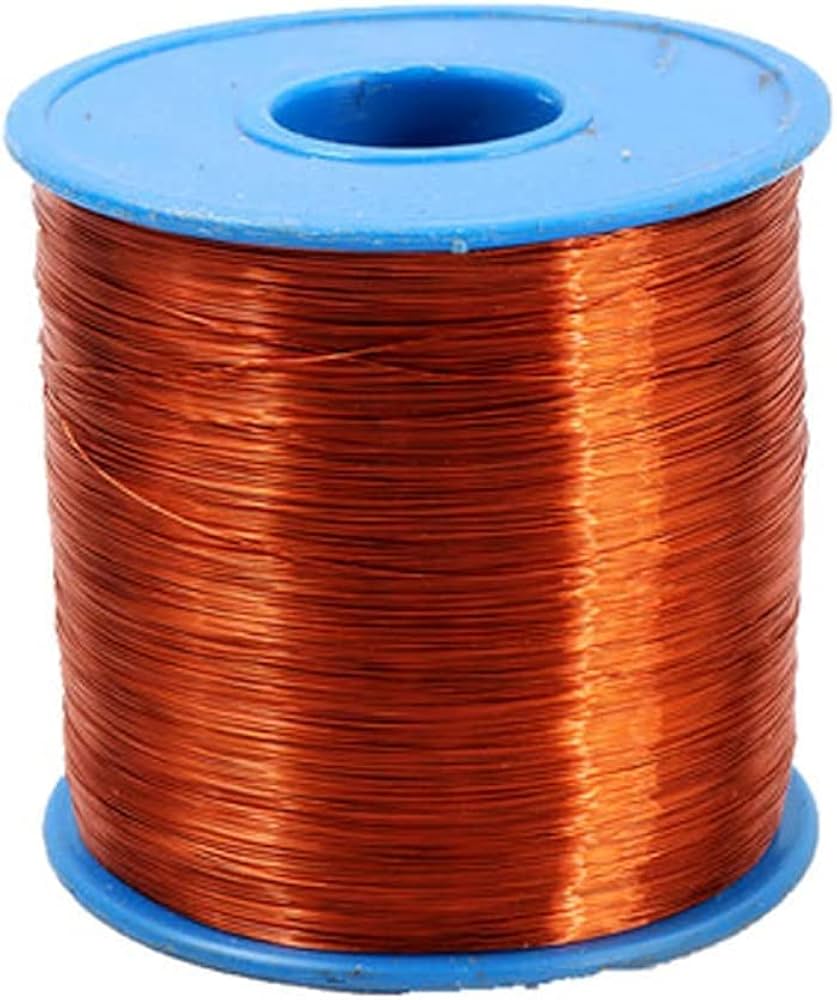
Partner with Luoyang Xinzhaohe for Precision Insulated Copper Magnet Wire
Luoyang Xinzhaohe Aluminum Co., Ltd leverages over two decades of specialized metallurgical and manufacturing expertise to deliver premium insulated copper magnet wire solutions for demanding global applications. Our dedicated focus on winding wire production, particularly magnet wire, positions us as a strategic partner capable of meeting the stringent performance and reliability requirements of the transformer, motor, and inductor sectors. Despite our corporate name reflecting historical roots, our core competency and current production excellence are firmly centered on high-purity copper conductor technology and advanced insulation systems.
Our integrated manufacturing facility operates with significant scale and precision. We maintain an annual production capacity exceeding 12,000 metric tons of magnet wire, spanning AWG 10 to AWG 48 gauges. This capacity is underpinned by state-of-the-art drawing lines featuring multi-stage annealing with precise atmosphere control, ensuring optimal copper grain structure and consistent mechanical properties. Critical to electrical performance, our annealing processes are meticulously calibrated to achieve target tensile strength and elongation, directly influencing the wire’s formability during winding and long-term operational stability. We specialize in producing magnet wire to IEC 60317 and NEMA MW standards, including Polyurethane (UEW), Polyesterimide (EIW), and Polyamide-imide (AIW) insulation systems, with thermal classes ranging from 130°C (Class B) to 220°C (Class H). Rigorous in-line monitoring of diameter tolerance (±0.002mm), ovality (<3%), and insulation thickness uniformity guarantees dimensional accuracy critical for high fill factors and thermal management in end-use components.
Quality assurance is embedded throughout our value chain, governed by an IATF 16949 certified management system. Our metallurgical laboratory conducts comprehensive raw material verification, including oxygen content analysis (<10 ppm) and conductivity testing (≥100% IACS), ensuring base copper purity meets ASTM B3 specification. Finished wire undergoes stringent electrical testing for breakdown voltage, solderability, and thermal shock resistance, alongside mechanical tests for scrape abrasion and winding flexibility. This systematic approach minimizes defect rates and ensures batch-to-batch consistency essential for high-reliability applications. Our supply chain infrastructure is engineered for resilience, featuring strategic raw material inventory buffers and optimized logistics protocols to mitigate disruption risks and guarantee on-time delivery performance exceeding 98.5%. We provide full material traceability from copper cathode to finished coil, supported by detailed Certificates of Conformance.
Partnering with Luoyang Xinzhaohe means securing a supplier with deep technical mastery of copper conductor metallurgy and insulation science, coupled with robust production and supply chain execution. We eliminate the risk of inconsistent quality or delivery delays that compromise your manufacturing efficiency and product performance. For sourcing managers requiring magnet wire that meets exacting global standards while ensuring supply continuity, we offer a proven, technically rigorous partnership. Contact Cathy directly at cathy@transformerstrip.com to discuss your specific magnet wire requirements. Provide your target specifications, volume needs, and application details to receive a tailored technical and commercial proposal within 24 hours, initiating a supply relationship built on engineering precision and reliability.
📉 Factory Direct Savings Calculator
Calculate your potential savings by importing insulated copper magnet wire directly from China.