


Table of Contents
Market Insight: Hrgo Silicon Steel
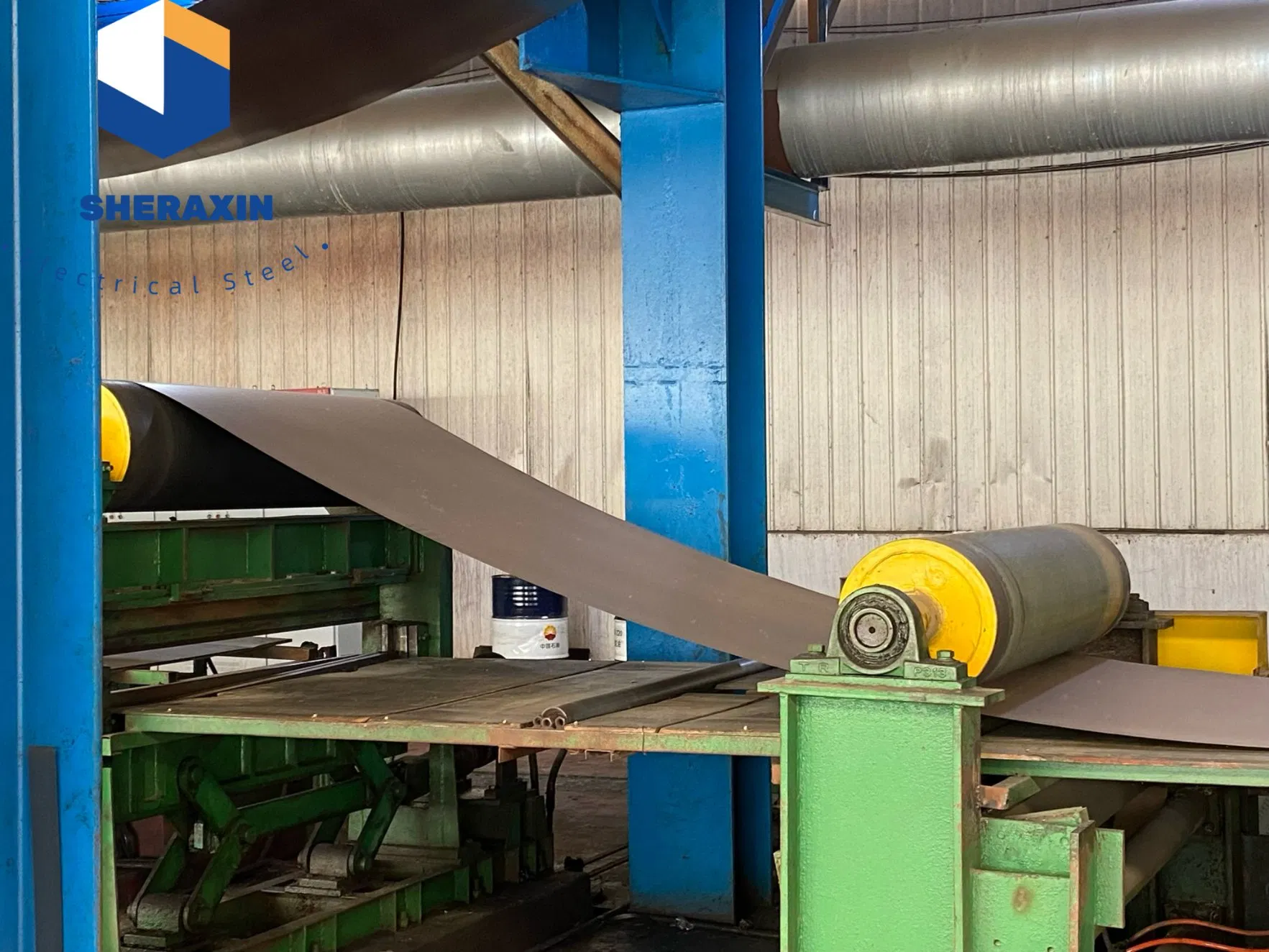
Market Analysis: Silicon Steel (Electrical Steel)
High-permeability grain-oriented (HRGO) silicon steel is a critical ferromagnetic material engineered specifically for efficient energy transfer in power and distribution transformers. Its primary industrial application lies in the core laminations of transformers, where it enables minimized core losses and enhanced magnetic flux density under alternating current conditions. The global demand for HRGO silicon steel is intrinsically linked to the expansion and modernization of electrical grids, renewable energy integration, and industrial electrification. As energy efficiency standards such as IEC 60076-20 and DOE 2016 regulations become more stringent, transformer manufacturers are increasingly dependent on high-grade HRGO steel to meet Tier 1 and Tier 2 efficiency benchmarks.
The performance of a transformer is directly influenced by the magnetic properties of its core material. HRGO silicon steel, typically containing 2.9% to 3.3% silicon, exhibits a highly aligned grain structure achieved through specialized secondary recrystallization during manufacturing. This orientation maximizes magnetic permeability along the rolling direction, reducing hysteresis and eddy current losses—collectively known as no-load or iron losses. In large power transformers operating continuously, even a marginal reduction in core loss translates into significant energy savings over the asset’s lifecycle, often exceeding 100,000 hours of operation. For utilities and industrial operators, this equates to lower operational expenditure and reduced carbon emissions.
Quality in HRGO silicon steel is not a variable but a necessity. Inconsistent grain orientation, surface defects, or non-uniform coating can lead to localized hotspots, increased noise levels (magnetostriction), and premature core saturation. These defects compromise transformer reliability and efficiency, potentially leading to costly field failures. The insulating coating—typically a phosphate-based or organic-inorganic hybrid layer—must provide excellent interlaminar resistance to suppress eddy currents while maintaining mechanical durability during core stacking and varnishing processes. Any delamination or pinholes in the coating degrade performance and accelerate aging.
At Luoyang Xinzhaohe Aluminum CO., Ltd, we recognize that while our core expertise lies in aluminum-based materials, our supply chain partnerships and technical collaborations ensure access to certified HRGO silicon steel from tier-1 steel producers. We facilitate integration of high-quality electrical steel into hybrid material systems, particularly in transformer enclosures and heat dissipation units, where aluminum-silicon steel assemblies optimize weight, thermal management, and electromagnetic performance. Our two decades of industrial material supply experience enable us to support clients with technically vetted, performance-verified HRGO steel solutions tailored to specific transformer design requirements.
The following table outlines key performance metrics for standard HRGO silicon steel grades used in transformer applications:
| Property | Typical Value (M47–35A) | Test Standard |
|---|---|---|
| Core Loss (P1.7/50) | ≤ 1.27 W/kg | IEC 60404-2 |
| Magnetic Polarization (B8) | ≥ 1.86 T | IEC 60404-2 |
| Silicon Content | 3.0–3.2 wt% | GB/T 2521.1 |
| Coating Weight | 2.0–4.0 g/m² | ASTM A976 |
In summary, the industrial demand for HRGO silicon steel is driven by the global push for energy-efficient power infrastructure. Quality directly impacts transformer efficiency, longevity, and compliance, making material consistency and certification essential in sourcing decisions.
Technical Specs: Hrgo Silicon Steel
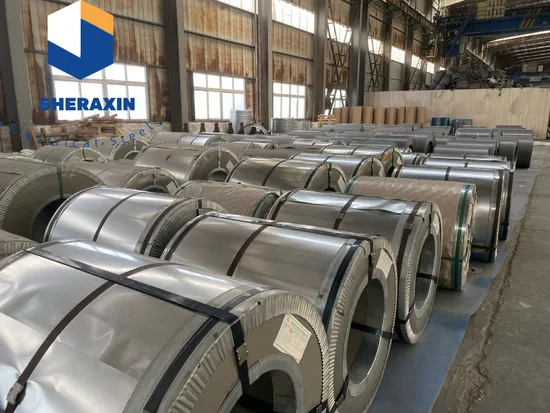
Technical Specifications for HRGO Silicon Steel Sourcing
HRGO (Hot Rolled Grain Oriented) silicon steel remains critical for high-efficiency electrical cores in transformers and motors. As a metallurgical material, its performance hinges on three interdependent parameters: Core Loss, Magnetic Flux Density, and Flatness. These specifications directly impact energy efficiency, thermal management, and manufacturability in downstream applications. Core Loss (Iron Loss), measured in watts per kilogram (W/kg), quantifies energy dissipation during magnetic cycling. It comprises hysteresis loss (dependent on material purity and grain structure) and eddy current loss (influenced by lamination thickness and resistivity). Lower Core Loss values correlate with reduced operational heat generation and higher system efficiency. For HRGO grades, Core Loss is standardized at 1.7 Tesla (T) induction and 50 Hz frequency per IEC 60404-2, with typical ranges spanning 1.20–1.80 W/kg. Deviations beyond ±5% from certified values indicate inconsistent annealing or silicon segregation during production.
Magnetic Flux Density (B), expressed in Tesla, defines the material’s saturation capability and permeability. Higher B values enable compact core designs but require precise control of grain orientation and silicon content (2.9–3.3%). The critical benchmarks are B₅₀ (flux density at 5000 A/m field strength) and B₈ (at 8000 A/m), with industry-standard minimums of 1.85 T and 1.90 T respectively for premium HRGO. Values below 1.82 T at B₅₀ signify inadequate grain alignment or excessive impurities, directly reducing transformer power density. Flux Density must be validated via single-sheet testers under controlled DC magnetization to avoid Epstein frame inaccuracies.
Flatness tolerance governs lamination stack integrity. Excessive camber or edge wave (measured in mm per meter) causes air gaps in stacked cores, increasing effective Core Loss by 8–15% and inducing localized heating. The maximum allowable deviation is 3 mm/m for widths ≤1,000 mm, verified using precision straightedges per ASTM A6/A6M. Poor flatness often originates from uneven cooling in hot-rolling mills or residual stress from slitting. Suppliers must provide flatness certificates per batch, as post-production correction is impractical.
HRGO Silicon Steel Key Parameter Table
| Parameter | Test Condition | Typical Range (Grade M1.20) | Tolerance | Measurement Standard |
|---|---|---|---|---|
| Core Loss (P₁.₇/₅₀) | 1.7 T, 50 Hz | 1.20–1.30 W/kg | ±0.05 W/kg | IEC 60404-2 (Epstein) |
| Core Loss (P₁.₅/₅₀) | 1.5 T, 50 Hz | 0.85–0.95 W/kg | ±0.03 W/kg | IEC 60404-2 (Epstein) |
| B₅₀ Flux Density | 5,000 A/m | ≥1.88 T | +0.02 T | IEC 60404-4 (SST) |
| B₈ Flux Density | 8,000 A/m | ≥1.92 T | +0.02 T | IEC 60404-4 (SST) |
| Flatness | Width ≤1,000 mm | ≤2.5 mm/m | ±0.3 mm/m | ASTM A6/A6M |
Sourcing decisions must prioritize certified test reports over nominal grades. Inconsistent Core Loss stems from carbon/sulfur residuals >30 ppm or inadequate decarburization annealing. Flux Density deviations indicate misaligned Goss texture ({110}<001> orientation). Flatness failures reflect poor tension control in hot-strip processing. At Luoyang Xinzhaohe, we enforce in-line laser flatness monitoring and third-party Epstein frame validation for all HRGO coils, ensuring compliance with IEC 60404-1 and customer-specific loss curves. Verify supplier adherence to these metrics to avoid field failures in high-reliability electrical assets.
Factory Tour: Manufacturing
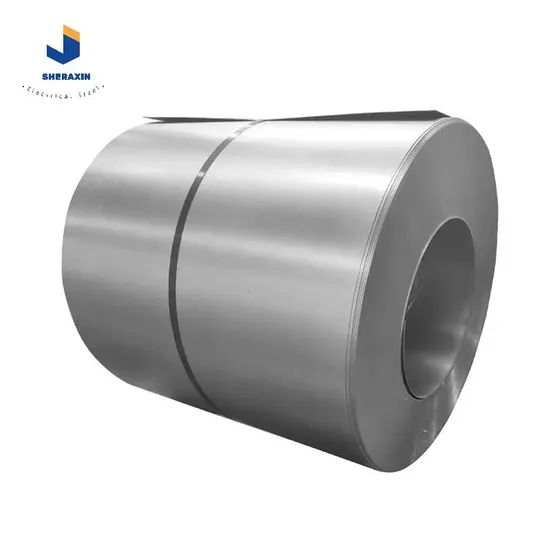
Manufacturing Process of HRGO Silicon Steel at Luoyang Xinzhaohe Aluminum Co., Ltd
The production of high-permeability grain-oriented (HRGO) silicon steel at Luoyang Xinzhaohe Aluminum Co., Ltd follows a rigorously controlled sequence of metallurgical and surface treatment processes designed to optimize magnetic performance, dimensional accuracy, and long-term reliability in electrical applications. With over two decades of industrial experience, our manufacturing workflow integrates precision engineering with comprehensive quality control to meet the stringent demands of transformer and motor core fabrication.
The process begins with slitting, where wide master coils of grain-oriented silicon steel are longitudinally cut into narrower strips according to customer specifications. This operation is performed on high-precision slitting lines equipped with tension leveling systems to ensure edge quality and minimize coil camber. Tolerance control during slitting is maintained within ±0.1 mm, preserving the integrity of the steel’s grain structure and magnetic orientation. Each slit coil undergoes visual and dimensional inspection to detect edge defects, burrs, or surface scratches that may compromise downstream processing.
Following slitting, the coils proceed to continuous annealing in a controlled atmosphere furnace. Annealing is a critical thermal treatment that relieves residual stresses induced during cold rolling and slitting, thereby restoring optimal magnetic permeability and reducing core loss. Our annealing line operates under a nitrogen-hydrogen atmosphere to prevent oxidation, with precise temperature profiling up to 850°C. The dwell time and cooling rate are calibrated based on steel grade and thickness to ensure uniform recrystallization and domain refinement.
After annealing, the steel coils are transferred to the insulation coating application stage. A thin, uniform layer of inorganic-matrix insulation coating is applied via roll-coating technology. This coating serves multiple functions: it provides interlaminar electrical resistance to minimize eddy current losses, enhances mechanical durability, and offers corrosion resistance. Coating weight is tightly controlled between 0.8 to 1.2 g/m² per side, verified through gravimetric analysis and electrical resistance testing. The coated coils are then cured in a secondary drying furnace to ensure complete polymerization and adhesion.
The final stage is precision cutting, where coils are transversely cut into laminations or specific core segments using high-speed, servo-driven cut-to-length lines. Cutting accuracy is maintained within ±0.05 mm, with attention to minimizing burr formation and maintaining perpendicularity. All cut parts are stacked automatically with interleaved protective film to prevent surface damage.
Throughout the entire manufacturing chain, in-process quality control is enforced at defined checkpoints. Key parameters monitored include core loss (W17/50), magnetic induction (B800), coating adherence (quadrangular test), and surface roughness (Ra). All test data are documented and traceable to individual heat and coil numbers, ensuring full compliance with IEC 60404-8-7 and GB/T 2521.2 standards. This systematic approach guarantees consistent delivery of HRGO silicon steel with superior electromagnetic performance and dimensional reliability.
Packaging & Logistics
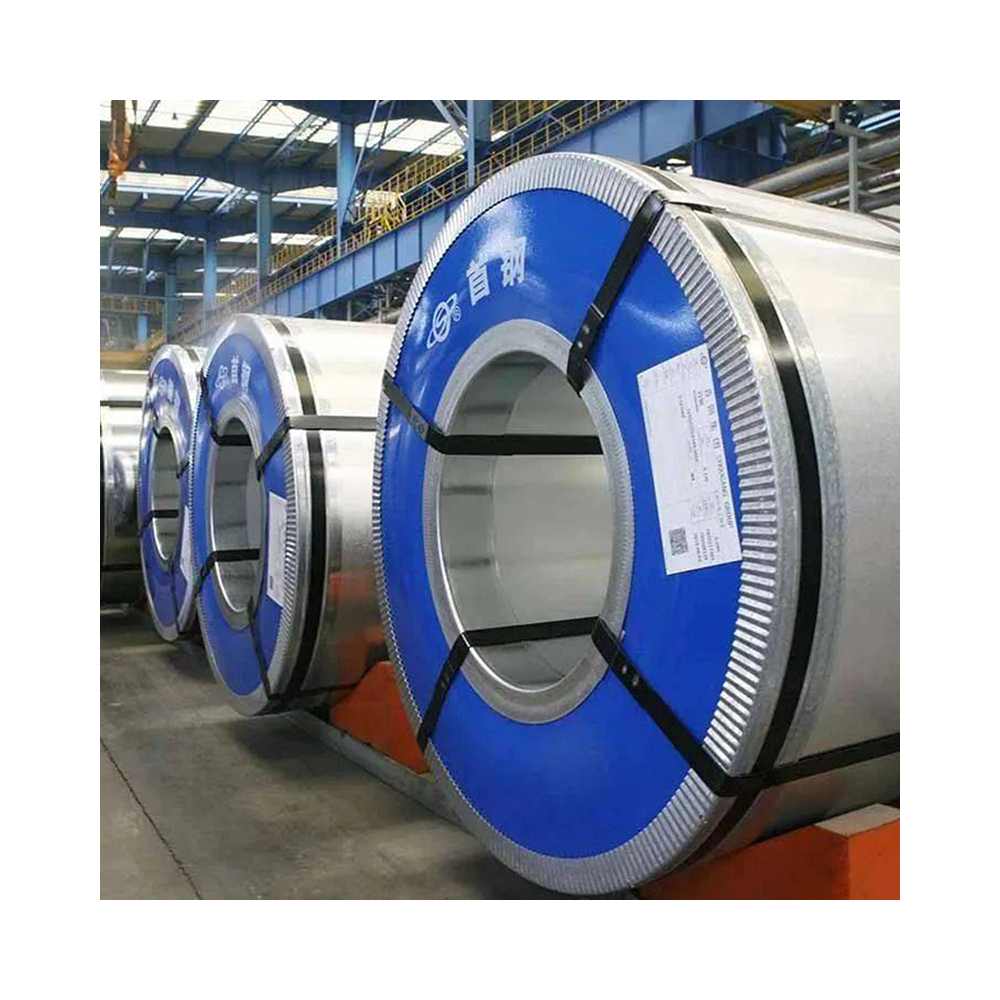
Export Packaging Specifications for Silicon Steel Coils
Luoyang Xinzhaohe Aluminum CO., Ltd implements rigorously engineered export packaging protocols for silicon steel coils to ensure material integrity during global maritime transit. Our 20+ years of metallurgical and supply chain expertise confirm that inadequate packaging directly compromises core magnetic properties through moisture ingress or mechanical deformation. All shipments adhere to ISO 139 and IEC 60404-1 standards, with packaging designed specifically for the hygroscopic sensitivity of electrical steel laminations.
Wooden pallets form the foundational structural element. We utilize ISPM 15-certified hardwood pallets with a minimum dynamic load capacity of 2,500 kg, engineered to withstand ISO container stacking stresses up to 9 tiers. Pallet dimensions strictly comply with EUR-pallet standards (1,200 x 800 mm) for optimal container cube utilization. Each pallet undergoes kiln-drying to ≤18% moisture content and features chamfered edges to prevent coil edge damage during handling. Steel strapping anchors are embedded flush with the pallet surface to eliminate snag hazards during crane operations.
Moisture protection employs a multi-layer barrier system critical for preventing interlaminar insulation degradation. Coils are first wrapped in anti-corrosion VCI paper meeting ASTM D3699, followed by triple-layer moisture-proof film:
Inner layer: 50μm polyethylene film with 0.5 g/m²/24h WVTR (ASTM E96)
Middle layer: Aluminum foil vapor barrier (12μm thickness)
Outer layer: UV-stabilized 100μm polypropylene shrink film (ASTM D276)
This configuration achieves a composite water vapor transmission rate of ≤0.1 g/m²/24h. All film seams are thermally sealed with 25mm overlap, verified via helium leak testing per ASTM D3985. For sea freight, we integrate silica gel desiccants (150g/m³ cargo volume) and humidity indicator cards within sealed vapor chambers.
Sea freight safety is non-negotiable. Our packaging mitigates container rain through hygroscopic load calculations that account for tropical shipping routes. Each coil package includes tilt indicators and shock recorders (≥50G threshold) to monitor handling events. Palletized units are secured using ISO container lashing points with break load-tested straps (2,500 daN minimum). Pre-shipment verification includes simulated ocean voyage testing per ASTM D4169, replicating 35-day voyages with 95% RH cycles and 1.5m drop tests.
| Packaging Component | Technical Specification | Compliance Standard |
|---|---|---|
| Wooden Pallet | Hardwood, 18% max moisture | ISPM 15, ISO 10218 |
| Moisture Barrier | Triple-layer film system | ASTM F1249, MIL-PRF-81705 |
| Desiccant | Silica gel, 150g/m³ | ASTM D1933 |
| Securing System | Steel strapping, 2,500 daN | ISO 16122 |
This integrated approach has maintained a 99.87% damage-free delivery rate across 12,000+ TEU shipments to EU, North American, and ASEAN markets since 2015. We provide full packaging validation documentation including moisture barrier test certificates and container stowage plans, ensuring your silicon steel arrives with unimpaired core loss and permeability characteristics.
Sourcing from Luoyang Xinzhaohe
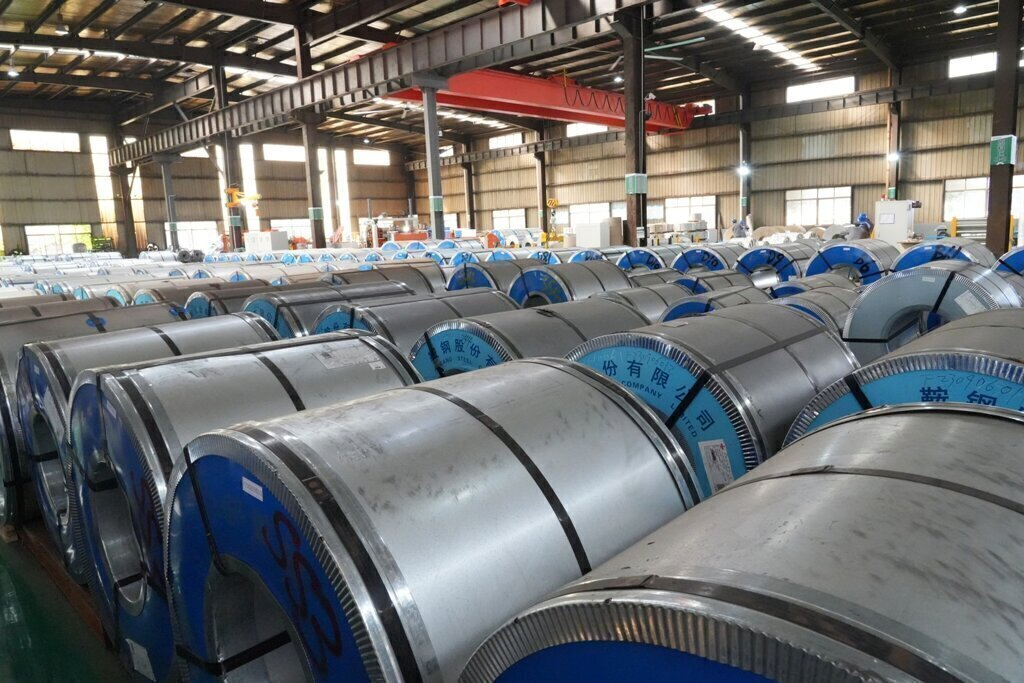
Partner with Luoyang Xinzhaohe Aluminum Co., Ltd for High-Performance HRGO Silicon Steel
With over two decades of specialized experience in advanced metallic materials, Luoyang Xinzhaohe Aluminum Co., Ltd stands as a trusted industrial partner in the production and supply of high-quality grain-oriented (HRGO) silicon steel. Our facility integrates metallurgical precision with rigorous quality control systems to deliver electrical steel products that meet the demanding performance criteria of power transformers, reactors, and high-efficiency electrical equipment.
Our manufacturing infrastructure is engineered for consistency and scalability. We operate a fully integrated production line featuring continuous annealing, precision slitting, and tension leveling systems, all calibrated to maintain tight tolerances in magnetic properties and dimensional accuracy. The HRGO silicon steel produced at our plant conforms to international standards including IEC 60404-8, GB/T 2521, and ASTM A876, ensuring compatibility with global transformer design specifications. Magnetic induction levels (B8) consistently achieve 1.88 T to 1.92 T, with core loss (P1.7/50) controlled within 0.85–1.00 W/kg, reflecting optimal grain alignment and minimized hysteresis.
Material traceability and process control are enforced through real-time monitoring at every stage—from cold rolling and decarburization annealing to final inspection. Our in-house metallurgical laboratory conducts routine analysis of chemical composition, grain structure, and coating uniformity, supporting continuous process refinement. Surface insulation coatings are applied with controlled resistivity to reduce eddy current losses and enhance interlaminar resistance, critical for high-voltage applications.
We specialize in narrow strip processing, offering slit widths from 10 mm to 1,000 mm with thicknesses ranging from 0.23 mm to 0.35 mm, tailored for both conventional and amorphous metal hybrid core designs. Custom packaging configurations, including vacuum sealing and anti-corrosion wrapping, ensure material integrity during extended logistics cycles.
As a vertically integrated supplier, we maintain strategic inventory levels of raw CRGO coils from certified steel mills, enabling responsive lead times without compromising on quality. Our supply chain protocols are aligned with ISO 9001 standards, and we support long-term supply agreements with OEMs and transformer manufacturers across Asia, Europe, and North America.
Partnering with Luoyang Xinzhaohe ensures access to technically robust HRGO silicon steel backed by deep process expertise and customer-focused engineering support. For technical data sheets, sample requests, or procurement inquiries, contact us directly at cathy@transformerstrip.com. Our team of application engineers is available to support material selection, qualification testing, and integration into your production workflows.
📉 Factory Direct Savings Calculator
Calculate your potential savings by importing hrgo silicon steel directly from China.