


Table of Contents
Market Insight: Hot Rolled Grain Oriented Silicon Steel
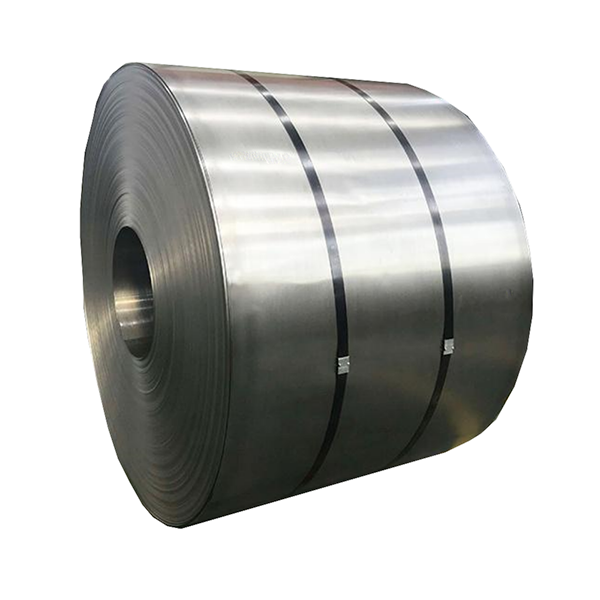
Market Analysis: Hot Rolled Grain Oriented Silicon Steel for Transformer Applications
The global transformer manufacturing sector represents the primary industrial consumer of hot rolled grain oriented silicon steel (HRGO). This specialized electrical steel grade is indispensable for the cores of large power and distribution transformers due to its uniquely engineered magnetic properties aligned along the rolling direction. Demand is fundamentally driven by continuous global investment in electrical infrastructure modernization, renewable energy integration requiring robust grid support, and increasingly stringent international energy efficiency regulations. Standards such as the DOE 2016 ruling in the United States, the EU Ecodesign Directive (Lot 20), and China’s dual carbon goals (peak carbon by 2030, carbon neutrality by 2060) mandate significant reductions in transformer no-load losses, directly increasing specifications for core material performance. HRGO remains the dominant solution for high-efficiency, high-voltage transformers above 10 MVA, where its superior magnetic flux density (typically 1.85-1.92 T) and controlled core loss characteristics are non-negotiable for meeting efficiency targets and operational economics over a 30+ year lifespan.
Quality in HRGO is not merely a specification checkbox; it is a critical determinant of transformer performance, lifecycle cost, and grid reliability. The core loss (W/kg), measured at specific flux densities (e.g., P1.7/50), directly translates to wasted energy during operation. A variance of just 0.5 W/kg in core loss across a large power transformer fleet can equate to millions of dollars in avoidable annual energy costs and significant excess CO2 emissions. Precise control of the Goss texture (110)[001] orientation during manufacturing is paramount; deviations increase hysteresis and eddy current losses. Equally critical are stringent tolerances on thickness uniformity (typically ±0.025 mm) and surface insulation coating integrity. Inconsistent thickness disrupts the magnetic circuit, causing localized heating and noise, while inadequate or non-uniform coating increases inter-laminar eddy currents, negating the benefits of the silicon steel substrate. Impurity levels, particularly sulfur and carbon residuals, must be minimized to prevent aging effects that degrade magnetic properties over time in service.
Procurement decisions based solely on initial material cost ignore the total cost of ownership. Substandard HRGO necessitates larger core cross-sections to compensate for higher losses, increasing raw material usage, transformer size, weight, and associated copper winding costs. More critically, it compromises the transformer’s ability to meet mandated efficiency tiers, potentially leading to regulatory non-compliance, market access restrictions, and reputational damage for the manufacturer. Variability in magnetic properties also impacts manufacturing yield during core stacking and annealing processes. Luoyang Xinzhaohe Aluminum CO., Ltd. emphasizes that consistent HRGO quality, validated through rigorous mill test reports and independent第三方 verification against standards like IEC 60404-2 or GB/T 3655, is foundational. Our two decades of metallurgical expertise focus on delivering HRGO with tightly controlled core loss, exceptional magnetic directional consistency, and robust surface characteristics, ensuring transformer manufacturers achieve optimal performance, regulatory compliance, and long-term operational savings in an increasingly efficiency-driven global market.
Technical Specs: Hot Rolled Grain Oriented Silicon Steel
Hot rolled grain oriented silicon steel (HRGOSS) is a specialized ferromagnetic material engineered for high-efficiency performance in power and distribution transformers. As a critical component in the magnetic core, its technical characteristics directly influence transformer efficiency, energy consumption, and operational reliability. At Luoyang Xinzhaohe Aluminum Co., Ltd, with over two decades of metallurgical and supply chain expertise, we emphasize precise control over material composition, grain orientation, and mechanical properties to ensure optimal electromagnetic performance.
The primary technical parameters governing HRGOSS performance include core loss (iron loss), magnetic flux density (B-value), and flatness. Core loss, measured in watts per kilogram (W/kg) at a specified frequency and magnetic induction level, represents the energy dissipated as heat during magnetic cycling. Lower core loss values indicate higher energy efficiency. For HRGOSS, standard testing conditions are typically conducted at 1.7 Tesla (T) and 50 Hz. Superior-grade material exhibits core loss values below 2.50 W/kg under these conditions, reflecting optimized domain structure and reduced hysteresis and eddy current losses.
Magnetic flux density, particularly at field strengths of 800 A/m (denoted as B₈₀₀), is another critical performance indicator. This parameter reflects the material’s ability to achieve high magnetic saturation with minimal excitation current. High-performing HRGOSS typically achieves a minimum B₈₀₀ of 1.85 Tesla, enabling compact and efficient transformer designs. Enhanced magnetic orientation during hot rolling and subsequent annealing processes contributes significantly to achieving this level of magnetic performance.
Flatness is a dimensional and mechanical specification that directly impacts core stacking factor and lamination integrity. Poor flatness leads to air gaps in the core, increasing reluctance and localized heating. HRGOSS must exhibit tight flatness tolerances, typically within 10 I-units over a 1-meter length, to ensure uniform core assembly and consistent magnetic flux distribution. Surface quality, including freedom from scale, cracks, and edge wave, is equally essential to maintain dielectric integrity and minimize interlamination losses.
The following table summarizes the key technical specifications for hot rolled grain oriented silicon steel as supplied by Luoyang Xinzhaohe Aluminum Co., Ltd:
| Parameter | Symbol | Test Condition | Typical Value | Unit |
|---|---|---|---|---|
| Core Loss (Iron Loss) | P₁.₇/50 | 1.7 T, 50 Hz | ≤ 2.50 | W/kg |
| Magnetic Flux Density | B₈₀₀ | 800 A/m | ≥ 1.85 | Tesla |
| Thickness Tolerance | — | Nominal: 0.30–0.35 mm | ±0.02 | mm |
| Flatness | — | Over 1 meter length | ≤ 10 | I-unit |
| Silicon Content | — | — | 2.9–3.3 | wt% |
| Density | — | — | 7.65 | g/cm³ |
| Electrical Resistivity | — | — | ~50 | µΩ·cm |
All values are subject to batch certification and third-party verification upon request. Consistent adherence to these specifications ensures compatibility with downstream processing, including slitting, stacking, and annealing. Luoyang Xinzhaohe Aluminum Co., Ltd maintains rigorous quality control protocols aligned with ISO 9001 standards to guarantee material uniformity and performance reliability in critical power applications.
Factory Tour: Manufacturing
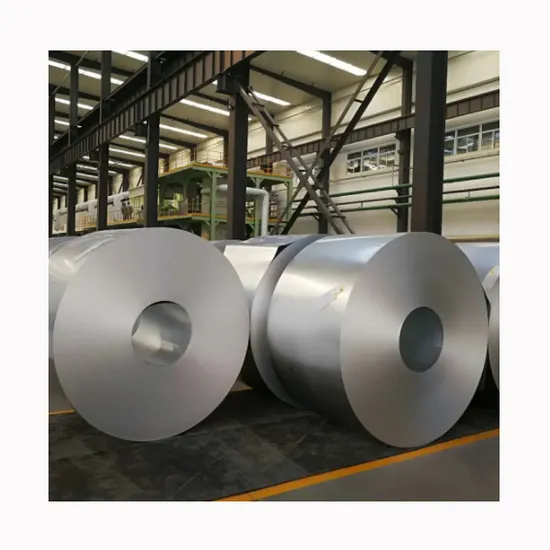
Manufacturing Process for Hot Rolled Grain Oriented Silicon Steel
Luoyang Xinzhaohe Aluminum Co., Ltd. clarifies a critical material distinction: Hot Rolled Grain Oriented Silicon Steel (HRGOES) is an iron-silicon alloy product, fundamentally distinct from aluminum. Our expertise in metallurgical processes and supply chain management for industrial materials enables precise guidance on HRGOES production, though we do not manufacture this specific ferrous product. The standard manufacturing sequence for HRGOES involves tightly controlled stages following initial hot rolling and cold rolling.
Initial processing begins with Slitting. Master coils of cold-rolled GOES undergo precision slitting to achieve the specific widths required by transformer core laminations. This operation utilizes high-tolerance rotary shear blades under strict tension control to prevent edge burring, camber, or dimensional deviation, ensuring consistent strip geometry essential for downstream processing and core assembly efficiency. Material handling at this stage minimizes surface damage.
The slit coils then proceed to Final Annealing and Decarburization. This is the most critical thermal treatment stage. Coils are heated in a controlled atmosphere furnace, typically a continuous annealing line, to temperatures exceeding 1000°C. This high-temperature soak achieves two vital objectives: complete decarburization to reduce carbon content below 30 ppm, preventing magnetic aging, and primary recrystallization to develop the sharp Goss texture (110)[001] necessary for superior magnetic properties in the rolling direction. Precise control of temperature profile, soaking time, and atmosphere composition (usually wet hydrogen-nitrogen mix) is paramount for optimal grain growth and magnetic domain structure.
Following annealing, Insulation Coating Application is applied. A thin, uniform layer of inorganic or semi-organic phosphate-based insulation coating is deposited onto both surfaces of the steel strip. This coating serves multiple functions: providing electrical insulation between laminations to minimize eddy current losses, enhancing resistance to aging, offering corrosion protection, and applying mechanical tension to the steel sheet which further improves magnetic permeability. Application methods include roll coating or spray systems, with strict control over coating weight (typically 0.5-1.5 g/m² per side) and uniformity. Immediate drying or curing follows application.
The final stage is Precision Cutting. The coated, slit coils are now cut to the exact lamination shapes required for transformer cores, such as rectangles, steps, or miters. This utilizes high-speed, servo-driven blanking presses or laser cutting systems with micron-level positional accuracy. Tooling must be meticulously maintained to prevent burrs and ensure clean edges, as imperfections directly increase core loss. Nesting optimization software maximizes yield from the coil material.
Rigorous Quality Control is integrated throughout. Key checkpoints include dimensional verification (width, thickness tolerance per ASTM A876/A876M) after slitting, comprehensive magnetic property testing (core loss W17/50, permeability) via Epstein frame or SST on annealed samples, coating weight and adhesion testing, surface defect inspection via automated vision systems, and final lamination dimensional accuracy checks. Statistical process control (SPC) data monitors all critical parameters to ensure batch consistency and compliance with IEC 60404-8-7 or equivalent standards. This integrated QC approach guarantees the HRGOES meets the stringent performance demands of high-efficiency electrical transformers.
Packaging & Logistics
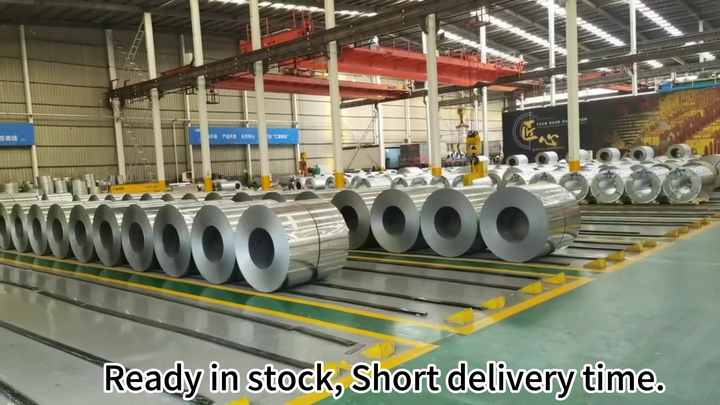
Export Packaging for Hot Rolled Grain Oriented Silicon Steel
At Luoyang Xinzhaohe Aluminum Co., Ltd, with over two decades of specialized experience in the production and international distribution of electrical steel, we maintain rigorous standards in the export packaging of hot rolled grain oriented silicon steel (HRGO). Given the material’s critical role in transformer and high-efficiency electrical applications, protection against mechanical damage, corrosion, and environmental exposure during sea freight is paramount. Our export packaging system is engineered to ensure product integrity across extended maritime logistics cycles.
All HRGO coils are unitized on robust, ISPM-15 certified wooden pallets constructed from kiln-dried, high-density hardwood. These pallets are designed to withstand dynamic loading conditions during containerized transport, including stacking pressures in multi-tier container arrangements. Each pallet is structurally reinforced to support coil weights ranging from 5 to 25 metric tons, minimizing deformation risks during lifting, handling, and long-haul shipping. The base structure incorporates load-distribution beams to prevent localized stress on coil edges, preserving dimensional accuracy and surface quality.
Immediately following strapping and palletization, each coil is hermetically wrapped with multilayer moisture-proof composite film. This film consists of aluminum-laminated polyethylene with a vapor transmission rate below 0.1 g/m²/day, effectively creating a vapor barrier that mitigates risks associated with salt-laden maritime atmospheres and tropical humidity. The wrapping process is conducted in a climate-controlled environment to eliminate trapped moisture, followed by heat-sealing at all seams to ensure continuity of the protective envelope. Additional anti-corrosion measures include the insertion of desiccant packs within the sealed film and the application of temporary VCI (Vapor Corrosion Inhibitor) paper interlayers where specified by customer requirements.
Edge protectors made from high-impact polypropylene are affixed to the outer and inner diameters of the coil to prevent mechanical abrasion during transit. These protectors are mechanically fastened to the pallet to resist displacement under vibration and shock loads typical in sea transport. All coils are further secured with steel or PET strapping, applied in a cross-laced configuration to prevent lateral movement.
Our packaging protocol complies with IEC 60404-13 and ISO 2230 standards for the transport of electrical steel products. Each shipment is accompanied by a packaging certification document detailing material specifications, sealing methodology, and moisture barrier performance. This systematic approach ensures that hot rolled grain oriented silicon steel arrives at its destination with unimpaired magnetic properties, surface cleanliness, and structural integrity—critical factors for downstream processing and core assembly in precision electrical equipment.
For global clients, this packaging standard represents a critical component of supply chain reliability, reducing claims, rework, and downtime upon receipt. Luoyang Xinzhaohe Aluminum Co., Ltd remains committed to delivering materials that meet both technical and logistical excellence benchmarks in international trade.
Sourcing from Luoyang Xinzhaohe
Partner with Luoyang Xinzhaohe for Precision Hot Rolled Grain Oriented Silicon Steel
Luoyang Xinzhaohe Aluminum Co., Ltd leverages over two decades of specialized metallurgical expertise and integrated supply chain management to deliver high-performance hot rolled grain oriented silicon steel (HGO) for demanding electrical applications. Our factory is engineered specifically for the stringent requirements of transformer core manufacturing, where magnetic properties and dimensional consistency are non-negotiable. We operate beyond standard production, applying deep process metallurgy knowledge to control critical variables from raw material selection through to final coil inspection, ensuring the foundational quality necessary for efficient cold rolling and annealing into finished GOES.
Our integrated production capability centers on a dedicated hot rolling line optimized for electrical steel processing. This line features precise temperature profiling during slab reheating and controlled reduction schedules through the roughing and finishing stands, essential for initiating the desired Goss texture development in the hot band. We maintain strict control over chemical composition, particularly silicon, manganese, and sulfur levels, which directly influence magnetic domain refinement and core loss characteristics in subsequent processing stages. This foundational control is critical for achieving the target magnetic induction (B₈) and low core loss (W₁₇/₅₀) in the final product.
Quality assurance is embedded throughout our manufacturing system. We implement rigorous in-line monitoring of surface quality, flatness, and dimensional tolerances (thickness, width, camber) using laser gauging and automated vision systems. Every coil undergoes comprehensive laboratory testing per IEC 60404-8-7 and GB/T 3655 standards, including magnetic property verification on Epstein frames or single sheet testers. Our certified laboratory provides full traceability from melt chemistry to final hot band properties, offering customers complete confidence in material consistency.
Key Production Specifications
| Parameter | Capability Range | Control Standard |
|---|---|---|
| Thickness (mm) | 2.00 – 2.80 | ±0.05 mm |
| Width (mm) | 800 – 1250 | ±2.0 mm |
| Surface Roughness (Ra) | 3.0 – 6.0 μm | Measured per ISO 4287 |
| Core Loss (W₁₇/₅₀) | ≤ 2.80 W/kg (Typical) | Epstein Frame Test |
| Magnetic Induction (B₈) | ≥ 1.85 T (Typical) | Epstein Frame Test |
Supply chain resilience is a core strength. We manage strategic partnerships with primary steel suppliers for consistent high-purity raw materials and maintain optimized logistics for just-in-time delivery to global transformer manufacturers. Our lean manufacturing philosophy minimizes lead times while ensuring adherence to exact customer specifications, reducing inventory costs for our partners. Technical collaboration is fundamental to our partnership model. Our metallurgical team provides direct support on material application, processing parameters for cold rolling, and troubleshooting, translating material science into tangible manufacturing advantages for your core production.
Partner with Luoyang Xinzhaohe to secure a reliable source of technically advanced hot rolled GOES, underpinned by 20 years of process mastery and a commitment to your operational success. Contact Cathy Zhang at cathy@transformerstrip.com to discuss your specific requirements and receive detailed technical data sheets and sampling protocols. We are prepared to deliver the material foundation for your next generation of high-efficiency transformers.
📉 Factory Direct Savings Calculator
Calculate your potential savings by importing hot rolled grain oriented silicon steel directly from China.