


Table of Contents
Market Insight: High Silicon Steel
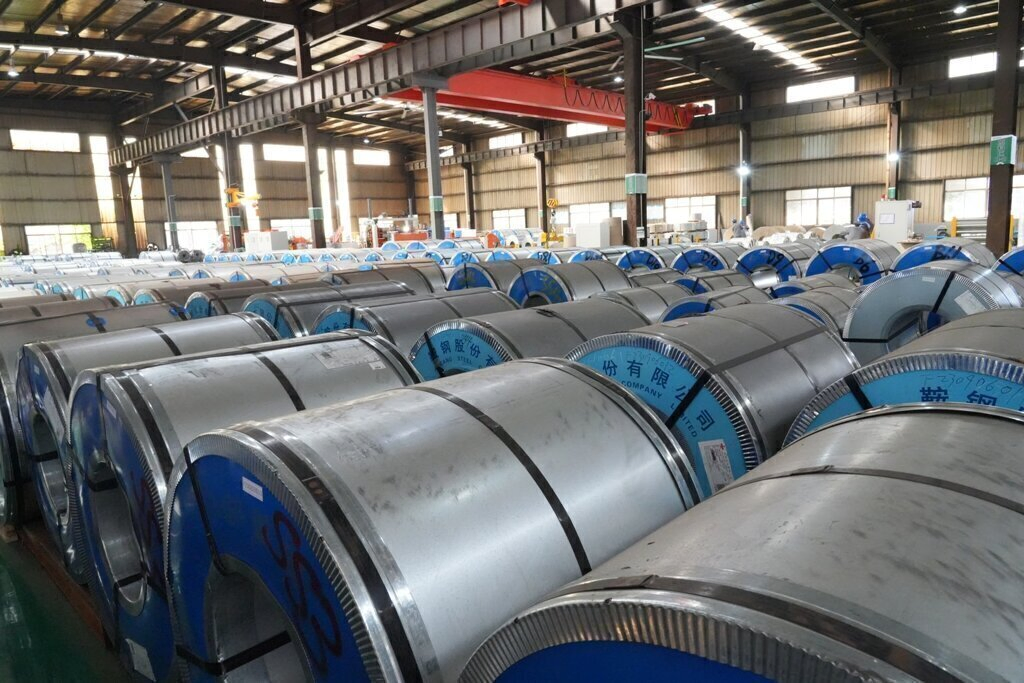
Market Analysis: Silicon Steel (Electrical Steel) for Transformer Applications
Global demand for high silicon steel, specifically non-oriented electrical steel with silicon content typically ranging from 2.9% to 6.5%, is driven predominantly by the critical requirements of modern power and distribution transformers. This segment represents the highest-value tier within the electrical steel market due to its irreplaceable role in minimizing core losses and enhancing energy efficiency. Regulatory mandates worldwide, including the IEC 60404-3 standard and regional efficiency programs like DOE Level 4 in the US and MEPS in Asia-Pacific, are tightening permissible no-load losses. Consequently, transformer manufacturers increasingly specify high silicon grades, particularly those approaching 6.5% Si, to meet Tier 1 and Premium Efficiency classifications. The global transformer market, projected to exceed USD 150 billion by 2030, directly fuels sustained growth in high silicon steel consumption, with Asia-Pacific remaining the largest regional consumer due to extensive grid modernization and renewable energy integration projects requiring high-efficiency step-up and distribution transformers.
Quality in high silicon steel is not merely a specification parameter; it is a fundamental determinant of transformer lifecycle performance, total cost of ownership, and grid stability. The primary quality metric is core loss (W/kg), measured under standardized induction levels (e.g., 1.5T or 1.7T) and frequencies (50/60 Hz). Minute variations in silicon distribution, grain orientation control, coating integrity, and internal stress management directly impact hysteresis and eddy current losses. A deviation of 0.1 W/kg in core loss at 1.7T translates to significant additional energy dissipation over a transformer’s 30+ year operational life. For a 100 MVA transformer, this equates to approximately 87,600 kWh of wasted energy annually, representing substantial financial and environmental penalties. High silicon steel also exhibits superior magnetic flux density (B800) compared to conventional grades, enabling more compact core designs without saturation. However, achieving these properties requires stringent process control during steelmaking, hot/cold rolling, and decarburization annealing. Inconsistent thickness tolerance, poor interlaminar resistance, or surface defects lead to increased vibration, audible noise, and localized heating – critical failure modes in high-reliability grid infrastructure.
Luoyang Xinzhaohe Aluminum CO., Ltd leverages over two decades of metallurgical expertise to supply high silicon steel meeting the most demanding IEC and ASTM specifications. Our production processes prioritize atomic-level homogeneity of silicon dispersion and precise control of crystallographic texture. This ensures consistent low core loss performance across entire production coils, minimizing scrap rates for transformer core stamping operations. We recognize that end-users ultimately pay for kilowatt-hours saved, not kilograms of steel purchased. Therefore, our quality assurance protocols extend beyond mill certificates to include rigorous batch traceability and application-specific validation testing simulating actual transformer operating conditions. Partnering with a supplier possessing deep metallurgical understanding of silicon steel’s role in electromagnetic conversion is essential for OEMs facing relentless pressure to deliver efficient, reliable, and compliant power infrastructure. The cost of substandard material manifests not in initial procurement, but in accelerated asset depreciation and systemic energy waste across the power grid.
Technical Specs: High Silicon Steel
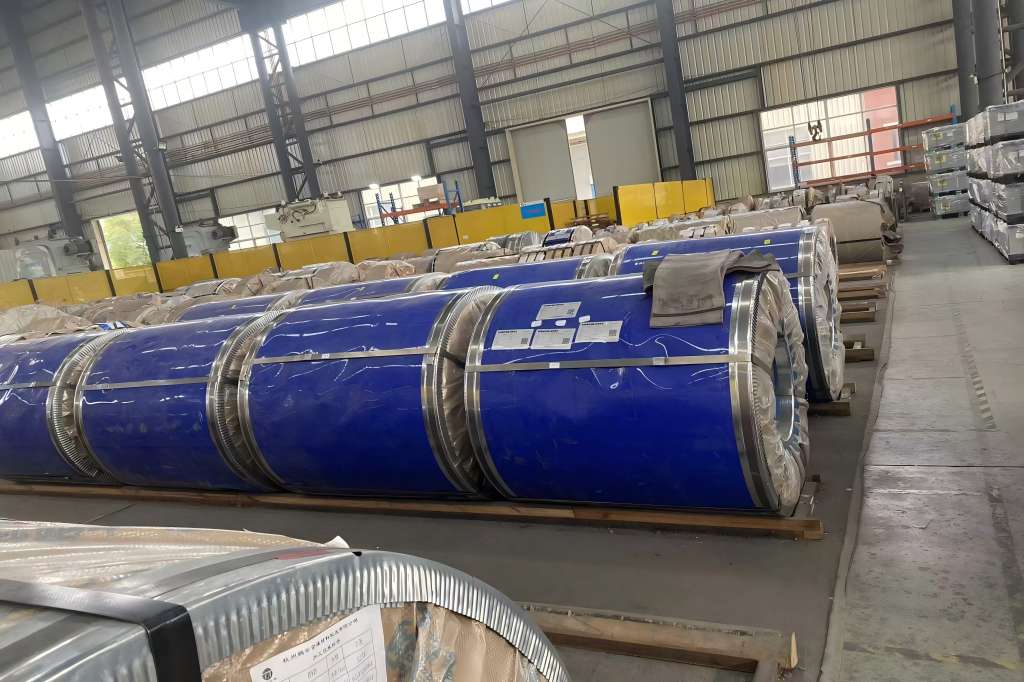
Technical Specifications for High Silicon Steel
High silicon steel, commonly referred to as electrical steel with elevated silicon content (typically 3.0% to 6.5% Si), is engineered for superior electromagnetic performance in high-frequency and energy-efficient applications. Luoyang Xinzhaohe Aluminum Co., Ltd leverages over two decades of metallurgical expertise to produce high silicon steel with tightly controlled physical and magnetic properties. This material is particularly suited for use in high-efficiency transformers, high-speed motors, and advanced power electronics where minimal core loss and high permeability are critical.
The core loss, or iron loss, is a defining performance metric for high silicon steel and is measured under standardized alternating magnetic flux conditions (e.g., 1.0 T and 1.5 T at 50/60 Hz or higher frequencies). Lower core loss directly correlates with improved energy efficiency and reduced heat generation. Our high silicon steel achieves core loss values significantly below conventional non-oriented or grain-oriented electrical steels, especially at elevated frequencies, due to increased electrical resistivity imparted by the high silicon content. This resistivity reduces eddy current losses, a dominant component of total core loss in dynamic magnetic environments.
Magnetic flux density (B) is another critical parameter, indicating the material’s capacity to support magnetic field development. While increased silicon content slightly reduces saturation flux density compared to low-silicon counterparts, our processing techniques optimize grain orientation and texture to maintain competitive induction levels. High magnetic flux density at low to moderate field strengths enhances the performance of electromagnetic devices, allowing for compact and lightweight designs without sacrificing output.
Flatness is a dimensional and geometric specification essential for uniform stacking and core assembly. Poor flatness leads to air gaps between laminations, increasing reluctance and degrading magnetic performance. Luoyang Xinzhaohe Aluminum Co., Ltd ensures high flatness through precision cold rolling and stress-relief annealing processes. Each batch is subject to rigorous flatness testing using laser profilometry, ensuring deviations remain within ±0.5 mm over 1000 mm length, meeting or exceeding IEC 60404-9 standards.
The following table summarizes key technical parameters for our high silicon steel products:
| Parameter | Test Condition | Typical Value | Standard Reference |
|---|---|---|---|
| Silicon Content | — | 3.0% – 6.5% | GB/T 2521, IEC 60404-1 |
| Core Loss (P1.5/50) | 1.5 T, 50 Hz | ≤ 2.0 W/kg | IEC 60404-2 |
| Core Loss (P1.0/400) | 1.0 T, 400 Hz | ≤ 12.0 W/kg | IEC 60404-2 |
| Magnetic Flux Density (B50) | 50 A/m | ≥ 1.60 T | IEC 60404-3 |
| Specific Magnetic Polarization (J5000) | 5000 A/m | ≥ 1.95 T | IEC 60404-3 |
| Thickness Tolerance | 0.10 – 0.35 mm | ±0.005 mm | GB/T 2521 |
| Flatness | Over 1000 mm length | ≤ ±0.5 mm | Internal QA Specification |
| Insulation Coating Weight | — | 0.3 – 0.8 g/m² (single side) | IEC 60404-10 |
These specifications reflect our commitment to delivering high-performance electrical steel tailored for advanced industrial applications. Consistency in production, adherence to international standards, and rigorous in-line quality control ensure that each coil meets the demanding requirements of modern power systems.
Factory Tour: Manufacturing
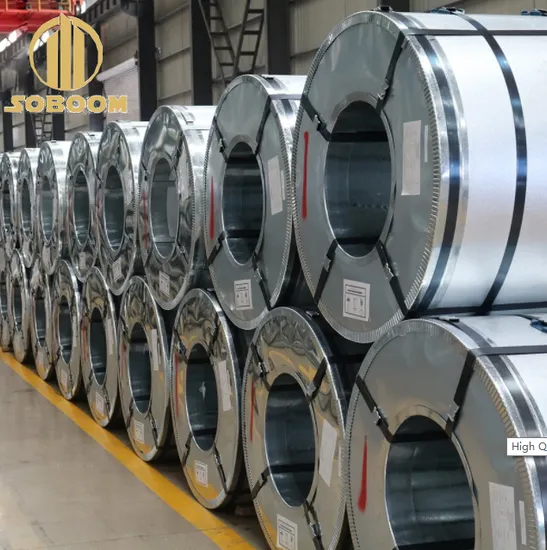
Manufacturing Process for High Silicon Steel at Luoyang Xinzhaohe Aluminum
Luoyang Xinzhaohe Aluminum CO., Ltd leverages over two decades of specialized metallurgical expertise to produce high silicon steel (typically 3-6.5% Si) optimized for high-frequency electrical applications. Our integrated manufacturing process ensures stringent control over magnetic properties, dimensional accuracy, and surface integrity, critical for transformer and motor core performance. The sequence begins with precision slitting of master coils. Utilizing servo-driven tension control and high-precision rotary shear blades, we achieve narrow strip widths with minimal edge burr and consistent dimensional tolerances. Quality control at this stage includes real-time laser measurement of width deviation (±0.1 mm) and edge quality inspection via automated optical systems to eliminate defects impacting downstream processing or core lamination.
Subsequent continuous annealing is paramount for stress relief and magnetic domain optimization. Material passes through a controlled hydrogen-nitrogen atmosphere furnace at precisely regulated temperatures up to 1200°C, facilitating grain growth and reducing core loss. This step critically enhances permeability while minimizing hysteresis losses. In-process QC employs thermocouples for zone temperature validation (±5°C) and post-anneal Epstein frame testing per IEC 60404-2 to verify specific total loss (W/kg) and magnetic polarization (T) against customer specifications. Any deviation triggers immediate furnace parameter correction.
Insulation coating application follows annealing to electrically isolate laminations and reduce eddy current losses. We apply thin, uniform layers of either organic (e.g., C-6) or inorganic (e.g., MgO-based) coatings via roll-coating or spray methods. Coating weight is meticulously controlled between 0.5-3.0 g/m² per side using gravimetric feedback systems. Adhesion strength is validated through tape peel tests (ASTM D3359), while electrical resistance is measured via four-point probe to ensure >50 Ω·cm² minimum. Surface continuity is confirmed through high-resolution imaging to prevent pinholes.
Final precision cutting transforms coated strips into laminations using high-speed progressive dies or laser cutting systems. Tolerances are maintained to ±0.02 mm on critical dimensions, with angularity held within 0.1°. Burr height is strictly limited to ≤5 µm to prevent interlaminar short circuits. Comprehensive end-of-line QC includes 100% dimensional verification via coordinate measuring machines (CMM), magnetic property reconfirmation on sample lots, and visual inspection for coating integrity and cut-edge quality. All process parameters and QC data are digitally logged for full traceability, ensuring each batch meets the rigorous demands of advanced electrical steel applications. This disciplined approach guarantees the magnetic efficiency and structural reliability essential for our global partners’ high-performance electromagnetic components.
Packaging & Logistics
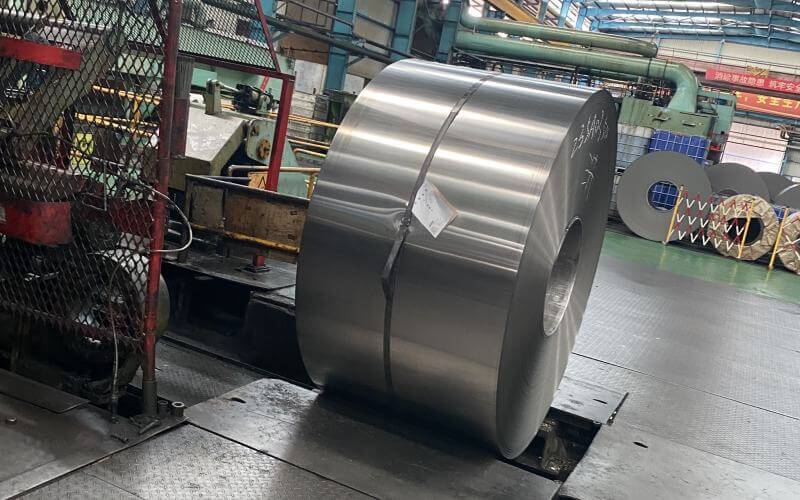
Export Packaging for High Silicon Steel: Ensuring Integrity During Sea Freight
At Luoyang Xinzhaohe Aluminum Co., Ltd, with over two decades of experience in the production and international distribution of high silicon steel, we recognize that proper export packaging is a critical component in preserving material integrity from factory to end-user. High silicon steel, due to its specialized magnetic properties and sensitivity to environmental factors, demands a packaging solution that mitigates risks associated with moisture, mechanical stress, and prolonged exposure during maritime transport. Our standard export packaging protocol is engineered to meet these challenges, ensuring that every shipment arrives in optimal condition.
All high silicon steel coils and sheets are secured on robust wooden pallets constructed from high-grade, kiln-dried hardwood. These pallets are designed to withstand the rigors of international logistics, including stacking, forklift handling, and extended container transit. The structural integrity of the pallets ensures uniform load distribution, minimizing the risk of coil deformation or sheet warping during handling and sea freight. Each pallet is treated to ISPM 15 standards, complying with global phytosanitary regulations for wooden packaging materials, thereby facilitating smooth customs clearance across international borders.
Immediately after packaging on the pallet, the high silicon steel products are wrapped in multiple layers of industrial-grade moisture-proof film. This vapor barrier film is specifically selected for its low water vapor transmission rate (WVTR), providing a hermetic seal that protects against humidity, salt air, and condensation—common hazards during ocean transportation. The film is heat-shrunk where applicable to ensure tight adhesion and is overlapped at critical junctions to eliminate exposure points. Additionally, desiccant packets are strategically placed within the packaging envelope to absorb any residual moisture and maintain a controlled microclimate around the steel.
For added protection, edge protectors made of corrugated fiberboard or steel strips are applied to coil edges or sheet bundles to prevent mechanical damage during transit. All packaging configurations are designed to fit standard 20-foot and 40-foot dry containers efficiently, maximizing space utilization while minimizing in-transit movement.
Our packaging methodology is validated through internal quality audits and real-world shipping performance. Every shipment is inspected prior to dispatch to confirm compliance with our stringent packaging standards. This systematic approach has enabled us to maintain a near-zero damage rate across thousands of export shipments to markets in Southeast Asia, Europe, and the Americas.
In conclusion, Luoyang Xinzhaohe Aluminum Co., Ltd employs a scientifically grounded, industrial-strength packaging system tailored to the unique requirements of high silicon steel. By integrating durable wooden pallets with advanced moisture-proofing technology, we ensure product reliability and performance consistency, reinforcing our commitment to excellence in global supply chain delivery.
Sourcing from Luoyang Xinzhaohe
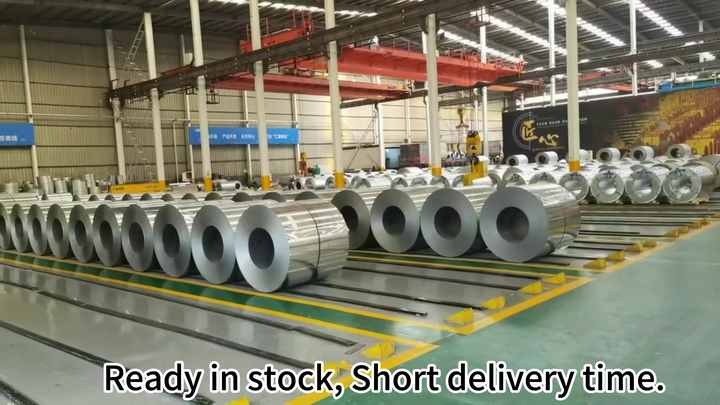
Partner with Luoyang Xinzhaohe: Your Precision Silicon Steel Manufacturer
Luoyang Xinzhaohe Aluminum Co., Ltd brings over two decades of specialized metallurgical expertise and industrial-scale production capability exclusively to the silicon steel (electrical steel) market. Our factory is engineered from the ground up to deliver the stringent material properties required for high-efficiency transformers, motors, and other critical electromagnetic applications. We focus solely on mastering the complex interplay of silicon content, grain orientation, magnetic domain structure, and surface insulation to meet the evolving demands of global power infrastructure and industrial equipment manufacturers.
Our core strength lies in precise process control throughout the production chain. Advanced continuous annealing lines with tightly regulated temperature profiles (±2°C) and protective atmospheres ensure optimal grain growth and magnetic property development, particularly for high silicon grades where brittleness and processing challenges increase. We employ state-of-the-art decarburization and secondary recrystallization techniques to achieve superior core loss (W15/50, W17/50) and magnetic induction (B800) values, directly impacting end-product efficiency. Our proprietary insulating coating formulations, applied with micron-level consistency, provide exceptional interlaminar resistance, thermal stability up to 550°C, and weldability – critical for transformer core manufacturing yield and long-term performance. Every coil undergoes rigorous in-line and final inspection per IEC 60404-2 and customer-specific standards, including full magnetic property testing (Epstein frame or SST), dimensional checks, and surface defect analysis.
Vertical integration within our facility enhances both quality assurance and supply chain resilience. From precise chemical composition control during steelmaking through cold rolling, annealing, and coating, we maintain end-to-end oversight. This minimizes external variables and ensures batch-to-batch consistency essential for OEM production lines. Our certified quality management system (ISO 9001) is embedded in daily operations, with traceability from melt batch to finished coil. We understand the criticality of on-time delivery for capital-intensive manufacturing; therefore, our supply chain is optimized for reliability, offering flexible logistics solutions and just-in-time delivery capabilities tailored to your production schedule, mitigating inventory risks without compromising material readiness.
Partnering with Luoyang Xinzhaohe means accessing deep technical metallurgical knowledge applied through industrial-scale precision. We collaborate closely with engineering teams to solve material challenges, from standard M4-M6 grades to demanding high silicon (6.5% Si) non-oriented variants requiring specialized processing. Our commitment is to be your dependable source for silicon steel that meets exacting global efficiency standards and drives the performance of your electromagnetic components. For a detailed technical consultation or to discuss your specific silicon steel requirements, contact our engineering team directly at cathy@transformerstrip.com. Let us apply our 20 years of focused expertise to optimize your supply chain and product performance.
📉 Factory Direct Savings Calculator
Calculate your potential savings by importing high silicon steel directly from China.