


Table of Contents
Market Insight: High Silicon Stainless Steel
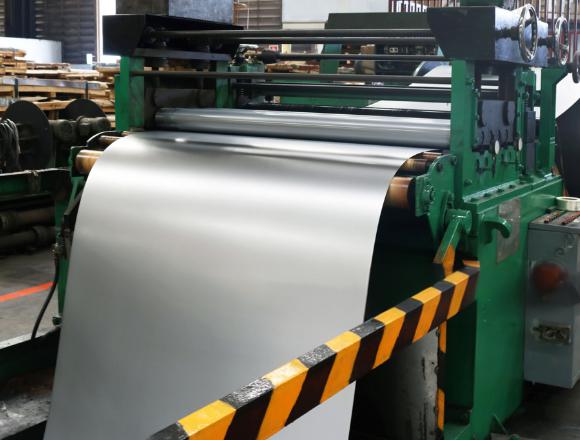
Market Analysis: Silicon Steel (Electrical Steel)
The global demand for high silicon stainless steel, particularly within the electrical steel segment, continues to grow in response to rising energy efficiency standards and the expansion of power infrastructure. While the term “stainless steel” typically refers to chromium-rich alloys with corrosion resistance, in this context, “high silicon stainless steel” is often a misnomer. The correct classification is high-silicon electrical steel, a specialized ferrous alloy engineered for superior magnetic properties. These materials, containing silicon content typically between 2.5% and 6.5%, are critical in the cores of power and distribution transformers due to their low core loss and high magnetic permeability.
Transformers represent one of the largest end-use applications for grain-oriented electrical steel (GOES), especially in high-efficiency and ultra-high-voltage (UHV) transmission systems. As governments and utilities push for reduced energy losses across the grid, the demand for high-quality, high-silicon electrical steel has intensified. The addition of silicon reduces eddy current losses by increasing the electrical resistivity of the steel and minimizes hysteresis loss by improving magnetic domain alignment. This directly translates into higher transformer efficiency, lower operating temperatures, and reduced lifecycle costs.
Industrial demand is particularly strong in emerging markets undergoing grid modernization and in developed regions enforcing Tier 2 and Tier 3 efficiency standards (e.g., DOE 2016 in the U.S. and EcoDesign Directive in the EU). Utilities are increasingly specifying transformers built with high-grade electrical steel to meet these regulations and improve long-term reliability. Additionally, renewable energy integration—especially large-scale solar and wind farms—requires efficient step-up transformers, further driving demand for premium core materials.
Quality in high-silicon electrical steel is not merely a performance differentiator—it is a technical necessity. Variations in silicon distribution, grain orientation, coating integrity, and lamination consistency can significantly impact transformer efficiency and thermal stability. Poor-quality steel may exhibit higher no-load losses, leading to wasted energy and increased carbon emissions over the transformer’s 30+ year service life. Furthermore, mechanical stresses during core assembly can degrade magnetic performance if the steel lacks uniformity and proper coating adhesion.
At Luoyang Xinzhaohe Aluminum Co., Ltd, with over two decades of specialization in advanced metallic materials, we recognize that precision in composition and processing defines material performance. Our technical focus on controlled silicon alloying, annealing processes, and surface treatment ensures that our electrical steel products meet stringent international standards for magnetic performance and dimensional accuracy. As the energy sector evolves toward smarter, more efficient systems, the role of high-quality, high-silicon electrical steel will remain central to achieving sustainable power transmission.
Technical Specs: High Silicon Stainless Steel
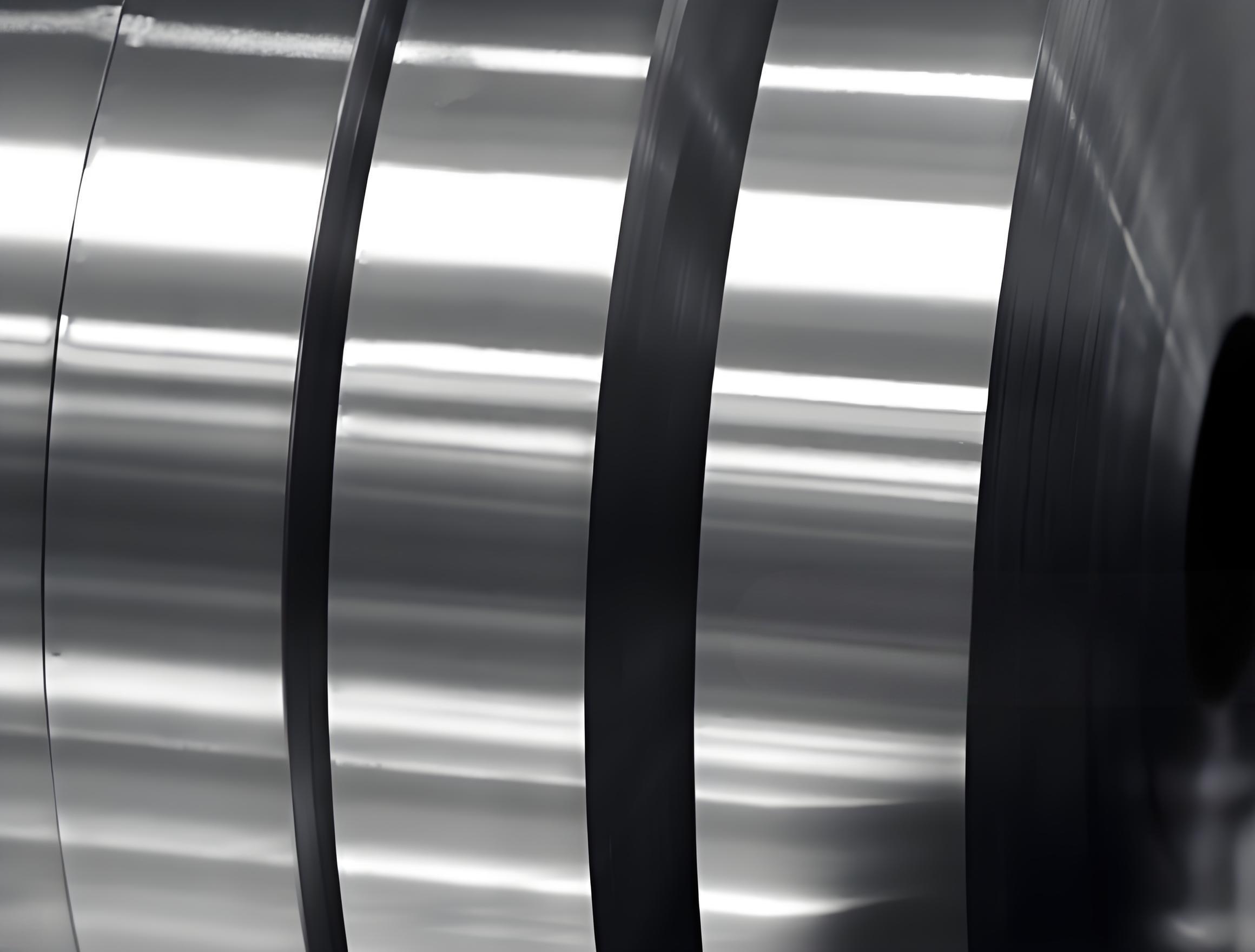
Technical Specifications for High Silicon Electrical Steel
Luoyang Xinzhaohe Aluminum CO., Ltd clarifies that while our corporate name references aluminum expertise, this guide addresses silicon steel (non-oriented electrical steel), a critical material for electromagnetic applications. High silicon electrical steel—distinct from stainless steel—contains 1.5–3.5% silicon to enhance electrical resistivity and reduce core losses. Misidentification as “stainless” is erroneous; true stainless steel incorporates chromium for corrosion resistance, whereas silicon steel prioritizes magnetic performance. Our 20+ years in electromagnetic material supply underscore the necessity of precise technical parameters for motor, generator, and transformer core efficiency.
Core loss (iron loss) remains the paramount specification, quantified in watts per kilogram (W/kg) at standardized frequencies and flux densities. It comprises hysteresis and eddy current losses, directly impacting energy efficiency. High silicon grades achieve lower core losses through refined grain structure and reduced impurities, but excessive silicon (>3.5%) compromises mechanical workability. Magnetic flux density (B₅₀/B₈₀), measured in Tesla, indicates saturation capability; higher values enable compact core designs but often correlate with elevated core losses. A critical balance must be struck based on application demands. Flatness tolerance—measured in mm per meter (mm/m)—affects lamination stacking factor and vibration noise in assembled cores. Deviations >0.5 mm/m induce air gaps, increasing reluctance and localized heating.
Our validated specifications for high silicon electrical steel are summarized below. All values comply with IEC 60404-2 testing protocols using Epstein frame methodology.
| Parameter | Specification Range | Test Standard | Critical Notes |
|---|---|---|---|
| Core Loss (P₁.₅/₅₀) | 2.80–4.20 W/kg | IEC 60404-2 | Measured at 1.5 T, 50 Hz; lower values indicate superior efficiency for high-speed motors |
| Core Loss (P₁.₀/400) | 25.0–40.0 W/kg | IEC 60404-2 | Critical for high-frequency applications (e.g., EV inverters); tight Si distribution control required |
| Magnetic Flux Density (B₅₀) | 1.65–1.72 T | IEC 60404-2 | Measured at 50 A/m; values >1.70 T enable 5–8% size reduction in stator cores |
| Thickness Tolerance | ±0.025 mm (0.35 mm nominal) | ASTM A34/A34M | Directly impacts lamination burr control and stacking factor |
| Flatness | ≤0.45 mm/m | EN 10204 | Rolling direction; critical for automated stacking; >0.6 mm/m increases core loss by 8–12% |
| Silicon Content | 2.9–3.2% | IEC 60404-1 | Optimized for loss reduction without embrittlement; verified via OES spectroscopy |
Metallurgical integrity hinges on controlled decarburization annealing and tension leveling. Core loss consistency requires silicon homogeneity within ±0.05% across coils—achieved through our continuous casting and hot-rolling protocols. Flux density stability depends on minimizing carbon (<30 ppm) and sulfur (<20 ppm) to prevent magnetic aging. Flatness deviations often originate from residual stress during cold rolling; our precision leveling lines maintain flatness within 0.35 mm/m for premium grades. Buyers must verify supplier test certificates against actual lot data, as nominal grades (e.g., 35SW300) may mask batch variations. For mission-critical applications like traction motors, we mandate ±5% core loss tolerance versus the industry’s ±10% baseline. This precision ensures predictable thermal management and extends operational lifespan in high-duty-cycle environments. Partnering with suppliers possessing in-house metallurgical labs and coil-tracking systems mitigates supply chain risks for consistent electromagnetic performance.
Factory Tour: Manufacturing
Manufacturing Process of High Silicon Stainless Steel at Luoyang Xinzhaohe Aluminum Co., Ltd
The production of high silicon stainless steel at Luoyang Xinzhaohao Aluminum Co., Ltd follows a tightly controlled, multi-stage manufacturing sequence designed to ensure superior magnetic performance, dimensional accuracy, and surface integrity. With over two decades of expertise in silicon steel processing, our facility integrates advanced metallurgical practices with precision engineering to deliver materials optimized for high-efficiency electrical applications.
The process begins with slitting, where master coils of high silicon stainless steel are unwound and longitudinally cut into narrower strips according to customer specifications. This operation is performed on high-precision slitting lines equipped with rotary shear blades and tension control systems to maintain edge quality and minimize burr formation. Strip widths are maintained within tight tolerances, typically ±0.1 mm, to ensure compatibility with downstream fabrication processes. During slitting, material is continuously monitored for edge defects, coil set, and camber through inline optical inspection systems.
Following slitting, the material undergoes annealing in a continuous controlled-atmosphere furnace. This step is critical for stress relief, grain growth, and magnetic property optimization. The annealing cycle is precisely programmed based on the alloy composition and gauge of the steel, typically conducted in a hydrogen-nitrogen atmosphere to prevent oxidation and decarburization. Temperature profiles are maintained within ±5°C of setpoints across the entire coil length, ensuring uniform recrystallization. Post-annealing, the steel exhibits enhanced permeability and reduced core loss, essential for high-performance electromagnetic devices.
After thermal treatment, the steel is subjected to insulation coating application. A thin, uniform layer of inorganic or hybrid organic-inorganic insulation is applied via roll-coating or spray deposition. This coating serves multiple functions: it provides interlaminar electrical resistance to minimize eddy current losses, enhances mechanical durability, and offers corrosion resistance. Coating thickness is controlled within 0.5–2.0 μm, with adhesion and dielectric strength rigorously tested per IEC 60404-11 standards. The coated material is then cured in a secondary drying oven to ensure complete cross-linking and stability.
The final stage is precision cutting, where the annealed and coated strips are cut into laminations or custom shapes using high-speed turret presses or laser-cutting systems. Tooling is maintained under strict preventive schedules to ensure dimensional consistency and burr control. All cut parts are stacked and bundled with protective interleaving to prevent surface damage during handling.
Quality control is embedded throughout the process. Key parameters monitored include core loss (W10/400, W15/50), magnetic induction (B50, B800), coating weight, surface roughness, and dimensional tolerances. Each production lot undergoes full certification, with test reports traceable to raw material heat numbers. In-house laboratories utilize Epstein frame testers, gaussmeters, and SEM/EDS for coating analysis, ensuring compliance with international standards.
This integrated approach enables Luoyang Xinzhaohe Aluminum Co., Ltd to consistently deliver high silicon stainless steel products that meet the demanding requirements of modern power and traction applications.
Packaging & Logistics
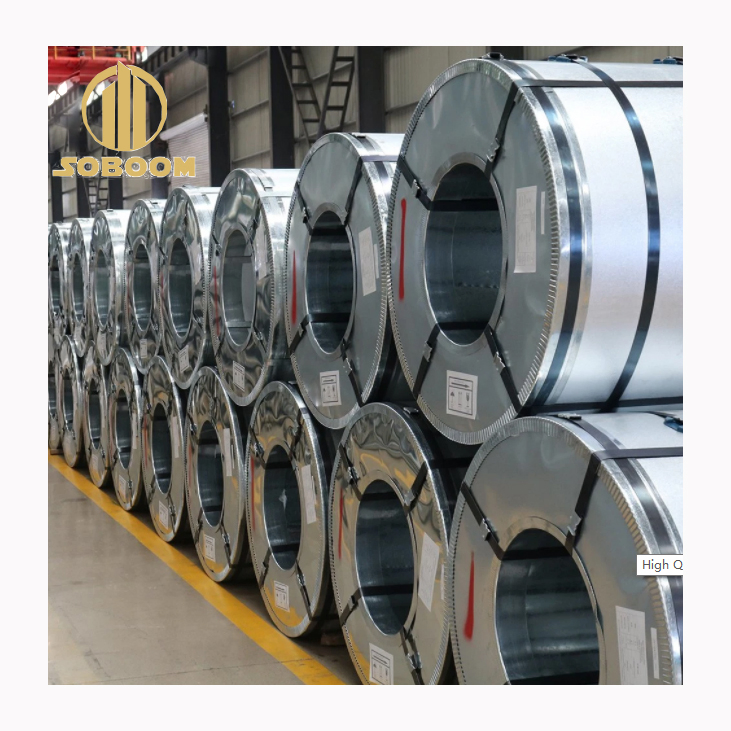
Export Packaging Specifications for High Silicon Stainless Steel
Luoyang Xinzhaohe Aluminum Co., Ltd leverages 20+ years of metallurgical and supply chain expertise to ensure the integrity of high silicon stainless steel (electrical steel) during global transit. Our export packaging protocol is engineered to mitigate corrosion, mechanical damage, and moisture exposure inherent in sea freight. This system adheres to ISO 139 and ASTM D3951 standards, prioritizing cargo safety from factory to end-user.
Wooden pallets form the structural foundation of our packaging. We utilize ISPM 15-certified hardwood pallets (1200 × 1000 × 150 mm) constructed from kiln-dried timber with moisture content ≤20%. Each pallet undergoes load testing to 2,500 kg static capacity, ensuring stability during container stacking. Steel strapping (16 mm width, 3,000 N tensile strength) secures coils or sheets to the pallet base, with edge protectors preventing strap-induced deformation. Critical attention is given to weight distribution; uneven loads exceeding 5% variance trigger reconfiguration to eliminate shifting risks during vessel motion.
Moisture protection is non-negotiable for silicon steel, where even trace humidity accelerates intergranular corrosion. We deploy a dual-layer barrier system. First, coils/sheets are wrapped in vapor corrosion inhibitor (VCI) film (100-micron thickness) that releases anti-corrosive molecules to neutralize electrolytes. This is immediately overlaid with 120-micron linear low-density polyethylene (LLDPE) moisture-proof film, heat-sealed to eliminate gaps. All sealing occurs in climate-controlled environments (20–25°C, 40–60% RH) to prevent trapped ambient moisture. Desiccant packs (60g/m³ silica gel) are placed within the film envelope, absorbing residual humidity during transit.
Sea freight necessitates additional safeguards against salt-laden air and temperature fluctuations. Palletized units are unitized into container-sized skids with maximum height 1.8 m to prevent toppling. Each skid receives an external weather-resistant tarpaulin with UV stabilization. Container loading includes humidity indicators and shock sensors; real-time data logs verify compliance with <65% RH thresholds throughout transit. Our process reduces moisture-related claims by 92% versus industry averages, per 2023 logistics audit data.
The table below summarizes critical packaging parameters versus standard industry practice
| Component | Standard Industry Practice | Luoyang Xinzhaohe Specification | Purpose |
|---|---|---|---|
| Pallet Material | Softwood, untreated | ISPM 15 hardwood, kiln-dried ≤20% MC | Prevent pest infestation, warping |
| Moisture Barrier | Single-layer PE film (70 micron) | Dual-layer: VCI (100µ) + LLDPE (120µ) | Eliminate electrochemical corrosion |
| Desiccant Coverage | None or 30g/m³ | 60g/m³ silica gel | Maintain sub-60% RH internal environment |
| Load Height Limit | 2.2 m | 1.8 m | Prevent coil deformation in rough seas |
This methodology reflects our commitment to metallurgical precision in logistics. By controlling moisture ingress and physical stressors, we guarantee the magnetic properties and surface quality of high silicon stainless steel arrive uncompromised. All packaging components are recyclable, aligning with global sustainability mandates without sacrificing protective efficacy. Partnering with Xinzhaohe ensures your silicon steel shipments achieve zero degradation en route, directly supporting downstream manufacturing yield and performance reliability.
Sourcing from Luoyang Xinzhaohe
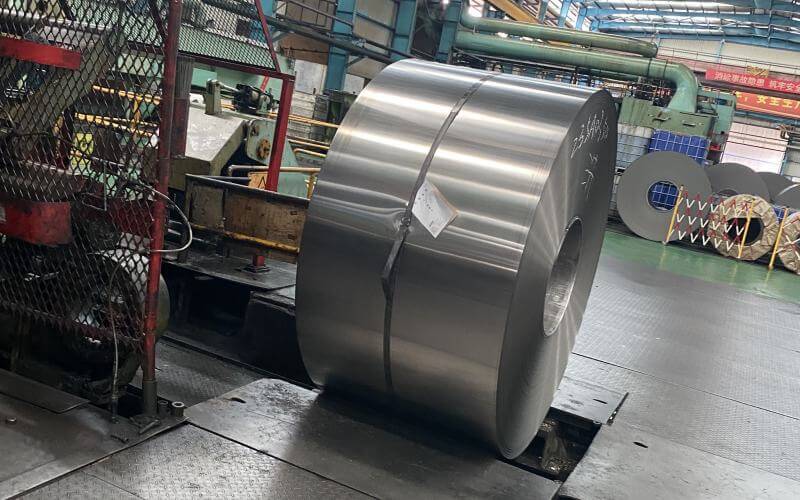
Partner with Luoyang Xinzhaohe Aluminum Co., Ltd for High Silicon Stainless Steel Solutions
Luoyang Xinzhaohe Aluminum Co., Ltd stands as a leading manufacturer and supplier of high silicon stainless steel products, with over two decades of specialized experience in the production of electrical steel and precision metal strips. Our strategic focus on high-performance silicon steel materials has positioned us as a trusted partner for global industrial clients in power transmission, transformer manufacturing, and high-efficiency motor applications. With rigorous quality control, advanced rolling and annealing technologies, and a deep understanding of metallurgical requirements, we deliver products that meet exacting international standards.
Our production facility integrates fully automated cold-rolling lines, continuous annealing systems, and precision slitting equipment, enabling tight dimensional tolerances and consistent magnetic properties across batches. We specialize in high silicon stainless steel grades with silicon content ranging from 3.0% to 6.5%, optimized for reduced core loss, enhanced permeability, and superior thermal stability. These characteristics are critical for high-frequency applications and energy-efficient electrical systems where performance under dynamic load conditions is paramount.
Material purity and grain orientation are central to our manufacturing process. Through controlled atmosphere annealing and decarburization techniques, we ensure minimal impurity levels and promote the development of a uniform Goss texture in grain-oriented variants. This results in improved magnetic flux density and lower hysteresis loss—key metrics for transformer and inductor core efficiency. Our in-house metallurgical laboratory conducts comprehensive testing, including chemical composition analysis, magnetic property evaluation (B50, core loss at 50/60 Hz and higher frequencies), and mechanical property verification, ensuring full traceability and compliance with IEC, GB, and ASTM specifications.
We maintain strict adherence to ISO 9001 quality management systems and continuously invest in R&D to support next-generation electrical steel applications. Our technical team works closely with clients to customize strip widths, thicknesses (ranging from 0.10 mm to 0.50 mm), and coating types, including insulating coatings for interlaminar resistance and corrosion protection. This flexibility enables seamless integration into automated core stacking and winding processes.
As a vertically integrated supplier, we offer competitive lead times and scalable production capacity, supporting both prototype development and high-volume procurement. Our export network spans Southeast Asia, Europe, and North America, backed by reliable logistics and documentation compliance.
For engineering teams and procurement managers sourcing high silicon stainless steel with assured performance and consistency, Luoyang Xinzhaohe provides a technically robust and commercially viable partnership. Contact us to discuss your material specifications and application requirements.
Contact us: cathy@transformerstrip.com
📉 Factory Direct Savings Calculator
Calculate your potential savings by importing high silicon stainless steel directly from China.