


Table of Contents
Market Insight: Grain Oriented Silicon Steel Sheet
Market Analysis: Silicon Steel (Electrical Steel)
Grain oriented silicon steel sheet (GOSS) is a critical ferromagnetic material engineered specifically for high-efficiency power and distribution transformers. Its unique crystallographic texture, developed through controlled rolling and annealing processes, enables superior magnetic properties along the rolling direction. This anisotropic behavior makes GOSS the material of choice for transformer cores, where minimizing energy losses and maximizing magnetic flux density are paramount.
Global demand for grain oriented silicon steel sheet continues to grow, driven primarily by expanding electrical infrastructure, increasing energy efficiency regulations, and the rise of renewable energy integration. As nations modernize their power grids and adopt stricter energy performance standards—such as the IEC 60404-8-5 and DOE Level 2 efficiency requirements—transformer manufacturers are under pressure to deliver units with lower no-load losses. GOSS directly addresses this need, offering core loss values as low as 0.7 W/kg at 1.7 T and 50 Hz in high-grade variants. This performance translates into reduced operational costs and lower carbon emissions over the transformer’s lifecycle, which can exceed 30 years.
The primary end-use sectors include utility-scale power transmission, industrial power distribution, and traction transformers for rail systems. In emerging markets, rural electrification projects and grid expansion are significant demand drivers. Meanwhile, developed economies focus on grid reliability and retrofitting aging infrastructure with high-efficiency transformers, further sustaining GOSS consumption.
Quality in grain oriented silicon steel sheet is non-negotiable. Variability in magnetic properties, surface insulation, dimensional tolerances, or lamination consistency can lead to increased core losses, localized heating, and reduced transformer efficiency. High-quality GOSS features a sharp Goss texture ({110}<001>), minimal internal stress, and uniform grain size. Additionally, the application of tension-coating insulation layers is essential to suppress eddy currents and maintain mechanical stability under magnetic excitation.
At Luoyang Xinzhaohe Aluminum Co., Ltd, we recognize that material consistency directly impacts our clients’ product performance. While our core expertise lies in aluminum and aluminum-based solutions, our strategic partnerships and technical understanding of electrical steel supply chains enable us to support clients in sourcing high-grade GOSS with traceable metallurgical properties and compliance with international standards. We emphasize supplier qualification, batch traceability, and performance validation through third-party testing to ensure that the materials integrated into transformer cores meet exacting technical specifications.
In summary, the industrial demand for grain oriented silicon steel sheet remains robust and technically driven. As energy efficiency becomes a global priority, the performance of electrical steel directly influences the sustainability and economic viability of power systems. Only through stringent quality control and adherence to material science principles can manufacturers meet the evolving demands of the transformer industry.
Technical Specs: Grain Oriented Silicon Steel Sheet
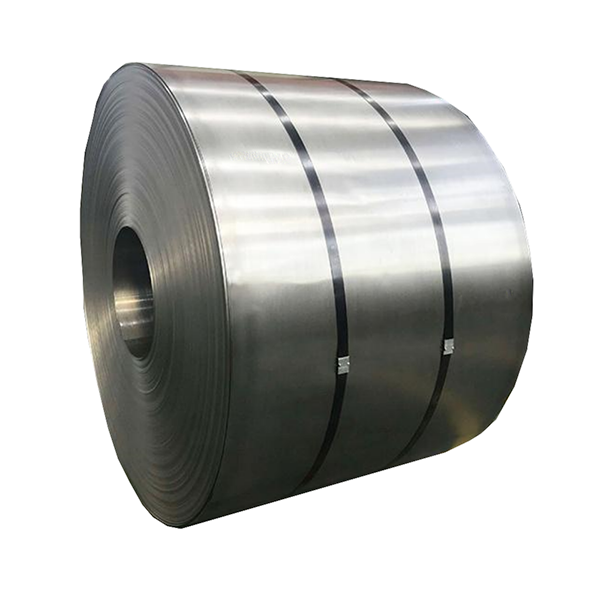
Technical Specifications for Grain Oriented Silicon Steel Sheet
Grain oriented silicon steel sheet (GOES) is a critical material for high-efficiency power and distribution transformers, where precise magnetic properties directly impact core losses and operational reliability. Luoyang Xinzhaohe Aluminum Co., Ltd leverages 20+ years of metallurgical and supply chain expertise to ensure sourced GOES meets stringent international standards, including IEC 60404-2 and ASTM A876. Key technical parameters must be rigorously controlled to optimize transformer performance, minimize energy waste, and comply with global efficiency regulations such as IE4 and IE5.
Core loss (iron loss) is the primary specification governing energy efficiency. It comprises hysteresis and eddy current losses, measured in watts per kilogram (W/kg) under standardized conditions of 1.7 Tesla magnetic induction and 50 Hz frequency (P1.7/50). Lower core loss values indicate superior material quality, directly reducing operational costs over the transformer’s lifespan. High-grade GOES achieves core losses as low as 0.65 W/kg, while standard grades range up to 1.00 W/kg. Deviations exceeding ±3% from certified test reports indicate inconsistent grain alignment or impurities, leading to unacceptable thermal rise in wound cores.
Magnetic flux density (B800), measured in Tesla (T), defines the material’s saturation capability under an 800 A/m magnetic field. Minimum values typically start at 1.89 T for standard grades, rising to 1.95 T for high-permeability variants. Higher flux density enables compact core designs but must be balanced against core loss trade-offs. Flux density below 1.85 T indicates inadequate secondary recrystallization, resulting in inefficient magnetic domain structure and elevated no-load losses.
Flatness tolerance is equally critical for automated core stacking. Excessive waviness or camber causes air gaps between laminations, increasing reluctance and localized heating. Per IEC 60404-16, flatness must not exceed 2.0 mm deviation per meter of sheet length for standard grades, tightening to 1.0 mm/m for laser-scribed or premium grades. Visual inspection alone is insufficient; laser profilometry is mandatory to verify compliance, as substandard flatness accelerates insulation degradation and reduces core mechanical integrity.
The following table summarizes critical parameters for common GOES grades supplied by Luoyang Xinzhaohe Aluminum Co., Ltd
| Grade Designation | Core Loss P1.7/50 (W/kg) | Magnetic Flux Density B800 (T) | Max Thickness Deviation (mm/m) |
|---|---|---|---|
| M0H | ≤ 0.65 | ≥ 1.95 | ≤ 1.0 |
| M1 | ≤ 0.72 | ≥ 1.93 | ≤ 1.2 |
| M2 | ≤ 0.80 | ≥ 1.92 | ≤ 1.5 |
| M3 | ≤ 0.88 | ≥ 1.90 | ≤ 1.8 |
| M4 | ≤ 1.00 | ≥ 1.89 | ≤ 2.0 |
All values reflect certified mill test reports under controlled atmospheric conditions (23°C, 50% RH). Thickness tolerance (0.23–0.35 mm) is held to ±0.02 mm across the strip width. Sourcing requires validation of third-party test certificates from accredited labs (e.g., SGS, TÜV), as field failures often trace to unverified supplier claims on core loss stability. Note that final core performance depends on proper annealing after cutting; improper handling negates material specifications. Luoyang Xinzhaohe Aluminum Co., Ltd implements end-to-end chain-of-custody protocols to ensure spec integrity from mill to transformer manufacturer.
Factory Tour: Manufacturing
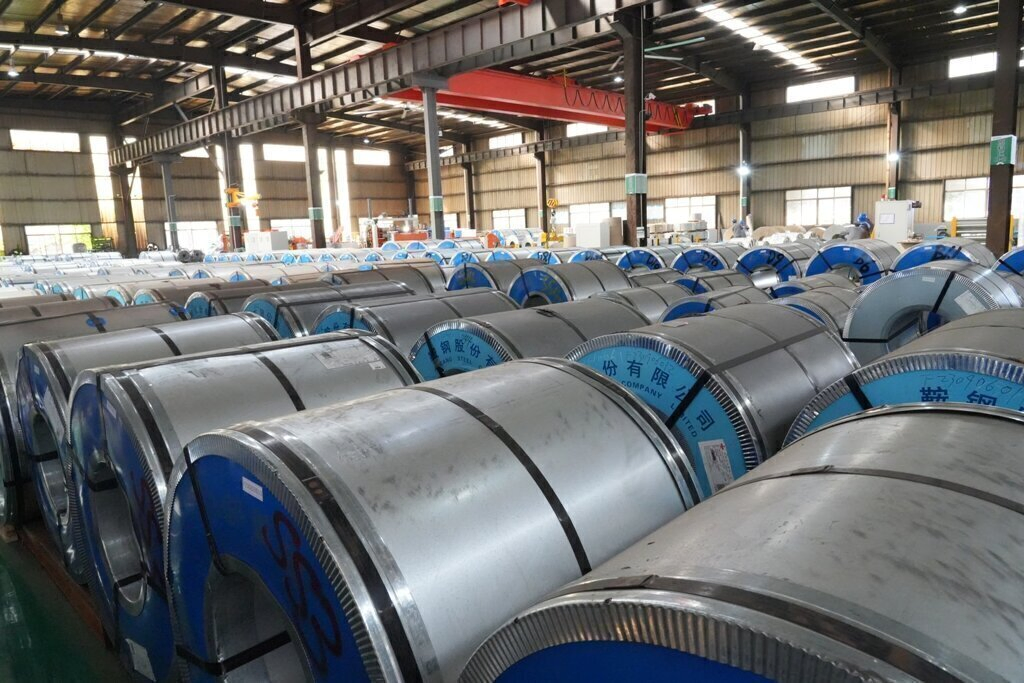
Manufacturing Process of Grain Oriented Silicon Steel Sheet
The production of high-quality grain oriented silicon steel sheet involves a series of precisely controlled metallurgical and processing stages designed to optimize magnetic properties, dimensional accuracy, and surface integrity. At Luoyang Xinzhaohe Aluminum Co., Ltd, with over two decades of expertise in advanced metal processing, this sequence is executed with strict adherence to international standards and in-house quality protocols.
The process begins with slitting, where wide master coils of cold-rolled grain oriented silicon steel are longitudinally cut into narrower strips according to customer specifications. This operation is performed on high-precision slitting lines equipped with servo-controlled tension systems and automatic edge guiding to ensure consistent width tolerance and minimal edge burr formation. The slit coils are then carefully rewound to prevent surface damage and prepare them for subsequent thermal treatment.
Following slitting, the coils undergo annealing in a continuous or batch-type furnace under a controlled hydrogen-nitrogen atmosphere. This step is critical for stress relief, grain structure refinement, and the development of the desired Goss texture (110)[001], which enhances the magnetic directional properties of the material. The annealing cycle includes precise temperature ramping, soaking at peak temperatures (typically between 800°C and 1100°C), and controlled cooling rates to prevent re-oxidation and ensure uniform magnetic performance across the coil length.
After annealing, the steel sheets are subjected to insulation coating application. A thin, adherent inorganic or semi-organic insulating layer is uniformly applied to both surfaces. This coating serves multiple functions: it provides interlaminar electrical resistance to reduce eddy current losses, enhances corrosion resistance, and improves the mechanical durability of the sheets during transformer core fabrication. Coating thickness is tightly regulated—typically in the range of 0.5 to 4.0 µm—using precision roll coaters and monitored via in-line ellipsometry or weight-per-unit-area measurements.
The final stage is precision cutting, where the coated coils are transversely cut into defined lengths using high-speed rotary shears or laser-guided cut-to-length lines. This operation ensures tight dimensional tolerances (±0.1 mm on length and width) and squareness, critical for efficient core stacking in electrical equipment. All cut sheets are stacked automatically with edge alignment control to minimize air gaps in the final core assembly.
Throughout the entire manufacturing sequence, quality control is maintained at multiple checkpoints. Key parameters monitored include core loss (W17/50), magnetic flux density (B800), coating weight, surface roughness, and dimensional accuracy. Each batch is subjected to destructive and non-destructive testing, including lamination sample core loss evaluation, adhesion testing of insulation coatings, and visual inspection under oblique lighting for surface defects. All test data are documented and traceable to ensure compliance with IEC 60404-8-7 and customer-specific technical requirements.
Packaging & Logistics
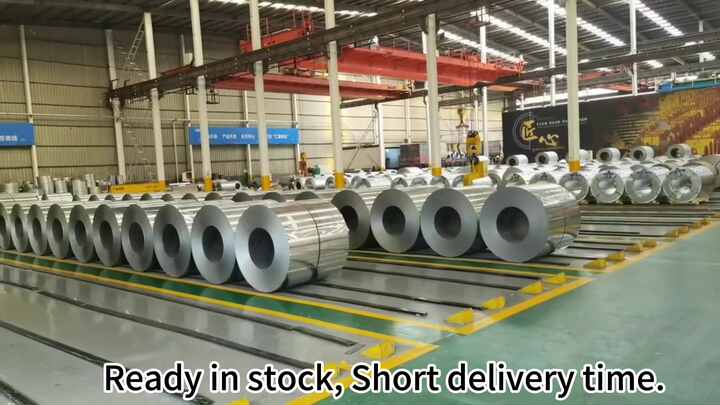
Export Packaging Specifications for Grain Oriented Silicon Steel Sheet
Luoyang Xinzhaohe Aluminum Co., Ltd. implements rigorously engineered export packaging protocols for Grain Oriented Silicon Steel (GOES) to ensure material integrity during global maritime transit. Given the extreme sensitivity of GOES to mechanical damage and moisture-induced corrosion—which directly compromises magnetic properties and core loss performance—our packaging system is designed to mitigate all critical sea freight hazards. This methodology, refined over 20+ years of export operations, adheres to ISO 9001 quality management standards and international phytosanitary regulations.
All GOES shipments are secured on custom-engineered wooden pallets constructed from kiln-dried, ISPM-15 certified coniferous timber. Pallet dimensions are optimized for container utilization (typically 1200 x 1000 mm or 1100 x 1100 mm) with a minimum static load capacity of 3,000 kg. Structural reinforcement includes double stringers and edge protectors to prevent coil deformation during vessel motion or port handling. Crucially, pallet wood undergoes moisture content verification (≤ 20% MC) prior to assembly to eliminate internal vapor sources that could accelerate corrosion within sealed packaging.
The primary moisture barrier comprises a multi-layer vapor-proof wrapping system applied under controlled ambient conditions (< 60% RH). This system integrates sequentially:
A base layer of 0.15 mm polyethylene film provides initial vapor resistance.
A middle layer of asphalt-impregnated kraft paper (250 g/m²) acts as a secondary barrier against salt-laden marine atmospheres.
The outermost layer utilizes 0.20 mm high-density polyethylene (HDPE) with UV stabilizers, heat-sealed at all seams to achieve a water vapor transmission rate (WVTR) of ≤ 0.5 g/m²/24hr.
Desiccant packs (silica gel, 33% moisture adsorption capacity) are strategically placed between coil wraps at a ratio of 1.5 kg per metric ton of steel.
Sea freight safety is prioritized through three critical measures. First, vacuum sealing of the HDPE layer eliminates internal air pockets that cause condensation (“container rain”) during temperature fluctuations across shipping routes. Second, palletized coils are strapped with steel banding (minimum 16 mm width, 12 kN tension) to ISO 16122 standards, preventing lateral shift during heavy seas. Third, all packages include humidity indicator cards (HICs) visible through a transparent window, enabling immediate verification of moisture exposure upon destination unloading.
The efficacy of this system is validated through accelerated salt spray testing (ASTM B117) and real-world transit monitoring. Historical data from 500+ containers shipped to Southeast Asia, Europe, and South America demonstrates a corrosion-related claim rate below 0.15%—significantly under industry benchmarks. This reliability directly protects the customer’s downstream production yield, as even microscopic surface oxidation on GOES elevates core loss by 3-5% in transformer laminations.
For extended voyages (> 30 days) or high-humidity routes, we recommend optional vacuum-assisted packaging with oxygen absorbers, reducing internal O₂ levels to < 0.1%. All packaging components are fully recyclable, aligning with global ESG compliance requirements. Partnering with Xinzhaohe ensures GOES arrives with uncompromised dielectric integrity and magnetic performance, eliminating costly rework or rejection at destination facilities.
Sourcing from Luoyang Xinzhaohe
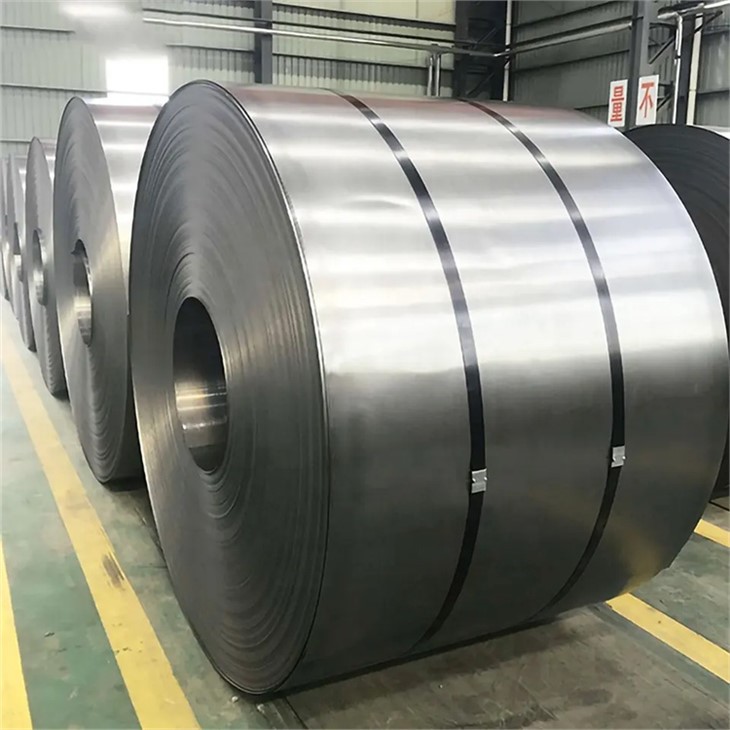
Partner with Luoyang Xinzhaohe Aluminum Co., Ltd for Premium Grain Oriented Silicon Steel Sheet
Luoyang Xinzhaohe Aluminum Co., Ltd brings over two decades of specialized expertise in the production and supply of high-performance silicon steel, with a focused capability in grain oriented silicon steel sheet (GOES). As a trusted name in the electrical steel industry, we serve transformer manufacturers, power equipment producers, and industrial OEMs requiring materials that meet stringent magnetic and mechanical performance standards. Our vertically integrated manufacturing platform ensures consistent quality, technical precision, and reliable delivery for mission-critical applications.
Our production facility is equipped with advanced rolling, annealing, and insulating coating lines, specifically engineered for grain oriented silicon steel. We utilize high-purity raw materials and apply controlled thermomechanical processing to achieve optimal grain alignment along the rolling direction, resulting in superior magnetic permeability and reduced core loss—key performance indicators in high-efficiency transformer design. Our GOES products conform to international standards including IEC 60404-8, GB/T 13789, and ASTM A876, with typical grades ranging from M470-50A to M300-35A, supporting a wide range of voltage and frequency requirements.
Quality assurance is embedded throughout our production cycle. We operate a fully accredited metallurgical laboratory with capabilities in magnetic property testing (using Epstein frame and single sheet testers), chemical composition analysis (via OES and XRF), and microstructural evaluation (through optical and electron microscopy). This enables real-time process control and full traceability for every coil produced. All batches are tested for core loss (W17/50), magnetic induction (B800), coating weight, and surface insulation resistance to ensure compliance with customer specifications.
In addition to technical excellence, our supply chain infrastructure supports global delivery with flexibility. We maintain strategic inventory levels of standard GOES grades and offer custom slitting services to meet precise width and tolerance requirements. Our logistics network ensures timely shipment via containerized sea freight or air freight for urgent orders, with full export documentation and customs compliance managed in-house.
As the energy sector transitions toward higher efficiency and lower carbon emissions, the demand for premium electrical steel continues to grow. Luoyang Xinzhaohe is positioned to support this evolution with scalable production capacity, continuous process improvement, and a customer-centric engineering approach. Whether you require standard GOES coils or application-specific material optimization, our technical team collaborates closely with clients to deliver solutions that enhance product performance and manufacturing efficiency.
For sourcing inquiries, technical data sheets, or sample requests, contact us directly at cathy@transformerstrip.com. Let Luoyang Xinzhaohe Aluminum Co., Ltd be your strategic partner in advanced silicon steel supply.
📉 Factory Direct Savings Calculator
Calculate your potential savings by importing grain oriented silicon steel sheet directly from China.