


Table of Contents
Market Insight: Grain Oriented Electrical Steel

Market Analysis: Silicon Steel (Electrical Steel)
Grain oriented electrical steel (GOES) remains a critical material in the global power infrastructure, primarily due to its dominant application in high-efficiency power and distribution transformers. As the backbone of electrical energy transmission and distribution systems, transformers rely heavily on the magnetic properties of GOES to minimize energy losses during operation. The industrial demand for GOES is directly correlated with the expansion and modernization of electrical grids, renewable energy integration, and the global push toward energy efficiency standards.
The primary driver of GOES consumption lies in the manufacturing of laminated transformer cores. These cores require material with highly anisotropic magnetic properties—specifically, superior magnetic flux density along the rolling direction and minimal core loss under alternating magnetic fields. Grain oriented electrical steel is engineered to meet these exacting requirements through a specialized processing route that aligns the crystallographic texture (Goss texture: {110}<001>) to optimize magnetic performance. This alignment reduces hysteresis and eddy current losses, directly contributing to transformer efficiency ratings.
Global transformer manufacturers, particularly in regions with aggressive energy efficiency regulations such as the European Union, China, and North America, are increasingly specifying high-grade GOES with core loss values below 1.0 W/kg at 1.7 T and 50 Hz. Compliance with standards such as IEC 60404-8-7 and DOE 2016 efficiency mandates in the U.S. has elevated the technical bar for material selection. As a result, low-tier or non-compliant electrical steel is being phased out in favor of high-permeability, laser-scribed, or domain-refined grades that further reduce no-load losses.
Quality in grain oriented electrical steel is not merely a performance differentiator—it is a determinant of system reliability and lifecycle cost. Inconsistent thickness, poor insulation coating, non-uniform grain structure, or deviations in magnetic properties can lead to localized hotspots, increased vibration, and premature transformer failure. Moreover, the total cost of ownership for a power transformer spans decades; a 0.1% reduction in core loss can translate into tens of thousands of dollars in energy savings over its operational life. This makes the initial material selection a critical economic and engineering decision.
Luoyang Xinzhaohe Aluminum Co., Ltd brings over two decades of materials engineering and supply chain expertise to the silicon steel sector. While specializing in aluminum-based solutions, our technical collaborations and deep market engagement with steel producers enable us to support clients in sourcing high-quality GOES that meets stringent international performance benchmarks. Our focus remains on ensuring material traceability, consistent mechanical and magnetic properties, and compliance with environmental and efficiency standards across the transformer manufacturing value chain.
The evolving energy landscape, driven by decarbonization and grid resilience, will continue to reinforce the strategic importance of premium grain oriented electrical steel. As demand grows for ultra-low-loss and high-permeability grades, material quality will remain inseparable from system performance, regulatory compliance, and long-term operational economics.
Technical Specs: Grain Oriented Electrical Steel
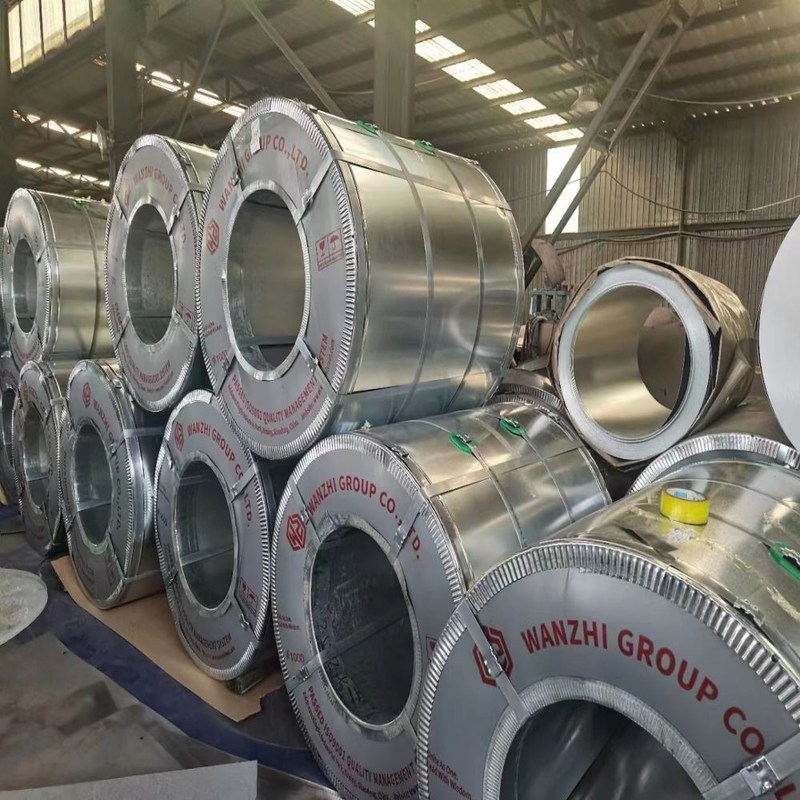
Technical Specifications: Grain Oriented Electrical Steel (GOES)
Luoyang Xinzhaohe Aluminum Co., Ltd leverages over two decades of specialized metallurgical expertise in silicon steel production. While our corporate name reflects historical roots, our core competency and current manufacturing focus are firmly centered on high-performance electrical steel, including premium Grain Oriented Electrical Steel (GOES). This material is critical for efficient power transformer cores, where precise magnetic properties directly impact operational energy losses and performance. Sourcing decisions must prioritize quantifiable technical parameters aligned with specific application demands and international standards, primarily IEC 60404-2.
Core Loss (Iron Loss), denoted as P1.7/50, is the paramount specification for GOES. It represents the energy dissipated as heat within the core material under alternating magnetization at 1.7 Tesla flux density and 50 Hz frequency. Lower core loss values translate directly to higher transformer efficiency and reduced lifetime operational costs. Core loss is intrinsically linked to the steel’s microstructure, silicon content, grain size, and the precision of the Goss texture development during secondary recrystallization. Tight control over decarburization annealing and the final stress relief coating application is essential to achieve target loss levels. Variations in core loss significantly influence the total cost of ownership for power infrastructure.
Magnetic Flux Density (B8, measured at 800 A/m magnetic field strength) is the second critical parameter. It indicates the material’s ability to carry magnetic flux efficiently. Higher B8 values allow for more compact transformer core designs or increased power handling capacity within the same physical footprint. This property is primarily governed by the purity of the base iron, the accuracy of the Goss orientation {110}<001>, and the minimization of crystallographic defects. Achieving consistently high flux density requires exceptional control over the primary and secondary recrystallization processes.
Flatness tolerance is a vital dimensional quality metric. Excessive waviness or camber in the strip impedes optimal core stacking, increases interlaminar losses, creates air gaps reducing effective permeability, and complicates automated core building processes. Flatness is measured as the maximum deviation from a straight edge over a specified length, typically 1 meter. Tight flatness control demands precise rolling mill setup, uniform tension control throughout processing, and optimized annealing cycles to minimize residual stresses. Poor flatness directly compromises core performance and manufacturing yield.
The following table details key technical parameters for standard GOES grades supplied by Luoyang Xinzhaohe, manufactured to stringent IEC 60404-2 specifications:
| Grade Designation | Core Loss P1.7/50 (W/kg) Max | Magnetic Flux Density B8 (T) Min | Flatness Tolerance (mm/m) Max |
|---|---|---|---|
| M090 | 0.90 | 1.86 | 5.0 |
| M085 | 0.85 | 1.87 | 4.5 |
| M080 | 0.80 | 1.88 | 4.0 |
| M075 | 0.75 | 1.89 | 3.5 |
| M070 | 0.70 | 1.89 | 3.0 |
| M065 | 0.65 | 1.90 | 2.5 |
Selection of the optimal GOES grade requires balancing core loss targets, flux density requirements, flatness needs for the specific core lamination process, and project budget constraints. Luoyang Xinzhaohe provides comprehensive material test reports (MTRs) validating all critical parameters against purchase order specifications. We advise close collaboration between transformer designers and our technical team during the sourcing phase to ensure the selected grade delivers the required performance and manufacturability for your specific application, maximizing efficiency and reliability throughout the transformer’s operational life.
Factory Tour: Manufacturing

Manufacturing Process of Grain Oriented Electrical Steel at Luoyang Xinzhaohe Aluminum Co., Ltd
The production of grain oriented electrical steel (GOES) at Luoyang Xinzhaohe Aluminum Co., Ltd follows a tightly controlled sequence of metallurgical and surface treatment processes designed to optimize magnetic performance, dimensional accuracy, and long-term reliability. With over two decades of experience in silicon steel processing, our facility employs advanced industrial methodologies to ensure consistent product quality tailored to high-efficiency transformer and electrical equipment applications.
The process begins with slitting, where master coils of cold-rolled grain oriented silicon steel are longitudinally cut into narrower strips according to customer specifications. This operation is performed on precision slitting lines equipped with servo-controlled tension systems and laser-guided edge positioning to maintain strip width tolerances within ±0.1 mm. The slitting knives are regularly inspected and replaced to prevent burring or edge deformation, which could compromise downstream processing or final core performance.
Following slitting, the material undergoes a final box annealing treatment under a controlled hydrogen-rich atmosphere. This step is critical for stress relief and the development of a sharp Goss texture (110)[001], which enhances directional magnetic permeability and reduces core loss. The annealing cycle is precisely programmed with defined ramp-up, soak, and cooling rates to ensure uniform recrystallization and inhibit the formation of harmful carbides or internal stresses. Temperature uniformity across the coil is monitored in real time using embedded thermocouples and infrared sensors.
After annealing, the steel strips are transferred to the insulation coating line. A thin, adherent inorganic-matrix insulation coating is applied via roll coating or spray deposition. This coating serves multiple functions: it provides interlaminar electrical resistance to minimize eddy current losses, enhances mechanical durability during core stacking, and offers protection against environmental corrosion. The coating thickness is maintained between 2.0 and 4.0 µm, with surface resistivity exceeding 100 Ω·cm² as measured by the standard point probe method.
The final stage is precision cutting, where the annealed and coated strips are transversely cut into laminations or segments using high-speed, servo-driven cut-to-length lines. These lines utilize hardened tooling and optical registration systems to achieve length tolerances of ±0.2 mm and angular alignment within 0.1°. Custom geometries for stators, rotors, or transformer cores can be produced with repeatable accuracy.
Throughout the entire manufacturing sequence, rigorous quality control measures are enforced. Key parameters such as core loss (W17/50), magnetic induction (B8), coating weight, and dimensional tolerances are sampled and tested per IEC 60404-2 and GB/T 3655 standards. All test data are logged and traceable to individual coil heats, ensuring full process transparency for our B2B clients.
Packaging & Logistics
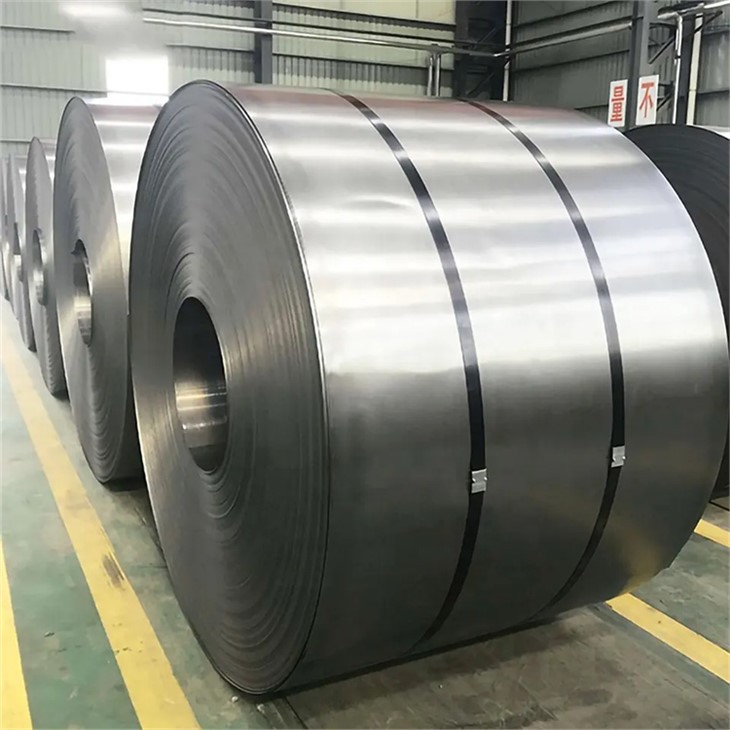
Export Packaging Specifications for Grain Oriented Electrical Steel
Luoyang Xinzhaohe Aluminum Co., Ltd implements rigorously engineered export packaging protocols for Grain Oriented Electrical Steel (GOES) coils, specifically designed to withstand the severe environmental and mechanical stresses inherent in international sea freight. Our 20+ years of metallurgical and supply chain expertise confirm that inadequate packaging is the primary cause of field degradation in GOES, directly impacting core loss performance and end-product reliability. We treat packaging as an integral component of material integrity, not merely a shipping container.
All GOES coils are secured to custom-engineered wooden pallets meeting International Standards for Phytosanitary Measures No. 15 (ISPM 15). Pallets utilize 180mm minimum height hardwood stringers and deck boards, kiln-dried to below 20% moisture content, providing the structural rigidity required to prevent coil deformation during vessel motion, crane handling, and multi-modal transshipment. Each pallet incorporates integrated steel strapping channels and reinforced corner posts to distribute the 5-15 tonne coil weight evenly, eliminating point loading that could cause edge damage or buckling. Pallet dimensions are precisely calculated to maximize container utilization while ensuring 100mm clearance from container walls, mitigating impact risks during transit.
Moisture protection constitutes the critical second layer of defense. Coils undergo immediate vacuum sealing within a triple-layer barrier system post-winding. The primary layer is a vapor corrosion inhibitor (VCI) impregnated polyethylene film, actively neutralizing corrosive agents at the molecular level. This is encapsulated by a 0.5mm thick aluminum foil layer, providing absolute barrier properties against salt-laden maritime atmospheres and preventing permeation of water vapor even under prolonged tropical humidity conditions exceeding 95% RH. The outermost layer is a 200-micron high-density polyethylene (HDPE) cover, resistant to puncture, UV degradation, and handling abrasion. All seams are thermally welded with 50mm overlap, validated through helium leak testing to achieve <0.1% permeability rates per IEC 60404-9.
This integrated system undergoes validation via accelerated climate chamber testing simulating 45-day ocean voyages across all major trade lanes, including the high-humidity transpacific and corrosive Mediterranean routes. Real-world performance data from our global logistics partners demonstrates a 98.7% coil integrity rate upon destination unloading, with zero incidents of moisture-induced interlayer rust or magnetic property degradation in properly handled shipments. We strictly prohibit cost-driven substitutions such as single-layer plastic wraps or non-ISPM 15 pallets, as these introduce unacceptable risk of hydroscopic degradation during transit. Documentation includes certified moisture barrier test reports and pallet treatment certificates, providing full auditability for your quality assurance processes. For GOES, packaging is not expendable—it is non-negotiable insurance for your transformer core performance.
Sourcing from Luoyang Xinzhaohe
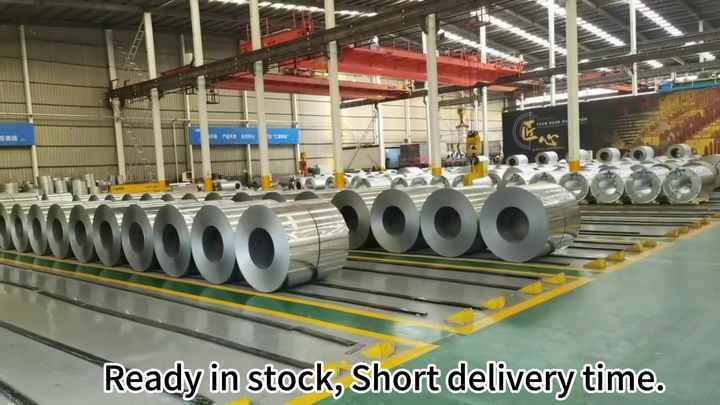
Partner with Luoyang Xinzhaohe Aluminum Co., Ltd – Your Trusted Source for High-Performance Grain-Oriented Electrical Steel
With over two decades of specialized expertise in the production and supply of advanced silicon steel products, Luoyang Xinzhaohe Aluminum Co., Ltd stands as a leading industrial partner in the electrical steel sector. Our core competency lies in the manufacturing of high-quality grain-oriented electrical steel (GOES), engineered to meet the rigorous demands of power transformer and high-efficiency electrical equipment manufacturers worldwide. Our vertically integrated production capabilities, combined with strict process control and material traceability, ensure consistent product performance that aligns with international standards including IEC 60404-8 and ASTM A876.
Our manufacturing facility is equipped with state-of-the-art rolling, annealing, and coating lines specifically optimized for grain-oriented silicon steel. We utilize high-purity raw materials and employ a controlled secondary recrystallization process to achieve superior magnetic flux density (typically exceeding 1.90 T at 800 A/m) and minimized core loss (as low as 0.85 W/kg at 1.7 T and 50 Hz). This precision engineering results in GOES strips that deliver exceptional energy efficiency, reduced hysteresis loss, and stable magnetic properties under long-term operational conditions—critical factors for modern high-efficiency power transformers.
We offer a comprehensive product range in grain-oriented electrical steel, with thicknesses spanning 0.23 mm to 0.35 mm and widths customizable from 80 mm to 1,050 mm to suit diverse core lamination and winding configurations. Our coating technology ensures excellent interlaminar resistance, corrosion protection, and dielectric strength, contributing to enhanced transformer reliability and service life. All batches undergo rigorous quality assurance protocols, including magnetic property testing, surface inspection, and dimensional accuracy verification, supported by full material certification upon request.
Luoyang Xinzhaohe operates a 30,000-ton annual production line dedicated to electrical steel, enabling us to support both large-scale OEM contracts and specialized project-based orders with reliable lead times and logistical flexibility. Our supply chain is optimized for global distribution, with established export channels to North America, Europe, Southeast Asia, and the Middle East. We maintain strategic inventory hubs to ensure rapid response to customer demand fluctuations without compromising on quality or delivery performance.
As a technical partner, we provide engineering collaboration, material data sheets, and application-specific recommendations to support seamless integration of our GOES into your transformer designs. Our team of metallurgical engineers and technical sales specialists works closely with clients to optimize material selection, reduce total cost of ownership, and meet evolving regulatory requirements for energy efficiency.
For sourcing professionals and design engineers seeking a reliable, technically proficient supplier of grain-oriented electrical steel, Luoyang Xinzhaohe Aluminum Co., Ltd offers the production capability, quality assurance, and technical depth required for mission-critical applications.
Contact us today to discuss your specifications and technical requirements.
Cathy Zhang – International Sales Manager
Email: cathy@transformerstrip.com
📉 Factory Direct Savings Calculator
Calculate your potential savings by importing grain oriented electrical steel directly from China.