

Table of Contents
Market Insight: Enameled Copper Wire
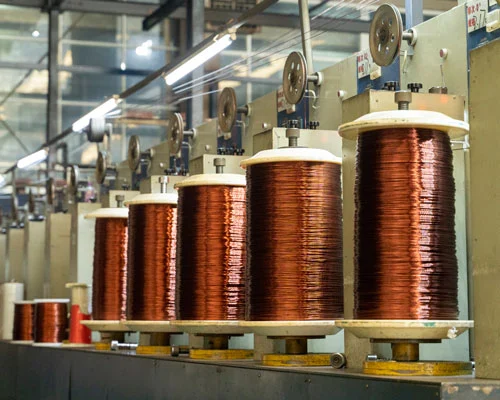
Market Analysis: Winding Wire – Demand for Enamel-Coated Copper Wire in Transformers
The global demand for enameled copper wire, particularly within the transformer manufacturing sector, continues to grow due to the increasing need for efficient, reliable, and compact electrical power systems. As a core component in both distribution and power transformers, enameled copper wire serves as the primary conductive medium for electromagnetic induction. Its performance directly influences the efficiency, thermal stability, and service life of the transformer. With urbanization, grid modernization, and renewable energy integration driving infrastructure development, the industrial demand for high-performance winding wire has intensified across emerging and developed markets alike.
Transformers operate under continuous electrical and thermal stress, making material integrity critical. Enamel-coated copper wire provides excellent electrical insulation while maintaining high conductivity, enabling tight winding configurations and minimizing energy losses. The dominance of copper over aluminum in high-efficiency transformer designs stems from its superior conductivity, mechanical strength, and fatigue resistance. These properties ensure lower I²R losses and improved thermal dissipation, which are essential for meeting international efficiency standards such as IEC 60076 and DOE 2016 regulations.
Quality in enameled copper wire is not a secondary consideration—it is a determinant of system reliability. Variability in enamel thickness, pinhole defects, or inadequate thermal class ratings can lead to inter-turn short circuits, premature insulation breakdown, and catastrophic transformer failure. High-quality wire must meet stringent specifications for dielectric strength, thermal endurance (typically Class 130°C to Class 200°C), and flexibility. Consistent dimensional tolerances are equally vital to ensure uniform winding tension and prevent mechanical damage during coil formation.
At Luoyang Xinzhaohe Aluminum Co., Ltd, with over two decades of experience in advanced metal processing and winding wire solutions, we recognize that performance in the field begins with precision in manufacturing. Our enameled copper wire production adheres to ISO 9001 standards and undergoes rigorous testing for elongation, scrape resistance, thermal shock, and solderability. We supply wire with polyurethane, polyester, and polyamide-imide insulation systems tailored to application-specific thermal and chemical environments.
The shift toward smart grids, electric vehicle charging infrastructure, and industrial automation further amplifies the need for dependable transformer components. In these applications, transient loads and harmonic distortions impose additional stress on winding systems, demanding insulation systems capable of long-term stability under dynamic conditions. As a result, manufacturers are increasingly sourcing enameled copper wire from suppliers with proven technical capabilities and traceable quality control processes.
In summary, the industrial demand for enameled copper wire in transformers is driven by the global pursuit of energy efficiency and system reliability. Quality is not merely a compliance metric—it is a performance enabler. For OEMs and tier suppliers, selecting a winding wire partner with technical depth and manufacturing consistency is essential to achieving product differentiation and long-term operational success.
Technical Specs: Enameled Copper Wire
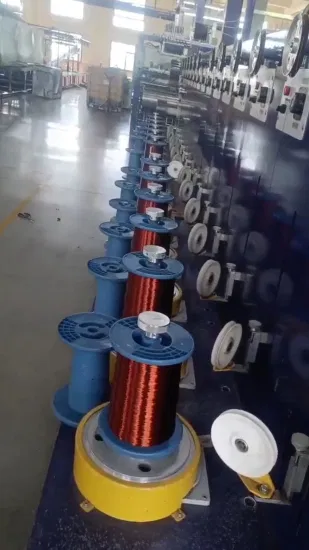
Technical Specifications for Enameled Copper Wire Sourcing
Luoyang Xinzhaohe Aluminum CO., Ltd leverages 20+ years of metallurgical and winding wire manufacturing expertise to define critical technical parameters for enameled copper wire. Precision in these specifications ensures dielectric integrity, mechanical reliability, and thermal stability in demanding applications such as motors, transformers, and inductors. Key parameters must align with IEC 60317 and ASTM B240 standards, with deviations directly impacting end-product performance and lifespan.
Insulation breakdown voltage is the primary indicator of dielectric strength, measured in kilovolts (kV) under standardized wet-test conditions. This value is diameter-dependent, as thinner wires require proportionally higher voltage resistance per unit insulation thickness. Minimum thresholds must exceed operational electrical stresses by a safety margin of 20% to prevent premature insulation failure. Elongation, expressed as a percentage, defines the wire’s ductility during winding processes. Values below 15% risk micro-cracking of the enamel under tension, while excessive elongation (>40%) may indicate inadequate copper temper control, reducing mechanical stability. Thermal Class designation (130°C to 220°C) is non-negotiable; it reflects the maximum continuous operating temperature the insulation system withstands without degradation. Classes are defined by their Temperature Index (TI), where Class 130 (B) permits 130°C, Class 155 (F) 155°C, Class 180 (H) 180°C, and Class 220 (C) 220°C. Exceeding the rated class accelerates thermal aging, causing embrittlement and loss of adhesion.
Adhesion and thermal shock resistance are equally critical. Adhesion testing per IEC 60851-5 ensures the enamel remains bonded to the conductor during thermal cycling, while thermal shock tests validate crack resistance after rapid cooling from peak operating temperature. Consistent copper purity (min. 99.97% Cu) per ASTM B240 is foundational, as impurities directly reduce conductivity and exacerbate hot-spot formation.
The following table details mandatory specifications for procurement:
| Parameter | Standard Value | Test Method | Critical Notes |
|---|---|---|---|
| Thermal Class | 130°C (B) to 220°C (C) | IEC 60216 | Defined by Temperature Index (TI); Class 220 requires polyimide or ceramic coatings |
| Breakdown Voltage (min) | Ø0.1–0.5mm: 1.5–3.5 kV | IEC 60851-5 | Measured wet; scales inversely with diameter |
| Ø0.5–1.0mm: 3.5–6.0 kV | |||
| Elongation | 15–40% (annealed) | ASTM B240 | Tighter tolerances (±2%) required for fine wires |
| 8–15% (hard-drawn) | |||
| Adhesion | No flaking/cracking (Grade 1) | IEC 60851-3 | Tested after 180° bend around mandrel |
| Thermal Shock | No cracks at -65°C after 150°C bake | IEC 60851-6 | Critical for automotive/aerospace applications |
| Conductor Resistivity | ≤0.017241 Ω·mm²/m (20°C) | ASTM B240 | Must meet IACS 100% standard |
Suppliers must provide certified test reports for each production batch, including voltage endurance curves and thermal aging data. At Luoyang Xinzhaohe, we enforce in-process monitoring of enamel viscosity, cure profiles, and copper drawing tension to ensure zero deviation from these parameters. Compromising on thermal class or elongation tolerance risks catastrophic field failures; rigorous validation against this specification sheet is non-optional for high-reliability supply chains. Partnering with manufacturers possessing vertical integration from copper rod to finished wire guarantees traceability and consistent adherence to these industrial benchmarks.
Factory Tour: Manufacturing
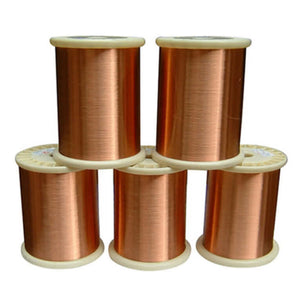
Manufacturing Process of Enamel-Coated Copper Winding Wire at Luoyang Xinzhaohe Aluminum Co., Ltd
The production of high-performance enamel-coated copper winding wire at Luoyang Xinzhaohe Aluminum Co., Ltd follows a tightly controlled, multi-stage manufacturing sequence designed to ensure dimensional accuracy, electrical integrity, and mechanical durability. With over two decades of metallurgical and process engineering expertise, our facility integrates advanced equipment with rigorous quality monitoring across four principal stages: Rod Drawing, Annealing, Enameling, and Inline Testing.
The process begins with high-purity electrolytic tough pitch (ETP) copper rod, sourced from certified suppliers and verified for oxygen content and conductivity. The rod undergoes precision rod drawing, where it is progressively reduced in diameter through a series of tungsten carbide or diamond dies. This cold working process ensures strict dimensional tolerances, typically within ±0.002 mm, and enhances the wire’s tensile strength. Lubrication and temperature are continuously monitored to prevent surface defects and maintain metallurgical consistency.
Following drawing, the wire enters a continuous annealing furnace. This step is critical for restoring ductility lost during cold drawing and ensuring the wire can withstand subsequent coiling and winding operations without fracture. Our annealing system employs controlled nitrogen-hydrogen atmosphere furnaces to prevent oxidation, maintaining a clean, oxide-free surface essential for optimal enamel adhesion. Temperature profiles are precisely regulated based on wire gauge and line speed, ensuring uniform recrystallization and consistent mechanical properties across batches.
The annealed wire then proceeds to the enameling section, where one or multiple layers of polymer insulation are applied. Depending on the insulation class (e.g., Polyurethane, Polyester, Polyamide-imide), the wire passes through a series of coating dies, followed by solvent evaporation and curing in multi-zone ovens. Each pass applies a thin, uniform film, with total build controlled to industry standards such as IEC 60317 and NEMA MW. Our multi-layer systems offer enhanced thermal endurance (up to Class 240°C), dielectric strength (>8 kV for 0.5 mm wire), and resistance to thermal shock and chemical exposure.
Inline quality control is embedded throughout the production line. After each enamel pass, spark testing is conducted to detect pinholes or insulation defects. Diameter is monitored in real time using laser gauges, ensuring compliance with specified tolerances. Final inspection includes elongation, springiness, thermal shock, and dielectric breakdown testing. Samples are also subjected to adhesion and scrape tests to verify coating integrity.
Every production lot is traceable, with process parameters archived for audit and continuous improvement. This integrated approach ensures that all enamel-coated copper winding wire products meet the stringent demands of motors, transformers, and electromagnetic devices in industrial and automotive applications.
Packaging & Logistics
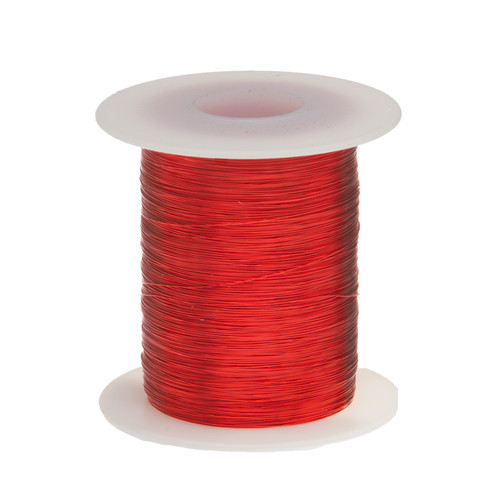
Export Packaging Protocol for Enameled Copper Wire: Ensuring Integrity During Sea Freight
Luoyang Xinzhaohe Aluminum Co., Ltd. implements rigorously engineered export packaging protocols specifically designed to safeguard the critical surface integrity of enameled copper winding wire during international maritime transport. Sea freight presents unique environmental hazards, including prolonged exposure to high ambient humidity (often exceeding 80% RH), significant temperature fluctuations, salt-laden air, and mechanical vibration. Standard packaging solutions are insufficient; our system addresses these challenges through integrated material science and structural engineering to prevent moisture ingress, physical damage, and enamel degradation, which directly impact electrical performance and coil winding yield.
Wooden Pallet Specifications and Structural Integrity
All export shipments utilize ISPM-15 compliant, kiln-dried hardwood pallets rated for heavy industrial loads (minimum 1500 kg static capacity). Pallet dimensions strictly adhere to ISO standard container footprints (1200 x 1000 mm or 1100 x 1100 mm) to maximize container cubic utilization and minimize in-transit shifting. Coils are secured using calibrated steel strapping (minimum 16 mm width, 15 kN tensile strength) applied in a cross-pattern with tensioners set to 250 daN, ensuring zero lateral movement without inducing core deformation. Edge protectors fabricated from 3 mm corrugated cardboard are mandatorily applied to all coil edges prior to strapping, preventing localized pressure damage to the enamel during handling and transit. Pallet bases incorporate non-slip rubberized mesh to eliminate slippage within containers, a critical factor during vessel roll and pitch.
Moisture-Proof Barrier System
The primary defense against humidity is a multi-layer moisture barrier system. Coils are first individually wrapped in vapor-corrosion-inhibiting (VCI) paper meeting ASTM D6038, providing active molecular protection. This is followed by hermetic sealing within a triple-layer co-extruded polyethylene film. The film structure comprises:
Outer layer: 50 µm linear low-density polyethylene (LLDPE) for puncture resistance
Middle layer: 25 µm metallized polyester (aluminum oxide vapor deposit) acting as the critical moisture vapor transmission barrier (MVTR < 0.5 g/m²/24h @ 38°C, 90% RH)
Inner layer: 30 µm low-density polyethylene (LDPE) with anti-fog properties to prevent condensation
The film is heat-sealed under vacuum conditions (residual pressure < 50 mbar) to eliminate internal atmospheric moisture. Each sealed unit incorporates calibrated desiccant packs (minimum 30% weight ratio of silica gel, meeting MIL-D-3464E Grade I) positioned at coil core and periphery to absorb any residual or permeated moisture. The entire palletized load undergoes a final overwrap with 100 µm UV-stabilized polyethylene stretch hood, fully enclosing the pallet base to prevent ground moisture wicking.
Verification and Compliance for Sea Freight
All packaged units undergo mandatory humidity indicator card (HIC) verification at 0%, 10%, 30%, and 60% RH thresholds within the sealed environment prior to container loading. Documentation includes pallet load test certification (ISTA 3A compliant), film MVTR test reports, and desiccant saturation point calculations based on shipment duration and route climate profiles. This integrated system ensures enameled wire arrives with enamel dielectric strength and flexibility properties fully intact, meeting IEC 60172 specifications upon destination unloading, eliminating costly rejections due to moisture-induced insulation failure. Our 20+ years of global logistics experience confirm this protocol is non-negotiable for reliable performance in demanding sea freight corridors.
Packaging Performance Comparison for Key Routes
| Protection Parameter | Standard Export Packaging | Enhanced Tropical Route Packaging |
|---|---|---|
| Barrier Film MVTR (g/m²/24h) | < 1.0 | < 0.3 |
| Desiccant Density (g/kg wire) | 25 | 45 |
| Minimum Vacuum Level (mbar) | 100 | 30 |
| HIC Pass Threshold (RH) | ≤ 20% after 30 days | ≤ 10% after 60 days |
| Core Desiccant Placement | Periphery Only | Core + Periphery |
Sourcing from Luoyang Xinzhaohe
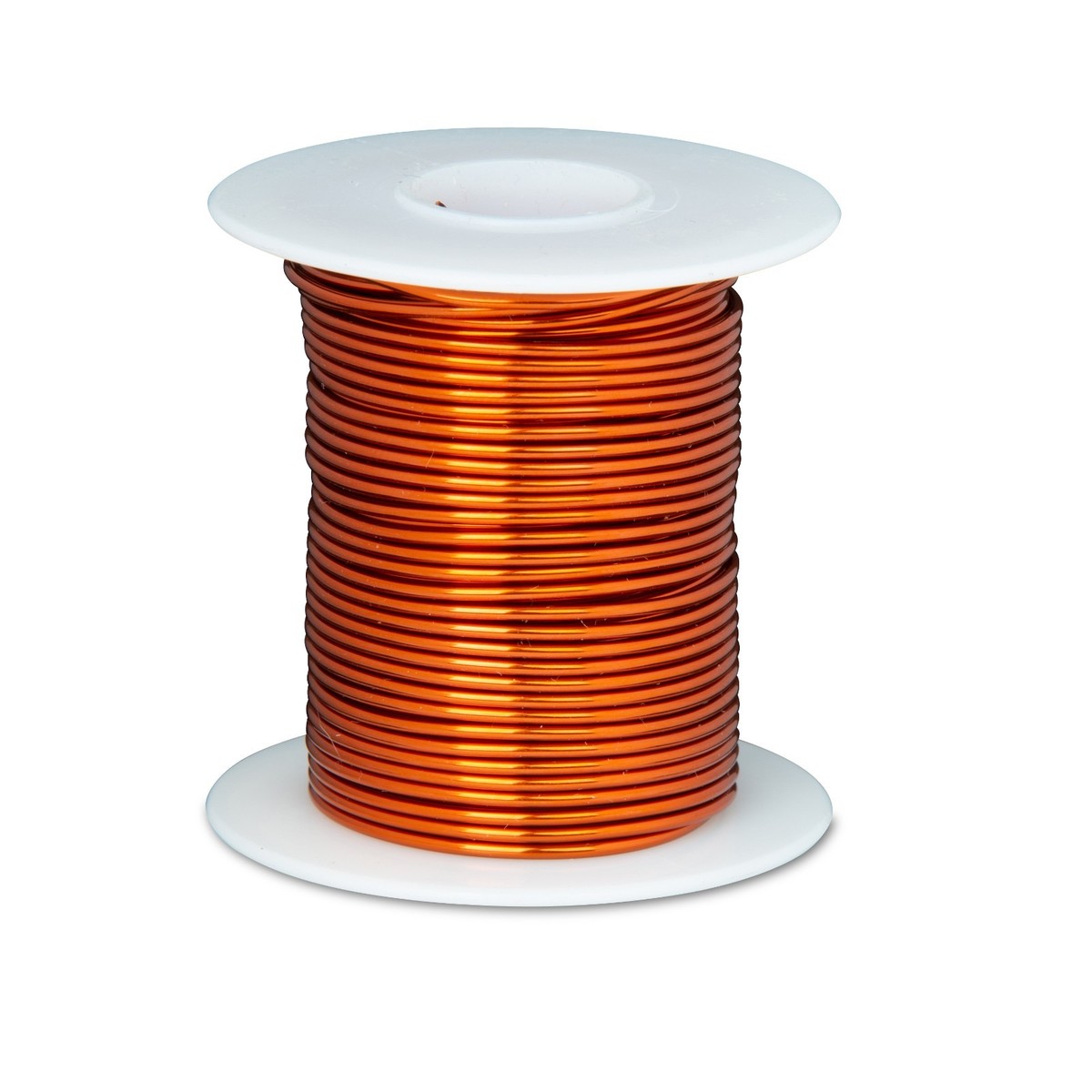
Partner with Luoyang Xinzhaohe Aluminum Co., Ltd for High-Performance Enamel-Coated Copper Winding Wire
With over two decades of specialized manufacturing experience, Luoyang Xinzhaohe Aluminum Co., Ltd has established itself as a trusted leader in the production of high-purity, precision-engineered enameled copper winding wire. Our facility integrates advanced metallurgical processes with rigorous quality assurance systems to deliver consistent, high-performance magnet wire solutions for global industrial clients. As a vertically integrated producer, we maintain full control over raw material sourcing, drawing, annealing, and enamel coating—ensuring superior product integrity from billet to finished coil.
Our production line is equipped with state-of-the-art continuous annealing and high-speed enameling systems, capable of processing copper conductors from 0.08 mm to 4.0 mm in diameter. We utilize only Grade 1 electrolytic tough pitch (ETP) copper with minimum 99.97% purity, sourced under strict ISO-certified protocols. Each wire batch undergoes real-time monitoring for tensile strength, elongation, and ovality, ensuring dimensional accuracy within ±0.005 mm. The enamel insulation—applied in single, double, or triple layers—includes polyurethane (PU), polyester (PE), polyester-imide (PEI), and polyamide-imide (PAI) formulations, engineered for thermal classes up to 220°C (Class C). All products meet or exceed IEC 60317, GB/T 6109, and NEMA MW standards.
Quality assurance is embedded at every process stage. Our in-house laboratory conducts dielectric breakdown testing, thermal shock resistance, solderability analysis, and thermal aging evaluations to validate insulation integrity and long-term reliability. Every production run is traceable through batch coding and digital process logs, enabling full compliance with automotive, industrial motor, and transformer OEM requirements. We are certified to ISO 9001:2015 and maintain an on-site R&D team focused on optimizing adhesion, flexibility, and thermal endurance for next-generation winding applications.
Luoyang Xinzhaohe serves clients in electric motors, transformers, compressors, and renewable energy systems across Europe, North America, and Southeast Asia. Our logistics network supports containerized shipments with lead times as short as 15 days for standard orders. Custom spooling, packaging, and labeling are available to meet client-specific operational needs.
For technical collaboration or sourcing inquiries, contact us directly at cathy@transformerstrip.com. Our engineering and supply chain team is prepared to support your next-generation winding wire requirements with data-driven solutions and responsive service. Partner with a manufacturer where metallurgical precision meets industrial reliability.
📉 Factory Direct Savings Calculator
Calculate your potential savings by importing enameled copper wire directly from China.