

Table of Contents
Market Insight: Enameled Copper Winding Wire
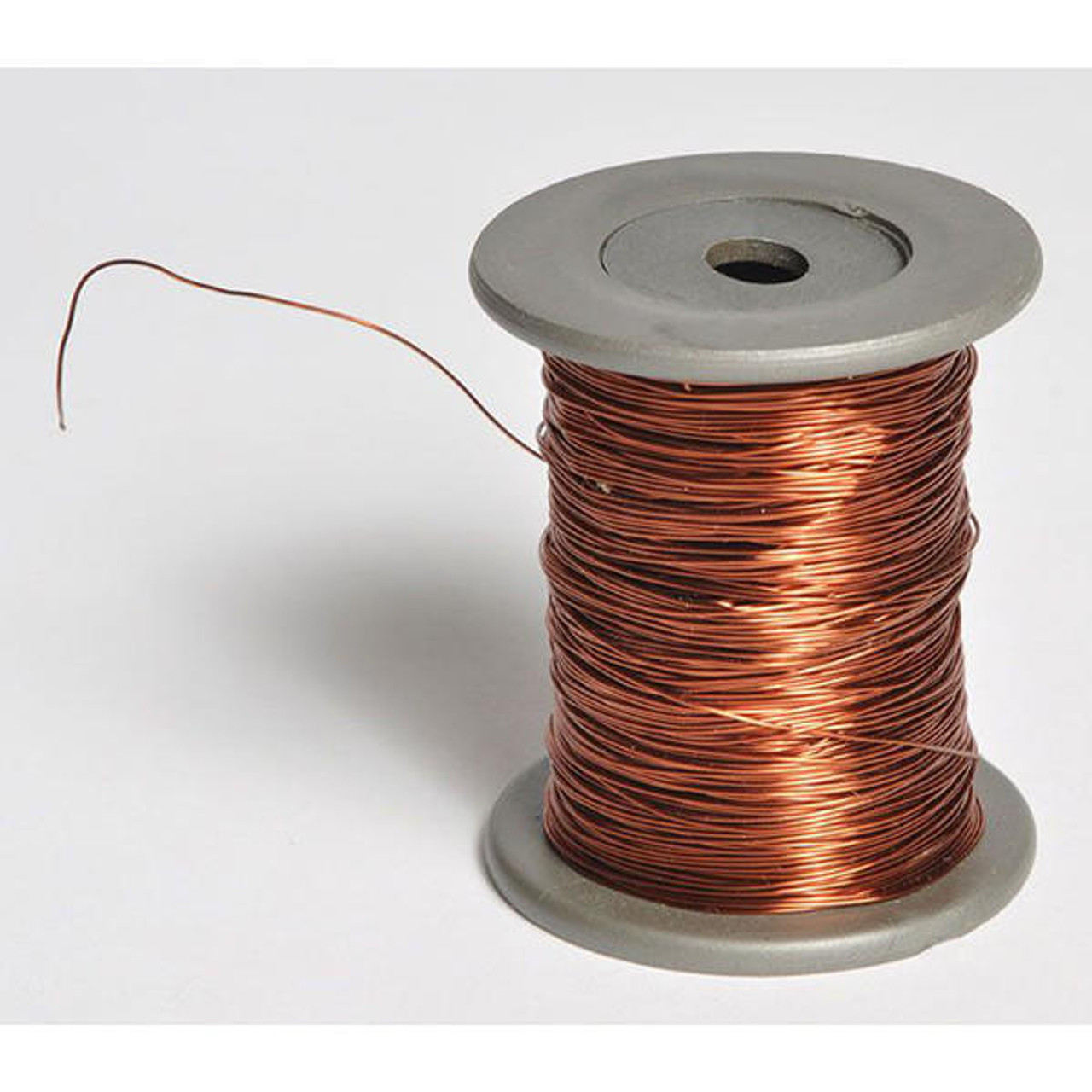
Industrial Demand Drivers for Enameled Copper Winding Wire in Transformers
Global transformer manufacturing represents a primary consumption sector for enameled copper winding wire, driven by sustained infrastructure investment and energy transition initiatives. The transformer market, valued at approximately USD 120 billion in 2023, exhibits a compound annual growth rate (CAGR) of 6.2% through 2030, per Grand View Research data. This expansion is directly fueled by renewable energy integration requiring step-up transformers, aging grid modernization projects, and industrial electrification demands. Crucially, over 85% of power and distribution transformers utilize enameled copper wire due to its unmatched combination of electrical conductivity, thermal stability, and mechanical formability during winding processes. The shift toward higher-efficiency transformer designs (e.g., DOE Tier 4, EU EcoDesign Lot 10) further intensifies specifications for wire performance, particularly in thermal endurance and dielectric strength.
Criticality of Material Quality in Transformer Reliability
Quality deviations in enameled copper wire directly compromise transformer longevity and operational safety. Metallurgical impurities exceeding 10 ppm in the copper substrate initiate localized hot spots under load, accelerating thermal aging of the organic enamel insulation. Enamel thickness inconsistencies beyond ±5% tolerance—measurable via IEC 60851 eddy current testing—create weak points prone to partial discharge inception at operating voltages. Field failure analyses consistently link premature transformer breakdowns to enamel micro-cracks or pinholes, which permit moisture ingress and progressive insulation degradation. A single undetected defect in the winding can trigger catastrophic inter-turn faults, resulting in facility downtime costing industrial users upwards of USD 500,000 per hour.
Quantifiable Impact of Substandard Wire on Total Cost of Ownership
The financial repercussions of marginal wire quality extend far beyond initial procurement costs. Transformer manufacturers report scrap rate increases of 18–25% when using wire failing IEC 60317 thermal class validation. For a typical 50 MVA power transformer requiring 12,000 kg of wire, a 0.5% reduction in copper conductivity (below 100% IACS) elevates no-load losses by 2.1%, incurring lifetime energy penalty costs exceeding USD 220,000 at industrial electricity rates. Furthermore, enamel adhesion failures during automated winding cause production line stoppages averaging 47 minutes per incident, directly impacting OEM throughput capacity.
Supplier Capability Requirements for Mission-Critical Applications
Procurement specialists must verify supplier adherence to stringent metallurgical and coating controls. Essential validation includes:
Copper purity verification via ASTM B328 oxygen-free electrolytic (OFE) certification
Enamel thermal class validation per IEC 60317 (e.g., 180°C for Class H)
Batch traceability with certified test reports for dielectric strength (min. 3.5 kV/µm) and elongation (min. 12%)
The following thermal class specifications illustrate non-negotiable performance thresholds:
| Thermal Class | Maximum Operating Temp (°C) | Minimum Thermal Endurance (hrs @ Temp) | Typical Enamel Chemistry |
|---|---|---|---|
| 155 (F) | 155 | 20,000 | Polyester-imide |
| 180 (H) | 180 | 20,000 | Polyamide-imide |
| 200 (N) | 200 | 10,000 | Modified polyamide-imide |
Luoyang Xinzhaohe Aluminum’s two decades of metallurgical process refinement ensure conformance to these parameters through in-line spectral analysis, automated enamel thickness monitoring, and accelerated aging validation. In transformer applications, wire quality is not a cost variable—it is the foundational determinant of asset reliability and lifecycle economics.
Technical Specs: Enameled Copper Winding Wire
Technical Specifications for Enamel-Coated Copper Winding Wire
Enamel-coated copper winding wire, also known as magnet wire, is a critical component in the construction of electromagnetic coils used in motors, transformers, generators, and various electrical equipment. At Luoyang Xinzhaohe Aluminum Co., Ltd, with over two decades of metallurgical and materials engineering expertise, we produce high-purity enameled copper winding wires engineered for superior electrical performance, mechanical durability, and thermal stability. The performance of these wires is governed by several key technical parameters, including insulation breakdown voltage, elongation, and thermal class, all of which are essential for reliable operation under demanding industrial conditions.
Insulation breakdown voltage is a primary indicator of the dielectric strength of the enamel coating. This parameter determines the maximum electric field the insulation can withstand before electrical failure occurs. Our enameled copper wires are manufactured with multi-layer polymer coatings—typically polyurethane, polyester, or polyamide-imide—to achieve breakdown voltages ranging from 1,800 V to over 6,000 V, depending on wire diameter and insulation class. This ensures robust performance in high-voltage applications while minimizing the risk of short circuits or insulation degradation over time.
Elongation, measured as a percentage of original length before fracture, reflects the ductility and mechanical flexibility of the copper conductor. High elongation values are critical for wire drawability, coil winding integrity, and resistance to cracking during bending or shaping processes. Our standard enameled copper wires exhibit elongation values between 8% and 40%, depending on temper (soft or hard drawn) and diameter. This mechanical compliance supports automated winding operations and enhances product reliability in dynamic operational environments.
Thermal class defines the maximum continuous operating temperature the wire can endure without significant degradation of electrical or mechanical properties. We offer enameled copper wires rated from Class 130°C up to Class 220°C, conforming to IEC 60317 and NEMA MW standards. Higher thermal classes utilize advanced polymer systems such as polyamide-imide or modified polyesters, providing exceptional thermal aging resistance and chemical stability. For example, Class 180 (180°C) and Class 200 (200°C) wires are ideal for high-efficiency motors and traction applications, while Class 220 (220°C) variants are used in aerospace and high-performance industrial systems.
The following table summarizes typical technical parameters for our enameled copper winding wire series:
| Parameter | Typical Range | Test Standard |
|---|---|---|
| Conductor Purity | ≥ 99.97% (OFC – Oxygen-Free Copper) | ASTM B3, IEC 60028 |
| Insulation Breakdown Voltage | 1,800 V to 6,000 V (depending on diameter) | IEC 60317-1 |
| Elongation | 8% – 40% | ASTM B8 |
| Thermal Class | 130°C, 155°C, 180°C, 200°C, 220°C | IEC 60317, NEMA MW-1000 |
| Temperature Index (TI) | 130 to 220 | ASTM D2307 |
| Resistance to Soldering Heat | Withstands 300°C for 3–5 seconds | IEC 60317-1 |
| Flexibility / Mandrel Wrap | No cracking after 6–8 turns on mandrel | IEC 60317-1 |
All products undergo rigorous in-line and batch testing to ensure compliance with international standards and customer-specific requirements. Our manufacturing process integrates precision drawing, continuous annealing, and uniform enamel application to deliver consistent quality across all diameters and insulation types.
Factory Tour: Manufacturing
Manufacturing Process for Enameled Copper Winding Wire
Luoyang Xinzhaohe Aluminum Co., Ltd employs a rigorously controlled production sequence for enameled copper winding wire, leveraging 20+ years of metallurgical expertise to ensure compliance with IEC 60317 and ASTM B466 standards. The process initiates with high-purity electrolytic tough pitch (ETP) copper rod (minimum 99.90% Cu, oxygen content 0.02–0.04%), subjected to multi-stage rod drawing under precise tension control. Dies are calibrated to maintain dimensional tolerances within ±0.002 mm, with intermediate cleaning to eliminate surface contaminants. Wire surface roughness is monitored via profilometry, ensuring Ra ≤ 0.4 µm to prevent enamel defects.
Annealing follows drawing, utilizing inert gas-purged continuous furnaces operating at 450–550°C. This recrystallization phase eliminates work hardening, achieving a tensile strength of 150–200 MPa and elongation of 35–45%. Temperature uniformity (±5°C) and dwell time are strictly regulated to avoid grain coarsening, which could compromise mechanical integrity during winding. Post-annealing, wires undergo ultrasonic cleaning in deionized water (resistivity >15 MΩ·cm) to remove residual lubricants.
The enameling stage applies 1–3 polymer layers via precision die coating. Common resins include polyurethane, polyester-imide, or polyamide-imide, selected per thermal class (130°C to 240°C). Viscosity is maintained at 25–50 cP through temperature-controlled reservoirs, with coating thickness regulated to ±5% of nominal values. Critical parameters during curing include:
Zone 1 (Pre-bake): 250–350°C for solvent evaporation
Zone 2 (Polymerization): 400–480°C for cross-linking
Zone 3 (Cooling): Gradual reduction to 80°C to prevent thermal shock
Inline testing occurs at 100% production speed, incorporating:
High-voltage spark testing (2–15 kV DC) for pinhole detection
Diameter verification via laser micrometers (accuracy ±0.001 mm)
Elongation and springback tests per IEC 60172
Adhesion assessment through mandrel winding (diameter 2–8x wire size)
Final quality control includes batch-level validation of electrical properties and thermal endurance. Key enamel thickness specifications are summarized below:
| Thermal Class | Nominal Thickness (µm) | Min. Thickness (µm) | Dielectric Strength (kV/mm) |
|---|---|---|---|
| 155 (F) | 40–55 | 35 | ≥85 |
| 180 (H) | 50–65 | 45 | ≥90 |
| 200 (N) | 55–70 | 50 | ≥95 |
All stages integrate real-time SPC (Statistical Process Control) with traceability to raw material heat numbers. Non-conforming lots undergo root cause analysis per ISO 9001 protocols, with corrective actions documented in the supplier’s SCADA system. This end-to-end oversight ensures consistent production of winding wire meeting automotive (AEC-Q200) and industrial motor efficiency class IE4+ requirements. Luoyang Xinzhaohe’s process yields a defect rate below 50 ppm, validated through third-party certification to UL 1446 and CSA C22.2 No. 0.15.
Packaging & Logistics
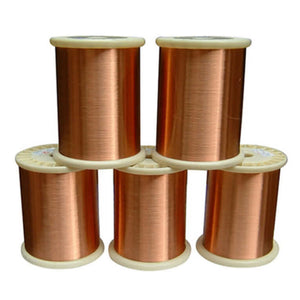
Export Packaging for Enamel-Coated Copper Winding Wire – Industrial-Grade Protection for Global Shipments
At Luoyang Xinzhaohe Aluminum Co., Ltd, with over two decades of specialization in conductive materials and winding wire production, we implement a rigorously engineered export packaging system designed to preserve the integrity of enamel-coated copper winding wire during international maritime transport. Our packaging methodology is developed in alignment with ISO 9001 quality standards and global logistics best practices, ensuring that products arrive at destination facilities in optimal condition, ready for immediate integration into downstream manufacturing processes.
All export shipments of enameled copper winding wire are secured on robust wooden pallets constructed from kiln-dried, ISPM-15 compliant timber. These pallets are structurally reinforced to support the weight of tightly wound spools or reels, typically ranging from 50 kg to 500 kg per unit load, while maintaining dimensional stability under dynamic cargo handling conditions. The use of ISPM-15 certified wood ensures compliance with international phytosanitary regulations, eliminating the risk of customs delays due to non-compliant wood packaging materials.
Each wire spool is individually wrapped in multi-layer moisture-proof composite film, featuring a metallized polyester barrier laminated with low-density polyethylene. This vapor-resistant wrapping effectively mitigates the ingress of ambient humidity, a critical safeguard during prolonged sea freight cycles where relative humidity levels can exceed 90% within container environments. The film is heat-sealed at all seams to form a hermetic enclosure, preventing condensation-induced oxidation of the copper substrate and maintaining the dielectric performance of the enamel insulation.
Following moisture protection, spools are arranged in unitized configurations on the wooden pallets and secured using high-tensile strapping anchored to load-bearing deck boards. This anti-shift configuration prevents lateral movement or toppling during vessel motion, container stacking, or intermodal transfers. For added protection, edge protectors are installed at critical stress points, and, where applicable, a corrugated fiberboard or plywood top cap is fitted to shield against overhead compression and incidental impact.
The entire packaged unit is then overwrapped with a transparent, UV-stabilized polyethylene outer hood. This secondary containment layer provides additional resistance to salt spray, dust, and mechanical abrasion, common hazards in marine transport environments. Each package is labeled with standardized shipping marks, barcodes, and handling indicators including “Fragile,” “This Side Up,” and “Protect from Moisture,” ensuring proper identification and handling throughout the logistics chain.
Our packaging protocol has been validated across shipments to North America, Europe, Southeast Asia, and the Middle East, consistently demonstrating zero in-transit degradation of wire surface quality or electrical characteristics. By integrating material science, structural engineering, and supply chain intelligence, Luoyang Xinzhaohe ensures that every coil of enameled copper winding wire meets the dual demands of performance reliability and logistical resilience.
Sourcing from Luoyang Xinzhaohe
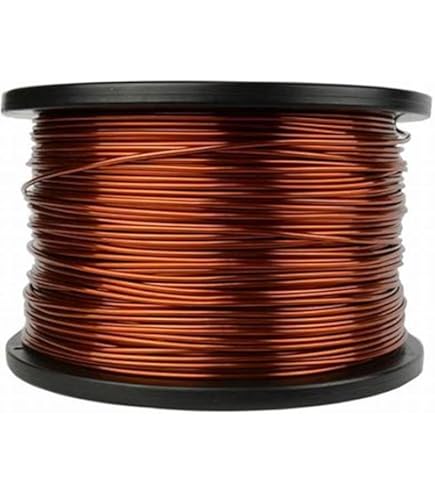
Partner with Luoyang Xinzhaohe for Precision Enamelled Copper Winding Wire
Luoyang Xinzhaohe Aluminum Co., Ltd leverages over two decades of specialized metallurgical engineering and industrial manufacturing expertise to deliver enameled copper winding wire meeting the most stringent global standards. Our vertically integrated production ecosystem, engineered for uncompromising quality and supply chain resilience, positions us as a strategic partner for demanding applications in transformers, motors, and high-efficiency electrical systems.
Our facility operates under rigorous ISO 9001 and IATF 16949 certified quality management systems, with core strengths anchored in precision process control. Copper rod sourcing adheres to ASTM B3 and IEC 60183 specifications, ensuring optimal conductivity and mechanical properties. Advanced drawing lines maintain dimensional tolerances within ±0.002 mm across gauges from 0.02 mm to 5.0 mm, critical for consistent fill factors in wound components. The enameling process utilizes multi-zone ovens with real-time viscosity and temperature monitoring, guaranteeing uniform insulation thickness and adhesion per IEC 60317 standards. We consistently achieve thermal classes 180 (H) to 220 (C) with dielectric strength exceeding 3 kV/mm and elongation rates of 12-15% post-baking.
In-process quality assurance integrates automated optical inspection systems detecting micron-level surface defects, coupled with 100% spark testing at 3 kV. Laboratory validation includes thermal shock testing per NEMA MW 1000, chemical resistance verification, and accelerated aging protocols to validate 20,000+ hour operational lifespans. Our defect rate of 0.05% is benchmarked against industry averages of 0.3-0.5%, directly reducing customer scrap and rework costs.
Supply chain stability is engineered through strategic raw material partnerships and dual-sourcing protocols for key inputs. Dedicated production cells enable rapid changeovers, supporting JIT delivery with 98.5% on-time shipment performance. Inventory buffers for high-volume SKUs ensure continuity against market volatility, while our 45,000 MT annual capacity accommodates tier-1 OEM volume requirements without compromise. All coils undergo strict tension control during winding to prevent deformation, with custom packaging solutions mitigating transit damage risks.
Technical collaboration defines our partnership model. Our metallurgical team provides application-specific guidance on enamel selection, thermal profiling, and winding compatibility, translating material science into field reliability. This proactive engineering support minimizes design iteration cycles and accelerates time-to-market for next-generation electrical components.
For sourcing managers prioritizing dimensional precision, thermal endurance, and supply chain certainty in enameled copper winding wire, Luoyang Xinzhaohe delivers measurable operational advantages. Contact Cathy Zhang, International Sales Manager, to discuss your technical specifications and volume requirements. Reach us directly at cathy@transformerstrip.com to initiate a capability review and receive sample reels for validation testing. Partner with an engineered solution provider committed to advancing global electrification through metallurgical excellence.
📉 Factory Direct Savings Calculator
Calculate your potential savings by importing enameled copper winding wire directly from China.