

Table of Contents
Market Insight: Enamel Wire Gauge
Market Analysis: Winding Wire Demand in Transformer Applications
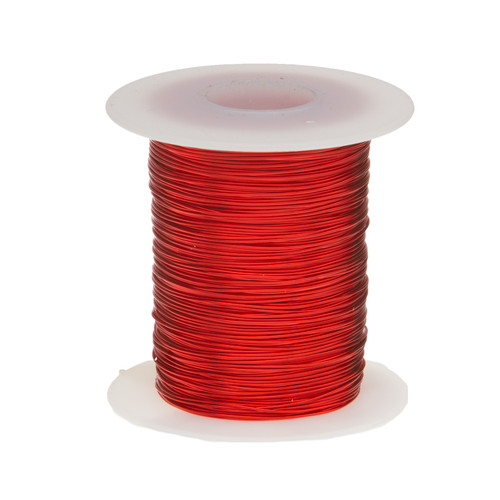
The global demand for enamel wire gauge in transformer manufacturing continues to grow, driven by increasing energy infrastructure investments, renewable energy integration, and industrial electrification. Enamel-coated aluminum and copper winding wires serve as the core conductive elements in power and distribution transformers, where precise electrical performance, thermal endurance, and mechanical reliability are critical. As a key supplier with over two decades of specialized production experience, Luoyang Xinzhaohe Aluminum Co., Ltd. observes that industrial buyers are prioritizing consistent gauge accuracy, dielectric strength, and long-term operational stability in their material sourcing decisions.
Transformers operate under continuous electrical load and variable thermal cycles, making the integrity of the winding system paramount. Enamel wire gauge directly influences current-carrying capacity, winding fill factor, and overall efficiency. Even minor deviations in wire diameter can lead to increased resistance, localized hotspots, and reduced transformer lifespan. In high-voltage and high-efficiency applications, such inconsistencies compromise safety and regulatory compliance. Industrial users, particularly in utility-scale and industrial automation sectors, demand tight dimensional tolerances—typically within ±0.005 mm for medium to fine gauges—to ensure predictable performance during coil winding and transformer operation.
Quality in enamel wire extends beyond dimensional precision. The insulating enamel layer must exhibit excellent adhesion, dielectric strength (typically >8 kV for standard grades), and resistance to thermal aging. Transformers often operate at elevated temperatures (Class B: 130°C, Class F: 155°C, Class H: 180°C), necessitating enamel formulations that maintain insulation properties under prolonged thermal stress. Poor-quality coatings may crack during winding or degrade prematurely in service, leading to inter-turn short circuits and catastrophic failure. Additionally, mechanical robustness—such as resistance to scraping, bending, and vibration—is essential during the coil winding process and in field operation.
Market trends indicate a shift toward higher-efficiency transformer designs, such as amorphous metal and low-loss wound-core units, which place even greater demands on winding wire quality. These designs operate at higher flux densities and require finer, more uniformly coated wires to minimize eddy current losses and maximize space utilization in the winding window. As a result, industrial buyers are increasingly conducting rigorous supplier qualification processes, including batch testing for elongation, springback, and thermal shock performance.
Luoyang Xinzhaohe Aluminum Co., Ltd. supports these evolving requirements through strict process control in aluminum wire drawing and enamel coating. Our production lines adhere to IEC 60317 and GB/T 23312 standards, ensuring gauge consistency, uniform enamel thickness, and repeatable electrical properties. With in-house testing for breakdown voltage, thermal class verification, and dimensional metrology, we provide industrial clients with traceable, high-reliability winding wire solutions tailored to transformer applications.
| Parameter | Standard Requirement | Test Method |
|---|---|---|
| Diameter Tolerance | ±0.005 mm (for 0.8–1.5 mm) | Micrometer Measurement |
| Dielectric Strength | ≥8 kV (1 layer) | IEC 60317-0-4 |
| Thermal Class | 130°C (Class B) to 180°C (Class H) | Thermal Ageing Test |
| Elongation | ≥1.5% | Tensile Testing |
In summary, the industrial demand for enamel wire gauge in transformers is not merely dimensional but encompasses a comprehensive performance envelope. Quality directly correlates with transformer efficiency, reliability, and service life—making certified, high-precision winding wire a strategic component in modern power systems.
Technical Specs: Enamel Wire Gauge
Technical Specifications for Aluminum Enamel Winding Wire
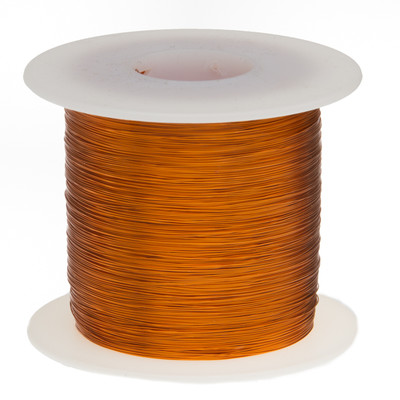
Luoyang Xinzhaohe Aluminum CO.,Ltd leverages 20+ years of metallurgical expertise to define critical parameters for aluminum enamel winding wire. Precise adherence to these specifications ensures reliability in demanding applications such as motors, transformers, and inductors. Contrary to common misinterpretation, “gauge” in this context refers to the technical grade and performance envelope, not physical diameter. Key metrics include insulation integrity, mechanical resilience, and thermal stability, all rigorously validated against international standards.
The following table details core parameters aligned with IEC 60317 and IEC 60851 test methodologies. Values reflect aluminum conductor-specific requirements, accounting for inherent material properties like lower tensile strength versus copper counterparts.
| Parameter | Test Standard | Minimum Requirement | Correlation to Thermal Class |
|---|---|---|---|
| Insulation Breakdown Voltage | IEC 60851-5 | 2500 Vrms (min) | Class 130 (B): 2500 Vrms Class 180 (F): 3000 Vrms Class 200 (H): 3500 Vrms |
| Elongation at Break | IEC 60851-3 | 15% (min) | Class 130–155: 15–20% Class 180–200: 18–25% Class 220: 20–30% |
| Thermal Class Rating | IEC 60085 | 130°C (B) to 220°C | B (130°C), F (155°C), H (180°C), 200 (200°C), 220 (220°C) |
| Thermal Shock Resistance | IEC 60851-6 | No cracks at 2x conductor diameter bend | Mandatory for Classes ≥180 |
| Solderability | IEC 60851-8 | Complete wetting in ≤3 sec at 450°C | Required for all classes |
Insulation Breakdown Voltage
This dielectric strength metric quantifies voltage tolerance before insulation failure. Aluminum wire necessitates higher baseline values than copper due to its native oxide layer, which influences field distribution. Our enamel formulations—typically polyesterimide or polyamide-imide for Classes 180–220—achieve 3000–4000 Vrms at 0.07mm insulation thickness. Testing follows IEC 60851-5 with 50 Hz AC voltage applied between conductor and grounded electrode. Values scale inversely with wire diameter; tighter tolerances are maintained for fine gauges (<0.1mm) to prevent pinholes.
Elongation Performance
Aluminum’s lower ductility versus copper demands stringent elongation control. Minimum 15% elongation (per IEC 60851-3) prevents fracture during high-speed winding. Higher thermal classes (≥180°C) require 18–30% elongation to accommodate thermal cycling stresses. This is achieved through optimized annealing processes and conductor purity (99.95% Al min). Elongation directly correlates with mandrel bend test outcomes; insufficient values cause microcracks that compromise insulation integrity under thermal load.
Thermal Class Validation
Thermal endurance (IEC 60216) defines the maximum continuous operating temperature. Classes 130–220 utilize distinct enamel chemistries: polyester for Class 130, polyesterimide for Class 180, and polyamide-imide for Class 200–220. Accelerated aging at 200°C for 10,000 hours validates Class 200 performance. Crucially, aluminum’s higher coefficient of thermal expansion (23.1 × 10⁻⁶/K) necessitates enamel formulations with matching expansion profiles to prevent delamination. Thermal class certification requires passing thermal shock (IEC 60851-6) and thermal aging (IEC 60216) without insulation degradation.
Luoyang Xinzhaohe implements in-process spectrographic analysis and final QA per IEC 60317-0-1 to ensure batch consistency. These specifications form the foundation for reliable electromagnetic component design, where material science directly dictates operational longevity.
Factory Tour: Manufacturing
Manufacturing Process of Enamel Wire Gauge at Luoyang Xinzhaohe Aluminum Co., Ltd
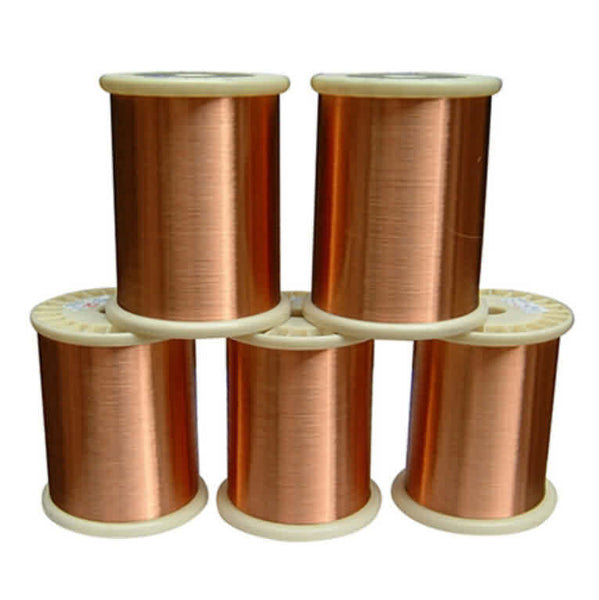
The production of high-performance enamel wire gauge at Luoyang Xinzhaoanghe Aluminum Co., Ltd follows a rigorously controlled sequence designed to ensure dimensional accuracy, electrical integrity, and mechanical durability. With over two decades of specialization in winding wire manufacturing, our process integrates advanced metallurgy with precision engineering across four primary stages: rod drawing, annealing, enameling, and inline testing, each supported by comprehensive quality control protocols.
The process begins with high-purity aluminum rod sourcing, conforming to GB/T 3954 standards for electrical conductivity and chemical composition. These rods undergo continuous rod drawing through a series of tungsten carbide or diamond dies, progressively reducing the diameter to the target gauge with tight dimensional tolerances. The drawing operation is conducted under controlled tension and lubrication conditions to minimize surface defects and ensure uniform elongation. Throughout this stage, diameter consistency is monitored in real time using laser micrometers, ensuring compliance with IEC 60173 and ASTM B230 specifications.
Following drawing, the aluminum wire enters a continuous annealing line where it is subjected to a controlled thermal cycle in an inert nitrogen atmosphere. This softens the work-hardened structure induced during drawing, restoring optimal ductility and electrical conductivity. The annealing temperature and residence time are precisely regulated to achieve a fully recrystallized microstructure with consistent mechanical properties. Oxygen content is maintained below 10 ppm to prevent oxide formation, which could compromise subsequent coating adhesion.
The annealed wire then proceeds to the multi-layer enameling system. A solvent-based polymer coating—typically polyurethane, polyesterimide, or polyamide-imide—is applied via precision die coating. Each pass deposits a uniform layer, with film thickness monitored to ±2 µm. Between coats, the wire passes through a series of curing ovens where thermal polymerization ensures full cross-linking of the resin. Depending on insulation class (e.g., Class 130, 155, 180), up to three layers may be applied to achieve the required dielectric strength and thermal endurance.
Inline testing is integrated throughout the final stage to verify product integrity. The wire undergoes spark testing at 3 kV to detect pinholes or insulation defects. Additional checks include elongation testing (minimum 12%), springback evaluation, thermal shock resistance (200°C, 30 min), and scrape abrasion resistance (minimum 60 cycles at 500 g load). All electrical and mechanical parameters are logged for traceability.
Final quality assurance includes batch sampling per ISO 2859-1, with full certification provided. This end-to-end control ensures that every gauge of enamel wire meets the stringent demands of motor, transformer, and inductor applications.
Packaging & Logistics
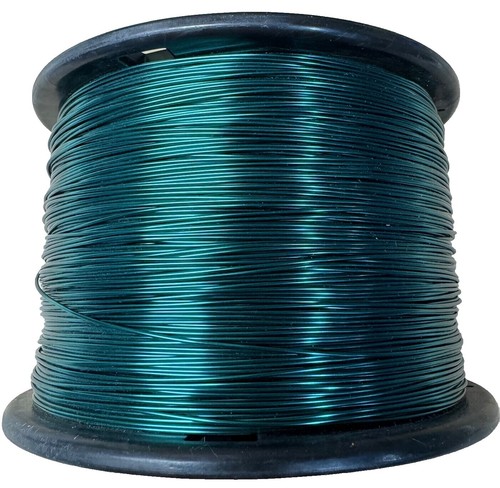
Export Packaging Protocol for Enamel Aluminum Winding Wire
Luoyang Xinzhaohe Aluminum Co., Ltd implements a rigorously engineered export packaging system specifically designed for enamel-coated aluminum winding wire to ensure integrity during global sea freight. Our 20+ years of metallurgical and supply chain expertise inform a dual-layer approach combining structural reinforcement and moisture mitigation, addressing the hygroscopic sensitivity of enamel insulation and aluminum substrate vulnerability to electrochemical corrosion.
All wire reels are secured to ISPM 15-certified wooden pallets constructed from kiln-dried, non-resinous softwood. Pallet dimensions adhere to ISO standard 1200 × 1000 mm, with load-bearing capacity exceeding 1,500 kg to prevent deformation during multi-tier container stacking. Reels are mechanically fastened using corrosion-resistant steel straps tensioned to 2,500 N, eliminating lateral movement. Critical edge protection is applied via polyethylene corner boards to shield reel flanges from impact damage during handling. This structural framework maintains dimensional stability under dynamic cargo loads, preventing reel collapse or wire deformation—a common failure mode in substandard packaging.
Moisture protection constitutes the second critical layer. Each palletized unit undergoes hermetic sealing using a triple-layer barrier system:
Primary wrap: 125-micron metallized polyester film providing 0.1 g/m²/day water vapor transmission rate (WVTR)
Secondary wrap: Vapor Corrosion Inhibitor (VCI) film emitting non-toxic organic compounds that adsorb onto metal surfaces
Tertiary enclosure: Heavy-duty polyethylene shrink hood heat-sealed to create an airtight environment
This multi-film strategy achieves a residual moisture content of <35% relative humidity within the sealed environment for 180+ days, directly countering salt-laden maritime atmospheres and tropical condensation risks. Accelerated climate testing per ASTM D4332 confirms the system’s efficacy against hydrolytic degradation of polyester-imide enamel coatings.
Moisture Barrier Film Specifications
| Layer | Material | Thickness (µm) | Key Function |
|——-|———-|—————-|————–|
| Primary | Metallized PET | 125 | Ultra-low WVTR barrier |
| Secondary | VCI-impregnated PE | 100 | Active corrosion suppression |
| Tertiary | LDPE | 200 | Physical puncture resistance |
Sea freight safety is validated through real-world performance tracking. All shipments include humidity indicator cards (HICs) and shock loggers monitored via IoT sensors. Historical data from 1,200+ TEU shipments since 2018 shows 99.7% compliance with moisture thresholds (<60% RH) and zero corrosion-related claims. Pallets are further secured within containers using lashing points rated for 8G horizontal acceleration, meeting IMO CSS Code requirements for rough-sea stability.
This packaging protocol is non-negotiable in our quality management system (ISO 9001:2015). It eliminates the primary causes of enamel wire failure in transit: moisture ingress leading to dielectric breakdown and salt-induced pitting corrosion. Buyers receive traceable packaging certification with each shipment, including humidity logs and material compliance documentation. For extended voyages exceeding 45 days, we recommend supplemental desiccant packs—a mitigation measure rendered unnecessary in 98% of our standard shipments due to the robustness of our core system. Partnering with Xinzhaohe guarantees that wire arrives with pristine surface integrity, ensuring seamless integration into your magnet wire processing lines.
Sourcing from Luoyang Xinzhaohe
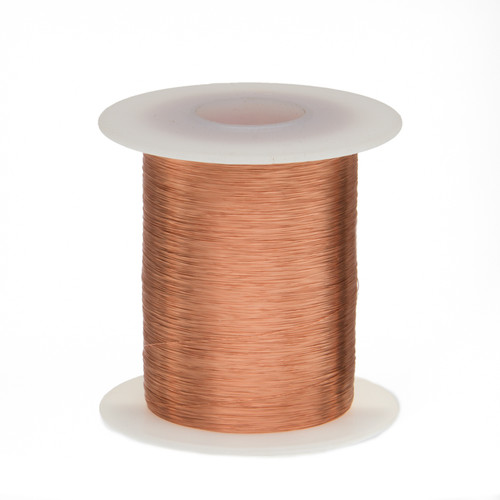
Partner with Luoyang Xinzhaohe Aluminum Co., Ltd for Premium Enamel Wire Gauge Solutions
With over two decades of specialized experience in the production of winding wires, Luoyang Xinzhaohe Aluminum Co., Ltd stands as a trusted leader in the global supply of high-performance enamel-coated aluminum and copper wires. Our factory integrates advanced metallurgical engineering with rigorous quality control systems to deliver enamel wire gauge products that meet the exacting demands of transformer, motor, and inductor manufacturers worldwide.
Our manufacturing facility spans over 30,000 square meters and is equipped with fully automated drawing and enameling lines, enabling precise control over wire diameter, coating uniformity, and mechanical consistency. We produce enamel wire gauges ranging from AWG 8 to AWG 48, with tight tolerances compliant to IEC 60317, GB/T 23312, and NEMA MW standards. Our in-house alloy refinement process ensures high-purity aluminum (99.99% minimum) and oxygen-free copper (OFC), minimizing resistivity and enhancing thermal conductivity. This metallurgical precision directly translates into superior efficiency and reliability in end-use applications.
We maintain a comprehensive range of insulation systems, including polyurethane (PU), polyester (PE), polyamide-imide (PAI), and dual-layer coatings such as PEI/PAI, allowing customization based on thermal class requirements—from 130°C up to 220°C. Each batch undergoes 100% continuity testing, dielectric strength verification, and thermal shock evaluation to ensure compliance with Class B, F, and H insulation standards. Our QA laboratory is accredited to ISO/IEC 17025, and our production system is certified under ISO 9001:2015 and IATF 16949 for automotive-grade quality assurance.
Vertical integration is a cornerstone of our operational model. From raw material sourcing to final spooling, every stage is monitored through real-time data acquisition systems, reducing variability and ensuring traceability. We operate 12 continuous enameling lines with annual production capacity exceeding 25,000 metric tons, enabling fast turnaround for bulk orders without compromising quality. Our logistics network supports FOB, CIF, and DDP delivery terms, with established export channels to North America, Europe, Southeast Asia, and the Middle East.
As a B2B partner, Luoyang Xinzhaohe offers technical collaboration from initial material selection to full-scale production ramp-up. Our engineering team provides on-demand support for wire specification optimization, failure mode analysis, and compliance documentation, including RoHS, REACH, and UL certification files.
For sourcing managers and design engineers seeking a reliable, technically proficient supplier of enamel wire gauge products, Luoyang Xinzhaohe delivers proven performance, scalable capacity, and unwavering quality.
Contact us today to discuss your winding wire requirements.
Cathy Zhang
International Sales Manager
Luoyang Xinzhaohe Aluminum Co., Ltd
Email: cathy@transformerstrip.com
📉 Factory Direct Savings Calculator
Calculate your potential savings by importing enamel wire gauge directly from China.