


Table of Contents
Market Insight: Enamel Wire
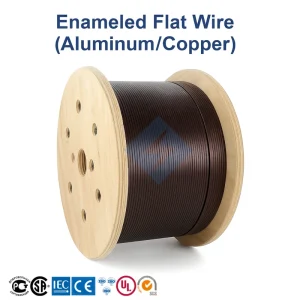
Industrial Demand Drivers for Enamel Winding Wire in Transformers
Global transformer manufacturing represents the dominant consumption sector for high-performance enamel winding wire, driven by sustained infrastructure investment and energy transition imperatives. Power transformers, essential for transmission and distribution networks, exhibit robust demand growth correlated with grid modernization programs, particularly in emerging economies and regions integrating renewable energy sources requiring voltage step-up conversion. Concurrently, distribution transformers experience consistent replacement cycles and expansion to support electrification initiatives and urban densification. This market segment demands enamel wire meeting stringent international standards (IEC 60317 series) with thermal classes predominantly ranging from 155°C (Class F) to 200°C (Class H), reflecting the critical need for long-term operational reliability under thermal and electrical stress. The shift towards higher efficiency transformer designs (e.g., DOE Level 4, IE4 motors) further intensifies requirements for wire exhibiting minimal electrical losses and superior thermal management characteristics. Aluminum conductor enamel wire has gained significant traction, offering a compelling weight-to-conductivity ratio advantage over copper, particularly in large power transformers where weight reduction impacts transportation logistics and structural support costs, despite requiring approximately 56% larger cross-section for equivalent DC resistance.
Critical Importance of Enamel Wire Quality in Transformer Performance
The integrity of the enamel insulation system is non-negotiable for transformer longevity and safety. Substandard wire introduces latent failure risks that manifest catastrophically during service. Primary failure modes originate from inadequate dielectric strength, leading to inter-turn or turn-to-ground short circuits under operational voltage surges or transient overloads. Thermal degradation of the enamel, if its thermal endurance rating is insufficient or inconsistent, accelerates insulation embrittlement and loss of mechanical cohesion, especially at hotspot locations within the winding. Poor enamel adhesion to the conductor surface permits moisture ingress along the wire interface, initiating electrochemical treeing and progressive insulation breakdown. Surface defects on the conductor itself, stemming from imprecise drawing or handling, create localized electrical stress points that initiate partial discharges, eroding the enamel over time. These failure mechanisms directly compromise transformer reliability, leading to unplanned outages, costly repairs or replacements, and potential safety hazards. Consistent enamel thickness, freedom from pinholes, excellent thermal stability, and robust adhesion are therefore not merely specifications but fundamental prerequisites for meeting the 30-40 year operational lifespan expected of modern power transformers.
Metallurgical and Process Precision as Quality Foundations
Achieving this requisite quality demands rigorous metallurgical control and precision manufacturing. For aluminum enamel wire, the purity and homogeneity of the base aluminum rod (typically 1350 or 1370 alloy) are paramount; trace impurities significantly impact electrical conductivity and drawing behavior. The wire drawing process must maintain exact dimensional tolerances (typically ±0.002mm) and a flawless, oxide-minimized surface finish to ensure uniform enamel application and adhesion. The enamel coating application—usually via multi-layer solvent-based or UV-cured systems—requires precise control over viscosity, curing temperature profiles, and layer thickness to achieve the specified thermal class and dielectric properties without micro-voids or stress concentrations. Luoyang Xinzhaohe Aluminum leverages two decades of specialized process expertise to consistently deliver wire meeting these exacting parameters, understanding that minor deviations in conductor metallurgy or enamel application directly translate to reduced transformer mean time between failures and increased lifecycle costs for the end user. Quality is an embedded engineering outcome, not a final inspection checkpoint.
Technical Specs: Enamel Wire
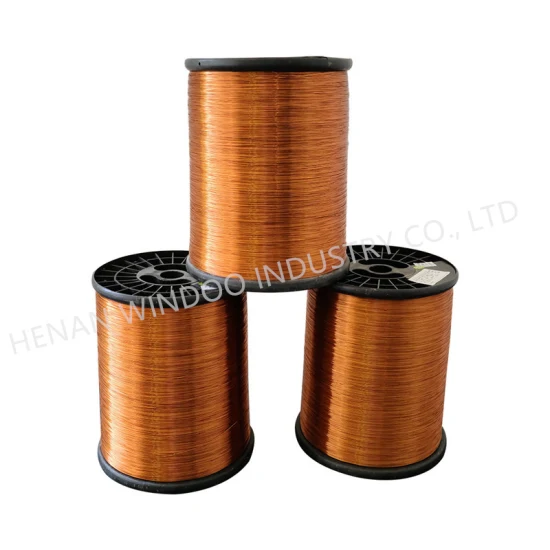
Technical Specifications for Enamel Wire
Enamel wire, also known as magnet wire, is a copper or aluminum conductor coated with a thin layer of insulation designed to withstand electrical, thermal, and mechanical stresses encountered in electromagnetic applications such as motors, transformers, and inductors. At Luoyang Xinzhaohe Aluminum Co., Ltd., with over two decades of expertise in winding wire manufacturing, we emphasize stringent control over key technical parameters to ensure product reliability and performance consistency. The following specifications are critical in determining the suitability of enamel wire for industrial applications.
One of the most vital electrical properties is the insulation breakdown voltage, which measures the dielectric strength of the enamel coating. This parameter indicates the maximum voltage the insulation can withstand before electrical failure occurs. For standard applications, breakdown voltage typically ranges from 1,500 V to 6,000 V depending on wire diameter and insulation thickness. Thinner films are engineered for compact coil designs, while heavier builds offer enhanced protection in high-voltage environments. Our enamel wires undergo rigorous testing per IEC 60317 and GB/T 6109 standards to ensure compliance across batch production.
Elongation, a mechanical property, reflects the ductility of the conductor and its ability to endure drawing, winding, and coiling without cracking the insulation or fracturing the base metal. For aluminum-based enamel wire, minimum elongation values typically range between 15% and 30%, depending on alloy composition and temper condition. Higher elongation supports complex winding geometries and reduces the risk of conductor breakage during automated winding processes. Our production process includes controlled annealing and tension management to optimize elongation while maintaining dimensional stability.
Thermal class defines the maximum continuous operating temperature the enamel insulation can endure without significant degradation in electrical or mechanical performance. Common thermal classes for industrial enamel wire range from 130°C to 220°C, with higher classes indicating superior thermal endurance. The classification is determined by thermal aging tests where insulation integrity is evaluated after prolonged exposure at elevated temperatures. Materials such as polyurethane (PU), polyester (PE), polyester-imide (PEI), and polyamide-imide (PAI) are selected based on required thermal performance. For instance, PEI-coated wires typically meet Class 180 (180°C), while PAI systems achieve Class 220 (220°C), making them suitable for high-efficiency motors and demanding industrial environments.
The interplay between insulation breakdown voltage, elongation, and thermal class directly impacts the reliability and service life of electromagnetic components. Consistent adherence to these specifications ensures compatibility with automated manufacturing systems and long-term operational stability under variable load conditions.
| Parameter | Typical Range | Test Standard | Notes |
|---|---|---|---|
| Insulation Breakdown Voltage | 1,500 V – 6,000 V | IEC 60317, GB/T 6109 | Depends on wire diameter and insulation build |
| Elongation (Aluminum) | 15% – 30% | GB/T 4909.3 | Measured on conductor; temper-dependent |
| Thermal Class | 130°C (Class B) to 220°C (Class C) | IEC 60085, GB/T 11021 | Based on insulation system rating |
| Conductor Material | Aluminum (EC Grade), Aluminum Alloy | GB/T 8001, ASTM B233 | High purity for optimal conductivity |
| Insulation Material | PU, PE, PEI, PAI | IEC 60317 Series | Chosen per thermal and chemical needs |
These technical parameters are rigorously monitored throughout production using in-line quality control systems and final batch verification. Luoyang Xinzhaohe Aluminum Co., Ltd. ensures every spool of enamel wire meets or exceeds international performance benchmarks, supporting reliable integration into advanced electromagnetic systems.
Factory Tour: Manufacturing
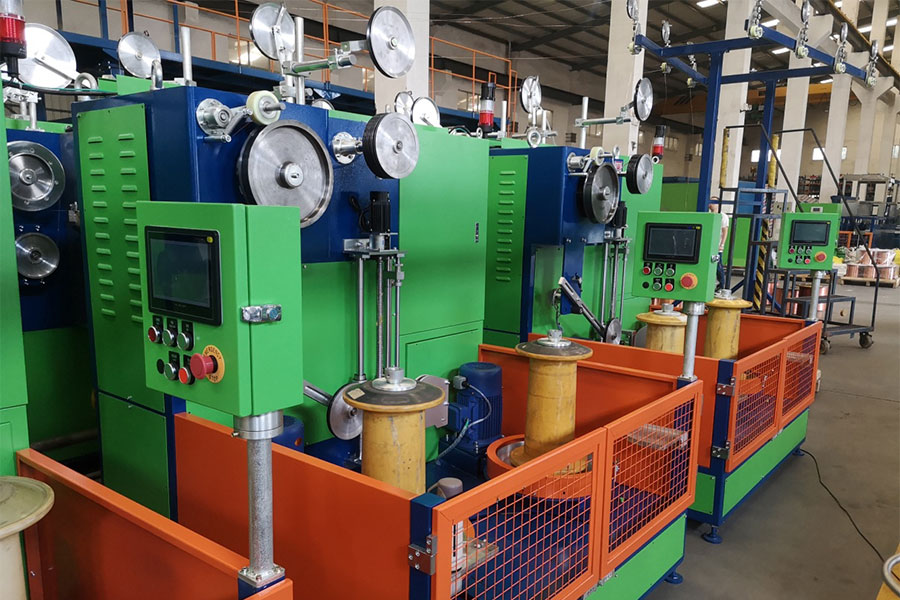
Enamel Wire Manufacturing Process: Precision Execution from Rod to Finished Product
Luoyang Xinzhaohe Aluminum Co., Ltd leverages over two decades of specialized expertise in aluminum enamel wire production, ensuring stringent adherence to international performance standards. Our integrated manufacturing sequence begins with high-purity aluminum rod (99.99% min) sourced under certified supply chain protocols. The rod undergoes precision drawing through a series of tungsten carbide dies in a controlled multi-pass process. Critical parameters including reduction ratio, die geometry, and lubricant viscosity are continuously monitored to achieve exact dimensional tolerances (±0.002 mm) while mitigating surface defects and work hardening. Immediate post-drawing oxide layer removal via chemical cleaning ensures optimal substrate integrity for subsequent coating adhesion.
Annealing follows drawing to restore ductility and electrical conductivity. Wires traverse a continuous inert atmosphere furnace (N₂ or argon) at precisely regulated temperatures between 300°C and 550°C, depending on alloy specification. This step eliminates residual stresses induced during drawing, achieving target elongation (15–25%) and conductivity (≥61% IACS) while preventing surface oxidation. Real-time pyrometry and atmosphere oxygen monitoring (<10 ppm) guarantee uniform metallurgical properties across the entire coil length.
The enameling stage employs a multi-layer dip-cure application system. Wires pass sequentially through enamel baths containing thermosetting polymer resins (e.g., polyester-imide, polyamide-imide), with intermediate UV or infrared curing ovens polymerizing each layer. Film thickness is controlled within ±2 μm per layer via precision metering dies and viscosity management. Solvent recovery systems maintain consistent bath composition, while inline optical sensors verify coating uniformity and absence of pinholes before final curing. Total insulation thickness typically ranges from 40 to 150 μm, calibrated to voltage class requirements.
Rigorous inline testing occurs at every critical control point. Post-annealing, tensile strength and elongation are verified via automated testers. During enameling, spark testing at 3 kV DC (IEC 60317 compliance) detects insulation defects at line speeds up to 300 m/min. Final inspection includes:
| Test Parameter | Method | Acceptance Criteria |
|---|---|---|
| Conductor Resistance | 4-wire Kelvin measurement | ≤0.0283 Ω·mm²/m @ 20°C |
| Insulation Continuity | High-potential (Hi-Pot) test | Zero breakdowns @ 3 kV |
| Thermal Shock | Rapid cooling after 200°C heat | No cracks/delamination |
| Adhesion | Mandrel wrap test | No flaking @ 6x diameter |
All process data is logged to batch-specific digital records, enabling full traceability from rod lot to finished coil. This closed-loop manufacturing system—combining metallurgical precision, automated process control, and multi-stage validation—ensures our enamel wire consistently meets the demanding thermal, electrical, and mechanical requirements of motor, transformer, and inductor applications. Luoyang Xinzhaohe’s commitment to zero-defect production is validated through third-party certifications including ISO 9001 and IATF 16949.
Packaging & Logistics
Export Packaging for Enamel Wire: Ensuring Integrity During Sea Freight
At Luoyang Xinzhaohe Aluminum Co., Ltd, with over two decades of specialized manufacturing experience in winding wire products, we recognize that packaging is not merely a logistical necessity but a critical component in preserving product integrity throughout the global supply chain. For enamel wire—characterized by its thin insulation layer and sensitivity to environmental exposure—robust export packaging is essential, particularly when destined for international markets via sea freight.
All enamel wire coils are systematically wound onto precision-engineered spools constructed from high-strength materials to prevent deformation under load. These spools are then mounted onto industrial-grade wooden pallets that comply with ISPM 15 international phytosanitary standards for wood packaging. The use of heat-treated, kiln-dried hardwood ensures structural rigidity, load stability, and resistance to pest infestation, making it ideal for extended maritime transport. Each pallet is designed to support the total coil weight while maintaining dimensional consistency during stacking and handling, minimizing the risk of mechanical damage during loading, transit, and unloading.
To address the primary threat posed by maritime environments—moisture—we implement a multi-layer moisture-proof barrier system. Each loaded pallet is fully wrapped with high-density polyethylene (HDPE) film, specifically engineered for vapor resistance. The wrapping process includes heat-shrink sealing at all critical junctions to create a hermetic enclosure that prevents ingress of salt-laden air, condensation, and ambient humidity. This protective film acts as a primary defense against corrosion of aluminum conductors and degradation of the enamel insulation, both of which can compromise electrical performance and long-term reliability.
Additionally, desiccant packs are strategically placed within the sealed packaging to absorb any residual moisture trapped during the wrapping process. This combination of physical barrier and chemical moisture control ensures that the internal microclimate remains stable throughout voyages that may span multiple climatic zones, including tropical and high-humidity regions.
All packaged units are clearly labeled with UV-resistant, tamper-evident markings indicating product specifications, batch numbers, handling instructions, and orientation indicators to prevent inversion during transport. These labels are affixed to exterior surfaces that remain accessible post-wrapping, ensuring traceability without compromising the seal.
Our packaging protocol has been validated through accelerated aging tests and real-world shipment monitoring across major trade routes, including trans-Pacific and Europe-Asia corridors. This data-driven approach confirms that our methods effectively mitigate the risks associated with prolonged sea freight, including vibration, temperature fluctuation, and humidity exposure.
Luoyang Xinzhaohe Aluminum Co., Ltd adheres to the highest standards in export packaging, aligning with ISO 9001 quality management principles. By integrating structural durability with advanced environmental protection, we ensure that every shipment of enamel wire reaches its destination in optimal condition, ready for downstream processing and application in motors, transformers, and other precision electromagnetic devices.
Sourcing from Luoyang Xinzhaohe
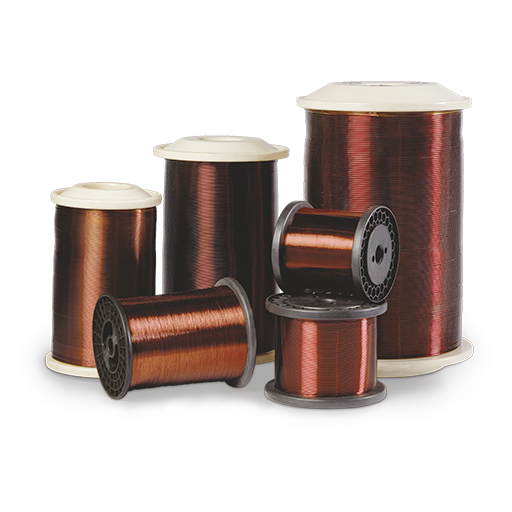
Partner with Luoyang Xinzhaohe for Precision Enamel Wire Solutions
Luoyang Xinzhaohe Aluminum CO., Ltd leverages over two decades of specialized metallurgical expertise to deliver high-performance aluminum enamel wire for demanding electromagnetic applications. Our vertically integrated facility in Luoyang, China, combines advanced material science with rigorous process control to ensure consistency from raw material to finished product. As a dedicated supplier to the global transformer, motor, and inductor manufacturing sectors, we prioritize technical precision and supply chain resilience, enabling OEMs to optimize winding efficiency and end-product reliability.
Our core strength lies in metallurgical mastery of 6101 and 1350 aluminum alloys. Each production batch undergoes stringent chemical composition verification via OES spectrometry, ensuring impurity levels remain below 0.05% to guarantee optimal conductivity and mechanical properties. The annealing process employs continuous nitrogen-purged furnaces with ±2°C thermal uniformity, achieving precise grain structure refinement critical for elongation control and drawability. This foundational control directly translates to enamel wire with exceptional tensile strength (140–160 MPa) and elongation (1.5–3.0%), minimizing breakage during high-speed winding operations.
Enamel application utilizes multi-zone polymerization ovens with real-time infrared monitoring, maintaining ±3°C temperature stability across all curing stages. We apply solvent-based polyester-imide, polyamide-imide, and self-bonding coatings with micron-level precision, consistently achieving dimensional tolerances of ±0.005 mm for wire diameters ranging from 0.10 mm to 3.00 mm. All enamels comply with IEC 60317 standards and undergo 100% spark testing at 3x operating voltage, alongside thermal endurance validation per IEC 60172 for Class 155 (F) to Class 220 (H) ratings. Our in-house R&D lab validates adhesion, flexibility, and thermal shock resistance through ASTM B354 and GB/T 4074 protocols.
Supply chain integrity is engineered into our operational framework. We maintain dedicated aluminum rod casting lines feeding 12 high-speed Scholz drawing machines, eliminating third-party dependency for critical inputs. This vertical integration ensures lot traceability from smelter to spool, with ISO 9001-certified processes governing every stage. Our JIT logistics system, supported by bonded warehousing in Rotterdam and Los Angeles, achieves 99.2% on-time delivery for global clients, with buffer stocks sustaining 45-day production continuity during market volatility.
Partnering with Luoyang Xinzhaohe means securing enamel wire that meets the exacting demands of modern electromagnetic design while mitigating supply risk. Our engineering team collaborates directly with clients to tailor alloy composition, enamel chemistry, and packaging to specific application requirements, from high-frequency transformers to EV traction motors. Contact Senior Technical Manager Cathy Zhang at cathy@transformerstrip.com to discuss material specifications, request sample reels, or schedule a virtual factory audit. Let us apply 20 years of metallurgical discipline to elevate your winding wire performance.
📉 Factory Direct Savings Calculator
Calculate your potential savings by importing enamel wire directly from China.