

Table of Contents
Market Insight: Enamel Magnet Wire
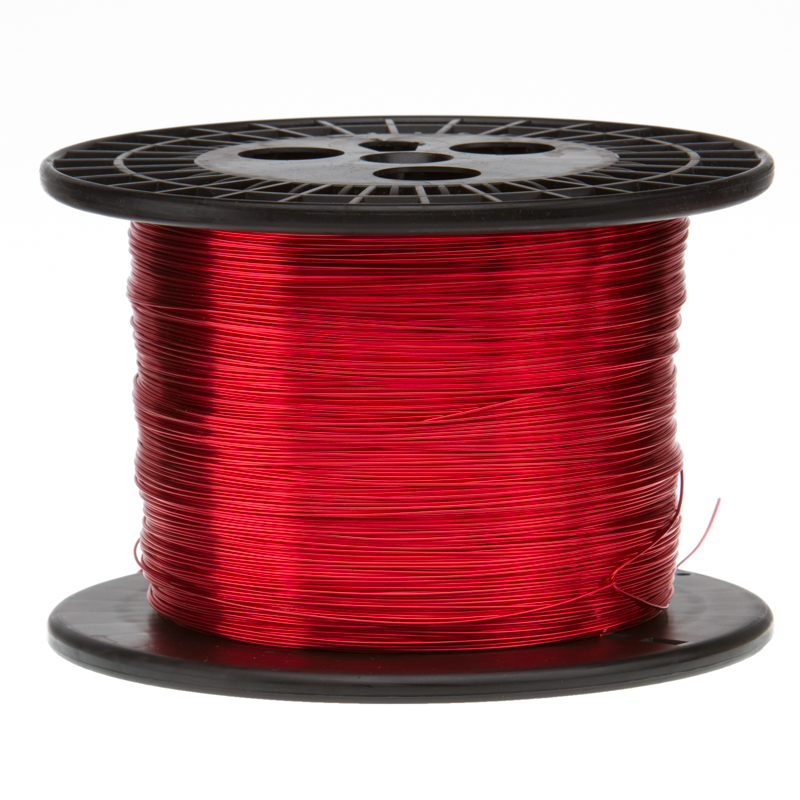
Market Analysis: Enamel Magnet Wire Demand in Transformer Applications
Global transformer demand drives significant consumption of enamel magnet wire, particularly within power distribution and renewable energy infrastructure. Rising electricity demand, grid modernization initiatives, and the rapid expansion of solar/wind installations necessitate transformers across voltage classes. This sustained market growth places enamel magnet wire at the core of electromagnetic energy conversion. Distribution transformers represent the largest volume segment, increasingly utilizing aluminum conductor magnet wire for cost and weight optimization, while high-efficiency and specialty power transformers predominantly specify copper due to its superior conductivity and thermal performance. The shift toward higher efficiency standards (e.g., DOE 2016, IE4/IE5) intensifies pressure on wire quality, as minor deviations directly impact no-load and load losses.
Critical quality parameters in enamel magnet wire are non-negotiable for transformer reliability and longevity. The enamel insulation system must maintain dielectric integrity under continuous thermal stress, mechanical vibration, and potential chemical exposure throughout the transformer’s operational life, typically exceeding 25 years. Defects such as micro-cracks, thin spots, or contamination become initiation points for partial discharge, leading to progressive insulation degradation and eventual catastrophic failure. Thermal class adherence is paramount; exceeding the wire’s rated temperature index accelerates thermal aging exponentially. The relationship between operating temperature and expected lifespan is defined by the Arrhenius equation, where even a 10°C over-temperature can halve insulation life.
Material science underpins performance. Consistent conductor metallurgy ensures uniform electrical resistivity and mechanical properties during winding. Precise enamel application controls thickness tolerance (±2-5% per IEC 60317), surface smoothness for tight winding, and adhesion strength to prevent delamination under thermal cycling. Polymer cross-linking density directly influences thermal endurance and chemical resistance. Substandard wire introduces unacceptable risk: increased eddy current losses from surface imperfections, reduced thermal conductivity from voids, or premature breakdown from inadequate dielectric strength. Transformer manufacturers face severe downstream consequences including warranty claims, reputational damage, and costly field failures.
Thermal Class Performance Relationship
| Thermal Class | Maximum Operating Temp (°C) | Relative Expected Lifespan (Baseline=100%) |
|—————|—————————–|——————————————|
| 130 (B) | 130 | 100% |
| 155 (F) | 155 | 25% |
| 180 (H) | 180 | 6% |
| 200 (N) | 200 | 2% |
Luoyang Xinzhaohe Aluminum leverages two decades of metallurgical and coating expertise to produce magnet wire meeting stringent IEC 60317 and ASTM B354 specifications. Our focus on conductor purity, enamel formulation homogeneity, and rigorous batch testing ensures the thermal stability, mechanical robustness, and dielectric reliability essential for modern transformer design. In an application where failure is not an option, the initial procurement cost of premium magnet wire is insignificant compared to the lifecycle cost of transformer failure. Specifiers must prioritize certified quality parameters over marginal price differentials to guarantee grid stability and asset longevity.
Technical Specs: Enamel Magnet Wire
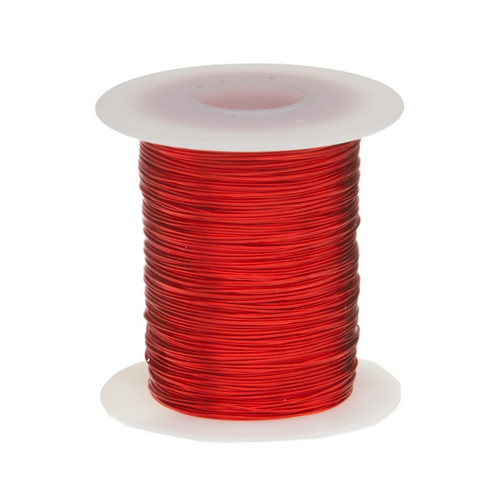
Technical Specifications for Enamel Magnet Wire
Enamel magnet wire, also known as winding wire, is a copper or aluminum conductor coated with a thin layer of insulation designed to withstand electrical, thermal, and mechanical stresses encountered in motor, transformer, and inductor applications. At Luoyang Xinzhaohe Aluminum Co., Ltd., with over two decades of metallurgical and manufacturing expertise, our enamel magnet wire products are engineered to meet or exceed international standards including IEC 60317, GB/T 6109, and NEMA MW. The performance of enamel-coated conductors is defined by critical parameters such as insulation breakdown voltage, elongation, and thermal class, each of which directly impacts reliability and operational efficiency in end-use applications.
Insulation breakdown voltage is a fundamental electrical property that defines the maximum voltage the enamel insulation can withstand before electrical failure occurs. This parameter ensures dielectric integrity under operating and transient overvoltage conditions. Our standard enamel coatings, including polyurethane, polyester, and polyamide-imide, are formulated to deliver consistent breakdown performance. For example, single-build wires typically exhibit breakdown voltages of 3,000–4,000 V, while heavy-build or triple-coat variants can exceed 6,000 V, depending on wire diameter and coating thickness. Testing is performed per IEC 60172 using a step-voltage method under controlled humidity and temperature.
Elongation, measured as a percentage of original length at the point of fracture, reflects the mechanical flexibility and ductility of the conductor. This property is essential for coil winding processes, especially in automated high-speed operations where wire undergoes repeated bending and tensioning. Our aluminum-based enamel magnet wires achieve elongation values ranging from 12% to 25%, depending on alloy temper and wire gauge. Proper elongation ensures crack resistance in the enamel layer during winding and minimizes in-service fatigue under thermal cycling.
Thermal class defines the maximum continuous operating temperature the insulation system can endure without significant degradation in electrical or mechanical performance. Our product line covers thermal classes from 130°C to 220°C, enabling selection based on application demands. Lower thermal classes (e.g., 130°C, 155°C) utilize polyester or modified polyester coatings suitable for general-purpose motors. Higher classes (180°C, 200°C, 220°C) employ advanced resins such as polyamide-imide or polyimide, offering superior thermal stability, chemical resistance, and mechanical toughness. These high-temperature grades are ideal for traction motors, aerospace systems, and high-efficiency industrial equipment.
The following table summarizes typical technical parameters for our enamel magnet wire series:
| Parameter | Test Method | Typical Range (Aluminum Conductor) |
|---|---|---|
| Conductor Material | GB/T 8170 | EC Grade Aluminum (99.5% min purity) |
| Insulation Type | IEC 60317 | Polyurethane, Polyester, Polyamide-Imide |
| Thermal Class | IEC 60172 | 130°C, 155°C, 180°C, 200°C, 220°C |
| Breakdown Voltage (⌀ 0.5 mm) | IEC 60172 | 3,000 – 6,000 V (depending on build) |
| Elongation | GB/T 4909.4 | 12% – 25% (dependent on temper and gauge) |
| Temperature Index | NEMA MW 1000 | Up to 220°C (verified by thermal aging) |
| Solderability | IEC 60172 | Pass at 350°C ± 5°C for 3 seconds |
These specifications are validated through in-house quality control systems, including continuous monitoring of coating uniformity, adhesion, and thermal shock resistance. Consistency in these parameters ensures long-term reliability and compatibility with automated manufacturing environments.
Factory Tour: Manufacturing
Manufacturing Process for Aluminum Enamel Magnet Wire
Luoyang Xinzhaohe Aluminum Co. Ltd leverages 20+ years of metallurgical expertise to produce high-reliability aluminum enamel magnet wire through a rigorously controlled four-stage process. This sequence ensures optimal electrical conductivity, mechanical resilience, and insulation integrity for demanding electromagnetic applications.
Rod drawing initiates production using high-purity aluminum rods (99.99% Al min). Rods undergo multi-pass cold drawing through precision tungsten carbide dies under strict tension control. Diameter tolerance is maintained at ±0.001 mm via laser micrometers, while surface defects are mitigated through sequential die polishing and lubricant filtration. Critical QC here includes ultrasonic testing for internal inclusions and profilometry to verify surface roughness ≤0.4 μm Ra.
Annealing follows immediately to relieve work hardening from drawing. Aluminum wire requires precise thermal management distinct from copper due to lower recrystallization temperatures. We employ inert atmosphere continuous annealing at 500–550°C with dwell times calibrated to grain structure targets. Oxygen levels are held below 50 ppm to prevent oxidation. Post-anneal tensile strength is validated at 60–80 MPa (per ASTM B501), and elongation is confirmed at 15–25% via inline tensile testers.
Enameling applies multiple polymer layers (typically polyurethane, polyester, or polyamide-imide) via capillary coating dies. Aluminum’s native oxide layer demands meticulous pre-treatment: we use controlled plasma surface activation to ensure enamel adhesion >95% (per IEC 60851-5). Each coat is cured in oxygen-depleted ovens at 350–450°C with residence time optimized for cross-linking density. Film thickness is monitored to ±2 μm tolerance using beta-ray gauges, with 100% visual inspection for bubbles or streaks.
Inline testing constitutes our final validation gate. Every meter undergoes real-time electrical and mechanical verification:
| Test Parameter | Standard | Frequency | Acceptance Criteria |
|---|---|---|---|
| Dielectric Strength | IEC 60317-0-4 | 100% | ≥2.5 kV (0.1 mm film) |
| Continuity | IEC 60851-3 | 100% | Zero breaks |
| Elongation | IEC 60851-5 | Sampling | ≥15% |
| Solderability | IEC 60851-6 | Batch | Wetting time ≤3 sec |
Our integrated QC framework embeds ISO 9001 protocols at each transition point, with traceability from rod lot to finished spool. Statistical process control (SPC) charts track critical variables like enamel solids content and annealing speed, enabling preemptive correction. This end-to-end discipline ensures LXHA’s aluminum magnet wire meets stringent automotive and industrial motor specifications while minimizing scrap rates below 0.8%. The result is a product engineered for thermal class 180–220°C operation with consistent winding performance and decades-long service life.
Packaging & Logistics
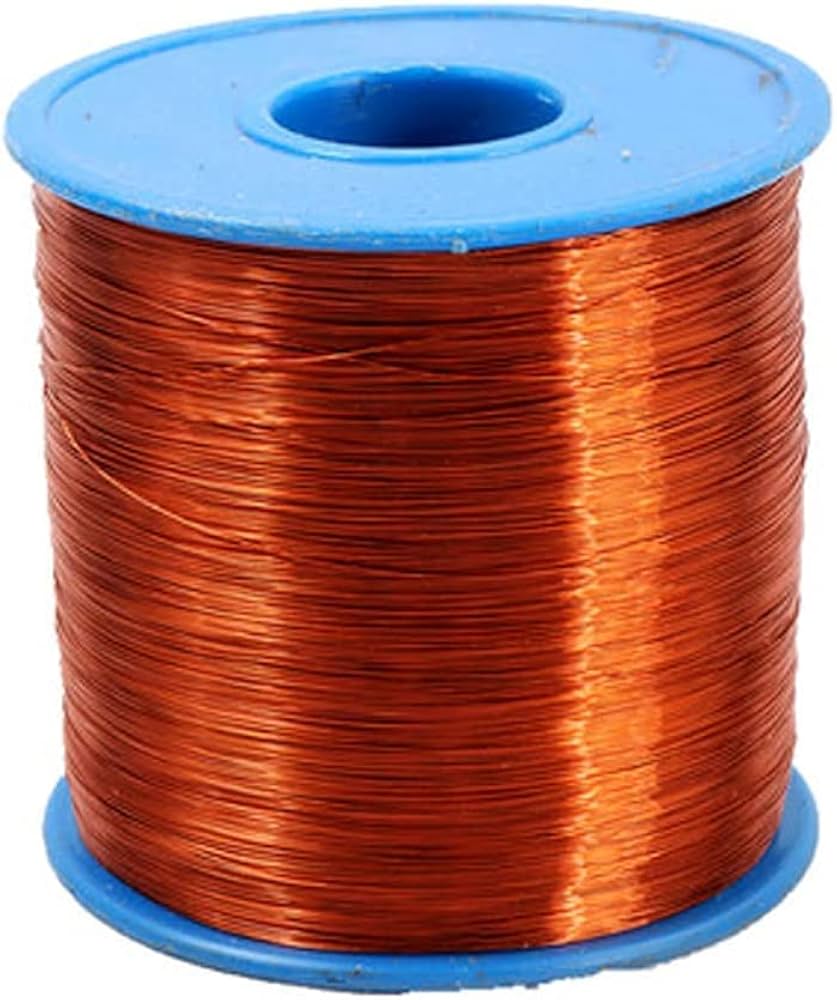
Export Packaging for Enamel Magnet Wire: Ensuring Integrity During Sea Freight
At Luoyang Xinzhaohe Aluminum Co., Ltd, with over two decades of specialized experience in the production and global distribution of winding wire, we recognize that export packaging is not merely a logistical step—it is a critical component in preserving the technical integrity of enamel magnet wire throughout international transit. Given the hygroscopic nature of the enamel insulation and the sensitivity of aluminum conductors to environmental stress, our export packaging system is engineered to meet the rigorous demands of sea freight, the most common mode of transport for bulk industrial shipments.
All enamel magnet wire reels destined for export are systematically mounted on high-strength wooden pallets constructed from kiln-dried, ISPM-15 compliant hardwood. These pallets are designed to support the full static and dynamic loads encountered during containerized shipping, including stacking forces in multi-tier container arrangements. The use of treated timber ensures resistance to biological degradation while complying with international phytosanitary standards, eliminating the risk of customs delays at destination ports.
Each loaded pallet undergoes a multi-layer moisture protection protocol. The wire reels are first wrapped in industrial-grade moisture-proof laminated film, featuring a metallized polyester barrier with a water vapor transmission rate (WVTR) of less than 0.5 g/m²/24hr at 38°C and 90% RH. This film provides an effective shield against humidity ingress, a critical factor during prolonged sea voyages through tropical and maritime climates. Following primary wrapping, the entire pallet is hermetically sealed using heat-shrink polyethylene film, creating a secondary environmental barrier. Desiccant packs with a proven moisture absorption capacity of 30% by weight are strategically placed within the sealed envelope to actively manage residual humidity.
To further reinforce mechanical protection, corner boards made from high-density corrugated fiberboard are affixed to the vertical edges of the pallet, mitigating impact damage during handling. The sealed unit is then strapped with steel or polyester tensioned bands, ensuring load stability during crane lifts, forklift operations, and vessel motion. Each packaged unit is labeled with orientation arrows, moisture sensitivity indicators, and handling instructions compliant with IMDG and IATA cargo regulations, even for sea transport, to ensure universal recognition by port operators.
This comprehensive packaging methodology has been validated through accelerated climate chamber testing simulating 60-day ocean transits under 85% RH and 40°C conditions, with no measurable degradation in dielectric strength or insulation resistance. As a result, our clients receive enamel magnet wire with fully preserved electrical and mechanical properties, directly contributing to downstream manufacturing yield and product reliability.
For global partners sourcing high-performance winding wire, Luoyang Xinzhaohe Aluminum Co., Ltd delivers not only superior material quality but also a packaging system engineered for the realities of international supply chains.
Sourcing from Luoyang Xinzhaohe
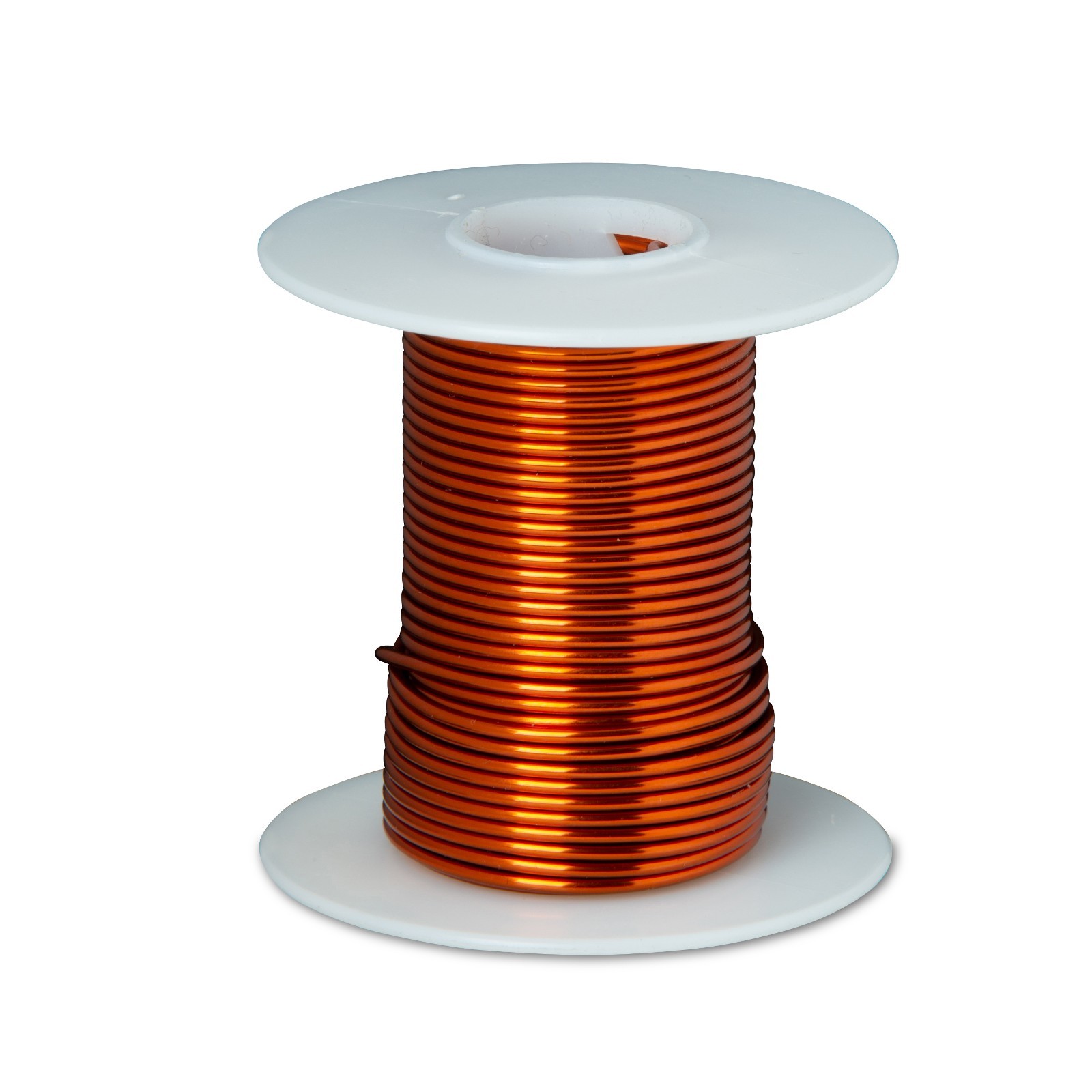
Partner with Luoyang Xinzhaohe Aluminum Co. Ltd for Precision Enamel Magnet Wire Solutions
Luoyang Xinzhaohe Aluminum Co. Ltd leverages over two decades of specialized metallurgical expertise to deliver high-performance aluminum enamel magnet wire for demanding transformer and motor applications. Our vertically integrated manufacturing ecosystem ensures uncompromising control from raw material sourcing to finished product, directly addressing the critical interplay between conductor purity, dimensional precision, and enamel integrity essential for efficient electromagnetic conversion.
Our core technical strength resides in advanced aluminum conductor processing. We utilize 99.99% pure aluminum ingots subjected to rigorous in-house refining and continuous casting, eliminating impurities that degrade conductivity and thermal stability. Precision wire drawing systems maintain strict tolerances of ±0.002mm across diameters ranging from 0.08mm to 5.0mm, ensuring consistent cross-sectional area critical for current density calculations. The annealing profiles are meticulously calibrated using closed-loop temperature monitoring to achieve optimal ductility without grain coarsening, directly impacting winding yield and mechanical endurance.
Enamel application represents a further layer of process mastery. Our multi-stage coating lines employ computer-controlled viscosity management and infrared curing ovens with zone-specific thermal profiling. This guarantees uniform film thickness (±2µm) and eliminates pinholes per ASTM D2307 standards, even at high thermal classes (up to 200°C). Adhesion strength exceeds 150% elongation per IEC 60317-0-5, preventing insulation delamination during high-stress coil winding operations. Every production batch undergoes 100% spark testing at 3x operating voltage alongside periodic thermal overload validation to ensure field reliability.
Supply chain resilience is engineered into our operational framework. We maintain strategic inventory of high-purity aluminum billets and certified enamel resins, enabling rapid response to volume fluctuations without compromising material traceability. Our ISO 9001 and IATF 16949 certified facility implements full lot tracking from melt to shipment, providing customers with comprehensive mill test reports including conductivity measurements (≥61.0% IACS), elongation data, and thermal index verification. Dedicated logistics coordination supports JIT delivery schedules to global manufacturing hubs, minimizing buyer inventory carrying costs while ensuring production continuity.
Partnering with Xinzhaohe means accessing metallurgical rigor applied to every process parameter affecting your end-product efficiency and lifespan. Our engineering team collaborates directly with client R&D departments to validate wire specifications against application-specific thermal, electrical, and mechanical requirements. Request technical specifications, production capacity data, and sample reels to validate performance within your winding process.
Contact Cathy Zhang for engineered sourcing solutions
cathy@transformerstrip.com
Luoyang Xinzhaohe Aluminum Co. Ltd | Technical Sourcing Department
📉 Factory Direct Savings Calculator
Calculate your potential savings by importing enamel magnet wire directly from China.