

Table of Contents
Market Insight: Enamel Coil Wire
Market Analysis: Enamel Coil Wire Demand in Transformer Applications
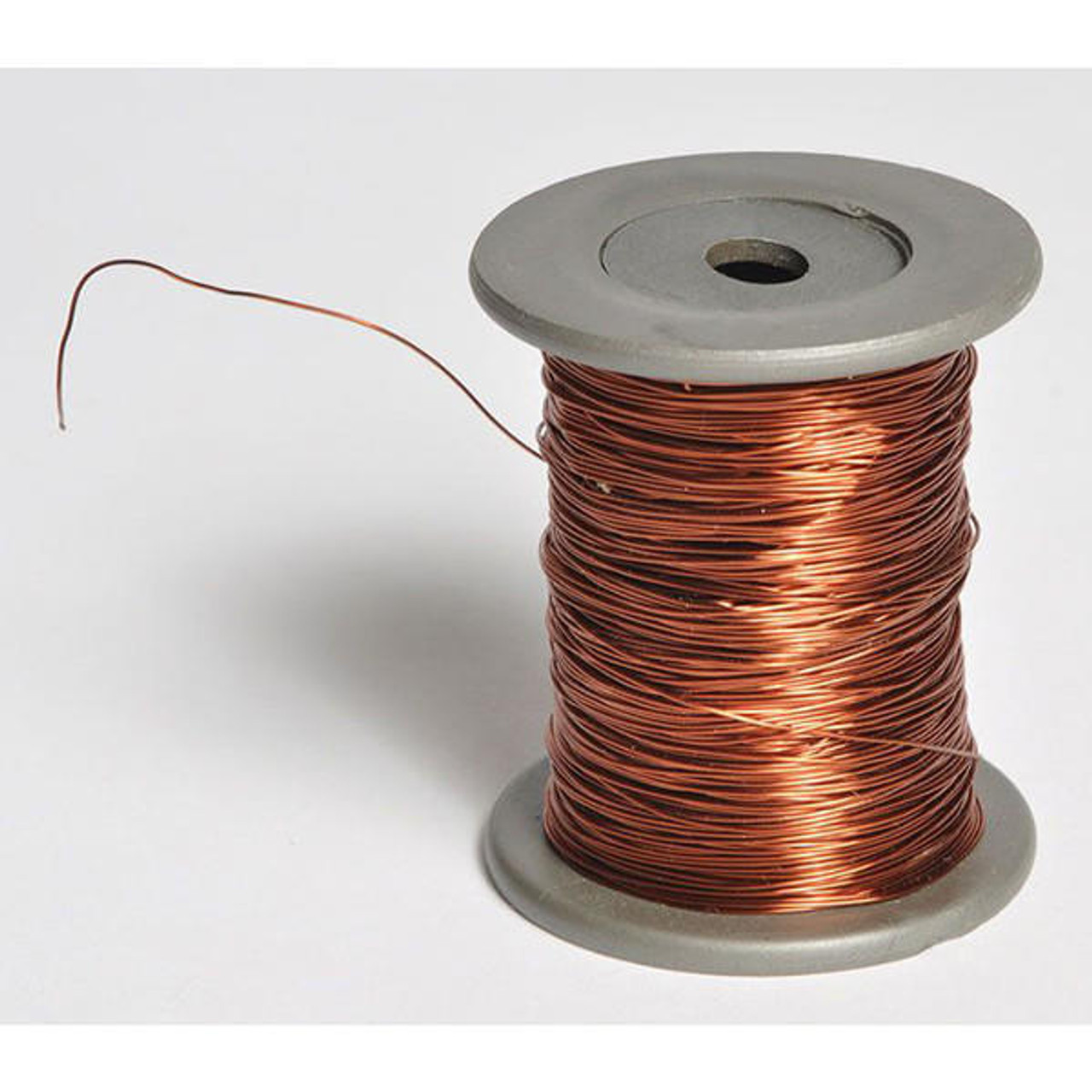
Global transformer production drives substantial demand for high-performance enamel coil wire, with annual consumption exceeding 1.2 million metric tons. This demand is intensifying due to three primary industrial catalysts: renewable energy integration requiring step-up transformers for solar/wind farms, aging grid infrastructure modernization programs (particularly in North America and Europe), and rising industrial automation necessitating reliable distribution transformers. The shift toward higher-efficiency transformers (IE4/IE5 classes) further amplifies requirements for advanced magnet wire capable of withstanding elevated thermal and electrical stresses.
Quality integrity in enamel coil wire directly determines transformer operational lifespan and safety. Substandard insulation systems fail under thermal cycling, leading to dielectric breakdown, partial discharges, and catastrophic short circuits. Critical failure modes include: thermal degradation of enamel at sustained temperatures above rated class limits, mechanical cracking during coil winding due to insufficient elongation properties, and moisture-induced corrosion accelerating insulation aging. For instance, a 10°C exceedance of the enamel’s thermal class rating (e.g., Class 180°C wire operated at 190°C) can reduce transformer lifespan by 50% per the Arrhenius equation. Premium enamel formulations mitigate these risks through optimized polymer chemistry and precise curing processes, ensuring dielectric strength retention above 30 kV/mm and partial discharge inception voltages exceeding 1.5 kV at 100 kHz.
The following technical parameters distinguish commodity-grade wire from mission-critical transformer specifications:
| Parameter | Entry-Level Specification | Premium Transformer Specification | Industrial Consequence of Non-Compliance |
|---|---|---|---|
| Thermal Class | 155°C (Class F) | 200°C+ (Class H/R) | Accelerated insulation carbonization; thermal runaway risk |
| Elongation | ≥15% | ≥25% | Cracking during tight-radius winding; turn-to-turn faults |
| Voltage Endurance | 1.5 kV, 1 min | 3.0 kV, 5 min (IEC 60317-0-8) | Early partial discharge; reduced overload capacity |
| Solvent Resistance | Basic MEK double rub test | 100+ MEK rubs; halogen-free | Delamination during vacuum pressure impregnation |
Sourcing decisions must prioritize enamel adhesion consistency and thermal shock resistance. Transformers operating in fluctuating loads (e.g., EV charging stations) experience rapid temperature swings of 80°C+ within minutes. Inadequate enamel flexibility causes micro-cracks, permitting resin penetration during varnishing that compromises inter-turn insulation. Verified conformance to IEC 60317 and ASTM B213 standards is non-negotiable; batch traceability to raw material lots enables root-cause analysis during field failures.
For mission-critical applications, metallurgical purity of the conductor substrate (typically oxygen-free copper or high-conductivity aluminum) equally impacts performance. Impurities >50 ppm create localized hot spots, degrading adjacent enamel. Luoyang Xinzhaohe’s two decades in conductor production underscore that enamel quality alone cannot compensate for substandard base metal—integrated material control from rod to wound coil defines true reliability. Procurement teams should mandate certified test reports for thermal index (IEC 60172) and thermal shock (IEC 60851-5), not merely accept supplier declarations. The cost of premature transformer failure—exceeding 20x the magnet wire value—renders rigorous enamel wire qualification a strategic supply chain imperative.
Technical Specs: Enamel Coil Wire
Technical Specifications of Enamel Coil Wire
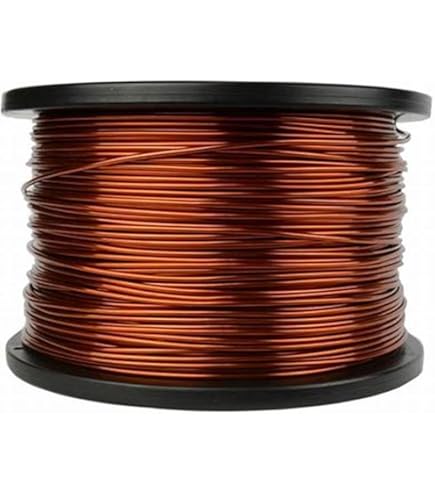
Enamel coil wire, also known as magnet wire, is a copper or aluminum conductor coated with a thin layer of insulating polymer film. At Luoyang Xinzhaohe Aluminum Co., Ltd, with over two decades of expertise in winding wire manufacturing, we emphasize precision in material selection, coating integrity, and performance consistency to meet rigorous industrial demands. Enamel coil wire is primarily used in motors, transformers, inductors, and other electromagnetic devices where high electrical efficiency and thermal stability are critical. This section outlines key technical parameters essential for reliable performance in demanding applications.
One of the most critical electrical properties is the insulation breakdown voltage, which defines the maximum voltage the enamel insulation can withstand before dielectric failure occurs. Our enamel wires are engineered to exceed industry standards, with breakdown voltages typically ranging from 2,500 V to over 6,000 V depending on wire diameter and insulation thickness. This ensures robust dielectric performance under transient overvoltage conditions and prolonged operational stress. Testing is performed per IEC 60317 and GB/T 6109 standards using step-voltage methods to verify insulation integrity.
Elongation is a mechanical parameter that reflects the ductility of the conductor and its ability to withstand drawing, winding, and coil-forming processes without cracking or breaking. For aluminum-based enamel wires, typical elongation values range between 18% and 30%, depending on temper (soft or semi-hard) and alloy composition. High elongation ensures superior formability and reduces the risk of conductor fracture during tight winding operations, particularly in small-diameter coils or complex motor stator geometries.
Thermal performance is governed by the thermal class rating, which indicates the maximum continuous operating temperature the insulation system can endure while maintaining electrical and mechanical integrity. Our enamel coil wires are available in thermal classes from 130°C to 220°C, utilizing advanced polymer coatings such as polyurethane (PU), polyester (PE), polyester-imide (PEI), and polyamide-imide (PAI). Higher thermal classes offer enhanced thermal aging resistance, allowing operation in high-temperature environments such as automotive traction motors and industrial compressors. All thermal class ratings are validated through thermal endurance testing per ISO 21707, with a minimum life expectancy of 20,000 hours at rated temperature.
The following table summarizes the key technical parameters of our enamel coil wire product line:
| Parameter | Test Method | Typical Range | Notes |
|---|---|---|---|
| Insulation Breakdown Voltage | IEC 60317, GB/T 6109 | 2,500 V – 6,000 V (spot test) | Depends on wire diameter and insulation build |
| Elongation (Aluminum Core) | GB/T 4909.3 | 18% – 30% | Measured on 250 mm gauge length |
| Thermal Class | ISO 21707 | 130°C, 155°C, 180°C, 200°C, 220°C | Based on insulation system type |
| Conductor Resistivity | GB/T 3048.2 | ≤ 0.028264 Ω·mm²/m at 20°C | For EC-grade aluminum |
| Adhesion (Pin Test) | IEC 60317 | Pass (no flaking) | Tested per specified load and heat |
These specifications reflect our commitment to delivering high-reliability enamel coil wire solutions tailored to advanced electromechanical systems. Consistent quality control, in-house R&D, and adherence to international standards ensure that our products perform reliably across diverse industrial applications.
Factory Tour: Manufacturing
Manufacturing Process for Aluminum Enamel Coil Wire
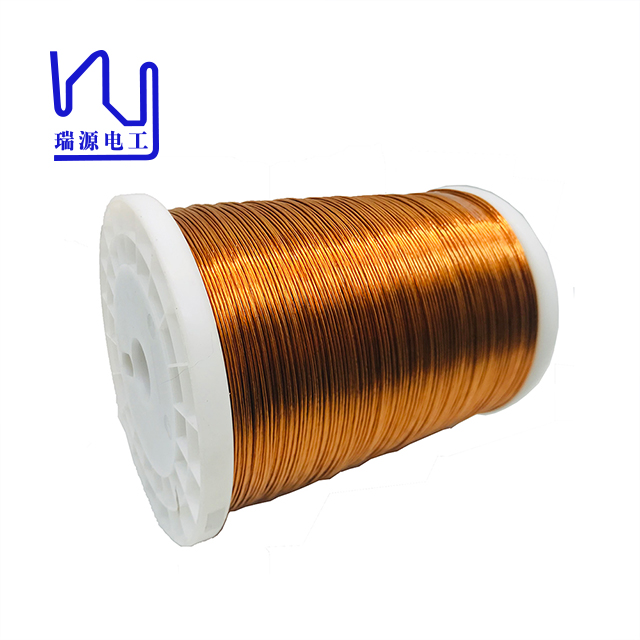
Luoyang Xinzhaohe Aluminum Co., Ltd leverages two decades of metallurgical expertise to produce high-reliability aluminum enamel coil wire through a rigorously controlled four-stage process. This sequence ensures optimal electrical, mechanical, and thermal properties for demanding winding applications.
Rod Drawing
High-purity aluminum rod (99.99% min) undergoes precision cold drawing through diamond or tungsten carbide dies to achieve the target wire diameter, typically ranging from 0.08 mm to 3.00 mm. Tension control is critical to maintain dimensional stability and surface integrity. In-process quality checks include laser micrometer diameter verification at ±0.002 mm tolerance and continuous surface defect monitoring via high-resolution optical systems. Any deviation triggers immediate process adjustment to prevent micro-cracking or ovality.
Annealing
The drawn wire enters a continuous annealing furnace under a controlled inert atmosphere (N₂/H₂ mix) to eliminate work hardening and restore ductility. Temperature profiles are calibrated to achieve a volume resistivity of 0.028264 Ω·mm²/m at 20°C, per IEC 60228 Class 2 standards. Precise dwell time ensures uniform recrystallization without grain growth. Quality control mandates 100% conductivity validation via eddy current testing and periodic bend tests to confirm minimum 8% elongation. Oxygen ingress is monitored to <10 ppm to prevent surface oxidation.
Enameling
A multi-layer polymer coating—typically polyester-imide or polyamide-imide—is applied via precision capillary dies. The wire passes through a series of coating baths and curing ovens with zone-specific temperature gradients (280–480°C). Layer thickness is controlled to 0.03–0.15 mm per coat, with total build adhering to IEC 60317 tolerances. Critical parameters include viscosity management (25–50 cP), solvent evaporation rate, and curing kinetics to ensure pinhole-free insulation. In-line infrared spectroscopy validates cross-linking density, while automated thickness gauges conduct real-time measurements at 10+ points per meter.
Inline Testing and Final QC
Every meter undergoes high-voltage spark testing at 3–6 kV to detect insulation breaches, with reject rates maintained below 5 ppm. Automated optical inspection identifies surface contaminants or coating irregularities. Final quality assurance includes:
Dielectric strength verification (min. 3 kV/0.1 mm)
Thermal endurance testing per ISO 1817
Adhesion assessment via mandrel wrap tests
Dimensional recheck per customer specifications
The entire production flow operates under ISO 9001-certified protocols, with full traceability from rod batch to finished coil. Statistical process control (SPC) data is archived for every production run, enabling rapid root-cause analysis. This integrated approach ensures enamel wire meets stringent automotive, industrial motor, and transformer requirements, where insulation failure risks catastrophic system downtime. Luoyang Xinzhaohe’s process discipline directly translates to extended operational lifespan and reduced field failure rates for end-users.
Packaging & Logistics
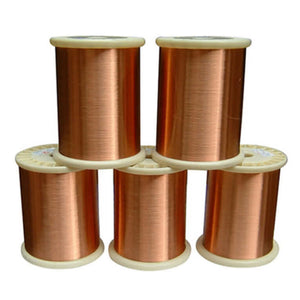
Export Packaging for Enamel Coil Wire: Ensuring Integrity in Global Shipments
At Luoyang Xinzhaohe Aluminum Co., Ltd, with over two decades of specialized manufacturing experience in winding wire products, we recognize that packaging is not merely a logistical necessity but a critical component in preserving product integrity during international transit. For enamel coil wire, which is highly sensitive to mechanical stress, moisture, and contamination, our export packaging system is engineered to meet the rigorous demands of sea freight, the predominant mode of transport for global B2B shipments.
All export-grade enamel coil wire is wound onto precision-engineered spools constructed from high-strength composite or metal materials, designed to maintain dimensional stability under load. These spools are then securely mounted onto robust wooden pallets that comply with ISPM 15 (International Standards for Phytosanitary Measures No. 15). This certification ensures that all wooden packaging materials are heat-treated to eliminate biological contaminants, meeting global customs and quarantine requirements. The use of ISPM 15-compliant pallets prevents shipment delays at international ports and aligns with environmental and biosecurity regulations across major markets including the EU, North America, and Southeast Asia.
Each loaded pallet is stabilized using industrial-grade strapping to prevent axial or lateral displacement of spools during vessel movement, crane handling, or truck transfer. This mechanical securing is essential to avoid deformation of the wire coil, which could lead to unwinding, kinking, or surface damage to the enamel insulation layer.
To address the primary environmental hazard in maritime transport—moisture—we employ a multi-layer moisture-proof packaging protocol. The entire spool assembly is first wrapped in moisture barrier film, a high-performance laminated material featuring aluminum foil and polyethylene layers. This vapor barrier effectively blocks humidity penetration, crucial during prolonged sea voyages where relative humidity can exceed 90%. The sealed package is further enclosed in a heat-shrunk polyethylene outer film, creating a secondary protective envelope that resists condensation, salt spray, and incidental water exposure.
Additionally, desiccant packs are strategically placed within the sealed enclosure to absorb any residual moisture and maintain a low-humidity microenvironment throughout transit. All packaging operations are conducted in climate-controlled environments to minimize initial moisture content before sealing.
This integrated packaging system has been validated through accelerated aging tests and real-world shipping data across routes from China to Europe, South America, and Africa. It ensures that enamel coil wire arrives at the customer’s facility with undamaged insulation, consistent electrical properties, and ready for immediate processing on automated winding lines.
For our international partners, this packaging standard represents not only compliance with logistics best practices but also our commitment to product reliability and supply chain continuity. Luoyang Xinzhaohe Aluminum Co., Ltd applies the same engineering rigor to packaging as to metallurgy, ensuring that every coil performs to specification—regardless of distance traveled.
Sourcing from Luoyang Xinzhaohe
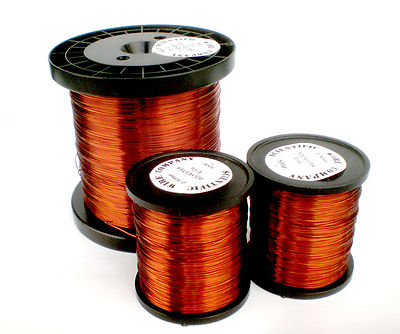
Partner with Luoyang Xinzhaohe: Precision Aluminum Enamel Coil Wire Solutions
Luoyang Xinzhaohe Aluminum Co., Ltd leverages over two decades of specialized metallurgical expertise to deliver aluminum enamel coil wire meeting the most stringent industrial winding requirements. Our vertically integrated manufacturing ecosystem, spanning high-purity aluminum billet production to finished enamel-coated coil, ensures unparalleled control over material properties and process consistency. This integration eliminates third-party variables, directly translating to superior product reliability for critical applications in transformers, motors, and inductors.
Our core strength resides in advanced metallurgical process control. We maintain aluminum purity at 99.85% minimum (Al99.85) through proprietary refining and continuous casting techniques, optimizing electrical conductivity (≥61% IACS) and mechanical ductility. Grain structure homogeneity is rigorously managed via precision temperature profiling during continuous annealing, achieving uniform elongation (15-25%) and tensile strength (60-90 MPa) across all diameters (0.35mm to 5.0mm). This foundational quality minimizes wire breakage during high-speed winding and ensures long-term thermal stability under operational stress.
The enamel coating application process employs automated, multi-stage systems with real-time viscosity and thickness monitoring. Our ISO 9001-certified facility applies solvent-based or UV-curable insulations (Polyester, Polyurethane, Polyesterimide) to IEC 60317 standards, achieving precise build dimensions (±0.01mm tolerance) and dielectric strength exceeding 3 kV. Each production lot undergoes 100% spark testing and batch-level thermal aging validation per NEMA MW 1000, guaranteeing insulation integrity through thermal classes up to 220°C. Statistical process control (SPC) data for critical parameters like elongation, resistivity, and coating adhesion are available for technical review, demonstrating proven process capability indices (Cpk ≥1.33).
Supply chain resilience is engineered into our operational model. Strategic partnerships with primary aluminum suppliers secure raw material continuity, while our 50,000-ton annual production capacity and JIT inventory protocols enable standard lead times of 15 days for common specifications. Dedicated quality assurance teams conduct in-process inspections at 7 critical control points, including surface defect scanning via laser profilometry and microstructure analysis through optical emission spectroscopy. This systematic approach has driven a field failure rate below 50 PPM across major OEM partnerships in the power electronics sector.
For sourcing managers prioritizing technical compliance and supply security, Luoyang Xinzhaohe provides documented process validation data, flexible MOQs down to 500 kg, and engineering support for custom insulation formulations. Partner with us to eliminate winding line disruptions and enhance end-product performance through metallurgically optimized aluminum solutions.
Contact Senior Technical Sourcing Manager Cathy Zhang at cathy@transformerstrip.com to request material test reports, production capacity schedules, or initiate a supplier qualification audit.
| Key Technical Capability | Specification | Verification Standard |
|---|---|---|
| Aluminum Purity | ≥99.85% Al | GB/T 8005.1 / ASTM B221 |
| Electrical Conductivity | ≥61% IACS | IEC 60468 |
| Coating Thickness Tolerance | ±0.01mm | IEC 60317-0-3 |
| Dielectric Strength | ≥3.0 kV | IEC 60851-5 |
| Thermal Class | Up to 220°C (H) | NEMA MW 1000 |
📉 Factory Direct Savings Calculator
Calculate your potential savings by importing enamel coil wire directly from China.