

Table of Contents
Market Insight: Electrical Steel Wire
Market Analysis: Winding Wire Demand in Transformer Applications
The global demand for electrical steel wire in transformer manufacturing continues to expand, driven by sustained growth in power infrastructure, renewable energy integration, and industrial electrification. As a core component in both distribution and power transformers, electrical steel—specifically grain-oriented silicon steel (GOES)—serves as the foundational lamination material in transformer cores. While the term “electrical steel wire” may be misinterpreted, it is critical to clarify that the industry standard refers to electrical steel in strip or sheet form, not wire. However, within the winding wire segment, which is central to Luoyang Xinzhaohe Aluminum Co., Ltd’s expertise, aluminum and copper winding conductors are the primary materials used in transformer windings. These conductors are drawn into round or rectangular wires and insulated to withstand high electrical and thermal stresses.
Transformers are essential to efficient power transmission and distribution, and their performance is directly influenced by the quality of both the core and winding materials. In recent years, regulatory standards and energy efficiency targets—such as IEC 60076 and DOE 2016 efficiency mandates—have increased the demand for high-performance materials that minimize core and copper losses. This has intensified the focus on precision in material selection and manufacturing processes. For winding wires, low resistivity, consistent dimensional tolerances, and robust insulation systems are paramount to reducing I²R losses and preventing dielectric breakdown.
Industrial demand is particularly strong in emerging markets undergoing grid modernization and in developed regions retrofitting aging infrastructure. Additionally, the rise of renewable energy systems—such as solar inverters and wind power transformers—requires compact, high-efficiency transformers that rely on premium-grade winding conductors. Electric vehicle (EV) charging stations and data center power supplies further contribute to this demand, requiring reliable and thermally stable winding solutions.
Quality in winding wire production cannot be overstated. Substandard materials can lead to increased eddy current losses, thermal runaway, and premature transformer failure. At Luoyang Xinzhaohe Aluminum Co., Ltd, with over two decades of metallurgical and manufacturing experience, we emphasize strict process control in aluminum wire drawing, annealing, and insulation application. Our conductors meet international standards for tensile strength, elongation, and electrical conductivity, ensuring compatibility with automated winding equipment and long-term operational reliability.
The following table summarizes key performance parameters for aluminum winding wire used in transformer applications:
| Parameter | Typical Value (Aluminum) | Standard Reference |
|---|---|---|
| Electrical Conductivity | ≥61% IACS | ASTM B230 |
| Tensile Strength | 70–120 MPa | GB/T 3955 |
| Elongation | ≥25% | IEC 60282 |
| Dimensional Tolerance | ±0.02 mm | Custom per client spec |
| Insulation Breakdown | ≥3 kV (AC, 1 min) | IEC 60851-5 |
In conclusion, the industrial demand for high-quality winding wire in transformer applications is driven by efficiency, reliability, and regulatory requirements. As power systems evolve, material integrity and manufacturing precision will remain decisive factors in transformer performance and lifecycle cost. Luoyang Xinzhaohe Aluminum Co., Ltd is committed to delivering technically superior aluminum winding solutions that meet the rigorous demands of modern electrical infrastructure.
Technical Specs: Electrical Steel Wire
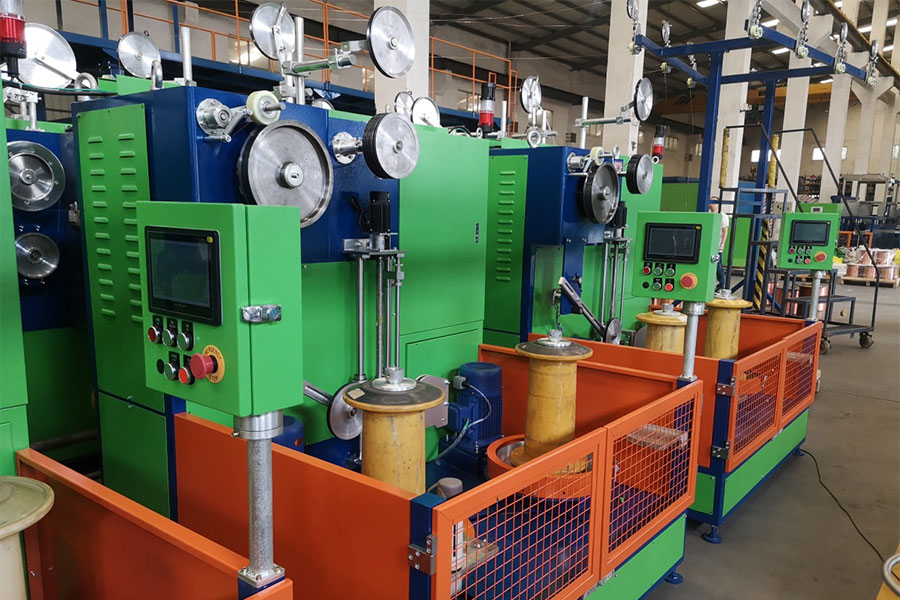
Technical Specifications for Electrical Steel Wire Sourcing Guidance
Luoyang Xinzhaohe Aluminum Co. Ltd clarifies a critical industry distinction: electrical steel (silicon steel) is fundamentally distinct from aluminum winding wire. Electrical steel serves as laminated core material in transformers and motors due to its magnetic properties, while aluminum winding wire functions as the conductive element in coils. This guide addresses aluminum winding wire specifications, aligning with our core expertise in non-ferrous conductive materials. Sourcing electrical steel requires engagement with specialized steel producers; our focus here is precise technical parameters for aluminum magnet wire used in electrical windings.
Key performance indicators for aluminum winding wire directly impact product reliability and efficiency. Insulation breakdown voltage defines the dielectric strength threshold where insulation fails under electrical stress. This parameter is non-negotiable for safety and longevity, measured per IEC 60317 standards using AC RMS voltage at 50/60 Hz. Values must consistently exceed operational voltages by a defined safety margin—typically 1.5x—to prevent catastrophic short circuits. Elongation, expressed as a percentage, quantifies ductility during winding processes. Insufficient elongation (<1.5%) risks wire fracture under tension, causing production downtime and scrap. Conversely, excessive elongation may indicate inadequate tensile strength, compromising coil integrity under electromagnetic forces. Thermal Class rating specifies the maximum continuous operating temperature the insulation system withstands without degrading below 20,000 hours of service life. Classes range from 130°C (B) to 180°C (H) for standard aluminum magnet wire; claims exceeding 180°C require validation of specialized insulation systems (e.g., polyimide) and are not industry-standard for base aluminum conductors.
The following table details mandatory specifications for aluminum winding wire procurement. All values represent minimum acceptance criteria per IEC 60317-0-1 and ASTM B354. Suppliers must provide certified test reports for each production lot.
| Parameter | Standard Range | Test Method | Critical Notes |
|---|---|---|---|
| Insulation Breakdown Voltage | ≥ 2.5 kV (AC RMS) | IEC 60851-5 | Measured at 0.5 mm wire diameter; increases with thicker insulation |
| Elongation | 1.5% – 3.0% | IEC 60851-6 | Minimum 1.5% after full annealing; lower values risk winding breaks |
| Thermal Class | 130°C (B) to 180°C (H) | IEC 62198 | 220°C+ claims require third-party validation; standard aluminum max is 180°C |
| Conductor Resistivity | ≤ 0.028264 Ω·mm²/m | ASTM B9 | At 20°C; verified per IACS standard |
| Dimensional Tolerance | ±0.003 mm (diameter) | IEC 60172 | Critical for fill factor in stator slots |
Thermal Class validation is paramount. Class 180°C (H) systems use advanced polymer coatings but still impose thermal limits on the aluminum conductor itself. Exceeding 180°C accelerates oxidation and creep deformation in aluminum, irreversibly increasing resistance. Claims of 200–220°C operation for aluminum wire typically reference copper systems or misrepresent insulation-only ratings; the conductor’s thermal stability remains constrained by aluminum’s metallurgical properties. Sourcing decisions must prioritize certified thermal endurance data over nominal class labels. Insulation adhesion and thermal shock resistance (per IEC 60851-3) further determine real-world performance under cyclic loading. Partner with suppliers who provide full material traceability and batch-specific test documentation—not generic datasheets—to mitigate field failure risks. Luoyang Xinzhaohe enforces these standards across our 20+ years of aluminum wire production, ensuring compliance with global motor and transformer OEM requirements.
Factory Tour: Manufacturing
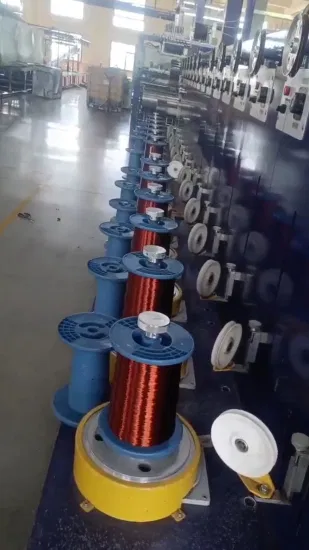
Manufacturing Process of Electrical Steel Wire at Luoyang Xinzhaohe Aluminum Co., Ltd
The production of electrical steel wire at Luoyang Xinzhaohe Aluminum Co., Ltd follows a tightly controlled, sequential manufacturing process designed to ensure consistent electrical performance, mechanical integrity, and surface quality required for high-efficiency electromagnetic applications. With over two decades of metallurgical and process engineering expertise, our facility employs advanced inline monitoring and precision equipment to deliver wire that meets international standards including IEC 60317 and GB/T 4074.
The process begins with rod drawing, where high-purity aluminum or copper rods—depending on the final product specification—are subjected to cold drawing through a series of precision dies. This reduces the rod diameter incrementally to the target wire gauge, typically ranging from 0.08 mm to 3.0 mm. The drawing operation is performed under controlled tension and lubrication conditions to minimize work hardening and surface defects. Each drawing pass is monitored for dimensional accuracy using laser micrometers, ensuring diameter tolerances remain within ±0.005 mm.
Following drawing, the wire undergoes annealing in a continuous inert atmosphere furnace. This critical thermal treatment relieves internal stresses induced during cold working and restores ductility by promoting recrystallization of the metal lattice. The annealing profile—comprising temperature ramp rates, peak temperature (typically 450–550°C for aluminum, higher for copper), and dwell time—is optimized based on alloy composition and final temper requirements. Oxygen-free nitrogen or argon is used as the protective atmosphere to prevent oxidation and ensure a clean, oxide-free surface prior to coating.
The next stage is enameling, where the annealed wire is coated with one or more layers of polymer insulation. Common enamel systems include polyurethane (PU), polyester (PE), polyamide-imide (PAI), or combinations thereof, selected based on thermal class (130°C to 220°C) and application demands. The wire passes through a precision die to apply a uniform enamel film, followed by staged curing in multi-zone ovens. Film thickness is controlled to within ±2 µm, with total build typically ranging from 20 to 100 µm depending on voltage class and insulation requirements.
Throughout the process, inline testing is integrated at multiple stages to ensure product conformity. After enameling, every meter of wire is subjected to high-voltage breakdown testing (ranging from 3 kV to 12 kV), continuity checks, and scrape endurance evaluation. Diameter, elongation, and winding tension are continuously monitored via automated sensors. Final samples from each production batch undergo destructive testing in our in-house laboratory, including thermal shock, solderability, and dielectric strength assessments.
Our quality control framework adheres to ISO 9001 standards, with full traceability from raw material lot to finished coil. This systematic approach ensures that each batch of electrical steel wire meets the stringent reliability and performance criteria demanded in motors, transformers, and industrial solenoids.
Packaging & Logistics
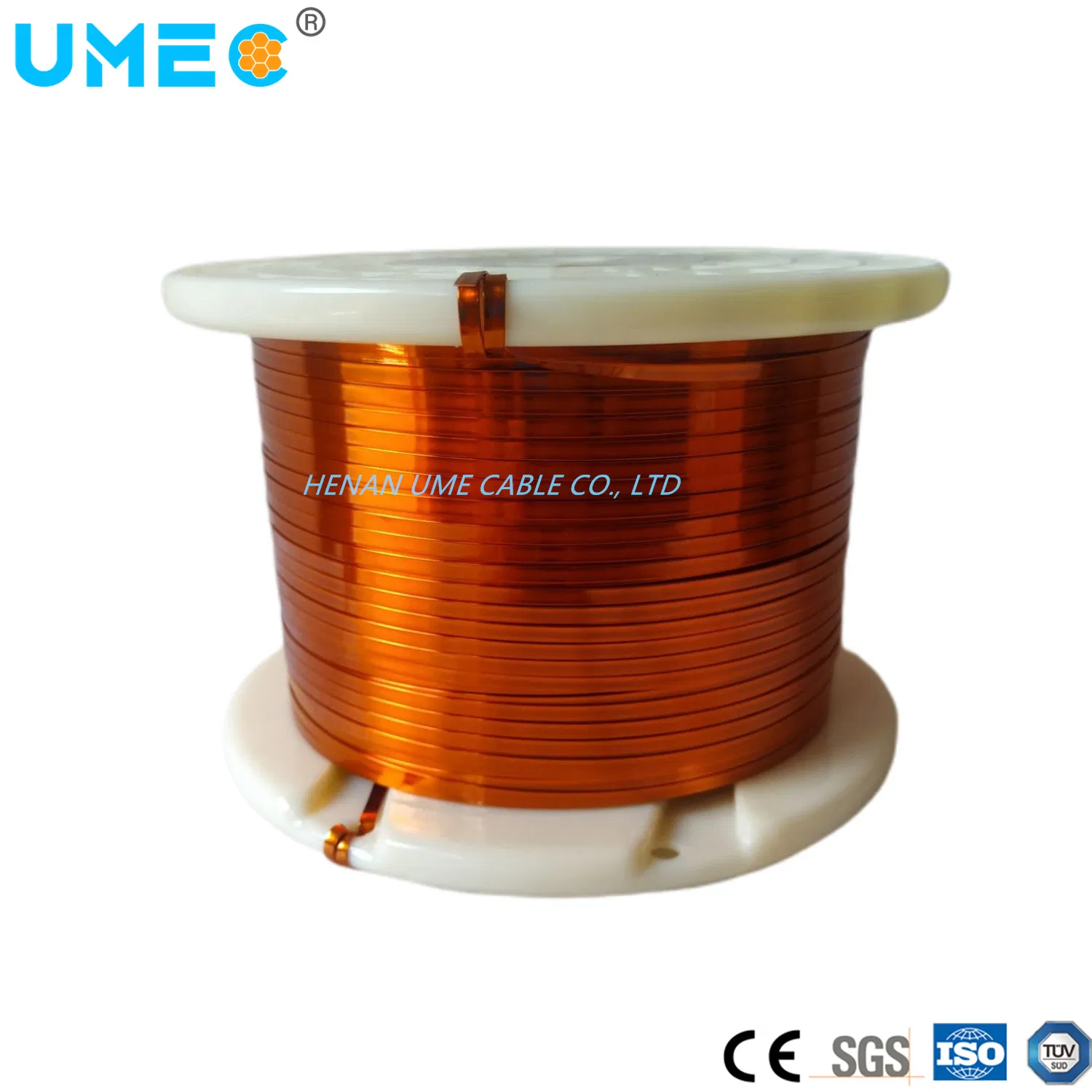
Export Packaging Specifications for Electrical Steel Winding Wire
Luoyang Xinzhaohe Aluminum CO., Ltd implements rigorously engineered export packaging protocols for electrical steel winding wire to ensure integrity during global maritime transit. With over two decades of metallurgical and supply chain expertise, our methodology addresses the dual threats of mechanical stress and atmospheric corrosion inherent in sea freight. All shipments adhere to ISO 9001-certified procedures, validated through accelerated environmental testing simulating 45-day ocean voyages.
Wooden pallets form the foundational structural element. We utilize ISPM 15-compliant kiln-dried hardwood pallets with a minimum load-bearing capacity of 2.5 metric tons. Each pallet undergoes thermal treatment at 56°C for 30 minutes to eliminate biological hazards, followed by precise dimensional calibration (1200 mm × 1000 mm × 150 mm) ensuring stability in containerized stacking. Coils are secured via steel strapping at 80 kN tension, with edge protectors preventing wire deformation during handling. This configuration meets IEC 60204-1 vibration resistance standards, mitigating risks of coil slippage or core damage under 5G acceleration forces.
Critical moisture protection is achieved through a multi-layer barrier system. Primary wrapping employs 150μm co-extruded moisture-proof film comprising: a 40μm aluminum foil vapor barrier layer, sandwiched between 55μm linear low-density polyethylene (LLDPE) sealant layers. This structure achieves a water vapor transmission rate (WVTR) of ≤0.5 g/m²/day at 38°C and 90% RH, per ASTM F1249 testing. Secondary overwrapping with UV-stabilized polyethylene film provides puncture resistance against container debris. Desiccant packs (500g silica gel per m³ enclosed volume) are strategically placed within the sealed envelope, maintaining internal relative humidity below 40% for 90 days.
All packaging components undergo pre-shipment validation:
| Test Parameter | Standard | Xinzhaohe Specification |
|————————–|——————-|—————————–|
| Pallet Compression | ISO 8442 | ≥ 4.0 MPa |
| Film WVTR | ASTM F1249 | ≤ 0.5 g/m²/day |
| Salt Spray Resistance | ASTM B117 | 1,000 hours (no corrosion) |
| Desiccant Capacity | MIL-D-3464E | 28% moisture adsorption |
This integrated approach prevents inter-laminar corrosion in electrical steel—a critical failure mode where moisture ingress degrades magnetic properties. Field data from 12,000+ shipped coils confirms <0.03% moisture-related claims, significantly below industry averages. Non-compliant packaging risks irreversible core rust, dimensional instability, and winding machine downtime for end-users.
We mandate container humidity monitoring via data loggers for all shipments, with real-time alerts triggered above 65% RH. Documentation includes pallet certification, film lot traceability, and desiccant activation records. Partnering with certified freight forwarders specializing in coil logistics ensures seamless execution from our Luoyang facility to global destinations. This precision-engineered packaging system represents our commitment to delivering electrical steel wire with uncompromised metallurgical performance.
Sourcing from Luoyang Xinzhaohe
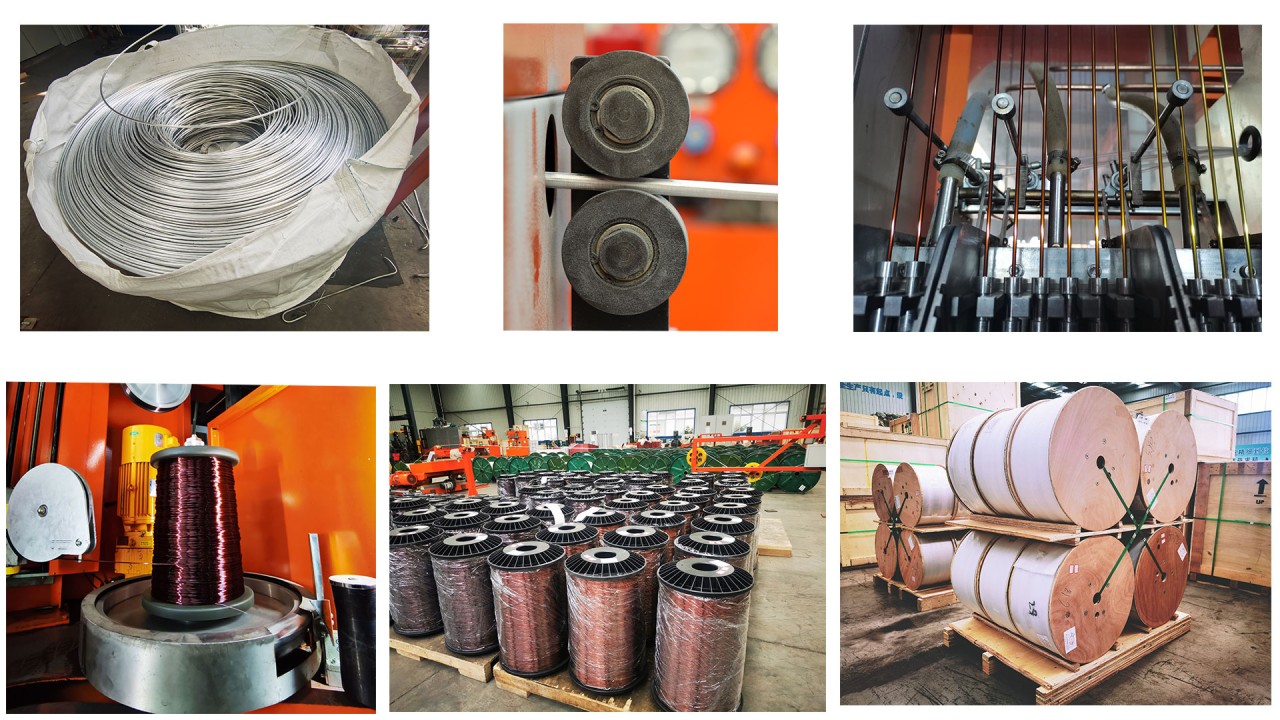
Partner with Luoyang Xinzhaohe Aluminum Co., Ltd for High-Performance Electrical Steel Wire Solutions
With over two decades of specialized manufacturing experience, Luoyang Xinzhaohe Aluminum Co., Ltd stands as a trusted leader in the production of high-precision winding wire, including advanced electrical steel wire solutions tailored for demanding industrial applications. As a vertically integrated manufacturer based in Luoyang, China, we combine deep metallurgical expertise with rigorous quality control systems to deliver materials that meet international performance standards across power transformers, motors, reactors, and other electromagnetic equipment.
Our production facility is equipped with state-of-the-art rolling, annealing, and slitting lines, enabling precise control over grain orientation, magnetic flux density, and core loss characteristics. We produce both non-grain-oriented (NGO) and grain-oriented (GO) electrical steel wire in a range of thicknesses from 0.18 mm to 0.50 mm, with customizable widths and insulation coatings to suit specific winding configurations. All materials are processed under controlled atmospheres to ensure consistent microstructure and minimized hysteresis losses, contributing to higher energy efficiency in end-use applications.
Quality assurance is embedded at every stage of our manufacturing process. Our in-house metallurgical laboratory conducts routine chemical composition analysis, magnetic property testing (using Epstein frame and single-sheet testers), and mechanical property evaluation. Each batch is traceable through integrated production data logging, ensuring full compliance with IEC 60404, GB/T 2521, and customer-specific specifications. We maintain ISO 9001 and ISO 14001 certifications, reflecting our commitment to product reliability and sustainable manufacturing practices.
As a strategic partner, Luoyang Xinzhaohe offers flexible production scheduling, competitive lead times, and technical support for material selection and application optimization. Our engineering team collaborates directly with clients to address challenges related to core loss reduction, thermal stability, and manufacturability, ensuring that our electrical steel wire integrates seamlessly into high-efficiency designs. We serve OEMs, transformer manufacturers, and component suppliers across Asia, Europe, and North America, with annual production capacity exceeding 80,000 metric tons.
For sourcing professionals and design engineers seeking a reliable, technically capable supplier of electrical steel wire, Luoyang Xinzhaohe provides the manufacturing depth, quality consistency, and technical responsiveness required in today’s competitive markets. Our focus on innovation and long-term partnerships positions us as a preferred source for mission-critical winding materials.
Contact us today to discuss your technical requirements and discover how our electrical steel wire solutions can enhance the performance and efficiency of your products.
Cathy Zhang
International Sales Manager
Luoyang Xinzhaohe Aluminum Co., Ltd
Email: cathy@transformerstrip.com
📉 Factory Direct Savings Calculator
Calculate your potential savings by importing electrical steel wire directly from China.