


Table of Contents
Market Insight: Crngo Lamination
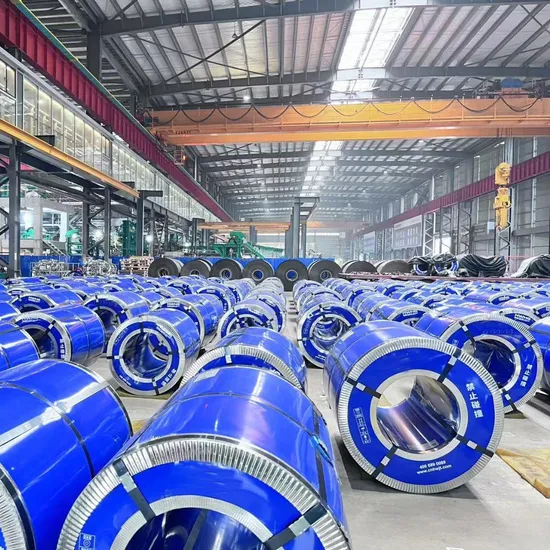
Market Analysis: Silicon Steel (Electrical Steel) for CRNGO Lamination in Power Transformers
Global demand for Cold Rolled Non-Grain Oriented (CRNGO) electrical steel lamination cores is intrinsically linked to the expansion and modernization of electrical power infrastructure. The primary driver remains the continuous deployment of distribution and中小型 power transformers, essential for grid stability, renewable energy integration, and industrial electrification. Stringent international energy efficiency regulations, notably the EU Ecodesign Directive Lot 20 and evolving DOE standards in North America, mandate significant reductions in no-load losses. These losses are predominantly governed by the magnetic properties of the CRNGO core material. Consequently, transformer manufacturers face intense pressure to source CRNGO laminations meeting increasingly demanding core loss (W/kg) and magnetic flux density (B) specifications at standard inductions (e.g., 1.5T, 1.7T). This regulatory environment fundamentally shifts procurement focus from pure cost-per-ton to total cost of ownership, where material quality directly impacts the transformer’s operational energy consumption over its 25-40 year lifespan. A reduction of merely 0.1 W/kg in core loss across a large transformer fleet translates to multi-million dollar savings in lifetime energy costs and substantial carbon emission reductions.
The criticality of CRNGO lamination quality cannot be overstated. Core losses manifest as heat, directly reducing transformer efficiency and operational capacity. Substandard material, characterized by inconsistent grain structure, elevated impurities (sulfur, carbon), inadequate surface insulation, or residual stresses from improper annealing, exhibits significantly higher hysteresis and eddy current losses. Even minor deviations from specification – such as a 5% variation in lamination thickness tolerance or inadequate interlaminar resistance – can increase core losses by 10-15% under operating conditions. This necessitates derating the transformer or leads to premature thermal aging of insulation systems, drastically shortening service life. Precision in lamination geometry is equally vital; burrs from stamping or poor stacking factors (>96% is typical target) create localized flux crowding and hot spots, further degrading performance and reliability. The table below illustrates the sensitivity of core loss to key CRNGO quality parameters.
| Parameter | Target Specification | Effect of Deviation on Core Loss (1.7T) |
|---|---|---|
| Core Loss (P1.7/50) | ≤ 3.20 W/kg | +0.1 W/kg per 0.05 W/kg spec exceedance |
| Lamination Thickness | 0.35mm ±0.004mm | +2-3% loss per 0.01mm increase |
| Interlaminar Resistance | ≥ 4.0 Ω·cm² | <3.0 Ω·cm² increases eddy current loss |
| Stacking Factor | ≥ 96.5% | -0.5% factor = +1-2% effective loss |
Procurement decisions based solely on initial material cost risk severe downstream consequences. Transformers built with non-compliant CRNGO laminations fail efficiency certifications, incur costly redesigns, or suffer field failures due to thermal runaway. Verified quality assurance protocols – including rigorous mill test certificates (MTCs) traceable to IEC 60404-8-7 or ASTM A664 standards, independent core loss validation, and controlled supply chain logistics to prevent damage – are non-negotiable for reliable transformer performance. Luoyang Xinzhaohe Aluminum CO., Ltd leverages two decades of metallurgical expertise to deliver CRNGO laminations where precise control over chemical composition, cold rolling reduction, final annealing atmospheres, and insulating coating application ensures consistent, certified magnetic properties meeting the most stringent global efficiency mandates. The integrity of the lamination directly defines the transformer’s operational efficiency, longevity, and compliance – making quality the paramount sourcing criterion.
Technical Specs: Crngo Lamination
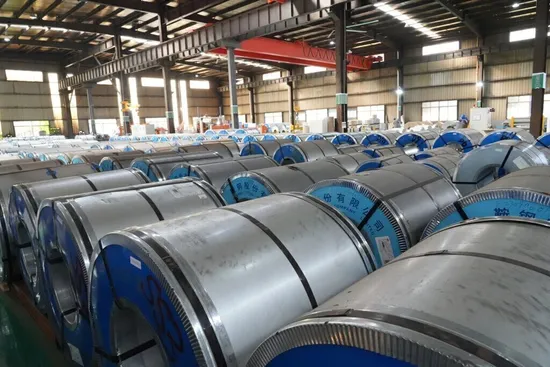
Technical Specifications for CRNGO Lamination
Cold-Rolled Non-Grain-Oriented (CRNGO) electrical steel laminations are critical components in the construction of efficient electromagnetic cores used in motors, generators, transformers, and other rotating electrical machinery. At Luoyang Xinzhaohe Aluminum Co., Ltd., with over two decades of metallurgical and industrial supply chain expertise, we emphasize precision in material performance to ensure optimal device efficiency, thermal stability, and mechanical reliability. The technical evaluation of CRNGO laminations centers on three primary parameters: Core Loss (Iron Loss), Magnetic Flux Density, and Geometric Flatness. These factors directly influence energy conversion efficiency, operational temperature rise, and stack integrity in final assemblies.
Core Loss, also known as Iron Loss, is a measure of the energy dissipated as heat during the magnetization and demagnetization cycles of the steel. It comprises hysteresis loss and eddy current loss and is typically measured under sinusoidal flux conditions at specific frequencies and flux densities. For CRNGO laminations, core loss is standardized at 50 Hz and 1.5 Tesla (T), with common grades ranging from 2.50 W/kg to 6.00 W/kg. Lower core loss values indicate higher material efficiency and are essential for high-performance motors where thermal management and energy savings are critical. Our CRNGO products are manufactured under tightly controlled annealing and coating processes to minimize impurities and internal stress, thereby reducing total core loss.
Magnetic Flux Density (B) refers to the maximum magnetic induction the material can achieve under a given magnetizing force. For CRNGO steel, the typical saturation flux density ranges between 1.8 T and 2.0 T, with guaranteed minimum values at 5000 A/m (B50). Higher flux density allows for compact core designs and improved power density in electromagnetic devices. Our laminations are engineered to maintain consistent magnetic performance across batch production, ensuring uniformity in downstream manufacturing.
Flatness is a critical geometric property that affects lamination stacking factor, core compaction, and air gap control. Poor flatness leads to increased vibration, noise, and localized flux concentration, which degrade efficiency and reliability. We maintain flatness tolerances within ±0.5 mm over a 1000 mm length, achieved through precision leveling and stress-relief annealing. Surface insulation coatings are applied to enhance interlaminar resistance and reduce eddy current losses while preserving dimensional stability.
The following table summarizes the key technical parameters for standard CRNGO lamination grades:
| Parameter | Symbol | Test Condition | Typical Range | Unit |
|---|---|---|---|---|
| Core Loss (Total Iron Loss) | Pv | 50 Hz, 1.5 T | 2.50 – 6.00 | W/kg |
| Core Loss (High Frequency) | Pv | 400 Hz, 1.0 T | 15.0 – 30.0 | W/kg |
| Magnetic Flux Density (B50) | B50 | H = 5000 A/m | ≥1.80 – 2.00 | Tesla (T) |
| Saturation Flux Density | Bsat | H ≥ 20000 A/m | 1.95 – 2.05 | Tesla (T) |
| Electrical Resistivity | ρ | — | 0.40 – 0.55 | μΩ·m |
| Thickness Tolerance | — | Standard Tolerance (e.g., 0.35 mm) | ±0.02 to ±0.04 | mm |
| Flatness | — | Over 1000 mm length | ≤ ±0.5 | mm |
| Interlaminar Resistance | — | Coated surface | ≥10 | Ω·mm² |
These specifications are aligned with international standards including IEC 60404-8-7 and GB/T 2521. All materials undergo rigorous batch testing for magnetic and dimensional compliance, ensuring reliability in high-volume industrial applications.
Factory Tour: Manufacturing
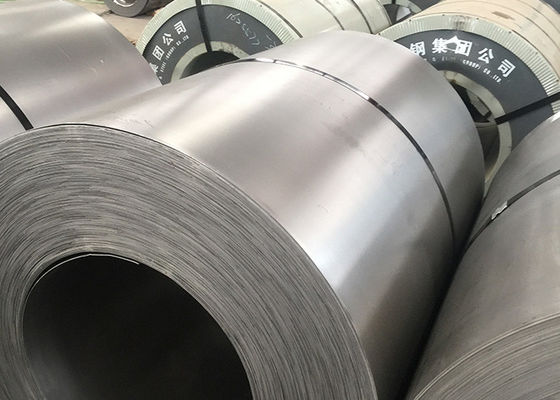
CRNGO Lamination Manufacturing Process at Luoyang Xinzhaohe Aluminum CO.,LTD
Luoyang Xinzhaohe Aluminum CO.,LTD leverages over two decades of specialized metallurgical expertise to produce high-performance Cold Rolled Non-Grain Oriented (CRNGO) electrical steel laminations. Our vertically integrated manufacturing sequence ensures optimal magnetic properties, dimensional accuracy, and insulation integrity critical for motor and generator cores. The process begins with precision slitting of master coils to specified widths, utilizing servo-controlled tension systems to maintain edge straightness within ±0.05 mm and minimize burr formation. This initial stage employs high-speed rotary shears with laser-guided alignment, ensuring consistent strip geometry essential for subsequent stacking efficiency. Rigorous in-line optical inspection verifies edge quality and width tolerance before material advancement.
Annealing follows slitting to relieve mechanical stresses induced during rolling and slitting operations. Laminations undergo continuous annealing in a controlled nitrogen-hydrogen atmosphere furnace at 750–820°C, precisely regulating dew point (≤–40°C) and oxygen content (<10 ppm) to prevent oxidation and decarburization. This thermal treatment restores magnetic permeability and reduces core loss by enabling dislocation recovery and grain growth. Post-annealing, laminations are cooled under tension to minimize residual stress, with real-time monitoring of temperature uniformity across the strip width to ensure consistent magnetic performance.
Insulation coating application is executed via roll-coating or spray deposition, applying thin, uniform layers of inorganic or hybrid organic-inorganic coatings (e.g., C5 or C6 classifications per IEC 60404-11). Coating weight is maintained at 0.8–1.5 g/m² per side through closed-loop viscosity and thickness control systems. The coating cures in a dedicated oven at 450–550°C, forming a dielectric layer that suppresses eddy current losses while providing interlaminar resistance ≥50 Ω·cm². Adhesion is validated through cross-hatch testing per ISO 2409, with surface resistivity measured via four-point probe methodology.
Final precision cutting utilizes high-tolerance progressive or rotary dies to stamp laminations to exact geometries. Our CNC-controlled systems achieve positional accuracy of ±0.02 mm and burr heights ≤5% of material thickness, critical for minimizing air gaps in stacked cores. Stacking factor optimization is achieved through precision leveling and chamfering of cut edges.
Integrated quality control is enforced at every stage through automated and manual verification protocols. Key parameters are monitored per ISO 9001 and IATF 16949 standards, with critical metrics summarized below.
| Process Stage | Critical Parameter | Test Method | Acceptance Criterion |
|---|---|---|---|
| Slitting | Edge straightness | Laser profilometry | ±0.05 mm max deviation |
| Annealing | Core loss (1.5T/50Hz) | Epstein frame (IEC 60404-2) | ≤3.20 W/kg |
| Insulation Coating | Interlaminar resistance | Four-point probe (IEC 60404-11) | ≥50 Ω·cm² |
| Precision Cutting | Burr height | Optical microscopy | ≤5% material thickness |
This disciplined sequence, combined with our metallurgical process control and supply chain traceability, delivers CRNGO laminations with repeatable magnetic efficiency and mechanical reliability. Each batch undergoes final certification, including full magnetic property validation and dimensional reports, ensuring seamless integration into demanding electromechanical applications.
Packaging & Logistics
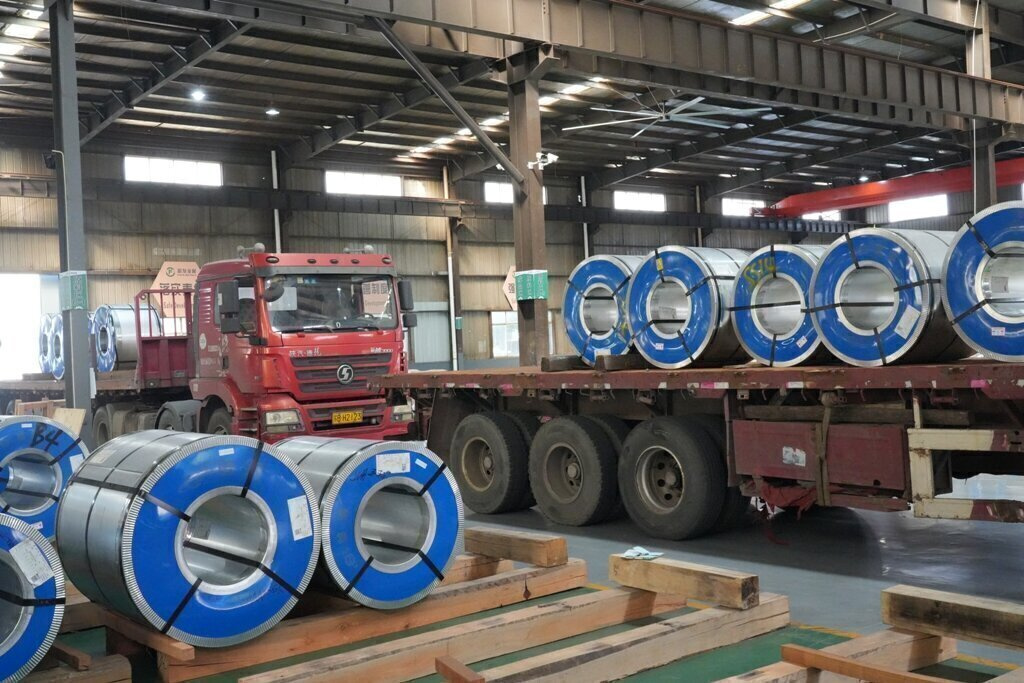
Export Packaging Standards for CRNGO Lamination – Luoyang Xinzhaohe Aluminum Co., Ltd
At Luoyang Xinzhaohe Aluminum Co., Ltd, with over two decades of specialized experience in the production and international distribution of cold-rolled non-grain-oriented (CRNGO) silicon steel laminations, we maintain rigorous export packaging protocols to ensure product integrity during global transit. Our packaging system is engineered to meet the stringent demands of sea freight, the most common mode of transport for bulk electrical steel shipments, while mitigating risks associated with moisture, mechanical stress, and environmental exposure.
All CRNGO lamination coils and cut-to-length stacks are secured on high-strength wooden pallets constructed from kiln-dried, ISPM-15 compliant hardwood. These pallets are designed to support heavy loads, typically ranging from 3 to 10 metric tons per unit load, and are built to withstand the dynamic forces encountered during containerized ocean transport. The structural rigidity of the pallet prevents deformation during stacking and handling, ensuring dimensional stability of the laminations throughout the supply chain.
Each palletized load is first wrapped with industrial-grade moisture-proof plastic film, applied using automated stretch wrapping equipment to achieve uniform tension and complete surface coverage. This multi-layer encapsulation forms a critical vapor barrier, protecting the silicon steel from salt-laden air, condensation, and humidity fluctuations prevalent in maritime environments. The film is UV-stabilized and puncture-resistant, providing durable protection during extended voyages and port layovers.
In addition to primary wrapping, desiccant packs are strategically placed within the sealed film envelope to absorb residual moisture and maintain a low-humidity microclimate around the laminations. For high-sensitivity orders or shipments to tropical regions, vacuum-sealed vapor corrosion inhibitor (VCI) bags are available upon request, offering enhanced protection against oxidation and surface degradation.
All packaged units are labeled with durable, weather-resistant tags indicating product specifications, batch numbers, weight, handling instructions, and destination details. These labels are affixed to both the pallet and outer film to ensure traceability even after partial unwrapping. Load configurations are optimized for standard 20-foot and 40-foot dry containers, maximizing space utilization while allowing for proper ventilation and secure bracing within the container.
Our packaging methodology aligns with international freight safety standards, including those set by the International Maritime Organization (IMO) and the International Safe Container Convention (CSC). Every shipment undergoes final inspection prior to dispatch to verify packaging integrity, load stability, and compliance with customer-specific requirements.
By integrating robust materials, precision engineering, and proven logistics practices, Luoyang Xinzhaohe ensures that CRNGO laminations arrive at their destination in pristine condition, ready for immediate processing in motor, transformer, and generator manufacturing applications.
Sourcing from Luoyang Xinzhaohe
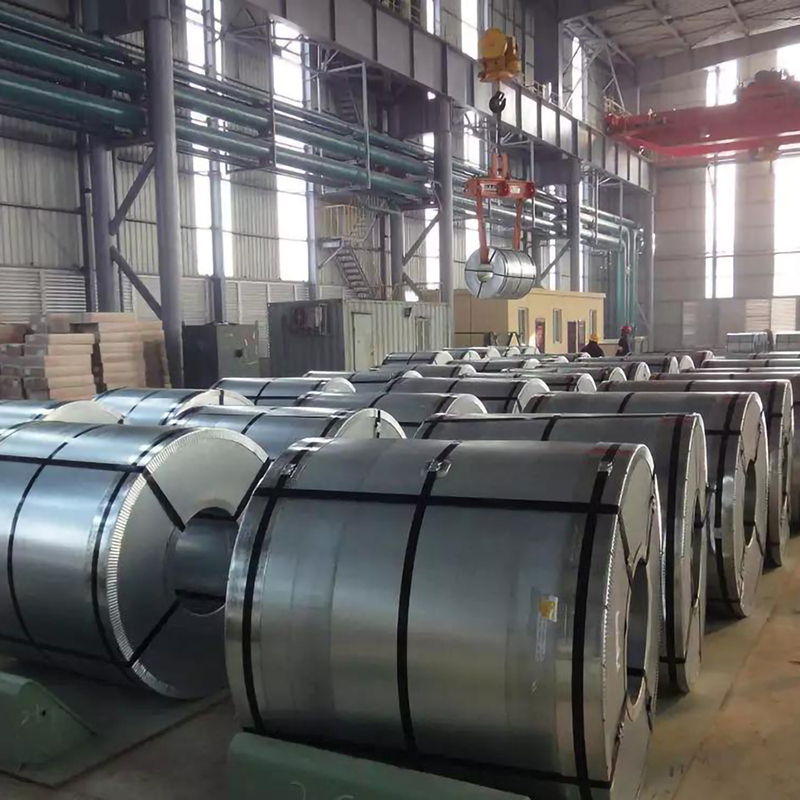
Partner with Luoyang Xinzhaohe for Precision CRNGO Lamination Supply
Luoyang Xinzhaohe Aluminum Co., Ltd leverages over two decades of specialized metallurgical expertise in silicon steel production to deliver CRNGO (Cold Rolled Non-Grain Oriented Electrical Steel) laminations meeting the most stringent global transformer and motor manufacturing requirements. Our vertically integrated facility in Luoyang, China, is engineered for consistent output of high-permeability, low-core-loss CRNGO strip, directly addressing the critical efficiency and thermal performance demands of modern electromagnetic components. We eliminate supply chain intermediaries, providing OEMs and core stackers with engineered material solutions backed by rigorous process control from melt shop to finished slit coil.
Our production capacity exceeds 20,000 metric tons monthly across dedicated CRNGO lines, ensuring reliable fulfillment for high-volume contracts. Advanced continuous annealing lines (CAL) precisely control decarburization and grain growth, optimizing magnetic properties across standard and custom grades (e.g., 50W470 to 50W1300). State-of-the-art precision slitting systems achieve tight dimensional tolerances of ±0.05mm on width and edge camber, critical for automated stacking and minimized air gaps in core assemblies. All processing adheres to ISO 9001 and IATF 16949 certified quality management systems, with full traceability from raw material batch to final shipment.
Key production capabilities are summarized below:
| Parameter | Specification Range | Control Standard |
|---|---|---|
| Thickness Range | 0.35mm – 0.65mm | ASTM A664 / IEC 60404-8 |
| Width Capacity | 80mm – 1250mm | ±0.05mm tolerance |
| Core Loss (P1.5/50) | 2.20 – 4.70 W/kg | <5% batch variation |
| Monthly Output | 20,000+ metric tons | On-time delivery >98% |
Metallurgical consistency is non-negotiable in CRNGO applications. Our in-house spectrographic analysis and Epstein frame testing validate core loss (P1.5/50, P1.0/400) and permeability (A8/10k) against customer specifications for every production lot. Automated surface inspection systems detect micro-defects impacting lamination insulation integrity, while controlled tension winding prevents coil buckling during high-speed stamping. This technical rigor minimizes scrap rates in downstream stamping and stacking operations, directly improving our partners’ production yield.
Supply chain resilience is engineered into our operations. Strategic partnerships with major Chinese steel mills secure priority access to high-purity low-carbon steel feeds, while our dual-warehouse network in Shanghai and Tianjin enables rapid container loading with 15-day average lead times for FCL shipments. We provide comprehensive material certifications including mill test reports (MTRs), RoHS compliance documentation, and custom packaging for automated handling.
For transformer and motor manufacturers requiring CRNGO laminations with guaranteed magnetic performance and dimensional precision, Luoyang Xinzhaohe offers a technically validated supply partnership. Contact Cathy Zhang, International Sales Director, to discuss your specific lamination requirements and receive a production capacity assessment. Email cathy@transformerstrip.com with your target grade, thickness, annual volume, and core loss specifications for a tailored technical proposal within 24 hours. Partner with engineered reliability.
📉 Factory Direct Savings Calculator
Calculate your potential savings by importing crngo lamination directly from China.