


Table of Contents
Market Insight: Crgo Steel Grades
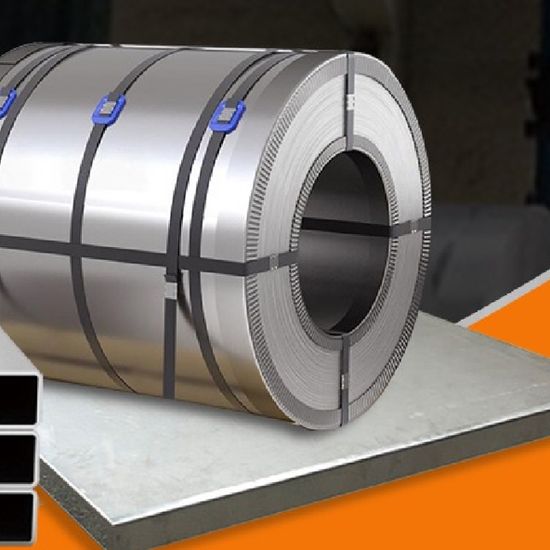
Market Analysis: Silicon Steel (Electrical Steel)
The global demand for Cold-Rolled Grain-Oriented (CRGO) silicon steel continues to grow, driven primarily by the expansion and modernization of electrical power infrastructure. CRGO steel is a specialized ferrous alloy engineered for high magnetic permeability and low core loss, making it the material of choice for transformer cores in power generation, transmission, and distribution systems. As energy demands rise—particularly in emerging economies—and grid efficiency becomes a strategic priority, the industrial demand for high-quality CRGO steel has intensified.
Transformers account for over 90% of CRGO steel consumption worldwide. These devices operate continuously, often for decades, and their efficiency directly impacts energy conservation and operational costs. The magnetic properties of CRGO steel determine the transformer’s no-load losses, which constitute a major portion of total energy losses over its lifecycle. High-performance CRGO grades, such as M4, M5, and M6, are designed to minimize core loss (typically measured in W/kg at 1.7 T and 50 Hz), thereby enhancing transformer efficiency and reducing greenhouse gas emissions from power systems.
Quality in CRGO steel is not a secondary consideration—it is a critical performance determinant. Variations in grain orientation, coating uniformity, thickness tolerance, and magnetic domain structure significantly affect the final product’s efficiency and reliability. Inferior grades may exhibit higher hysteresis and eddy current losses, leading to increased heat generation, reduced lifespan, and higher total cost of ownership. Moreover, inconsistent mechanical properties can complicate core stacking and increase manufacturing defects during transformer assembly.
Regulatory standards such as IEC 60404-8-7, GB/T 2521.2, and ASTM A876 define strict requirements for CRGO steel, including guaranteed maximum core loss and minimum magnetic induction. Compliance with these standards ensures interoperability, safety, and long-term performance in grid applications. Leading utilities and transformer manufacturers increasingly specify high-tier CRGO grades with domain refinement or laser-scribed treatments to achieve ultra-low loss performance, particularly in high-efficiency and ultra-high-voltage (UHV) transformer designs.
The market is also responding to technological shifts, including the integration of renewable energy sources and the deployment of smart grids, which require more responsive and efficient power conversion systems. These trends are accelerating demand for advanced CRGO steel with superior high-frequency performance and thermal stability.
Luoyang Xinzhaohe Aluminum Co., Ltd brings over two decades of metallurgical and supply chain expertise to the silicon steel sector. While primarily focused on aluminum-based solutions, our technical understanding of electrical steel markets enables us to support clients with data-driven sourcing strategies and quality benchmarking for CRGO materials. As transformer manufacturers seek to balance cost, performance, and compliance, access to technically vetted, consistent-grade CRGO steel is paramount. The future of power transmission depends not only on engineering innovation but also on the integrity of the materials that form its foundation.
Technical Specs: Crgo Steel Grades
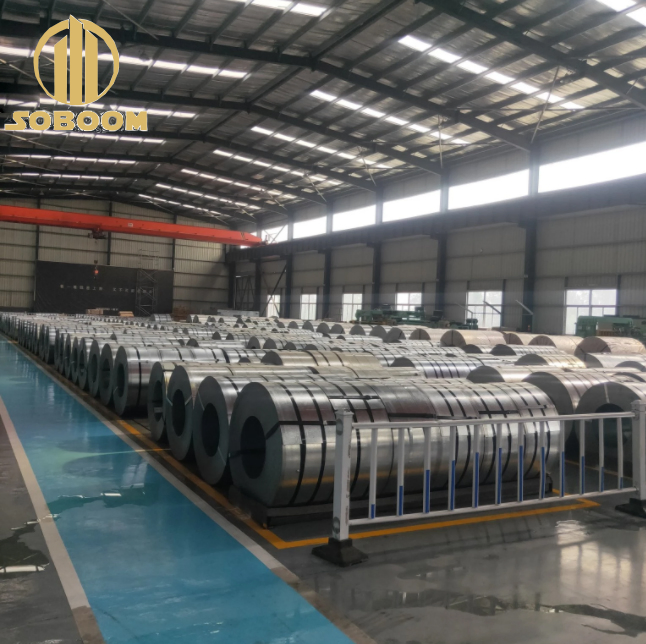
Technical Specifications for CRGO Steel Grades
As a metallurgical specialist with Luoyang Xinzhaohe Aluminum CO., Ltd., leveraging our 20+ years of advanced metal processing expertise, we provide critical technical specifications for Cold Rolled Grain Oriented (CRGO) silicon steel. These parameters are fundamental for transformer core efficiency, thermal management, and overall electromagnetic performance. Precise adherence to these metrics ensures optimal energy conversion and regulatory compliance in high-efficiency electrical equipment. Core loss (iron loss) and magnetic flux density represent the primary performance indicators, directly impacting no-load losses and core saturation characteristics. Flatness is equally critical, governing lamination stacking accuracy and minimizing air gaps that degrade magnetic circuit integrity.
The following table details the essential technical parameters for standard CRGO grades, aligned with IEC 60404-2 and equivalent international specifications. Values represent typical guaranteed ranges for commercial production under controlled industrial conditions. Core loss (P1.7/50) is measured at 1.7 Tesla flux density and 50 Hz frequency, expressed in watts per kilogram (W/kg). Magnetic flux density (B8) is reported at 800 A/m magnetic field strength, in Tesla (T). Thickness tolerance applies to standard 0.23 mm and 0.27 mm gauges, while flatness is quantified using the I-Unit standard, where lower values indicate superior planarity.
| Grade Designation | Core Loss P1.7/50 (W/kg) | Magnetic Flux Density B8 (T) | Thickness Tolerance (mm) | Flatness (I-Unit) |
|---|---|---|---|---|
| M0H (M090-27) | ≤ 0.90 | ≥ 2.02 | ± 0.003 | ≤ 15 |
| M1H (M100-27) | ≤ 1.00 | ≥ 2.02 | ± 0.003 | ≤ 15 |
| M2H (M110-27) | ≤ 1.10 | ≥ 2.01 | ± 0.003 | ≤ 15 |
| M3H (M120-27) | ≤ 1.20 | ≥ 2.01 | ± 0.003 | ≤ 15 |
| M5H (M130-27) | ≤ 1.30 | ≥ 2.00 | ± 0.003 | ≤ 15 |
| M7H (M140-27) | ≤ 1.40 | ≥ 2.00 | ± 0.003 | ≤ 15 |
| M10H (M155-27) | ≤ 1.55 | ≥ 1.98 | ± 0.003 | ≤ 15 |
| M12H (M170-27) | ≤ 1.70 | ≥ 1.97 | ± 0.003 | ≤ 15 |
Note: P1.7/50 testing per IEC 60404-2 using Epstein frame or single sheet tester. B8 measured via DC hysteresis loop. Flatness measured per ASTM A6/A6M using 1m straightedge method. Tighter tolerances available for premium grades.
Understanding these specifications is non-negotiable for transformer manufacturers targeting Tier 1 or Tier 2 efficiency standards. Lower core loss values directly correlate with reduced operational energy waste over the transformer’s lifespan, a key factor in total cost of ownership calculations. Higher B8 values enable more compact core designs without premature saturation. Consistent flatness below 15 I-Units is mandatory for automated stacking processes, preventing burr formation and ensuring uniform clamping pressure. Deviations beyond specified flatness tolerances increase localized core losses by up to 15% due to interlaminar flux disturbances. Our production facilities implement rigorous在线 quality control, including laser-based flatness monitoring and statistical core loss validation, to guarantee conformance to these parameters across every coil shipment. Material traceability and certified test reports are standard for all CRGO deliveries, supporting your compliance documentation and supply chain transparency requirements.
Factory Tour: Manufacturing
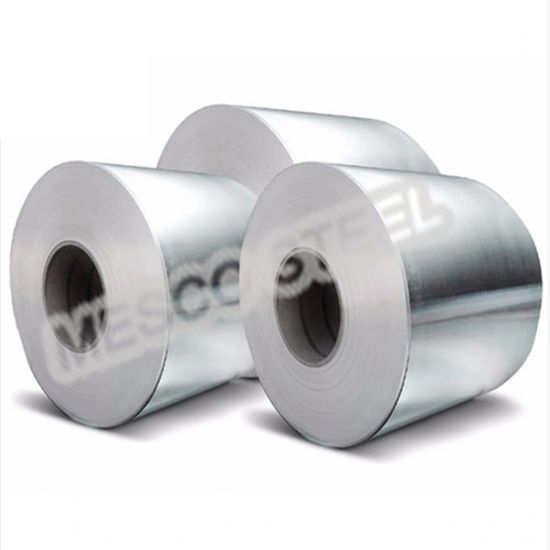
Manufacturing Process of Cold-Rolled Grain-Oriented (CRGO) Silicon Steel
The production of Cold-Rolled Grain-Oriented (CRGO) silicon steel is a highly controlled metallurgical process designed to optimize magnetic properties, particularly directional permeability and low core loss, which are critical for high-efficiency electrical transformers. At Luoyang Xinzhaohe Aluminum Co., Ltd, with over two decades of experience in advanced metal processing, our CRGO steel manufacturing integrates precision engineering with rigorous quality control across four primary stages: slitting, annealing, insulation coating, and precision cutting.
The process begins with slitting, where master coils of cold-rolled grain-oriented silicon steel are longitudinally cut into narrower strips to meet customer-specific width requirements. This operation is performed on tension-leveling slitting lines equipped with high-precision rotary knives to ensure edge consistency and dimensional accuracy. Maintaining tight tolerances during slitting is essential to prevent edge burrs and dimensional deviations that could affect downstream performance in core stacking. Each slit coil undergoes visual inspection and width verification using laser micrometry to confirm compliance with ASTM A876 and IEC 60404 standards.
Following slitting, the material proceeds to annealing, a critical thermal treatment that relieves residual stresses and enhances magnetic domain structure. The annealing process is conducted in a continuous furnace under a controlled nitrogen-hydrogen atmosphere to prevent oxidation and decarburization. Temperature profiles are precisely managed, typically peaking between 800°C and 850°C, to promote grain growth along the <110> crystallographic direction, thereby maximizing magnetic flux density (B₈ ≥ 1.85 T). In-process monitoring via thermocouples and gas analyzers ensures uniform thermal exposure and atmospheric purity throughout the annealing cycle.
After annealing, an insulation coating is applied to the strip surface to minimize eddy current losses and provide interlaminar resistance. A thin, adherent layer of phosphate-based or colloidal silica coating is uniformly deposited using roll-coating technology. The coating weight is tightly controlled within 0.5–1.5 g/m² per side, verified through gravimetric analysis. The coated strip is then cured in a secondary furnace at approximately 500°C to ensure complete polymerization and bonding strength. Electrical resistance testing is performed to confirm interlaminar resistance exceeds 3 Ω·cm², as required for high-voltage transformer applications.
The final stage is precision cutting, where the coated strip is cut transversely into laminations or custom shapes using high-speed, servo-driven cut-to-length lines. Tooling is maintained to sub-micron tolerances to ensure squareness, burr control (< 0.02 mm), and dimensional repeatability. All cut parts are subjected to 100% dimensional inspection using automated optical gauging systems.
Quality Control is integrated throughout the process. Key parameters monitored include core loss (P₁.7/50), magnetic induction (B₈), coating weight, surface roughness (Ra ≤ 1.0 µm), and mechanical flatness. Statistical process control (SPC) data is logged for full traceability, and certification packages include mill test reports compliant with international standards.
Packaging & Logistics
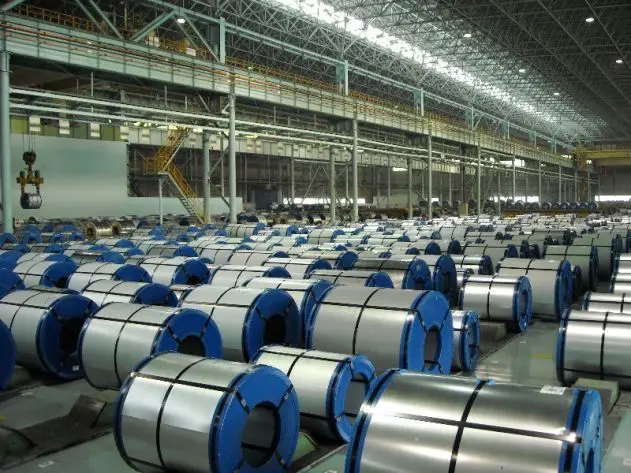
EXPORT PACKAGING PROTOCOL FOR CRGO STEEL COILS
Luoyang Xinzhaohe Aluminum CO., Ltd. implements rigorously engineered export packaging protocols for Cold Rolled Grain Oriented (CRGO) silicon steel coils to ensure integrity during global maritime transit. With over two decades of specialization in electrical steel logistics, our methodology addresses the hygroscopic sensitivity and dimensional precision critical to CRGO performance. All shipments adhere to ISO 11607 and IEC 60404-9 standards, prioritizing corrosion prevention and structural stability against ocean freight hazards.
Palletization forms the foundational safeguard. CRGO coils are mounted on ISPM 15-certified hardwood pallets, constructed from kiln-dried, debarked timber with a minimum bending strength of 22 MPa. Pallet dimensions are customized to coil outer diameter (OD) and weight, ensuring load distribution does not exceed 1.8 MPa surface pressure on the steel core. Each pallet undergoes pre-shipment inspection for splintering, warping, or residual moisture content above 12%—verified via calibrated moisture meters. Coils are centered with positional tolerance ≤3 mm and secured using 32 mm polypropylene strapping at 80% minimum break strength tension, applied in a cross-pattern per ASTM D3953. This configuration prevents axial displacement during vessel motion, validated through dynamic load simulation testing replicating 1.5G lateral forces.
Moisture barrier integrity is non-negotiable for CRGO’s insulating oxide layer. Coils undergo triple-layer encapsulation: first, a 120-micron vapor corrosion inhibitor (VCI) film compliant with MIL-PRF-22019F directly contacts the steel surface; second, a 0.2 mm aluminum foil laminate blocks UV penetration and reduces water vapor transmission rate (WVTR) to ≤0.5 g/m²/24h; third, an outer 150-micron high-density polyethylene (HDPE) shrink wrap provides puncture resistance. Seams are heat-sealed at 180°C for 5 seconds, achieving weld strength ≥80% of base film integrity. Relative humidity within the sealed envelope is maintained below 40% RH through silica gel desiccants (200 g/m³ capacity), monitored via embedded humidity indicator cards. This system exceeds ASTM F1249 WVTR requirements by 40%, critical for voyages exceeding 30 days.
Marine transit security integrates pallet and barrier systems within ISO container environments. Palletized coils are arranged in container stacks with ≤150 mm inter-coil spacing, immobilized using inflatable dunnage bags pressurized to 0.15 bar. Container flooring is lined with 3 mm moisture-absorbing kraft paper, and temperature/humidity data loggers record conditions at 4-hour intervals throughout transit. Our logistics partners enforce strict container pre-inspection protocols: floor moisture ≤18% MC, no visible condensation, and door seal integrity verified via smoke testing. This holistic approach has maintained a 99.7% damage-free delivery rate across 14,000+ TEUs shipped since 2003.
Pre-shipment verification includes non-destructive testing of weld seams via vacuum decay analysis and pallet load capacity validation at 150% rated weight. Documentation packages contain moisture barrier test certificates, ISPM 15 stamps, and real-time humidity logs—ensuring full chain-of-custody accountability. This precision-engineered packaging framework eliminates moisture-induced interlamination short circuits and mechanical deformation, guaranteeing CRGO coils arrive with unaltered magnetic properties.
| Packaging Component | Specification | Compliance Standard |
|---|---|---|
| Pallet Material | ISPM 15 hardwood, ≤12% MC | ISO 13370 |
| Primary Barrier | 120µ VCI film | MIL-PRF-22019F |
| Secondary Barrier | 0.2 mm Al foil laminate | ASTM E96 |
| Outer Wrap | 150µ HDPE shrink film | ASTM D2873 |
| Desiccant Capacity | 200 g/m³, 40% RH threshold | ASTM D1193 |
Sourcing from Luoyang Xinzhaohe
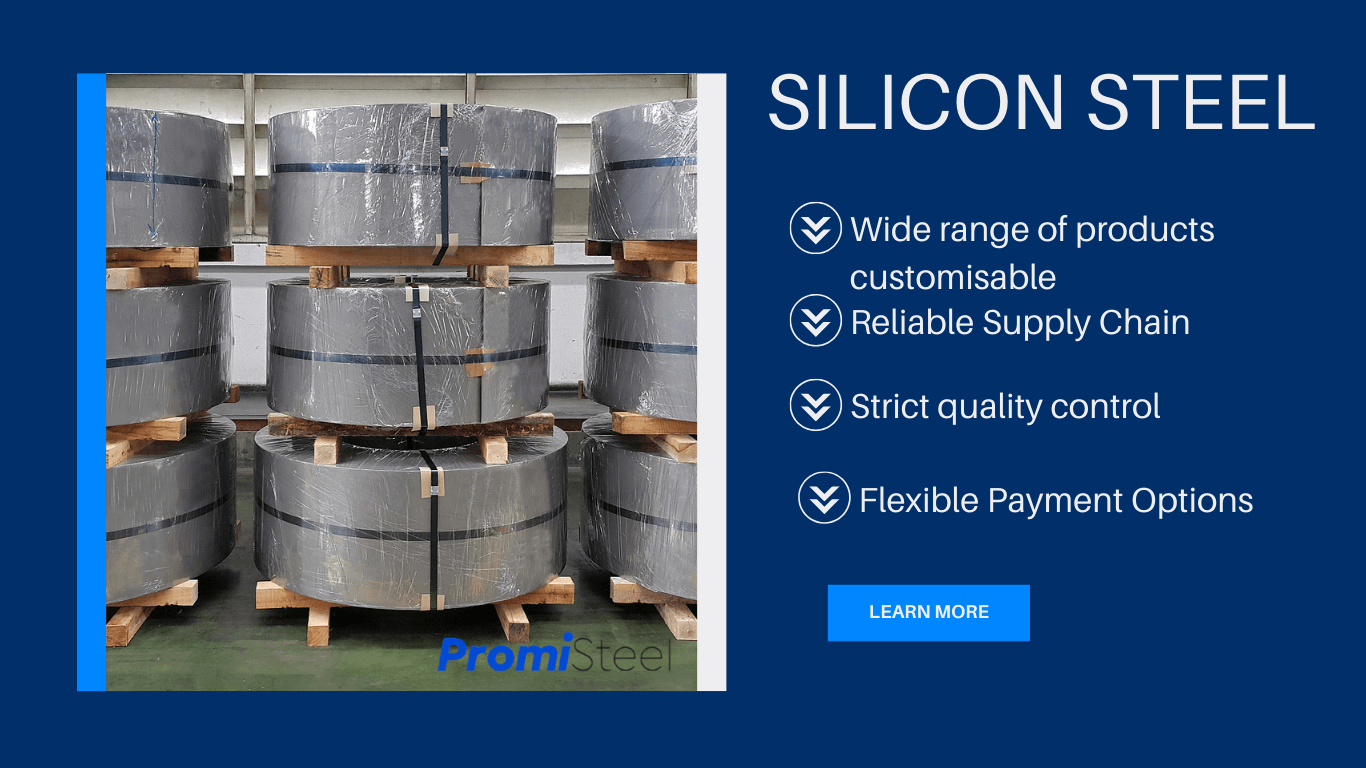
Partner with Luoyang Xinzhaohe Aluminum Co., Ltd for Premium Silicon Steel Solutions
With over two decades of specialized expertise in the production and supply of high-performance silicon steel, Luoyang Xinzhaohe Aluminum Co., Ltd stands as a trusted industrial partner for global manufacturers in the electrical and transformer sectors. Our vertically integrated manufacturing infrastructure, combined with rigorous quality control protocols, enables us to deliver non-oriented and grain-oriented electrical steel grades that meet international standards including IEC 60404, ASTM A664, and GB/T 13789. Our facility is equipped with advanced rolling, annealing, and insulating lines, ensuring precise control over magnetic properties, core loss, and lamination performance.
Our production capacity is supported by a fully automated cold-rolling mill and continuous annealing lines designed specifically for electrical steel. This allows for tight dimensional tolerances, uniform grain structure, and optimized magnetic induction—critical parameters for high-efficiency transformers, motors, and generators. We specialize in CRGO (Cold-Rolled Grain-Oriented) and NON-CRGO (Cold-Rolled Non-Grain-Oriented) silicon steel, with thickness ranges from 0.18 mm to 0.50 mm and silicon content tailored to application-specific demands. Each batch undergoes comprehensive metallurgical analysis, including Epstein frame testing and B50/B80 magnetic induction measurements, ensuring consistency and compliance.
Quality assurance is embedded at every stage of production. Our in-house laboratory is accredited to conduct full mechanical and electromagnetic characterization, including core loss (W15/50, W17/50), iron loss, and coating weight analysis. Surface inspection systems based on machine vision technology detect micro-defects in real time, minimizing non-conformities. We maintain strict adherence to ISO 9001 quality management systems and provide full material traceability from coil to shipment.
As a strategic supplier, Luoyang Xinzhaohe prioritizes long-term collaboration through technical support, just-in-time delivery models, and customized packaging solutions for both domestic and international logistics. Our engineering team works directly with clients to optimize material selection based on operating frequency, flux density requirements, and thermal performance targets.
| Parameter | Capability Range |
|---|---|
| Thickness | 0.18 mm – 0.50 mm |
| Width | Up to 1,250 mm |
| Silicon Content | 2.0% – 3.5% (adjustable) |
| Magnetic Induction (B800) | ≥ 1.80 T (CRGO), ≥ 1.55 T (NON-CRGO) |
| Core Loss (P15/50) | ≤ 1.20 W/kg (CRGO), ≤ 3.80 W/kg (NON-CRGO) |
| Coating Types | C3, C4, C5 (phosphate, chromate-free options available) |
We invite technical buyers, procurement managers, and R&D engineers to engage with our team for material data sheets, sample requests, or direct mill audits. Partnering with Luoyang Xinzhaohe ensures access to stable supply chains, competitively priced high-grade silicon steel, and responsive engineering collaboration.
Contact us at cathy@transformerstrip.com to discuss your specifications and optimize your electrical steel sourcing strategy.
📉 Factory Direct Savings Calculator
Calculate your potential savings by importing crgo steel grades directly from China.