


Table of Contents
Market Insight: Crgo Core Transformer
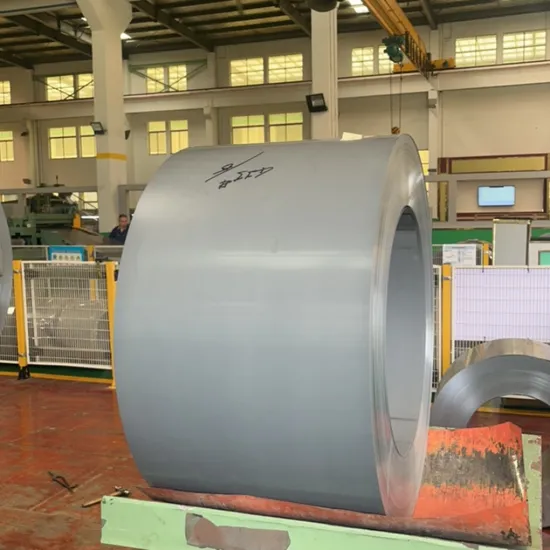
Market Analysis Silicon Steel Electrical Steel for CRGO Core Transformers
Global transformer manufacturing faces escalating demand driven by grid modernization, renewable energy integration, and rising electricity consumption. This directly fuels the requirement for high-performance Cold Rolled Grain Oriented (CRGO) silicon steel, the critical core material for power and distribution transformers. CRGO’s unique anisotropic magnetic properties enable efficient energy transfer by minimizing core losses, a non-negotiable factor as utilities and industrial users prioritize operational efficiency and lifecycle cost reduction. Stringent international efficiency standards, notably IEC 60076-20 and DOE 2016 regulations, mandate lower no-load losses, compelling transformer producers to specify premium CRGO grades. The shift towards ultra-high-voltage (UHV) transmission systems and distributed generation further intensifies the need for CRGO with exceptional magnetic flux density and low core loss characteristics to handle complex load profiles and maintain grid stability.
Quality in CRGO silicon steel is not merely a specification checkbox; it is the fundamental determinant of transformer performance, longevity, and total cost of ownership. Core loss (W/kg), measured at specific flux densities and frequencies, directly correlates to wasted energy dissipated as heat during operation. A seemingly minor variance of 0.1 W/kg in core loss across a large transformer fleet translates to millions of dollars in avoidable energy costs over a 30-year lifespan. For instance, a 100 MVA power transformer operating continuously with CRGO exhibiting 0.5 W/kg higher core loss than premium grade incurs approximately $2.5 million in excess electricity costs over its operational life. Similarly, magnetic induction (B800) impacts core size and material utilization; lower induction necessitates larger cores, increasing raw material consumption, shipping costs, and substation footprint. Inconsistent grain orientation, surface defects, or impurities introduce localized hotspots and accelerate insulation degradation, significantly shortening transformer service life and increasing failure risk. Substandard CRGO also complicates core stacking and lamination processes, reducing manufacturing yield and increasing scrap rates for transformer producers.
The consequences of inadequate CRGO quality extend beyond immediate performance. Non-compliance with IEC 60404-8-4 or ASTM A976 standards risks regulatory rejection, project delays, and reputational damage. Counterfeit or off-spec material, often sourced for marginal initial savings, inevitably leads to higher lifecycle expenditures through excessive energy waste, premature replacement costs, and unplanned outages. Luoyang Xinzhaohe Aluminum CO., Ltd leverages over two decades of metallurgical expertise and stringent process control to deliver CRGO meeting the most demanding global efficiency benchmarks. Our production rigor ensures consistent core loss values, precise magnetic orientation, and surface integrity, directly enabling transformer manufacturers to achieve design efficiency targets, reduce total cost of ownership for end-users, and comply with evolving global energy regulations. In the high-stakes transformer market, CRGO quality is the irreplaceable foundation of reliable, efficient, and economically viable power infrastructure.
Technical Specs: Crgo Core Transformer
Technical Specifications for CRGO Core Transformer Applications
Cold-Rolled Grain-Oriented (CRGO) silicon steel is a critical material in the design and performance of power and distribution transformers. As a high-permeability electrical steel, CRGO enables efficient magnetic flux conduction while minimizing energy losses during transformer operation. Luoyang Xinzhaohe Aluminum Co., Ltd, with over two decades of experience in advanced metallic materials, provides CRGO steel that meets stringent international standards for transformer core manufacturing. The performance of a CRGO core is primarily governed by three interrelated technical parameters: Core Loss (Iron Loss), Magnetic Flux Density, and Flatness. These parameters directly influence transformer efficiency, thermal behavior, and structural integrity.
Core Loss, commonly referred to as Iron Loss, is a measure of the energy dissipated in the core during alternating magnetization. It consists of hysteresis loss and eddy current loss and is typically expressed in watts per kilogram (W/kg) at a specified frequency and magnetic flux density. For high-efficiency transformers, low core loss is essential to reduce no-load losses and improve overall energy performance. CRGO steel used in transformer cores must exhibit core loss values conforming to standard grades such as IEC 60404-8-7 or ASTM A677. Lower core loss grades (e.g., M4, M5, M6) are preferred for high-efficiency and high-capacity transformers, where energy savings over the operational lifecycle are critical.
Magnetic Flux Density, measured in Tesla (T), indicates the maximum magnetic induction the material can sustain under a given magnetizing force. High magnetic flux density allows for compact core designs and reduced material usage without compromising performance. CRGO steel typically achieves a nominal flux density of 1.90 T to 2.03 T at a magnetizing field of 800 A/m (B800). Higher grades exhibit superior directional grain orientation, resulting in enhanced permeability along the rolling direction. This anisotropic property is leveraged in transformer core construction to align the rolling direction with the magnetic flux path, maximizing efficiency.
Flatness is a dimensional quality parameter that affects core stacking factor and lamination integrity. Poor flatness leads to air gaps between laminations, increasing reluctance and localized heating. CRGO strips must maintain tight flatness tolerances, typically measured in I-units or mm/m, to ensure uniform pressure distribution and optimal magnetic coupling. High flatness also facilitates automated core assembly and reduces vibration and noise during operation.
The following table summarizes key technical parameters for CRGO silicon steel used in transformer core applications:
| Parameter | Symbol | Test Condition | Typical Range | Standard Reference |
|---|---|---|---|---|
| Core Loss (Iron Loss) | P1.7/50 | 1.7 T, 50 Hz | 0.80 – 1.25 W/kg | IEC 60404-8-7 |
| Magnetic Flux Density | B800 | 800 A/m | 1.90 – 2.03 T | ASTM A677 |
| Specific Total Loss | P1.5/50 | 1.5 T, 50 Hz | 0.60 – 1.00 W/kg | IEC 60404-8-7 |
| Core Loss at 1.7 T, 60 Hz | P1.7/60 | 1.7 T, 60 Hz | 0.95 – 1.45 W/kg | ASTM A677 |
| Flatness Tolerance | — | Measured across strip width | ≤ 10 I-units (or ≤ 3 mm/m) | Internal QC Standards |
| Thickness Tolerance | — | Cold-rolled strip | ±0.005 mm (for 0.23–0.30 mm) | ISO 2178 |
These specifications ensure compatibility with modern transformer design requirements, including high efficiency, low noise, and long-term reliability. Luoyang Xinzhaohe Aluminum Co., Ltd adheres to rigorous quality control protocols to guarantee consistency across production batches, supporting global transformer manufacturers in achieving optimal electromagnetic performance.
Factory Tour: Manufacturing
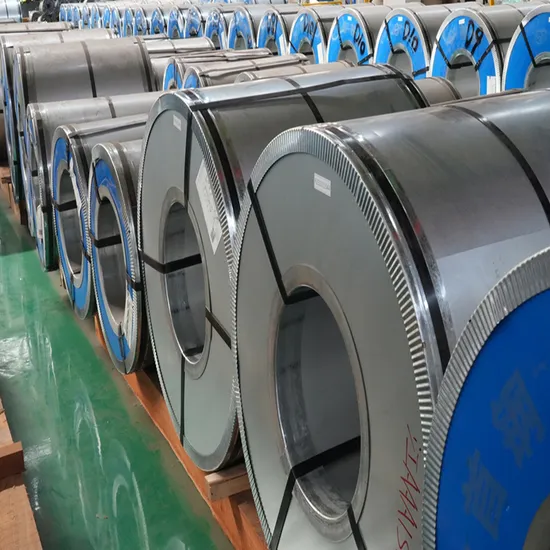
Manufacturing Process for CRGO Core Transformer Laminations
The production of Cold Rolled Grain Oriented (CRGO) electrical steel for transformer cores at Luoyang Xinzhaohe Aluminum Co., Ltd. follows a rigorously controlled sequence to optimize magnetic properties and dimensional precision. This process begins with slitting, where master coils are longitudinally cut into narrow strips of specified widths. Precision slitting equipment maintains tolerances within ±0.1 mm to ensure uniform lamination dimensions, critical for minimizing air gaps in stacked cores and reducing no-load losses. Edge quality is monitored in real-time via laser profiling to prevent burrs that could compromise core integrity.
Subsequent annealing is a thermal treatment phase conducted in continuous annealing lines under controlled hydrogen-nitrogen atmospheres. This step achieves two objectives: decarburization to reduce carbon content below 30 ppm and secondary recrystallization to develop the Goss texture (110)[001] orientation. Temperature profiles are precisely managed between 800–820°C, with dwell times calibrated to maximize permeability (≥1.90 T at 800 A/m) and minimize core loss (≤0.85 W/kg at 1.7 T, 50 Hz). In-process gas chromatography verifies atmospheric purity to prevent surface oxidation.
Insulation coating is applied immediately post-annealing to electrically isolate laminations and suppress eddy current losses. A thin, inorganic magnesium oxide (MgO)-based coating is uniformly deposited via roll-coating, followed by dehydration at 450–500°C. Coating thickness is maintained at 2.0–3.5 µm, with critical performance metrics validated through standardized testing:
| Parameter | Specification | Test Standard |
|---|---|---|
| Electrical Resistivity | ≥30 Ω·mm²/m | IEC 60404-11 |
| Adhesion Strength | Class A (no flaking) | ASTM D3359 |
| Coating Weight | 2.5–3.0 g/m² | ISO 1460 |
Final precision cutting transforms slit strips into core blanks using high-speed turret presses or laser cutting systems. Geometric accuracy is paramount; cutting dies are maintained to ±0.02 mm tolerance, ensuring mitred joints align within 0.05° angular deviation. Burr height is strictly limited to ≤0.03 mm through optimized clearance settings and edge-straightening rollers. Each blank undergoes automated vision inspection for dimensional conformity before stacking.
Quality Control Integration spans all stages. Slit strip widths are verified hourly via non-contact optical gauges. Annealing efficacy is confirmed through periodic Epstein frame tests per IEC 60404-2, measuring core loss and permeability. Coating adhesion and resistivity are sampled per 5-tonne batches. Pre-shipment, laminations undergo 100% surface defect scanning and random stacking factor validation (≥97.5%). This end-to-end QC framework, certified to ISO 9001 and IATF 16949, ensures CRGO laminations meet IEC 60404-10 Class A070 specifications for high-efficiency transformer cores. Luoyang Xinzhaohe’s 20-year process refinement guarantees consistent delivery of material with ≤0.78 W/kg core loss at 1.7 T, 50 Hz.
Packaging & Logistics
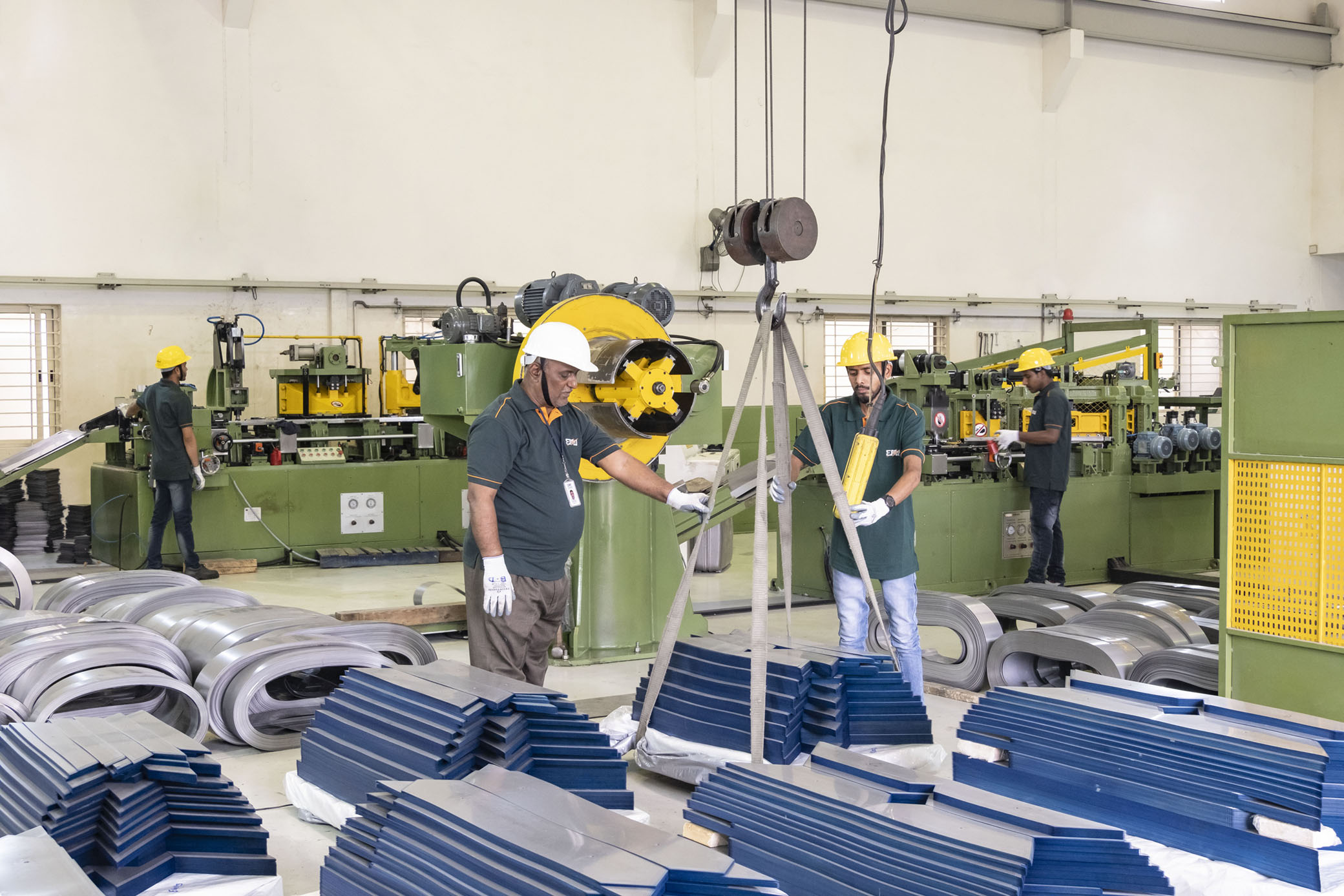
Export Packaging for CRGO Core Transformer Materials – Ensuring Integrity in Global Shipments
At Luoyang Xinzhaoang Aluminum Co., Ltd., with over two decades of specialized experience in the production and international distribution of high-grade silicon steel, we recognize that proper export packaging is critical to maintaining material performance, especially for grain-oriented electrical steel (CRGO) used in transformer core applications. Our packaging protocols are engineered to preserve the metallurgical and electromagnetic integrity of CRGO coils throughout the complexities of global logistics, with a primary focus on safe and reliable sea freight transportation.
All CRGO coils destined for export are secured on custom-fabricated wooden pallets constructed from kiln-dried, ISPM 15-compliant hardwood. These pallets are designed to support the substantial weight and dimensional characteristics of CRGO coils, typically ranging from 5 to 25 metric tons per shipment unit. The structural rigidity of the pallet ensures minimal deformation during lifting, handling, and containerized transport. Each pallet is treated to resist biological infestation and moisture absorption, complying with international phytosanitary standards for entry into diverse markets across Europe, North America, and Asia.
Immediately following palletization, the CRGO coil is wrapped in multi-layer moisture-proof film, comprising a high-barrier aluminum-polyethylene laminate. This vapor-resistant wrapping acts as a primary defense against salt-laden air, condensation, and humidity fluctuations inherent in maritime shipping environments. The film is hermetically sealed using heat-welded seams to form a fully enclosed micro-environment around the coil, effectively inhibiting oxidation and surface corrosion during prolonged ocean transits that may exceed 30 days.
To further enhance protection, desiccant packs are strategically placed within the sealed wrapping to absorb any residual internal moisture. Additionally, humidity indicator cards are affixed inside the wrapping to allow for non-invasive monitoring of internal conditions upon arrival. These measures ensure that the CRGO material arrives with surface cleanliness and insulation coating integrity fully intact—essential prerequisites for achieving optimal core loss performance and stack efficiency in transformer manufacturing.
Our packaging system is validated through accelerated climatic chamber testing simulating tropical and marine conditions, ensuring compliance with IEC 60404-8-5 and ASTM D4649 standards for material preservation during shipment. Every packaged unit undergoes visual and seal integrity inspection prior to container loading, with documentation provided for traceability.
For sea freight, CRGO coils are loaded into 20-foot or 40-foot dry freight containers, secured with steel straps and corner braces to prevent lateral movement. Container humidity levels are monitored, and, when required, additional desiccant units are installed inside the container. This comprehensive approach to export packaging reflects Luoyang Xinzhaohe Aluminum’s commitment to delivering silicon steel products that meet the exacting demands of transformer manufacturers worldwide—on time, undamaged, and performance-ready.
Sourcing from Luoyang Xinzhaohe
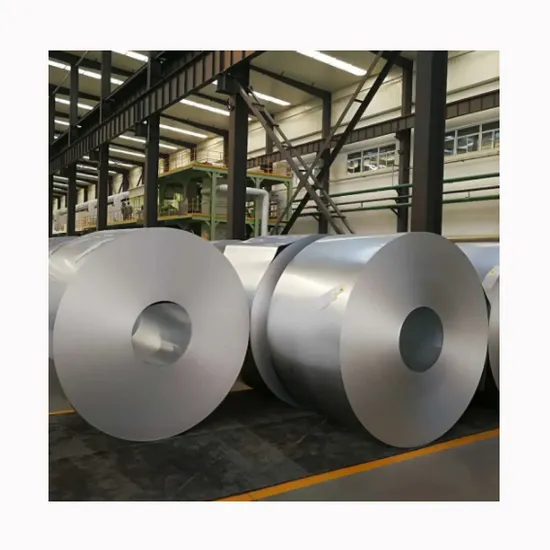
Partner with Luoyang Xinzhaohe: Your Precision CRGO Core Material Source
Luoyang Xinzhaohe Aluminum Co., Ltd leverages over two decades of specialized metallurgical expertise in Cold Rolled Grain Oriented (CRGO) electrical steel production. We are a dedicated industrial partner focused on delivering the high-performance core materials essential for efficient, reliable transformer manufacturing. Our vertically integrated facility in Luoyang, China, operates under stringent international quality standards, ensuring consistent material properties critical for minimizing core losses and maximizing transformer efficiency in demanding grid applications.
Our production capability centers on advanced rolling and annealing processes specifically engineered for CRGO. We maintain precise control over the Goss texture development, magnetic domain structure, and insulating coating application – the fundamental metallurgical factors governing core performance. This technical mastery translates into CRGO strip meeting or exceeding IEC 60404-8-7 and GB/T 2521-2016 specifications for key parameters like core loss (W1.7/50) and magnetic induction (B800). Our commitment to process stability ensures batch-to-batch uniformity, reducing variability in your core stacking and annealing operations.
Production capacity and quality metrics are underpinned by rigorous in-house testing and process control:
| Parameter | Capability Range | Key Performance Indicator |
|---|---|---|
| Thickness Range | 0.23 mm – 0.30 mm | Tolerance ±0.003 mm |
| Core Loss (W1.7/50) | ≤ 0.85 W/kg (Typical) | Measured via Epstein Frame |
| Magnetic Induction | ≥ 1.92 T (B800) | Standard Test Conditions |
| Lamination Factor | ≥ 97.5% | Optimized for Core Build |
Beyond material specification, our strength lies in robust supply chain execution tailored for transformer OEMs. We operate dedicated production lines with flexible scheduling to accommodate both large-volume annual contracts and urgent project-specific requirements. Our integrated logistics management system provides real-time shipment visibility and ensures adherence to Just-in-Time (JIT) delivery schedules, minimizing your inventory holding costs and production line disruptions. Material traceability from melt shop to finished coil is fully documented, supporting your quality assurance and compliance needs throughout the transformer lifecycle.
Partnering with Luoyang Xinzhaohe means accessing not just a supplier, but a technical collaborator invested in your product’s success. We provide comprehensive material data sheets, metallurgical support for core design optimization, and responsive troubleshooting for any processing challenges encountered during core lamination. Our engineering team works directly with your R&D and production departments to ensure seamless integration of our CRGO into your manufacturing flow.
Secure a reliable source for high-efficiency CRGO core material that meets the exacting demands of modern power transformers. Contact our Technical Sales Manager, Cathy Zhang, directly at cathy@transformerstrip.com to discuss your specific CRGO requirements, request certified test reports, or schedule a technical consultation. Let Luoyang Xinzhaohe Aluminum Co., Ltd become your strategic partner in building superior transformer cores.
📉 Factory Direct Savings Calculator
Calculate your potential savings by importing crgo core transformer directly from China.