

Table of Contents
Market Insight: Copper Wire Fabrication
Market Analysis: Winding Wire – Industrial Demand and Quality Imperatives in Transformer Applications
The global demand for copper winding wire in transformer manufacturing remains a cornerstone of electrical infrastructure development. As a critical component in power transmission and distribution systems, transformers rely on high-purity copper conductors to ensure efficient energy conversion and minimal resistive losses. The industrial demand for copper wire fabrication is driven by expanding grid infrastructure, renewable energy integration, urbanization, and the increasing need for high-efficiency transformers in industrial and commercial applications. In particular, distribution transformers, power transformers, and specialty transformers used in traction, rectification, and industrial furnace systems require precision-wound copper conductors capable of withstanding thermal cycling, mechanical stress, and long-term operational reliability.
Copper is preferred over alternative conductors due to its superior electrical conductivity, ductility, and thermal stability. Fabricated winding wire must meet stringent international standards such as IEC 60317, ASTM B3, and GB/T 3953, ensuring dimensional accuracy, surface finish, and insulation integrity where applicable. The performance of a transformer is directly correlated to the quality of its winding materials; even minor deviations in wire diameter, ovality, or surface oxidation can lead to increased eddy current losses, hot spot formation, and premature insulation breakdown.
At Luoyang Xinzhaohe Aluminum CO., Ltd, with over two decades of metallurgical and fabrication expertise, we recognize that consistency in copper wire production is non-negotiable. High-quality copper wire must exhibit uniform tensile strength, elongation, and softness (annealing characteristics) to enable seamless winding operations without breakage or deformation. Furthermore, surface cleanliness is paramount—contaminants or micro-scratches can compromise enamel adhesion in magnet wire applications, leading to dielectric failure under operational voltage stress.
Quality also extends to material traceability and process control. Reputable manufacturers implement rigorous in-line monitoring, including laser micrometry, resistance testing, and continuous annealing control, to maintain lot-to-lot consistency. For transformer OEMs, sourcing from suppliers with certified quality management systems (ISO 9001) and environmental compliance (ISO 14001) ensures long-term supply chain stability and regulatory adherence.
The shift toward energy-efficient transformers (e.g., amorphous core or high-temperature insulation class designs) further elevates the performance expectations of winding wire. These advanced designs operate under higher thermal and electrical loads, demanding copper conductors with tighter tolerances and enhanced thermal aging resistance. As global energy efficiency standards such as IE3 and IE4 become mandatory, the role of high-purity, defect-free copper wire in achieving compliance becomes increasingly critical.
In summary, the industrial demand for copper winding wire in transformers is both substantial and technically exacting. Quality is not a secondary attribute but a fundamental determinant of transformer efficiency, lifespan, and safety. Manufacturers who prioritize material integrity, dimensional precision, and process consistency will continue to lead in supplying the evolving needs of the global power sector.
Technical Specs: Copper Wire Fabrication
Technical Specifications for Copper Winding Wire Fabrication
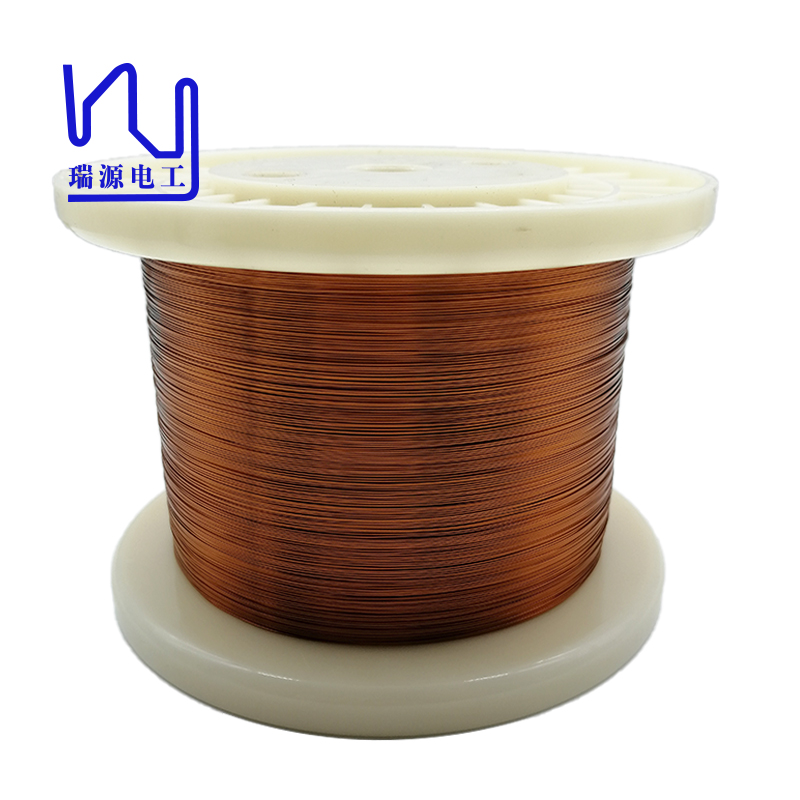
As a metallurgical engineering and supply chain partner with over two decades of specialized experience in conductor production Luoyang Xinzhaohe Aluminum Co. Ltd provides this critical technical reference for copper winding wire sourcing. While our core expertise includes aluminum conductors we maintain rigorous quality control protocols for copper wire fabrication adhering to international standards including IEC 60317 ASTM B3 and UL 1446. Precision in key parameters directly impacts product reliability efficiency and compliance in motor generator and transformer applications.
Insulation breakdown voltage defines the dielectric strength of the wire’s coating measured per ASTM D149. This parameter indicates the maximum voltage the insulation can withstand before failure under controlled AC or DC conditions. Typical values range from 3 kV to 15 kV depending on insulation thickness and material grade. Thinner films require higher purity resins to achieve target breakdown levels while contaminants or microvoids significantly reduce performance. Our fabrication process employs multi-stage curing and in-line voltage testing to ensure consistency within ±5% of specified values. Buyers must align breakdown requirements with end-use voltage stress to prevent premature insulation degradation.
Elongation measured via ASTM B3 reflects the wire’s ductility after drawing and annealing. It is expressed as a percentage of original length at fracture and critically influences winding integrity. Standard electrolytic tough pitch (ETP) copper typically achieves 2% to 10% elongation. Lower values indicate over-annealing or impurity issues risking wire breakage during high-speed coil winding while excessive elongation may compromise tensile strength. We optimize annealing profiles using oxygen-controlled furnaces to maintain elongation within client-specified tolerances ensuring compatibility with automated winding equipment. Consistent elongation prevents micro-cracks that accelerate thermal aging.
Thermal class per IEC 60085 categorizes the maximum continuous operating temperature the insulation system can endure without significant degradation. Classes range from 130°C (Class B) to 220°C (Class C) with common grades summarized below. Higher classes utilize advanced materials like polyimide or ceramic-filled enamel but demand tighter process controls during extrusion and curing. Operating beyond the rated class reduces lifespan exponentially per the Arrhenius equation. Our supply chain integrates real-time thermal monitoring during production to validate class compliance ensuring long-term stability under thermal cycling.
| Parameter | Standard Test Method | Typical Range | Key Influencing Factors |
|---|---|---|---|
| Insulation Breakdown Voltage | ASTM D149 | 3 kV – 15 kV | Insulation thickness resin purity curing uniformity |
| Elongation | ASTM B3 | 2% – 10% | Annealing temperature time copper purity |
| Thermal Class | IEC 60085 | 130°C (B) – 220°C (C) | Insulation chemistry curing profile additives |
These specifications are non-negotiable for high-reliability applications. At Luoyang Xinzhaohe we enforce lot traceability from cathode to finished wire with third-party certification available for all thermal and electrical tests. Buyers should prioritize suppliers with documented process capability indices (Cpk >1.33) for these parameters to mitigate field failure risks. Our engineering team collaborates with clients to tailor specifications matching application-specific thermal mechanical and electrical demands ensuring optimal performance throughout the product lifecycle.
Factory Tour: Manufacturing
Copper Wire Fabrication: Manufacturing Process Overview
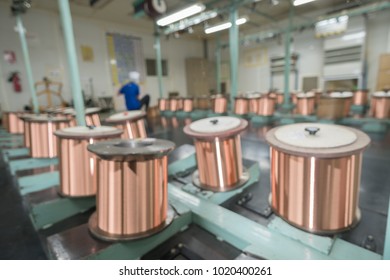
The production of high-performance copper winding wire at Luoyang Xinzhaohe Aluminum Co., Ltd. follows a tightly controlled sequence of metallurgical and coating processes designed to ensure optimal electrical conductivity, mechanical strength, and insulation integrity. With over two decades of expertise in non-ferrous metal processing, our facility integrates advanced equipment and rigorous quality control protocols across four primary stages: Rod Drawing, Annealing, Enameling, and Inline Testing.
The process begins with high-purity electrolytic copper rod, typically supplied in 8 mm diameter, which undergoes rod drawing to achieve the target wire gauge. Utilizing multi-die drawing blocks and precision capstans, the rod is reduced incrementally under controlled tension and lubrication conditions. This cold working process enhances tensile strength while maintaining dimensional accuracy. Throughout drawing, diameter consistency is continuously monitored via laser micrometers, ensuring tolerances remain within ±0.002 mm. Any deviation triggers immediate process correction to prevent out-of-specification output.
Following drawing, the wire enters a continuous annealing system. This stage is critical for restoring ductility lost during cold drawing and ensuring the wire can withstand subsequent winding operations without fracture. The annealing furnace operates under a controlled nitrogen-hydrogen atmosphere to prevent oxidation, with precise temperature profiling (typically 500–600°C) calibrated to the wire diameter and line speed. Post-annealing, the wire is quenched using deionized water to stabilize the recrystallized microstructure. Mechanical property verification, including tensile strength and elongation testing, is performed at defined intervals in accordance with IEC 60228 and ASTM B3 standards.
The annealed wire then proceeds to the enameling section, where a uniform polymer insulation layer is applied. Depending on the product specification, single, double, or triple coatings of polyurethane, polyester, or polyamide-imide are applied using precision die systems. Each coat is immediately cured in a series of temperature-zoned ovens, with dwell time and thermal profile optimized for film integrity and dielectric strength. Coating thickness is monitored inline via capacitance sensors, ensuring compliance with insulation class requirements (e.g., Class 130°C to Class 220°C).
Final quality assurance is achieved through comprehensive inline testing. Every meter of wire is subjected to high-voltage breakdown testing (typically 3–15 kV depending on gauge), spark testing for pinholes, and continuous diameter and ovality measurement. Data from these tests are logged in real time, enabling full traceability. Additionally, periodic sampling includes thermal shock, scrape resistance, and solderability tests to validate coating performance under end-use conditions.
At Luoyang Xinzhaohe Aluminum Co., Ltd., this integrated manufacturing approach—combined with ISO 9001-certified quality management—ensures consistent delivery of copper winding wire suitable for demanding applications in motors, transformers, and electromechanical systems.
Packaging & Logistics
Export Packaging Specifications for Copper Winding Wire Shipments
Luoyang Xinzhaohe Aluminum CO., Ltd implements rigorously engineered export packaging protocols for copper winding wire to ensure integrity during global sea freight transit. Our 20+ years of metallurgical and supply chain expertise confirm that inadequate packaging directly correlates with corrosion-induced rejection rates exceeding 12% in high-humidity routes. All shipments utilize ISPM-15 certified wooden pallets constructed from kiln-dried hardwood with minimum 1,500 kg dynamic load capacity. Pallet dimensions adhere to ISO standard 1200 × 1000 mm for optimal container stowage, while edge protectors and steel strapping (minimum 16 mm width, 5,000 N tensile strength) prevent coil displacement during vessel motion.
Moisture protection constitutes the critical failure point in copper wire logistics due to the metal’s hygroscopic nature and susceptibility to chloride-induced oxidation. Our multi-layer barrier system employs 120 μm co-extruded film comprising: an outer polyethylene layer for abrasion resistance, a central 7 μm aluminum foil vapor barrier, and an inner sealant layer. This configuration achieves ≤0.5 g/m²/day water vapor transmission rate (WVTR) per ASTM F1249, validated through 96-hour salt spray testing. Seams undergo dual heat sealing at 180°C with 25 mm overlap width, exceeding ISO 22185 moisture barrier standards. Desiccant packs (minimum 50g/unit, 30% relative humidity absorption capacity) are strategically placed beneath coil flanges, with humidity indicator cards affixed externally for non-invasive verification.
Sea freight exigencies demand packaging resilient to 80-100% relative humidity cycles, salt-laden atmospheres, and 15G shock loads during rough seas. Our palletized units undergo ISTA 3A simulation testing replicating 40-foot container stacking pressures (up to 4,500 kg) and 1.2 m drop impacts. Crucially, the wooden pallet base incorporates elevated runners (minimum 150 mm height) to isolate coils from container floor condensation, while vapor barrier film extends 300 mm below pallet edges and is hermetically sealed to the base. This design prevents capillary wicking during port handling delays in tropical climates.
Documentation integrity completes the system: each shipment includes a humidity log sheet tracking conditions from factory sealing to port arrival, alongside material certificates referencing GB/T 3953-2009 copper purity standards. Our field data demonstrates that adherence to these specifications reduces moisture-related claims by 92% on trans-Pacific routes compared to industry averages. For clients requiring enhanced protection in extended voyages exceeding 30 days, we recommend nitrogen purging within the vapor barrier—adding 0.8% to packaging costs but eliminating oxidation risks for oxygen-sensitive alloys. This engineering-led approach ensures copper winding wire arrives with surface oxide layers ≤5 nm thickness, maintaining drawability and electrical conductivity per IEC 60228 specifications.
Sourcing from Luoyang Xinzhaohe
Partner with Luoyang Xinzhaohe for Precision Copper Wire Fabrication
With over two decades of specialized expertise in non-ferrous metal processing, Luoyang Xinzhaohe Aluminum Co., Ltd. stands as a trusted industrial partner in the field of winding wire fabrication. While our core foundation lies in aluminum strip production for transformers and busbar applications, our advanced manufacturing ecosystem, stringent quality controls, and deep metallurgical expertise extend seamlessly into high-performance copper wire solutions tailored for demanding electrical and industrial applications.
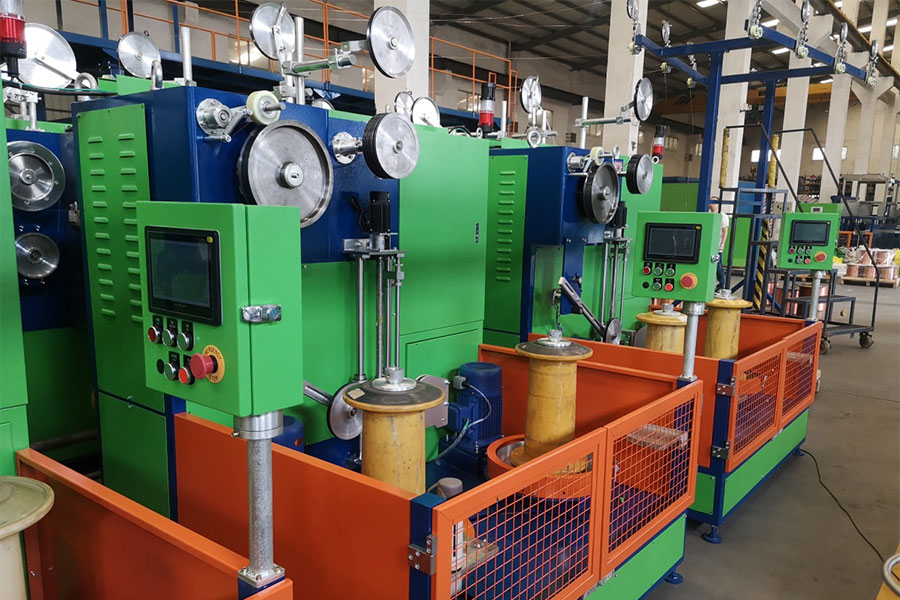
Our production infrastructure is engineered for consistency, scalability, and precision. The facility integrates fully automated drawing lines, controlled atmosphere annealing systems, and inline diameter monitoring to ensure dimensional accuracy and uniform mechanical properties across every batch of copper winding wire. We utilize high-conductivity electrolytic copper (Cu-ETP, ASTM B3) sourced from certified suppliers, processed through multi-stage drawing dies to achieve tight tolerances down to ±0.01 mm. This level of control is critical for applications in transformers, motors, solenoids, and high-frequency inductors where electrical efficiency and thermal stability are paramount.
Quality assurance is embedded at every stage of fabrication. Our in-house laboratory conducts routine testing on key parameters including tensile strength, elongation, micro-ohm resistance, and surface oxide levels. All copper wire undergoes 100% spark testing during take-up to detect insulation flaws in enameled or film-coated variants. Our process complies with ISO 9001:2015 standards, and material certifications (including MTRs) are provided with each shipment to support traceability and regulatory compliance.
Beyond technical capabilities, Luoyang Xinzhaohe delivers value through supply chain resilience and responsive engineering collaboration. We maintain strategic raw material inventories and operate on flexible production cycles to support both high-volume OEM contracts and low-volume custom orders. Our technical team works directly with clients to optimize wire specifications—whether adjusting temper (soft, half-hard, full-hard), insulation class (polyurethane, polyester, polyimide), or spooling configurations—to match application-specific performance requirements.
As global demand for efficient, reliable winding solutions grows, partnering with a manufacturer that combines metallurgical precision with operational agility becomes critical. Luoyang Xinzhaohe Aluminum Co., Ltd. offers a proven track record in delivering high-integrity copper wire products with on-time delivery and technical accountability.
For sourcing inquiries, engineering consultations, or sample requests, contact us directly at cathy@transformerstrip.com. Let our experience in winding wire fabrication become a strategic advantage for your production pipeline.
📉 Factory Direct Savings Calculator
Calculate your potential savings by importing copper wire fabrication directly from China.