

Table of Contents
Market Insight: Copper Wire
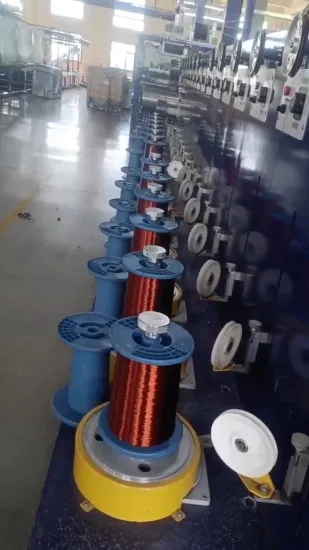
Market Analysis: Copper Winding Wire Demand in Power Transformers
Global demand for electrolytic-tough-pitch (ETP) copper winding wire in power transformers remains robust, driven by critical infrastructure modernization and renewable energy integration. Transformer manufacturers represent the largest consumer segment for high-purity copper magnet wire, accounting for approximately 65% of industrial winding wire consumption. Key growth catalysts include the global push for grid resilience, mandatory efficiency standards (IE3/IE4), and the exponential expansion of renewable energy interconnection points requiring step-up transformers. Solar and wind farms typically require 1.5-2.5 times more transformer capacity per MW generated compared to conventional thermal plants, directly amplifying copper wire requisition volumes. Simultaneously, aging grid infrastructure replacement cycles in North America and Europe, coupled with urbanization-driven distribution transformer demand in Asia-Pacific, sustain baseline consumption at 1.8-2.1 million metric tons annually. While aluminum conductors present a cost alternative in specific low-voltage applications, copper’s superior conductivity (minimum 100% IACS per ASTM B3) and mechanical stability under thermal cycling maintain its dominance in high-reliability power transformer windings, particularly for units exceeding 5 MVA.
Quality parameters for transformer winding wire are non-negotiable due to the extreme operational stresses involved. Substandard wire introduces catastrophic failure risks including inter-turn short circuits, accelerated insulation degradation, and thermal runaway. Critical quality metrics extend beyond basic conductivity to encompass precise dimensional tolerances (±0.002 mm diameter variance), surface smoothness (Ra < 0.4 µm to prevent enamel pinholes), and consistent temper (annealed elongation 35-42% per IEC 60317-0). Oxygen content must be strictly controlled below 20 ppm to prevent hydrogen embrittlement during vacuum pressure impregnation (VPI) processes. Industry-observed failure analysis consistently links premature transformer failures to wire defects such as micro-cracks from improper drawing, surface oxidation, or inconsistent polymer coating adhesion. A single defective strand can compromise the entire winding assembly, rendering multi-ton transformer cores scrap. Consequently, leading utilities and OEMs enforce rigorous supplier qualification protocols including continuous在线 resistivity monitoring and 100% spark testing during production.
The financial implications of compromised wire quality are severe, extending far beyond material replacement costs. A field failure in a 100 MVA transformer incurs direct costs exceeding $2 million USD for unit replacement, plus indirect grid downtime penalties averaging $500,000 USD per hour in critical transmission corridors. This risk profile mandates sourcing from manufacturers with certified ISO 9001 and IATF 16949 systems, demonstrable process control over wire drawing and annealing, and traceability to LME Grade A copper cathode. While initial wire cost differentials may appear marginal, lifecycle cost analysis consistently favors premium-grade copper wire given its direct correlation with transformer service life exceeding 40 years under IEEE C57.91 loading profiles.
| Critical Quality Parameter | Industry Standard | Consequence of Non-Compliance |
|---|---|---|
| Electrical Conductivity | ≥100% IACS (ASTM B3) | Increased I²R losses, thermal hotspots |
| Diameter Tolerance | ±0.002 mm | Winding instability, insulation damage |
| Surface Roughness (Ra) | <0.4 µm | Enamel coating defects, reduced dielectric strength |
| Oxygen Content | <20 ppm | Hydrogen blistering during VPI |
| Elongation (Annealed) | 35-42% (IEC 60317) | Cracking during winding, reduced fatigue resistance |
Technical Specs: Copper Wire
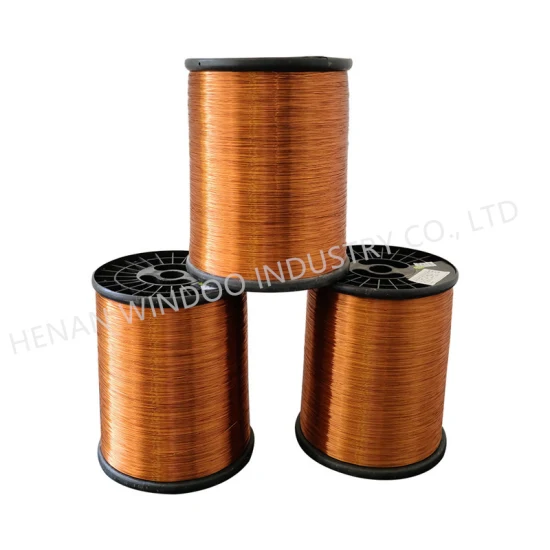
Copper Wire Technical Specifications for Winding Applications
Luoyang Xinzhaohe Aluminum Co., Ltd. provides high-purity copper winding wire engineered for reliability in demanding electrical and industrial applications. Our copper wire is manufactured to meet international standards including IEC 60317, GB/T 7095, and NEMA MW 1000, ensuring consistent performance across critical parameters such as insulation integrity, mechanical ductility, and thermal endurance. This section outlines the core technical specifications essential for evaluating copper winding wire performance in motor, transformer, and inductor applications.
Insulation breakdown voltage is a primary indicator of dielectric strength and long-term reliability. Our enameled copper wire undergoes rigorous testing to ensure minimum breakdown voltages under standardized conditions. The insulation system is designed to withstand impulse and continuous operating voltages typical in high-efficiency electrical machines. Testing is performed using AC voltage at 50 Hz with a ramp rate of 100 V/s, measuring the voltage at which insulation failure occurs. Minimum breakdown voltage values are maintained well above industry thresholds to account for manufacturing variances and field stresses.
Elongation, or tensile ductility, is a critical mechanical property that determines the wire’s ability to withstand winding stresses without cracking or fracturing. Our copper conductors are annealed to achieve optimal elongation characteristics, ensuring compatibility with high-speed winding equipment. Measured in accordance with ASTM B3, elongation values are guaranteed to support tight-radius winding and complex coil geometries without compromising conductor integrity.
Thermal Class defines the maximum continuous operating temperature the insulation system can endure while maintaining electrical and mechanical performance over a 20,000-hour service life. Our product range covers Thermal Classes from 130°C to 220°C, enabling selection based on application-specific thermal loads. Higher thermal classes utilize advanced polymer coatings such as polyimide, polyesterimide, and polyamide-imide, offering superior thermal stability and chemical resistance.
The following table summarizes the key technical parameters for our standard copper winding wire offerings:
| Parameter | Test Method | Typical Value Range | Units |
|---|---|---|---|
| Conductor Purity | ASTM B3 | ≥ 99.97% (Oxygen-free) | % Cu |
| Insulation Breakdown Voltage (Min) | IEC 60317-002 | 1,800 – 6,000 | Vrms |
| Elongation (Min) | ASTM B3 | 10 – 40 | % |
| Thermal Class | NEMA MW 1000 | 130, 155, 180, 200, 220 | °C |
| Temperature Index (Insulation) | IEC 60216 | 130 – 220 | °C |
| Resistance to Soldering Heat | IEC 60317-8 | Pass (no cracking at 300°C, 3s) | — |
| Dielectric Strength (Film) | ASTM D149 | 80 – 120 | kV/mm |
These specifications are validated through in-house quality control systems and third-party certification where required. Consistency in coating thickness, roundness, and surface smoothness further enhances performance in automated winding processes. For custom applications, we offer tailored thermal and mechanical profiles to meet project-specific demands.
Factory Tour: Manufacturing
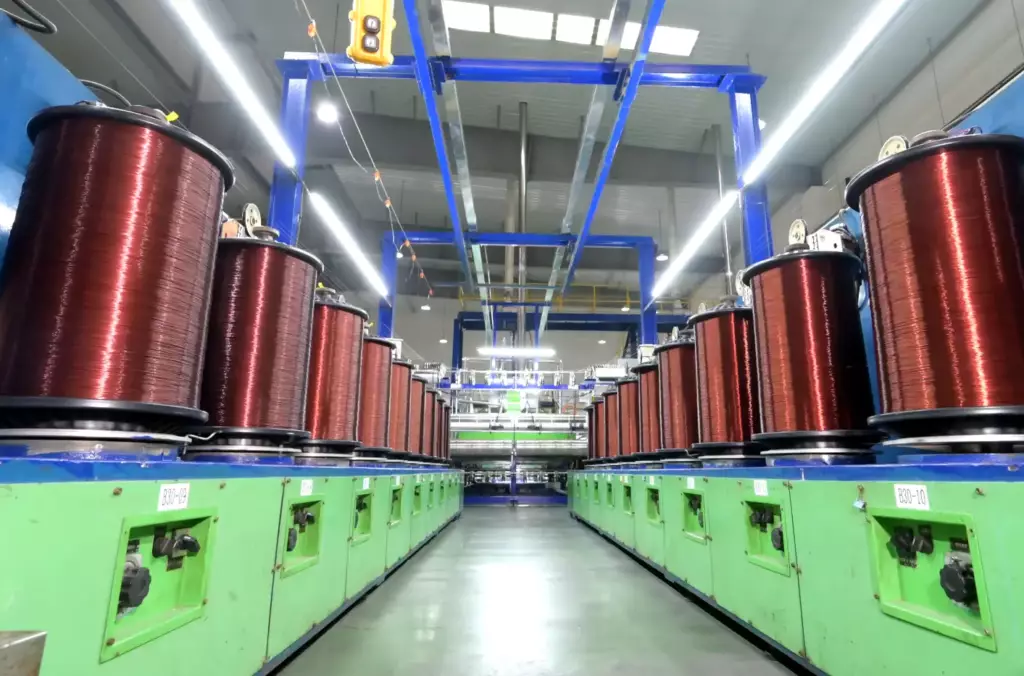
Manufacturing Process Overview
Luoyang Xinzhaohe Aluminum Co., Ltd leverages two decades of metallurgical expertise to produce high-purity copper winding wire through a tightly controlled sequence. The process begins with Rod Drawing, where oxygen-free copper rods (typically 8mm diameter, 101% IACS conductivity) undergo multi-stage reduction. Precision tungsten carbide dies progressively reduce the rod to the target wire gauge under strict tension control. Critical parameters include die geometry optimization, lubricant viscosity management, and real-time diameter monitoring via laser micrometers. Surface integrity is paramount; any micro-scratches or oxidation at this stage propagate defects downstream. Post-drawing, the wire exhibits high tensile strength but low ductility, necessitating thermal treatment.
Annealing follows immediately via continuous in-line induction heating. The wire traverses a controlled atmosphere furnace (95% N₂, 5% H₂) at 550–650°C for precise residence times calibrated to cross-section. This recrystallizes the grain structure, restoring ductility while maintaining conductivity. Key quality checkpoints include conductivity verification (ensuring ≥100% IACS via eddy current testing) and tensile/elongation validation (minimum 30% elongation per ASTM B3). Oxygen ingress is prevented through sealed furnace zones to avoid copper oxide formation, which compromises adhesion in subsequent enameling.
Enameling applies the insulating polymer layer using multi-zone applicators. Common resins include polyester-imide (PEI) for thermal class 180°C or polyamide-imide (PAI) for 220°C applications. The wire passes through a series of coating dies, with viscosity-controlled enamel baths and precision metering. Solvent evaporation occurs in staged ovens (250–450°C), followed by full imidization curing. Layer thickness is monitored via beta-gauge sensors, with typical builds ranging from 30–150µm depending on voltage class. Adhesion is validated through mandrel wrap tests per IEC 60851-5, ensuring no cracking or delamination under bending stress.
Integrated Inline Testing occurs continuously throughout production. Spark testing at 3–15kV (per wire gauge) detects pinholes in the enamel insulation. Diameter consistency is verified every 0.5 seconds via non-contact laser scanners, with automatic rejection for deviations exceeding ±1.5µm. Tensile strength and elongation are sampled hourly via automated testers. Final reels undergo 100% visual inspection using high-resolution cameras to identify surface contaminants, scratches, or coating irregularities. All critical parameters feed into our SPC system, enabling real-time process adjustments and full traceability from rod to finished coil. This integrated approach ensures metallurgical integrity, dimensional precision, and dielectric reliability demanded by motor, transformer, and inductor manufacturers globally.
Packaging & Logistics
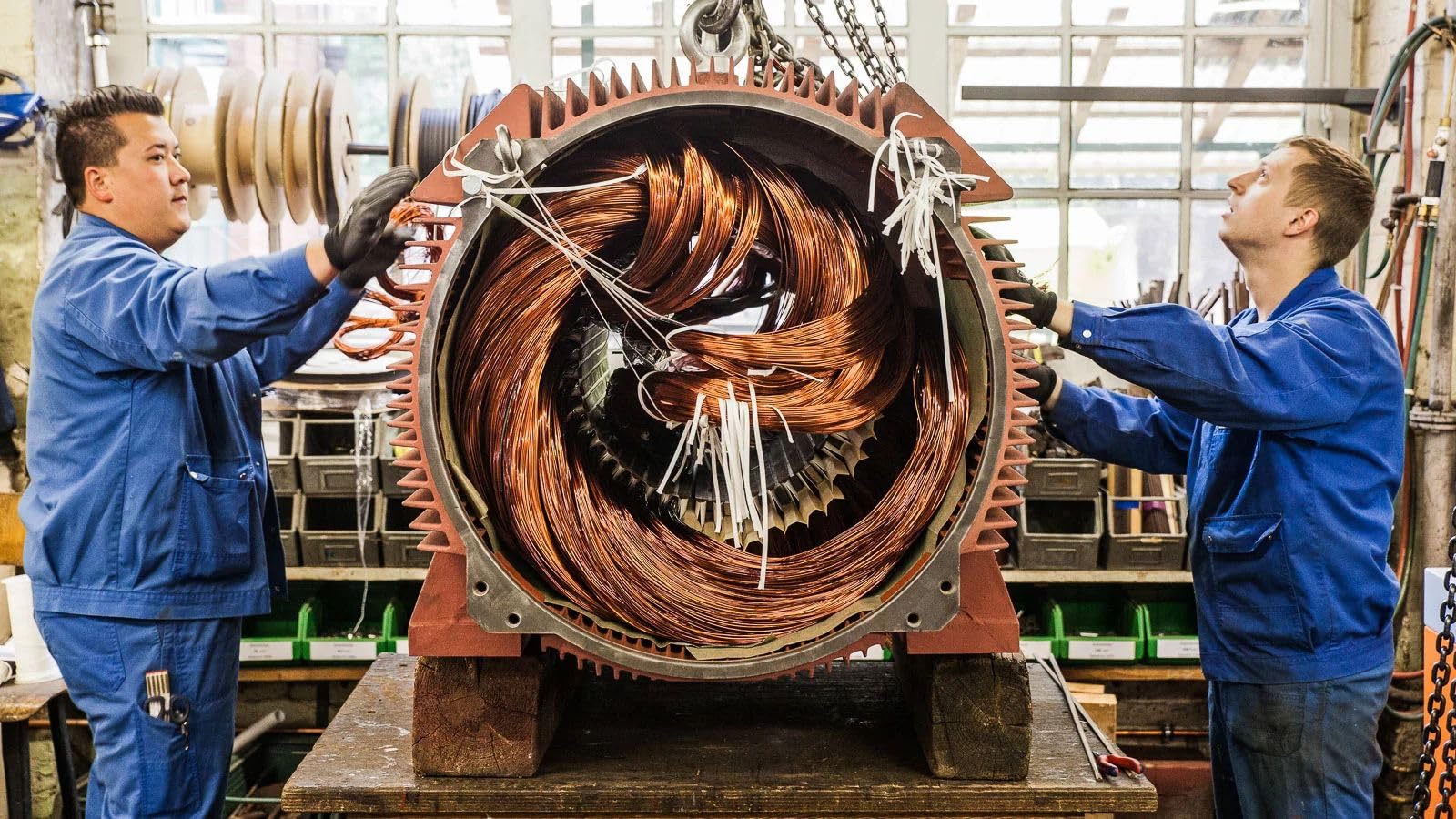
Export Packaging for Copper Winding Wire: Ensuring Integrity During Sea Freight
At Luoyang Xinzhaohe Aluminum Co., Ltd, with over two decades of experience in the production and international distribution of high-performance winding wire, we recognize that packaging is not merely a logistical concern but a critical component of product integrity. For copper winding wire destined for global markets, the export packaging system is engineered to mitigate environmental and mechanical risks inherent in long-distance sea freight. Our standard export configuration employs robust wooden pallets combined with multi-layer moisture-proof film wrapping, designed to ensure the wire arrives in optimal condition, regardless of transit duration or climatic exposure.
All copper winding wire reels are mounted on precision-fabricated wooden pallets constructed from kiln-dried, ISPM-15 compliant hardwood. This certification guarantees that the wood has undergone heat treatment to eliminate biological contaminants, meeting international phytosanitary standards for cross-border shipment. The structural rigidity of the pallets supports heavy coil loads, preventing deformation during stacking and handling. Reinforced edges and base planks are utilized to withstand forklift operations and container loading stresses, minimizing the risk of physical damage throughout the supply chain.
Each loaded pallet is then hermetically sealed with industrial-grade moisture-proof film. This multi-layer laminated film consists of aluminum foil barrier layers sandwiched between polyethylene substrates, providing an effective vapor transmission rate of less than 0.1 g/m²·day. This specification is critical for copper wire, which is highly susceptible to oxidation and surface tarnishing when exposed to humidity. The film is applied using automated stretch wrapping systems that ensure uniform tension and complete coverage, including the pallet base, to prevent capillary ingress of moisture during ocean transit.
In addition to moisture protection, the film acts as a barrier against salt-laden air, a common hazard in maritime environments. Combined with optional desiccant packs affixed beneath the wrap, this system maintains an internal relative humidity below 40% for up to 12 weeks—exceeding the typical duration of most container voyages. For extended routes or tropical destinations, we recommend vacuum-sealing individual coils prior to palletization, an upgrade available upon request.
Labeling is executed in compliance with IMDG and IATA freight guidelines, with UV-resistant, tamper-evident tags affixed to each pallet. These include product specifications, batch traceability codes, handling instructions, and destination data in both Chinese and English. All packaging components are subject to internal quality audits, ensuring consistency across production batches.
Our export packaging protocol reflects Luoyang Xinzhaohe’s commitment to delivering copper winding wire that meets exacting technical standards upon arrival. By integrating structural resilience with advanced moisture mitigation, we safeguard the electrical and mechanical properties of the wire throughout the logistics cycle.
Sourcing from Luoyang Xinzhaohe
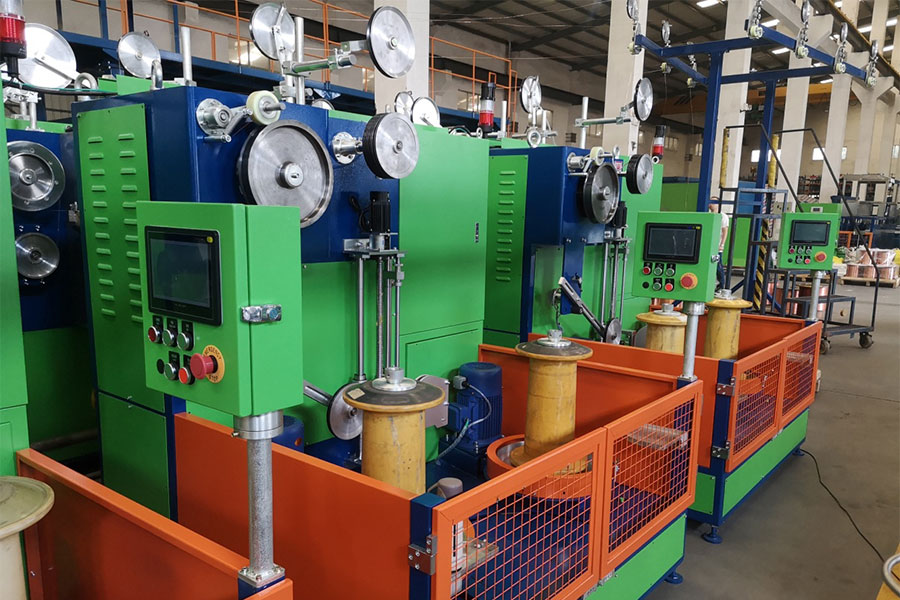
Partner with Luoyang Xinzhaohe for Precision Copper Winding Wire Solutions
Luoyang Xinzhaohe Aluminum Co., Ltd leverages over two decades of specialized expertise in the production of high-integrity copper winding wire, delivering consistent performance for demanding electrical applications. Our strategic focus on copper conductor manufacturing, distinct from our historical aluminum foundation, ensures dedicated resources and deep metallurgical knowledge specifically for this critical category. We understand the exacting requirements of transformer, motor, and inductor manufacturers where conductivity, surface quality, and dimensional stability directly impact end-product efficiency and reliability. Partnering with us mitigates supply chain risk through a vertically integrated operation controlling the entire process from high-purity copper rod production to finished wire drawing and annealing.
Our manufacturing infrastructure supports significant scale and technical flexibility. The facility maintains an annual production capacity exceeding 20,000 metric tons of copper winding wire, ranging from 0.08mm to 5.0mm diameter. This scale is underpinned by advanced continuous rod casting and rolling (CCR) lines producing OFHC (Oxygen-Free High-Conductivity) copper rod meeting ASTM B49 and IEC 60028 standards, followed by precision drawing through multi-die blocks and controlled annealing in inert atmospheres. Critical process parameters including tensile strength, elongation, and resistivity are monitored in real-time using inline laser micrometers and electrical conductivity testers, ensuring every coil adheres to stringent specifications such as ASTM B3 for soft annealed wire and ASTM B8 for concentric-lay stranded conductors. Production flexibility accommodates both high-volume standard orders and custom formulations requiring specific temper, surface treatments, or packaging configurations.
Quality assurance is non-negotiable and embedded at every stage. Our ISO 9001:2015 and IATF 16949 certified quality management system governs all operations. Dedicated metallurgical laboratories conduct rigorous chemical composition analysis (OES), mechanical property testing (tensile, bend), microstructure evaluation, and surface defect inspection. Full traceability from copper cathode batch to finished wire shipment is maintained via integrated MES software, providing documented proof of conformance for critical applications. This systematic approach consistently achieves conductivity levels ≥ 100% IACS (International Annealed Copper Standard) with tight tolerances on diameter (±0.002mm for fine gauges) and ovality (< 0.003mm), minimizing winding issues and maximizing space factor in end-use components.
Vertical integration provides unmatched control over material purity and process consistency. Controlling the rod production stage eliminates variability from external rod suppliers, ensuring optimal grain structure and homogeneity essential for fine wire drawing and high-cycle fatigue resistance. This integrated model, combined with strategic raw material procurement partnerships, enhances supply continuity and cost stability for our customers. Our engineering team collaborates proactively with clients during new product introduction phases, offering metallurgical consultation on wire selection, drawing process optimization, and failure mode analysis.
Secure your copper winding wire supply with a partner committed to technical excellence and operational reliability. Contact Cathy Zhang, International Sales Manager, at cathy@transformerstrip.com to discuss your specific requirements, request certified material test reports, or arrange a virtual facility audit. Luoyang Xinzhaohe provides the precision copper conductor solutions that power global electrical innovation.
📉 Factory Direct Savings Calculator
Calculate your potential savings by importing copper wire directly from China.