

Table of Contents
Market Insight: Copper Winding Price
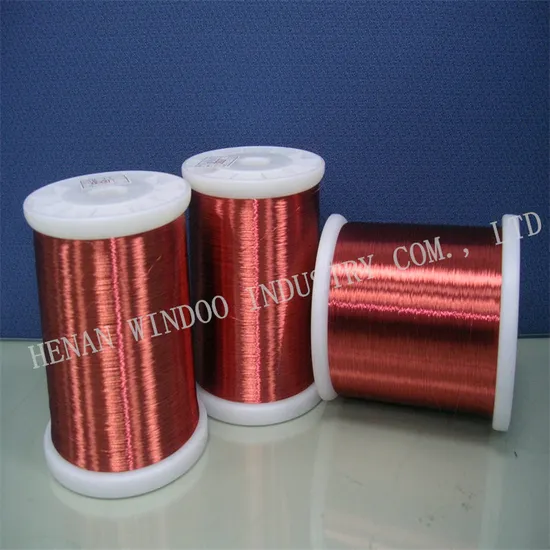
Market Analysis: Copper Winding Wire for Power Transformers
Global demand for electrolytic-tough-pitch (ETP) copper winding wire remains intrinsically linked to transformer manufacturing cycles, driven by power infrastructure expansion, renewable energy integration, and grid modernization initiatives. Transformer producers constitute the dominant consumer segment, requiring high-purity copper (minimum 99.90% Cu) meeting ASTM B3 or IEC 60138 standards. Current pricing dynamics reflect volatility in London Metal Exchange (LME) copper benchmarks, compounded by energy-intensive processing premiums and logistical constraints. Industrial buyers face sustained pressure as LME copper averages 8,200–8,800 USD/tonne in 2024, with fabricated winding wire premiums adding 15–25% for drawing, annealing, and precision tolerancing. Critically, transformer OEMs prioritize stable supply chains over marginal short-term savings, given the component’s role in system reliability.
Pricing structures extend beyond raw material costs to encompass technical specifications that directly impact transformer performance. Conductivity must exceed 100% IACS (International Annealed Copper Standard) to minimize I²R losses, while dimensional tolerances (±0.01mm diameter) ensure consistent winding density and thermal management. Deviations in ovality or surface finish induce localized eddy currents, accelerating insulation degradation. Crucially, oxygen content must remain below 20 ppm to prevent hydrogen embrittlement during vacuum pressure impregnation (VPI), a failure mode responsible for 18% of premature transformer recalls per CIGRÉ data. These parameters necessitate rigorous melt refining and controlled atmosphere annealing—processes elevating production costs but non-negotiable for grid-scale applications.
Quality deficiencies manifest catastrophically in operational environments. Impurities like sulfur or iron exceeding 5 ppm create galvanic corrosion sites at copper-insulation interfaces, compromising dielectric integrity under thermal cycling. Inadequate tensile strength (below 200 MPa) causes wire elongation during high-speed winding, leading to turn-to-turn shorts. Field studies confirm substandard windings increase no-load losses by 3–7% and reduce transformer lifespan by 15–25 years. Consequently, leading utilities enforce AQL 1.0 sampling per ISO 2859, rejecting batches with surface defects or conductivity below 101% IACS. The total cost of failure—encompassing downtime, replacement, and reputational damage—exceeds raw material savings by 8–12x, validating premium pricing for certified suppliers.
Strategic sourcing requires evaluating total landed cost against technical risk. While spot market purchases may offer 5–8% nominal savings, inconsistent metallurgical properties necessitate higher safety stocks and rework contingencies. Long-term agreements with vertically integrated mills provide price hedging mechanisms and process audit transparency. For Luoyang Xinzhaohe’s aluminum-focused clients, understanding copper winding benchmarks informs material substitution analyses in distribution transformers, where aluminum’s 61% conductivity necessitates 56% larger cross-sections—altering core geometry and cooling requirements. Ultimately, transformer-grade copper wire pricing reflects its role as a mission-critical enabler of grid stability, where metallurgical precision dictates system efficiency and longevity.
| Key Quality Parameter | Industry Standard | Failure Consequence |
|---|---|---|
| Minimum Conductivity | 100% IACS | Increased resistive losses (≥3%) |
| Oxygen Content | <20 ppm | Hydrogen embrittlement during VPI |
| Tensile Strength | 180–220 MPa | Winding deformation, turn-to-turn faults |
| Diameter Tolerance | ±0.01 mm | Uneven flux distribution, hotspot formation |
Technical Specs: Copper Winding Price
Copper Winding Wire Technical Specifications
The performance and reliability of copper winding wire in electrical and electromechanical applications are governed by a set of critical technical parameters. At Luoyang Xinzhaohe Aluminum Co., Ltd, with over two decades of experience in conductive material manufacturing and supply chain management, we emphasize precision in material specifications to ensure optimal performance across diverse industrial environments. Key technical attributes such as insulation breakdown voltage, elongation, and thermal class directly influence both the functionality and pricing structure of copper winding wire. These parameters are standardized to meet international quality benchmarks including IEC 60317, GB/T 7095, and NEMA MW 1000.
Insulation breakdown voltage is a fundamental indicator of dielectric strength, defining the maximum electric field the insulation layer can withstand before electrical failure occurs. This parameter is essential in high-voltage applications such as transformers, motors, and generators, where insulation integrity prevents short circuits and ensures long-term reliability. Higher breakdown voltages are achieved through advanced enamel coating technologies, such as polyurethane, polyester-imide, or polyamide-imide, each contributing differently to cost and performance. Wire with enhanced dielectric properties typically commands a premium in the copper winding price due to the complexity of coating processes and raw material costs.
Elongation, measured as a percentage, reflects the ductility of the copper conductor and its ability to withstand mechanical stress during winding operations. A minimum elongation of 8% is standard for most industrial applications, ensuring the wire can endure tight coiling without cracking or fracturing. Higher elongation values, up to 12–15%, are preferred in precision windings where mechanical resilience is critical. This mechanical property is directly influenced by the copper’s temper—typically soft-drawn (annealed) copper is used to maximize elongation and ease of processing.
Thermal class defines the maximum continuous operating temperature the insulation system can endure without significant degradation. Copper winding wires are classified thermally from Class 130°C up to Class 220°C, with higher classes utilizing advanced polymer coatings that resist thermal aging and oxidation. For instance, Class 180 (polyester-imide) and Class 200/220 (polyamide-imide) offer superior thermal stability, making them suitable for high-efficiency motors and traction systems. The thermal rating directly impacts service life and operational safety, and accordingly influences the copper winding price due to the cost of high-performance insulation resins and manufacturing controls.
The interplay between these specifications determines both the suitability for application and the final product cost. Below is a summary of standard technical parameters for industrial-grade copper winding wire.
| Parameter | Standard Value Range | Test Standard | Influence on Price |
|---|---|---|---|
| Insulation Breakdown Voltage | 3 kV – 12 kV (AC, 60 sec) | IEC 60317-004 | Increases with voltage rating |
| Elongation | 8% – 15% (min) | GB/T 4910 | Higher % increases cost |
| Thermal Class | 130°C – 220°C | NEMA MW 1000 | Higher class increases cost |
| Conductor Material | Electrolytic Tough Pitch (ETP) Cu, >99.9% | ASTM B3 | Standard base cost |
| Wire Diameter Tolerance | ±0.005 mm – ±0.02 mm | IEC 60122 | Tighter tolerance increases cost |
These specifications are rigorously maintained across production batches to ensure consistency and reliability. Custom configurations are available based on application-specific requirements, with corresponding adjustments in copper winding price.
Factory Tour: Manufacturing
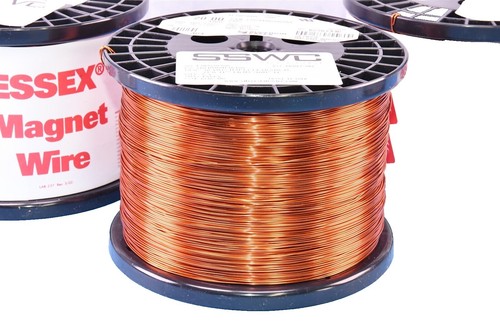
Manufacturing Process for Precision Copper Winding Wire
Luoyang Xinzhaohe Aluminum Co., Ltd leverages two decades of metallurgical expertise to deliver copper winding wire meeting stringent global standards. Our production sequence—Rod Drawing, Annealing, Enameling, and Inline Testing—ensures optimal electrical performance, mechanical integrity, and thermal endurance for demanding applications like motors, transformers, and inductors. While our corporate name reflects historical aluminum specialization, our copper winding wire division operates with dedicated facilities and process controls adhering to IEC 60317 and ASTM B3 specifications.
Rod Drawing initiates the process using 8mm oxygen-free copper rods (minimum 99.99% Cu purity, ASTM B152). High-precision tungsten carbide dies progressively reduce diameter to final gauges (0.1–5.0mm) under controlled tension. Critical parameters include reduction ratio sequencing to avoid work hardening defects and surface finish monitoring via profilometry, targeting Ra ≤ 0.4 μm. Lubricant viscosity and temperature are dynamically adjusted to prevent scoring or ovality, with real-time laser micrometers verifying dimensional accuracy to ±0.001mm.
Annealing follows immediately via inert atmosphere continuous furnaces (N₂/H₂ mix, O₂ <50 ppm) at 550–600°C. This recrystallizes the copper lattice, restoring ductility and achieving minimum 100% IACS conductivity per ASTM E101. Precise dwell time control prevents grain coarsening, while inline eddy current systems detect residual stresses. Post-anneal, wires undergo mandatory tensile testing (yield strength 60–120 MPa) and elongation verification (≥40%) to ensure formability during winding.
Enameling applies thermosetting polymer coatings—typically polyester-imide or polyamide-imide—in 2–4 layers. Our multi-zone ovens cure resins at 350–450°C with oxygen-controlled atmospheres to eliminate pinholes. Coating thickness is maintained at ±5% tolerance (e.g., 0.03–0.15mm per layer) via gravimetric feed systems and IR pyrometry. Mandrel wrap tests at 2x wire diameter confirm adhesion, while thermal shock cycling (200°C to 20°C) validates crack resistance per IEC 60851-5.
Inline Testing integrates non-destructive verification at every stage. Spark testing at 3–15kV (adjustable per voltage class) detects insulation flaws with 100% coverage. Simultaneously, diameter, ovality, and surface defects are scanned via high-resolution cameras, triggering automatic rejection for deviations >0.5%. Final QC includes batch sampling for dielectric strength (≥3 kV/μm), thermal class validation (180–240°C), and solderability per IEC 60851-8.
Our end-to-end traceability system logs all process parameters against material heat numbers, enabling root-cause analysis for any non-conformance. This integrated approach—combining metallurgical rigor with real-time QA—ensures copper winding wire that minimizes energy losses, maximizes coil fill factors, and exceeds OEM reliability requirements. All production data is accessible via our cloud-based supply chain portal for audit transparency.
Packaging & Logistics
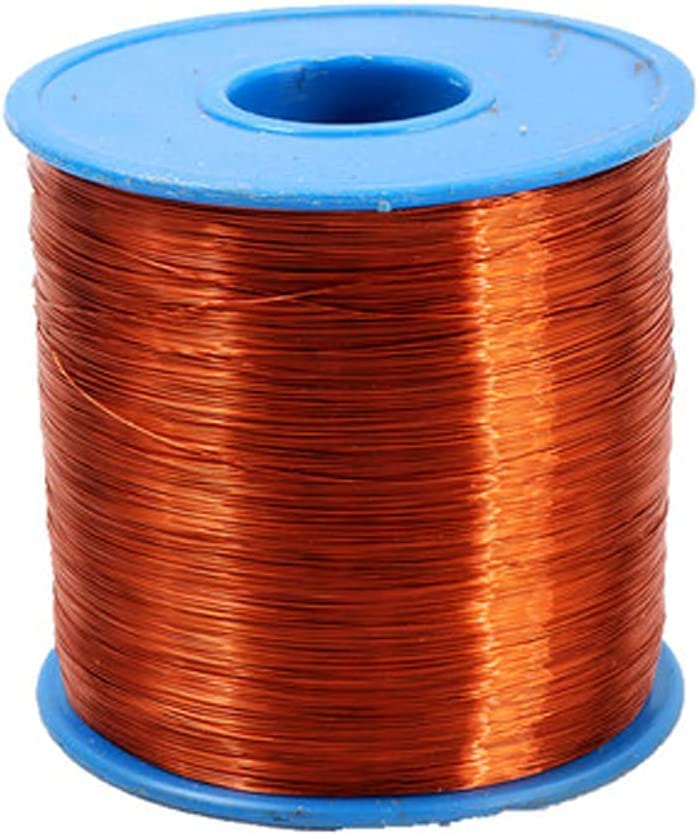
Export Packaging for Copper Winding Wire: Ensuring Integrity During Sea Freight
At Luoyang Xinzhaohe Aluminum Co., Ltd, with over two decades of experience in the production and international distribution of high-performance winding wire, we maintain rigorous standards for export packaging to ensure product integrity throughout global logistics chains. Copper winding wire, due to its electrical sensitivity and susceptibility to environmental degradation, demands a packaging solution engineered for long-term protection, particularly under the demanding conditions of sea freight transportation.
All copper winding wire shipments are securely mounted on robust wooden pallets constructed from kiln-dried, ISPM 15-certified hardwood. These pallets are designed to meet international phytosanitary regulations and provide structural stability during multi-modal handling, including container loading, ocean transit, and final destination unloading. The use of high-density timber ensures resistance to compression and deformation, even under full coil loads, minimizing the risk of mechanical damage to the wire windings during stacking and transport.
Each coil is individually wrapped with multiple layers of high-tensile, moisture-proof polyethylene film. This vapor barrier film is specifically selected for its low water vapor transmission rate (WVTR), effectively shielding the copper conductors from humidity, salt spray, and condensation—common hazards during prolonged maritime shipping across tropical and temperate zones. The film is heat-sealed at all seams to form a continuous protective envelope, preventing ingress of atmospheric moisture that could lead to surface oxidation or corrosion, both of which compromise electrical performance and winding efficiency.
In addition to external wrapping, desiccant packs are strategically placed within the coil core and between layers where applicable, further mitigating internal moisture accumulation. For extended voyages or shipments to high-humidity regions, optional vacuum sealing or nitrogen-flushed packaging can be implemented upon client request, providing an additional layer of environmental control.
Coils are secured to the pallet using steel or composite strapping anchored to load-bearing blocks, preventing axial or radial displacement during vessel motion. Top and bottom protective cardboard or fiberboard sheets are employed to distribute pressure and prevent abrasion. Labeling is conducted in compliance with international shipping standards, including clear identification of coil specifications, net weight, production batch, and handling instructions.
This integrated packaging system has been validated through accelerated aging tests and real-world shipping performance across major trade routes, including trans-Pacific and trans-Atlantic crossings. It reflects our commitment to delivering copper winding wire in optimal condition, regardless of logistical complexity. By prioritizing structural resilience and environmental protection, Luoyang Xinzhaohe ensures that every shipment arrives ready for immediate integration into precision manufacturing processes.
Sourcing from Luoyang Xinzhaohe
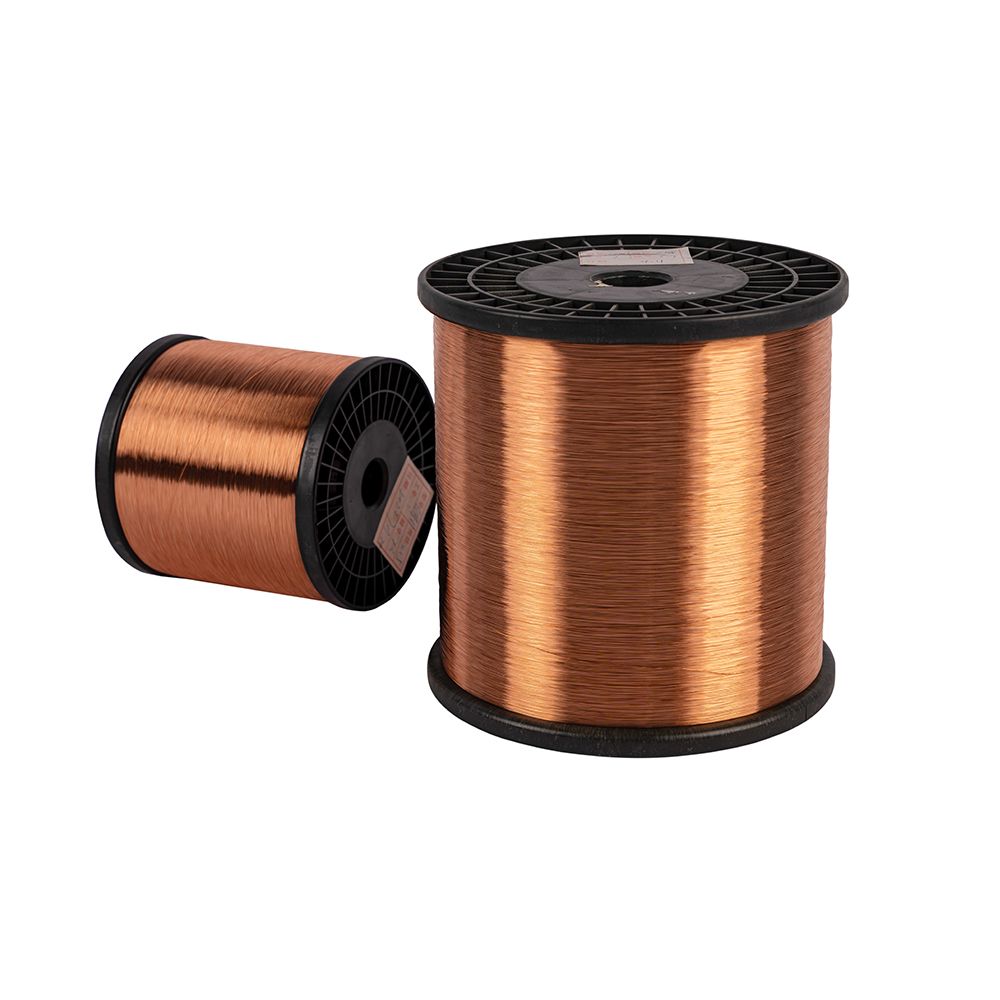
Partner with Luoyang Xinzhaohe for Precision Copper Winding Wire Solutions
Luoyang Xinzhaohe Aluminum Co., Ltd leverages over two decades of metallurgical expertise to deliver engineered copper winding wire meeting the most stringent industrial demands. While our heritage centers on aluminum processing, our advanced production ecosystem extends seamlessly to high-purity copper conductors, ensuring optimal electrical performance and mechanical reliability for transformer, motor, and generator applications. Our vertically integrated facility in Henan Province operates under ISO 9001 and IATF 16949 frameworks, providing end-to-end control from raw material sourcing to finished coil delivery. This integration eliminates third-party variability, guaranteeing consistent metallurgical properties critical for winding efficiency and thermal management.
Our production capabilities are engineered for precision. Continuous casting and rolling lines produce copper wire with exceptional dimensional stability and surface integrity, directly impacting winding automation compatibility and end-product efficiency. Key technical parameters achieved across our production spectrum include:
| Parameter | Capability | Industry Standard Benchmark |
|---|---|---|
| Diameter Tolerance | ±0.002 mm (0.05–5.0 mm) | ±0.005 mm |
| Tensile Strength | 200–220 MPa (Soft Annealed) | 180–240 MPa |
| Elongation | ≥40% | ≥35% |
| Conductivity | ≥100% IACS (99.99% Cu min) | ≥98% IACS |
| Surface Roughness | Ra ≤ 0.4 µm | Ra ≤ 0.8 µm |
Metallurgical consistency is enforced through in-line eddy current testing, laser micrometry, and batch-certified OES analysis. Every coil undergoes 100% electrical resistance validation against ASTM B3 and IEC 60122 standards, ensuring zero deviations in resistivity that could compromise winding thermal performance. Our annealing processes utilize controlled atmosphere furnaces to prevent oxidation, achieving uniform ductility essential for high-speed winding without breakage or deformation.
Supply chain resilience is structurally embedded in our operations. Strategic partnerships with certified copper refiners secure LME-grade cathode supply, while our 15,000-ton annual capacity and JIT inventory model support volume flexibility from 500 kg trial batches to 50-ton monthly contracts. Dedicated logistics coordination ensures 15-day lead times for Asia-Pacific and 25 days for global shipments, with real-time tracking and customs documentation managed through our ERP-integrated platform. We maintain dual warehousing within 500 km of Shanghai and Qingdao ports, mitigating regional disruption risks while optimizing freight costs for international buyers.
Partnering with Luoyang Xinzhaohe means accessing a technical collaborator, not merely a supplier. Our engineering team provides material datasheets, winding process optimization support, and failure mode analysis to reduce your production scrap rates. We align copper wire specifications precisely to your electromagnetic design requirements, whether for high-frequency inverters, EV traction motors, or grid-scale transformers. This precision-driven approach minimizes energy losses and extends operational lifespan in demanding applications.
Initiate a technical discussion to receive a customized copper winding wire quotation reflecting your exact dimensional, electrical, and logistical parameters. Contact Cathy Zhang, Supply Chain Manager, at cathy@transformerstrip.com to schedule a metallurgical review or request sample validation data. Let our 20 years of conductor expertise secure your supply chain with scientifically validated performance.
📉 Factory Direct Savings Calculator
Calculate your potential savings by importing copper winding price directly from China.