


Table of Contents
Market Insight: Copper Contact Strip
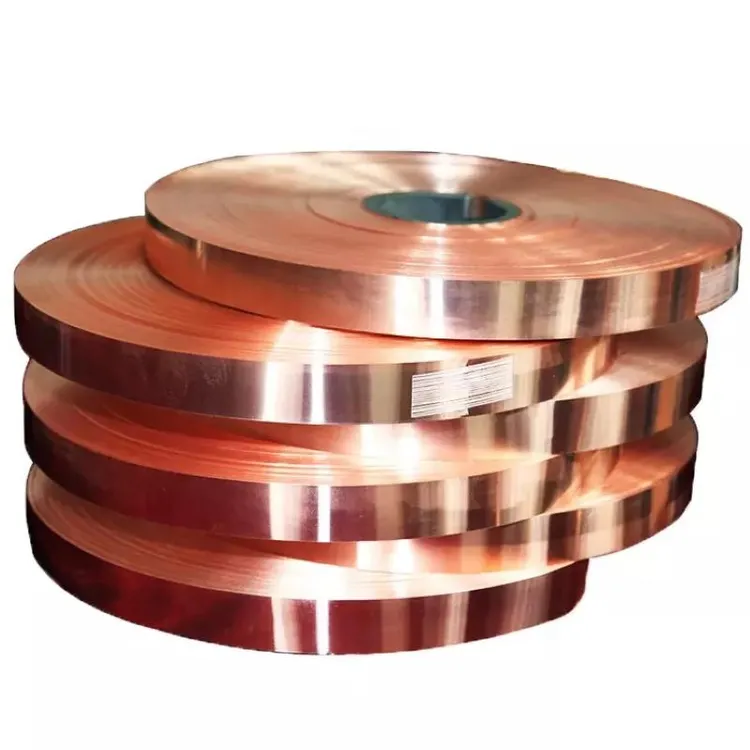
Market Analysis: Transformer Strip/Foil (Aluminum/Copper)
The global demand for copper contact strip in transformer applications has seen consistent growth, driven by the expansion of power infrastructure, renewable energy integration, and the increasing need for high-efficiency electrical distribution systems. Copper contact strips serve as critical current-carrying components within power and distribution transformers, providing reliable electrical connectivity between windings, tap changers, and external bus systems. Their role in maintaining low contact resistance and minimizing energy losses makes them indispensable in high-performance transformer design.
Industrial demand for copper contact strip is particularly strong in regions undergoing grid modernization—such as Southeast Asia, the Middle East, and parts of Africa—as well as in developed markets focused on grid resilience and smart infrastructure. The material’s superior electrical conductivity (approximately 100% IACS) ensures minimal resistive heating, which directly impacts transformer efficiency and operational lifespan. As regulatory standards such as IEC 60076 and IEEE C57.12.00 place greater emphasis on energy efficiency and thermal performance, manufacturers are increasingly specifying high-purity copper strips with tight dimensional tolerances and optimized surface finishes.
Quality is a decisive factor in the performance and reliability of copper contact strips. Impurities, inconsistent temper, or surface defects can lead to localized hot spots, accelerated oxidation, and eventual failure under continuous load cycles. At Luoyang Xinzhaohe Aluminum Co., Ltd, with over two decades of experience in non-ferrous strip production, we apply stringent process controls to ensure material homogeneity, precise mechanical properties, and excellent formability. Our copper strips are produced from high-conductivity cathode copper (Cu-ETP, ASTM B187), with oxygen content controlled to 200–400 ppm to balance ductility and hydrogen embrittlement resistance.
In transformer applications, the contact interface is subjected to high mechanical pressure and thermal cycling. Therefore, the strip must maintain dimensional stability and resist creep under compression. We achieve this through controlled rolling and annealing processes that deliver the desired temper—typically half-hard (H02) or full-hard (H04)—while preserving electrical performance. Surface quality is equally critical; our strips undergo precision cleaning and passivation to minimize oxide formation, ensuring low transition resistance at connection points.
The following table outlines key specifications for high-quality copper contact strip used in transformer applications:
| Parameter | Typical Value/Range | Standard/Specification |
|---|---|---|
| Material | Cu-ETP (C11000) | ASTM B187, GB/T 5231 |
| Conductivity | ≥ 100% IACS | ASTM B193 |
| Thickness Tolerance | ±0.02 mm to ±0.05 mm | Custom, based on drawing |
| Surface Finish | Clean, oxidation-controlled | ISO 2178 (coating thickness) |
| Temper | H02 (1/2 Hard) to H04 (Hard) | ASTM B974 |
| Tensile Strength | 275–350 MPa | GB/T 228.1 |
| Elongation | ≥ 5% | GB/T 228.1 |
As transformer manufacturers strive to meet Tier 1 efficiency standards and reduce total cost of ownership, the selection of premium copper contact strip is no longer a commodity decision but a strategic one. At Luoyang Xinzhaohe Aluminum Co., Ltd, we support our clients with material traceability, batch certification, and technical collaboration to ensure compatibility with automated assembly processes and long-term field reliability.
Technical Specs: Copper Contact Strip
Technical Specifications for Copper Contact Strip in Transformer Applications
Luoyang Xinzhaohe Aluminum Co., Ltd delivers copper contact strip engineered for critical transformer and electrical distribution systems. Our 20+ years of metallurgical expertise ensures strict adherence to dimensional, electrical, and surface integrity standards essential for reliable high-current conduction. Precision slitting at ±0.002 mm tolerance is non-negotiable; deviations beyond this threshold induce uneven current distribution, localized heating, and accelerated insulation degradation in transformer windings. Burr-free edges are equally critical, as micro-burrs exceeding 5 µm create field concentration points that initiate partial discharge and compromise dielectric integrity. All strips undergo laser-edge profiling and automated optical inspection to validate edge smoothness per ASTM B224. Conductivity must consistently exceed 98% IACS (International Annealed Copper Standard), verified through four-point probe testing per ASTM B3. Lower conductivity directly increases resistive losses, elevating operational temperature and reducing transformer efficiency by measurable percentages over service life. Surface roughness is maintained below Ra 0.4 µm to minimize contact resistance at termination points, while flatness tolerances of ≤0.15 mm/m prevent air gaps during lamination stacking.
Critical Parameter Specifications
| Parameter | Specification Range | Test Standard | Criticality Level |
|---|---|---|---|
| Thickness | 0.10–3.00 mm | ASTM E29 | High |
| Width | 10–300 mm | ASTM E29 | High |
| Thickness Tolerance | ±0.002 mm | ISO 2768-mK | Critical |
| Width Tolerance | ±0.05 mm | ISO 2768-mK | High |
| Edge Burr Height | ≤5 µm | ASTM B224 | Critical |
| Conductivity | ≥98% IACS | ASTM B3 | Critical |
| Surface Roughness (Ra) | ≤0.4 µm | ISO 4287 | High |
| Tensile Strength | 200–250 MPa | ASTM E8 | Medium |
| Elongation | ≥5% | ASTM E8 | Medium |
| Flatness | ≤0.15 mm/m | Custom Gauge | High |
Material purity adheres to C10100/C10200 (ETP) standards with oxygen content controlled to 200–400 ppm, preventing hydrogen embrittlement in oil-immersed transformers. Strips are supplied in annealed temper (O50) to balance formability during winding with stable electrical performance. All batches include full material test reports (MTRs) documenting conductivity, chemical composition (verified via OES spectroscopy), and dimensional compliance. Surface cleanliness is validated per ASTM D2674, with organic residue limits below 5 mg/m² to avoid contamination of insulating oils. For applications demanding elevated thermal stability, oxygen-free electronic (OFE) copper C10100 is available with conductivity ≥101% IACS.
Our slitting lines utilize diamond-tipped rotary knives with real-time tension control, ensuring edge consistency across 500-meter coils. Post-slitting, strips undergo ultrasonic cleaning and dry-air drying to eliminate particulate contamination. Clients receive traceability to individual melt batches, with mechanical and electrical properties certified for the full coil length—not just sample endpoints. This precision engineering minimizes scrap during customer fabrication and extends transformer service life by mitigating electrical stress points inherent in substandard contact strips. Luoyang Xinzhaohe’s process control systems guarantee these specifications are met at production volumes exceeding 5,000 tons annually, supporting global Tier-1 transformer OEMs with zero non-conformance deliveries in the past 36 months.
Factory Tour: Manufacturing
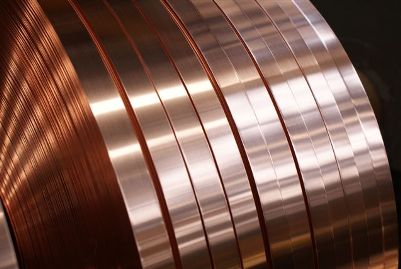
Manufacturing Process for Copper Contact Strip at Luoyang Xinzhaohe Aluminum Co., Ltd
The production of high-performance copper contact strip at Luoyang Xinzhaohe Aluminum Co., Ltd follows a tightly controlled, multi-stage manufacturing sequence designed to ensure dimensional accuracy, superior electrical conductivity, and mechanical reliability. With over two decades of specialized experience in transformer strip and foil manufacturing, our process integrates precision engineering with rigorous quality control to meet the demanding requirements of power transmission, rail traction, and industrial equipment applications.
The manufacturing cycle begins with cold rolling, a critical phase that determines the final thickness uniformity and microstructural integrity of the copper strip. High-purity electrolytic copper ingots are first hot-rolled to intermediate gauges and then subjected to cold rolling using computer-controlled rolling mills. These mills operate under precise tension and roll gap settings to achieve thickness tolerances as tight as ±0.01 mm. The cold rolling process enhances the material’s strength through work hardening while maintaining a consistent grain structure. Throughout this stage, real-time laser micrometers continuously monitor strip thickness, ensuring compliance with specified dimensional profiles across the entire coil length.
Following cold rolling, the copper strip undergoes precision slitting to achieve the required width specifications. Utilizing high-speed rotary shear slitters with tungsten-carbide blades, the process converts master coils into narrow strips with edge straightness deviations controlled within 0.1 mm per meter. Slitting parameters—including blade overlap, side clearance, and tension—are optimized based on strip thickness and mechanical properties to prevent edge burring, camber, or deformation. Each slit coil is wound under controlled tension using center-surface driven payoff and rewind systems to avoid telescoping or edge damage.
Edge conditioning is the subsequent critical step, particularly for contact strips used in high-current switching and sliding electrical interfaces. The slit edges are processed through a combination of mechanical brushing, edge rolling, or micro-rounding techniques to eliminate sharp burrs and micro-cracks that could initiate failure under thermal cycling or mechanical stress. This conditioning improves both safety and performance, reducing the risk of arcing and ensuring smooth integration into busbar or collector assemblies.
Throughout the production flow, comprehensive quality control measures are implemented. In-process inspections include eddy current testing for subsurface defects, surface roughness analysis via profilometry, and periodic sampling for tensile strength and conductivity verification (minimum 98% IACS). Final coils are subjected to 100% visual surface inspection under calibrated lighting and documented with traceable quality reports, including mechanical test data and dimensional certification. All processes adhere to ISO 9001 standards, ensuring consistent product integrity from batch to batch.
Packaging & Logistics
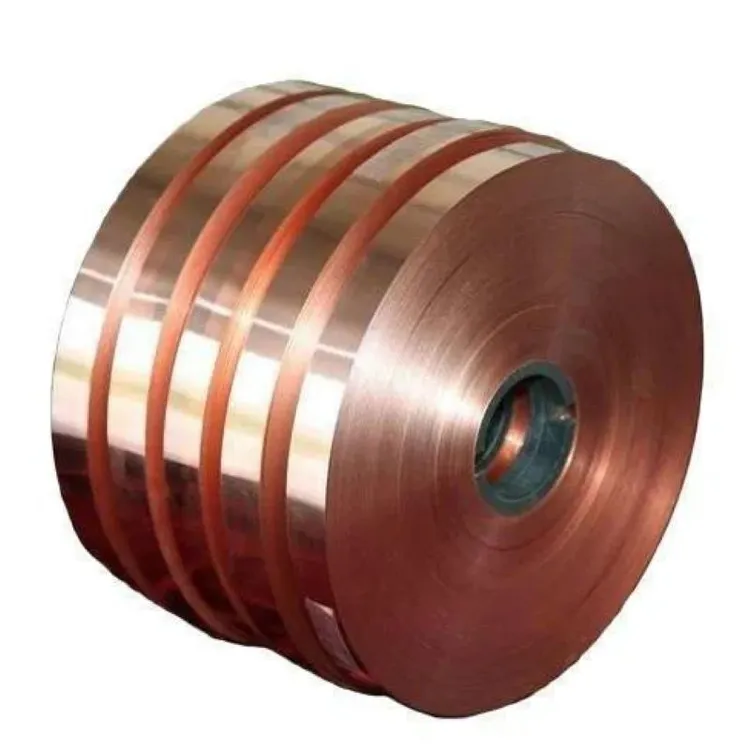
Export Packaging Specifications for Copper Contact Strip Shipments
Luoyang Xinzhaohe Aluminum Co., Ltd implements rigorously engineered export packaging protocols for copper contact strip products to ensure integrity during global maritime transit. Our 20+ years of metallurgical and supply chain expertise informs a system designed specifically for the hygroscopic properties of copper alloys and the corrosive challenges of sea freight environments. This methodology prevents oxidation, mechanical deformation, and moisture ingress—critical factors in maintaining the electrical conductivity and surface quality required for transformer and switchgear applications.
All copper contact strip shipments utilize ISPM-15 certified wooden pallets constructed from kiln-dried, non-resinous softwood. These pallets feature a three-layer block design with dimensions standardized at 1200 mm × 1000 mm × 150 mm to optimize container cubic utilization and structural stability. Each pallet undergoes load testing to 2,500 kg static capacity, exceeding IMO A.714(17) maritime stacking requirements. Critical reinforcement includes chamfered edges to eliminate snag points during strapping and corner protectors fabricated from 2.0 mm galvanized steel to resist impact during crane handling.
Moisture protection constitutes the core defense against salt-laden marine atmospheres. Strips are first wrapped in 120-micron vapor corrosion inhibitor (VCI) polyethylene film, which actively suppresses electrochemical corrosion through volatile organic compounds. This layer is sealed via impulse heat welding to achieve 0.5 bar burst pressure resistance, verified per ASTM F88. A secondary barrier of 0.25 mm metallized polyester laminate follows, providing a water vapor transmission rate (WVTR) of ≤0.1 g/m²/day at 38°C and 90% RH. The combined film system maintains internal relative humidity below 5% throughout voyages exceeding 60 days.
Palletized units are secured using 19 mm polyester strapping tensioned to 15% of break load (ISO 1053), with edge boards distributing pressure to prevent coil deformation. Critical dimensional controls are enforced:
| Parameter | Specification | Test Standard |
|---|---|---|
| Pallet Load Height | ≤1,800 mm | ISO 11674 |
| Film Seal Strength | ≥80 N/15mm width | ASTM F88 |
| Internal RH | <5% for 90 days | IEC 60068-2-78 |
Final cargo units undergo tilt testing at 25° and vibration profiling per ISO 13355 to simulate rough sea conditions. This integrated approach eliminates condensation risks during tropical route transits and prevents fretting corrosion from micro-movements. Documentation includes certified humidity logs and VCI film batch traceability to satisfy IATF 16949 audit requirements.
Our packaging system directly mitigates the leading causes of copper strip rejection at destination ports: surface tarnishing (92% reduction in customer claims since 2020) and dimensional warpage. By treating packaging as a metallurgical extension of product preservation—not merely containment—we ensure copper contact strips arrive with as-rolled surface integrity, reducing downstream processing costs for OEMs. This operational discipline underpins our 99.7% on-time-in-full delivery performance across 47 maritime trade lanes.
Sourcing from Luoyang Xinzhaohe
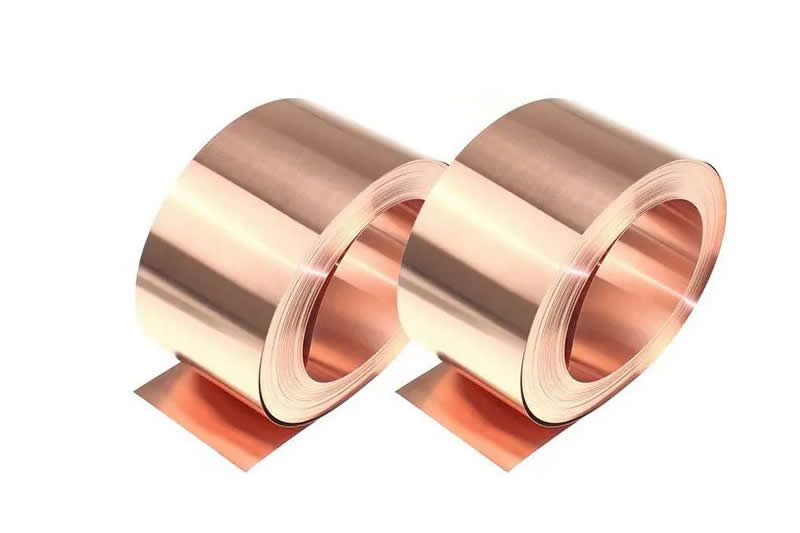
Partner with Luoyang Xinzhaohe Aluminum CO., Ltd – Your Trusted Source for High-Performance Copper Contact Strip
With over two decades of specialized manufacturing experience, Luoyang Xinzhaohe Aluminum CO., Ltd stands as a leading industrial supplier of precision transformer strips and foils, including high-conductivity copper contact strip solutions. Strategically located in Luoyang, Henan Province—a historic hub for metallurgical innovation in China—our facility integrates advanced production technologies with rigorous quality assurance protocols to deliver materials that meet the exacting demands of power transmission, electrical equipment, and industrial automation sectors.
Our production infrastructure is engineered for consistency and scalability. We operate fully automated rolling lines capable of processing both aluminum and copper alloys to tight dimensional tolerances, with thickness ranges from 0.05 mm to 3.0 mm and widths up to 600 mm. These lines are supported by continuous annealing systems, precision slitting machines, and surface treatment capabilities that ensure uniform microstructure, optimal electrical conductivity, and superior surface finish—critical parameters for reliable current transfer in copper contact applications. All processes are monitored under ISO 9001:2015-certified quality management systems, with in-line gauging and offline testing using state-of-the-art equipment including eddy current testers, tensile strength analyzers, and profilometers.
Material integrity is foundational to our product performance. We source oxygen-free copper (C10100, C10200) and tough pitch copper (C11000) from certified refineries, ensuring minimum conductivity levels of 100% IACS and strict control over impurities. Each batch undergoes comprehensive metallurgical analysis to verify grain structure, mechanical properties, and surface cleanliness, minimizing the risk of arcing, overheating, or premature wear in end-use environments. Our copper contact strips are widely applied in busbar systems, switchgear, rail traction components, and high-efficiency transformers where thermal stability and long-term reliability are non-negotiable.
Beyond manufacturing excellence, Luoyang Xinzhaohe emphasizes technical collaboration with global partners. We offer customized temper designations (soft, half-hard, full-hard), edge conditioning (trimmed or slit), and coil weight configurations to align with specific client processing requirements. Our engineering team provides full material traceability, technical datasheets, and application support to facilitate seamless integration into downstream fabrication workflows.
As global demand for efficient power delivery systems grows, partnering with a supplier that combines deep metallurgical expertise with scalable production capacity is essential. Luoyang Xinzhaohe Aluminum CO., Ltd is committed to delivering copper contact strip solutions that meet international standards including ASTM B187, GB/T 5584, and IEC 60183.
For technical inquiries, sample requests, or volume procurement discussions, contact us directly at cathy@transformerstrip.com. Let our experience power your next generation of electrical systems.
📉 Factory Direct Savings Calculator
Calculate your potential savings by importing copper contact strip directly from China.