


Table of Contents
Market Insight: Copper Cleaning Strips
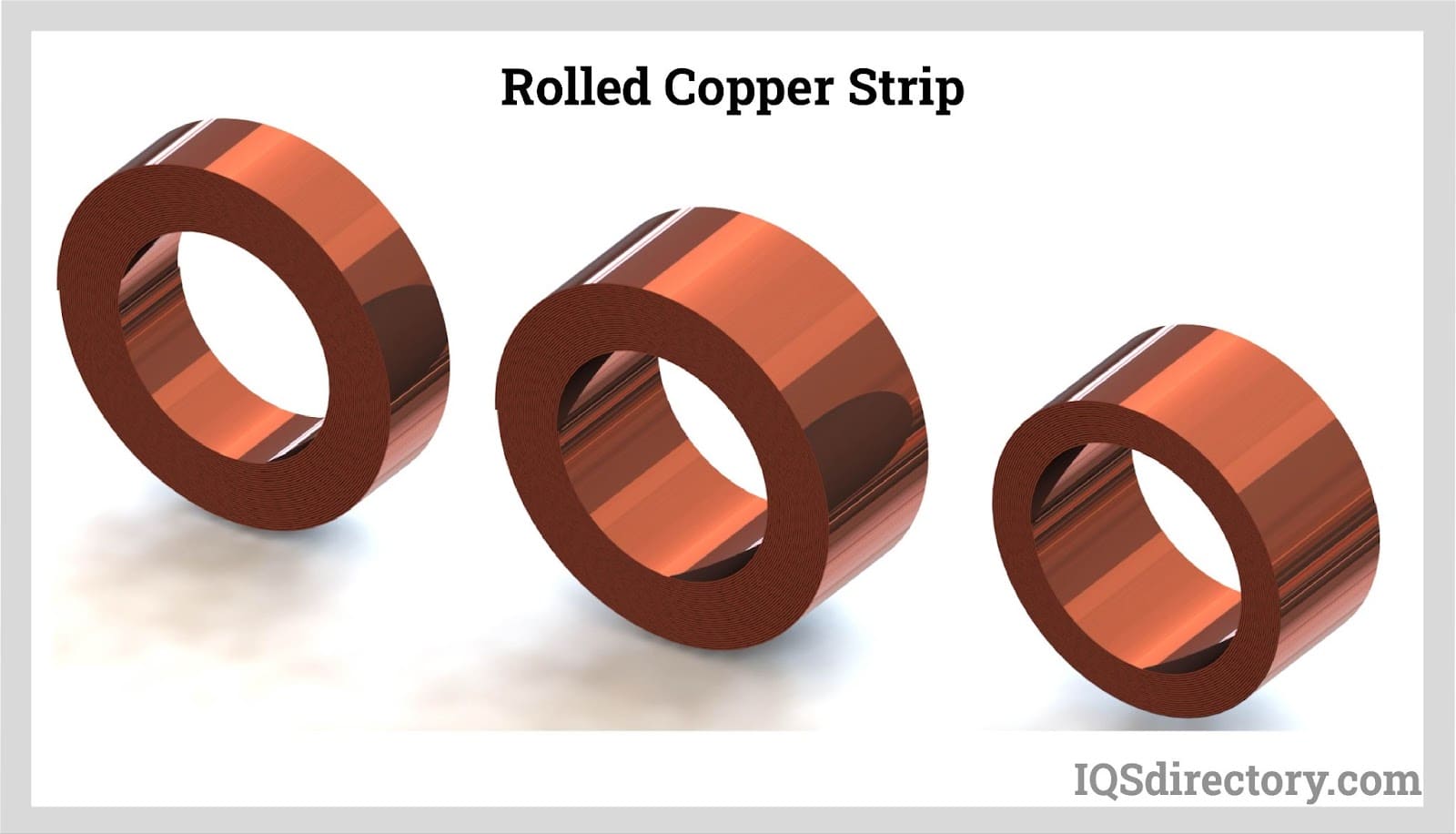
Market Analysis: Copper Cleaning Strips for Transformer Applications
Copper cleaning strips serve a critical yet specialized function within power transformer maintenance and manufacturing. Unlike primary conductor materials, these strips are employed during transformer assembly and servicing to remove oxidation, contaminants, and residual flux from copper windings and connections. This preparatory step ensures optimal electrical contact and prevents localized heating or arcing during operation. Industrial demand for high-purity copper cleaning strips has grown steadily, driven by global grid modernization initiatives, the expansion of renewable energy integration requiring robust substation infrastructure, and aging transformer fleets necessitating proactive maintenance. The Asia-Pacific region, particularly China and India, represents the largest consumption base due to aggressive transmission and distribution network upgrades.
Quality parameters for copper cleaning strips are non-negotiable in transformer applications. Impurities such as sulfur, oxygen, or non-metallic inclusions directly compromise cleaning efficacy and introduce particulate contamination into sensitive transformer interiors. Such contamination can initiate partial discharges, degrade insulating oil, and ultimately lead to catastrophic dielectric failure. Dimensional precision is equally vital; inconsistent thickness or edge burrs cause uneven contact pressure during cleaning, leaving residual oxides that increase contact resistance. Furthermore, inadequate surface flatness or excessive roughness promotes particle retention on the strip itself, transferring debris rather than removing it. Electrochemical stability is paramount to avoid galvanic corrosion when interacting with high-purity copper windings.
The consequences of substandard cleaning strips extend beyond immediate operational risks. Poor cleaning performance necessitates repeated maintenance interventions, increasing transformer downtime and lifecycle costs. In new transformer manufacturing, inadequate surface preparation contributes to premature field failures, damaging OEM reputations and incurring warranty liabilities. Industry standards such as ASTM B152 (for copper plate, sheet, and strip) and IEC 60138 (for copper strip used in electrical applications) define baseline requirements, but leading transformer manufacturers enforce stricter internal specifications for critical cleaning components.
The following table outlines key quality metrics and their operational impact:
| Quality Parameter | Standard Requirement | Critical Deviation Consequence |
|---|---|---|
| Minimum Purity (Cu+Ag) | 99.90% | Sulfur-induced corrosion; particle generation |
| Thickness Tolerance | ±0.02 mm | Inconsistent cleaning pressure; residual oxides |
| Surface Roughness (Ra) | ≤0.4 μm | Particle retention; surface scratching |
| Edge Burr | None detectable | Winding insulation damage |
| Flatness Deviation | ≤0.1 mm/m | Non-uniform contact; incomplete cleaning |
Supplier capability in precision rolling, controlled atmosphere annealing, and rigorous in-line surface inspection directly determines product fitness for purpose. Traceability through material heat numbers and certified test reports for each production lot are mandatory for compliance with transformer OEM quality management systems. As grid reliability demands intensify, the market increasingly prioritizes suppliers with demonstrable process control and metallurgical expertise over cost-driven alternatives. Copper cleaning strips are not consumable commodities but precision-engineered components where quality deviations directly correlate with transformer reliability and service life.
Technical Specs: Copper Cleaning Strips
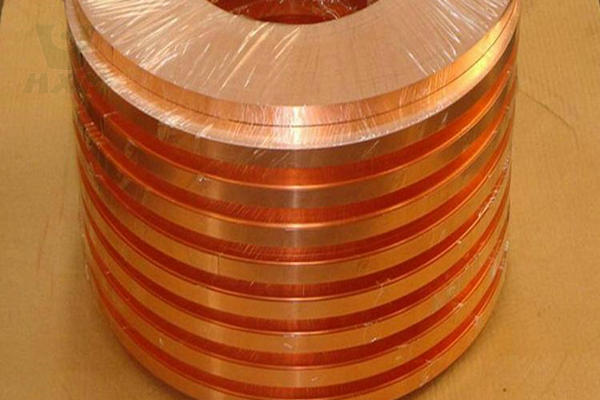
Technical Specifications for Copper Cleaning Strips
Copper cleaning strips are precision-engineered semi-finished products designed for use in high-reliability electrical and electronic applications, particularly within transformer and busbar manufacturing. At Luoyang Xinzhaohe Aluminum Co., Ltd., with over two decades of metallurgical and supply chain expertise, we produce copper cleaning strips to meet stringent industrial tolerances and performance benchmarks. These strips are primarily employed for de-oxidizing and surface conditioning of electrical contacts and conductors, where consistent conductivity and edge integrity are critical.
The dimensional accuracy of copper cleaning strips is paramount to ensure compatibility with automated handling and cleaning systems. Our strips are precision slit using advanced roll slitting technology, achieving a width tolerance of ±0.002 mm. This level of precision ensures uniform contact pressure and consistent cleaning performance across high-volume operations. The thickness range is maintained between 0.10 mm and 0.50 mm, with tolerance held to ±0.005 mm, depending on the grade and final application. All strips are supplied in continuous coils, with standard lengths ranging from 350 to 500 meters per coil, customizable based on client requirements.
Edge quality is a critical performance factor in copper cleaning strips. Burr formation during slitting can lead to arcing, material buildup, or damage to mating components. Our production process incorporates high-precision tooling and in-line edge inspection systems to guarantee burr-free edges. Each batch undergoes edge profiling via optical microscopy and tactile measurement to confirm the absence of micro-burrs or edge deformation. This ensures safe handling and optimal performance in sensitive electrical environments.
Electrical conductivity is measured in %IACS (International Annealed Copper Standard), with our high-purity electrolytic tough pitch (ETP) copper strips achieving a minimum conductivity of 98% IACS. This level of conductivity ensures minimal resistive losses during operation, making the strips suitable for high-efficiency transformer and power distribution systems. Material purity is maintained at 99.90% Cu minimum, with controlled levels of oxygen (typically 0.02–0.04%) to balance conductivity and mechanical workability.
All copper cleaning strips are annealed to a soft temper (O-temper), providing optimal flexibility and conformability during installation. Surface finish is controlled to a Ra (roughness average) of 0.4–0.8 µm to enhance cleaning efficiency without causing abrasion damage.
Below is a summary of key technical parameters:
| Parameter | Specification |
|---|---|
| Material | ETP Copper (C11000) |
| Purity | ≥ 99.90% Cu |
| Thickness Range | 0.10 – 0.50 mm (±0.005 mm) |
| Width Tolerance | ±0.002 mm |
| Edge Quality | Burr-free, optically verified |
| Temper | O-temper (Annealed) |
| Conductivity | ≥ 98% IACS |
| Surface Roughness (Ra) | 0.4 – 0.8 µm |
| Coil Length | 350 – 500 meters (customizable) |
| Packaging | Anti-tarnish wrap, sealed in moisture-barrier |
All products are manufactured under ISO 9001-certified quality management systems, with full traceability from raw material to finished coil.
Factory Tour: Manufacturing

Manufacturing Process for Copper Cleaning Strips
Luoyang Xinzhaohe Aluminum CO., Ltd leverages its 20+ years of specialized metallurgical expertise in non-ferrous strip production to manufacture high-integrity copper cleaning strips, primarily utilizing C11000 ETP copper alloy. Our process rigorously follows a sequence designed for dimensional precision, surface integrity, and edge quality critical for transformer and busbar applications. Production initiates with Cold Rolling of annealed copper coil. Incoming material undergoes strict verification against ASTM B152 specifications for chemical composition and mechanical properties. The rolling sequence employs computer-controlled tandem mills with precision-ground work rolls, achieving the target thickness within tight tolerances of ±0.02 mm. Critical process parameters include controlled reduction per pass (typically 30-50%), precise interstand tension management, and optimized roll cooling to prevent thermal distortion. This stage establishes the required mechanical properties (typically 0.5-0.8 mm thickness range) and a surface finish of Ra ≤ 5.0 μm, essential for subsequent processing and end-use performance. Continuous monitoring of roll gap, rolling force, and strip flatness ensures uniformity.
The rolled coil then advances to Precision Slitting. Utilizing high-rigidity rotary shear lines equipped with tungsten carbide-tipped knives, the master coil is longitudinally divided into narrow strips meeting exact customer width specifications, commonly ranging from 5 mm to 50 mm. Critical to this operation is maintaining knife concentricity within 0.005 mm and applying precise, adjustable side thrust to eliminate burr formation during cutting. Tension is meticulously controlled across the strip width to prevent edge wave or center buckle, ensuring edge straightness deviation remains below 0.15 mm per meter. Slit width tolerance is held to ±0.05 mm. Post-slitting, strips undergo immediate visual and automated edge inspection to detect any micro-burrs or damage.
Edge Conditioning represents a vital stage specific to cleaning strip functionality. Strips pass through a dedicated deburring and edge profiling system. This involves controlled mechanical brushing or precision abrasive finishing to remove any residual micro-burrs generated during slitting and to create a consistent, slightly radiused edge profile. The target edge radius is typically 0.05-0.10 mm, verified using optical comparators. This conditioned edge is paramount for effective, non-damaging cleaning of transformer windings and busbar connections, preventing conductor scratching during use. Surface integrity is preserved throughout.
Comprehensive Quality Control is embedded at each stage. Incoming copper verification includes spectrographic analysis and tensile testing. During cold rolling,在线 thickness gauges (beta gauge) and surface scanners provide real-time feedback. Post-slitting, 100% width verification occurs via laser micrometers, while edge quality is assessed using high-magnification borescopes. Final inspection of conditioned strips includes dimensional checks (width, thickness, edge radius), surface roughness measurement (profilometer), visual examination under controlled lighting for defects, and batch sampling for electrical conductivity verification (≥ 100% IACS per ASTM E1004). All critical data is logged for full traceability. Finished strips are wound under controlled tension onto non-marring cores, interleaved with protective film, and packaged in moisture-resistant containers to prevent oxidation during transit, ensuring delivery of strips meeting stringent transformer industry requirements.
Packaging & Logistics
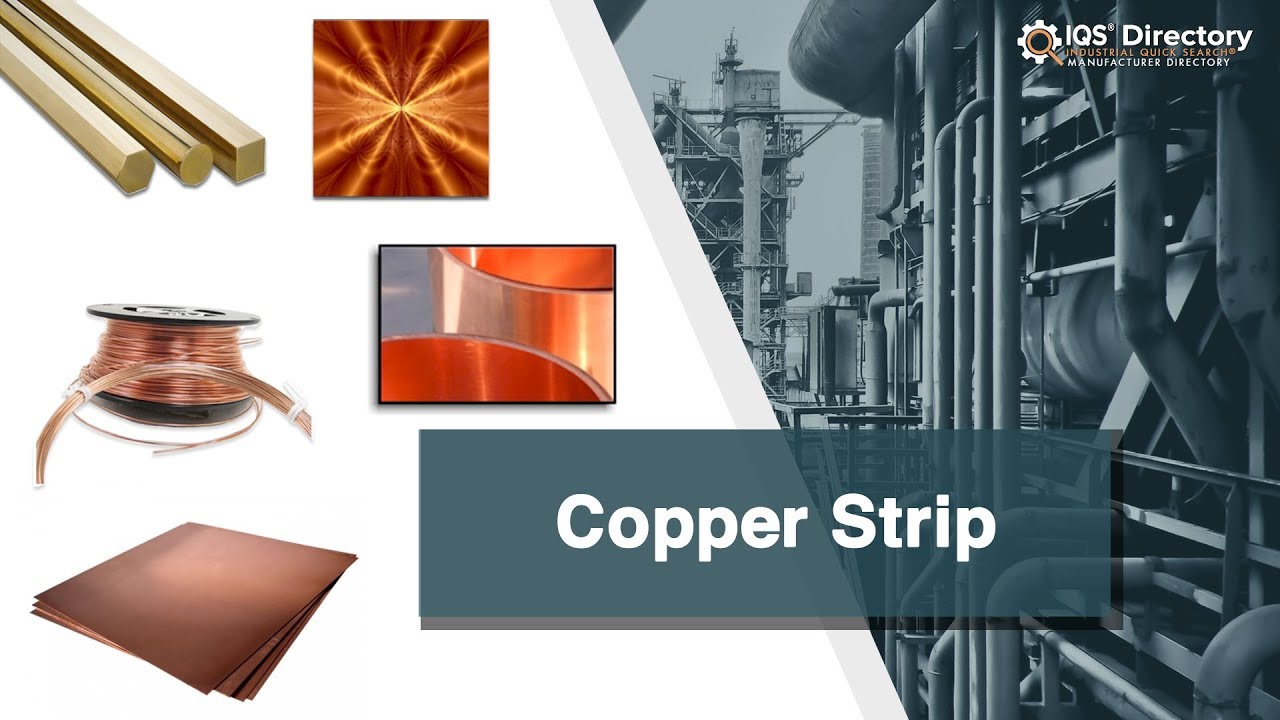
Export Packaging for Copper Cleaning Strips: Ensuring Integrity During Sea Freight
At Luoyang Xinzhaohe Aluminum Co., Ltd, with over two decades of specialized experience in the production and global supply of transformer-grade aluminum and copper strips, we recognize that packaging is not merely a logistical step but a critical component of product integrity. For copper cleaning strips destined for international markets, our export packaging system is engineered to withstand the rigorous conditions of sea freight while preserving the metallurgical and surface quality of the material.
All copper cleaning strips are wound or stacked with precision to minimize internal stress and surface abrasion, then secured on robust wooden pallets constructed from high-density, kiln-dried timber. These pallets are designed to meet international phytosanitary standards (ISPM-15), ensuring compliance with global customs and agricultural regulations. The structural rigidity of the pallets provides optimal load distribution, preventing deformation during containerization, crane handling, and extended maritime transit.
Each loaded pallet is wrapped in multiple layers of industrial-grade, moisture-proof polyethylene film. This vapor barrier is heat-sealed to form a fully encapsulated envelope, protecting the copper strips from salt-laden air, condensation, and humidity fluctuations inherent in marine environments. Copper is particularly susceptible to oxidation and tarnishing when exposed to moisture; therefore, the moisture-proof film acts as a primary defense against corrosion during voyages that may span several weeks across tropical and temperate zones.
In addition to film lamination, desiccant packs are strategically placed within the sealed package to absorb residual moisture and maintain a controlled microenvironment. For orders requiring enhanced protection—especially in high-humidity destination regions—we offer optional vacuum packaging or the inclusion of volatile corrosion inhibitors (VCI) compatible with copper metallurgy.
All packaged units are labeled with durable, weather-resistant tags indicating product specifications, batch numbers, handling instructions, and orientation markers (e.g., “This Side Up”) to prevent inversion during transit. Pallet dimensions and weight distribution are optimized for standard 20-foot and 40-foot dry containers, maximizing space utilization while adhering to shipping line safety protocols.
Our packaging methodology has been validated through long-term sea freight trials and customer feedback across key markets in Southeast Asia, the Middle East, and South America. It reflects our commitment to delivering copper cleaning strips in as-manufactured condition, ensuring readiness for immediate processing upon arrival.
For technical inquiries or customized packaging configurations, Luoyang Xinzhaohe Aluminum Co., Ltd provides direct engineering support to align packaging solutions with specific logistics and application requirements.
Sourcing from Luoyang Xinzhaohe

Partner with Luoyang Xinzhaohe for Precision Copper Cleaning Strips
Despite our corporate nomenclature emphasizing aluminum, Luoyang Xinzhaohe Aluminum Co., Ltd possesses over two decades of specialized metallurgical expertise extending significantly into high-purity copper processing, particularly for critical electrical applications like transformer cleaning strips. Our dedicated copper production division operates under stringent international quality frameworks, distinct from but complementary to our core aluminum operations, ensuring material integrity and process control specific to copper’s unique metallurgical requirements. We understand that sourcing reliable copper cleaning strips demands absolute consistency in conductivity, surface finish, and dimensional tolerance – non-negotiable factors for transformer performance and longevity.
Our factory strength lies in vertically integrated production capabilities specifically engineered for electrical-grade copper strips. We operate advanced cold rolling mills with precision thickness control down to ±0.005 mm, essential for uniform contact pressure in cleaning mechanisms. Raw material sourcing is governed by rigorous protocols, utilizing only electrolytic tough pitch (ETP) copper meeting ASTM B152 specifications, with oxygen-free electronic (OFE) copper available for ultra-high purity demands (minimum 99.99% Cu). Every production batch undergoes comprehensive in-house metallurgical testing, including electrical conductivity verification (min 100% IACS for ETP), tensile strength, elongation, and critical surface roughness analysis (Ra ≤ 0.4 µm). Our quality management system is ISO 9001 certified, with additional process validations aligned with ASTM B117 salt spray testing for corrosion resistance and IPC-TM-650 for surface cleanliness – directly addressing the operational environment of transformer maintenance.
Supply chain resilience is a cornerstone of our service model. We maintain dedicated copper strip production lines with an annual capacity exceeding 15,000 metric tons, enabling us to accommodate both large-volume OEM contracts and agile response for urgent replacement needs. Strategic raw material inventory buffers mitigate global copper market volatility, while our integrated logistics network ensures reliable delivery timelines. Our technical team collaborates directly with client engineering departments to validate strip specifications against application requirements, providing detailed material test reports (MTRs) and process capability studies (Cp/Cpk) for seamless integration into your manufacturing or maintenance workflows. This proactive engineering partnership minimizes supply risk and ensures the copper cleaning strips perform reliably under demanding electrical and mechanical conditions.
Partnering with Luoyang Xinzhaohe means securing a single-source supplier with deep metallurgical competence in both aluminum and copper transformer components, backed by 20+ years of proven industrial supply. We deliver not just material, but certified performance and supply chain certainty. For technical specifications, capacity verification, or to discuss your copper cleaning strip requirements, contact our dedicated sourcing team immediately.
Contact Cathy Zhang, International Sales Manager, at cathy@transformerstrip.com to initiate a technical qualification review and secure your supply chain.
📉 Factory Direct Savings Calculator
Calculate your potential savings by importing copper cleaning strips directly from China.